Article Contents:
- Moving Away from Flatness: Why Texture Defeats Smoothness
- Wooden Slats: The Architecture of Vertical and Horizontal
- Spatial Correction Through Wood Geometry
- Polyurethane Molding: Classic in Modern Interpretation
- Moldings and Cornices: Structuring the Plane
- 3D Panels: Technological Texture
- Accent walls: focal points of interior
- Zoning Through Texture
- Acoustic Function of Texture
- Combining Different Materials on One Plane
- Practicality of Installation: Professional Approach
- Lighting the Texture: Revealing Volume
- Color Solutions: From Natural to Avant-Garde
- Stylistic Versatility of Volumetric Decor
- Application in Residential Spaces
- Commercial Spaces: Creating Atmosphere
- Integration with Furniture and Accessories
- Maintenance and Durability
- Ecological and Healthy Environment
- Economic feasibility
- Frequently Asked Questions
- Conclusion: Investment in Atmosphere and Functionality

Flat walls are losing relevance in modern interiors. The year 2026 affirms the dominance of volume, texture, and layering, where every vertical surface becomes a full participant in the architectural composition. Geometry expressed through wood, polyurethane, and combined materials dictates new rules for organizing residential and commercial spaces.





Moving Away from Flatness: Why Texture Defeats Smoothness
Visual fatigue from sterile interiors has led to a rethinking of the role of walls. Textured solutions create interplay of light and shadow, fill the space with dynamism, and form architectural character where there was once a bland surface.wall finishing with lathstransforms the plane into a sculptural object, where every line works to create depth.
The popularity of vertical lines is explained by their ability to correct room proportions. In apartments with standard ceiling heights of 2.7-2.8 meters, vertically oriented decor visually lifts the ceiling, creating a sense of spaciousness. The human eye follows the rhythm of lines from bottom to top, which psychologically expands the space and alleviates the feeling of pressure from a low ceiling.
The 2026 trend is not just decoration, but functional use of volume. Textured elements perform tasks of zoning, acoustic correction, concealing utilities, and integrated lighting. The wall ceases to be a passive background and becomes an active tool for organizing living space.




Wooden Slats: The Architecture of Vertical and Horizontal
Solid wood maintains leadership among materials for creating linear decor.Wooden plankmade of oak or beech possesses that natural density and texture which cannot be achieved by artificial analogues. Living wood breathes with the room, regulates humidity, and brings organic warmth into technological interiors.
Vertical placement of slats creates a powerful visual effect of stretching the space. Planks with a cross-section of 20×40 mm or 30×50 mm, installed from floor to ceiling with a spacing of 40-80 mm, form a rhythmic structure that deceives perception and makes the room appear taller than it actually is. This technique is especially effective in standard apartments, where every centimeter of visual height is valued.
Horizontal orientation works in the opposite way – it pushes the walls apart. In narrow rooms, corridors, and elongated spaces, horizontal wooden planks visually expand the perimeter. The eye moves along the lines, creating an illusion of greater room width. An important nuance: horizontality reduces the perceived ceiling height, so this solution requires ceilings no lower than 3 meters.
Diagonal placement of slats introduces dynamism and surprise. Planks installed at a 30-45 degree angle create a sense of movement, disrupting the static nature of the space. Such a composition is suitable for creative studios, youth interiors, and commercial spaces where visual energy is needed. Diagonal placement requires careful calculation and professional installation, but the result justifies the effort.
Combined patterns open up limitless possibilities. Alternating vertical and horizontal sections, creating geometric designs, playing with placement density – all of this transforms a wall into an original work of art.Wooden moldings and battenscan be combined in an infinite number of ways, creating unique compositions for each project.
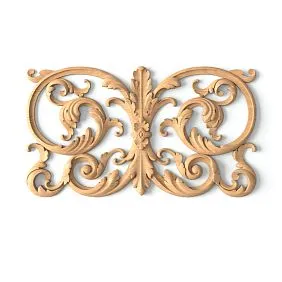
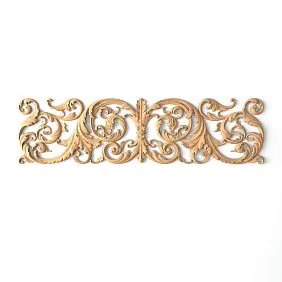
Our factory also produces:



Spatial correction through wood geometry
Proper use of slat structures corrects architectural flaws in a room. A disproportionately elongated room becomes more harmonious if vertical slats are placed on the short walls, while horizontal ones are used on the long walls or they are left smooth. This creates visual balance and brings the space closer to ideal proportions.
Low ceilings are a common problem in standard housing. Vertical solid wood slats, especially in light tones, visually raise the ceiling. The effect is enhanced if the slat structure is continued onto the ceiling, creating a continuous vertical plane. The eye cannot find the boundary between the wall and ceiling, which blurs visual limitations and creates a sense of height.
Excessively high ceilings, typical of Stalin-era apartments or modern premium-class apartments, create an uncomfortable void. Horizontal wooden slats at a height of 2.4-2.6 meters visually lower the ceiling to a comfortable level without sacrificing real height. The space above this line remains airy but not oppressive.
Dark narrow hallways are transformed with vertical slats made of light wood species – ash or bleached oak. The lines guide the eye along the hallway, creating perspective and depth. Built-in lighting between the slats enhances the effect, turning a passage space into an element of interior composition.
Get Consultation
Polyurethane molding: classic in a modern interpretation
polyurethane moldingsis returning to contemporary interiors, shedding its veneer of palatial pomp. Modern designers integrate molding elements into minimalism, high-tech, and Scandinavian style, proving the universality of classical forms. The secret to success lies in restraint: instead of Baroque excess, laconic profiles, geometrically precise ornaments, and minimalist overlays are used.
Polyurethane surpasses traditional plaster in all practical parameters. It is lighter, which simplifies installation and reduces the load on structures. Moisture resistance allows the use of molded decor even in bathrooms and kitchens, where plaster quickly deteriorates. Impact resistance protects against accidental damage, which is especially important in families with children or in commercial spaces with high traffic.
Modern polyurethane molding is distinguished by detailed relief work. European materials used by STAVROS allow for the finest nuances of ornamentation to be conveyed, creating clear edges and smooth transitions. Polyurethane products do not crack over time, do not deform from humidity fluctuations, and retain their original appearance for decades.
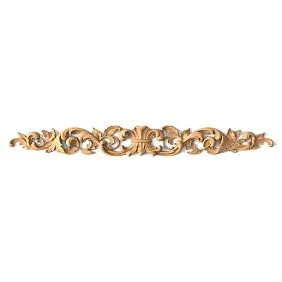
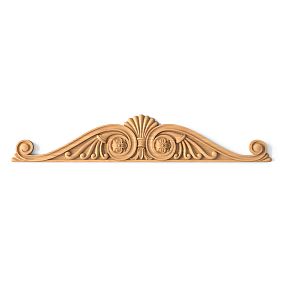
In minimalist interiors, molding works as a subtle accent. Severaldecorative insertsof geometric shape on the wall create depth without violating the overall strictness. In neoclassicism, molding elements form the architectural structure, dividing walls into panels, framing door and window openings, and creating ceiling compositions.
Integration into high-tech requires boldness. Laconic moldings with strict geometric profiles, painted in monochrome colors or metallics, complement the technological aesthetic. The contrast between the soft forms of molding and the rigid industrial materials creates interesting tension, enriching the interior with an additional layer of meaning.
Moldings and cornices: structuring the plane
Modern style moldingsmade of solid wood or polyurethane work as architectural lines that structure the wall space. Vertical moldings from floor to ceiling divide a wide wall into sections, creating rhythm and scale. Horizontal ones at one-third of the room's height reference classical architecture but in a simplified modern form.
Frame compositions made of moldings turn a wall into a gallery. Rectangular frames of different sizes create a structured surface, inside which contrasting paint, wallpaper, or decorative panels can be placed. Such layering adds depth and visual complexity to a flat wall.
Ceiling cornices are no longer limited to the function of transitioning between wall and ceiling. Wide cornices with hidden lighting create a floating ceiling effect. An LED strip hidden behind the cornice provides soft, diffused light that visually separates the ceiling from the walls. This visually raises the ceiling and creates an airy atmosphere.
Combining wooden and polyurethane moldings in one interior requires a subtle feel for materials. Wood brings organic warmth and tactile appeal. Polyurethane offers freedom in choosing forms and resistance to external influences. The correct combination of these materials creates a rich but not overloaded composition.
3D panels: technological texture
3D Wall Finishingtakes relief to a new level of expressiveness. Panels with a three-dimensional geometric pattern create a powerful visual effect, turning a wall into a sculptural object. The play of light on the three-dimensional surface changes throughout the day, creating a living, constantly transforming picture.
Materials for 3D panels are diverse. MDF panels with milled relief are suitable for living spaces, have sufficient strength, and are easy to paint. Gypsum panels create the deepest and most detailed relief but require careful handling and are not suitable for damp rooms. Polyurethane solutions combine ease of installation, moisture resistance, and the ability to create complex forms.
Wooden 3D panels represent the premium segment. Solid wood with milled three-dimensional texture offers maximum naturalness, tactile appeal, and durability. Wavy, cellular, geometric patterns on wood create organic volume that harmoniously fits into biophilic design, eco-style, and modern classic.
Installing 3D panels does not require a perfectly flat base due to their own rigidity. Panels are attached with adhesive or mounting profiles, and joints are carefully fitted to create a seamless surface. Finishing – painting, tinting, varnishing – allows the relief to be adapted to any color concept of the interior.
Accent walls: focal points of interior design
The concept of an accent wall is based on the psychology of perception: the human eye seeks a focal point in space. A wall with pronounced relief naturally attracts attention and becomes the compositional center of a room. In a living room, this could be the wall behind the sofa or TV; in a bedroom – behind the headboard; in a study – behind the desk.
Creating an accent wall using slats involves denser placement of the slats, using contrasting wood tones, and integrating lighting.wooden planks on the wallform an expressive vertical or horizontal texture that dominates the space but does not overwhelm it thanks to the natural organic quality of the material.
An accent wall with 3D panels creates a more dramatic effect. Deep relief, especially with proper lighting, forms a play of shadows that changes throughout the day. Such a wall becomes not just a background but a full-fledged art object that sets the mood for the entire room.
Polyurethane molding on an accent wall works differently. Here, composition is important: symmetrical or asymmetrical placement of overlays, creating a central medallion, framing a mirror or artistic panel. Molding elements can be concentrated in the center of the wall or distributed across the entire plane, creating a rhythmic pattern.
Important point: there should be only one accent wall in a room. Multiple active planes create visual chaos and compete for attention. The other walls remain neutral – painted smoothly or with minimal decor – so the accent wall can fully perform its role as a focal point.
Zoning through relief
Open-plan layouts require visual division of space without building partitions. Slat constructions are ideal for this task. Vertical slats from floor to ceiling mark the boundary between the kitchen and living room, work area and relaxation zone, but do not block light and air. The space remains unified but psychologically structured.
Partial slat partitions – a compromise between openness and privacy. A structure 1.5-2 meters high separates the sleeping area in a studio, creating intimacy without turning the space into a cramped box. Gaps between the slats allow natural light to pass through, preserving a sense of airiness.
Ceiling slat constructions zone the space from above. A strip of wooden slats on the ceiling above the dining table visually highlights this zone without requiring physical separation. Especially effective when ceiling slats are combined with similar ones on the wall, creating a three-dimensional frame around a functional area.
3D panels on part of a wall also work as a zoning element. A relief strip of panels from floor to ceiling marks the transition from one functional zone to another. Changing the wall texture psychologically marks the boundary but does not create physical obstacles for movement and sight.
Acoustic function of relief
Modern interiors with an abundance of hard surfaces – glass, concrete, porcelain stoneware – suffer from acoustic discomfort. Sound reflects multiple times, creating echo and unpleasant noise. Relief elements partially solve this problem by scattering and absorbing sound waves.
Wooden slats with gaps work as acoustic diffusers. They break up the sound wave, directing reflected sound in different directions, which reduces echo concentration. If sound-absorbing material – mineral wool, acoustic foam – is placed behind the slat construction, the effect is multiplied. This solution is ideal for home theaters, music rooms, recording studios.
3D panels with deep relief also work as acoustic elements. The uneven surface scatters sound, reducing its intensity. Specialized acoustic 3D panels made of perforated materials provide even better sound absorption, combining functionality and aesthetics.
In commercial spaces – open-plan offices, restaurants, hotel lobbies – acoustic comfort is critically important. Relief wall constructions reduce background noise levels, making the space more comfortable for conversations and work. At the same time, they look stylish and modern, serving simultaneously as functional and decorative elements.
Combining different materials on one plane
Installation of combined compositions requires careful planning. Wooden slats can frame an area with 3D panels, creating a visual frame.polyurethane moldingsis placed over the slat construction or in the gaps between the planks, adding an additional layer of decor. It is important to maintain balance: an excess of different textures creates visual chaos.
Contrast of textures enriches the composition. A smooth painted surface next to relief wooden slats creates a play of matte and textured. Glossy polyurethane molding against a matte wood background adds chiaroscuro nuances. Concrete texture combined with warm solid wood creates a dialogue between cold and warm, industrial and natural.
Color combinations enhance or soften the contrast of materials. Wood in a natural shade next to white polyurethane molding – a classic combination that emphasizes the nobility of both materials. Dark wenge slats combined with light 3D panels create a graphic composition with clear boundaries. A monochrome solution – when all elements are painted in one color – unites different materials into a single whole, focusing attention on form and relief, not materiality.
Technically, it is important to consider the thickness of different elements. If slats are 20 mm thick and 3D panels protrude 30-40 mm, a backing under the slats is needed to create a single plane. Polyurethane overlays usually have a small thickness of 10-20 mm, allowing them to be easily integrated over other elements. All joints must be carefully processed so the composition looks monolithic, not assembled from disparate pieces.
Practicality of installation: professional approach
Installation of complex relief compositions begins with detailed design. 3D visualization allows seeing the result before starting work, making adjustments, evaluating proportions and balance of elements. Drawings with exact dimensions and location of each element are mandatory for professional execution.
Preparation of the base depends on the type of construction. For adhesive installation of 3D panels or polyurethane molding, the wall must be level, clean, primed. For slat constructions on a frame, installation of guides – wooden battens or metal profiles, leveled – is required. The frame method allows leveling wall irregularities and creating a ventilated gap for air circulation.
The sequence of installation when combining materials is critically important. First, large elements are installed – slat constructions or 3D panels, which form the main structure. Then additional elements are mounted – moldings, frames, overlays. Finishing – painting, varnishing – is performed after complete installation of all elements to create a unified color scheme.
Fasteners must be reliable and correspond to the type of base. For concrete and brick walls, dowels are used; for drywall – special anchors. Adhesive installation of polyurethane elements requires specialized compounds that ensure reliable bonding and long-term strength. Heavy wooden constructions require mechanical fasteners – screws or bolts, which can be decoratively played up or concealed.
Lighting the relief: revealing volume
A relief surface reveals its beauty only with proper lighting. Side light creates maximum contrast between protrusions and depressions, emphasizing the depth of the relief. Fixtures placed to the side of a slat construction or 3D panel draw clear shadows, making the texture as expressive as possible.
Hidden lighting creates a floating effect. An LED strip installed behind a slat construction with an offset from the wall gives a soft glow from the depth, making the wall voluminous and airy. Similarly, lighting from above or below 3D panels works – light glides over the relief, creating soft shadow gradients.
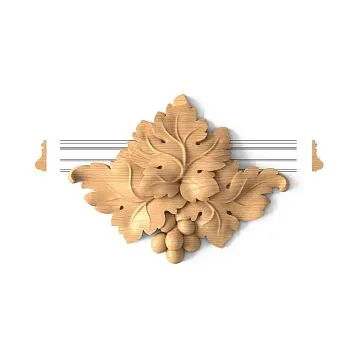
Accent lighting with directional spotlights highlights decorative elements.ceiling rosettesmade of polyurethane around a chandelier are illuminated by built-in fixtures, creating a solemn effect. Molded overlays on the wall are highlighted by spot lighting, turning into sculptural accents.
Colored lighting opens additional possibilities. RGB strips allow changing the lighting color depending on mood or time of day. Warm yellow light in the evening creates a cozy atmosphere, emphasizing the warmth of wood. Cool white light during the day enhances the graphic quality of geometry. Colored scenarios for special occasions transform the space, creating the desired mood.
Color solutions: from naturalness to avant-garde
Natural wood shades – a win-win option for most interiors. Light ash, honey beech, rich oak create an organic atmosphere, bringing natural warmth. Transparent oils and varnishes emphasize the wood texture, making each annual ring visible, turning the material into an independent aesthetic value.
Wood toning expands the palette while preserving the visibility of the grain. Gray, graphite, and charcoal shades make wood more contemporary, fitting it into an industrial or minimalist aesthetic. Bleached wood creates a Scandinavian mood, filling the space with light and air. Dark, noble tones—wenge, mahogany, fumed oak—add solidity and status.
Painting in dense, opaque colors transforms wood and polyurethane into graphic elements. White is universal and expands space, black creates drama and contrast, and color solutions—from pastel to saturated—allow adapting the relief to any interior color concept. Important: high-quality painting requires thorough surface preparation and professional application.
Contrasting combinations enhance visual impact. Dark slats on a light wall create clear graphics. White polyurethane molding on a colored background looks sculptural and expressive. Gold or silver accents on a neutral base add luxury and sophistication. Gradient transitions—from dark to light—create dynamism and depth.
Stylistic versatility of volumetric decor
Minimalism accepts relief solutions if they are restrained in form and color. Concise wooden slats in a natural shade, strict geometric 3D panels without excessive ornamentation, simple moldings with clear profiles—all this supports the minimalist philosophy of 'less is more,' adding texture with minimal decorativeness.
Scandinavian style organically incorporates wood into its aesthetic. Light slats made of ash or birch, natural oil treatment, functionality combined with beauty—all this aligns with Scandinavian principles. The relief here is delicate, not dominant, but complements the overall atmosphere of light, natural harmony, and coziness.
Loft utilizes the contrast of warm wood and cold industrial materials. Slatted structures against a concrete wall or brickwork create a dialogue between the natural and the man-made. Rough texture, deliberately simple installation with visible fasteners, dark saturated wood tones support the loft's brutality.
Modern classic and neoclassicism are the perfect environment for polyurethane molding. Here, classical forms are simplified, freed from excessive decor, but retain noble proportions. Symmetrical compositions, frame structures from moldings,ceiling rosettesaround chandeliers create a connection with architectural tradition, but in a modernized form.
High-tech requires boldness in using classical elements. Concise polyurethane molding of strict geometric forms, painted in metallic or monochrome, complements the technological aesthetic. 3D panels with futuristic relief, integrated lighting, combination of glossy and matte surfaces create an avant-garde atmosphere.
Application in residential spaces
The living room is the main space for showcasing volumetric decor. An accent wall behind the TV or sofa with wooden slats or 3D panels becomes the compositional center. Integration of hidden storage, built-in audio systems, and lighting makes this wall not only beautiful but also functional.
The bedroom requires a more restrained approach. A headboard made of wooden slats creates a cozy, intimate atmosphere without overloading the space. Integration of soft lighting, shelves for books, sockets, and switches makes the slatted structure convenient and practical. Natural wood in the bedroom works to create a healthy atmosphere for sleep.
The study benefits from the use of wooden panels or moldings, which create a respectable atmosphere. Frame compositions of moldings on the wall behind the desk, bookshelves integrated into the slatted structure, acoustic treatment for comfortable work—all this makes the study not only beautiful but also a functional space.
The hallway is transformed with the help of vertical slats, which visually raise the ceiling in a typically low and narrow space. Integration of hooks, shelves, and hidden drawers into the slatted structure solves storage problems while maintaining clean lines. Light wood tones and built-in lighting make the hallway brighter and more spacious.
Commercial spaces: creating atmosphere
Restaurants and cafes use relief walls to create a memorable atmosphere. Wooden slats on the ceiling and walls create cozy intimacy, reduce noise levels, and make the space more private despite an open layout. 3D panels with unusual relief become an Instagrammable backdrop that attracts visitors.
Open-plan offices need zoning and acoustic correction. Slatted partitions divide the space into functional zones without creating a sense of tightness. Acoustic panels with a relief surface reduce background noise levels, making work more comfortable. Modern design using natural materials enhances the company's status and helps attract talent.
Hotels and lobbies use volumetric decor to create a luxurious first impression. A wall with polyurethane molding or wooden panels in the lobby sets the tone for the entire space, demonstrating attention to detail. 3D panels behind the reception become a memorable backdrop associated with the hotel brand.
Boutiques and showrooms use relief walls as a backdrop for displaying goods. The neutral texture of wooden slats or 3D panels does not compete with the displayed products but creates a context of premium quality and taste. Proper lighting of the relief enhances the visual appeal of the entire space.
Integration with furniture and accessories
Harmony in the interior is achieved when all elements echo each other. If the walls are finished with oak wooden slats,furniture legs for tables and chairsmade from the same material create visual cohesion. Complete identity is not necessary—a unified wood species and similar surface treatment are sufficient.
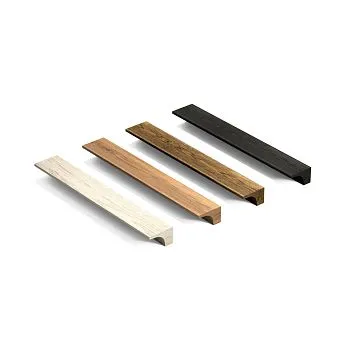
Furniture elements—handles, overlays, decorative inserts—can repeat the motifs of wall decor. If molding with a specific pattern is used on the wall, similar elements on cabinet or dresser fronts create a subtle visual rhyme. This is especially effective in classical and neoclassical interiors.
A staircase in a two-level space can support the linear theme of the interior. If the walls are clad with slats, balusters or stair railings made from the same material create cohesion between levels. A wooden handrail that echoes the color and texture of the wall finish unites the space into a single composition.
Accessories and decor should also consider the wall relief. Paintings and mirrors in frames made of wood that echoes the wall slats look organic. Shelves made from the same solid wood as the wall finish create an impression of thoughtfulness. Textiles—curtains, pillows, furniture upholstery—can be a neutral background or, conversely, a color accent against the backdrop of natural wood.
Care and longevity
Wooden relief structures require minimal maintenance with proper installation and treatment. Regular dry cleaning with a soft cloth or vacuum with a soft brush attachment removes dust from the gaps between slats and from the relief of 3D panels. This is a simple procedure that maintains the fresh appearance of the structure.
Polyurethane molding is even more low-maintenance. Moisture resistance allows for wet cleaning without concerns. The surface does not absorb dirt and is easily cleaned with a soft, damp cloth. The absence of deformations and cracks over time means that the molded decor retains its original appearance for decades without restoration.
Refinishing wooden elements prolongs their life. Oil coating is recommended to be renewed every 3-5 years—this is a simple procedure that restores protective properties and refreshes the appearance. Varnished surfaces are more durable but can be sanded and re-varnished if necessary.
Restorability is an important advantage of natural wood. If scratches or wear appear over time, the surface can be sanded, and the tinting and protective coating can be renewed. This restores the slats or panels to their original appearance without the need for complete replacement. Polyurethane is also easily renewed – repainting is possible multiple times without loss of surface quality.
Ecological and healthy environment
Choosing natural materials is a commitment to health and the environment. Solid wood is a renewable resource, and the production of wooden products requires minimal energy. Responsible manufacturers use wood from certified forests where sustainable forestry is practiced.
Wood creates a favorable microclimate indoors. It regulates air humidity by absorbing excess moisture and releasing it when the air is dry. It does not emit toxic substances, unlike many synthetic materials. The natural aroma of wood creates a pleasant atmosphere that many find calming.
The polyurethane used in modern molding also meets environmental standards. The European raw materials used by STAVROS do not contain harmful substances and are safe for humans and the environment. The material's durability means products do not need frequent replacement, reducing the overall environmental footprint.
Economic feasibility
Volumetric decor is an investment that pays off in the long term. Quality materials last for decades without losing their properties.Solid Wood PlanksThey do not require replacement and can be restored multiple times. Polyurethane molding does not crack or deform, maintaining its original appearance throughout the building's service life.
Increasing property value is an important factor. Quality finishing using natural materials and thoughtful design enhances the property's market appeal. Buyers and tenants are willing to pay more for a space where every element is considered and premium materials are used.
The versatility of relief decor reduces the risk of design obsolescence. Unlike trendy colors or patterns that quickly go out of fashion, volumetric structures made of natural wood or classic molding remain relevant for decades. This means the interior will not require a radical update in a few years.
Frequently asked questions
Can wooden slats and polyurethane molding be combined in one interior?
Yes, such a combination creates a rich, multi-layered composition. Wooden slats form the structural foundation, while molded elements add decorative accents. It is important to maintain balance: if there are many slats and they dominate, the molding should be restrained. Color harmony unites different materials into a single composition.
Are relief walls suitable for small spaces?
Relief decor in small spaces requires caution. Light, thin slats with a small pitch or minimalist 3D panels with shallow relief do not visually overload the space. Dark, massive elements or deep relief can make a small room feel even tighter. An accent wall is the best solution for compact spaces, with the remaining walls kept smooth.
How to care for wooden relief structures in humid areas?
Natural wood is sensitive to excessive humidity, so use in bathrooms requires moisture-resistant species (larch, teak) and quality protective treatment with water-repellent compounds. In areas of direct contact with water, it is better to use polyurethane analogs or other moisture-resistant materials that imitate wood texture.
Can a TV or shelves be mounted on a relief wall?
Yes, if the structure is installed on a reliable frame. Long screws or anchors pass through the slats or panels, the frame, and into the load-bearing wall. For adhesive-mounted lightweight elements, hanging significant loads is not recommended. For a TV, it is better to provide a reinforced embedded support during the installation of the relief structure.
How long does it take to install a relief wall?
The time depends on the area and complexity. A simple slatted structure on a 15-square-meter wall takes a professional team 1-2 working days, including preparation. A complex composition combining materials, integrating lighting, and additional elements can take 3-5 days. DIY installation will take longer.
Is special wall preparation required?
For adhesive mounting, a flat, clean, primed surface is required. For the frame method, special preparation is not needed – the frame compensates for unevenness. The main thing is to remove peeling coatings and treat the surface with an antiseptic if there is a risk of mold.
How does relief decor affect acoustics?
Positively – relief scatters sound waves, reducing echo. Slatted structures with gaps act as acoustic diffusers. Placing sound-absorbing material behind the slats or panels enhances the effect, making the room acoustically comfortable.
Can the color of wooden slats be changed after installation?
Yes, wood can be repainted or re-tinted. This requires removing the old coating by sanding, applying new tinting or paint, and then a protective coating. Polyurethane elements are also easily repainted without prior sanding – just degrease the surface and apply new paint.
Conclusion: An investment in atmosphere and functionality
Volumetric decor in 2026 is a conscious choice in favor of multi-layering, tactility, and architectural expressiveness. Wooden slats, 3D panels, and polyurethane molding create spaces that are not just beautiful but also functional, comfortable, and durable. Relief works to correct proportions, zoning, acoustic comfort, and creating focal points.
Choosing quality materials guarantees durability and environmental friendliness. Natural wood brings organic warmth and creates a healthy atmosphere. Polyurethane provides practicality, moisture resistance, and freedom of form. Skillful combination of these materials creates rich yet balanced compositions.
The company STAVROS offers a full range of solutions for creating volumetric decor.Wooden planksSlats made of solid beech and oak in various cross-sections and lengths allow for the realization of any design concepts.polyurethane moldingsPolyurethane molding – moldings, cornices, overlays, ceiling rosettes – provides the opportunity to create classical and modern compositions.
STAVROS's professional production guarantees high product quality: properly dried wood, precise geometry of products, detailed elaboration of molded elements. The wide range includes not only wall decor but alsoFurniture legssupports, frames that allow creating a harmonious space where each element supports the overall concept.
STAVROS specialists consult on material selection, help calculate required quantities, and offer optimal solutions for specific projects. Experience with natural wood and polyurethane, understanding of modern design trends, and commitment to quality make STAVROS a reliable partner for creating interiors that will delight for decades. Volumetric decor is not a short-term trend but a fundamental direction in interior design development, based on understanding the psychology of space perception and striving to create a comfortable, beautiful, functional living environment.