

























Article Contents:
- What Are Door Casings and Extensions and Why Are They Needed
- When Door Extensions Are Needed
- Types of Door Casings and Extensions
- By material
- By style
- By design
- Casings and Extensions for Interior Doors: How to Choose a Kit
- How to Choose Door Extensions by Size
- How to Measure Wall Thickness
- How to Determine What Width Extension Is Needed
- How to Match Extensions to the Door Frame
- When a telescopic extension is needed
- How to choose door trims
- By width
- By shape
- By interior style
- What to choose: solid wood, MDF, or veneered solutions
- Door casings and extensions for entrance and interior doors: is there a difference
- How to match door casings and extensions to the door's color and style
- White doors
- Doors with natural wood finish
- Modern smooth doors
- Classic door solutions
- How much do door casings and extensions cost
- Buying door casings and extensions: what to check before ordering
- Installation of door casings and extensions
- STAVROS: door trims and extensions made of natural wood
- Frequently Asked Questions
- What is installed first: extensions or trims?
- Can trims be installed without extensions?
- How to determine if extensions are needed?
- Which extensions are better to choose?
- How many trims and extensions are needed for one door?
- Can extensions and trims be purchased separately?
- How to match an extension to a non-standard wall thickness?
- What to do if the trim does not fully cover the seam?
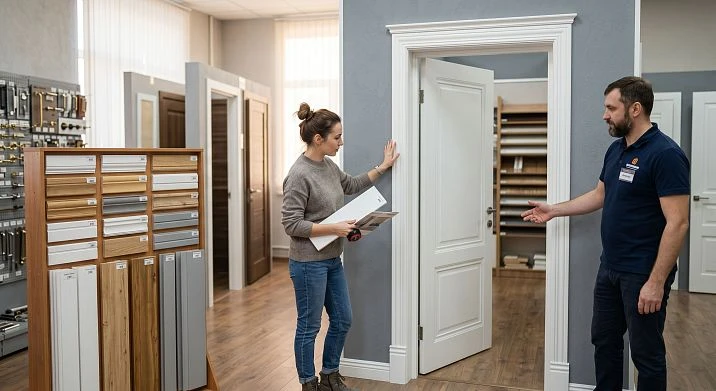
A door opening without proper finishing is an incomplete job. The door is in place, it opens and closes. But around the perimeter—bare slopes, gaps between the frame and the wall, seams without a single decorative element. This scene is familiar to anyone who has ever done renovations and left 'it for later'.
Door casings and extensions solve exactly this problem: they turn a technically installed door into a finished interior element. And they do it differently: the casing covers the seam from the outside, the extension covers the reveal between the frame and the wall on the sides. Together, they form a system. Separately, they are a half-measure.
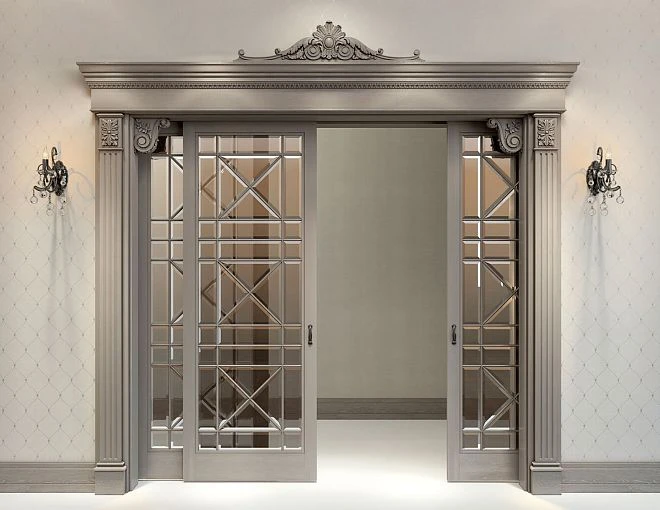
Selectingdoor casings and extensionsso that the opening looks neat and finished? Choose a set by material, size, and style right away — this way all elements will match in color, geometry, and profile.
→ Select door casings and extensions
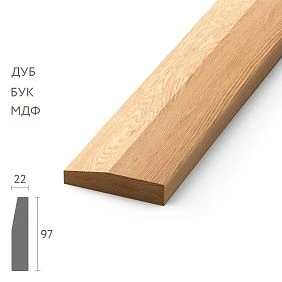
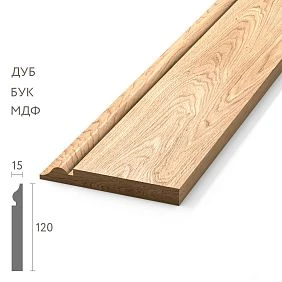
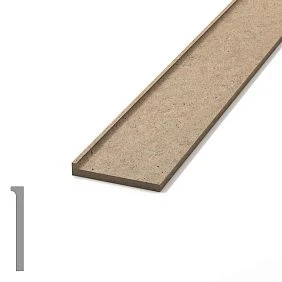
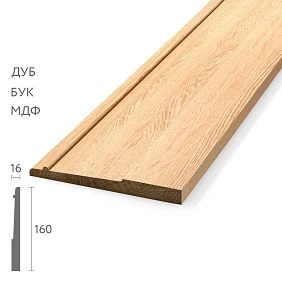
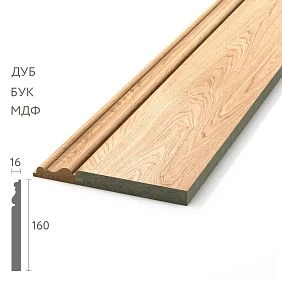
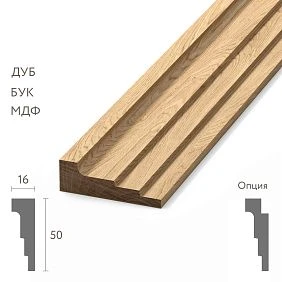
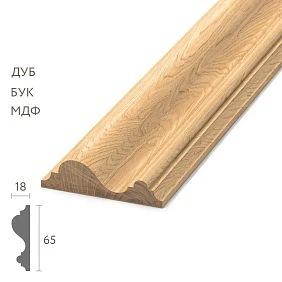
What are door casings and extensions and why are they needed
Before going to the catalog and choosing, it's important to understand what exactly you're selecting. Because casing and extension are different elements with different purposes. Many confuse them, and this leads to mistakes when purchasing.
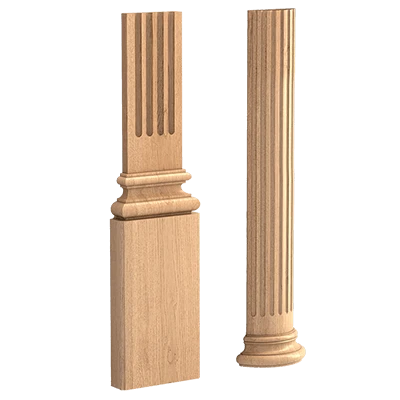
A door casing is a decorative profiled strip that is mounted around the perimeter of the door opening on the front side of the wall. It covers the installation seam between the door frame and the wall surface. Without it, this seam is visible — and it always looks like unfinished work.
A door extension (extension strip) is a wide strip that is mounted in the plane of the reveal between the end of the door frame and the wall surface. It is needed when the wall thickness exceeds the width of the door frame. Simply put: if the wall is thicker than the frame — the reveal is exposed. The extension covers it.
Why it's better to choosedoor casings and extensionsAs a set? Because they must match:
-
Material — wooden architraves with MDF extensions will behave differently when painted
-
Color and surface texture — the reveal and the trim should read as a unified system
-
Profile — the form of the joint between the architrave and the extension at the abutment point must be coordinated
-
Manufacturer or series — only this guarantees an exact match in tone, dimensions, and geometry
Buying architraves separately, extensions elsewhere, and then trying to join them is a classic mistake that leads to visual mismatch and extra work during installation.
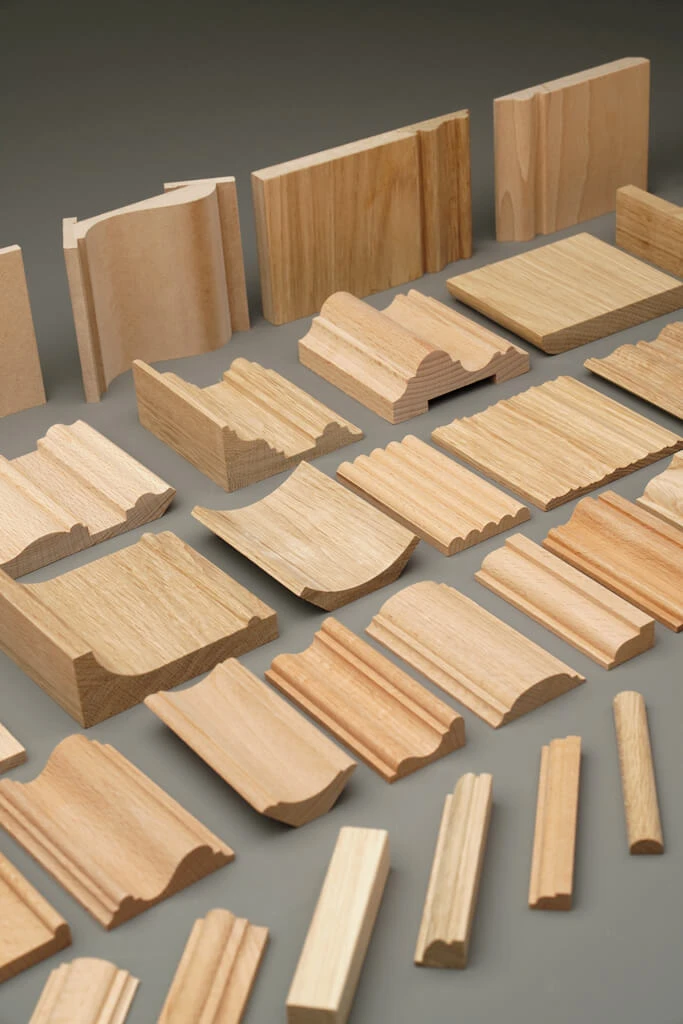
When door extensions are needed
This is the most frequent question. And the most practical one.
Simple rule: if the width of the door frame equals the wall thickness — extensions are not needed. If the wall is thicker than the frame — they are needed.
A standard interior door frame has a width from 74 to 110 mm (depending on the manufacturer). A standard interior brick partition with finishing is about 120–150 mm. A load-bearing wall with two-sided plaster — 200–350 mm or more.
In most cases, when installing an interior door in a real wall, a gap remains between the end of the frame and the wall surface. This gap is the reveal. It must be covered.
When extensions are definitely needed:
-
The wall thickness is greater than the standard frame width (74–110 mm)
-
After installing the frame, the reveal is visible on one or both sides
-
The opening looks unfinished after installation
-
Planned finishing of walls with plaster or drywall — and the total thickness increases
When you can do without extensions:
-
Frame "to size" of the wall (telescopic frame covering the entire end)
-
The reveal is filled with plaster and leveled for painting (then only a casing is needed)
-
The door is installed in a standard-size drywall wall
Important note:Door casingDoes not replace an extension jamb. The casing covers the door frame-wall joint from the front — at most 5–15 mm deep. A 60–100 mm wide door jamb cannot be covered with casing. An extension strip is precisely what is needed here.
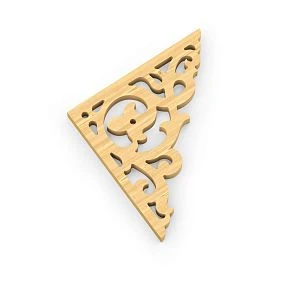
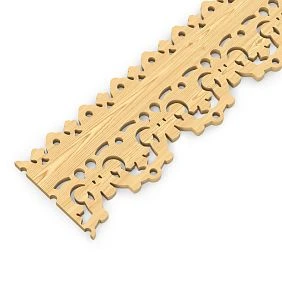
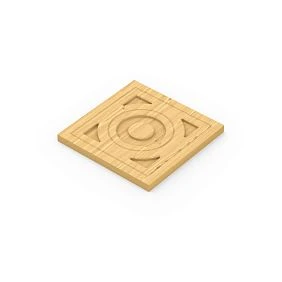
Our factory also produces:
Types of door casings and extension jambs
Get Consultation
By material
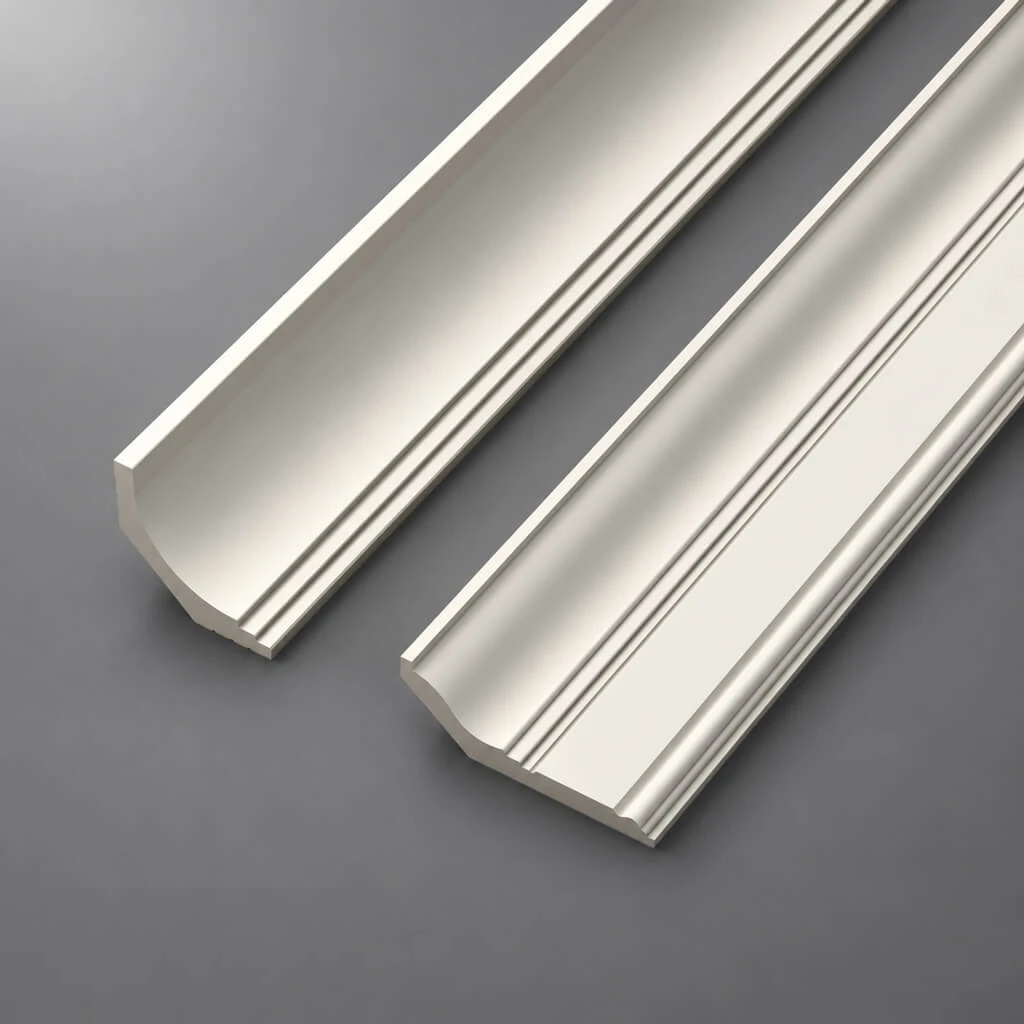
Wooden. Solid hardwood or softwood. Oak, beech, ash, pine. A natural material that accepts any finish, is repairable, and durable. The best choice for wooden houses, country properties, classic interiors, and all projects where wood is the foundational finishing material. Wooden casings frommolding products— the most expressive and durable option.
MDF. Pressed wood fiber, smooth surface, stable geometry. Takes enamel paint well. A popular choice for mass renovations in apartments. Limitations: sensitivity to moisture, inability to repair mechanical damage.
Veneered. MDF or wooden base faced with natural veneer. Visually close to solid wood, costs less. The vulnerable point — the veneer can peel under moisture exposure or mechanical impact.
For painting. A basic option without decorative finish — sanded surface, ready for painting. You choose the color and type of paint. A good option when you need an exact color match with already painted walls or other elements.
By style
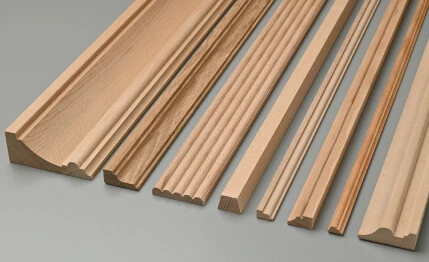
Classic. Shaped profile with several transitions and steps. Expressive relief, widening toward the center, symmetrical form. For classic and neoclassical interiors.
Modern. Clean lines, minimal relief, rectangular or slightly beveled cross-section. For modern apartments and houses with a laconic interior.
Minimalist. Flat or almost flat plank. Minimal decor, maximum geometric precision. For high-tech, Scandinavian style, minimalism.
Decorative. With carved relief, ornament, figured surface treatment. For formal rooms, classic style, custom interiors.
By construction
Standard architraves — fixed width (usually 60–80 mm), mounted flush to the frame.
Wide architraves — from 90 mm and wider. Cover a larger joint, suitable for rooms with high ceilings.
Straight extensions — plank of fixed width. Trimmed on-site if a smaller width is needed. A universal option.
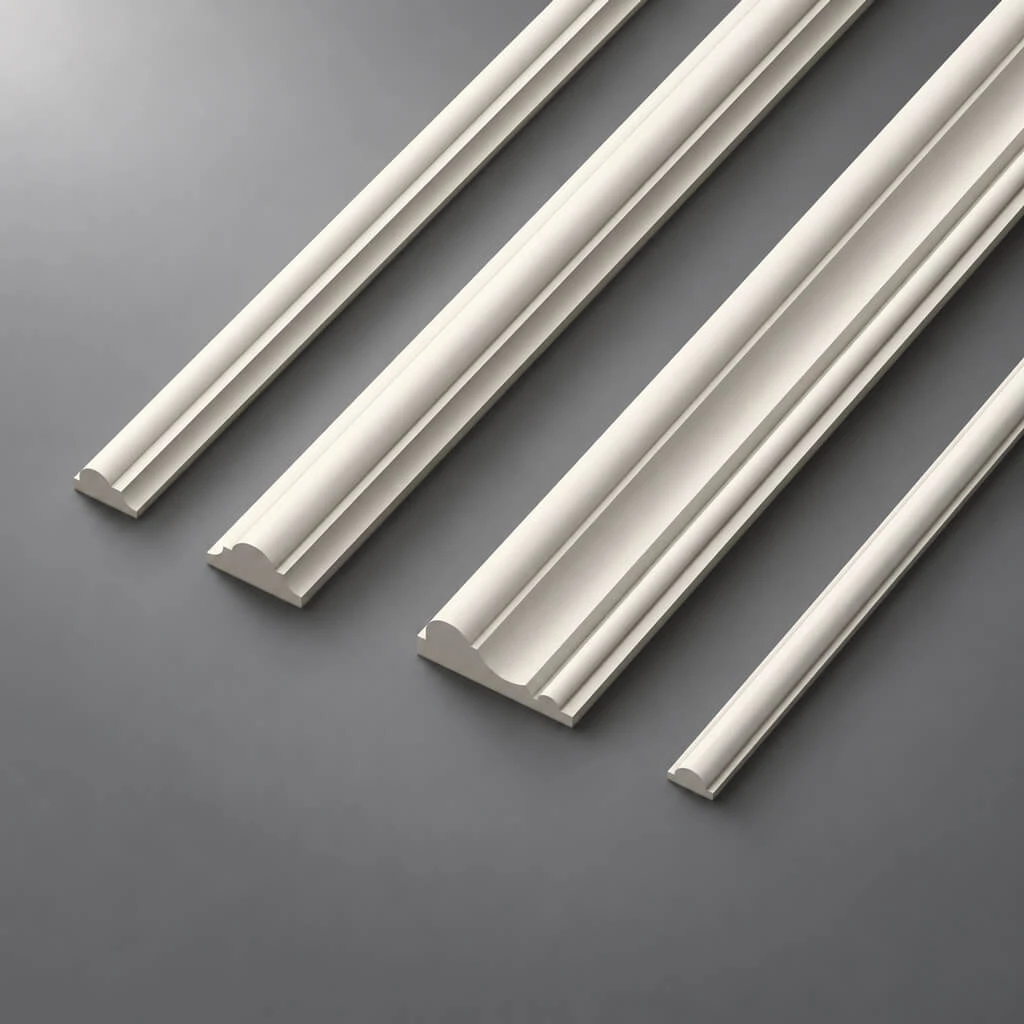
Telescopic extensions — two-part construction: main plank + insertable plank that slides out and locks. Allows width adjustment within a certain range. Convenient for non-standard wall thickness.Wooden trimincludes various profiles of extension planks for any wall thickness.
Sets with decorative finishing. Architrave + extension + decorative overlays — a complete system for decorating a doorway in a unified style.
Architraves and extensions for interior doors: how to choose a set
This is the most common scenario. Most buyers are looking for exactlyDoor trims and extensions for interior doors— for finishing openings in an apartment or house after renovation.
Matching by door color. This is the first and most important step. The trim must match the color of the door leaf and frame—or create an intentional contrast. 'Matching' means not just a similar color, but the same RAL or the same coating series. Different manufacturers offer different shades of 'white' or 'wenge'. When buying from different places, a match is luck, not a rule. That's why it's advantageous to buy a set from one manufacturer.
Matching by wall thickness. Measure the reveal: the distance from the end of the frame to the front plane of the wall. This is the width of the extension you need. Standard extension sizes: 50, 90, 100, 130, 150, 170, 200, 250 mm. If the required size falls between standard ones—take the next wider one and trim it.
Matching by trim width. The trim must completely cover the frame-wall seam and provide a small visual margin (5–10 mm). For standard installation, a trim width of 70–80 mm is sufficient. For a wider seam or to hide traces of finishing—90–100 mm.
Combination by texture and finish. A smooth extension + a textured trim creates some inconsistency. Both elements should be similar in surface character. Ideally—from the same series.
How to choose door extensions by size
This is a technical block that directly affects the success of the purchase. An error in the extension size means redoing the work after installation.
How to measure wall thickness
Take a tape measure. Measure the distance from the outer plane of the jamb (end of the frame) to the surface of the wall on one side of the opening. This is the width of the required extension.
If the wall is uneven — measure at several points along the height. Choose the maximum value — it's better to take an extension with a margin and trim it than to add more later.
If the extension is telescopic — check its adjustment range. The standard range for a telescopic extension is usually 70–120 mm or 100–150 mm. Make sure your size falls within the range.
How to determine what width of extension is needed
Formula: Extension width = Wall thickness − Door frame width
Example: wall 160 mm, frame 74 mm. 160 − 74 = 86 mm. Take a 90 mm extension (the nearest standard size).
If the result is negative — the frame is wider than the wall, no extension is needed.
How to match an extension to the frame
Most manufacturers' frames have a groove or rabbet into which the extension is inserted. It's important that the extension thickness matches the groove size. The standard thickness of an extension strip is 10–15 mm. Check this parameter with the door manufacturer or measure the frame groove before purchase.
When a telescopic extension is needed
A telescopic extension is needed in the following cases:
-
Wall thickness varies with the height or width of the opening
-
The exact reveal size is unknown until the walls are finished
-
Non-standard wall thickness falls between standard extension sizes
-
Adjustment capability after installation is needed
A telescopic extension consists of two parts: a main strip and an insert. The insert slides to the required size and is fixed. This is convenient, but the telescopic design has a limitation: a joint is always visible at the point where the two parts overlap. With careful installation, it is minimal but present.
How to choose door casings
By width
Narrow (40–60 mm). For small rooms, narrow openings, when the casing should be present discreetly. Good for bathrooms, storage rooms, corridors with dense layout.
Standard (65–80 mm). Universal range for most interior doors in apartments with ceilings 2.5–2.8 m. Looks good in both classic and contemporary interiors.
Wide (85–120 mm). For rooms with high ceilings, for doors with a wide installation gap, for classic and neoclassical styling.Wooden architraves for doorsWide formats create architectural expressiveness of the door opening.
By shape
Flat. Rectangular or slightly beveled cross-section. Minimal relief. For minimalist and Scandinavian interiors. Technically simple to install: cuts are clean, joints are predictable.
Figurative. Profile with multiple steps, waves, transitions. Expressive relief, classic character. For classic, neoclassical, Empire style.
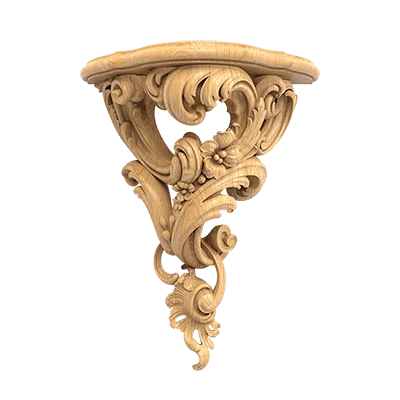
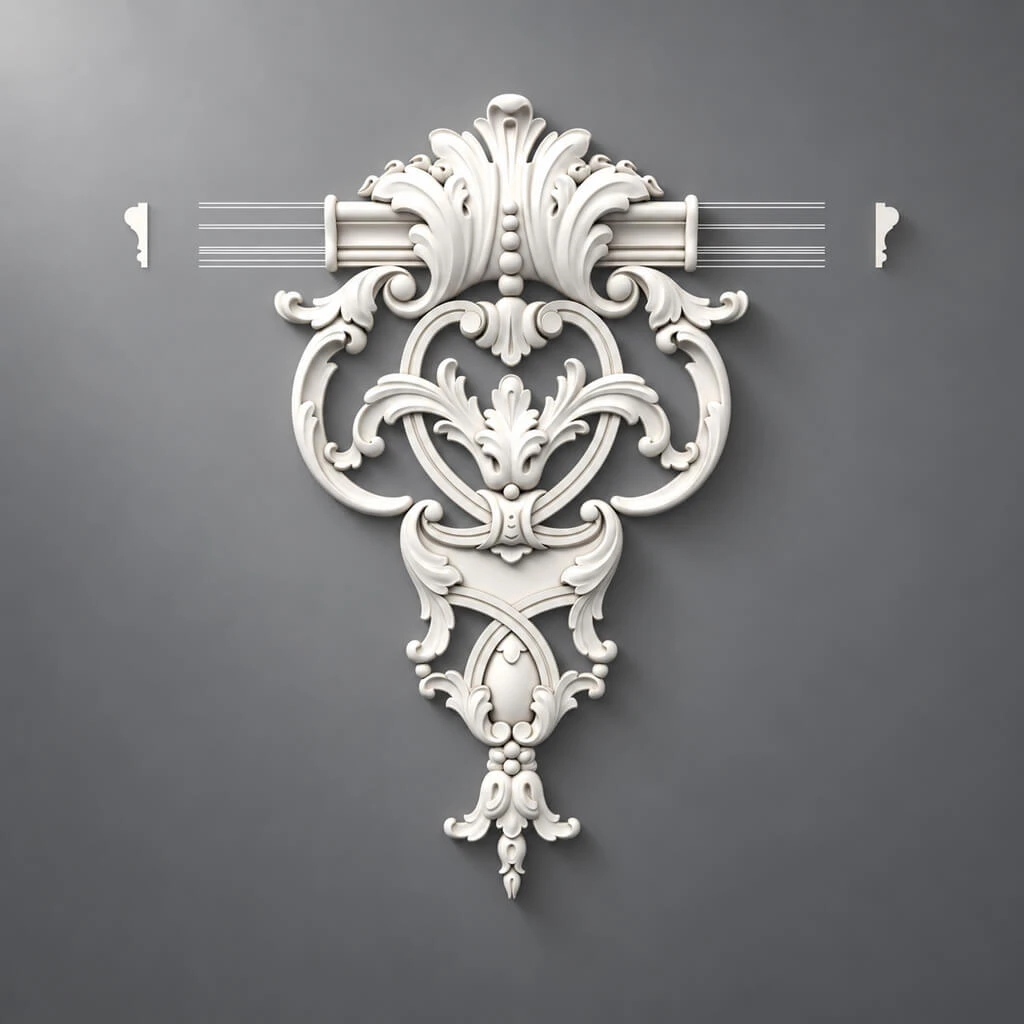
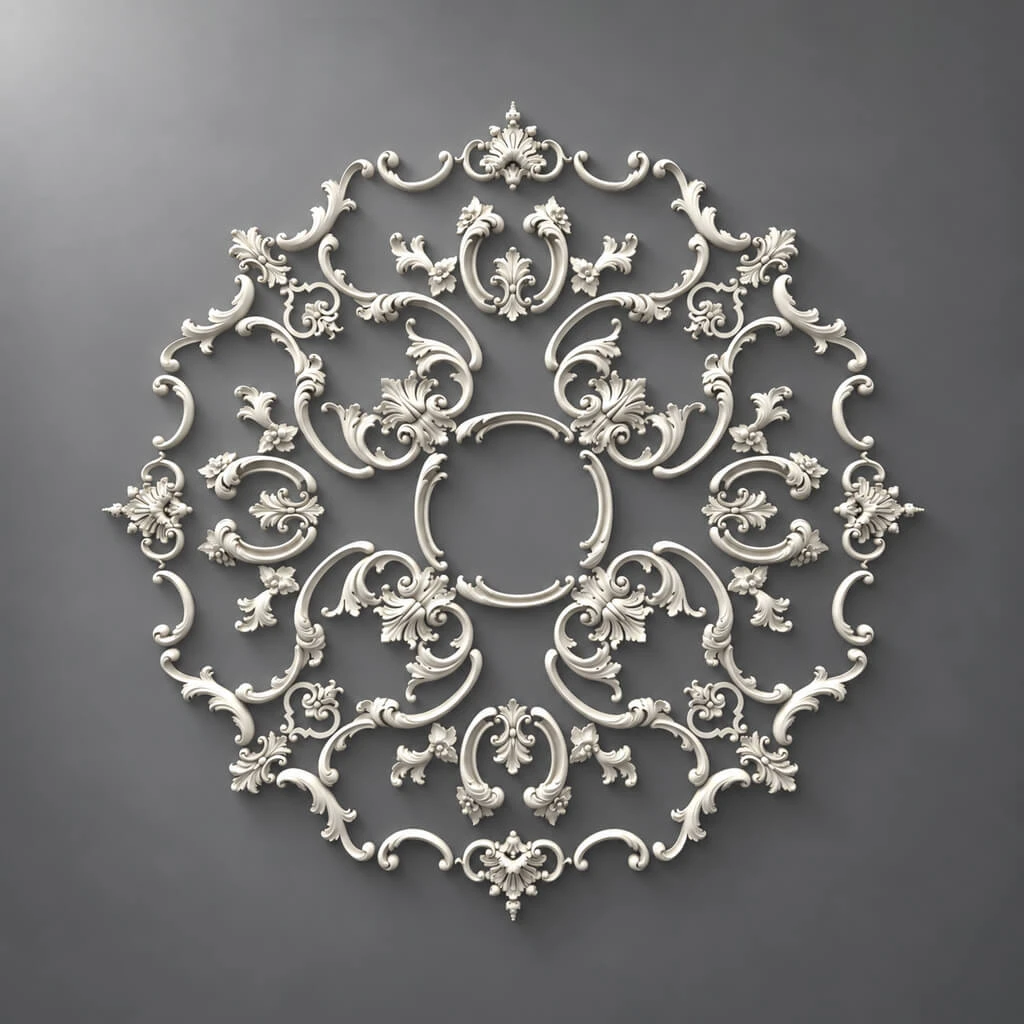
Decorative. Carved relief, ornament, figured processing. For ceremonial rooms and author's projects. Pairs well withdecorative inlaysat corner joints and central medallions.
By interior style
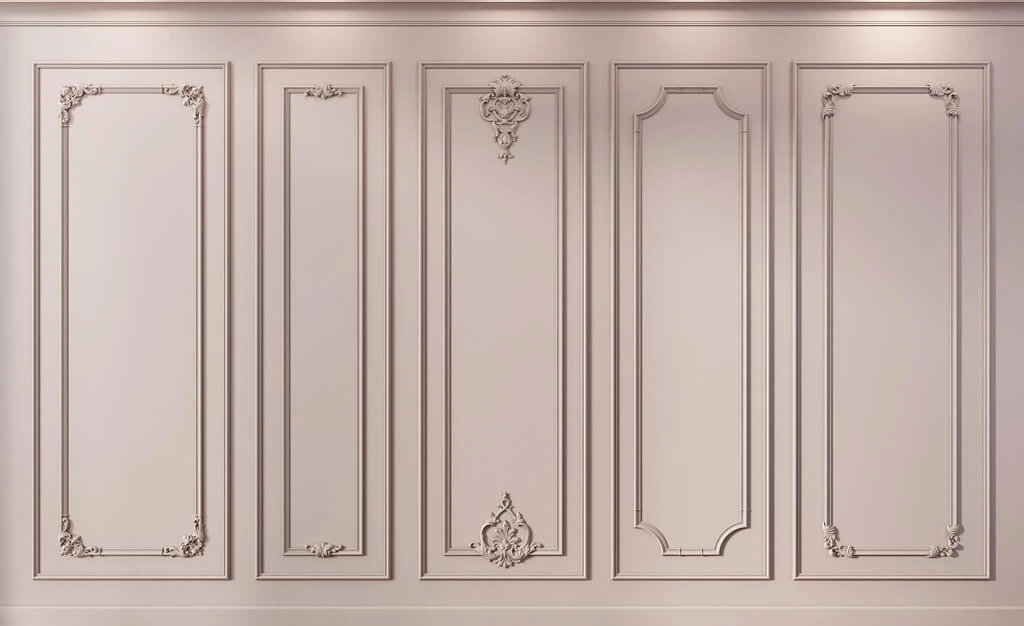
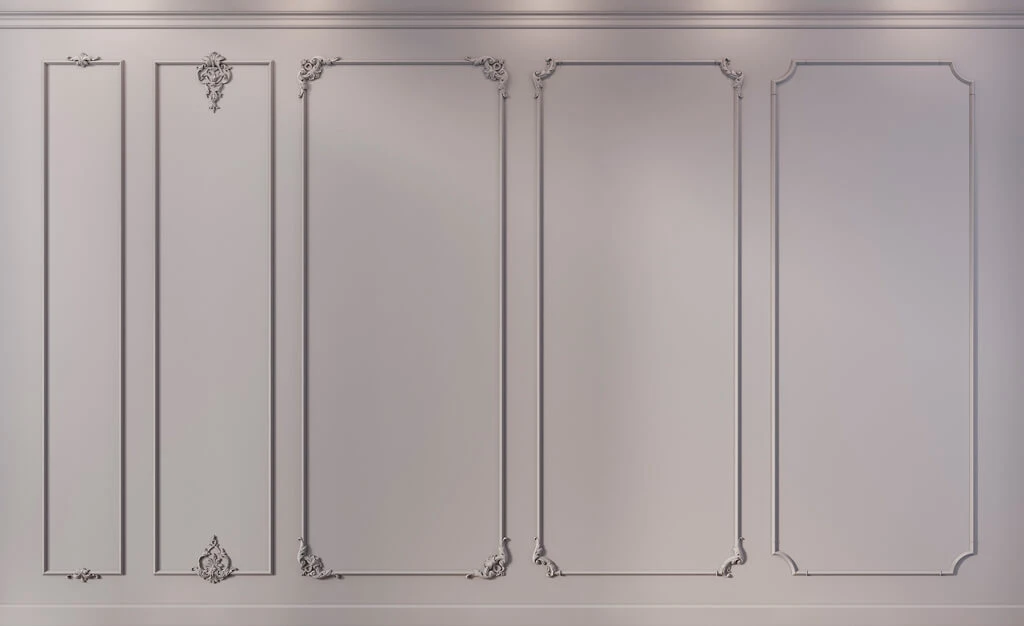
Classic. Wide figured profile, solid oak or beech, white enamel. In combination withwith decorative wooden moldingson walls — a complete architectural system for the room.
Modern interior. Smooth or minimalist profile, 65–75 mm, coating matching wall color or door color. No excessive reliefs.
White doors. White casing matching the same enamel as the door. Important: the white shade must match. RAL 9003, 9010, and 9016 are different whites. Buy casing and door from the same series or the same manufacturer.
Wood-look doors. Casing in the same tint as the door panel. Or — one or two tones darker for a slight contrast. Natural wood texture combined with wooden casing creates an organic system.
What is better to choose: solid wood, MDF, or veneered solutions
Honest comparison — without marketing.
| Parameter | Solid wood | MDF | Veneer |
|---|---|---|---|
| Appearance | Natural texture, live pattern | Smooth surface, no texture | Solid wood imitation |
| Durability | 30–50 years | 7–12 years | 10–15 years |
| Repairability | Excellent (sanding + painting) | Zero (replacement) | Low (veneer peeling) |
| Geometry | Stable with proper drying | Very stable | Stable |
| Moisture resistance | Medium (requires coating) | Low (swells) | Low |
| Repainting | Any number of times | 1–2 times | 1 time |
| Price | Higher | Below | Medium |
| Best conditions for application | Any project with a 10+ year horizon | Budget repair, rental | Budget imitation of solid wood |
When to choose solid wood. Country house, wooden house, designer interior, apartment with long-term perspective. Natural material that lives together with the house.
When to choose MDF. Rental apartment, temporary repair, minimal budget with the need for a good appearance under enamel. Do not count on a lifespan of more than 10 years.
When not to choose veneer. In rooms with high humidity (kitchen, bathroom), under intensive use. Veneer is a visual imitation with a limited lifespan.
solid wood millwork for door finishing — it's a choice of quality, not a compromise.
Door frames and extensions for entrance and interior doors: is there a difference
Yes. And the difference is fundamental.
Interior doors. They operate inside a heated space. No temperature fluctuations, no direct exposure to moisture, minimal mechanical loads. Here, the material is chosen based on aesthetics and budget — MDF and solid wood are equally applicable.
Entry doors. They operate at the junction of two different environments: the outdoors with temperature and humidity fluctuations — and the warm interior. For the exterior side of the architraves, a material resistant to atmospheric influences is needed. This means: only properly dried and treated solid wood with a moisture-resistant coating. MDF is categorically unsuitable for exterior use — it will swell at the first serious rain.
For the interior side of the entry door — the same requirements as for interior doors. But the door jamb extension here is often wider because the wall at the entrance with thermal and sound insulation can reach 300–400 mm.
Decorative function of the architrave on the entry door. Here, the architrave is the first thing guests see. The entryway forms the impression of the house. Therefore, for the entry door, it's worth considering more expressive solutions: a wide architrave with a shaped profile,wooden corniceabove the door opening, decorative corner overlays.
How to choose architraves and door jamb extensions to match the color and style of the door
White doors
White doors are the most popular choice. And the most difficult part in selection: because 'white' can be very different.
A fundamental point: the architrave must be from the same series or have the same enamel base as the door. Otherwise, side by side you will see two different whites — one with a warm yellowish undertone, the other with a cool bluish one.
If the door is already installed and you are selecting trim separately—take a sample of the door to the trim manufacturer and compare under the same lighting.
Buy extensions and trim for white doorsMade of wood for painting—the optimal option: you paint the trim with the same paint as the door. A perfect match is guaranteed.
Doors in natural wood finish
The goal here is to match the same tone and texture character. Oak with oil finish + oak trim with the same oil finish—this is a unified system. Ash with tinting + ash trim with the same tinting—the same principle.
If the door is made from one type of wood and the trim from another—ensure that the tinting to the same tone truly matches under real lighting. Different woods absorb the same tint differently.
Modern smooth doors
For a modern door with matte varnish or enamel—smooth or flat trim in the same tone. Minimalist profile, width 65–75 mm. Extension—from the same series, without excessive decoration.
Classic door solutions
Wide molded trim—from 85 mm. Solid wood, white or colored enamel, possibly with decorative corner overlays. Extension—wide, with the same surface texture.Wooden door trimSolid beech under white enamel — a classic that never goes out of style.
How much do door architraves and extensions cost?
A direct question — a direct answer. The cost is determined by a set of specific parameters.
Material is the main factor. Solid oak or beech costs 2–3 times more than MDF. The difference in quality and lifespan fully justifies this price difference over a horizon of 10+ years.
Extension width. A wider extension means more material. A 100 mm extension is cheaper than a 200 mm extension from the same series.
Type of construction. A telescopic extension is more complex to produce and more expensive than a straight one.
Architrave profile shape. Smooth flat — cheaper. Multi-step profiled — more expensive. Carved decorative — significantly more expensive.
Length. Standard length is 2100–2200 mm. Custom non-standard length is more expensive.
Finish. Unfinished (for painting) — base price. Factory-applied finish — higher.
Completeness. Buying architrave and extension separately piece by piece is often more expensive than buying a ready-made set. When buying as a set, you save on matching and get guaranteed color and texture consistency.
General advice: don't skimp on trim for the sake of cheapness. Casing and extension trim are the finishing touches that make a renovation look complete or incomplete. Poor-quality casing with uneven geometry or cheap extension trim that warps within a year means redoing the work, which costs more than the initial savings.
Buying door casings and extension trim: what to check before ordering
A practical checklist to save your nerves and time.
Matching color and texture. Casing and extension trim should be from the same series or manufacturer. If buying from different manufacturers, compare samples under identical lighting before ordering.
Accuracy of dimensions. Measure the reveals of all doors you plan to trim. Not all reveals in an apartment are the same. Order the correct width for each opening.
Product geometry. When receiving your order, check the straightness of the planks. Warped casing or twisted extension trim is defective and should be replaced before installation. Fixing anything after installation means dismantling and redoing it.
Compatibility with the door frame. The thickness of the extension trim must match the groove in the door frame. Clarify this before purchase.
Complete decorative elements. If you plan to use decorative corner overlays,Carved Decoror molding inserts, make sure they are available from the same series and match in color.
Quantity. For one door, you typically need: 2 side casings + 1 top casing = 3 planks (on each side). That's 6 casing planks per door. Extension trim: 2 side + 1 top = 3 planks. Count with a small margin for trimming.
The ability to get everything in one place. Casing + extensions + moldings + decorative elements from the same collection — this guarantees a match in all parameters.Wooden moldingsfrom the same series — an additional point of interior coordination.
Installation of door casing and extensions
This is not a guide for professionals. It is an understanding of the process that helps avoid typical mistakes.
Order: first install the extensions, then the trims. The extension is mounted flush with the jamb surface—it should become part of the wall surface. Only after the extensions are installed and secured, the trim is mounted, which covers the seam between the extension and the wall's face surface.
Fastening extensions. The extension strip is inserted into the groove of the door frame (if provided) and additionally secured with adhesive or finishing nails to the jamb. When using a telescopic extension — after setting the required width, both parts are fixed.
Fastening casing. Finishing nails 40–50 mm every 400–500 mm. The heads are countersunk with a nail set, filled with putty, sanded, and painted. Adhesive is added for reliability.
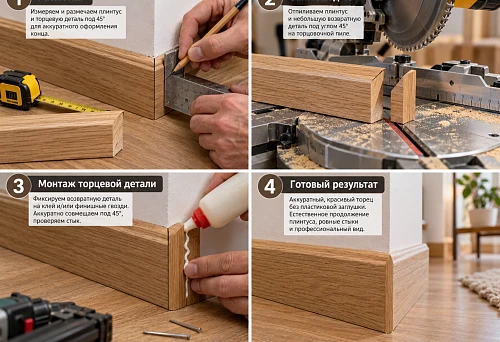
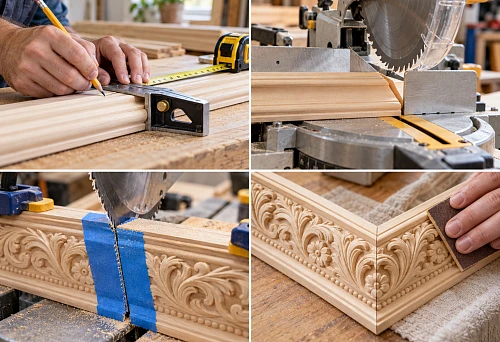
Cutting miter joints. Horizontal and vertical casing pieces are joined at a 45° angle. The cut is made with a miter saw or miter box. Cutting accuracy is critical: a poor angle is visible even after painting.
Common mistakes:
-
Installation on undried plaster — the extension swells from residual moisture
-
Asymmetric placement of architraves — 5 mm from the edge of the door on the left, 8 mm on the right
-
Incorrect cut — a gap in the corner joint that later 'shifts' with changes in humidity
-
Purchasing without checking geometry — a twisted door jamb extension will not sit flat under any installation
Why it's important to buy quality elements. Kiln-drying wood to 8–12% moisture content guarantees geometric stability after installation. An under-dried architrave or extension will warp over time, the finish will crack, and joints will open. A good product costs a little more — but lasts 3–5 times longer.
STAVROS: architraves and door jamb extensions made from solid wood
When choosing door trim, it's important to understand: the final result of the renovation largely depends on the quality of these finishing details. A beautifully installed expensive door with a crooked architrave made from low-grade MDF — that's a ruined impression.
STAVROS — a manufacturer of wooden interior products with a full production cycle: from wood drying to surface finishing. Only solid wood, only controlled moisture content, only precise milling.
In the STAVROS catalog for door frame finishing:
-
door casings and extensions— solid wood profiles for painting, staining, or enamel
-
Decorative wooden moldings— for walls, door frames, decorative transitions
-
Wooden cornices— for ceiling decoration in the same style
-
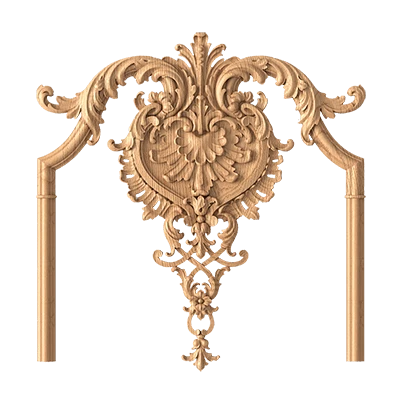
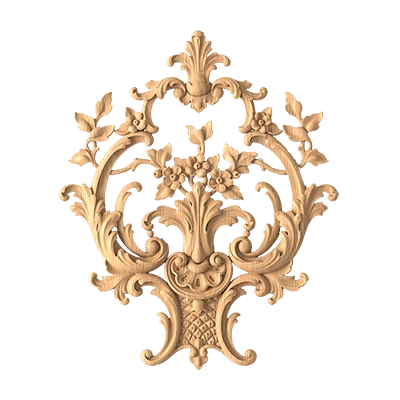
carved decorative overlays— for corner joints, central accents, decorative enhancement of architraves
-
Wooden trim— a complete natural wood finishing system
-
Wooden door framing— article with ideas and solutions for door opening decoration
Retail and wholesale work. Contact us to confirm shipping to your destination.
Frequently asked questions
What is installed first: door jamb extensions or architraves?
First — door jamb extensions. They are mounted in the plane of the slope and should be part of the wall surface. After installing and fixing the extensions, architraves are mounted, which cover the seam between the extension and the front surface of the wall.
Can architraves be installed without door jamb extensions?
Yes — if the slope is finished with plaster and leveled, or if the door frame completely covers the wall thickness. If the slope is open — the architrave will not cover it, and the opening will look unfinished.
How to understand if door jamb extensions are needed?
Measure the width of the door frame (the end) and the thickness of the wall. If the wall is thicker than the frame — an open reveal remains. Reveal = extensions are needed. If the frame is equal to or wider than the wall thickness — extensions are not needed.
Which extensions are better to choose?
Straight extensions — for walls with predictable and standard thickness. Telescopic — for non-standard or varying sizes. By material: wooden — for long-term projects and wooden houses; MDF — for budget renovations.
How many architraves and extensions are needed for one door?
Standard set for one door: 6 architrave strips (3 on each side: 2 side + 1 top) and 3 extension strips (2 side + 1 top). Extensions are installed on one side if the reveal is only on one side of the opening.
Can I buy extensions and architraves separately?
Yes. But when purchasing separately from different manufacturers, there is a high risk of mismatch in color, texture, and geometry. It is optimal to buya set of extensions and architravesfrom one manufacturer or from the same series.
How to match an extension to a non-standard wall thickness?
Take the nearest standard size that exceeds your measurement. A straight extension piece can be trimmed to the required width. A telescopic extension piece is adjustable within a range—ensure your size falls within the adjustment range before purchase.
What should I do if the door casing does not fully cover the seam?
Choose a wider door casing. If the seam is particularly wide (more than 15 mm)—it is worth first improving the quality of the door frame installation or leveling the surface, and only then selecting the width of the door casing.