
























Article Contents:
- What Are Window Casings and Why Are They Needed
- What types of window trims are available
- By material
- By Shape and Profile
- By style
- Why choose wooden window trims
- How to choose architraves for windows
- By house type
- By facade style
- By size and proportions
- By pattern and decor
- Carved window trims: when they are appropriate
- How to combine window trims with other decor
- Window casings for a wooden house
- How to choose a style
- How to connect windows with the facade
- Which patterns and shapes look appropriate
- Why wood beats plastic
Look at any old Russian house — and the first thing that catches your eye will be the windows. Not the walls, not the roof, not the porch. It is the windows with their carved frames, intricate patterns, and wide wooden frames that set the character for the entire facade. This tradition hasn't died — it's experiencing a true renaissance. And at its heart are wooden window trims.
Window trims are not just planks around the frame. They are an architectural detail that turns an ordinary facade into a statement. When chosen correctly, the house looks complete, cohesive, and 'its own' — whether it's a log cabin on a forest edge, a solid cottage in the countryside, or a dacha you want to make beautiful once and for all. That's why wooden window trims remain among the most sought-after solutions for private houses, bathhouses, estates, and objects with facade decor.
In this article — everything you need to know about choosing, buying, and combining window trims. No fluff: only specific answers, practical guidelines, and links to proven solutions.
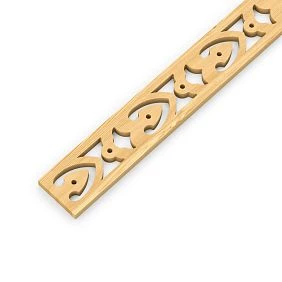
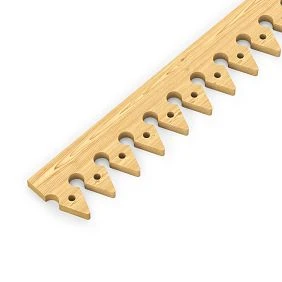
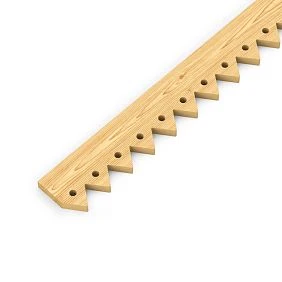
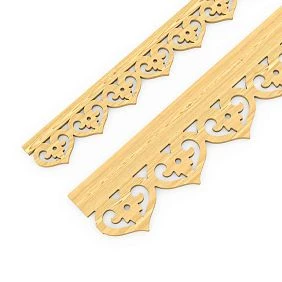
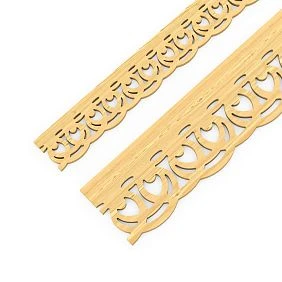
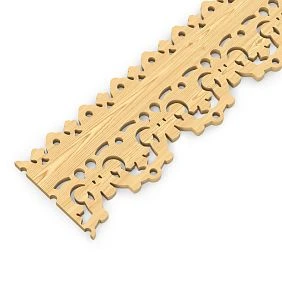
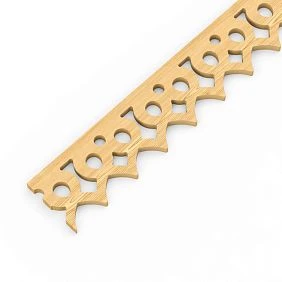
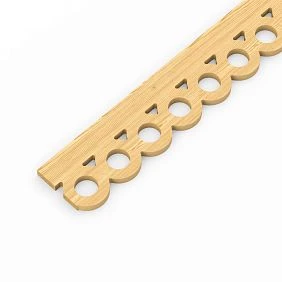
What are window architraves and why are they needed
A window trim is a wooden or other plank mounted around the perimeter of a window opening on the outside or inside of a building. Technically, its task is to cover the mounting seam between the window frame and the wall. But stopping at this function means underestimating the element's full potential.
Let's go point by point:
-
Covers the mounting joint between the window frame and the wall, hides mounting foam, technical gaps, and uneven adjacencies.
-
Protects the junction points from atmospheric moisture, wind, precipitation — especially critical for exterior trims on a wooden house.
-
Makes the facade visually complete: without a trim, the window opening looks 'bare,' unprotected, and architecturally immature.
-
Emphasizes the house's style: a smooth profile — modernity, a wide figured one — neoclassicism,Carved Mouldingswith ornamentation — tradition and living culture.
-
Transforms a window into an architectural accent of the facade: a house with wooden window trims and house carving is memorable at first glance.
That's why choosing window trim is not a technical decision, but an artistic one. And it should be approached accordingly.
What types of window trims are there
The market offers a wide range, and understanding it is the first step to making the right choice. Let's systematize by key characteristics.
Our factory also produces:
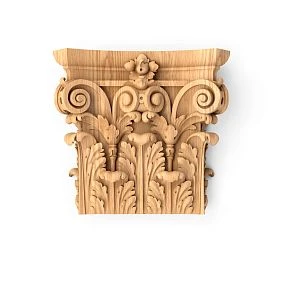
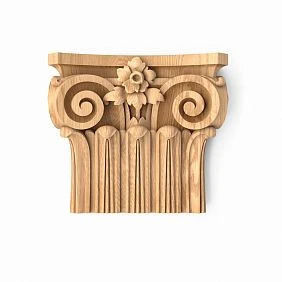
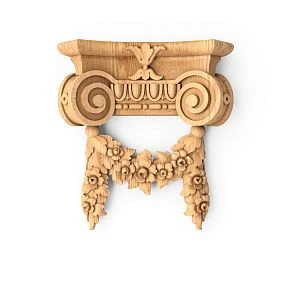
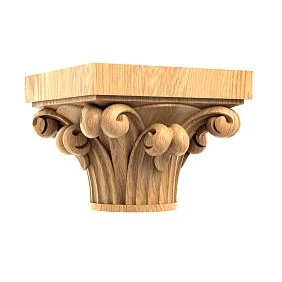
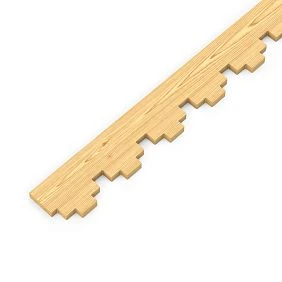
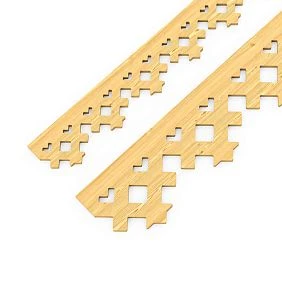
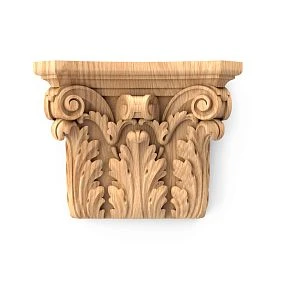
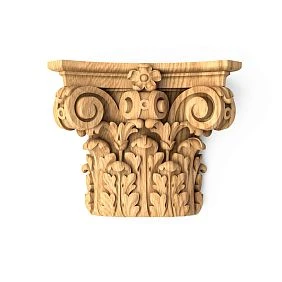
By material
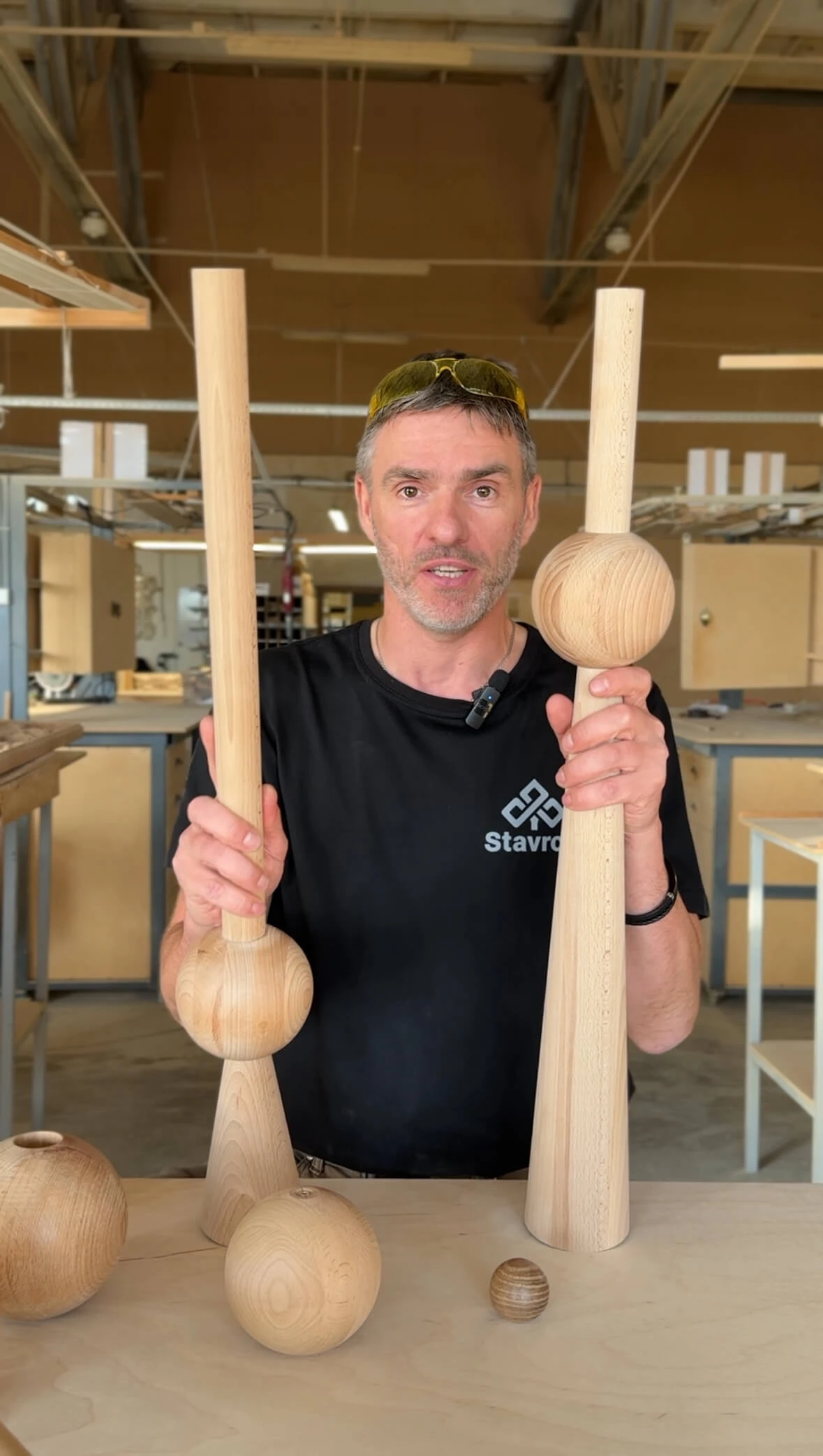
Wooden window trims — the absolute leader for exterior use. Solid oak, beech, pine, larch. Natural wood has its own texture, holds its shape well, and allows for any finishing treatment.Wooden trim— is the choice of those for whom a house is not a box, but a living space with character.
Among wood species, there is its own hierarchy:
-
Larch — the record holder for resistance to moisture and rot. The best choice for exterior window trims in climates with rain and temperature fluctuations.
-
Oak — dense, durable, with a pronounced texture. A premium solution for homes where status and appearance are important.
-
Pine is more affordable, easy to work with, and takes paint and stain exceptionally well. It's the primary working wood for most projects.
-
Beech is uniform, without a pronounced grain pattern, and ideal for enamel painting.
MDF for interiors is suitable for indoor use where there is no moisture exposure. It mills well and accepts paint. For exterior facades, it's unacceptable: it swells and deforms.
Polyurethane is lightweight, moisture-resistant, and inexpensive. It's used for specific decorative tasks, such as interior imitations. On a facade, it looks weaker than natural wood and doesn't create that sense of authenticity.
Solid wood is exactly what you need for a serious project. Especially when it comes tohouse carving, complex profiles, and traditional facade design.
Get Consultation
By shape and profile
Shape defines character. No other parameter influences the perception of a facade as strongly as the casing profile.
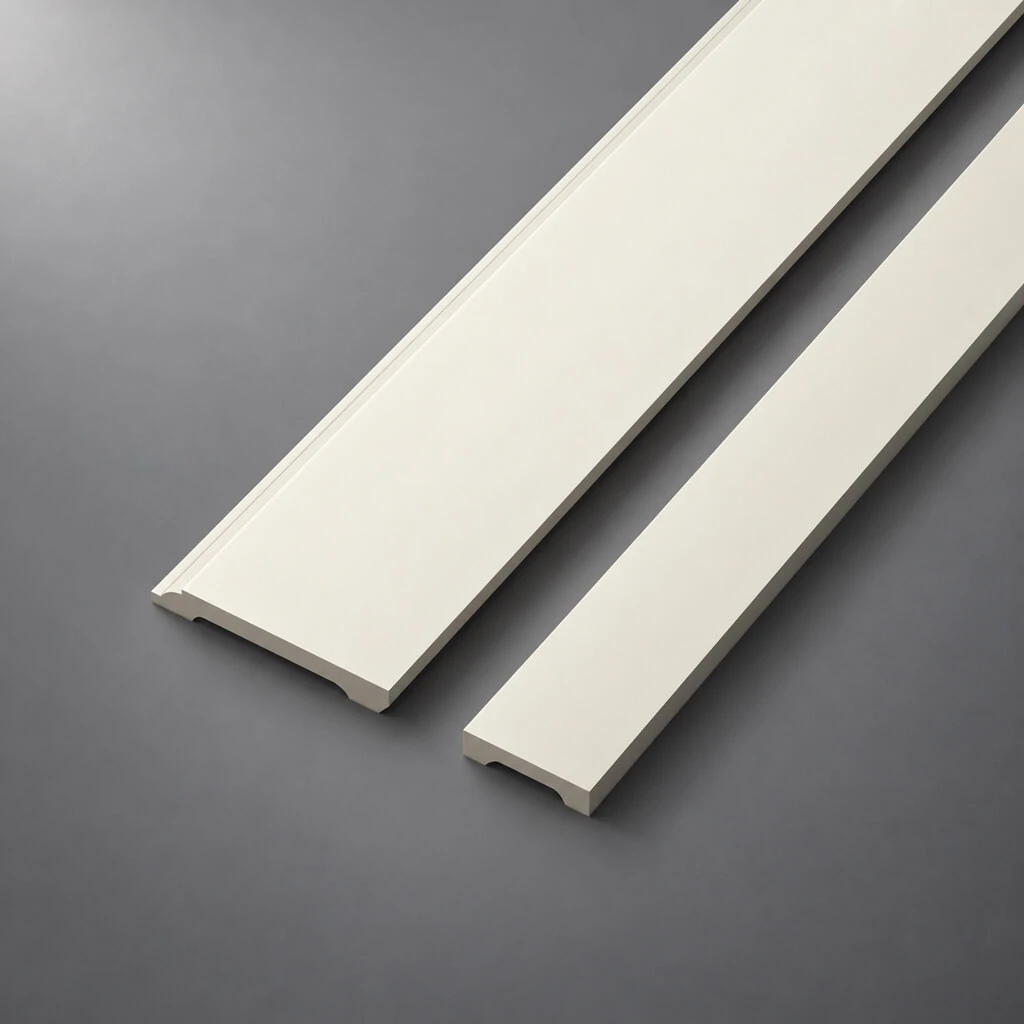
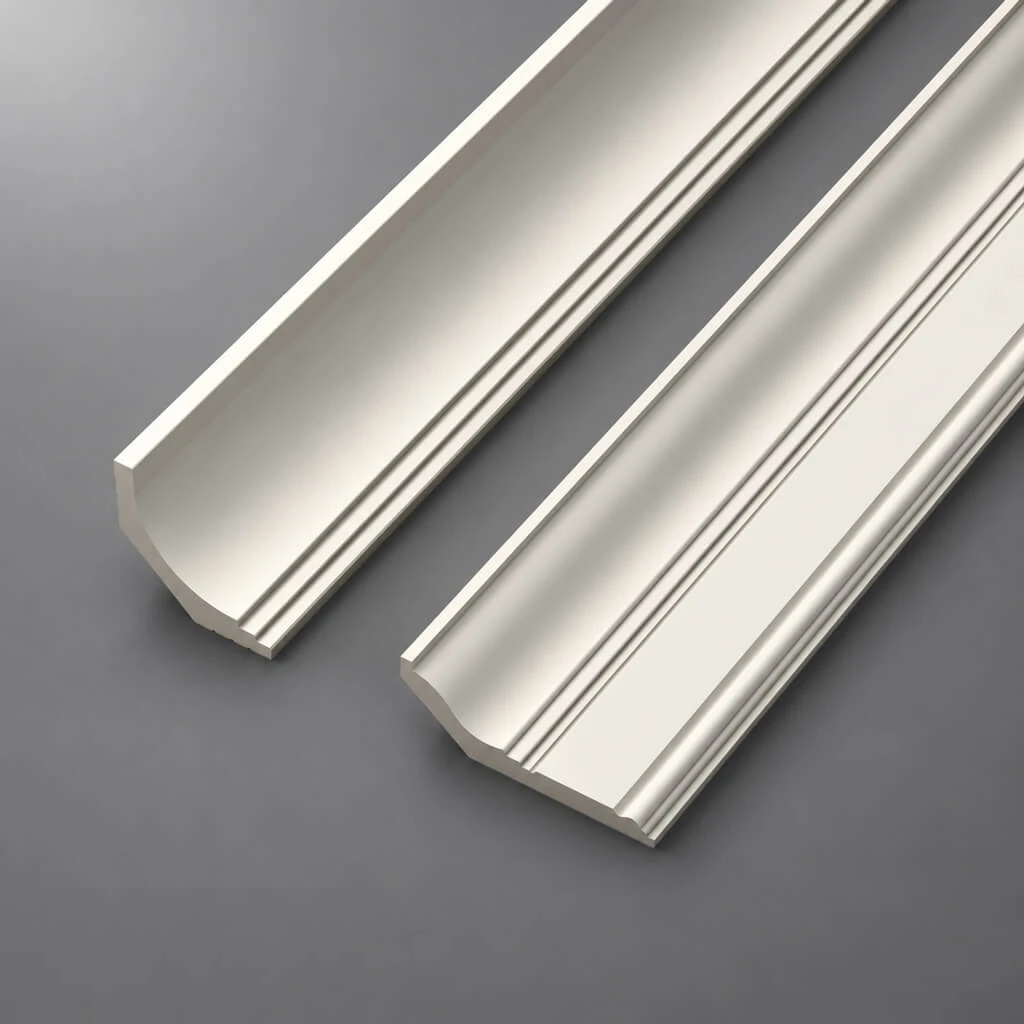
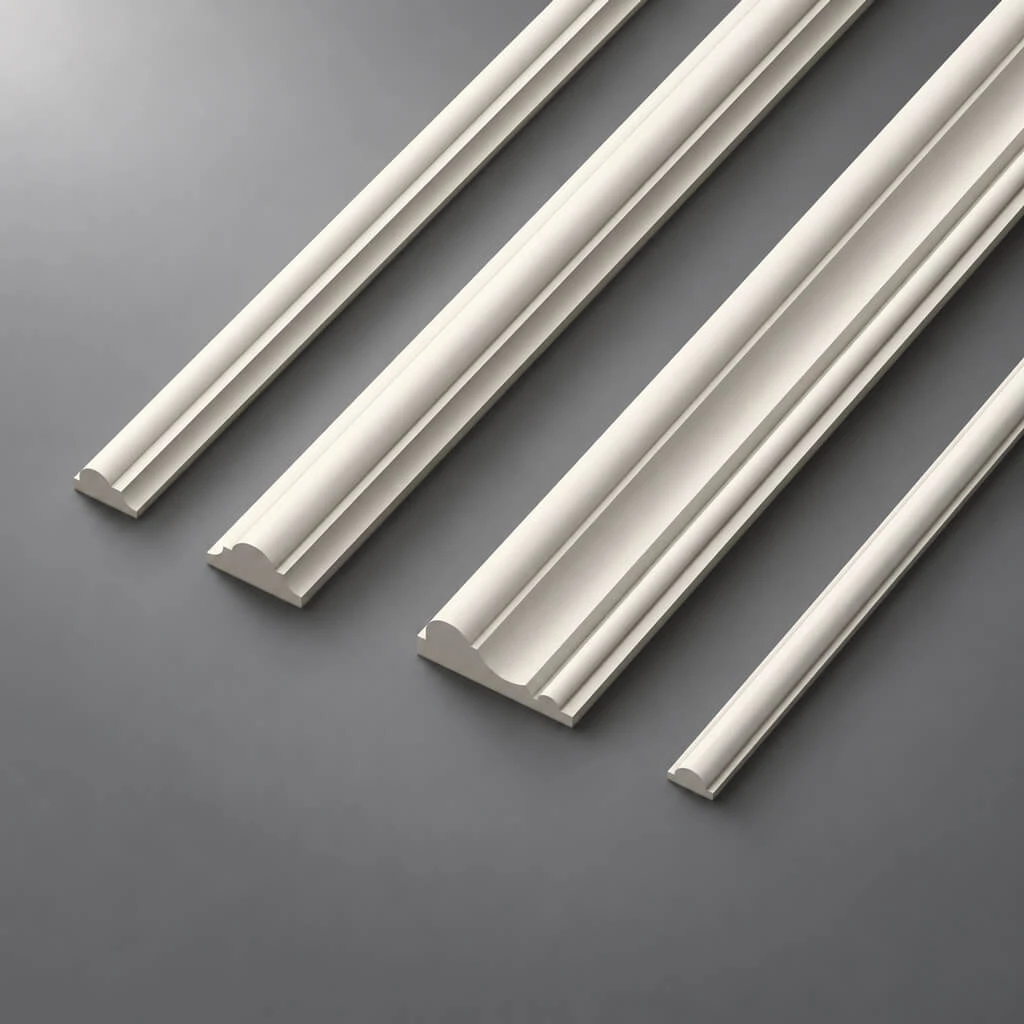
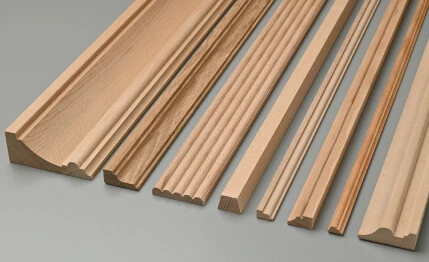
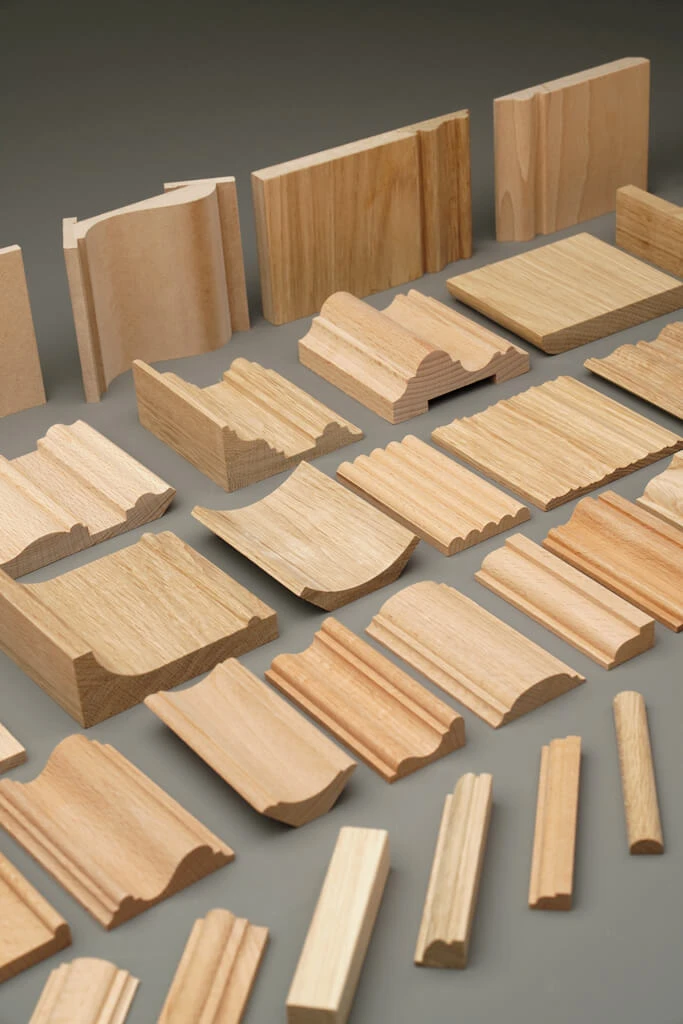
Smooth (flat) casings are a strict rectangular profile without ornamentation. They are appropriate for homes in the spirit of modern minimalism or Scandinavian aesthetics. Laconic, clean, without accents.
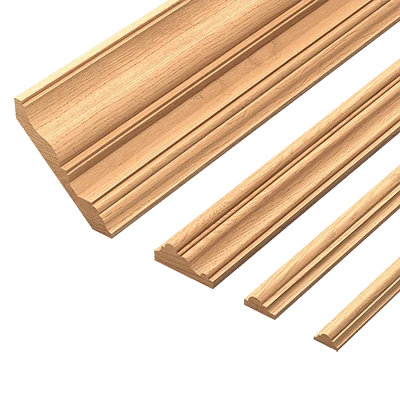
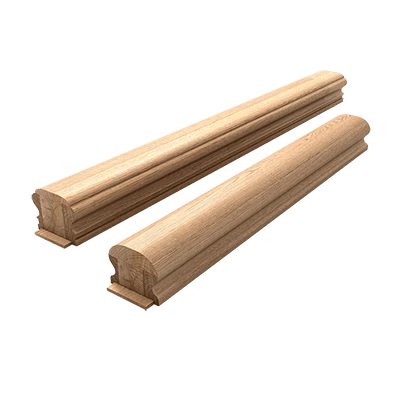
Shaped casings are profiles with bevels, steps, and coves. Already more interesting: they add volume to the window opening and look great in neoclassical and modern classic styles.
Wide casings are from 80–120 mm and above. They form a 'frame' around the window, making the opening an accent. Especially effective on houses with tall windows and rich facade decor.
Narrow casings — up to 60 mm. A neutral solution for cases where you simply need to cover the seam without creating unnecessary emphasis.
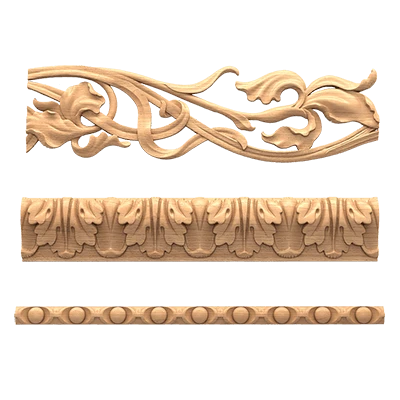
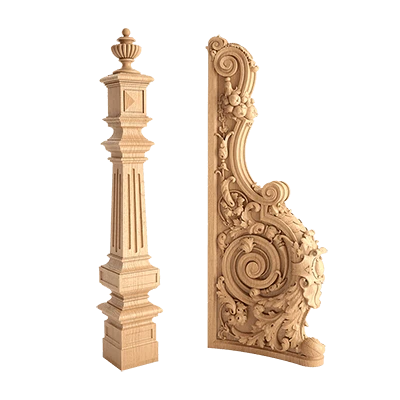
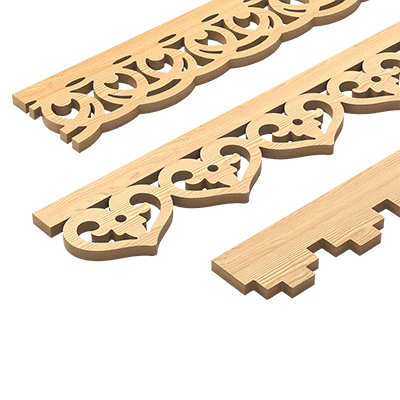
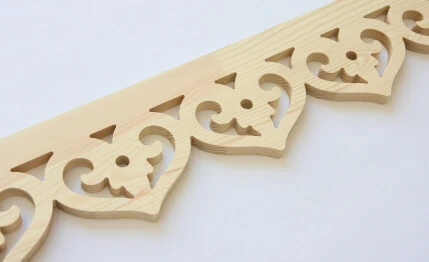
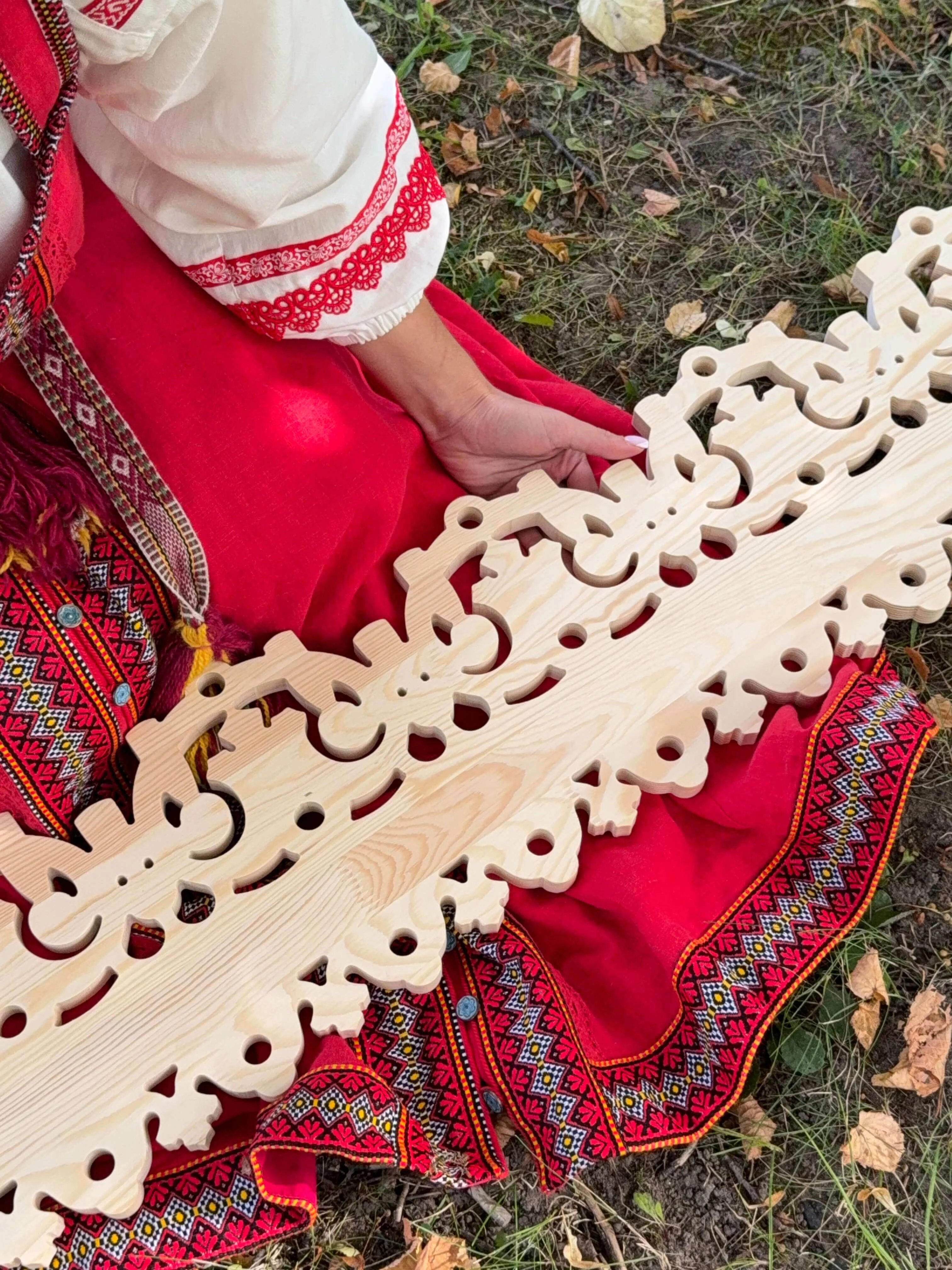
Carved window casings — profiles with hand-carved or milled carving. Floral ornaments, solar symbols, geometric patterns, openwork fretwork. This is not just a casing — it's a work of art. Look at thewooden patternsexecuted by masters — it is they who turn a wooden house into an architectural dominant.
Casings with ornament — embossing, relief patterns, applied decorative inserts. An intermediate option: more beautiful than plain, more restrained than carved.
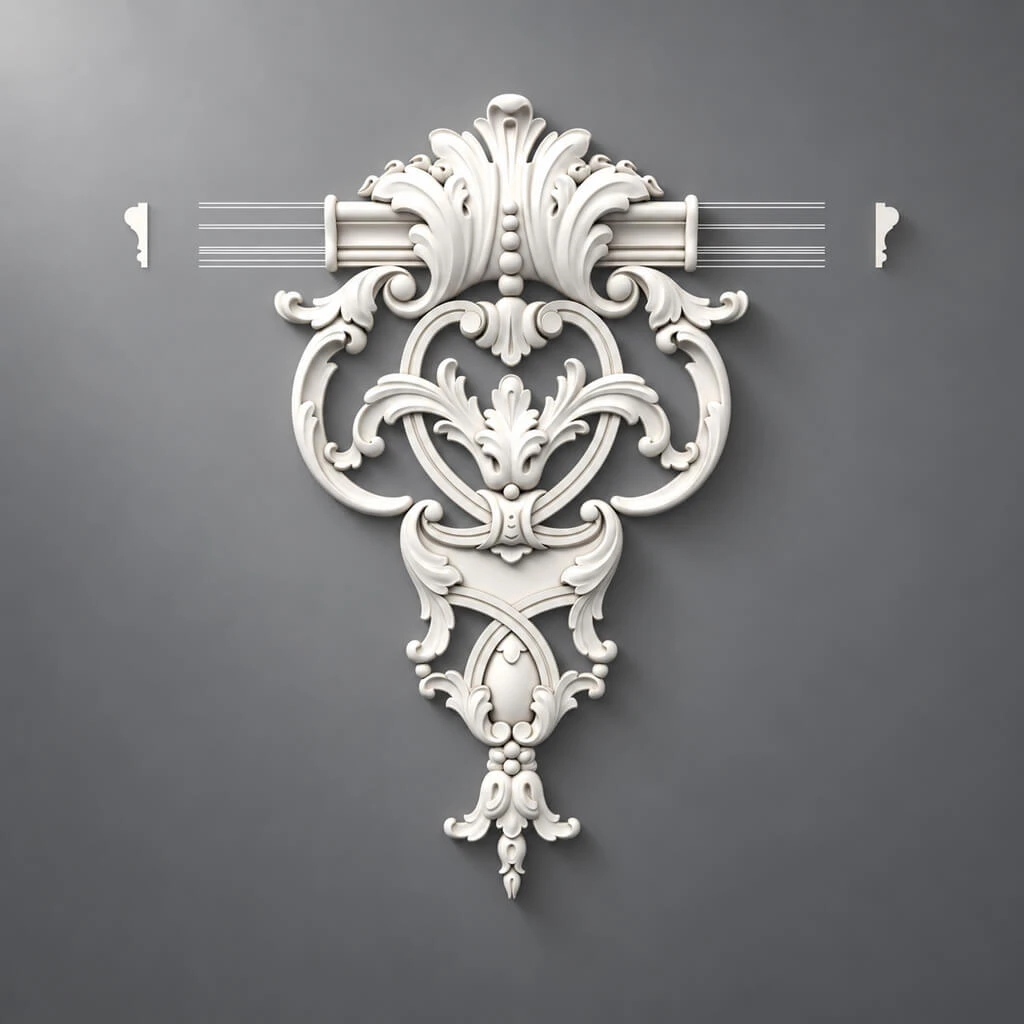
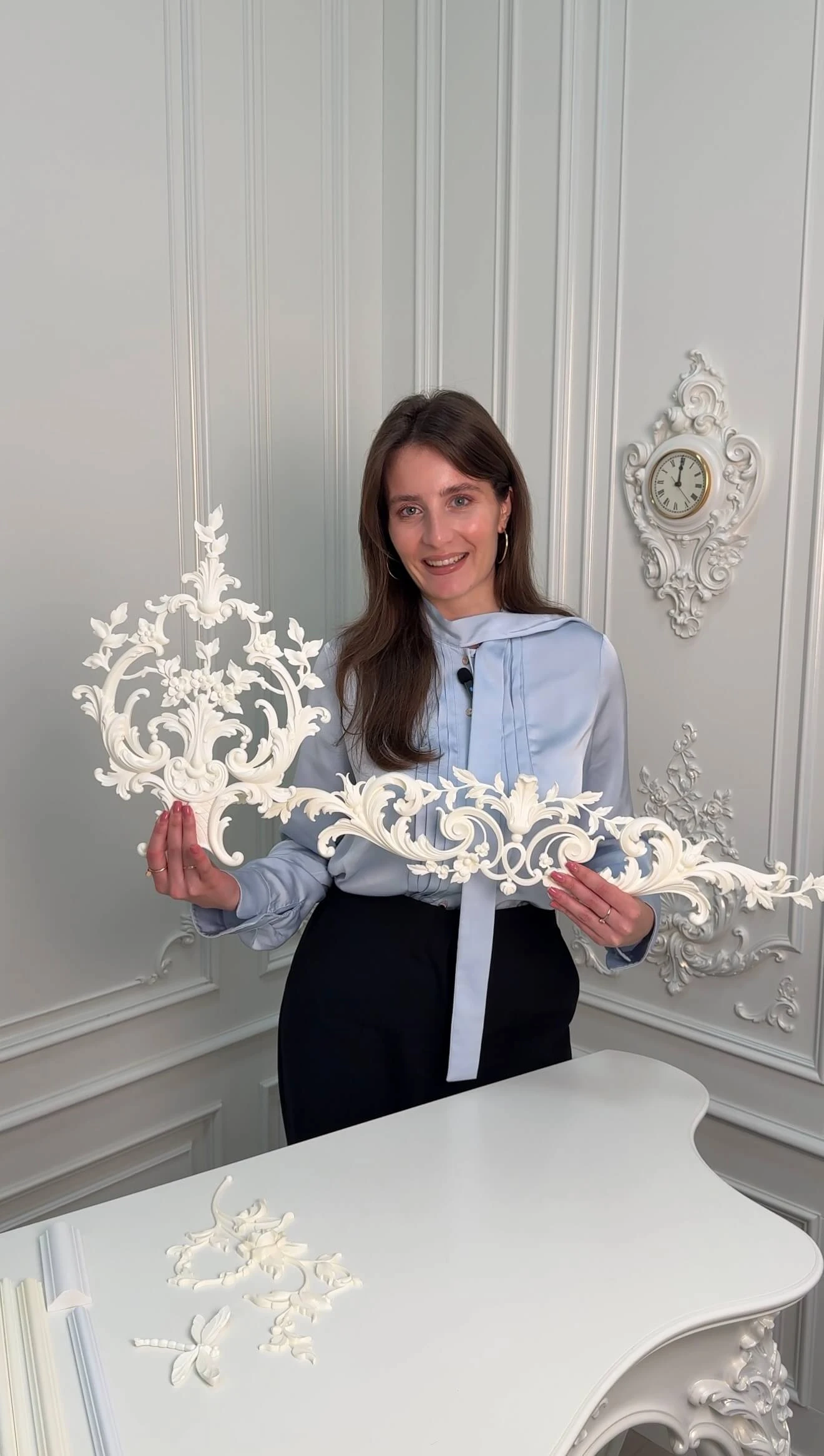
With decorative overlays — when applied elements are added to the base profile: corner blocks, keystones, ornamental inserts. Form a full-fledged architectural framing.
By style
Classical — strict profile, symmetry, restraint. Suitable for houses in classical and neoclassical spirit.
Traditional — wide casing with a figured profile, sometimes with applied decor. A reference to the architecture of 19th-century wooden urban mansions.
In Russian style — openwork or applied carving, floral motifs, kokoshnik-shaped top piece (ochelie). This is the depth of tradition, backed by centuries-old culture of wooden architecture. Learn more about it in the article aboutwooden house ornament.
For a modern wooden house — figured or smooth profile, dark or neutral tint, without lush decor. Modernity and naturalness simultaneously.
For facades with accent decor — when the casing is part of the overall decorative program of the facade, including cornices, soffits, corner overlays, and house carving.
Why choose wooden window casings
This question should be asked differently: why choose anything else if wood performs better?
A natural material with a living texture. Wood is the only material that has a unique pattern for each product. Two casings made from the same species will never be identical. This is not a defect — it is a value.
Expressiveness at any scale. A wooden casing looks equally good on a small window of a rural log house and on a tall ceremonial window of a country mansion. The scale determines the width and profile — but not the material.
Perfect appropriateness for a wooden house. When the house is log or timber — wooden window casings for a wooden house are the only organic solution. Plastic on a wooden facade is always a compromise. Wood on wood is architectural honesty.
Wide range of finishing options. Casings for painting accept any color. Varnish preserves the natural texture. Toning creates depth of tone. Oil-wax protects and emphasizes the texture. Window casings for painting are one of the most popular options, allowing adaptation to any facade color.
Best combination with carved decor and house carving. If the facade is adorned withhouse carving, wooden cornices and soffits — the casings should be wooden. Only then does unity of material, style, and character arise.
Durability with proper treatment. Larch and oak with high-quality antiseptic impregnation and final painting last 20–30 years without loss of appearance. This is not only an aesthetic but also an economic argument.
How to Choose Window Casings
Choice is not guessing. It's a sequential analysis of several parameters. Let's examine each one.
By house type
The type of object determines the requirements for the casing — primarily the material and structural solution.
Wooden house (log house, timber frame, frame construction) — only wooden casings work here. The material aligns with the load-bearing structure, ensuring facade unity. It's important to account for building settlement: casings must be fastened to compensate for the vertical movement of the log house. The optimal wood species are pine or larch.
Dacha — most often a small object with a moderate budget. Pine casings for painting work well here: inexpensive, practical, with a good appearance. If desired — you can add a shaped profile or light decor.
Banya (sauna) — high humidity, temperature fluctuations. Larch is the best choice. Antiseptic treatment and weather-resistant paint and varnish coating are mandatory.
Cottage — here the range is wider. Depending on the facade style: from smooth casings in a modern aesthetic to wide carved ones in a classical spirit. Material — pine, oak, or larch.
Brick house with wooden decor — casings are mounted on a brick wall, requiring reliable fasteners (anchors, special dowels). Wooden window casings on the facade of a brick house create that contrast of materials highly valued in classical architecture.
By facade style
Style is not just aesthetics. It's a system of rules, and it's not worth breaking them without conscious intent.
Russian style — wide casings with fretwork, plant or geometric ornaments, kokoshnik-shaped top. Bright coloring — white, blue, ocher, terracotta. This style requires wood and only wood. Study patterns on wooden house mouldings — there's plenty of inspiration there.
Classical facade — symmetry, strict proportions, shaped profiles. White or neutral coloring. Casings with a cornice block at the top and decorative corner elements work well.
Modern facade with wooden accents — here the casing is more of a detail than an accent. Smooth or slightly shaped profile, dark tint, narrow format. Wood is used as a textural counterpoint to plaster or concrete.
House with decorative carving — the facade is already rich, and the casing must fit into the existing decorative system. Follow the same style of ornament as infacade decor— so that all elements 'speak' the same language.
By size and proportions
Geometric logic is important here. The casing must be proportionate to the window and facade — not larger and not smaller.
How to choose the width of the casing. Basic rule: the width of the casing should be approximately 1/10–1/8 of the width of the window opening. For a window 900 mm wide — a casing of 90–120 mm. This is not a rigid formula, but a good guideline.
When a narrow profile (40–60 mm) is needed. Small windows, modest facade without decor, modern style. A narrow casing does not overload the opening and does not create an unnecessary accent.
When a wide casing (80–150 mm) is appropriate. Large windows, high openings, rich facade with decor. A wide window casing forms a 'frame,' emphasizing the significance of the window in the overall composition.
How to correlate the casing with the facade. Look at the facade as a whole. If the cornices are wide — the casing should also be wide. If the house is small and delicate — a light thin profile. The scale of the details must be coordinated.
By pattern and decor
Smooth profile — for those who appreciate purity of form. No patterns, just lines.
Ornament — embossed or stamped pattern on the surface. Adds decorative appeal without overloading.
Carved pattern — hand or milled carving. Floral motifs, solar symbols, geometry. The most expressive option.
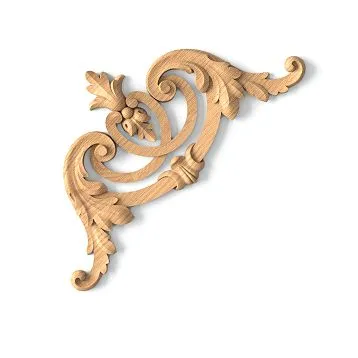
Decorative elements — applied ornaments, corner blocks, keystones. Look at theDecorative Wooden Patternsin the STAVROS catalog — it has everything needed to assemble a complete decorative window program.
Combination with cornices and overlays — when the casing is only part of the framing. Add awooden corniceon top, a valance below, corner rosettes at the joints. The result — not just a casing, but a full architectural window treatment.
Carved window casings: when they are appropriate
This question is often asked, and it's fair. Carved window casings are a strong solution, and like any strong solution, they require the right context.
For wooden houses. Wood carving is organic precisely where wood is the main structural material. In a log or timber house, a carved window surround is perceived as an extension of the house itself. There is no stylistic conflict here—only unity.
For facades in the Russian style. If the house is conceived in the spirit of Russian architectural tradition, carved window surrounds are essential. This is not a decorative whim but a style-defining element.Russian ornament in facade decor—is an entire system of images, and the window surround occupies a central place in it.
For houses with house carving. If the facade is already adorned withhouse carving—cornices with sawn patterns, soffits, corner overlays—the window surround must support this language. A smooth plank next to a carved cornice is a stylistic dissonance.
When a window should become an accent. On some facades, one or several windows are specially highlighted—for example, the formal living room window or a large second-floor window. A carved window surround in this case works as a frame: it focuses attention and gives the window status.
When artistic design is needed, not just covering a seam. It is carving that elevates the window surround from the category of building materials to the category of architectural art. And if this difference matters to you—the choice is obvious.
How to combine window surrounds with other decor
One window surround is the beginning. A full-fledged facade is a system. Let's break down how to assemble it correctly.
Casing + cornice.wooden corniceIt is mounted under the roof overhang or above each floor of the facade. When its profile echoes the profile of the casing, the facade gains architectural logic. The casing 'grows' from the cornice, rather than contradicting it.
Casing + apron. An apron is a carved or profiled overlay under a window. Together with the casing, they form a complete framing of the window opening: the casing runs along the sides and top, the apron runs along the bottom. A classic solution for wooden houses in a traditional style.
Casing + house carving. If the facade is decorated with three-dimensional or fretwork carved elements, the casing must use the same ornament, the same technique, the same depth of relief. This is what realwooden house decorlooks like — when everything speaks the same language.
Casing + decorative overlays. Corner rosettes at joints, overlay elements in the center of the top rail, keystones. These details turn simple framing into an artistic composition.Decorative Wooden Patternsoffer wide possibilities for this kind of assembly.
Casing + overall facade decor. Shutters, roof overhangs, verandas, porch — all these are parts of a whole. The facade program should be developed in a unified style. Look at the solutions forfacade decoration— there are examples of such systematic work.
The main principle: any decor is only as good as it is coordinated with adjacent elements. Casing, cornice, valance, house carving—these are not separate purchases but parts of a single architectural concept.
Window casings for a wooden house
This block deserves special discussion—because window casings in a wooden house represent an independent tradition, rooted in centuries of Russian wooden architecture.
How to choose a style
A wooden house is living architecture. Its style is determined by construction (log house, timber, frame), age, proportions, and facade finishing. The casing should feel this context.
For a new log house in a traditional spirit—a wide casing with sawn ornamentation, painted in a contrasting color (white on a dark background, ochre on natural wood). For a modern frame house with dark cladding—a narrow casing with a shaped profile, tinted to match the wall or in a slightly darker shade.
How to connect windows with the facade
A window is not an isolated element of the facade. It is a point around which the entire decorative program of the wall is organized. The casing connects the window to the wall, the cornice connects the wall to the roof, the valance connects the window to the fundamental horizontal line of the plinth.
When all these elements are made with a single logic—the facade 'reads' as an architectural text, not as a random set of details. That is why the best wooden houses look like a single work, not like a box with attached decorations.
Which patterns and shapes look appropriate
In traditional Russian architecture, a stable system of ornaments for window casings has developed:
-
Solar symbols (circles, rosettes, wheels) — symbols of the sun and protection of the home.
-
Floral motifs (leaves, flowers, branches) — connection with nature and life.
-
Geometric patterns (diamonds, diagonal crosses, braiding) — strictness and order.
-
Kokoshnik-shaped finial — the upper part of the window surround in the shape of a traditional kokoshnik. The most recognizable element of Russian window decoration.
Read more about howpatterns on wooden house mouldingsare associated with regional tradition and folk symbolism, you can learn more in a special material.
Why wood beats plastic
This comparison often arises — especially when you look at the price tag. But an honest analysis says the following.
Plastic window surrounds on a wooden house create a stylistic disconnect. An artificial material on living wood — it's always noticeable, and it always looks like a compromise. Plastic does not accept carving, has no texture, and does not age as gracefully as wood.
Wooden window surrounds, when properly treated, are not inferior to plastic in durability, and in appearance — they surpass it radically. They maintain the integrity of the house's architectural image and over time acquire a noble patina, rather than yellowing and cracking.