Article Contents:
- Where to buy trims for interior doors and what to look for when choosing
- What trims for interior doors can you buy
- Wooden casings
- MDF casings
- Decorative trims
- What trims for interior doors are best to buy
- For classic interiors
- For modern doors
- For white doors
- For wood-look doors
- For Apartments
- For Country Houses
- For designer interior
- How to choose door trims for interior doors before buying
- By material
- By width
- By Profile
- By color
- Buy wooden door trims for interior doors: what are the advantages
- Naturalness that cannot be imitated
- Durability — without exaggeration
- Repairability — a real advantage
- Foundation for a cohesive interior
- Door casing dimensions for interior doors
- Standard Sizes
- What sizes fit standard doors
- When wide casings are needed
- How to account for wall irregularities
- How to match architrave with door frame and extensions
- How much do door casings for interior doors cost
- What Affects the Price
- Commercial transition
- Buying architraves for interior doors: what to check before ordering
- Geometry quality
- Profile straightness along the entire length
- Surface Quality
- Ability to match with baseboards and moldings
- Checking wood moisture content
- What to match architraves with for a complete interior look
- Trims and baseboards
- Skirting boards and moldings
- Architraves and cornices
- Architraves and decorative trim
- Architraves and wall elements
- Installing architraves after purchase
- Mounting methods
- 45-degree bevel cut
- Jointing in corners
- Common mistakes
- Why it's important to buy quality trim
- STAVROS: door casings for interior doors and full door trim sets
- Frequently Asked Questions
- What are the best casings to buy for interior doors?
- What's better to buy: solid wood or MDF casings?
- Which casings are suitable for white doors?
- Can you buy casings for painting?
- What casings to choose for a modern interior?
- How many casings are needed for one door?
- How to match casings to the baseboard?
- Where to buy casings for interior doors reliably?
Imagine: the renovation is almost finished. The doors are installed, the walls are painted, the floor is laid. Just a little left—and here, on the final stretch, your gaze hits an untidy joint between the door frame and the wall. Expanding foam, a gap, an open seam—all of this ruins the overall impression. One element, one overlooked detail—and the feeling of completeness disappears.
That's why the question 'how to buy door trims for interior doors' is not technical, but design-related. The right trim choice covers the seam, shapes the doorway's appearance, and ties the door to the rest of the finish: baseboards, moldings, cornices. The wrong one—even with quality doors—creates a sense of an unfinished budget renovation.
Want tobuy casings for interior doorsthat will fit organically into the interior and last for decades? This article is a complete guide: materials, sizes, profiles, prices, installation, and clear answers to questions that arise before ordering. Seebuy door trims—the STAVROS catalog features wooden profiles, moldings, cornices, and full-length trim for a cohesive interior solution.
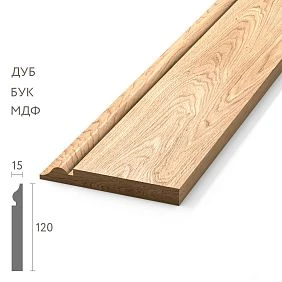
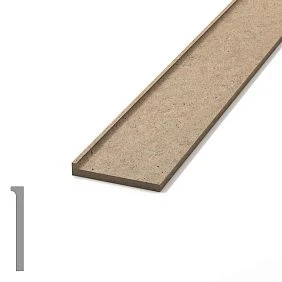
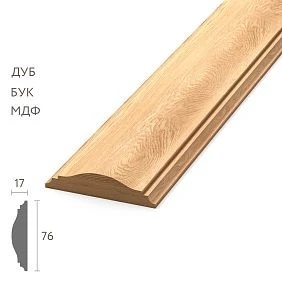
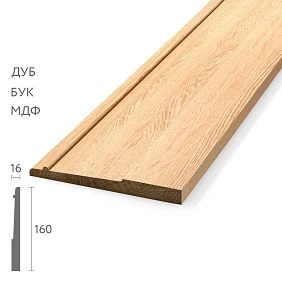
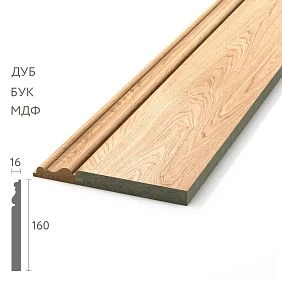
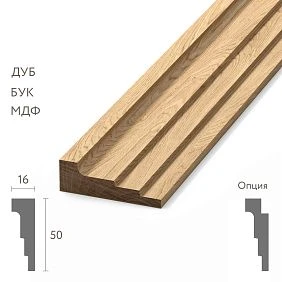
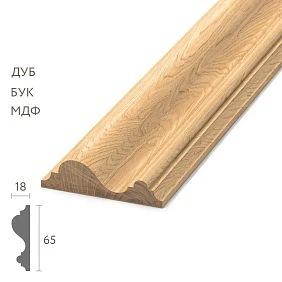
Where to buy trims for interior doors and what to look for when choosing
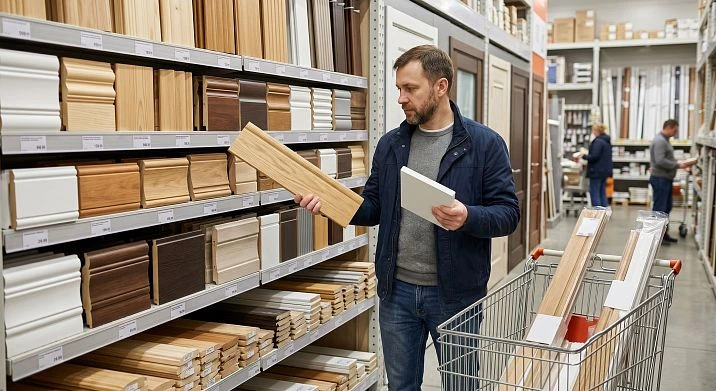
Let's start with a fundamental question: what actually makes one trim better than another? The answer isn't obvious—especially if you only look at catalog photos or focus solely on price.
When buying a door trim, five parameters are important:
Material—solid wood, MDF, or veneer. This determines durability, repairability, and the final appearance.
Profile—the cross-sectional shape. Smooth, figured, classic, carved. The profile defines the character of the door framing.
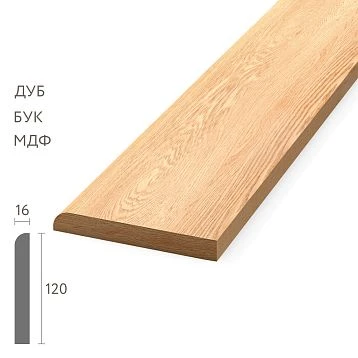
Width—from 40 to 120 mm. The wider the door and higher the ceiling, the wider the trim can be.
Finish — for painting, enamel, tinting, varnish. Determines the final tone and compatibility with other finishes.
Interior compatibility — whether the manufacturer's line includes baseboards, moldings, and cornices in the same profile. This is critically important for a cohesive result.
The good news is that all of this can be selected in one place. STAVROS offers a complete line oftrim products for interior doors— architraves, baseboards, moldings, and cornices in a unified profile system. This solves the compatibility problem and guarantees a consistent result throughout the space.




What architraves for interior doors can be purchased
The market today offers a wide choice — from budget strips made of pressed fiber to status carved products made of oak. To avoid getting lost in the assortment, let's examine each category.
Our factory also produces:
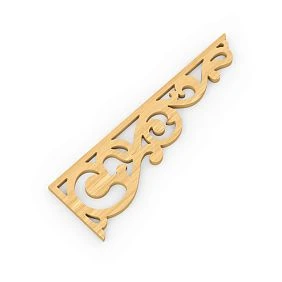
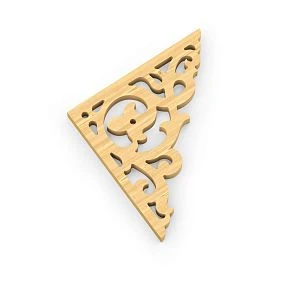
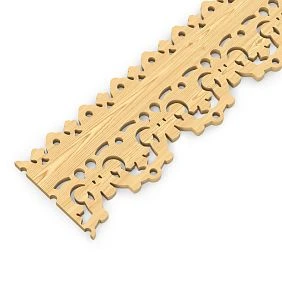
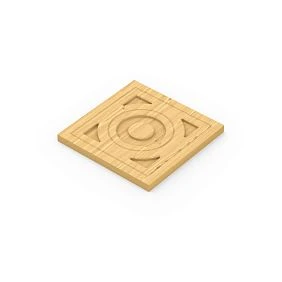
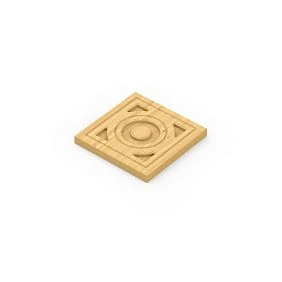
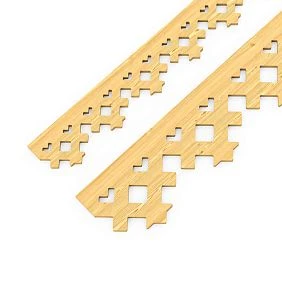
are used to decorate door and window openings, giving them a finished and aesthetically pleasing appearance. They protect openings from mechanical damage and emphasize the architectural style of the room.
This is the pinnacle of the product line — both in quality and aesthetics. A wooden architrave made of solid wood is a natural material with a living grain pattern that plays differently under different lighting.
Buy wooden architraves for interior doors— means choosing a product that:
-
Withstands decades of use — with proper finishing, solid wood lasts 30–50 years
-
Restorable — scratches can be sanded, surfaces repainted, and the architrave looks like new
-
Accepts any finish — white enamel, tinting, varnish, paint in any RAL color
-
Creates a natural look — the organic grain pattern cannot be imitated by any substitute
-
Harmoniously pairs with wooden skirting boards, moldings, and cornices — a unified material creates interior cohesion
Popular species: oak (dense, with expressive grain, versatile), beech (even texture, ideal for white enamel), ash (aristocratic grain, suitable for light interiors).
Carved sampleswooden molding— for those who want to see the variety of profiles before making a decision.
Get Consultation
MDF Architraves
MDF is a material made from pressed wood fibers with binding components. The surface is smooth, uniform, and takes enamel painting well. Geometry is precise: planks are straight, without deformations.
What's important to know about MDF:
-
Costs significantly less than solid wood
-
Cannot be repaired if mechanically damaged — requires replacing the entire section
-
Swells and warps with prolonged moisture exposure
-
Can be repainted 1–2 times before the surface loses its commercial appearance
MDF is suitable for budget projects, rental properties, and neutral interiors without high durability requirements. Corresponding products are available in the section MDF Skirting Board— where you can also find matching trim in the same material.
Decorative door casings
This is a separate category — products with distinct character and decorative function.
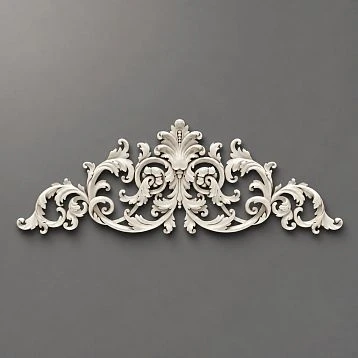
Ornate — complex profile with transitions, steps, and shelves. Adds weight and architectural presence to the door. For classic and neoclassical interiors.
Classic — symmetrical multi-stage profile. Widens toward the center, creating a framed effect in the traditional European spirit.
Modern — smooth or with one clear transition. Precise lines, minimal relief. For minimalism, Scandinavian style, contemporary classic.
Wide — from 80 to 120 mm.Buy wide door trims for interior doorsis worth it when you need to turn a doorway into an architectural accent — especially appropriate in high-ceilinged rooms.
Narrow — up to 55 mm. For small rooms and doors where trim should be present but not dominate.
Which door trims for interior doors are best to buy
There is no single correct answer — because the best trim is always determined by context. Here are specific recommendations for different tasks.
For a classic interior
Wide figured oak solid wood trim — 80–100 mm, multi-stage profile. White enamel or tinted to resemble natural wood. Preferably complemented with wall moldings andwith wooden cornicesfor a complete architectural ensemble.Buy door trims for interior doors in classic style— means choosing with an eye on the entire linear footage of the room.
For modern doors
Smooth profile 60–70 mm. Painting to match the wall or door color. No extra relief — the trim should support the laconic nature of a modern interior, not introduce ornamental noise.Buy door trims for interior doors in modern stylemade of solid wood — the same minimalist effect, but with the durability of natural material.
For white doors
White enamel trims — a classic and fail-safe solution. It's important to coordinate the white shade: RAL 9003, RAL 9010, and RAL 9016 read differently in daylight. The same 'white' from different manufacturers can create a patchy effect — especially if trims and baseboards are purchased separately.
For wood-look doors
Trim made from the same wood species as the door, with the same or similar tint. Beech to beech, oak to oak — the principle of material unity. A slight difference in shade is acceptable as a design technique (a bit lighter or darker), but a clear mismatch of species is undesirable.
For apartments
Priorities: ease of installation, geometric accuracy, and compatibility with standard door frames. Standard sizes (70–80 mm), solid wood or MDF depending on budget. For a city apartment with high door usage, solid wood is preferable.
For a country house
Here, wood is the obvious and only correct choice. Naturalness, warmth, and organic harmony with wooden floors, ceiling beams, and furniture.wooden trim itemsIn a country house, it's not an option; it's the logic of the material.
For a designer interior
Width: from 90 mm. Profile: non-standard, possibly carved. Additional elements: corner rosettes, wall moldings, pilasters, and cornices in a unified style. This is the level where trim stops being just a finish and becomes part of the author's interior statement.
How to choose door trim for interior doors before purchase
Practical section without unnecessary theory. Let's go through each parameter step by step.
By material
Solid wood. For long-term results, it's the only correct choice. Dense species (oak, beech, ash) provide impact resistance, maintain geometry through temperature and humidity fluctuations, and can be repainted multiple times. Sanded surface for painting or pre-finished with varnish—both options are available in the catalog.
MDF. A budget option with good geometry. The smooth surface takes enamel well. Weaknesses: vulnerability to mechanical damage, sensitivity to moisture, and limited repainting potential.
Veneered. Base made of MDF or inexpensive wood, faced with a thin veneer of valuable wood. Externally similar to solid wood, costs less. Vulnerable to damage: veneer can peel off and is difficult to restore.
Detailed characteristicsof moldings and their types— in our informational guide.
By width
The width of the casing is selected according to the size of the door opening and interior style:
| Sticker Width | For which doors | Character |
|---|---|---|
| 40–55 mm | Narrow openings, minimalism | Inconspicuous, technical |
| 60–75 mm | Standard doors 700–800 mm | Universal, neutral |
| 80–95 mm | Standard and wide doors | Expressive, classic |
| 100–120 mm | Wide, tall, decorative | Monumental, architectural |
Proportion principle: the width of the casing and the width of the baseboard should not differ significantly. A narrow casing next to a wide baseboard creates dissonance — and vice versa.
By profile
Flat (straight) — minimalist rectangular cross-section. Modernity, conciseness, neutrality.
Shaped — several transitions in the profile, pronounced relief. Character, weight, classicism.
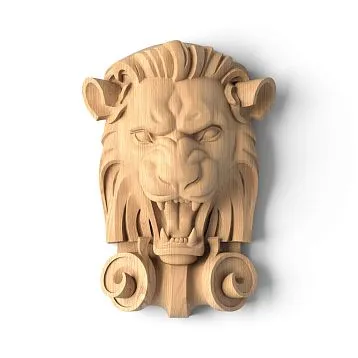
Carved — ornamental or floral pattern directly on the surface of the strip. Maximum decorativeness, for accent and status openings.Buy decorative door casingswith expressive relief — in the STAVROS catalog.
Concise — one or two clear offsets, without ornamentation. Geometry, precision, modernity. For those who appreciate details but do not want excessive decorativeness.
Regarding color
White is the most popular choice. It works well with white doors, light interiors, in Scandinavian style and classic white enamel.
Matching the wall enamel — the trim visually 'disappears,' and the door is perceived independently.
Wood finish — natural varnish or tinting, the natural grain of the surface is visible. A warm, organic result.
Matching the door — the trim continues the color of the door leaf, the entire frame reads as a single element.
In contrast — dark trim on a light door or vice versa. A designer technique that requires confidence in the final result.
Buy wooden trims for interior doors: what are the advantages
This section is for those still hesitating between solid wood and cheaper alternatives. We'll try to explain not only 'what's better,' but why — specifically and without marketing exaggerations.
Naturalness that cannot be imitated
Wood is a living material. Each board is unique: the grain pattern never repeats twice. Under daylight, an oak trim reveals the depth and direction of the annual rings; under evening artificial light, it highlights the volume and texture of the surface. This is not superficial beauty, but the inherent quality of the material.
MDF or laminated surfaces with a wood-grain print are imitations upon close inspection. This isn't a problem for a budget renovation, but the difference becomes obvious in a project where other finishing elements are made from natural materials.
Durability — without exaggeration
A quality wooden architrave made of oak or beech, with proper finishing, lasts 30–50 years. This is a fact confirmed by real practice: wooden millwork elements in old mansions and estates have been preserved for over a hundred years — provided they were cared for.
MDF under active use begins to show signs of wear after 8–12 years: chips on the ends, delamination in corners, swelling from humidity.
Repairability — a real advantage
This is especially valuable in homes with children, pets, and high traffic. A wooden architrave gets scratched — you take fine-grit sandpaper, sand the scratch, apply primer and a finish coat. It takes 20 minutes. MDF in a similar situation is replaced entirely.
The foundation for a cohesive interior
Buy wooden architraves for interior doors— this is the first step towards complete wooden millwork throughout the space. They are organically complemented by with a classic profile creates a sense of solidity, reliability., Decorative wooden moldingson walls,wooden cornice at the ceiling. One wood species, one tint, one profile system — and the interior stops being a collection of separate pieces, becoming a unified whole.
This is precisely why architects and designers in premium projects purchase all millwork from a single supplier — it's insurance against discrepancies in color and form, which are inevitable with mixed sourcing.
Sizes of architraves for interior doors
One of the most common questions when buying: 'What length should I get? What width will work?' Let's break it down clearly.
Standard Sizes
Standard length for vertical (side) architraves is 2100–2200 mm. This covers openings 2000–2100 mm high with allowance for trimming.
Length of horizontal (top) architrave for single-leaf doors of standard width 700–900 mm is accordingly 900–1100 mm with allowance for cutting.
Width: from 40 to 120 mm, the most common sizes are 60, 70, 80 mm.
Thickness: 12–18 mm for solid wood, 8–12 mm for MDF. Optimum for most interiors is 14–16 mm for solid wood.
What sizes suit standard doors
-
Door 600 × 2000 mm — architrave 55–65 mm wide
-
Door 700 × 2000 mm — 65–75 mm
-
Door 800 × 2000 mm — 70–80 mm
-
Door 900 × 2000 mm — 80–95 mm
-
Door 1000 mm and wider — 90–120 mm
When wide architraves are needed
Buy wide door casings for interior doorsis worth it in the following cases:
-
Room with high ceilings (2.7 m and above) — a narrow casing looks disproportionate
-
Wide or double door opening
-
Classical or neoclassical interior, where a monumental effect is needed
-
Uneven walls with large slopes — a wide plank better covers defects
How to account for wall unevenness
A wall is never perfectly flat — especially in Soviet-era buildings. For unevenness up to 5 mm, acrylic sealant around the perimeter of the casing is sufficient. For more significant unevenness, choose a casing wider than calculated — to overlap the problematic area.
How to match the casing with the frame and extensions
An extension is an element that widens the frame for thick walls. The casing is installed over the extension, covering the joint with the wall. The rule: the end of the casing should fit tightly against the extension without gaps or overlaps that create a step.
How much do door casings for interior doors cost?
The question is logical, but the answer is always contextual. The cost of casing is not a random figure but a function of specific parameters.
What affects the price
Material. Oak and beech are more expensive than pine. MDF is cheaper than any solid wood. The price difference between solid oak and an MDF equivalent of the same size is 2–4 times, sometimes more.
Wood species. Oak and beech are hardwoods with high density. This means more complex processing and, accordingly, a higher price compared to softwoods (pine, spruce).
Width. Every additional 10 mm in width increases material consumption—and price. A wide 100 mm oak casing will be noticeably more expensive than a standard 70 mm one.
Profile complexity. A smooth, straight profile—minimal milling, minimal surcharge for processing. A multi-step shaped profile—more complex to produce, higher price. A carved ornamental profile—maximum processing costs.
Finish. Sanded for painting—cheaper. Pre-finished coating (enamel, varnish, tinting)—adds to the cost depending on the complexity of color matching.
Length. Standard lengths—available in stock. Non-standard lengths (for non-standard height openings)—custom manufacturing, which adds to cost and lead times.
Decorative elements. Corner rosettes, overlay ornaments — a separate line item in the estimate. When calculating the budget, always include their cost separately.
Commercial transition
If you are planning a comprehensive purchase — architraves for several doors plus skirting boards and moldings — it makes sense to consider everything as a single order. This offers three advantages: a uniform material shade, coordinated profiles, and often more favorable terms than with several separate orders.
Buy architraves for a door opening at STAVROS — a catalog is available with the ability to select a complete set of trim for the project.
Buy architraves for interior doors: what is important to check before ordering
This block is about protection from disappointment. A list of specific control points to go through before confirming an order.
Geometry quality
The architrave must be straight. Literally: place it on a flat surface — no sagging or twisting. A deformed architrave during installation will either create gaps or require additional fasteners and sealant along its entire length.
It is impossible to check the geometry of an online order — therefore, it is important to work with a trusted manufacturer that has humidity control and product sorting.
Profile straightness along the entire length
The profile must be consistent from end to end. When joining two architraves at a corner, the pattern must match — this is a requirement for milling precision. Any error in the profile is visible at any point on the strip and cannot be masked.
Surface Quality
A wooden casing for painting must be sanded to uniformity—without fuzz, without milling marks, without protrusions. A poorly prepared surface under enamel gives uneven gloss and spots.
Ability to combine with baseboards and moldings
Before purchasing, verify: does the supplier's assortment include baseboards, moldings, and cornices in the same profile or at least in the same stylistic logic? If the answer is no—there is a high risk of incompatibility that will manifest after installation.
STAVROS solves this task systematically: all millwork is produced in unified collections.Buy wooden molding, Wooden baseboardand casings—from one catalog, in one profile, with identical finishing. This is the guarantee of an integral result.
Checking wood moisture content
For solid wood, the optimal moisture content is 12–14%. Higher moisture will lead to deformation after installation: the planks will 'warp', gaps will appear at the joints. Clarify with the supplier the drying regime and the moisture content of the finished product.
What to combine casings with to make the interior look complete
A casing never exists in a vacuum. It is surrounded by other finishing elements, and the quality of their connection determines whether the interior will look like a unified whole or like a set of separately purchased parts.
Architraves and skirting boards
with a classic profile creates a sense of solidity, reliability.— a horizontal line at floor level, to which the casing adjoins vertically. This is one of the main joints in interior finishing.
One rule: a unified 'family' of profiles. A shaped casing with rounded transitions requires a baseboard with similar plasticity. A smooth casing requires a smooth or minimally profiled baseboard. One material, one shade — one production batch.
The lower end of the casing adjoins the floor surface, the baseboard covers this joint from above. Correct technique — neat result.
Baseboards and moldings
Decorative wooden moldingscreate a horizontal rhythm on the walls: they divide the surface into zones, create framed fields, and form a frieze. When a wall is structured with moldings — the door opening with casing integrates into this system, rather than sticking out of it.
The principle of coordination: the profile of the molding and the profile of the casing come from the same stylistic vocabulary. Not identical — but close in the character of relief and scale. A figured molding next to a smooth casing reads as a mismatch.
Casings and cornices
wooden cornice— a horizontal finishing element at the ceiling. In a classic interior, it completes the system that begins with the baseboard and casings. Cornice at the ceiling, baseboard at the floor, casings at the doors — together they form the architectural framework of the room.
In projects with high ceilings, the cornice is especially important: it visually 'closes' the space from above, giving it proportionality. The profile of the cornice echoes the profile of the casing — this is not a coincidence, but a deliberate system.
Casings and decorative millwork
wooden trim items— is a complete framing system: friezes, layout strips, corners, handrails, additional profiles. When this entire set is executed in a unified style — the interior gains an internal logic that cannot be created by a random combination of different products.
Learn more about how it worksFinishing with millwork productsIn a unified system — in our extended guide.
Casing and wall elements
If the walls are finished with wooden panels, slats, or decorative overlays — the casing should be made of the same material and have the same tint. Wood to wood — a simple and effective principle.
Installing casing after purchase
Knowing the basics of installation helps to properly plan the purchase and avoid mistakes during installation.
Methods of mounting
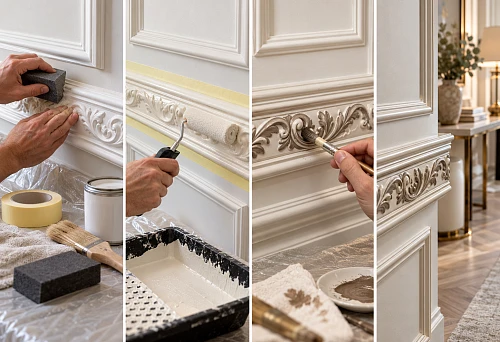
Finish nails — the classic method. Thin nails (diameter 1.2–1.6 mm) with a small head are driven through the strip into the door frame and wall. The heads are countersunk with a nail set, filled with wood putty, sanded, and painted over. Reliable, traditional, provides a tight fit.
Liquid nails or construction adhesive — used as a primary or secondary method. Applied to the inner surface of the casing in a zigzag or dotted pattern. Ensures a tight fit along the entire length without visible fasteners. For wooden casings — preferably used together with mechanical fasteners.
Combined method — adhesive around the perimeter + finish nails for fixation until it sets. The optimal balance of reliability and neatness.
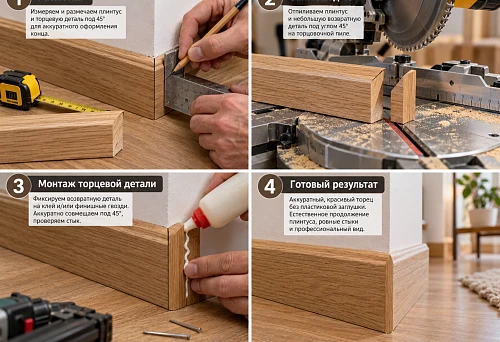
Miter cut at 45 degrees
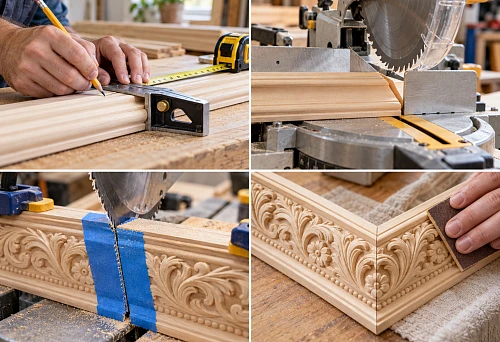
The top horizontal casing meets the vertical side casings at a 45° angle. Cutting precision is a key requirement. A gap in the joint of even 1–2 mm is noticeable under any lighting.
Tool: miter saw (miter saw) or miter box with a wood blade. The cut is made according to markings, not 'by eye'.
An alternative to mitering is corner overlay rosettes. Square or rectangular decorative elements are mounted in the corners, covering the joint. This is technically simpler and often more visually expressive.
Jointing at Corners
When making a miter cut, it is important to observe two conditions: an exact 45° angle and matching the profile at the joint. If the profile does not match, the joint looks like a mistake.
Installation order: first the horizontal casing, then the side ones. Or vice versa — depends on the type of cut and personal convenience. The main thing: do not start gluing until you have checked the geometry dry.
Typical mistakes
-
Installation on wet plaster — the casing pulls the finish with it and deforms.
-
Inaccurate miter cut — a gap in the corner that cannot be hidden by anything.
-
Different material batches — a discrepancy in shades that is visible under any lighting.
-
Disproportionate casing — too narrow for a wide door, or vice versa.
-
Lack of priming before painting — uneven coverage, poor paint adhesion.
Why it's important to buy a quality profile.
Installation errors can be fixed. Geometric defects of poor molding cannot. If a casing is twisted or has an unstable profile, no installation master can achieve a beautiful result. Product quality is the foundation upon which everything else is built.
STAVROS: casings for interior doors and complete door trim
STAVROS is a manufacturer of solid wood products with a full cycle: from wood blanks to finished profiles with finishing. All products are made from certified wood with kiln drying, humidity control, and manual surface preparation.
In the STAVROS catalog:
-
Buy casings for interior doors— smooth and shaped profiles in oak and beech, in widths from standard to wide, for painting and with coating
-
wooden trim items— baseboards, cornices, moldings, friezes in unified collections
-
Buy wooden molding— for walls, ceiling transitions, decorative framing
-
wooden cornice— for ceiling finishing and over-portal elements
-
Wooden baseboard— for painting and with coating, in unified profiles with casings
Retail and wholesale work. Special conditions for design studios, architects, and construction companies. Contact us to confirm shipping to your destination.
Frequently asked questions
Which casings are best to buy for interior doors?
For long-term results — solid oak or beech wood. They last for decades, allow for multiple repaintings, and are repairable. MDF is for budget projects with a short horizon.
What is better to buy: solid wood or MDF architraves?
Solid wood wins in all functional parameters: durability, repair, repainting, appearance. MDF is cheaper at purchase but more expensive in the long run — because it requires replacement, not repair. If the planning horizon is 10+ years, the answer is clear: solid wood.
Which trims are suitable for white doors?
White architraves for enamel — a classic solution. The main thing: coordinate the RAL shade with the door manufacturer. Also a working option — an architrave in the color of the wall, so that the framing 'dissolves' and the door is perceived independently.
Can I buy architraves for painting?
Yes. This is one of the most common categories. A sanded wooden architrave for painting allows you to choose the final color yourself — any RAL shade, any type of coating (water-based, alkyd enamel, acrylic paint).Buy architraves for painting— in the STAVROS catalog.
Which architraves to choose for a modern interior?
Smooth or laconic profile, width 60–75 mm. Color — matching the door or walls. Solid wood under matte varnish or white enamel. No carved ornament — it will conflict with the geometric logic of modern space.
How many architraves are needed for one door?
For a standard single-leaf door with double-sided framing: 4 vertical strips (2 on each side) + 2 horizontal (top). Total — 6 pieces. When purchasing, add 10–15% extra for cutting and possible installation errors.
How to match trim to baseboard?
Uniform wood species, uniform finish shade, comparable profile scale. Preferably buy from the same catalog and the same batch. If the baseboard is already purchased — take a sample and select the casing to match it, not from a photograph.
Where to buy door casings for interior doors reliably?
From a manufacturer with a full range of moldings in a unified profile system — so that casings, baseboards, and moldings can be taken from the same catalog.Buy door architraveswith the ability to select all interior moldings — in the STAVROS catalog.
Full rangedecorative door casings, moldings, cornices, and wooden moldings — in the STAVROS catalog. Solid wood, precise profiles, unified collections, Contact us to confirm shipping to your destination.