

























Article Contents:
- What Are Door Casings for Interior Doors and Why Are They Needed
- What Types of Casings Exist for Interior Doors
- By material
- By Profile Shape
- By interior style
- Wooden Casings for Interior Doors: What Are the Advantages
- Natural Texture and Visual Value
- Durability and Repairability
- Unlimited Finishing Possibilities
- Compatibility with Interior Decor
- How to choose door trims for interior doors
- By width
- By Thickness and Profile
- By color and finish
- By Combination with Other Interior Elements
- Solid Wood or MDF Casings: Which Is Better for Interior Doors
- Door casing dimensions for interior doors
- Standard Sizes
- How to choose the width of door casing
- What to consider with wall unevenness
- When a wide door casing is needed
- How to match door casing and jamb extension
- How to choose door casings to match door style and interior
- White doors and white door casings
- Wood-look doors and wooden door casings
- Classic doors
- Modern smooth doors
- Combination with baseboards and moldings
- Installation of door casings for interior doors
- Mounting methods
- Surface Preparation
- How to make a miter cut
- Common mistakes
- How much do door casings for interior doors cost
- What affects the cost
- Commercial transition
- Where to buy door casings for interior doors
- What to Pay Attention To
- Why it's important to select a set from one place
- Delivery and ordering
- What to combine door casings with for a luxurious and finished look of the opening
- With wooden baseboards
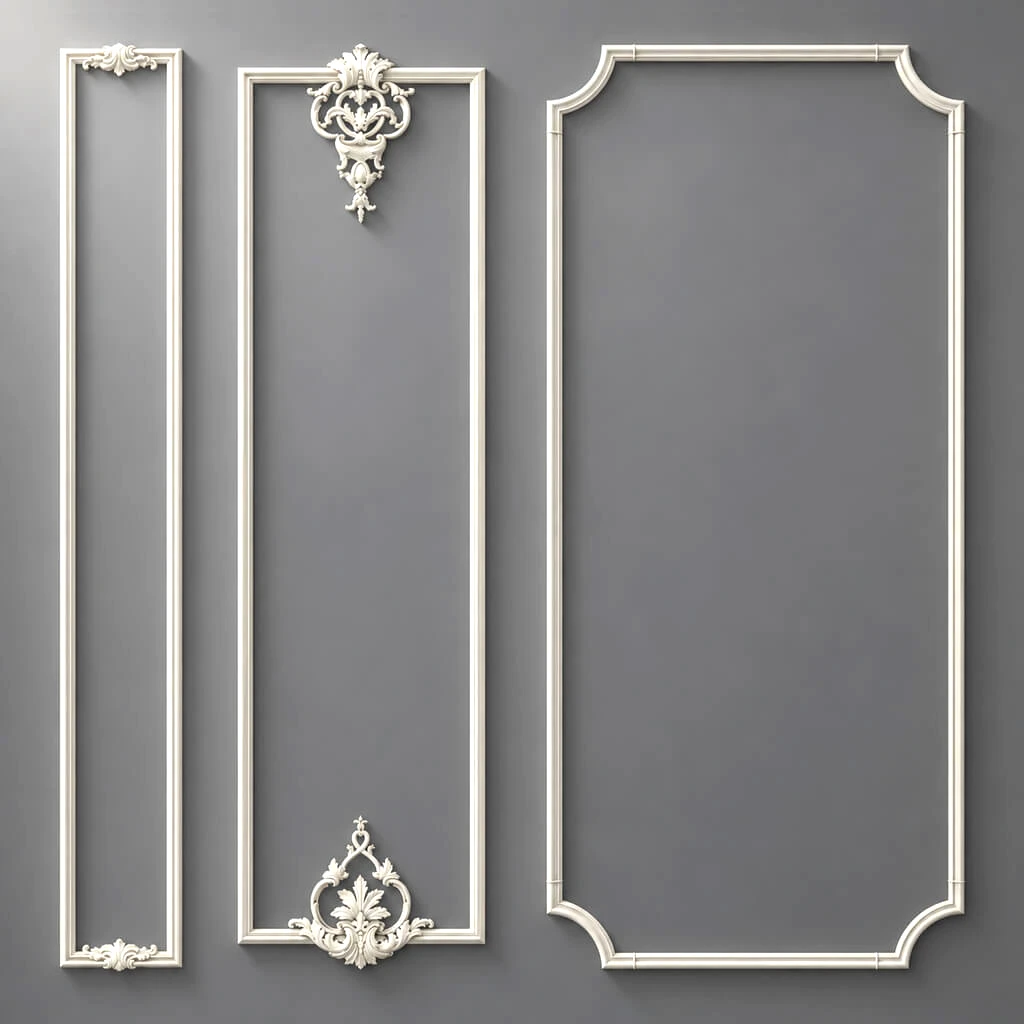
- With wall moldings
- With cornices
- With decorative trim
- Door casings for interior doors from STAVROS
- Frequently asked questions
- Which architraves are best for interior doors?
- What is better: solid wood or MDF?
- Which casings are suitable for white doors?
- Can wooden architraves be painted?
- Which casings to choose for a wide opening?
- How to match casings to the baseboard?
- How to attach casings to interior doors?
- Are casings needed if extensions are installed?
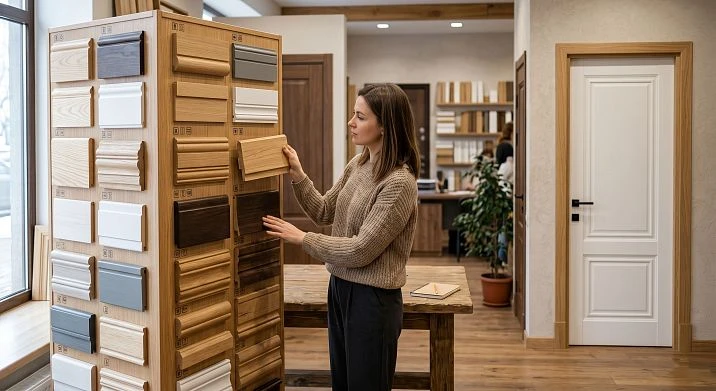
Door trims for interior doors—is not just a decorative strip. It's an element that covers the mounting seam between the door frame and the wall, frames the door opening, and—with a smart choice—becomes part of a cohesive interior ensemble. It's what connects the door to the baseboard, moldings, cornices, and the entire room space into a unified system.
This article is a practical commercial guide. No fluff, no generalities. It covers everything: materials, dimensions, profiles, installation, prices, and precise answers to questions that arise when making a choice. If you want to get straight to the point —the STAVROS catalog— is already open for you: wooden profiles, trim, moldings, cornices, and elements for a complete interior solution in one place.
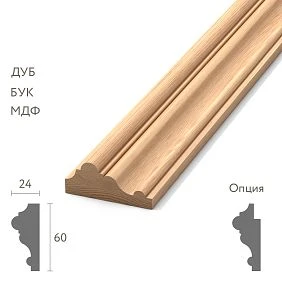
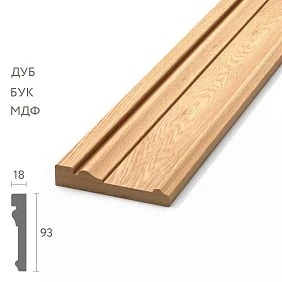
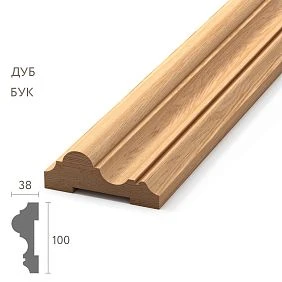
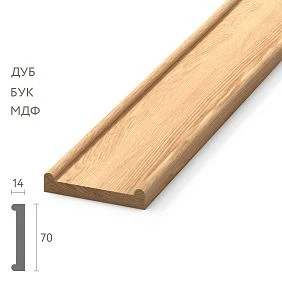
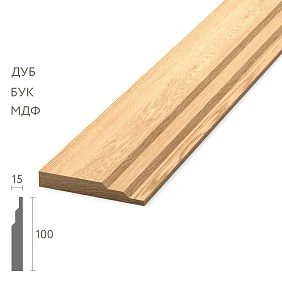
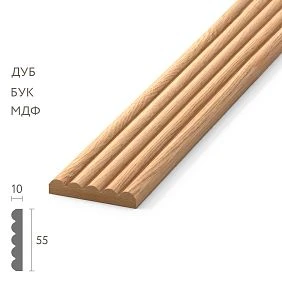
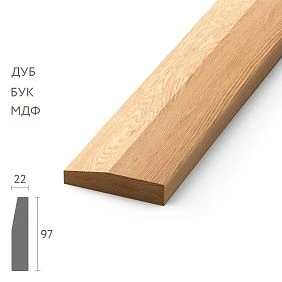
What are casings for interior doors and why are they needed
Before buying — let's understand the function. A door casing is a profiled strip mounted around the perimeter of a door frame on both sides of the wall. Its task seems simple at first glance but is multifaceted in detail.
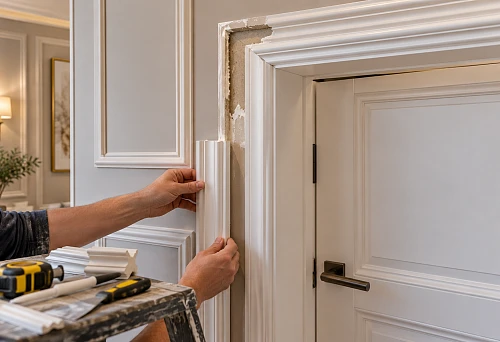
When installing any interior door, a technological gap of 10 to 30 mm remains between the frame and the wall. This gap is filled with expanding foam, which, after curing, protrudes as unsightly gray patches. The casing covers this seam, pressing against the frame on one side and resting on the wall surface on the other. The result is a neat, closed, finished door opening.
But the function of the casing is not limited to technically closing the seam. In the hands of a designer or a meticulous homeowner, it is one of the main tools for visual design. The right casing defines the character of the entire door: making it appear heavier or lighter, more appropriate in a specific interior, richer or, conversely, more austere. It is the casing that creates the transition from the door to the wall — and on this transition depends whether the room looks finished.
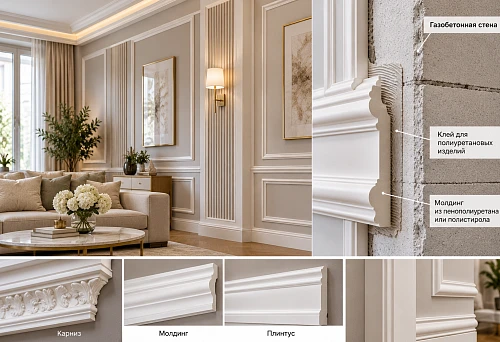
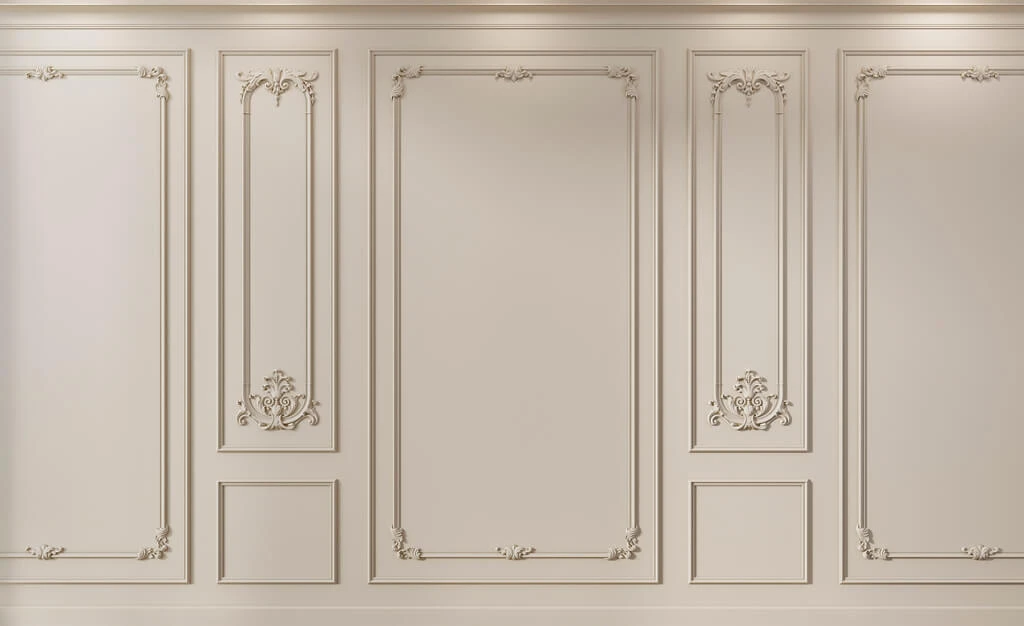
Even more important is the systemic role of the casing: it becomes the connecting link between the door and the othermouldings— the baseboard at the floor, moldings on the walls, the cornice at the ceiling. When this entire set is selected in a unified profile and material, the room acquires that inner harmony which everyone feels but few can explain.
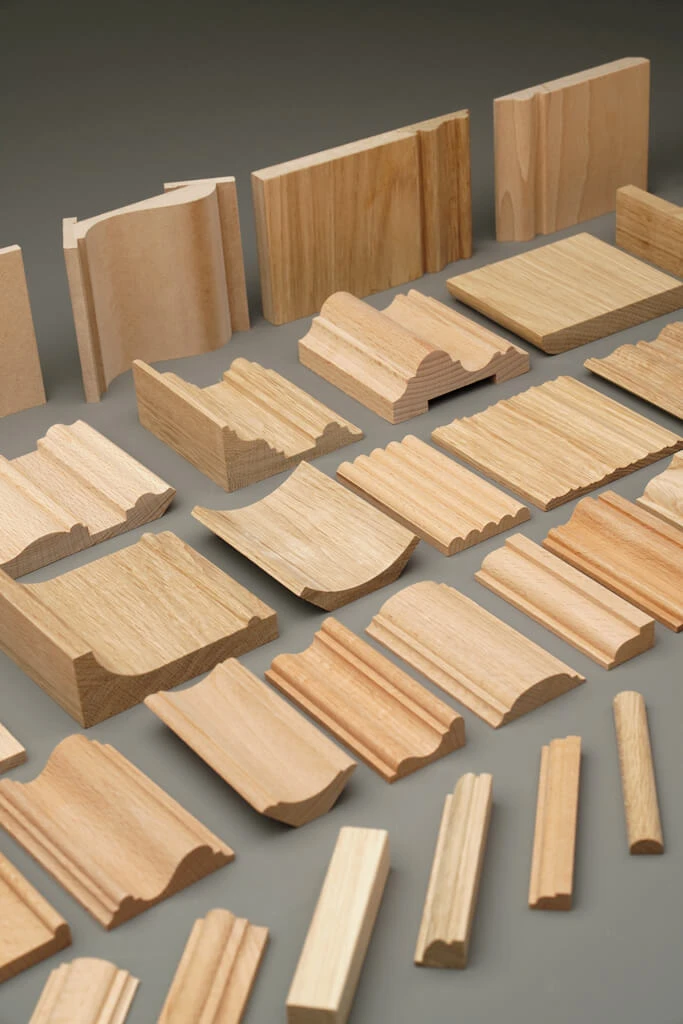
What types of casings are there for interior doors
The market offers a wide assortment — by material, shape, and stylistic purpose. Understanding the logic of each group means making an informed choice, not relying solely on price or the visual impression from a photo.
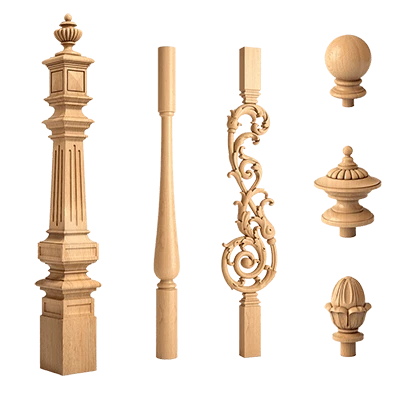
Our factory also produces:
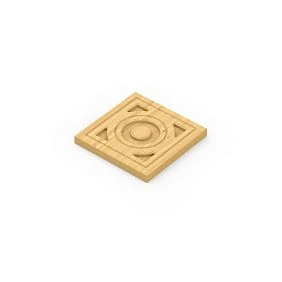
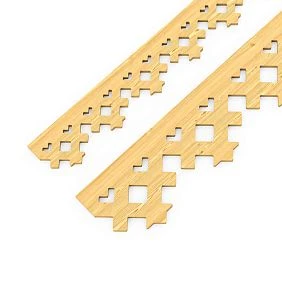
By material
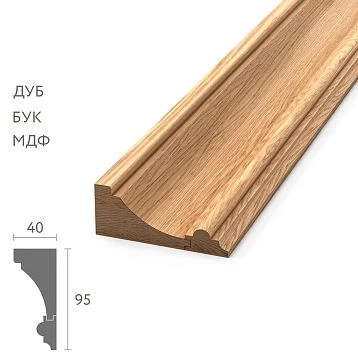
Solid wood. Natural timber — oak, beech, ash, larch. This is the most durable and aesthetically valuable material. A wooden casing has a living texture, accepts any finish well, and is suitable for repair. Damage is remedied by sanding — without replacing the item. Service life with proper finishing — decades.Wooden architraves for interior doorsSolid wood — the choice for those who renovate once and for the long term.
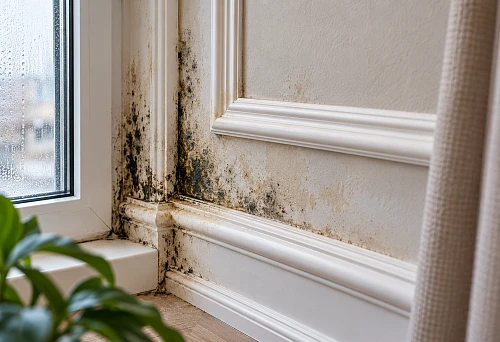
MDF. A material made from pressed wood fibers with added binders. The surface is uniform, takes paint well, and can be sanded for enamel. Significantly cheaper than solid wood. However, it cannot be restored if mechanically damaged — requires replacing the section. Swells and deforms in high humidity.MDF Skirting Board and Architrave— a reasonable choice for budget interiors with a short usage horizon.
Veneered architraves. A base made of MDF or inexpensive wood, faced with a thin veneer of valuable wood. Externally similar to solid wood, cost less. The downside — if damaged, the veneer peels off, and restoration is problematic. A compromise solution for the mid-price segment.
Architraves for painting. A separate commercial niche — products made from solid wood or MDF with a smooth, specially prepared surface for enamel or paint. The customer chooses the final color to match their interior. Especially popular in white and light interiors.
Variety of shapes and materials of wooden moldings — in our sectionwood trim itemswhere samples of profiles from different categories are collected.
Get Consultation
By profile shape
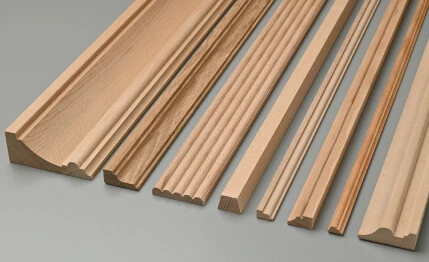
The shape of an architrave is its cross-section, what you see if you cut the strip across. The shape determines the character of the product: how much it "speaks" in the interior, how inconspicuous or, conversely, accent it is.
-
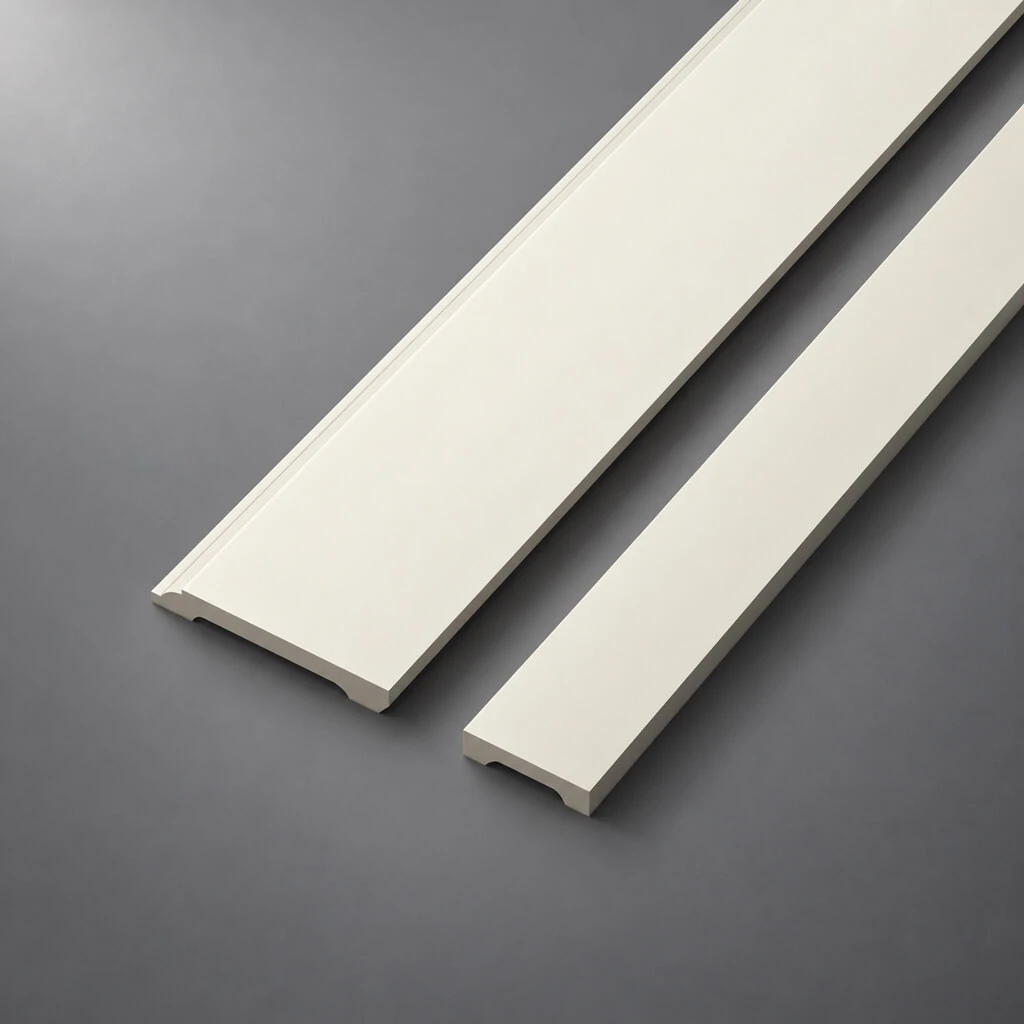
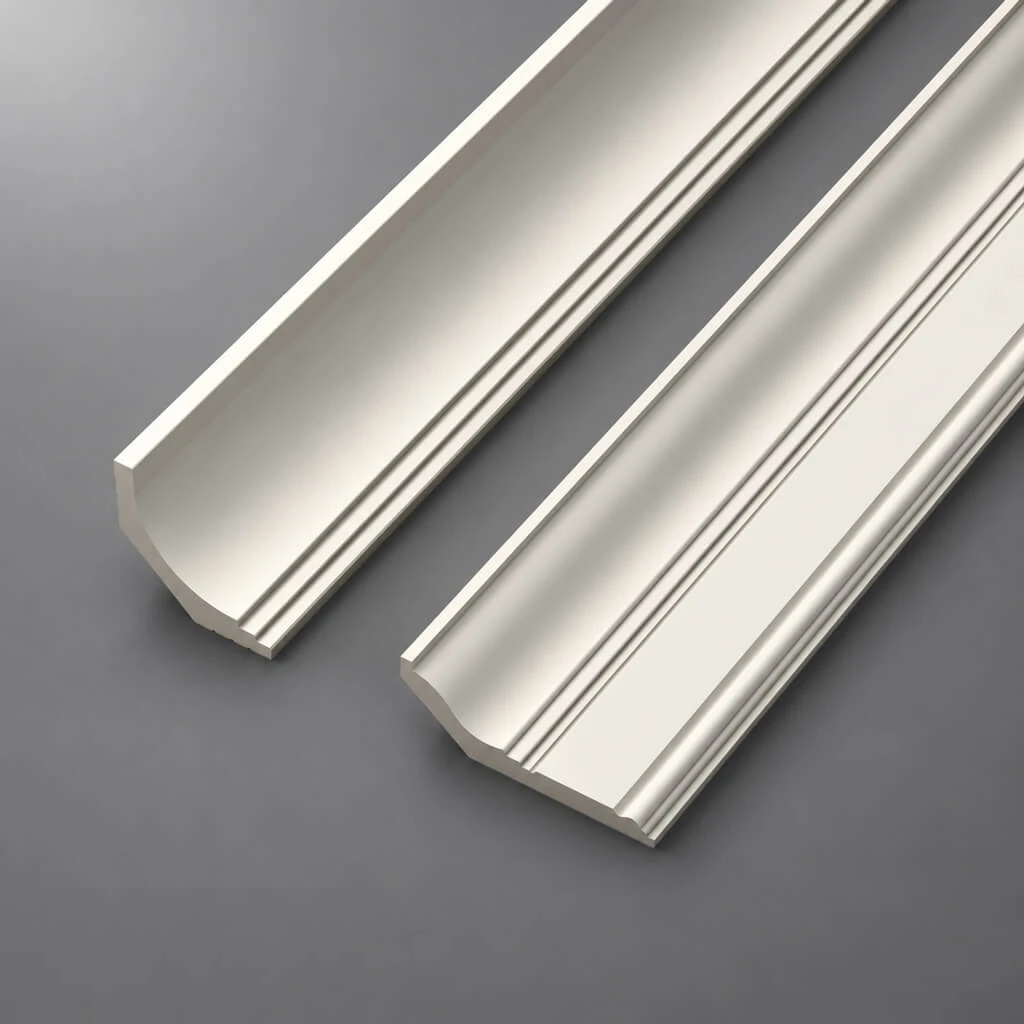
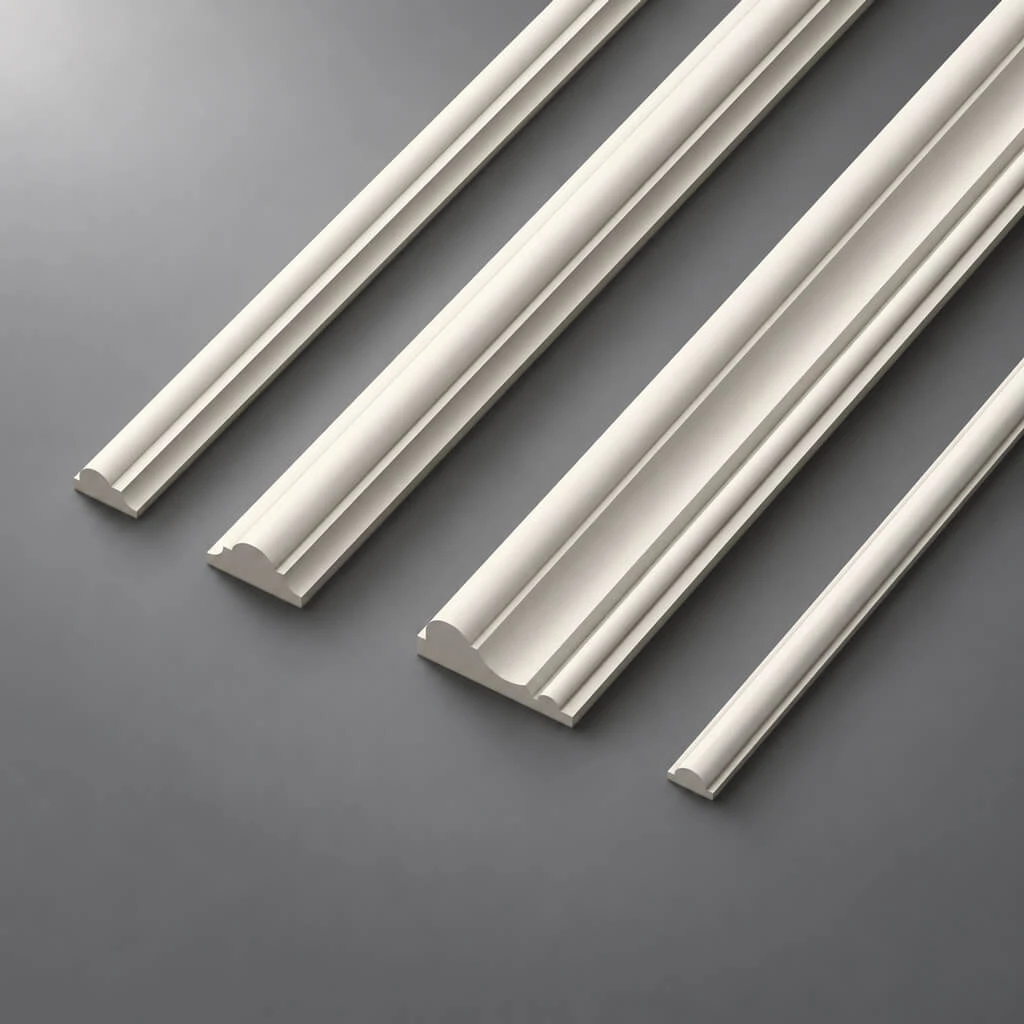
Flat (straight) — rectangular or slightly beveled cross-section without pronounced relief. Minimalistic, concise, modern. Look good in interiors without decoration.
-
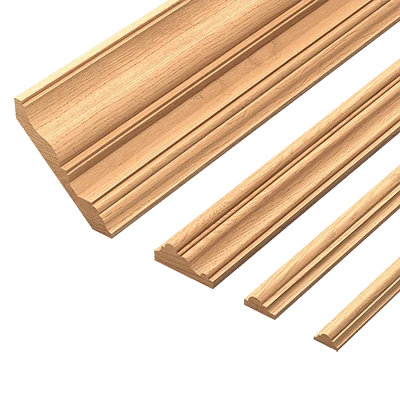
Shaped — a complex profile with transitions, protrusions, shelves. Give the door character and "weight." Suitable for classic and neoclassical styles.
-
Classic – a multi-stage symmetrical profile characteristic of European architectural tradition. It widens toward the center, creating a sense of a framed border.
-
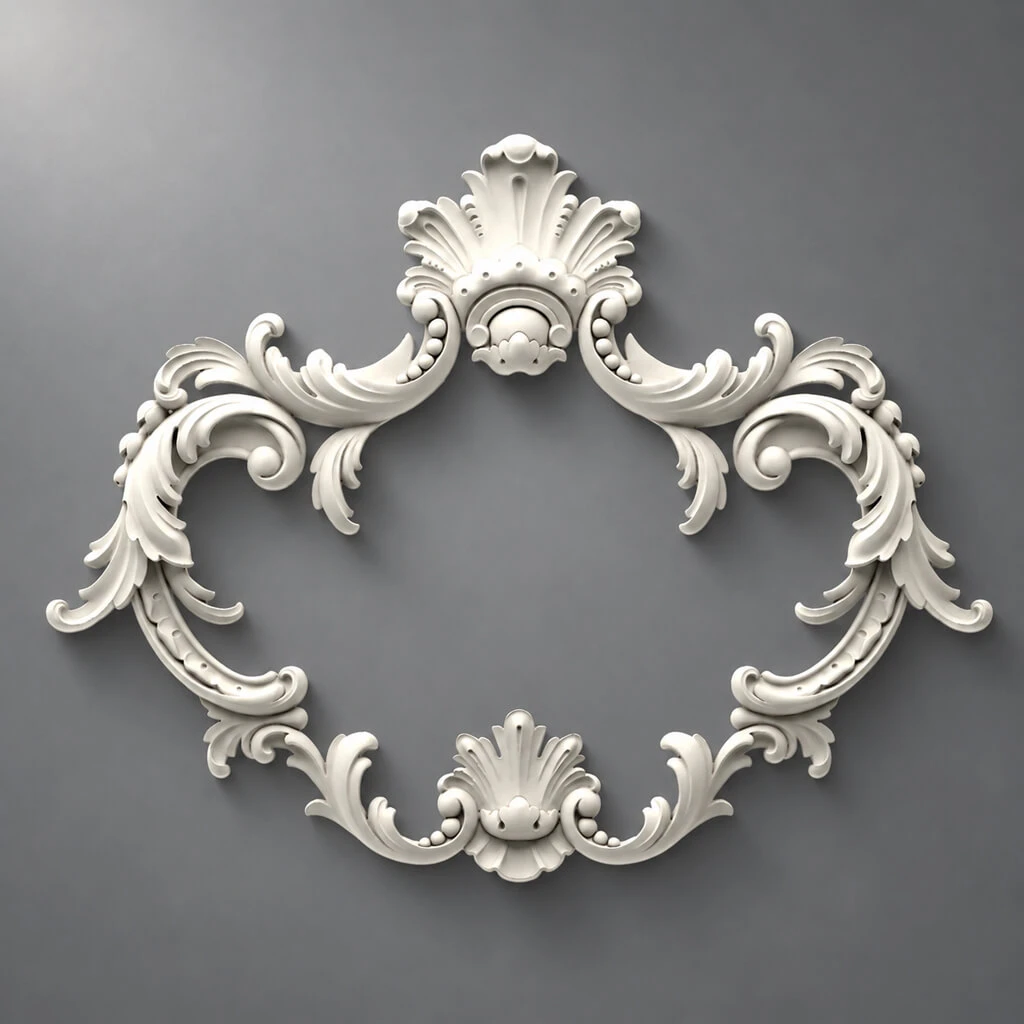
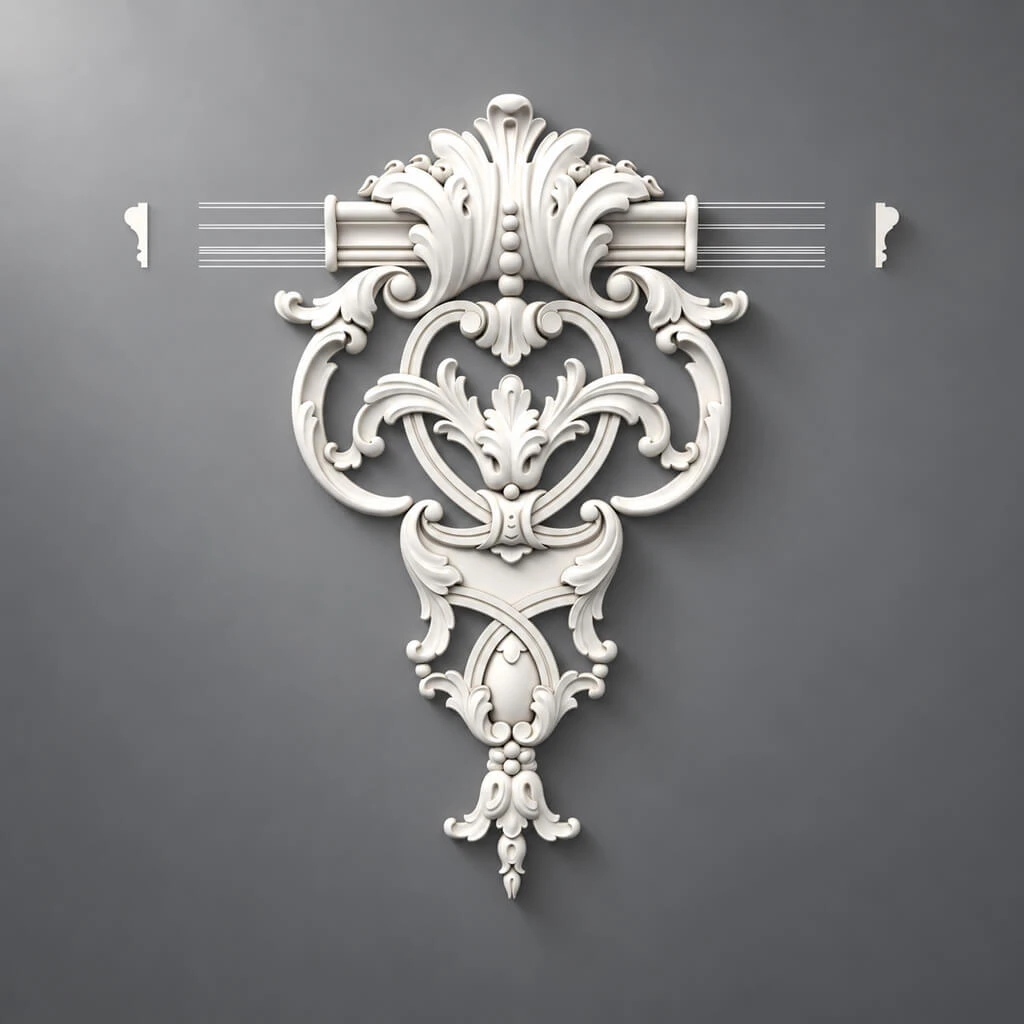
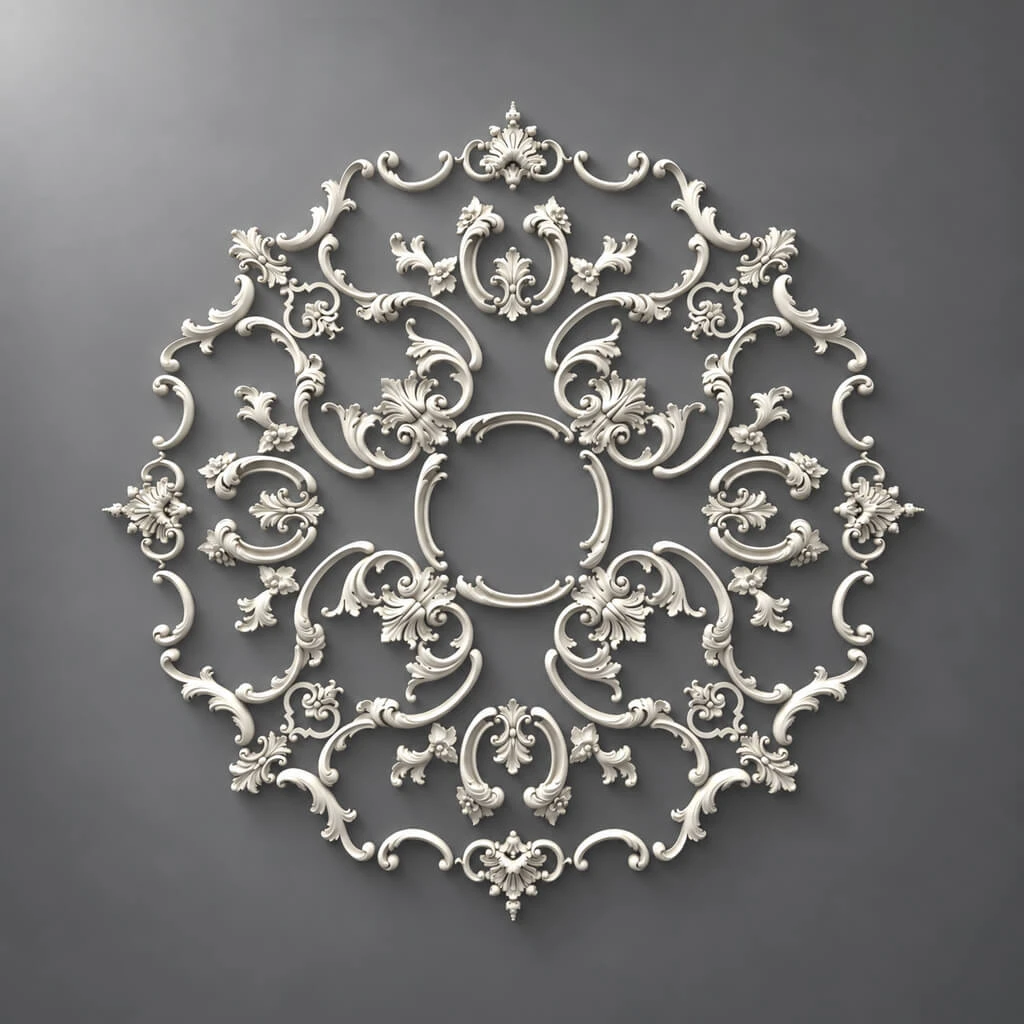
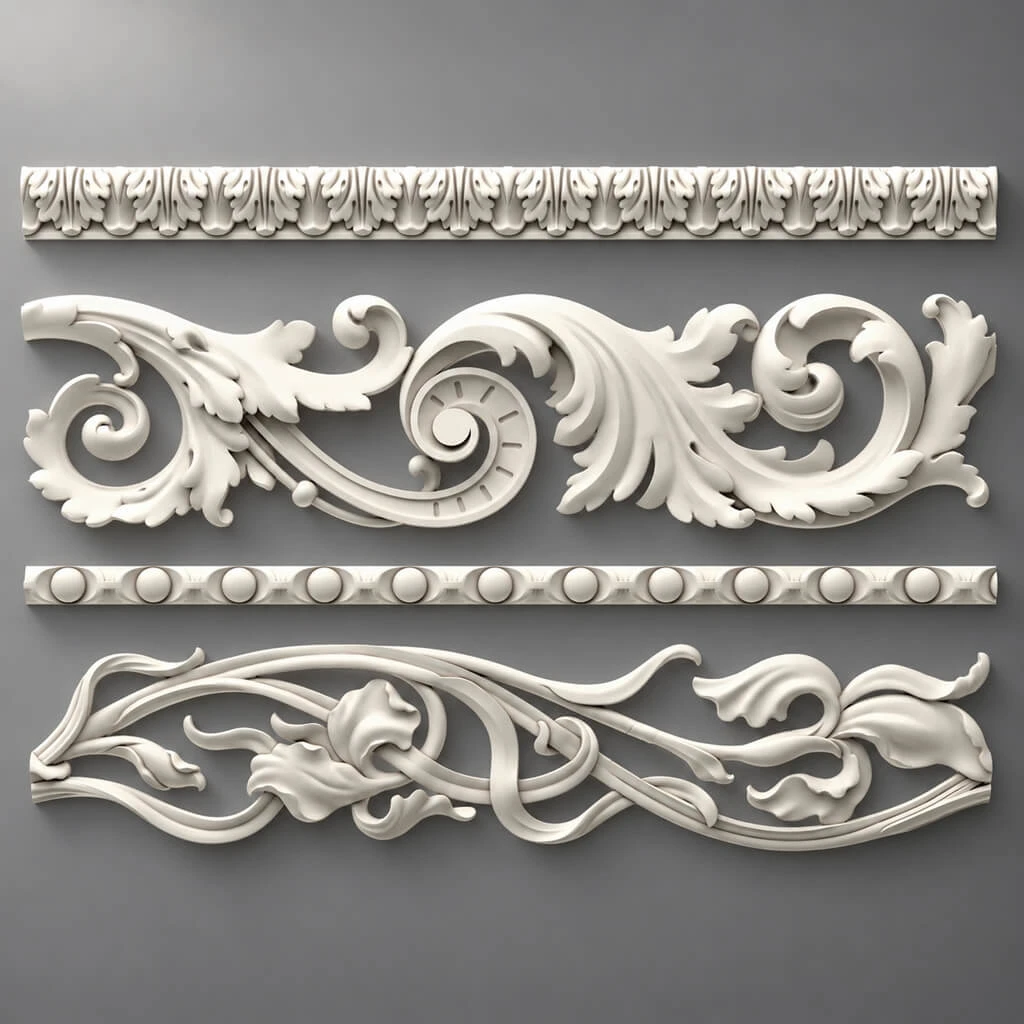
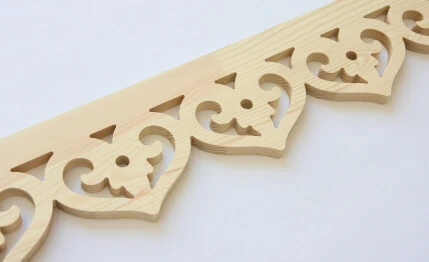
Decorative – with ornamentation, carving, and relief elements on the surface. Maximum expressiveness for accent openings.
-
Wide – from 80 to 120 mm. Creates the effect of a monumental portal.
-
Narrow – up to 60 mm. For doors in neutral modern interiors where the casing should be present but not draw attention.
By interior style
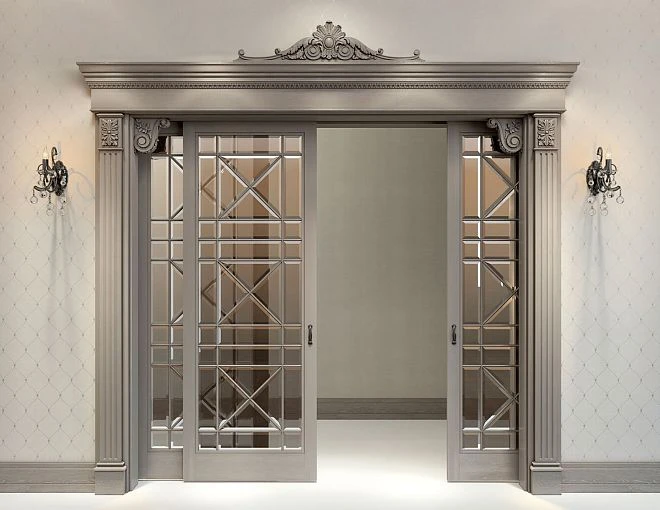
Classic and neoclassical. Here, the casing carries significant decorative weight. A shaped, wide profile made of solid wood, under enamel or stained to resemble natural wood. Often complemented by corner rosettes, wall moldings, and a cornice near the ceiling.
Modern interior. The profile is either maximally smooth or with one clear transition. Width is moderate. Color matches the door or wall. Here, the casing works subtly but precisely.
Minimalism. Thin, straight planks, perfectly sanded, in the color of the wall or slightly contrasting. The casing almost disappears – the opening is framed but not visually emphasized.
Interiors with decorative moldings. Here, the casing must be comparable in character to the moldings on the walls. Profile, scale, ornamentation – everything in the same key. Otherwise, the moldings 'clash' with the casing, and the interior loses unity.
Wooden casings for interior doors: what are the advantages
Why solid wood always wins over competitors in comparison – this is not a marketing claim, but a matter of the material's physical properties and the logic of long-term investment.
Natural texture and visual value
The living pattern of wood cannot be reproduced in MDF or polyurethane. Under different lighting, wood plays differently: in daylight, the natural pattern of fibers is revealed; under artificial lighting, the depth and relief of the surface. This is not a decorative technique—it is a property of natural material.
Buy wooden door architraves— means investing in an interior element that does not lose its appearance over time and, if necessary, can be renewed with simple sanding and repainting.
Durability and repairability
Wooden architraves are designed for decades of active use. In contact with furniture or accidental impacts—a scratch is sanded, and a new coating is applied. Neither MDF nor plastic offer such durability. For MDF, damage means replacing the entire strip.
Unlimited finishing possibilities
Solid wood accepts any coatings:
-
White enamel—a universal solution for classic and Scandinavian interiors
-
Toning—preserves the natural pattern, changes the shade to match the interior
-
Clear lacquer—maximum demonstration of natural texture
-
Colored paint — for accent solutions and unconventional design tasks
Can be repainted an unlimited number of times — this is a fundamental advantage over MDF
Compatibility with interior decor
Wood organically combines with wooden skirting boards, moldings, cornices, parquet, and wooden furniture. A uniform material throughout the space creates a sense of integrity and thoughtfulness. It is this compatibility that makes itwooden trim itemsthe primary choice in premium projects.
How to choose casings for interior doors
Here — specifics. Not abstract advice, but clear parameters to check against when purchasing.
By width
Casing width — the most obvious parameter that directly affects the proportions of the door opening.
Narrow (40–55 mm). For doors in small rooms, in modern interiors with neutral finishes. The casing is inconspicuous, simply covering the seam.
Standard (60–80 mm). A universal range for most interior doors. Suitable for classic, neoclassical, and modern solutions simultaneously.
Wide (80–120 mm). For tall and wide doors, for decorative portals, for classic interiors with rich finishes.Wide door casings for interior doorsgive the opening a monumental look and make the door visually more substantial.
Practical rule: the width of the casing should be proportional to the width of the baseboard. If the baseboard is 70 mm, the casing should be 60–80 mm. If the baseboard is wide, 100 mm, the casing should not be narrower than 70 mm. A uniform visual weight throughout the room.
By thickness and profile
Standard thickness of a wooden casing is 12–18 mm. A too thin strip looks fragile and cheap; a too thick one appears heavy and protrudes from the wall plane. The optimum for most interiors is 14–16 mm.
The profile is chosen based on the door style:
-
Door with milling or panels — a shaped casing profile that "rhymes" with the door leaf pattern
-
Smooth door without decor — a smooth or minimally shaped profile
-
Door with decorative overlays and carving — a casing with a similar relief character
It is also important to check compatibility with extensions: the end of the casing should fit tightly and evenly against the extension without gaps. This is a requirement for manufacturing precision that should be checked before purchase.
By color and finish
The color of the casing connects the door with the rest of the finish. Several working schemes:
White casings for interior doors are the most popular solution. They work with white doors, light wood-look doors, and dark doors (contrast). Light, versatile, they require high-quality surface preparation for enamel.
Enamel in the color of the walls — the casing 'dissolves,' the door is perceived independently, without emphasis on the framing.
Natural wood tone — oak, ash, beech under varnish. Warm, textured, organic. Combines with wooden floors, natural furniture, textiles.
Toning in a dark shade — wenge, mocha, espresso. For interiors with dark finishes, adds weight and richness.
On combination with other interior elements
Casing is not an isolated element. It always exists in context:
-
with a classic profile creates a sense of solidity, reliability.— should be from the same 'family' of profiles. Ideally — from the same batch, same wood species, same color.
-
Decorative wooden moldings— if the walls are structured with horizontal belts, the molding profile should echo the casing profile.
-
wooden cornice— in a classic interior, it completes the vertical composition: casing at the bottom, cornice at the top, moldings in between.
-
Trimming ItemsFor interior doors — all decorative trim in the room works as a system, and the architrave is part of it.
Solid wood or MDF architraves: which is better for interior doors
Honest comparative analysis without exaggerations in favor of expensive material.
| Criterion | Solid wood | MDF |
|---|---|---|
| Appearance | Live texture, natural pattern | Smooth, neutral, wood imitation |
| Durability | 30–50 years and more | 10–15 years |
| Repairability | High — sanding and repainting | Low — damaged section is replaced entirely |
| Moisture resistance | Medium (depends on coating) | Low — swells in humidity |
| Repaintability | Unlimited | 1–2 times |
| Visual status | Maximum | budget |
| Compatibility with natural wood | Ideal | Conditional |
| Cost | Higher | Below |
When MDF is justified:
-
Budget renovation with a 5–8 year horizon
-
Rental housing
-
Neutral interior without accents
-
Doors for white enamel in standard finish
When solid wood is definitely needed:
-
Classic and neoclassical interior
-
Long-term renovation with quality doors
-
Interior with natural materials
-
Project where finishing is designed for resale with added value
WhatDoor trims for interior doorsChoosing — depends on the task. If the goal is a status, long-lasting result, the answer is unequivocal: solid wood. Read our guide on what affects the characteristics of wooden moldings and how to properly evaluate them in our guide aboutfinishing with molding products.
Sizes of architraves for interior doors
One of the most common sources of errors when purchasing is incorrectly selected sizes. Let's break down each parameter.
Standard Sizes
The standard length of an architrave for vertical (side) elements is 2100–2200 mm. This covers openings up to 2050–2100 mm in height with a margin for trimming. The horizontal (top) architrave is 900–1000 mm for standard single-leaf doors.
Width — from 40 to 120 mm, the most common sizes: 60, 70, 80 mm.
Thickness — 12–18 mm, the standard for most solutions is 14–16 mm.
How to choose the width of an architrave
The guideline is simple:
-
Narrow door (600 mm) in a small room — architrave 55–65 mm
-
Standard door (700–800 mm) — 65–80 mm
-
Wide door (900–1000 mm) — 80–100 mm
-
Double-leaf and arched openings — 100 mm and wider
What to consider with wall unevenness
If walls are not perfectly even — a casing with extra width is needed. A wider plank better covers irregularities at the wall junction. Additionally, acrylic sealant or special mounting tape is used for a tight fit.
When a wide casing is needed
Wide door casings for interior doorsis chosen in several situations:
-
Large door opening in a high-ceilinged room
-
Classical or neoclassical style, where the opening must "hold" the scale of the room
-
Walls with irregularities requiring coverage
-
Decorative portal with pilasters
How to combine casing and extension
An extension is a strip that covers the end of the door frame when the wall is thick. The casing is mounted over the extension, covering the joint between the extension and the wall. There is one rule: the end of the casing should fit against the extension without a gap and without an overlap, which creates an unsightly step.
How to choose casings to match the style of the door and interior
Proper compatibility is not about 'beautiful or not beautiful.' It's about the internal logic of the interior, which either exists or is absent.
White doors and white casings
The most popular request and the most popular solution.White casings for interior doorswith a white door create a monochrome frame for the opening, which is both neutral and clean.
Important: the shades of white must match. RAL 9003, RAL 9010, RAL 9016 are different tones that up close are perceived as a mismatch. If the door is purchased in one place and the casings in another, coordinate the RAL codes or request test samples.
Wood-look doors and wooden trims
Principle of material unity: a solid oak door — a trim made of the same oak with the same tint. Or with a contrasting one — slightly lighter or darker — for a visual accent. Do not mix species with different textures (oak with a large pattern and beech with a fine one) — the interior will look inconsistent.
Classic doors
A paneled door leaf with milling requires a shaped trim with comparable relief. A smooth straight trim next to a rich panel looks like saving in the wrong place.
Modern smooth doors
Here — laconicism and precision. A smooth profile 60–70 mm, perfect painting, no extra relief. The trim works as a technical element, not claiming the role of an accent.
Combination with baseboard and moldings
Formula for a cohesive interior:
-
Wooden baseboard— of the same species and finish as the trim
-
Wooden moldingson the walls — from the same stylistic 'family' of profiles
-
The cornice at the ceiling echoes the supra-portal element
-
All together — one material, one color, one character
Installation of architraves for interior doors
Knowledge of installation technology is an important part of making the right purchase. It helps to understand what to consider when selecting and avoid mistakes.
Methods of mounting
On finishing nails. Classic method. Thin nails (1.2–1.6 mm) with a hidden head are driven through the strip into the door frame and wall. The heads are countersunk, filled with putty, sanded, and painted. Reliable, traditional.
On liquid nails or construction adhesive. For wooden architraves — used in addition to mechanical fastening or independently on very even surfaces. Fast, neat, without visible fastener marks.
Combined installation. Adhesive along the inner surface + finishing nails for fixation until the adhesive sets. The optimal option — reliable and neat.
Surface preparation
Before installation:
-
The wall must be dry, without peeling plaster
-
The frame — strictly vertical, without distortions
-
The gap between the door frame and the wall is sealed and sanded smooth.
How to make a miter cut
The joint angle between horizontal and vertical door casings is 45 degrees. The miter cut is made with a miter saw or a miter box. The more precise the cut, the tighter the joint and the neater the corner looks.
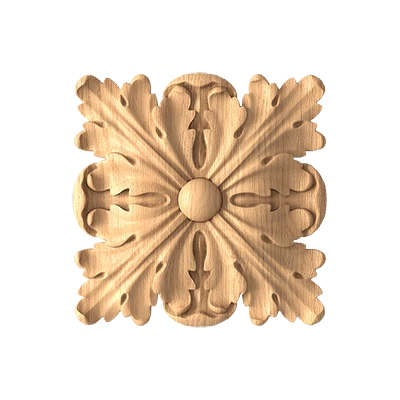
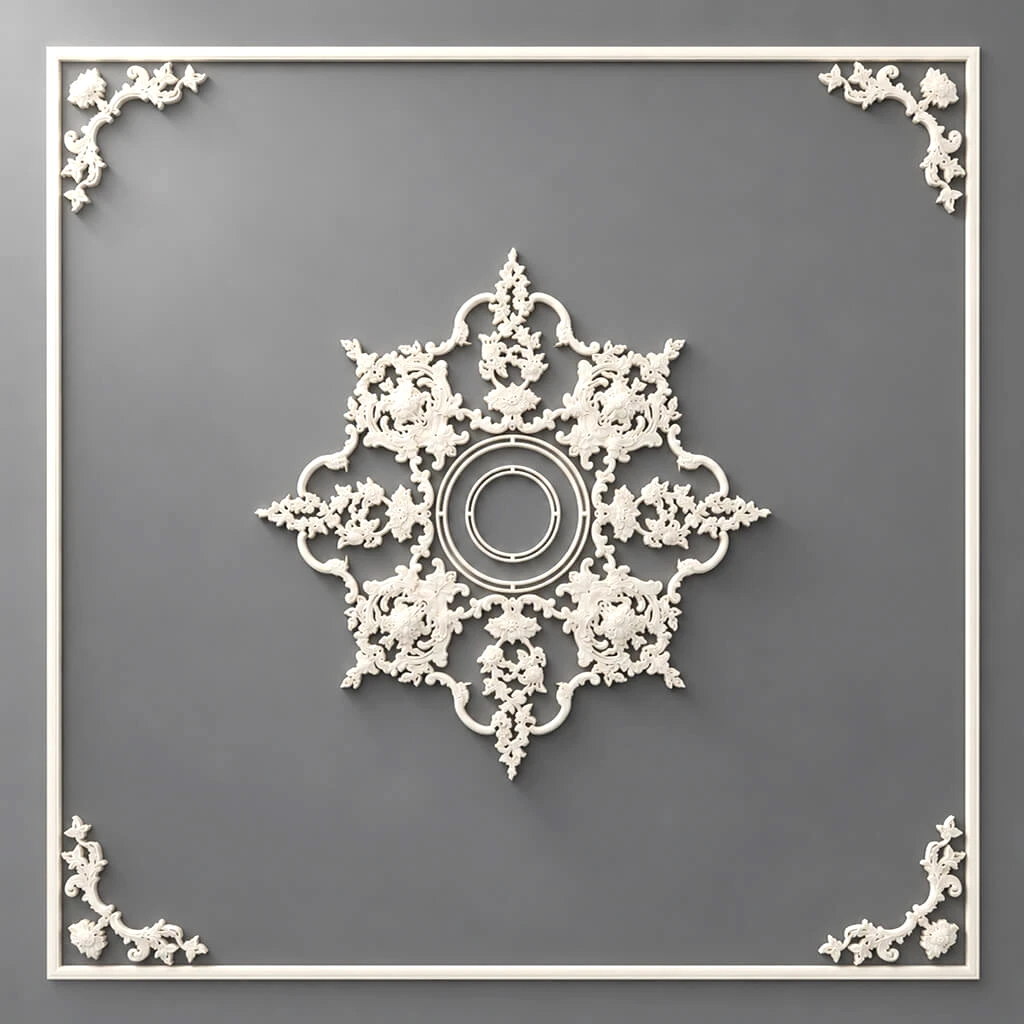
An alternative to mitering is decorative corner rosettes: square overlay elements that cover the corner without a joint. This is technically simpler and decoratively more expressive.
Typical mistakes
-
Installing on wet plaster — the casing will pull the finish with it.
-
A miter cut at an inaccurate angle — a gap in the corner that cannot be closed without putty.
-
Different wood species and finishes of casings on different doors in the same room.
-
Mismatch in the width of the casing and baseboard — disrupts the visual rhythm of the room.
How much do door casings for interior doors cost?
The price of a casing is not simply 'expensive or cheap'. It is a function of several parameters worth understanding before making a decision.
What affects the cost
Material. Solid oak is more expensive than solid pine. MDF is cheaper than any natural wood. Veneer occupies an intermediate position.
Wood species. Oak and beech are hardwoods with high wear resistance and are more expensive. Pine and spruce are soft, affordable, but less durable under mechanical stress.
Profile. Smooth straight profile — cheaper. Figurative with multi-stage transitions — requires more complex milling, more expensive. Carved ornamental — even more expensive.
Width. The wider the plank — the more material and processing, the higher the price.
Finish. Sanded for painting — cheaper than a finished painted product. Enamel coating — adds to the cost. Toning with varnishing — similarly.
Length. Non-standard lengths for non-standard openings — custom manufacturing with a corresponding surcharge.
Decorative elements. Corner rosettes, overlay ornaments, relief elements — all these are separate items in the cost of the set.
Commercial transition
Cost of a door casing set for one door (side jambs + top rail, on both sides) made of solid oak — depending on width and profile. If you are considering several doors and planning a unified style throughout the apartment — it is more reasonablebuy casings for interior doorsto purchase the set together with baseboards and moldings: this guarantees material unity and is often more advantageous in the final price.
Where to buy architraves for interior doors
The question "where to buy" actually sounds like: "what to look for so as not to be disappointed". Price is the second selection parameter. The first is the quality of processing and profile accuracy.
What to pay attention to
Surface quality. A wooden architrave should be sanded without fuzz, without bumps, without traces of milling. The surface for painting is smooth, without bubbles or nicks.
Profile accuracy. Check that the profile is repeated along the entire length without deviations. When two architraves are joined, the pattern should match — this is a requirement for manufacturing precision.
Wood moisture content. For solid wood — 12–14%. Higher moisture content will lead to deformation after installation: the strips will warp, gaps will appear at the joints.
Availability of related assortment. Ideally, if the same catalog includes skirting boards, mouldings, and cornices in the same profile. This guarantees compatibility in shape and color.
Why it's important to select a set from one place
One batch of wood — one shade. One manufacturer — one profile system. When buying architraves, skirting boards, and mouldings from different suppliers, discrepancies in shades of white, in the scale of the relief, and in proportions almost always arise. This is noticeable during installation and is irritating for years.
Buy door architraves at STAVROS — means gaining access to the full range of millwork in a unified profile system: architraves, skirting boards, mouldings, cornices from one collection.
Delivery and Ordering
Clarify Before Placing Order:
-
Availability of the Required Profile in the Required Quantity in Stock
-
Possibility to Order Non-Standard Lengths
-
Delivery Terms — Coverage, Timelines, Packaging
-
Possibility to Order a Test Sample of the Profile
What to Combine Architraves With to Make the Opening Look Expensive and Finished
This Block is About the Difference Between 'Architraves Are Installed' and 'Interior Is Created'. This is Where That Feeling of Integrity and Expensive Finishing, Which Everyone Hunts For, Is Born.
With Wooden Skirting Boards
Wooden baseboard— a horizontal line at the floor that runs along the entire perimeter of the room. The vertical line of the architrave meets it at the threshold point. If these two elements are executed in a unified style — the room gains a clear rhythm.
Recommendations:
-
One material - one type of wood array
-
One shade - a coordinated color
-
Comparable profile scale - not a narrow baseboard with a wide casing
With wall moldings
Decorative wooden moldingscreate a horizontal pattern on the walls. When the door casing and moldings are executed in the same stylistic key - the wall begins to "converse" with the door. The opening becomes an organic part of the surface, not a separate object.
With cornices
wooden cornicecompletes the wall at the ceiling. In a classic interior, the horizontal cornice and vertical casings form a framing system: the cornice is the top line, the baseboard is the bottom, the casings are the vertical accents. This is an architectural logic that has worked for many centuries.
With decorative millwork
Wooden Picture Frameand frieze are additional tools for enriching the interior. They create additional horizontal and vertical lines that form the "fabric" of the finish. The casing fits into this system, rather than existing separately from it.
Learn more about whatmillwork products and their typesare in our detailed guide. And about how individual elements combine into a finishing system - in the article aboutfinishing with millwork products.
It is also important to consider quality standards: when choosing wooden millwork from a manufacturer, it is worth checking against regulatory requirements — read more about this in the article aboutGOST and dimensions of wooden millwork.
Door casings for interior doors from STAVROS
STAVROS is a manufacturer of solid wood products and architectural decor. The entire line is created for one purpose: to provide the opportunity to assemble a cohesive, professional design for an interior door and the entire interior — in one catalog, from one material, in a unified style.
What's available:
-
Door trims for interior doors— smooth and shaped, made of solid oak and beech, in a wide range of widths and profiles
-
wooden trim items— a complete system: baseboards, cornices, moldings, friezes in unified collections
-
Buy wooden molding— for walls, ceiling transitions, decorative framing
-
wooden cornice— for finishing walls at the ceiling and above-portal elements
-
MDF Skirting Board— for budget solutions in the same profiles
-
joinery products from oak— a unified collection from solid oak
All STAVROS products are made from certified solid wood with humidity control and hand-prepared surfaces. Kiln drying, precise milling, sanding for painting or final coating application. Retail and wholesale work, special conditions for design studios, Contact us to confirm shipping to your destination.
Selectdecorative door trimsand a complete set for door frame design — in the STAVROS catalog.
Frequently Asked Questions
What are the best architraves for interior doors?
The best choice — woodenSolid wood casingsfrom hardwoods (oak, beech). They are durable, repairable, accept any coatings well, and create a natural, lively appearance for the opening. MDF is suitable for limited budgets but falls short of solid wood in all key parameters.
What's better: solid wood or MDF?
Solid wood wins in durability, repairability, visual value, and repainting capability. MDF is cheaper but requires replacement if damaged, poorly tolerates moisture, and has limited repainting options. For long-term results — solid wood without question.
Which trims are suitable for white doors?
White enamel trims — a classic solution. Important: coordinate the shade (RAL). Also possible: a trim matching the wall color to 'dissolve' the frame, or a contrasting dark trim on a white door — as an accent.
Can wooden architraves be painted?
Yes. Solid wood trim can be painted any color an unlimited number of times. Process: sanding, priming, applying enamel or paint. If necessary, re-sand and repaint.
Which trim to choose for a wide opening?
For openings wider than 900 mm — trim from 80 mm and wider. The larger the opening, the more substantial the framing should be.Wide door casings for interior doorsFrom 100 mm — for double-leaf and decorative openings.
How to match trim to baseboard?
Unified material — one wood species. Unified shade — coordinated finish. Comparable scale — the width of the baseboard and trim should not differ greatly. It is advisable to purchase from the same place and from the same batch.
How to attach trim to interior doors?
Main methods: finish nails, glue, or a combination. Corners — miter cut at 45 degrees or applied corner rosettes. The wall surface must be dry and level. More about installation technology — in our article onmolding products and their characteristics.
Is trim needed if door liners are installed?
Yes. The extension piece closes the end of the door frame for thick walls — these are different functions. The casing covers the joint between the extension piece and the wall. Both elements are needed together for a complete door opening finish.
Selectdoor opening casings, moldings, cornices, baseboards, and full trim for a cohesive interior solution — in the STAVROS catalog. Solid wood, unified profiles, Contact us to confirm shipping to your destination.