Article Contents:
- Engineering Foundations of Molding Systems
- Constructive Typology of Profile Systems
- Material Aspects of Selection
- Manufacturing Technologies
- Designer Interpretation of Classical Forms
- Evolution of Stylistic Approaches
- Modern design trends
- Regional Stylistic Features
- Designing Integrated Solutions
- Proportional Planning
- Compositional Organization
- Functional integration
- Technologies of Professional Installation
- Preparation operations
- Technique of Joint Execution
- Fixation Systems
- Operational Characteristics and Longevity
- Factors of Material Degradation
- Protection and Conservation Systems
- Maintenance Regulations
- Economic Assessment of Solution Efficiency
- Cost Structure Over the Lifecycle
- Impact on property value
- Innovative Development Trends
- Digital Production Technologies
- Smart Materials and Coatings
- Ecological innovations
- Conclusion: Mastery in Details
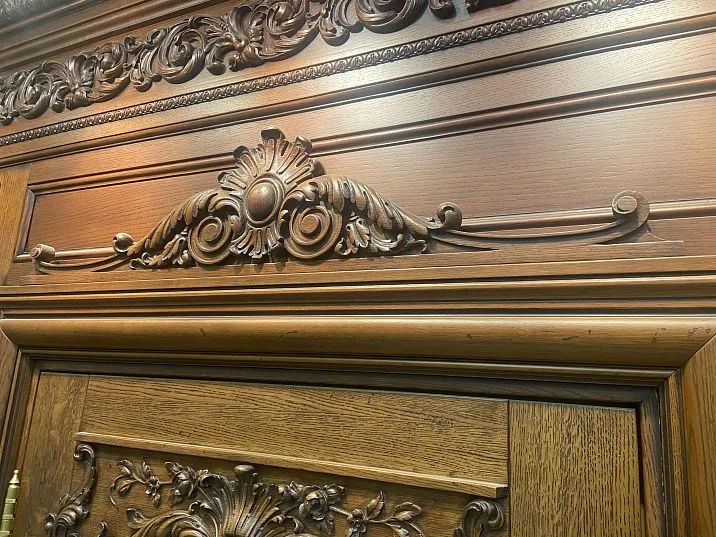
Architectural interior design does not begin with furniture selection or color palette — it is established in fundamental decisions regarding spatial boundaries. Moldings and door opening framing They represent a basic architectural system that forms the interior framework and defines the level of professional detailing. These are not merely decorative overlays — they are engineering-artistic solutions requiring deep understanding of materials science, constructive principles, and aesthetic laws.
In the practice of modern interior design, moldings perform multiple functions: they structure space, conceal technical joints, create rhythmic organization of surfaces, and define the scale of rooms. Professionally executed doorway framing can radically alter the perception of architecture, transforming standard housing into a unique, authorial space.
But what lies behind the apparent simplicity of classical profiles? What technological solutions ensure the longevity and aesthetic perfection of moldings? And most importantly — how to choose the optimal framing system that will serve for decades without losing its initial appeal?


Engineering Foundations of Molding Systems
Modern moldings are complex engineering structures, where each element is designed for specific loads and operating conditions. Understanding the technical aspects is critically important for making reasoned decisions.




Constructive Typology of Profile Systems
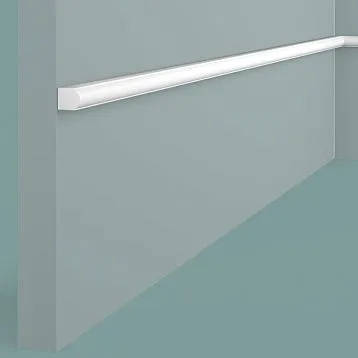
Basic classification of moldings is based on their constructive purpose and method of attachment. Surface-mounted profiles are attached over the base and serve exclusively decorative purposes. Their thickness varies from 8 to 25 mm depending on the material and stylistic requirements.
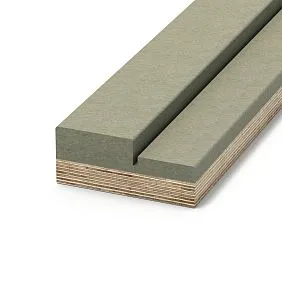
Inset moldings are integrated into the wall or door frame structure during construction. Such systems provide maximum monolithic integrity but require precise planning and do not allow modifications after completion of primary works.
Modular systems consist of separate components — base profiles, corner elements, decorative inserts, and connecting parts. Paintable Molding Modular systems allow creating complex compositional solutions while maintaining the technological feasibility of installation.
Flexible profiles made of elastic materials are used to frame curved surfaces — arched openings, bay windows, decorative niches. The bending radius of a high-quality flexible profile can reach 300–500 mm without loss of shape or coating integrity.
Our factory also produces:


Material selection aspects
Material selection for moldings is determined by a complex set of factors: operating conditions, stylistic requirements, budget constraints, and installation capabilities. Each material has its advantages and optimal application area.
Solid wood remains the benchmark material for high-quality interior moldings. Dense hardwoods — oak, beech, ash — provide maximum strength and fine workability. Coniferous species are more cost-effective but require careful drying and protective treatment. Window and Door Framing Made from solid wood, they create a unique atmosphere of naturalness and warmth.
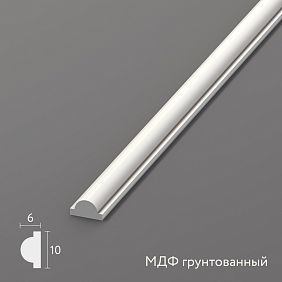
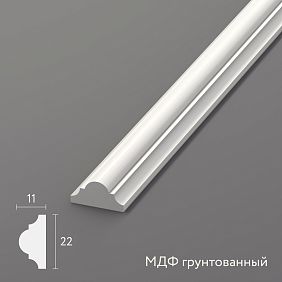
High-density MDF (750 kg/m³) demonstrates excellent dimensional stability and surface quality. Modern MDF grades with reduced formaldehyde resin content meet the strictest ecological standards. The main advantage of MDF is the ability to create complex profiles at an affordable cost.
High-density polyurethane revolutionized architectural decoration production. Modern compositions exhibit compressive strength up to 40–50 MPa, comparable to hardwoods. Polyurethane is completely stable to humidity, does not attract insects, and does not require protective coatings.
Extruded PVC is primarily used in humid areas and budget segments. High-quality PVC profiles have multi-chambered structures with reinforcing inserts, ensuring the required structural rigidity.
Get Consultation
Manufacturing technological processes
Modern molding production uses high-tech equipment ensuring precision and repeatability of parameters. CNC milling allows creating profiles with complex geometry and deviations no more than ±0.1 mm per linear meter.
For wooden moldings, proper drying of raw material is critically important. Chamber drying with programmable control ensures even moisture removal without internal stresses. Final moisture content should be 8±2% for interior use.
Injection molding of polyurethane elements requires precise adherence to temperature regimes and component mixing ratios. High-quality silicone molds allow reproducing the finest details of the original model with precision down to fractions of a millimeter.
Final finishing includes sanding, priming, and application of protective-decorative coatings. Multi-stage sanding with abrasives of varying grits ensures a perfectly smooth surface ready for painting.
Designer interpretation of classical forms
Modern understanding of moldings has far exceeded the simple copying of historical samples. Today, it is a creative interpretation of classical principles using modern materials and technologies.
Evolution of stylistic approaches
Classical moldings were based on the principles of classical architecture, where each profile had a strictly defined purpose and proportions. door frame trim In classical understanding, it represented a miniature version of an architectural order with mandatory elements: base, shaft, and capital.
Neoclassicism of the 18th–19th centuries simplified classical forms while preserving their proportional basis. Neoclassical moldings are characterized by noble restraint and mathematical precision of proportions. This direction remains relevant for creating representative interiors.
Modernism radically reinterpreted traditional approaches, introducing asymmetrical compositions and natural motifs. Moldings in the modern style often have complex sculptural forms imitating plant elements — stems, leaves, flowers.
Art Deco created a new language of geometric forms based on stylization and contrasts. Moldings from this period are characterized by clear graphicness, use of stepped profiles, contrasting materials and finishes.
Modern design trends
Minimalism reduces moldings to the simplest geometric forms, where proportions and execution quality play the main role. Moldings and door opening framing In minimalist style, they may appear as a simple rectangular strip, but made from high-quality material with a flawless surface.
High-tech introduced an industrial aesthetic into molding design. Metal profiles with complex cross-sections, technologically advanced coatings, and integration with engineering systems transform moldings into elements of high-tech architecture.
Eclecticism allows combining elements of different styles within a single composition. Modern eclecticism requires a refined sense of proportion and deep understanding of stylistic characteristics of various eras.
Eco-design returns to natural materials and organic forms. Door Frame Installation In eco-style, the natural beauty of the material is emphasized, minimally interfering with its structure.
Regional stylistic features
Russian tradition of wooden architecture has contributed to the development of molding design. Carved door casings of Russian peasant houses, the ornate decoration of Moscow Baroque, the strictness of St. Petersburg Classicism — all of this is reflected in modern interpretations of traditional forms.
Scandinavian style introduced principles of functionalism and a love for natural materials into molding design. Scandinavian moldings are characterized by simple forms, light tones, and an emphasis on wood texture.
Mediterranean style favors bold forms and warm colors. Moldings in Mediterranean interiors often have complex profiles and are painted in shades of terracotta, ochre, and olive.
American style combines European traditions with practicality and accessibility. American moldings are often larger than their European counterparts, corresponding to the scale of American architecture.
Designing integrated solutions
A professional approach to moldings involves considering them as elements of a unified architectural system, rather than as separate decorative details. Integrated design takes into account the relationship between moldings and other interior elements.
Proportional planning
The sizes of the moldings should correspond to the dimensions of the room and openings according to certain mathematical proportions. The height of the molding is usually 1/12-1/15 of the ceiling height for classic interiors and 1/20-1/25 for modern styles.
Profile width is determined by the size of the opening and the overall compositional scheme. For standard door openings 800–900 mm wide, the optimal width of side framing is 60–80 mm. Too narrow profiles disappear against the opening, while too wide ones appear bulky.
The thickness of moldings affects their visual weight and the character of light and shadow play. Thin profiles create a graphic effect, while thick ones create a sculptural effect. Corner decorative elements They must harmoniously match in thickness with main profiles.
Compositional organization
Moldings serve as a tool for rhythmic organization of interior space. Repeating elements create a visual rhythm, unifying separate architectural details into a cohesive composition. It is important to maintain uniformity of profiles within a single room or functional zone.
The hierarchy of element importance is expressed through differences in profile size and complexity. The main entrance may have a more elaborate framing than internal openings. Windows in the living room may be more elaborately detailed than openings in utility rooms.
The color solution of moldings determines their role in interior composition. Contrasting colors attract attention and highlight architectural elements. Tonal solutions create a calm, harmonious atmosphere. and frames create a home atmosphere, making it truly cozy and individual. This is an investment in beauty, which pays off every day through aesthetic pleasure from admiring the beautiful. They can serve as color accents in a neutral composition.
Functional integration
Modern moldings can be integrated with building's engineering systems. Concealed utilities — electrical wiring, low-voltage systems, air conditioning — can be placed in special channels within molding profiles.
LED lighting built into moldings creates an impressive architectural lighting effect. LED strips can be placed in special grooves of the profile, creating even illumination or accent lighting for architectural details.
Smart home systems can use moldings as channels for installing sensors and control elements. Motion, temperature, and lighting sensors are seamlessly integrated into architectural details.
Professional installation technologies
The quality of the final result largely depends on the professionalism of the installation work. Even the highest-quality moldings can be ruined by improper installation.
Preparation Operations
Precise marking is the foundation of quality installation. Use laser levels to ensure the horizontal and vertical alignment of elements. All dimensions must be checked at least twice using different methods. Deviations from the project exceeding 2–3 mm are unacceptable.
Surface preparation includes cleaning from dust and contaminants, degreasing, and, if necessary, priming to improve adhesion. Irregularities in the base must be eliminated by spackling or sanding. Height differences exceeding 2 mm per linear meter require leveling.
Material acclimatization is especially important for wooden moldings. Elements must be placed in the room under conditions close to operational ones for at least 24–48 hours before installation. This prevents deformation after installation.
Technique for executing connections
Joining elements at an angle requires high precision cutting. Use panel saws with fine teeth and dust extraction systems. For complex profiles, special fixtures may be required to ensure correct positioning of the stock.
Miter joints (at 45° angle) are used for corners of frames and casings. The quality of the joint depends on cutting accuracy and surface fit. Gaps exceeding 0.5 mm are unacceptable and require reworking.
Butt joints are used to connect elements along their length. End surfaces must be perfectly perpendicular to the longitudinal axis of the profile. buy door frames Allowing for a margin in length minimizes the number of joints.
Fixation Systems
Adhesive joints provide even load distribution and no visible fasteners. Use adhesives specifically designed for particular materials. Polyurethane adhesives are universal but require precise dosing.
Mechanical fasteners are used as an addition to adhesive joints or as the primary method of fixation. Screws must be made of stainless steel or have an anti-corrosion coating. The fastener diameter must not exceed 1/3 of the material thickness.
Hidden fastening systems allow maintaining the aesthetic of moldings. Special clips, slots, and magnetic systems provide secure fixation without visible fasteners. Such systems require precise manufacturing but deliver excellent results.
Pneumatic nailers provide fast and neat installation. Finishing nails with a diameter of 1.2–1.6 mm are practically invisible after painting. Nail depth is adjustable to sink the head by 1–2 mm.
Operational Characteristics and Longevity
The longevity of moldings depends on multiple factors: material quality, manufacturing technology, operating conditions, installation quality, and regular maintenance.
Material Degradation Factors
Humidity fluctuations are especially dangerous for wooden moldings. Cyclic dimensional changes due to wetting and drying create internal stresses leading to cracking and deformation. The optimal relative humidity for wooden items is 45–55%.
Temperature effects impact all materials, but to varying degrees. The linear expansion coefficient of polyurethane is 3–4 times greater than that of wood, which must be considered when designing long elements. Compensatory gaps prevent critical stresses from developing.
Ultraviolet radiation breaks polymer bonds in organic materials. Wooden surfaces darken and crack, polymer coatings fade and become brittle. Use UV filters in finish coatings.
Mechanical damage — impacts, scratches, abrasion — are inevitable during operation. Sandrok cornice is subjected to less mechanical stress than lower framing elements, which affects material selection.
Protection and Conservation Systems
Primer compositions create a barrier layer between the base material and the finish coating. They equalize absorption capacity, improve adhesion, and protect against moisture. Quality priming increases coating lifespan by 2–3 times.
Antiseptic treatments protect wood from biological damage. Modern compositions are effective against fungi, mold, and wood-boring insects. Deep-penetrating antiseptics create a protective barrier within the material.
Hydrophobic impregnations reduce material water absorption without forming a surface film. They are especially effective for porous materials — wood, MDF based on natural fibers.
Finish coatings serve decorative and protective functions. Water-based lacquers are eco-friendly and dry quickly, but less durable. Polyurethane coatings provide maximum resistance to abrasion and chemical exposure.
Maintenance Regulations
Regular inspection allows identifying problems at an early stage. Conduct visual inspections at least twice a year, paying attention to joint condition, coating integrity, absence of deformation or damage.
Preventive cleaning should be performed with gentle means that do not damage the coating. Use slightly damp microfiber cloths, avoid abrasive materials and aggressive chemical substances.
Localized repair allows eliminating minor damage without replacing elements. Scratches and chips are filled with special repair compounds matched to color and texture. Peeling coatings are removed and reapplied.
Periodic renewal of protective coatings extends the lifespan of moldings. Wooden elements require coating renewal every 5–7 years, while polymer ones much less frequently. Quality coatings can last 15–20 years without renewal.
Economic Evaluation of Solution Efficiency
Investments in quality moldings should be viewed in the long term, considering all ownership cost factors.
Lifecycle Cost Structure
Initial molding costs include materials, manufacturing, and delivery. Natural wood and quality polyurethane cost more than MDF and plastic, but offer superior performance characteristics. Moldings and door opening framing High-quality items pay off over a long service life.
Installation work accounts for 30-50% of material costs, depending on the complexity of profiles and site conditions. Cutting corners on installer qualifications often leads to rework and additional expenses.
Operating expenses include maintenance, repairs, and periodic renewal of finishes. High-quality materials and finishes require minimal maintenance, reducing overall ownership costs.
Replacement cost is factored into economic efficiency calculations. Inexpensive materials may require full replacement after 5-7 years, while quality materials last 20-25 years or more.
Impact on property value
Quality architectural detailing increases property market value. Professionally executed moldings create the impression of upscale renovation and high-quality finishes. This is especially important for investment properties.
Property liquidity increases with quality finishing. Apartments with professional design sell faster and at higher prices. Costs for moldings are recouped upon property sale.
Rental attractiveness also depends on interior quality. Spaces with quality finishes rent at higher rates and have shorter vacancy periods.
Innovative Development Trends
The architectural decoration industry is actively developing, offering new materials, technologies, and design solutions.
Digital Manufacturing Technologies
3D modeling allows creating complex profiles and testing their feasibility during the design stage. Parametric models automatically adapt to various dimensions, speeding up development and reducing error likelihood.
CNC machines ensure consistent quality and allow manufacturing unique elements without special fixtures. 5-axis machining centers can produce profiles of any complexity.
3D printing is beginning to find application in producing master patterns for molds and creating unique decorative elements. The technology is especially effective for small-batch production of complex items.
Smart Materials and Finishes
Self-healing coatings based on microcapsules can autonomously repair minor scratches upon heating. Such coatings extend maintenance intervals and reduce operating costs.
Antibacterial additives in polymer materials ensure surface hygiene. This is especially relevant for medical facilities, childcare centers, and food industry enterprises.
Thermochromic pigments change color depending on temperature, creating dynamic decorative effects. Photochromic compositions react to lighting, adapting molding appearance to lighting conditions.
Ecological Innovations
Biodegradable polymers based on plant raw materials solve waste disposal problems. Modern bioplastics match traditional polymers in properties but fully degrade under natural conditions.
Recycling enables creating quality materials from wood processing and polymer production waste. Composites from recycled materials are cheaper but have good performance characteristics.
Carbon-neutral production is becoming a competitive advantage. Manufacturers invest in renewable energy, optimize logistics, and implement waste recycling systems.
Conclusion: Mastery in Details
Moldings and door opening framing They represent a field where technical skill is inseparably linked to artistic taste. This is an area requiring deep knowledge of materials, understanding of structural principles, sense of proportion and style.
In today's world, where technology enables the realization of any design fantasy, it is especially important not to lose touch with classical traditions of architectural art. The best modern solutions combine time-tested principles of beauty with innovative materials and manufacturing technologies.
Investing in quality moldings is investing in long-term aesthetic pleasure, daily comfort, and interior prestige. Properly selected and professionally installed elements serve for decades, becoming an indispensable part of a home’s architectural appearance.
When choosing molding suppliers, pay attention not only to price but also to experience, portfolio quality, understanding of technical nuances, and ability to offer comprehensive solutions. Professional consultation during the planning stage can save significant funds during implementation.
Remember: moldings are not just decorative overlays, but elements of architectural grammar used to create expressive and harmonious interiors. Every detail must be thought out, every decision justified, and every execution flawless.
STAVROS has been a recognized leader in the Russian architectural decoration market for more than two decades, combining craftsmanship traditions with innovative technologies. A wide range of moldings and trimmings, from classic wooden profiles to modern polyurethane compositions, enables the realization of projects of any complexity and stylistic direction.
STAVROS' professional team of designers and technologists provides a full cycle of services — from consultation and design to production and installation. In-house production, equipped with modern machinery, guarantees high product quality and delivery timelines.
Choosing STAVROS means choosing reliability, quality, and professionalism proven by thousands of successfully completed projects across Russia. Entrust the creation of architectural perfection in your home to professionals — and the result will exceed even the most daring expectations.