




























Article Contents:
- Moldings for Interiors in Moscow: Which Solutions Are in Demand Today
- What Moldings for Interiors Can Be Bought in Moscow
- Wooden Moldings for Interiors
- MDF Molding
- Polyurethane Moldings for Interiors
- Phytopolymer Moldings for Interiors
- Wooden Moldings for Interiors: When to Choose Solid Wood
- Natural Texture as an Argument
- The Prestigious Look of Classical and Neoclassical Spaces
- When Wood Is Preferable to Other Materials
- MDF Moldings: A Practical Solution for Painting
- Smooth Geometry — The Main Advantage
- Convenience for Apartments with Modern Finishes
- When MDF is more cost-effective than solid wood
- Polyurethane Moldings: Quick Decorative Installation
- Lightness That is Underestimated
- Neat Joints and Complex Profiles
- Appropriateness in Decorative Compositions
- Phytopolymer Moldings: Zoning and Subtle Accents
- Coffers — The Highest Class of Wall Geometry
- Visual Proportion Correction
- How to choose interior moldings by style
- Moldings for classic interior
- Moldings for neoclassicism
- Moldings for modern interior
- Moldings for minimalist interior with emphasis on geometry
- How to choose moldings by room
- Molding for the Living Room
- Molding for the Bedroom
- Moldings for hallway and corridor
- Moldings for study
- Moldings for apartment and house
- What to combine moldings with in interior design
- With cornices
- With baseboards
- with decorative elements
- With carved decor and corner inserts
- Where to buy interior moldings in Moscow
- How to choose a supplier
- Why it's important to look at the material
- Why it's convenient to take moldings and related decor in one system
- Go to catalog
- Common mistakes when choosing moldings for interior
- Too complex profile for a small room
- Weak connection to interior style
- Mixing materials without logic
- Choosing based only on photos
- Lack of connection with cornices, baseboards and decor
- Ignoring operating conditions
- Frequently asked questions about moldings for interiors in Moscow
- Conclusion
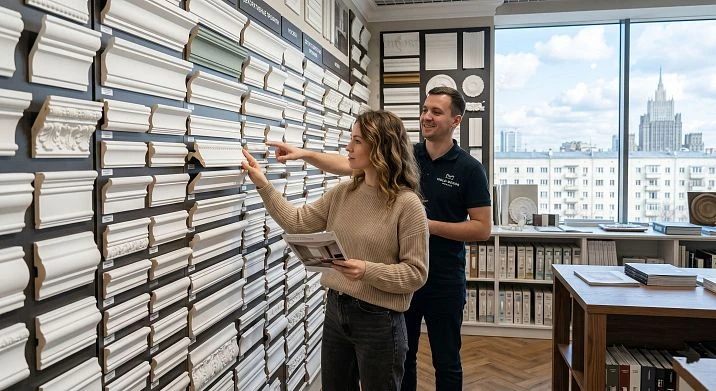
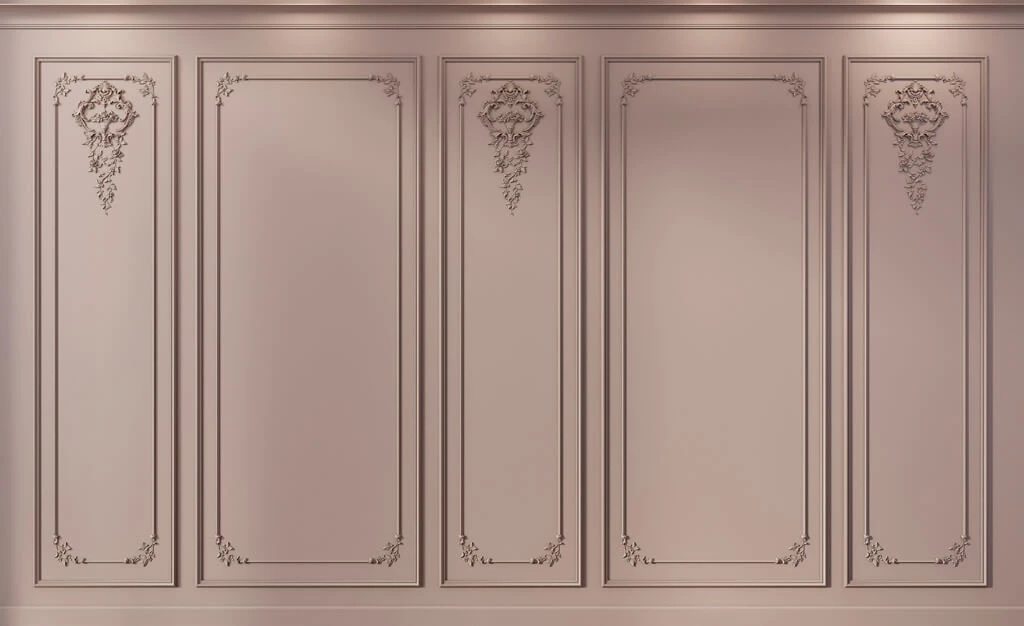
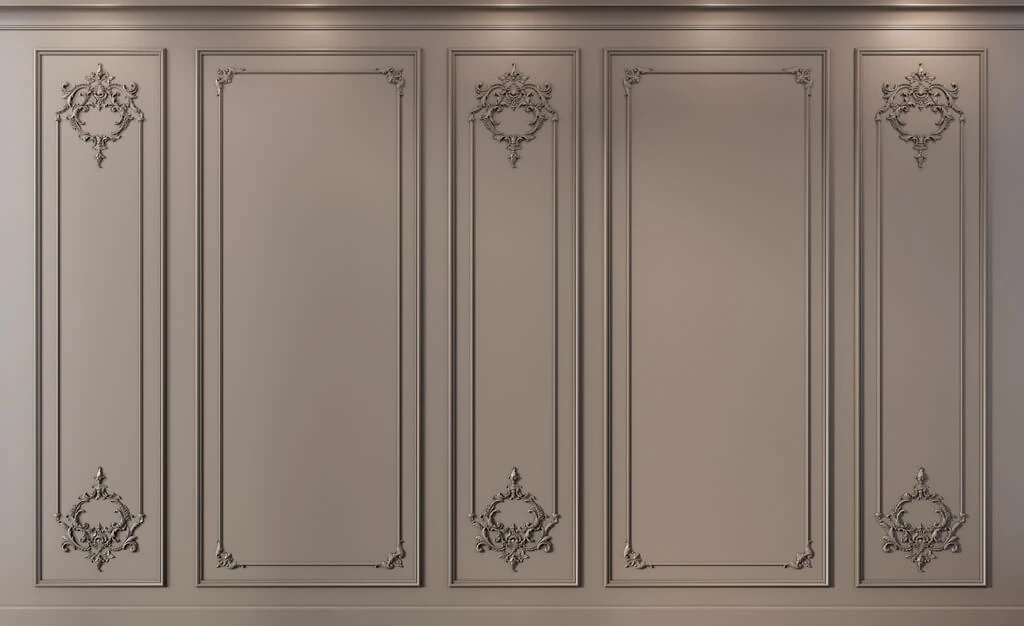
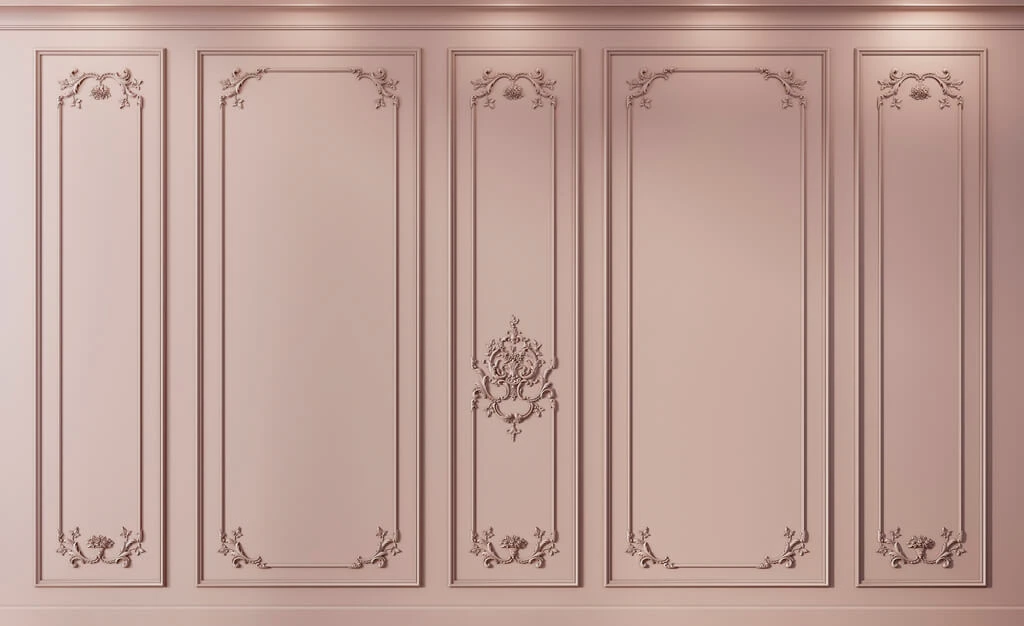
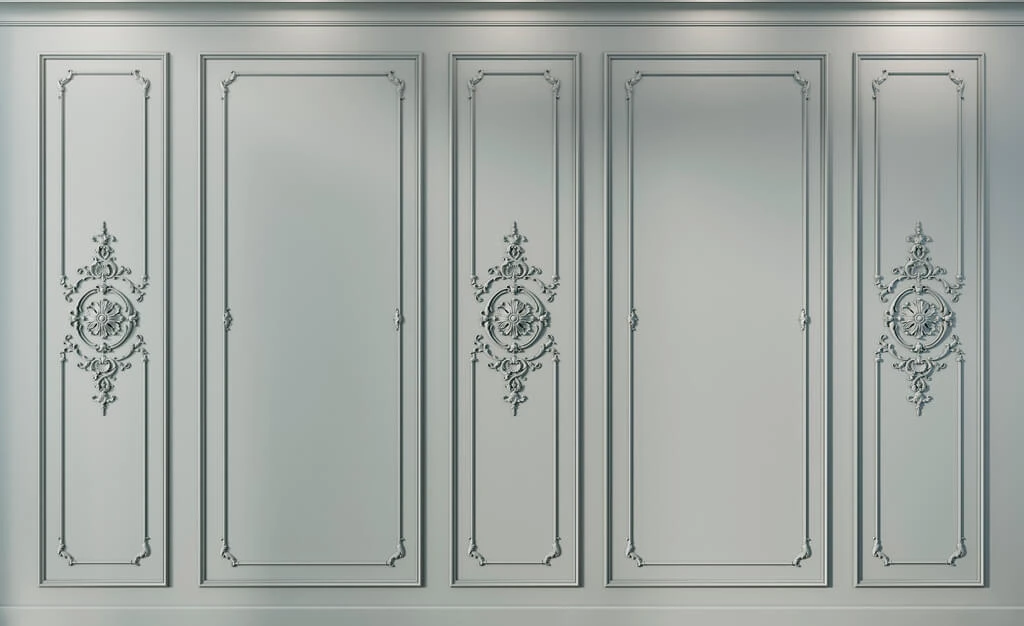
Buying interior moldings in Moscow today is not a problem. The problem is choosing the right ones. Wooden moldings, MDF moldings, polyurethane and phytopolymer profiles — these are four fundamentally different solutions with different characteristics, different application scenarios, and different visual results. This article is a commercial guide to selection: which interior moldings to buy for a specific style, a specific room, and a specific task. Without unnecessary theory — only practice and specifics.
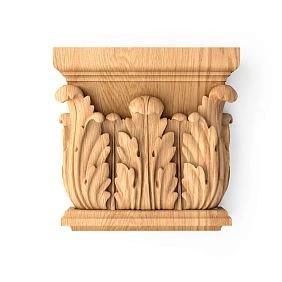
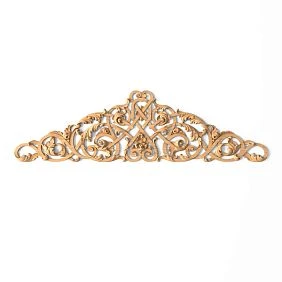
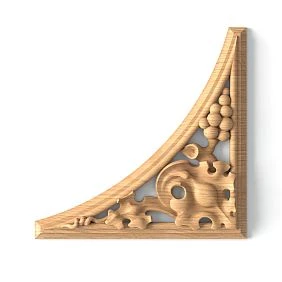
Interior moldings in Moscow: which solutions are in demand today
Demand for interior moldings in Moscow is growing for understandable reasons: people are tired of anonymous apartments with identical renovations. White walls, stretch ceilings, laminate flooring — this scheme no longer works as a 'comfortable interior.' Moldings give the wall structure, the room character, and the interior that very 'uniqueness' that cannot be obtained from a construction supermarket.
What exactly are Moscow buyers looking for today?
-
Moldings for apartments — in modern residential complexes with open layouts and walls for painting
-
Moldings for classic interiors — in country houses, Stalin-era buildings, apartments with high ceilings
-
Decorative profiles for the living room — the main room, which is usually 'done' first
-
Moldings for neoclassicism — the most popular style of recent years in Moscow interiors
-
Moldings for the bedroom — an accent wall behind the bed as the main request
Buying interior moldings in Moscow means solving several tasks at once: structuring the wall, creating visual depth, and elevating the class of finishing without expensive renovation. The main thing is to understand which material and which profile suits your specific task.
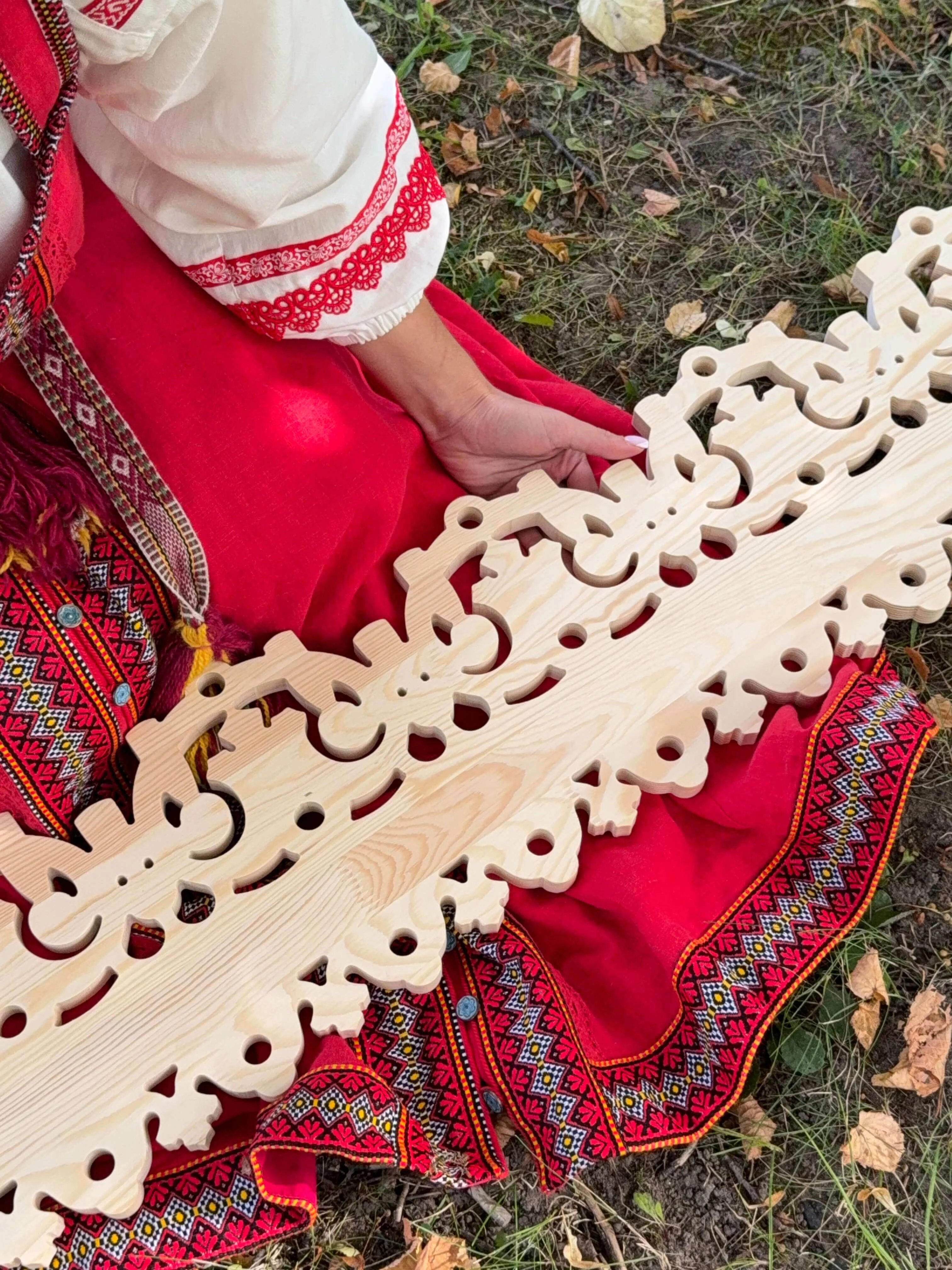
What interior moldings can be bought in Moscow?
Four materials — four characters. Let's examine each one thoroughly.
Our factory also produces:

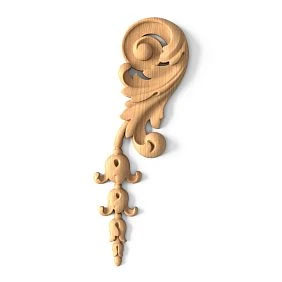

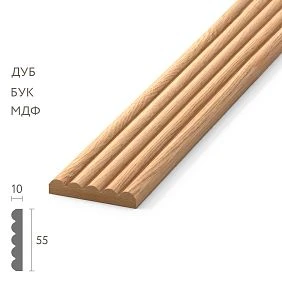
Wooden moldings for interior
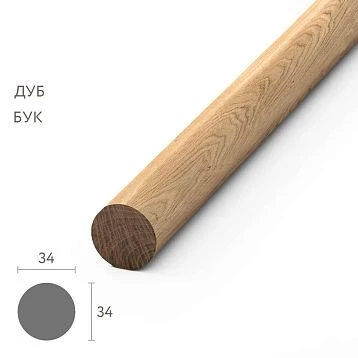
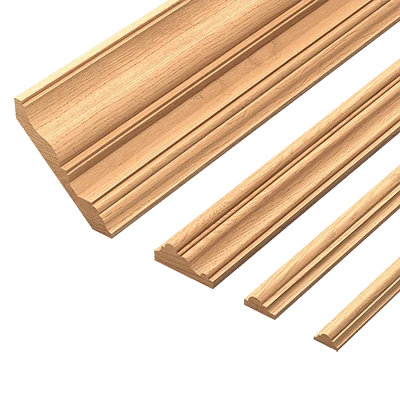
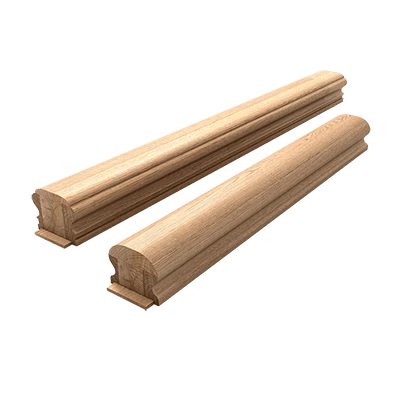
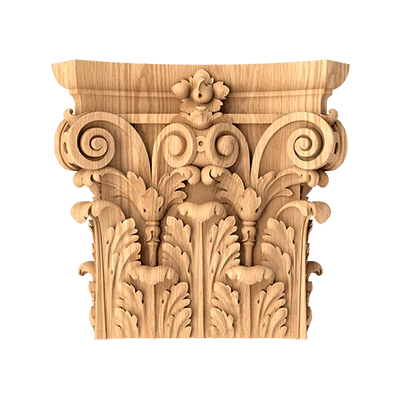
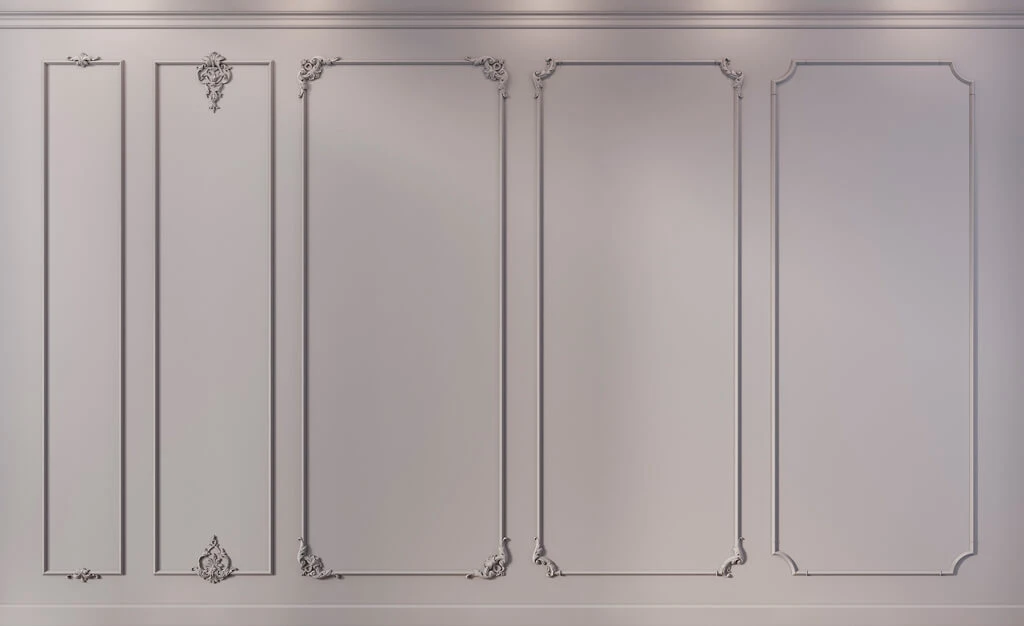
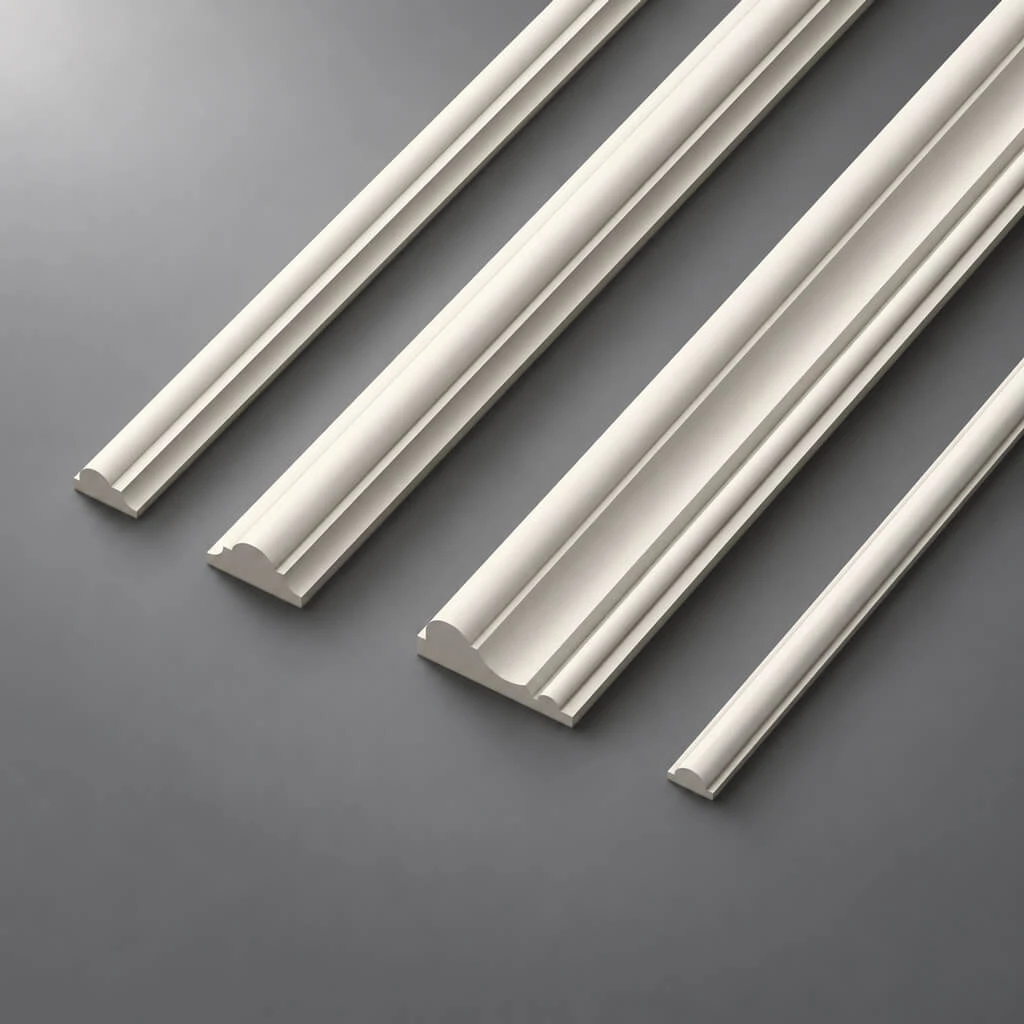
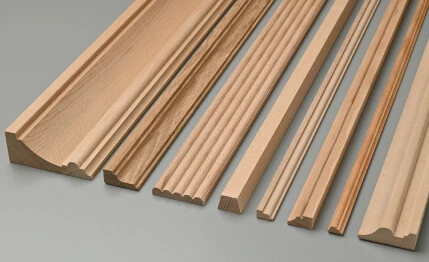
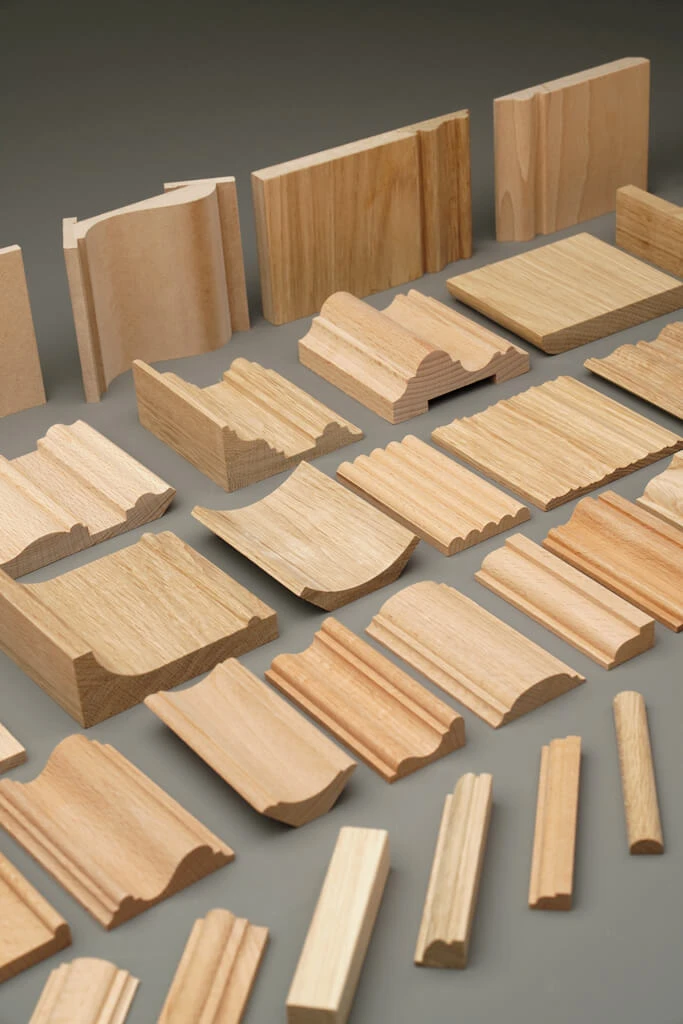
Solid wood is the pinnacle of the interior molding hierarchy.Moldings made of solid wood and MDF— this category includes profiles made of oak, beech, pine, birch, and other species, which carry a natural character, tactile warmth, and durability unattainable by synthetic analogues.
A wooden molding doesn't just decorate a wall — it adds organic honesty to it. Each plank carries a unique grain pattern. Oak — dense, expressive, with a distinct texture. Beech — more uniform, with a slight pinkish hue. Pine — resinous, lively, with natural knots. Birch — neutral, light, ideal for painting or tinting.
Wooden moldings for interior — the right choice for:
-
classical and neoclassical living rooms
-
offices with a representative interior
-
bedrooms with a 'warm' character
-
country houses where the naturalness of the material is fundamental
-
interiors that already have wooden doors, floors, or furniture
Buy wooden moldings in Moscow— this is a choice with a 'forever' horizon. Solid wood does not age unattractively: it acquires patina, depth, history.
Get Consultation
MDF Moldings
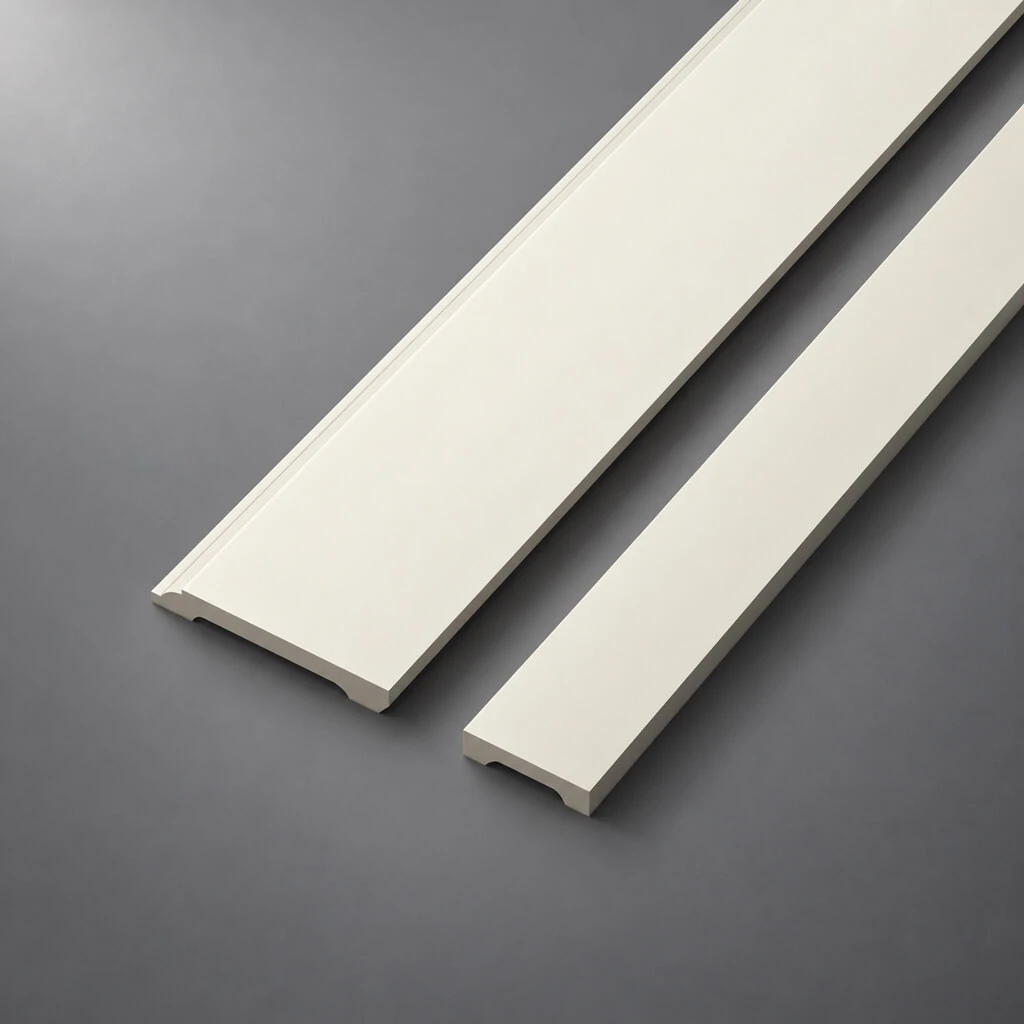
MDF is pressed wood with a homogeneous structure, without knots, pores, or the whims of natural fiber. It is this homogeneity that makes MDF moldings an ideal tool for working with paint: the surface accepts paint flawlessly evenly, the profile 'merges' with the wall and creates the illusion of monolithic molded decor.
MDF moldings for interiors are the choice for those building a modern, Scandinavian, or minimalist interior, where the molding should not stand out but structure. In a monochrome living room: molding of the same color as the wall — and the space gains relief, not directly visible but felt as 'expensive interior'.
MDF moldings for painting are one of the most stable commercial requests among Moscow buyers working in modern residential complexes. And this is logical: it is here that walls are painted, ceilings are standard, and clean geometry without excessive detailing is needed.
There is one limitation: MDF fears constant moisture. For dry rooms — a flawless solution.
Polyurethane moldings for interiors
Polyurethane wall moldings— is a separate category that is unfairly perceived as a 'cheap substitute.' In fact, polyurethane solves problems that wood and MDF handle worse or more expensively.
What polyurethane offers:
-
Complex profiles — scrolls, twists, multi-step sections, which are expensive in wood
-
Moisture resistance — polyurethane is not afraid of humidity fluctuations, ideal for hallways, kitchens, country houses with seasonal living
-
Lightweight — installation alone, without an assistant
-
Installation speed — glue + trimming + installation, no complex hardware
-
Clean joints — this parameter is highlighted in a special article on the website: polyurethane moldings, when properly trimmed, provide perfect joints without gaps
Decorative polyurethane moldings for interiors — a choice for classic interiors with rich decor, for neoclassicism in country houses, for those who need complex profiles at a reasonable price.
Phytopolymer moldings for interiors
Phytopolymer moldings are an even lesser-known but highly functional category. Details are in a separate article on the website:phytopolymer moldings for wall zoning.
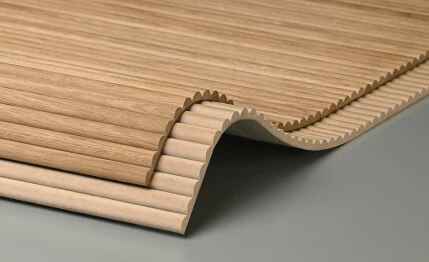
Phytopolymer is a plant-based material with high profile plasticity. It allows for creating thin accents, making coffers (coffered ceilings and walls with cellular frames), and dividing walls into sections with high geometric precision. Zoning is the key function of phytopolymer moldings.
Interior moldings made of phytopolymer are a good solution for:
-
coffered ceilings and walls in classic style
-
dividing a large wall into architectural sections
-
creating thin accent lines in modern or neoclassical interiors
-
interiors requiring geometric precision without installation complexity
Wooden moldings for interiors: when to choose solid wood
There are spaces where compromise on material is impossible. A study where a person comes daily—and wants to feel the quality of every element. A living room that hosts guests with a certain level of taste. A bedroom where the naturalness of the material is not an option but a fundamental stance.
It is precisely for these spaces that wooden interior moldings are intended.
Natural texture as an argument
You can touch a wooden molding. This is not an abstract argument—it is literally the first thing guests do when noticing finishing details. The tactile sensation of natural wood is inimitable: its density, texture, surface temperature, and scent—all contribute to the perception of the interior at a level unattainable by any imitation material.
The prestigious appearance of classical and neoclassical spaces
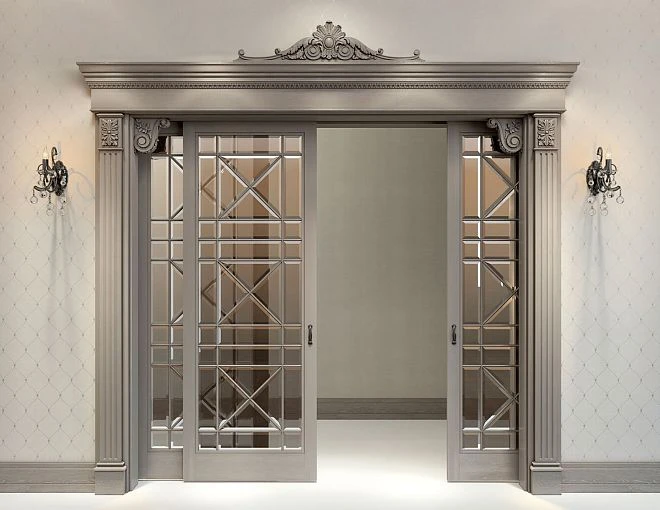
Neoclassicism has been the most popular interior style among Moscow audiences in recent years. And it demands the right material. Wooden moldings in a neoclassical interior are not merely decor; they are an architectural statement. A properly selected oak profile with a dark stain, installed as a frame system across an entire living room wall—this is an interior that works to enhance the owner's status.
Solid wood interior moldings pair well with wooden doors, parquet, and wooden furniture—creating a unified natural environment that professional designers call 'total wood.'
When wood is preferable to other materials
-
When the interior already has wooden elements and a unified system is needed
-
When the molding is planned to be stained in a non-standard color while preserving the texture
-
When strength is important—wood does not dent from accidental impact
-
When the interior's horizon is 20+ years without renovation
MDF Moldings: A Practical Solution for Painting
Conversations about MDF moldings often start with disclaimers: 'Of course, it's not wood, but...' This is the wrong angle. MDF is not 'worse than wood.' MDF is a different tool for a different task.
Smooth geometry is the main advantage
The uniformity of MDF gives the profile mathematical precision. Edges are sharp. Surfaces are smooth. Joints are seamless. This is why MDF interior moldings are so valued in projects where geometric perfection is important: minimalism, Scandinavian style, modern classicism with clean lines.
MDF works perfectly for painting. Primer + a final acrylic layer — and the molding becomes part of the wall: the same color, the same matte finish, with only the relief as the sole decorative element.
Convenience for apartments with modern finishes
MDF moldings Moscow — a query that is steadily growing precisely in the new housing segment. Apartments in modern residential complexes are typically delivered with smooth walls ready for painting. MDF molding in such an apartment is a logical continuation of the same finishing technology. No special tools, surface preparation, or particular skills are needed. Glue, a saw, a level — and it's done.
When MDF is more advantageous than solid wood
-
Large area — many linear meters
-
Final finish — painting white or a light color
-
The interior does not require wood texture—only geometry is needed
-
Budget matters, but visual outcome is important
Polyurethane moldings: quick decorative installation
A separate article has been written about the installation speed of polyurethane moldings, and it conveys the essence well:polyurethane wall moldings—installation speed and perfect joint cleanliness. This is one of the key practical advantages—not theoretical.
Lightness that is underestimated
Polyurethane molding for interiors weighs 5–8 times less than a similar wooden profile. This seems like a minor detail until you find yourself on a stepladder with a three-meter strip in your hands, pressing it against the wall while simultaneously trying to level it horizontally. Lightweight polyurethane can be installed alone—this is important for private buyers doing renovations themselves.
Neat joints and complex profiles
Polyurethane cuts well at any angle using a miter box. This means perfect corner joints without gaps—which is especially critical for external and internal corners in framed wall compositions. It is this feature of polyurethane that makes it preferable for complex molding systems with numerous turns.
Decorative polyurethane moldings with rich profiles — cornices with multiple setbacks, moldings with reverse curves, profiles with floral ornamentation — are reproduced in polyurethane precisely and affordably. In wood, such a profile requires complex multi-pass milling.
Appropriateness in decorative compositions
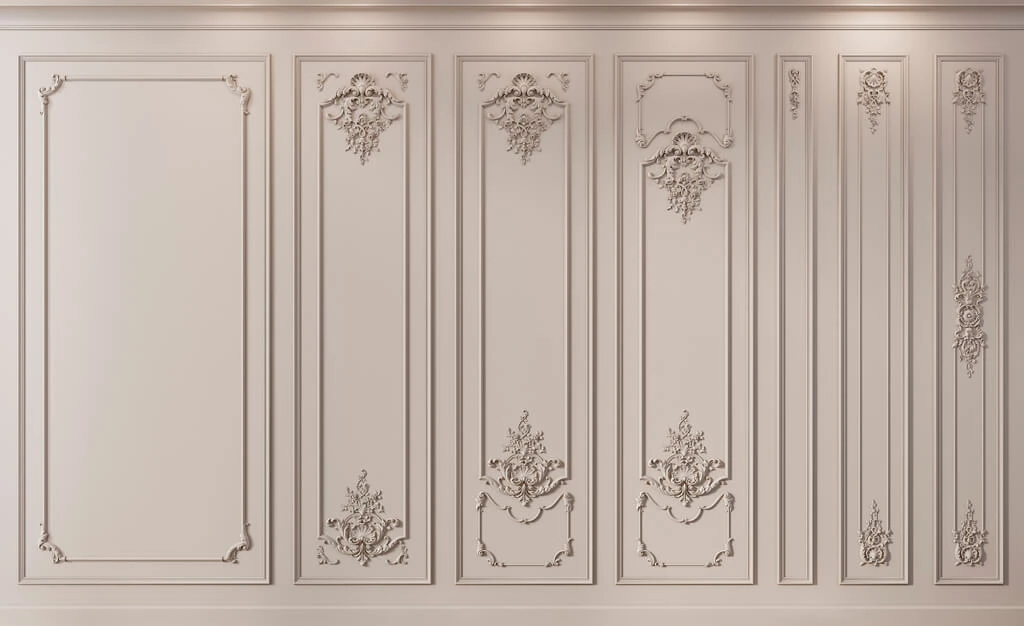
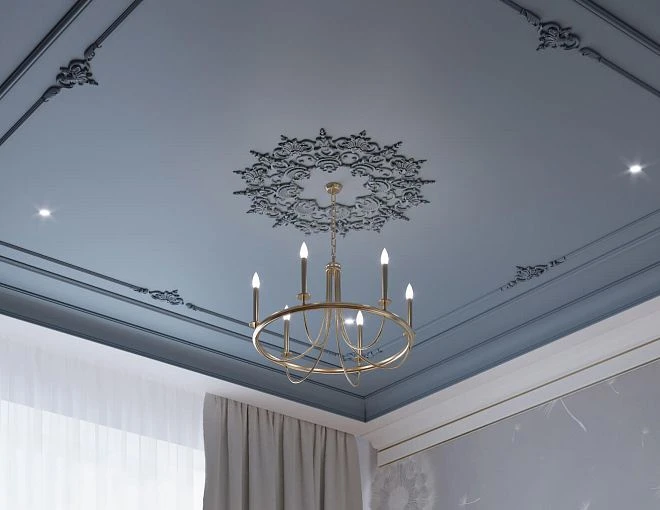
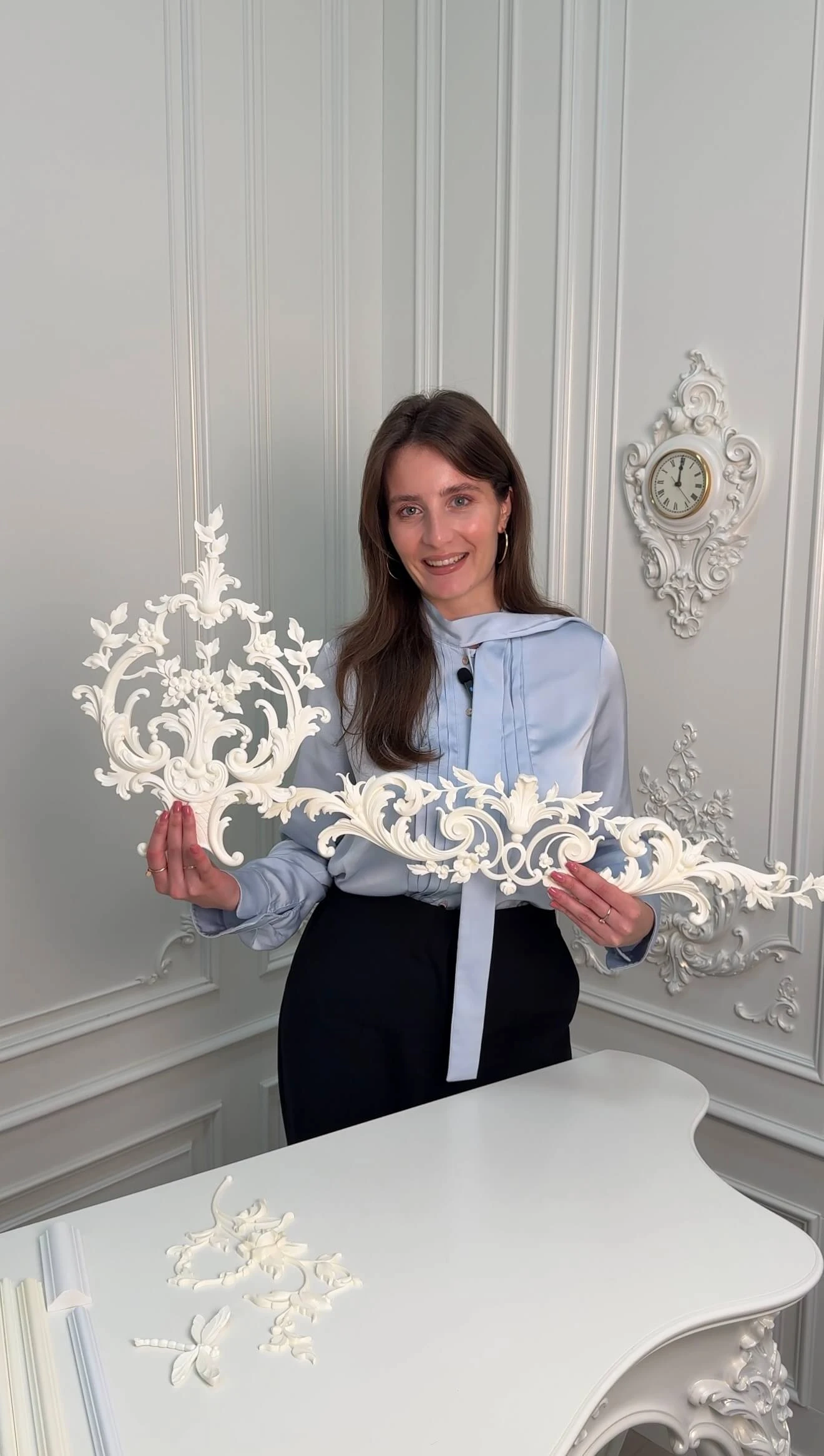
Polyurethane moldings for interiors — are especially good paired with stucco. A cornice with a pronounced profile at the ceiling, framed panels with corner rosettes, a decorative frieze above a doorway — all this is a system that polyurethane provides better than any other material. At the same time, the entirepolyurethane decorrange is developed as a unified line — moldings, cornices, rosettes, brackets are compatible with each other in proportions and style.
Phytopolymer moldings: zoning and subtle accents
Moldings made from phytopolymer— is a material that is little known, but which solves tasks that other materials handle with difficulty.
Phytopolymer is a flexible material of plant origin. Its main quality is geometric precision with a small profile thickness. Thin molding strips made from phytopolymer create delicate lines on the wall: not a massive relief, but a light contour accent.
Coffers — the highest class of wall geometry
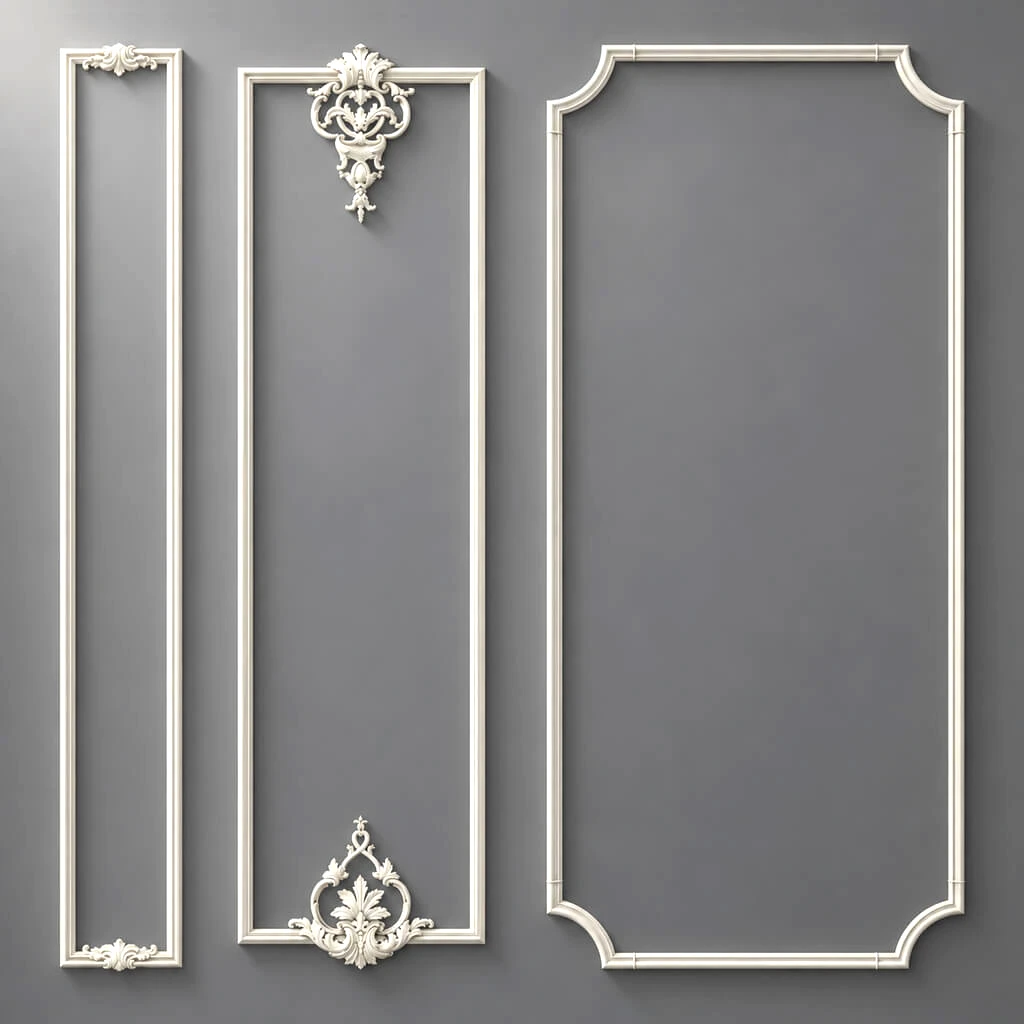
A coffered ceiling is a grid of rectangular or square cells formed by molding frames. In walls, the same principle works as a coffered panel: the wall is divided into regular sections, each of which can be painted or wallpapered in a separate color.
Phytopolymer moldings for wall zoning are a precise tool for this task. They provide clean straight lines, maintain geometry throughout their service life, and are easily installed with adhesive.
Visual proportion correction
Phytopolymer moldings for interior zoning are also a tool for working with proportions. A horizontal molding at 1.2 m visually 'expands' a room. Vertical moldings from floor to ceiling 'raise' it. Dividing a wall into three horizontal bands adds architectural rigor. And all this is achieved with a thin profile that does not weigh down the space.
How to choose interior moldings by style
Interior style is the first filter when choosing a molding. Not material, not price—specifically style. Because a molding that does not match the style ruins the impression of the entire space.
Moldings for classic interior
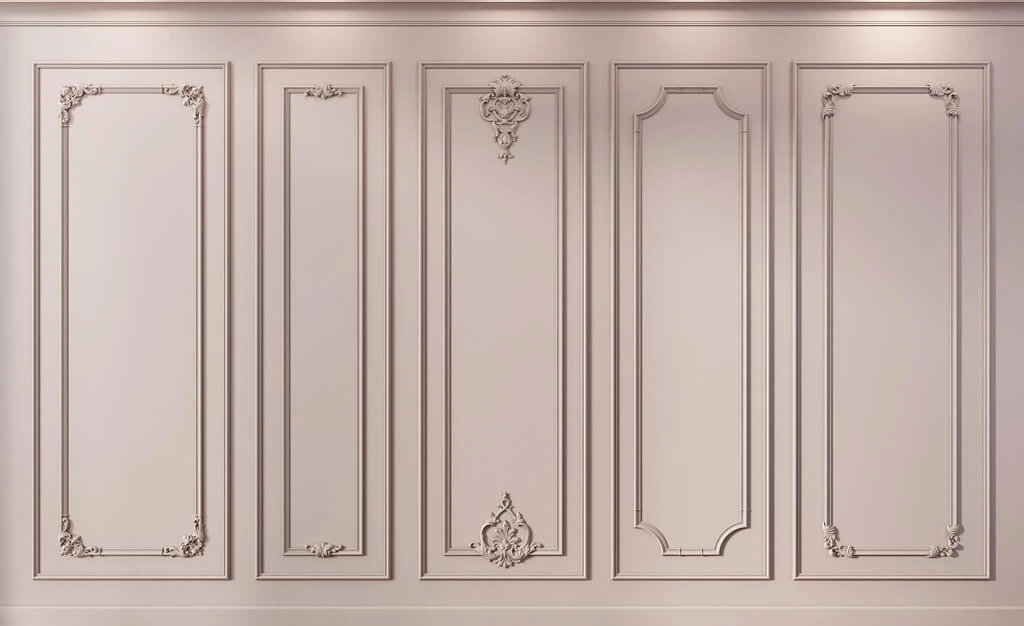
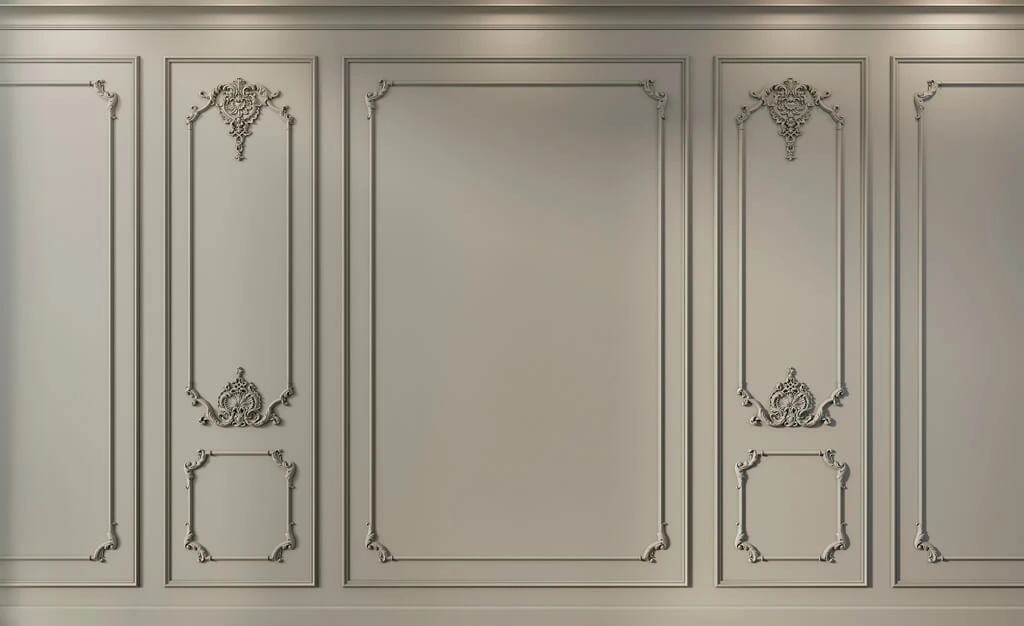
Classicism is about hierarchy of details, symmetry, richness of profile. Moldings for a classic interior should be wide (from 5–8 cm), with pronounced relief, and with corner decorative elements. The system: a wide baseboard at the bottom, a horizontal band in the middle, framed panels with a cornice at the top.
Material for classicism: wooden moldings made of solid wood or polyurethane profiles with detailed cross-sections. Color: white contrasting with the wall, or a dark-toned wood finish.
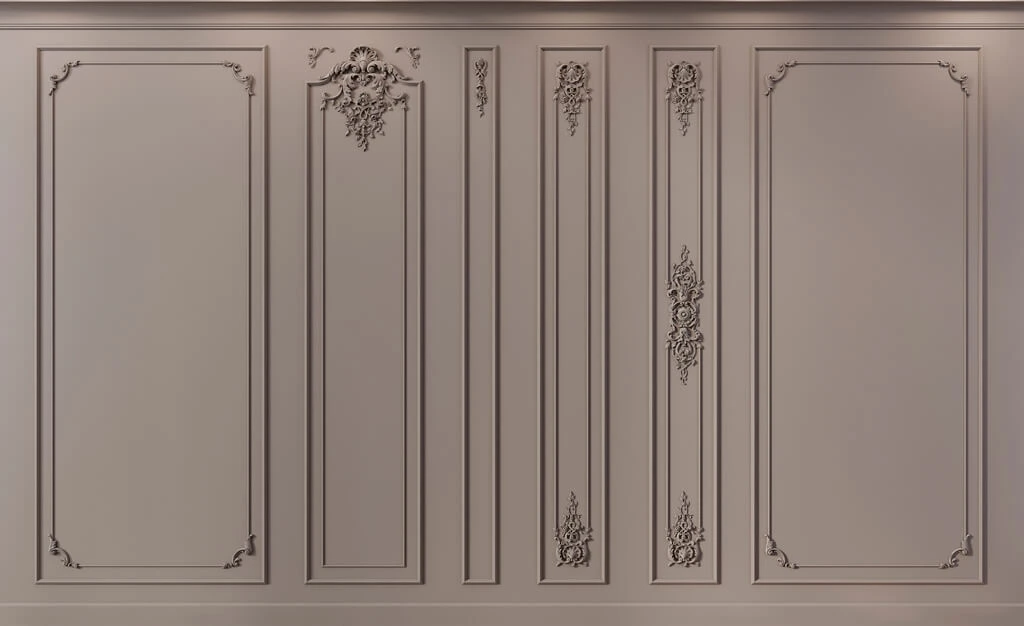
Decor for Molding— corner blocks, central overlays, connecting elements—are essential in a classic interior. It is precisely the corner details that create the 'jewelry-like' quality of the decor and distinguish a professional molding system from a homemade one.
Moldings for neoclassicism
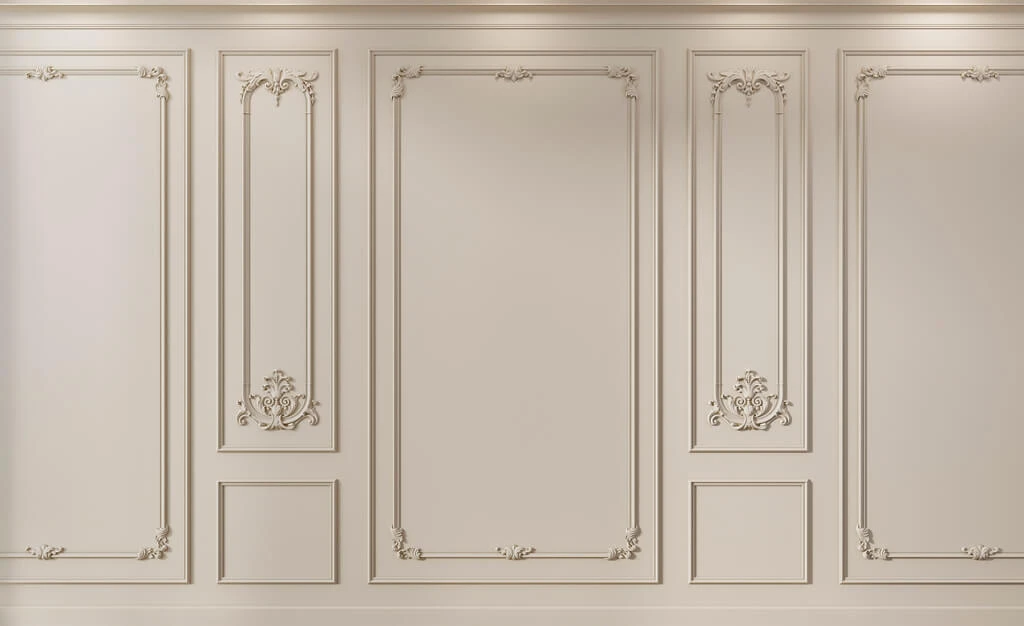
Neoclassicism today is the most sought-after style in Moscow apartments. It takes restraint and structure from classicism but rejects Baroque overload. Moldings for neoclassicism: a clean profile without curls, expressive but not loud. Contrasting combinations—a dark molding on a light wall or a 'champagne'-colored molding on a soft gray background.
To buy interior moldings for neoclassicism in Moscow means finding a profile that maintains a balance between historical and contemporary. Wooden moldings with a tint or polyurethane with a smooth profile—both options work here.
Moldings for modern interior
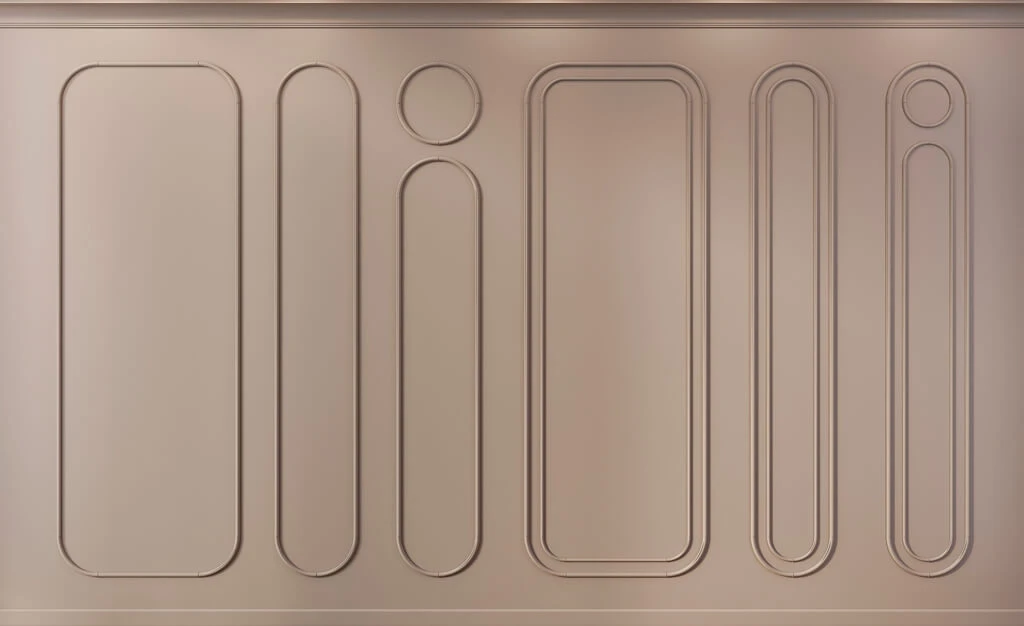
Modernity is about precision, not opulence. Molding for contemporary interiors: thin, geometrically precise, without decorative excess. Paintable MDF is perfect here. Rectangular profile, width 2–4 cm, monochrome with the wall surface.
MDF moldings for modern-style interiors create an architectural pattern that is felt but not imposing. This is exactly what the modern buyer needs: a detail that contributes to the overall impression without becoming the 'main character' of the room.
Moldings for a minimalist interior with an emphasis on geometry
Minimalism is not the absence of decor. It is the correctly chosen decor. One molding belt in the right place, one framed section behind the sofa, one accent horizontal in the bedroom—and that is enough to turn bare walls into a meaningful space.
Here, phytopolymer moldings are the perfect tool: thin profile, impeccable geometry, no unnecessary relief. Buying decorative profiles for a minimalist interior style means choosing the thinnest and most precise items in the catalog.
How to choose moldings by room
Style is the first filter. The room is the second. The same profile yields different results in different rooms: proportions, the nature of space usage, and lighting are important.
Moldings for the living room
The living room is the showcase. This is where moldings work with maximum impact. In the living room, molding takes on the function of an architectural frame: framed panels on the walls, a horizontal belt at windowsill level, a cornice at the transition to the ceiling. A TV zone highlighted with a molding frame is another strong technique.
Buying moldings for the living room means giving the main room the architectural detailing that no other finishing element can provide. Materials: wood for classic and neoclassical, MDF for contemporary, polyurethane for living rooms with rich decor.
Moldings for the bedroom
The bedroom requires warmth. Not architectural monumentality, but cozy, intimate space. Buying moldings for the bedroom is primarily about an accent wall behind the bed headboard. A molding panel behind the bed: a rectangular frame, or vertically arranged frames of different heights—all this creates a focal point in the bedroom without complex renovation.
Wooden moldings for the bedroom add warmth and natural vibrancy. MDF for painting provides a monochrome, calm background. Phytopolymer thin profiles offer a delicate contour without excessive relief.
Moldings for the hallway and corridor
The hallway is the place of first impression and, at the same time, the most 'loaded' wall in the apartment. Buying moldings for the hallway means solving two tasks simultaneously: decoration and protection of the lower part of the wall.
Classic scheme for the hallway: a horizontal molding belt at a height of 1.1–1.2 m. The lower part is in a dense, dark color (practical). The upper part is in a light color (visually expands). For the hallway, polyurethane moldings are preferable: moisture-resistant, lightweight, and can be installed without assistance.
A long corridor is a special scenario. Molding frames on the side walls of the corridor break the monotony of the long plane and create a rhythm, turning a dull passage into an architectural route.
Moldings for the study
The study is a space for work and, often, for representation. Wooden moldings for the study interior are not just decoration, they are an environment. Frame panels made of dark oak, a horizontal belt at shelf level, a molding frame around a board or screen—all of this creates a sense of a 'serious' space.
Buying moldings for the study means investing in an environment that influences the work mood daily. This is not an excess—it is a professional environment.
Moldings for apartment and house
For an apartment—the logic of compactness. Narrow profile, vertical frames (for visual height), light colors. Buying moldings for an apartment means turning the apartment into a space, not a 'cage,' even if its area is modest.
For a house—freedom of scale. Wide profiles, rich relief, combined systems of moldings, cornices, and baseboards from a single line. Moldings for a house in Moscow is a request that grows along with the increase in suburban construction in the Moscow region.
For a general understanding of selecting moldings for a specific task, the informational material on the website is useful:how to choose moldings for interior.
What to combine moldings with in the interior
Molding is a link in the system. It never works alone: it interacts with cornices, baseboards, decorative inserts, corner elements. A properly assembled system is an interior where 'everything is in its place.'
With cornices
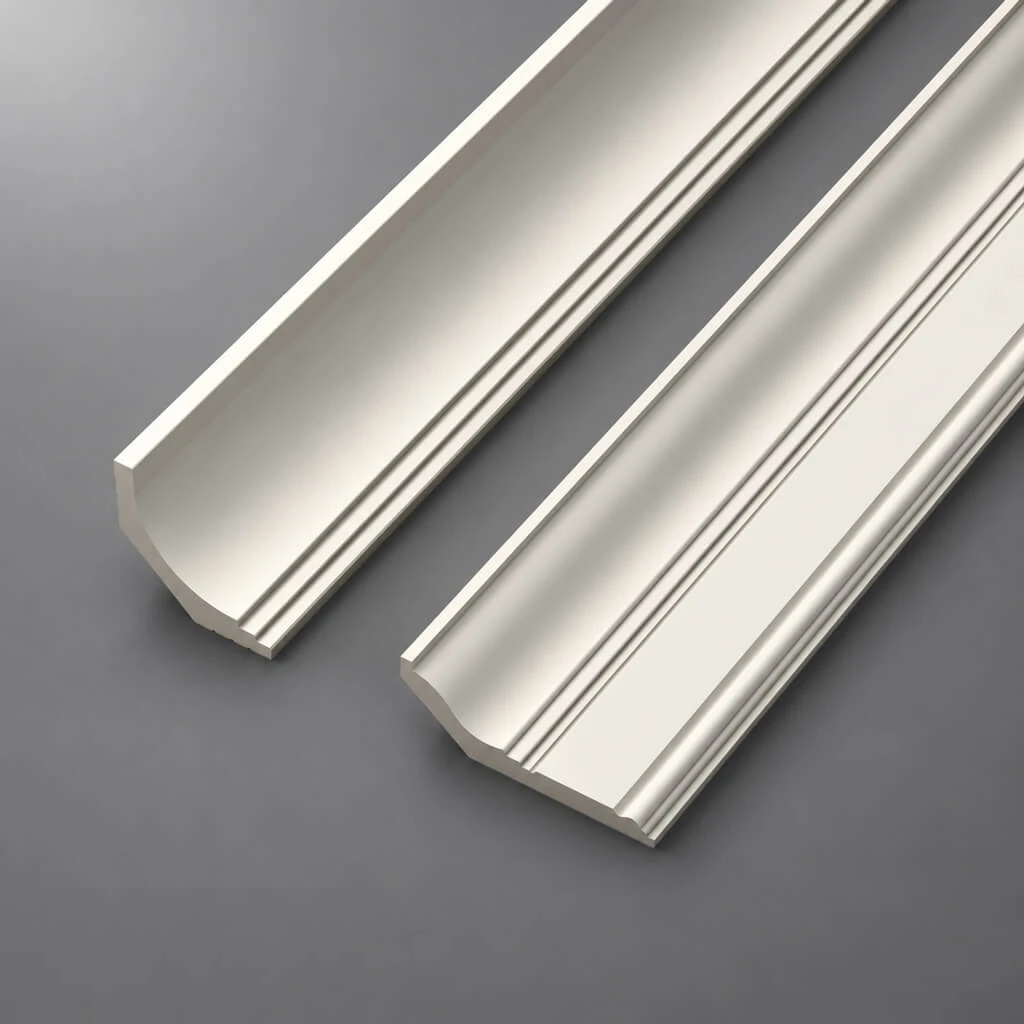
Cornice is the top point of the system. Molding profile at the base of the wall, horizontal belt in the middle, cornice at the transition to the ceiling — this is the classic architectural triad, working in any style.Moldings and cornices made of solid wood and MDFin a single catalog — this guarantees that the profiles will be compatible in proportions and style.
The cornice sets the 'ceiling' of the decorative system and visually raises the ceiling level, creating a clear horizontal line that draws the eye. In a room with a 2.7 m ceiling, this is an indispensable technique.
With baseboards
Baseboard is the bottom point of the system. It is what 'grounds' the entire vertical decorative structure. The baseboard should be made of the same material and from the same stylistic family as the moldings. A wide baseboard with a complex profile at the bottom + framed panels in the middle + cornice at the top — a classic that has worked for centuries and works now.
With decorative elements
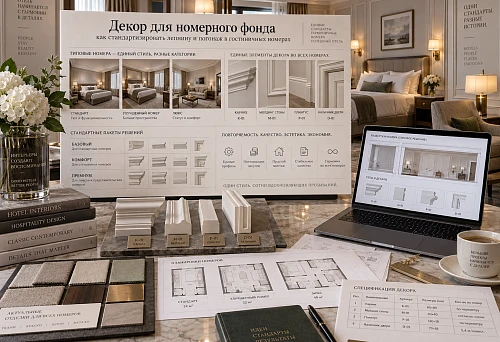
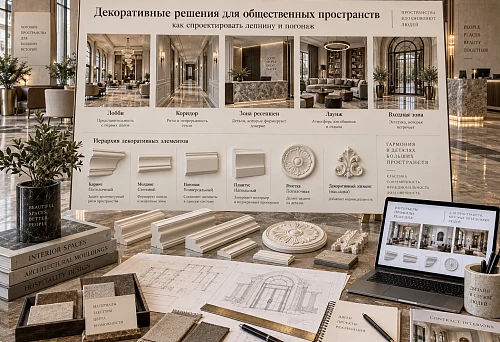
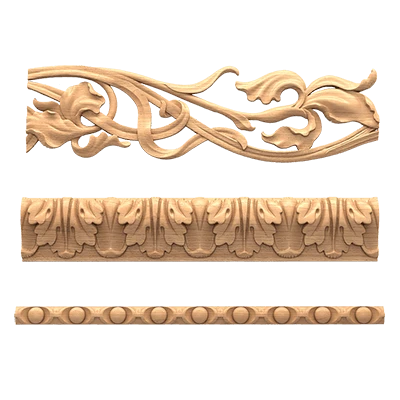
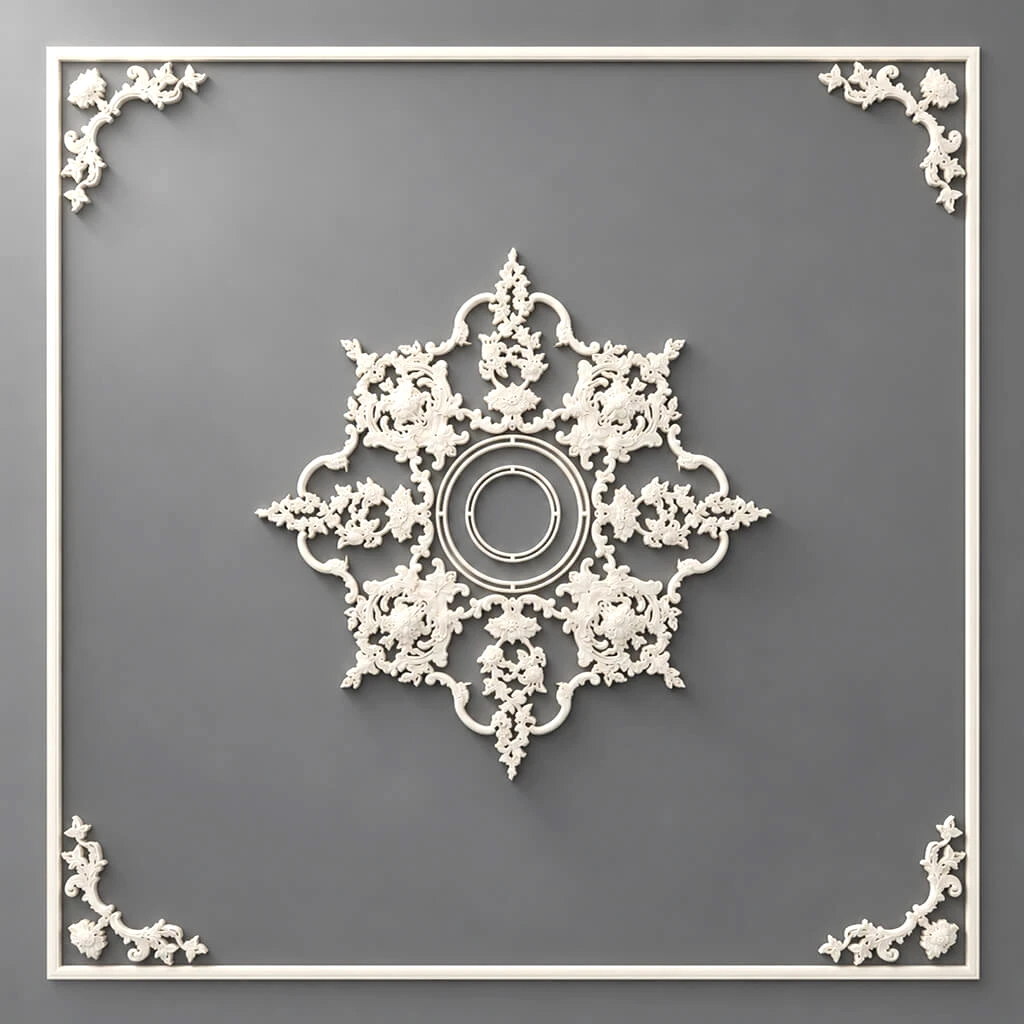
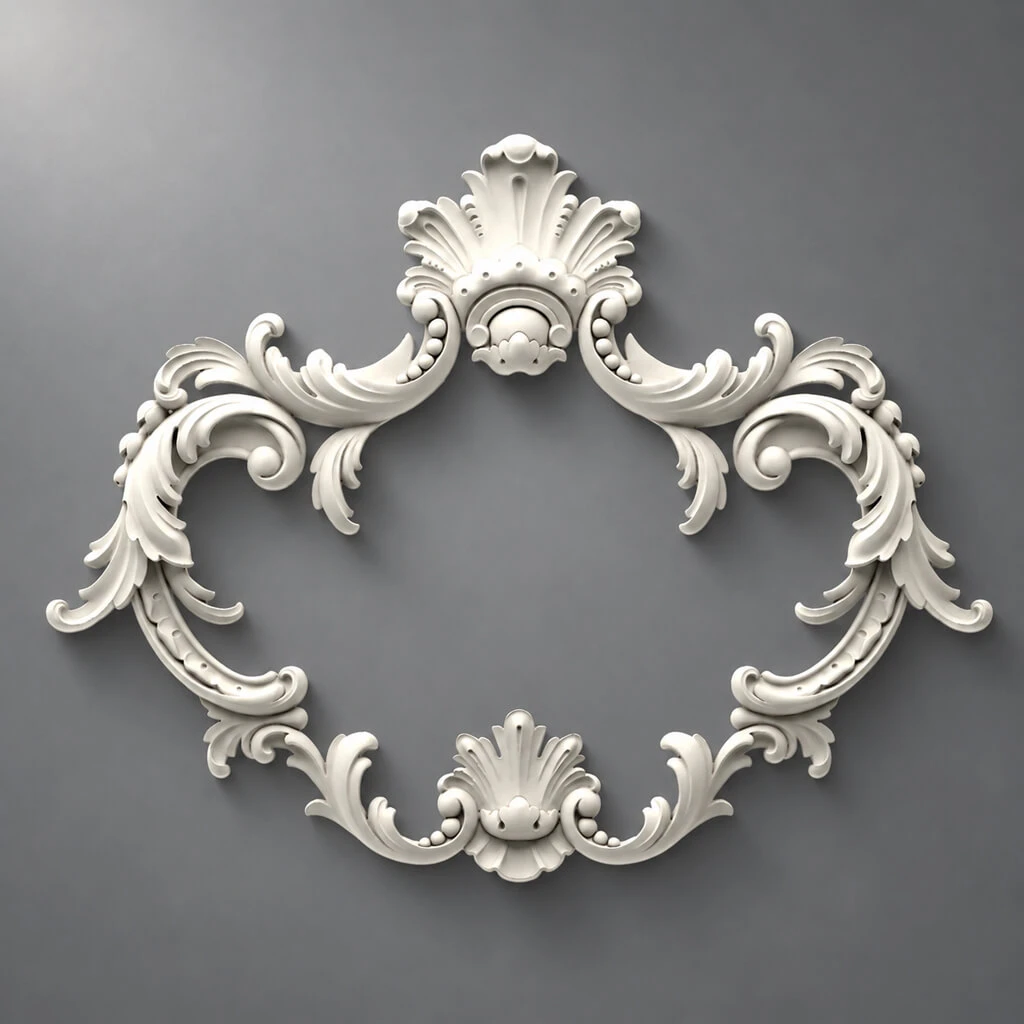
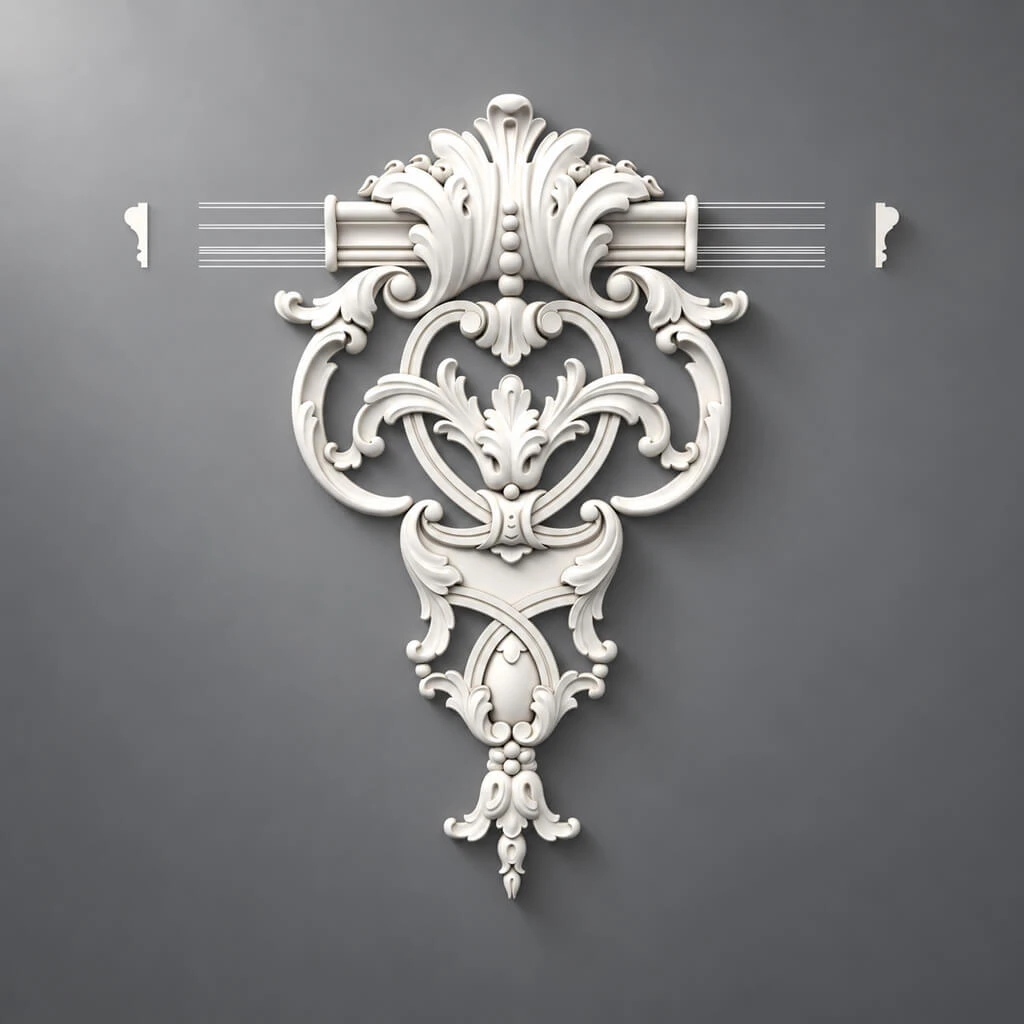
Decor for Molding— these are the details that transform a molding frame from 'ordinary' to 'exquisite'. Corner blocks frame the corners—no 45° miter cuts, with a decorative accent. Center overlays mark the midpoint of horizontal moldings. Connectors ensure flawless joints on long runs.
It is the corner elements for moldings that create that 'jewelry-like' quality of decor, visible upon close inspection and impossible to reproduce without the right parts. In classical and neoclassical interiors, this catalog section is essential.
With carved decor and corner inserts
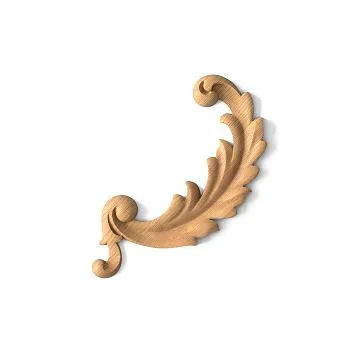
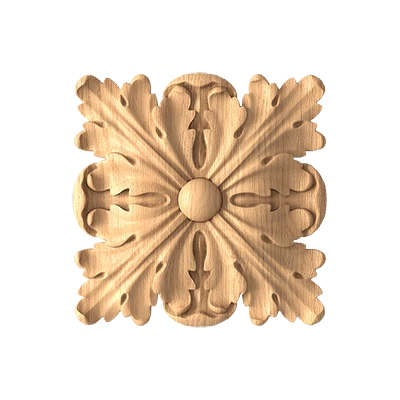
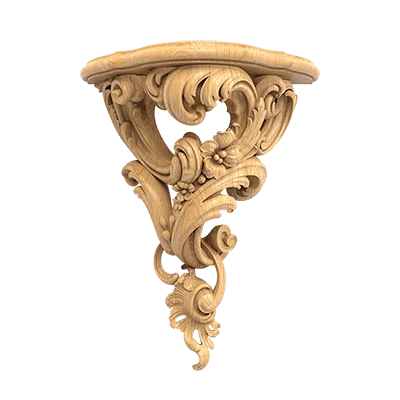
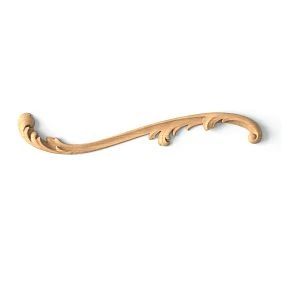
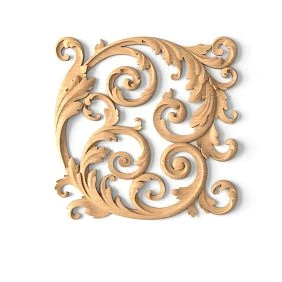
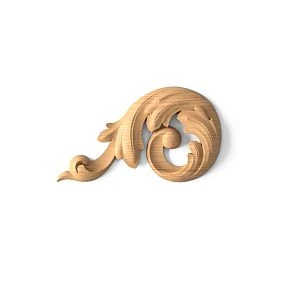
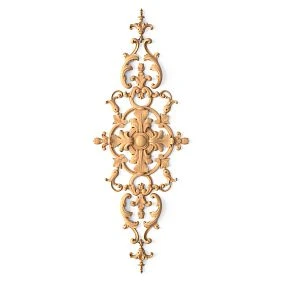
Corner inserts are not only a practical detail but also a decorative accent. In a classical interior, a corner rosette at the apex of a molding frame is a small architectural object that, upon careful examination, reveals a new level of detailing. Overlay decorative elements for interior compositions in wood or polyurethane add depth to a system that, without them, looks complete, but with them—outstanding.
Where to buy interior moldings in Moscow
The main commercial question—and the main practical section.
How to choose a supplier
A supplier of interior moldings must meet several criteria:
-
Wide range of materials: wood, MDF, polyurethane—to select the right option for the task, not just take 'what's available'
-
Unified product line: moldings, cornices, baseboards, and decorative elements from a single manufacturer—this guarantees compatibility of proportions and style
-
Sample availability: especially for wooden moldings — color and texture on screen and "in hand" differ fundamentally
-
Delivery in Moscow: relevant for large orders — linear products require proper logistics
Why it's important to look at the material
This is not a formality. Moldings made from solid wood, MDF, and polyurethane are fundamentally different in tactile feel, durability, and behavior under real operating conditions. Saving on material here works against you: the molding is seen and felt every day. The wrong material is disappointing.
Buying interior moldings in Moscow means doing so with an understanding of what exactly you're getting: solid wood, pressed board, or synthetic profile.
Why it's convenient to get moldings and related decor in one system
A unified system is not just convenience, it's visual integrity. Molding, cornice, baseboard, and corner inserts from one manufacturer, from one material, from a single line — this is an interior that looks like a professional design project. A mix from different manufacturers always shows a "mismatch."
Buy moldings in Moscow— with the ability to simultaneously select cornices, baseboards, and decorative additions from one line.
Go to catalog
Decorative profiles for interiors — buy in the right material right now:
Common mistakes when choosing moldings for interiors
Mistakes when choosing moldings are almost always predictable. Here are the main ones.
Too complex a profile for a small room
A wide molding with a multi-step profile in a 12–14 sq. m room with a 2.5 m ceiling creates pressure, not luxury. The size of the molding should match the scale of the room. A simple rule: the width of the molding should be about 1/40–1/50 of the ceiling height.
Weak connection to the interior style
A plaster molding with swirls in an apartment with minimalist IKEA furniture is a stylistic conflict that is immediately noticeable. Molding should always flow from the overall style of the space, not be glued on as a separate 'decoration'.
Mixing materials without logic
Wooden molding on one wall, polyurethane on another, MDF above the door. Without a concept, this is not a design technique but chaos. If a project uses several materials, there must be clear logic for their application: for example, wood on an accent wall, polyurethane on the ceiling cornice, MDF in side niches.
Choosing based only on photos
The photo in the catalog was taken under specific lighting, in a specific room, with specific furniture. Your room is different. Therefore, always request samples—especially for wooden moldings. The color of the wood, its texture, and its reaction to the lighting in your room can differ significantly from what you see on the screen.
Lack of connection with cornices, baseboards, and decor
Molding without a system is an unfinished story. A wall with frame panels but no cornice at the ceiling looks like a draft. Molding frames without corner decorative inserts look like a student's work, not a master's. Design the system as a whole: from the baseboard to the cornice.
Ignoring usage conditions
MDF in an entryway where moisture regularly comes in from outside is a mistake. Untreated wood in a room with unstable humidity is a risk of warping. Polyurethane in an interior where naturalness is essential is a disappointment upon close inspection. Operating conditions are no less important a parameter than aesthetics.
Frequently asked questions about interior moldings in Moscow
Which moldings are better for interiors—wooden, MDF, or polyurethane?
There is no universal answer. Wooden—for natural, premium interiors. MDF—for modern projects to be painted. Polyurethane—for complex profiles, wet rooms, and quick installation. Phytopolymer—for precise zoning and coffered systems.
Can wooden moldings be combined with polyurethane ones in the same interior?
Yes, if there is a clear concept: for example, wood on accent walls, polyurethane on ceiling cornices. With uniform painting, the boundary between materials disappears.
Are corner decorative elements needed for molding frames?
Technically — no. Aesthetically — highly recommended. Corner blocks from the same decorative section for moldings significantly elevate the visual class of the frame composition.
Moldings for neoclassicism in Moscow — which profile?
Clean cross-section without baroque curls, moderate width (4–6 cm), contrasting or monochrome color. Material — wood or polyurethane with a smooth profile.
How to calculate how many moldings are needed for a room?
Measure the perimeter of each frame, sum everything, add 15% for trimming and joints. For horizontal belts — wall length plus 10%. Count corner decorative elements separately: one for each frame corner.
Are white moldings for interiors only classic?
No. White molding on a white wall — a monochrome minimalist technique. White molding on a dark wall — a graphic classical contrast. White profiles work in any style: the question is only in the thickness and shape of the profile.
Can interior moldings be purchased with delivery in Moscow?
Yes — if in stock. Linear products require proper packaging for transportation: clarify delivery conditions when placing an order.
Phytopolymer moldings — what interiors are they suitable for?
For interiors requiring precise, fine geometry: coffered systems, wall sectioning, delicate accent lines. Phytopolymer is a material more for design projects than for mass application.
How to choose moldings for an interior to match existing renovation?
Start with the color and style of what's already there: floor, doors, furniture. The molding should either match the dominant wood tone or intentionally contrast with it. Request samples before finalizing the order.
Conclusion
Moldings for interiors in Moscow are not a decorative whim. They are an architectural tool that structures space, adds character, and elevates the finish class without expensive renovation.
Four materials — four purposes:
-
Wood — for natural, status, long-term interiors
-
MDF — for modern apartments with painting and clean geometry
-
Polyurethane — for complex decor, wet areas, quick installation
-
Phytopolymer — for precise zoning and coffered architectural systems
Choose your option and go to catalog:
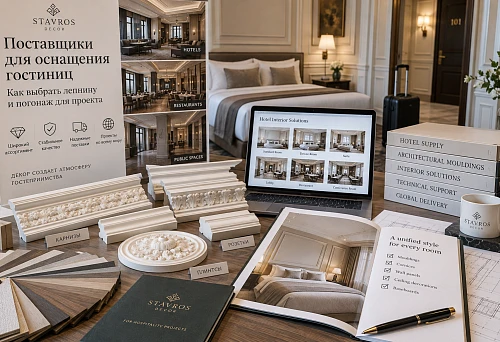
STAVROS is a Russian manufacturer of decorative products made from natural wood and polyurethane. The STAVROS catalog features wooden moldings made from solid wood and MDF, polyurethane profiles, cornices, baseboards, paneling, and decorative elements — a complete interior decor system from a single manufacturer.
STAVROS works with private clients, interior designers, and construction organizations. Delivery to Moscow, St. Petersburg, and throughout Russia. Free consultation on selecting moldings for a specific interior. Material samples available upon request.
Buy interior moldings in Moscow with quality guarantee, unified assortment, and delivery — STAVROS solves this task completely.