Article Contents:
- 1. Role of decorative moldings in interior design
- 1.1. Aesthetic function
- 1.2. Functional role
- 1.3. Historical context
- 2.1. Natural wood
- 2.2. Polyurethane
- 2.3. Gypsum
- 2.4. Composite materials
- 3.1. Classical moldings
- 3.2. Modern and minimalist moldings
- 3.3. Exclusive and designer solutions
- 4.1. Define the interior style
- 4.2. Sizes and proportions
- 4.3. Material quality
- 4.4. Finishing and color
- 4.5. Budget
- 5.1. Specialized stores and showrooms
- 5.2. Online stores
- 5.3. Custom orders
- 6.1. Surface preparation
- 6.2. Installation tools
- 6.3. Step-by-step installation guide
- 7.1. Daily care
- 7.2. Humidity and temperature control
- 7.3. Restoration and Renewal of Finishing
- 8.1. Walls and ceiling
- 8.2. Door and window openings
- 8.3. Furniture and decorative elements
- 9.1. Classic living room
- 9.2. Modern office
- 9.3. Home gallery
- 9.4. Restoration of historical interiors
- 10.1. Modern wood processing methods
- 10.2. Combined materials and effects
- 10.3. Eco-friendly technologies
- 11.1. Project planning
- 11.2. Accurate measurement and selection of sizes
- 11.3. Consultations and professional advice
- 12.1. Classic interior
- 12.2. Modern minimalism
- 12.3. Loft and industrial style
- 12.4. Provence and country style
- 13.1. New Wood Processing Technologies
- 13.2. Composite Materials
- 13.3. Environmental Responsibility
- 14.1. Create a detailed plan
- 14.2. Study the assortment and compare offers
- 14.3. Plan your budget
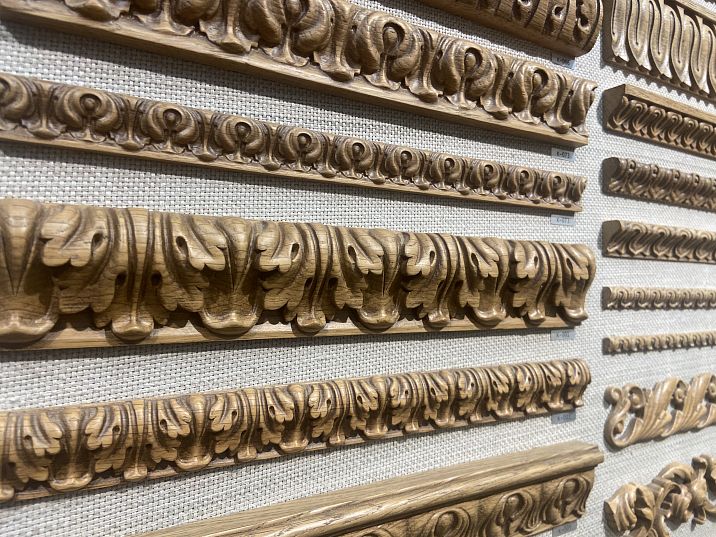
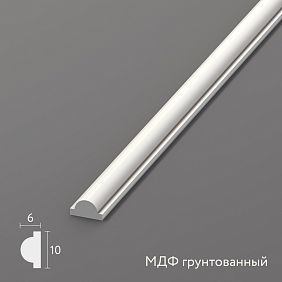
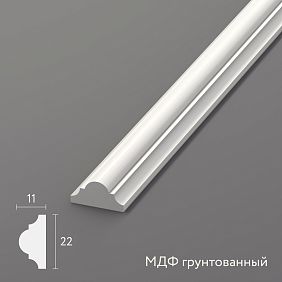
In today's interior design world, details play a decisive role. Every element, even the smallest, can transform a space, giving it uniqueness, depth, and character. One such important decorative solution is molding. They not only create visual harmony but also perform functional tasks, helping to conceal uneven joints, making the room more finished and refined. If you want Buy decorative moldingsthis article will be a detailed guide for you on selecting, installing, and caring for decorative moldings, as well as explaining their role in various interior styles.


1. Role of decorative moldings in interior design




1.1. Aesthetic function
Decorative moldings are not just simple strips dividing surfaces; they become true ornaments of the room. They can:
● Highlight specific areas of the wall or ceiling;
● Visually alter the perception of space, making it more deeply structured;
● Emphasize the interior style, whether classic, neoclassic, modern, loft, or minimalism.
Moldings help 'assemble' the interior, creating a cohesive design and making the space harmonious. With thoughtful selection and installation, they can transform even the simplest walls, giving them elegance and individuality.
Our factory also produces:


1.2. Functional role
In addition to their purely decorative function, moldings also perform several practical tasks:
● Concealing transitions between different surfaces (e.g., between wall and ceiling or wall and baseboard);
● Protecting surfaces from damage, scratches, and dirt;
● Zoning space. Moldings can visually divide a room into functional zones, which is especially relevant in large and open layouts;
● Correcting proportions. A properly chosen molding can visually increase or decrease ceiling height, making the space more balanced.
Get Consultation
1.3. Historical context
Moldings have been used in architecture and interior design since ancient times. In classical buildings, they served as elements of refined decoration, emphasizing the status and wealth of the owners. Today, moldings remain relevant, combining tradition with modern material processing technologies, enabling the creation of products meeting the highest standards of quality and aesthetics.
2. Materials and production technologies for decorative moldings
2.1. Natural wood
Wood is a traditional material for making moldings, possessing unmatched aesthetics and warmth. Wooden moldings are characterized by:
● Natural texture and unique wood grain pattern, making each item one-of-a-kind;
● Strength and durability, especially if the wood is treated with varnish or oil;
● Eco-friendliness, as natural wood does not emit harmful substances and contributes to creating a comfortable microclimate.
The assortment includes moldings made from various types of wood: oak, beech, pine, ash, and exotic species such as wenge and mahogany. Each has its own characteristics, allowing you to select an item suitable for a specific interior style.
2.2. Polyurethane
Polyurethane moldings are becoming increasingly popular due to their unique properties:
● Lightweight and easy to install. Due to their low weight, they can be easily mounted even on weak surfaces;
● Moisture and mechanical damage resistance. Ideal for bathrooms, kitchens, and other high-humidity areas;
● Ability to imitate natural wood. Modern technologies allow creating polyurethane moldings with texture and color practically indistinguishable from natural material.
2.3. Gypsum
Gypsum moldings are primarily used in classical architecture:
● High detail. Gypsum allows creating complex decorative patterns, carvings, and moldings;
● Appeal for restoration work. Gypsum items are often chosen for restoring historical interiors;
● Limited durability. However, gypsum requires more careful handling, as it is more fragile than wood or polyurethane.
2.4. Combined materials
Modern designers do not limit themselves to a single material, often combining wood with metal, glass, or acrylic. Such solutions allow creating original and non-standard items that harmoniously fit into interiors of various styles.
3. Decorative moldings: features of the items
3.1. Classical moldings
Classical decorative moldings are distinguished by refined patterns, intricate carving, and rich detailing. They are often used in interiors designed in a traditional style, where historical motifs and high decorative value are appreciated.
● Carved elements and moldings. Carved patterns, scrolls, and ornaments emphasize the status and elegance of the space.
● Gilding and patination. Additional finishing that gives the item a luxurious and noble appearance.
3.2. Modern and minimalist moldings
For modern interiors, designers increasingly choose simple, easy-to-install moldings with minimalist design. These items have clear lines and lack excessive decoration, making them ideal for modern, functional spaces.
● Straight profile. Minimalism requires strict lines and clean forms.
● Neutral shades. Moldings are often painted white, gray, or black, allowing them to blend organically with other interior elements.
3.3. Exclusive and designer solutions
For those seeking unique decorative elements, exclusive moldings made to order are available. They may feature non-standard profiles, combined materials, and original decorative elements, enabling the creation of truly one-of-a-kind items.
4. How to choose decorative moldings: key criteria
4.1. Determine the interior style
The first step in choosing moldings is determining the overall style of the room. This will help narrow down the options:
● Classic and neoclassical. Here, items with rich carving, decorative moldings, gilding, or patinated elements are suitable.
● Modern, minimalism, high-tech. In these styles, simple, clean lines, neutral colors, and minimal decorative details are valued.
● Loft. For industrial interiors, moldings with rough, almost 'raw' textures can be chosen, contrasting with brick or concrete surfaces.
● Provence and country. Here, preference is given to moldings with an aged effect, soft patinated finish, and light decorative carving.
4.2. Dimensions and proportions
It is important that the molding dimensions harmonize with the room's size and other interior elements:
● Molding height. For high ceilings, more substantial items are suitable, while for low rooms, thinner profiles are preferable.
● Profile width and depth. These parameters depend on the overall visual balance. An overly bulky molding may 'weigh down' the space, while a too thin one may fail to emphasize architectural lines.
4.3. Material Quality
The quality of decorative moldings directly depends on the original material and processing technology:
● Natural wood. If you value eco-friendliness and natural beauty, choose solid wood or veneered products.
● Polyurethane. If ease of installation and simplicity are important, pay attention to polyurethane moldings, which are easy to process and paint.
● Gypsum. Gypsum moldings are ideal for creating complex decorative patterns but require careful handling and protection from impacts.
4.4. Finishing and Color
The finish plays an important role in the longevity and aesthetic appeal of the molding:
● Lacquer or oil. These highlight the natural wood texture, providing either gloss or matte finish.
● Paint. Allows you to choose any shade, which is especially relevant for modern interiors.
● Patina and brushing. Techniques that give the item an aged effect, creating a unique vintage look.
4.5. Budget
The cost of decorative moldings may vary depending on the material, brand, profile complexity, and finish. When selecting an item, it is important to match the price with quality, durability, and aesthetic effect. Sometimes it is better to invest in more expensive, but proven quality, which will serve for many years.
5. WhereBuy decorative moldings: main purchasing channels
5.1. Specialized stores and showrooms
In large cities, there are stores specializing in finishing materials and decorative elements. Here you can:
● Evaluate the quality of products 'in person' — touch, examine texture and color.
● Receive professional advice from specialists.
● Order samples or custom projects.
5.2. Online stores
Online platforms offer a wide selection of decorative moldings. Advantages of purchasing online:
● Wide selection. Ability to choose from many models, styles, and finish options.
● Reviews and ratings. You can review other customers' experiences, helping you make an informed decision.
● Convenient delivery. Products are delivered directly to your home or office.
● Often more favorable prices. Online stores may offer discounts and promotions that are hard to find in offline stores.
One proven option is the websitePogonazh iz massiva, where you canBuy decorative moldings at competitive prices and with quality guarantee.
5.3. Custom orders
For exclusive projects or if you require a molding with a unique design, you can contact private craftsmen or carpentry workshops. Custom manufacturing allows:
● Obtain a product fully matching your requirements in size, shape, and finish.
● Use rare wood species or composite materials.
● Create an exclusive design that will become a unique feature of your interior.
6. Installing decorative moldings
6.1. Surface Preparation
Before installing decorative molding, ensure the surface (wall, ceiling, or door) is clean, dry, and level. If the surface has irregularities, it should be leveled beforehand using putty or plaster.
6.2. Installation Tools
For proper installation of moldings, you will need:
● Tape measure, level, and pencil for marking;
● Mitre saw or hacksaw for precise cutting;
● Miter box for accurate cutting of angles;
● Adhesive (e.g., wood construction adhesive) or fasteners (nails, screws);
● Sealant or spackling compound for filling joints;
● Painter's tape to protect surrounding surfaces.
6.3. Step-by-step installation instructions
- Marking.
Using a level and tape measure, mark the lines where the molding will be attached. Pay attention to corners and joints to ensure proper alignment.
- Cutting.
Cut the molding to the required length using a mitre saw or hacksaw. For precise cuts, especially important to use a miter box to ensure clean angles (typically 45° for standard corners).
- Application of adhesive or fasteners.
If using construction adhesive, apply it evenly to the back surface of the molding. If using fasteners, prepare them in advance according to the manufacturer's instructions.
- Installation.
Carefully press the molding against the surface, ensuring evenness and proper joints. Use painter's tape if necessary for holding.
- Sealing joints.
After installation, check joints and corners. If gaps remain, fill them with sealant or putty, then sand and paint if necessary.
- Final Finishing.
If the molding does not have a pre-applied finish, apply varnish, paint, or oil for protection and improved appearance. Allow to dry completely before placing furniture or artwork.
7. Care and maintenance of decorative moldings
7.1. Daily care
To maintain the original appearance of decorative moldings, it is recommended:
● Regularly wipe the surface with a soft dry cloth to remove dust.
● If necessary, use a slightly damp cloth, avoiding aggressive cleaning agents that may damage the finish.
7.2. Humidity and temperature control
Wood is a natural material and sensitive to changes in humidity and temperature. Maintain stable conditions in the room (humidity 40–60%, moderate temperature) to avoid warping, cracking, or scratches.
7.3. Restoration and renewal of finish
Over time, decorative moldings may lose their gloss or develop minor scratches:
● Perform light sanding on damaged areas, then reapply varnish, paint, or oil.
● If necessary, fill deep cracks or chips with putty to restore the item's integrity.
● Monitor the condition of joints and, if necessary, reseal them with sealant.
8. Combining Decorative Moldings with Other Interior Elements
8.1. Walls and ceiling
Decorative moldings can be used to finish junctions between walls and ceilings, create cornices or panels:
● Ceiling cornices. Moldings help conceal the junction between wall and ceiling, creating a 'floating' ceiling effect.
● Wall panels. By dividing walls into sections, moldings add structure and visual depth to the room.
● Accent walls. Using moldings to create decorative inserts helps highlight one wall, making it the focal point.
8.2. Door and Window Openings
Decorating doors and windows with moldings is a classic solution for achieving a cohesive look:
● Mouldings that replicate the style of door casings unify the interior and create a harmonious frame around openings.
● They can be used to create decorative elements that highlight architectural lines and enhance the overall impression of the facade.
8.3. Furniture and decorative elements
Wooden mouldings can become part of furniture design:
● Cabinet facades. Mouldings framing doors or drawers add elegance to the interior.
● Decorative panels and frames. Mouldings can be used to create individual decorative elements, such as photo galleries, wall panels, or even unusual countertops.
9. Examples of successful projects using decorative mouldings
9.1. Classic Living Room
In a classic living room, mouldings are traditionally used to decorate walls and ceilings. In one project, decorative mouldings were used to create panels that visually divided the wall into several zones. The result — an elegant interior where every detail harmoniously complements the overall composition.
9.2. Modern office
In a modern office space, it is important to balance strictness and comfort. Decorative mouldings installed along the ceiling and on the walls of the meeting room create a professional atmosphere, emphasizing the company’s style. The simple, minimalist design of the mouldings, combined with neutral wall tones, promotes concentration and improves the working environment.
9.3. Home gallery
For decorating a home gallery where paintings and photographs are displayed, decorative mouldings can be an excellent solution. They highlight the individuality of each artwork, creating a cohesive design that unifies different pieces into a single ensemble. Thanks to mouldings, each painting receives 'frames' that make it more significant and impactful.
9.4. Restoration of historical interiors
In projects restoring historic buildings, decorative mouldings play a key role. They help restore the historical appearance, emphasize the authenticity of the interior, and preserve cultural heritage. Restoring mouldings requires special attention to detail, but the result justifies all efforts, creating an atmosphere of a genuine era.
10. Innovative technologies in the production of decorative mouldings
10.1. Modern wood processing methods
Modern technologies allow creating mouldings with incredible precision and complexity of patterns:
● Laser carving. Using laser technologies allows achieving the highest precision in creating decorative patterns, making each item unique.
● 3D modeling. Modern CAD programs allow designers to experiment with shapes and patterns, creating items that were previously only available in theory.
● Computer-aided design. Automated production ensures uniformity of each detail and allows mass production of items to individual orders.
10.2. Combined materials and effects
Mixing different materials is becoming increasingly popular. Decorative mouldings can combine wood with metal, glass, or acrylic, creating interesting contrasting effects:
● Metal inserts. Add a modern look and emphasize the geometry of lines.
● Glass elements. Can be used to create lighting effects, especially when combined with LED backlighting.
● Acrylic inserts. Lightweight and durable, they allow adding vibrant color accents without disrupting the overall harmony of the item.
10.3. Eco-friendly technologies
With growing attention to ecology, manufacturers are paying more attention to sustainable forestry and the use of natural materials:
● Certified wood. Choosing items made from wood obtained according to FSC or PEFC standards guarantees that materials are sourced without harm to the environment.
● Safe finishes. Modern varnishes, oils, and paints contain no harmful substances, allowing mouldings to be used in residential spaces without health risks.
● Restoration and recycling. Wood can be easily recycled, and old mouldings can be restored, aligning with principles of sustainable development and responsible consumption.
11. Practical Tips for Designers and Craftsmen
11.1. Project Planning
BeforeBuy decorative moldingsIt is important to clearly define the project's objectives:
● Prepare a molding placement plan, taking into account room dimensions, ceiling height, and the placement of other decorative elements.
● Prepare sketches that allow you to visualize how the moldings will interact with walls, doors, and furniture.
● Calculate the required length, accounting for trimming allowance and joints.
11.2. Accurate Measurement and Size Selection
Correct dimensions are the key to harmonious decoration:
● Determine which wall or ceiling areas will be decorated with moldings.
● Measure the length and width of each element, adding a small allowance for fitting corners.
● Select moldings according to room proportions: large rooms can accommodate bold and expressive pieces, while smaller rooms suit more slender and minimalist options.
11.3. Consultations and Professional Advice
Do not hesitate to consult professionals:
● Interior designers will help select moldings that harmonize with the overall style of the space.
● Specialists in specialty stores can provide samples, technical specifications, and installation recommendations.
● Custom molding craftsmen will offer exclusive solutions that highlight the uniqueness of your project.
12. Examples of Successful Projects with Decorative Moldings
12.1. Classic Interior
In a classic interior, moldings are often used to decorate ceilings, walls, and doors. One example is a neoclassical living room, where an elegant carved molding made of solid oak is installed around the ceiling perimeter. This decorative element emphasizes the richness of the interior, creating a harmonious blend with stucco and heavy furniture.
12.2. Modern Minimalism
In a minimalist interior, where clean lines and neutral colors dominate, moldings serve as accent elements. For example, in a modern high-tech apartment, moldings with straight lines, painted white or gray, are used. Such items do not distract from the main focal points but instead emphasize the interior’s simplicity and functionality.
12.3. Loft and Industrial Style
In loft-style interiors, decorative moldings can serve as a contrasting element, introducing the warmth of natural wood against rough, industrial materials. For example, in an office space, brick walls and metal structures are softened by accents of wooden moldings, creating a harmonious balance between the 'coldness' of industrial style and the 'warmth' of natural materials.
12.4. Provence and Country Style
Provence and country-style interiors are characterized by soft pastel tones and a weathered effect. In such spaces, decorative moldings with patina finishes, made from pine or beech, add romance and coziness. They beautifully complement delicate wallpapers, soft fabrics, and vintage accessories, creating an atmosphere reminiscent of a French countryside home.
13. Modern Trends and Innovations in Molding Production
13.1. New Wood Processing Technologies
Modern manufacturers actively use laser carving and 3D modeling to create intricate patterns on moldings. This allows for high precision and reproducibility of decorative elements, which is especially important for classical and neoclassical interiors.
13.2. Composite Materials
Mixing wood with other materials such as metal, glass, or acrylic is becoming increasingly popular. Such combined moldings can serve not only as decorative elements but also perform functional tasks, for example, integrating lighting or protective elements.
13.3. Environmental Responsibility
In the era of conscious consumption, greater attention is being paid to the ecological properties of materials. Manufacturers of decorative moldings strive to use wood sourced from sustainable sources and apply safe varnishes and paints. FSC or PEFC certification is becoming an important criterion when selecting products, ensuring ecological purity and responsible production.
14. Practical recommendations for those who wantBuy decorative moldings
14.1. Create a detailed plan
Before purchasing decorative moldings, it is important to clearly define where and how you plan to use them:
● Determine the wall, ceiling, or door areas you wish to decorate.
● Calculate the required length and quantity of material, taking into account allowance for trimming and possible installation errors.
● Prepare sketches or a plan to visualize the final result.
14.2. Study the assortment and compare offers
Conduct a market analysis:
● Compare different models, wood species, finishes, and profiles.
● Pay attention to customer reviews and product ratings.
● Do not hesitate to ask questions to consultants in specialized stores or online platforms.
14.3. Plan your budget
Consider not only the cost of moldings but also additional expenses:
● Fasteners (adhesive, nails, clips);
● Consumables (putty, sealant, varnish, paint);
● Delivery and, if necessary, installation services.
By defining your budget, you will be able to choose the optimal option without sacrificing quality and aesthetics.
15. Conclusion
Decorative moldings are a powerful tool in the hands of an interior designer, capable of transforming any space. They create depth and structure, highlight architectural features, and complete the room. If you wantBuy decorative moldingsthen it is important to consider many factors: interior style, dimensions and proportions, material quality, finish, ecological properties, and, of course, budget.
Natural wood is always associated with warmth, durability, and aesthetic appeal. Thanks to modern processing technologies and the variety of available finishes, decorative moldings can be adapted to any design task — from classic styling to ultra-modern interiors. Regardless of whether you are decorating walls in a living room, ceilings in an office, doorways, or creating elegant frames for artworks, properly selected moldings can make your space unique and harmonious.
When choosing, pay attention to manufacturing quality, environmental certification, as well as the manufacturer's experience and reputation. Remember that decorative moldings are not just a finishing material, but part of the overall design concept that can convey your taste, status, and attention to detail.
Plan each stage of the work: from creating sketches and calculating the required amount of material to installation and final finishing. If you are handling the decoration yourself, follow recommendations for surface preparation, precision cutting, and careful mounting. Otherwise, consult professionals to ensure a flawless result.
In the end,Buy decorative moldings — is an investment in the beauty and longevity of your interior. They can transform a space, making it more structured and cozy, emphasizing the individuality of each element, and creating a harmonious combination of all details. Choose quality products, follow modern trends, and enjoy the decoration process, as it is precisely attention to detail that makes an interior truly unique and comfortable.
Let decorative moldings become your secret weapon in creating a space that not only pleases the eye but also inspires every day!