































Article Contents:
- What is Furniture Hardware
- What Types of Furniture Hardware Exist
- Furniture Hinges
- Guides for drawers
- Lifting Mechanisms and Gas Lifts
- Fastening Hardware
- Legs and glides
- Decorative Furniture Hardware: Handles, Overlays, Profiles
- Furniture Hardware for Different Types of Furniture
- Kitchen furniture hardware
- Hardware for cabinets and storage systems
- Hardware for solid wood furniture
- Hardware for dressers and nightstands
- How to choose furniture hardware: a systematic approach
- Step 1: Determine the type of furniture and operating conditions
- Step 2: Calculate the load
- Step 3: Choose the functional type
- Step 4: Select decorative hardware to match the interior style
- Step 5: Check the technical parameters
- What to pay attention to when buying furniture hardware
- Material and Coating
- Accuracy of Manufacturing
- Availability of technical documentation
- Compatibility with existing system
- Decorative furniture hardware: where it is especially important
- In classic interior
- In Scandinavian interior
- In loft style
- In minimalism
- In solid wood interiors
- Why furniture hardware affects furniture perception
- Furniture hardware catalog: what is important for the buyer to know
- Where to buy furniture hardware
- Common mistakes when choosing and purchasing furniture hardware
- Furniture hardware wholesale: nuances for professionals
- FAQ: Frequently Asked Questions About Furniture Hardware
- What is included in the concept of 'furniture hardware'?
- Which furniture hardware is better — with a soft-close mechanism or without?
- How to check the quality of a hinge before purchase?
- How many hinges are needed for one door?
- How to calculate the load on a gas lift?
- What is the difference between a dowel and a confirmat screw?
- Can furniture hardware be purchased individually?
- How to choose a handle for furniture?
- STAVROS: A Reliable Partner in the World of Furniture Hardware

Imagine the perfect interior. A kitchen with smoothly sliding drawers, cabinets with silently closing doors, a dresser with handles that feel pleasant in the palm. All of this is the result not only of well-designed furniture but also of correctly chosen hardware. Furniture hardware is that very invisible architecture of functionality that either makes furniture flawless or turns it into a source of irritation for years to come.
This material is not just a list of parts and article numbers. It is a deep analysis: from understanding the nature of hardware to making an informed choice for a specific task, from decorative nuances to commercially important decisions when purchasing. Read carefully — there are no unnecessary words here.
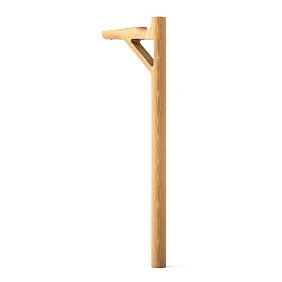
What is furniture hardware
The word 'hardware' in the professional environment covers a much wider range of products than the average buyer thinks. Most people, hearing this word, imagine handles or hinges. But in reality, it's about a whole ecosystem of parts, mechanisms, and materials without which no piece of furniture becomes a complete product.
Furniture hardware is the set of structural, functional, and decorative elements that ensure the assembly of furniture, its mechanical operation, and aesthetic design. Without hardware, furniture is merely a set of prepared boards and blocks. It is the components that turn this set into a living, convenient, beautiful interior item.
Hardware performs three fundamentally different functions at once:
-
Structural — fastens parts, holds the structure in the required geometry, provides load-bearing capacity.
-
Functional — ensures mechanical operation: opening and closing doors, sliding out drawers, lifting fronts, rotating sections.
-
Decorative — forms the visual image of the product, creates style, emphasizes design.
An important nuance: these functions are often combined in one product. For example, a wooden handle is simultaneously a functional element (you grasp it with your hand) and a decorative accent that defines the style of the entire set.
The market for furniture components is huge today. Thousands of items, dozens of manufacturers, prices varying by multiples. That's why a competent approach to choosing furniture hardware requires a systematic understanding—not an intuitive 'I'll buy whatever is cheaper.'

What types of furniture hardware exist
Perhaps the most extensive section of any discussion about furniture components is classification. Types of hardware are typically divided by purpose: functional and decorative. However, within each category lies its own branched system.
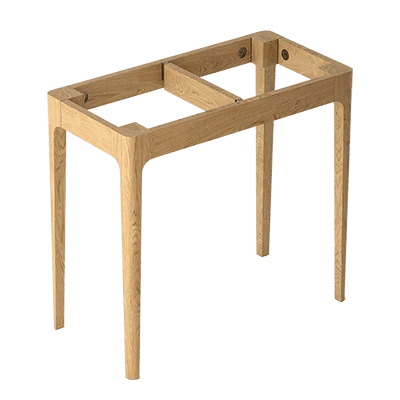
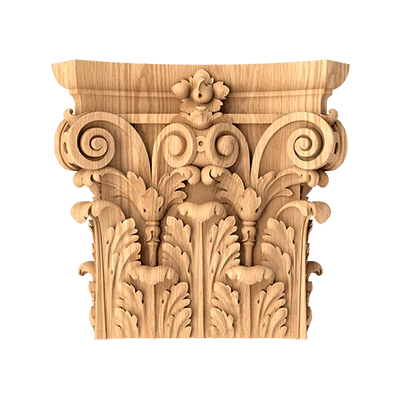
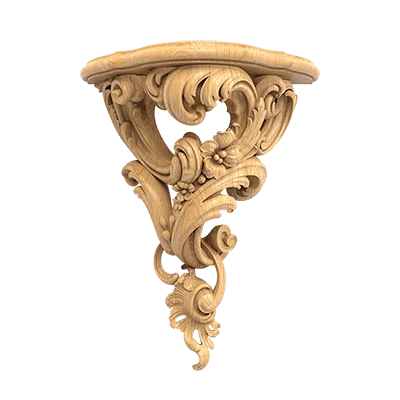
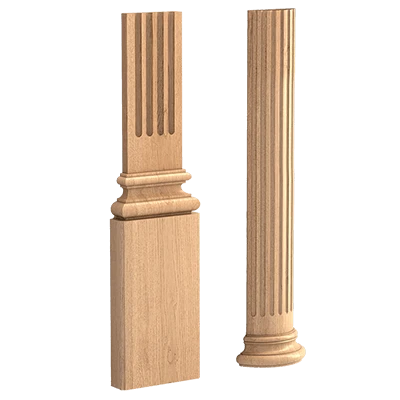
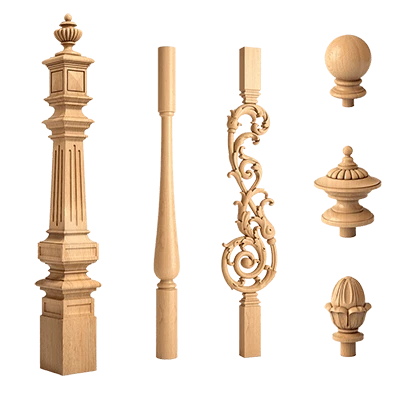
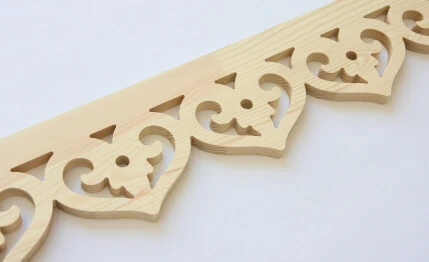
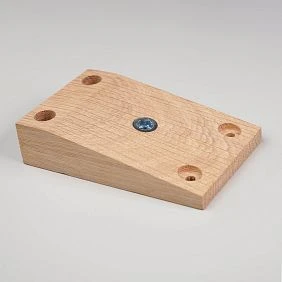
Our factory also produces:

Furniture hinges
A hinge is a basic element for hanging doors. Simple? At first glance, yes. But delve deeper—and it turns out there are dozens of varieties of hinges, each solving its own specific task.
By type of door mounting, they are distinguished:
-
Overlay hinges—the door completely overlaps the end of the cabinet's side panel
-
Half-overlay—the door covers half the thickness of the end (when there are two doors on one cabinet)
-
Inset (inlay) hinges—the door is located inside the cabinet, 'flush' with the side panel
-
Corner—specialized for corner sections with non-standard opening geometry
By functional characteristics:
-
With integrated soft-close mechanism — prevents slamming, ensures smooth self-closing
-
With push-to-open mechanism — opens with a light press without a handle, for handleless design
-
With extended opening angle of 165–170° — for corner cabinets and hard-to-reach sections
Opening angle is the most important parameter when choosing. The standard 110° suits most cabinets. For corner sections, 165° or more is needed. For furniture placed flush against a wall — special hinges with a limited angle.
Modern hinges with a closer are practically an industry standard in the segment above economy class. The hydraulic braking mechanism prevents a sharp impact when closing, extending the life of the hinges, fronts, and the cabinet itself.
Get Consultation
Drawer slides
A drawer is a structure that is opened on average 10–20 times a day. Multiply by 365 days, and you get 3,600–7,200 cycles per year. Over five years — up to 36,000 openings. Now the question: which slides will withstand such a load without losing smoothness?
Roller slides — the simplest and most budget-friendly option. A pair of rollers on each side of the drawer, load capacity up to 20–25 kg. They perform acceptably on light drawers under moderate load. The downside is gradual wear of the rollers, leading to play and squeaking.
Ball-bearing slides — a qualitatively different level. The ball bearing ensures almost silent operation, load capacity 30–45 kg. Available with a closer (smooth self-closing) and without. The standard for kitchen sets and mid-range furniture.
Telescopic slides with full extension — the professional segment. The drawer extends 100% of its depth, which is crucial for deep drawers (over 400 mm). Load capacity — up to 70 kg. Integrated closer, optional push-to-open. Used in kitchens, office furniture, storage systems.
Hidden bottom runners are an elegant solution for designer furniture. The entire mechanism is tucked under the drawer bottom, with no runners visible from the outside. Creates the impression of a 'drawer without hardware'—a monolithic volume. Widely used in Scandinavian style and minimalism.
Lift mechanisms and gas lifts
A gas lift is a pneumatic shock absorber that operates on compressed gas. When opening the front, the gas expands and lifts the door upward. When closing—it smoothly lowers it without impact.
Gas lifts are used:
-
In top cabinets of kitchen sets
-
In lift-up beds
-
In lids of poufs and banquettes
-
In cabinets of sliding wardrobes
The key parameter for selecting a gas lift is the force in newtons (N). It must strictly correspond to the weight of the front being lifted. A weak gas lift will not hold the door in the open position. One that is too strong will cause it to pop open at the slightest touch. Rule: weigh the front before purchase and choose a gas lift for the specific weight.
Lift systems (flap mechanisms) are more complex constructions that combine several gas lifts with guide levers. Allow the front to lift parallel to the body (Aventos HK-S, HS, HF—different lift trajectories for different tasks). Used in kitchens with high ceilings, in designer furniture with large fronts.
Fastening hardware
Invisible, but absolutely critical category. It is the fasteners that hold the entire structure together.
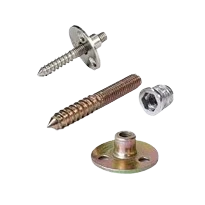
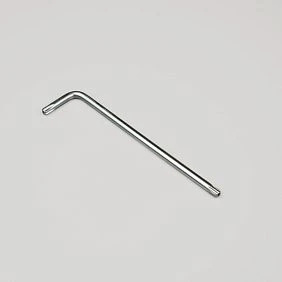
Confirmat (Euro screw) — a threaded fastener with a diameter of 7 mm and a length of 50–70 mm for connecting chipboard panels at a right angle. It features high tensile strength and is easy to install. Requires a special drill bit and a TORX T-25 socket wrench. Disadvantage — the connection is non-demountable.
Wooden dowel — a cylindrical pin made of birch or beech. Used for precise positioning of parts during assembly and reinforcing glued joints. Dimensions are standardized: diameter 8 mm, length 30–35 mm.
Minifix (eccentric fastener) — a demountable fastener that allows furniture to be assembled and disassembled multiple times. Consists of a bolt (screwed into one part) and an eccentric (installed in the other). Rotating the eccentric 180° — the connection is locked. Reverse rotation — disassembled. Ideal for furniture that is transported.
Shelf supports — metal pins or plastic clips for fixing shelves in a cabinet. Installed in a row of standard holes with a 32 mm pitch, allowing shelf height adjustment.
Furniture brackets — angular metal and plastic elements for additional reinforcement of corner joints. Especially important for products bearing heavy loads (bookshelves, work desks).
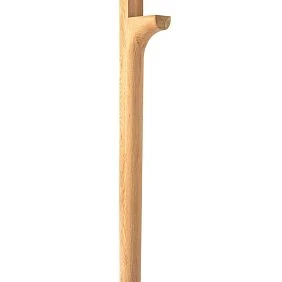
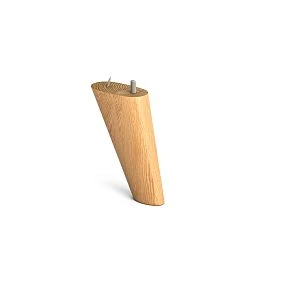
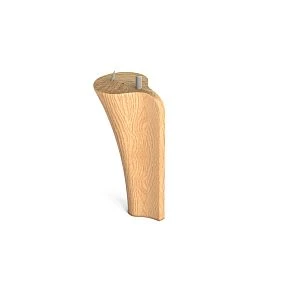
Legs and glides
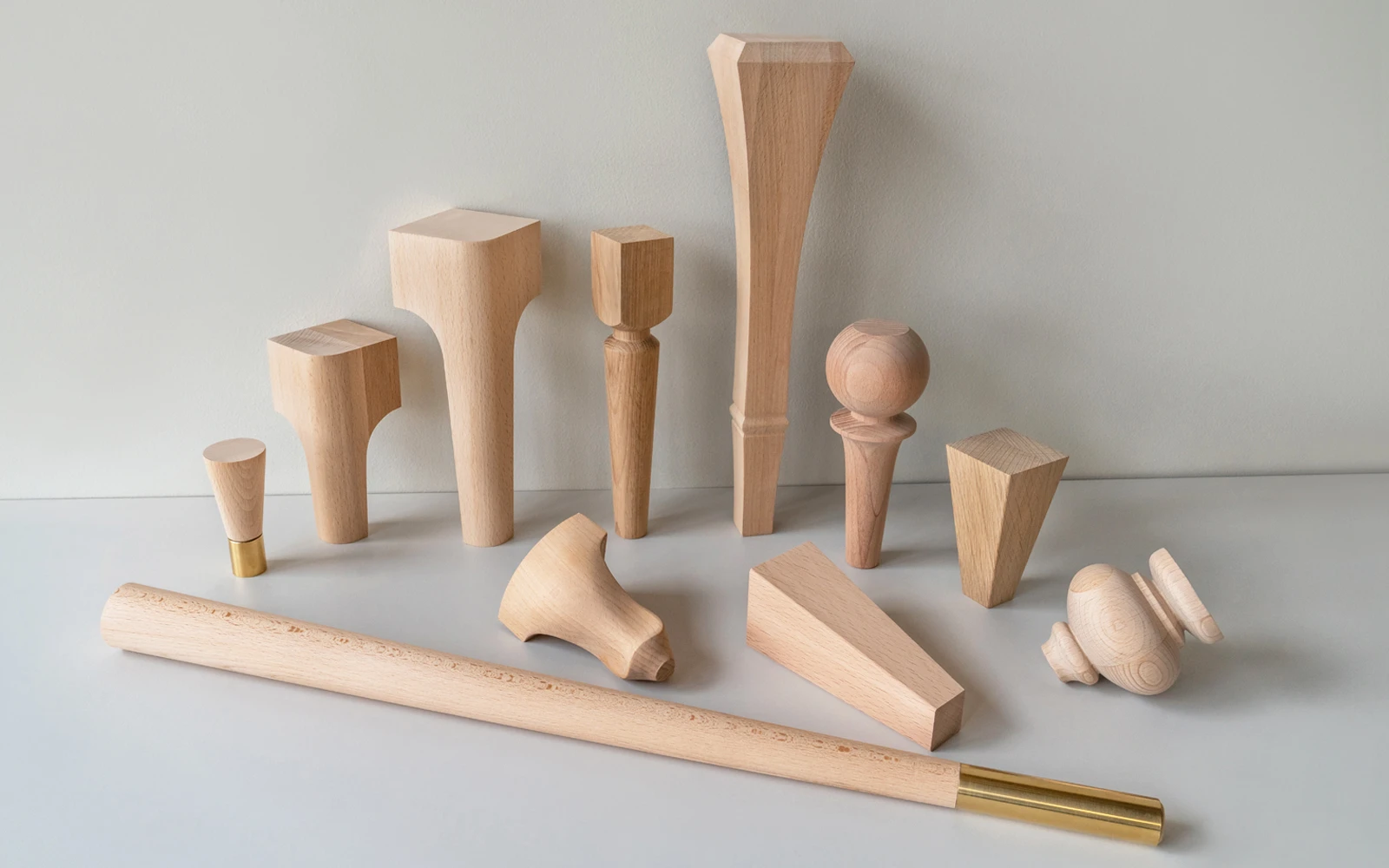
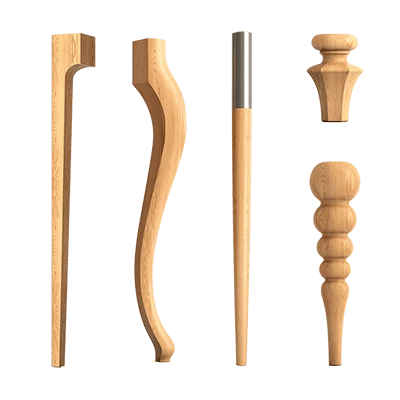
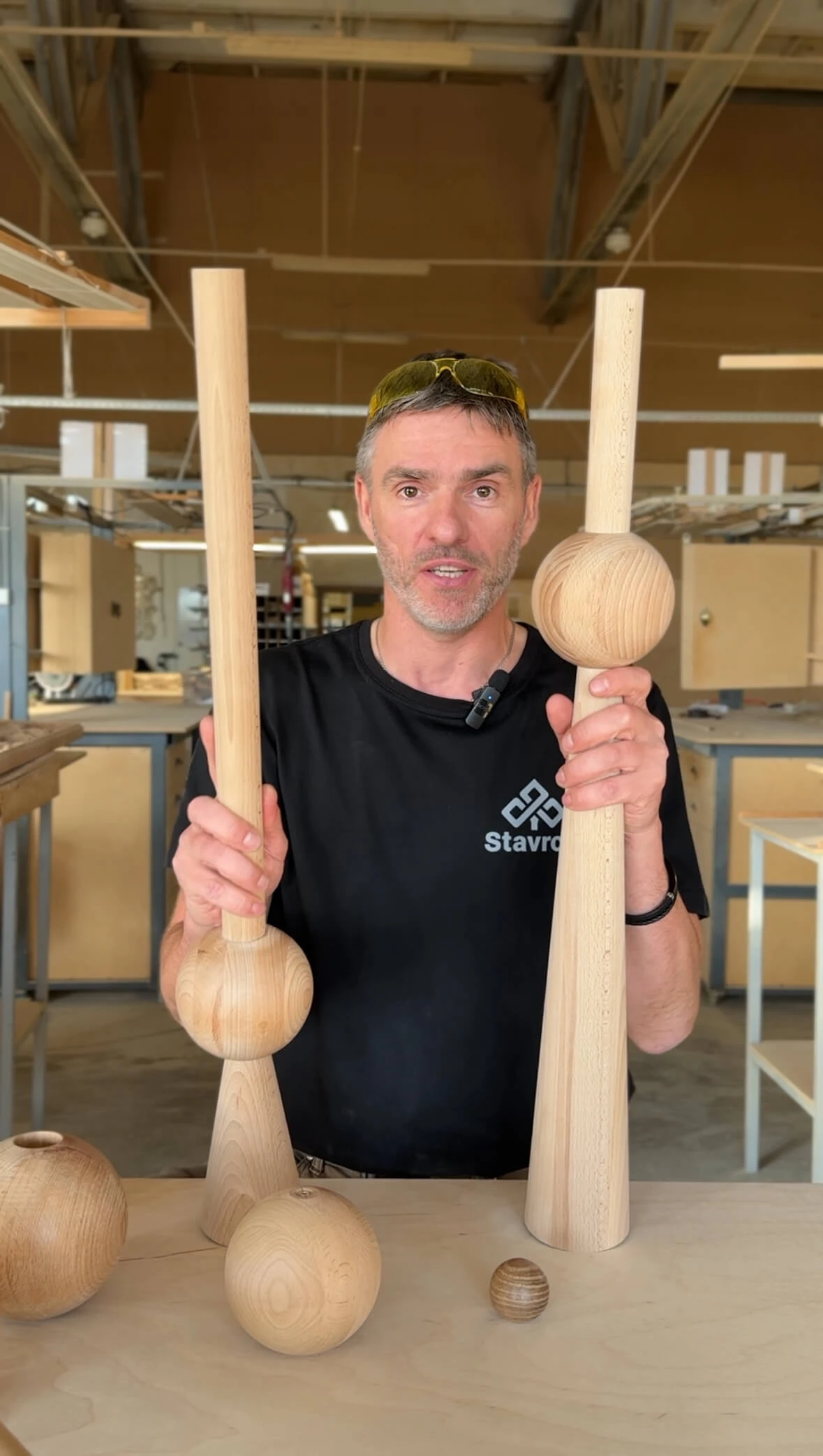
Legs — a functional and decorative element simultaneously. They bear the entire weight of the product, compensate for floor unevenness, and influence the visual perception of the furniture.
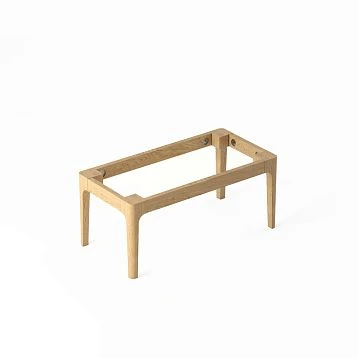
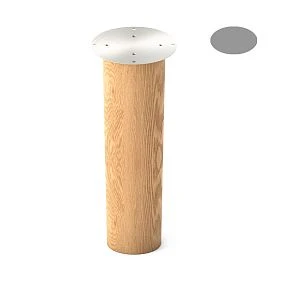
Adjustable legs for kitchen units — a mandatory element of professional assembly. An adjustment range of 10–15 cm covers actual floor unevenness. Installed via a mounting plate screwed into the bottom panel of the cabinet.
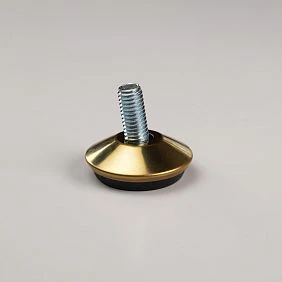
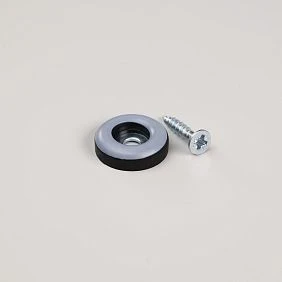
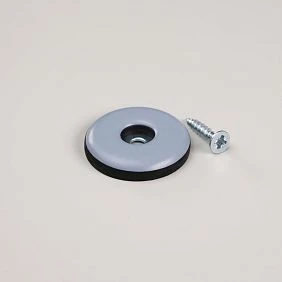
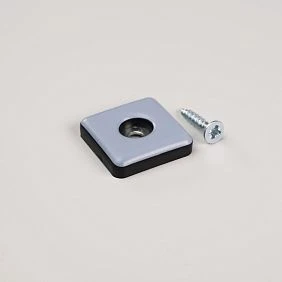
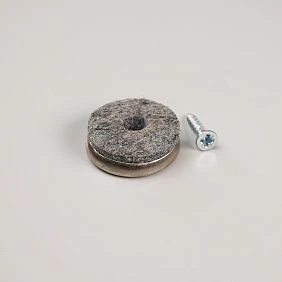
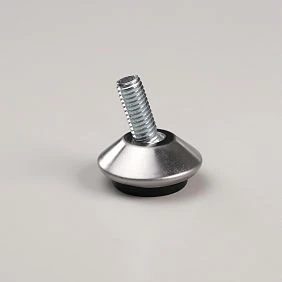
Furniture leg glides— an element often considered last, yet one that solves many practical issues. Felt glides protect flooring from scratches and reduce noise when moving furniture. Adjustable plastic glides D25 and D32 allow for precise leveling without shims. Square glides 25×25 mm are used for furniture with square-section legs.
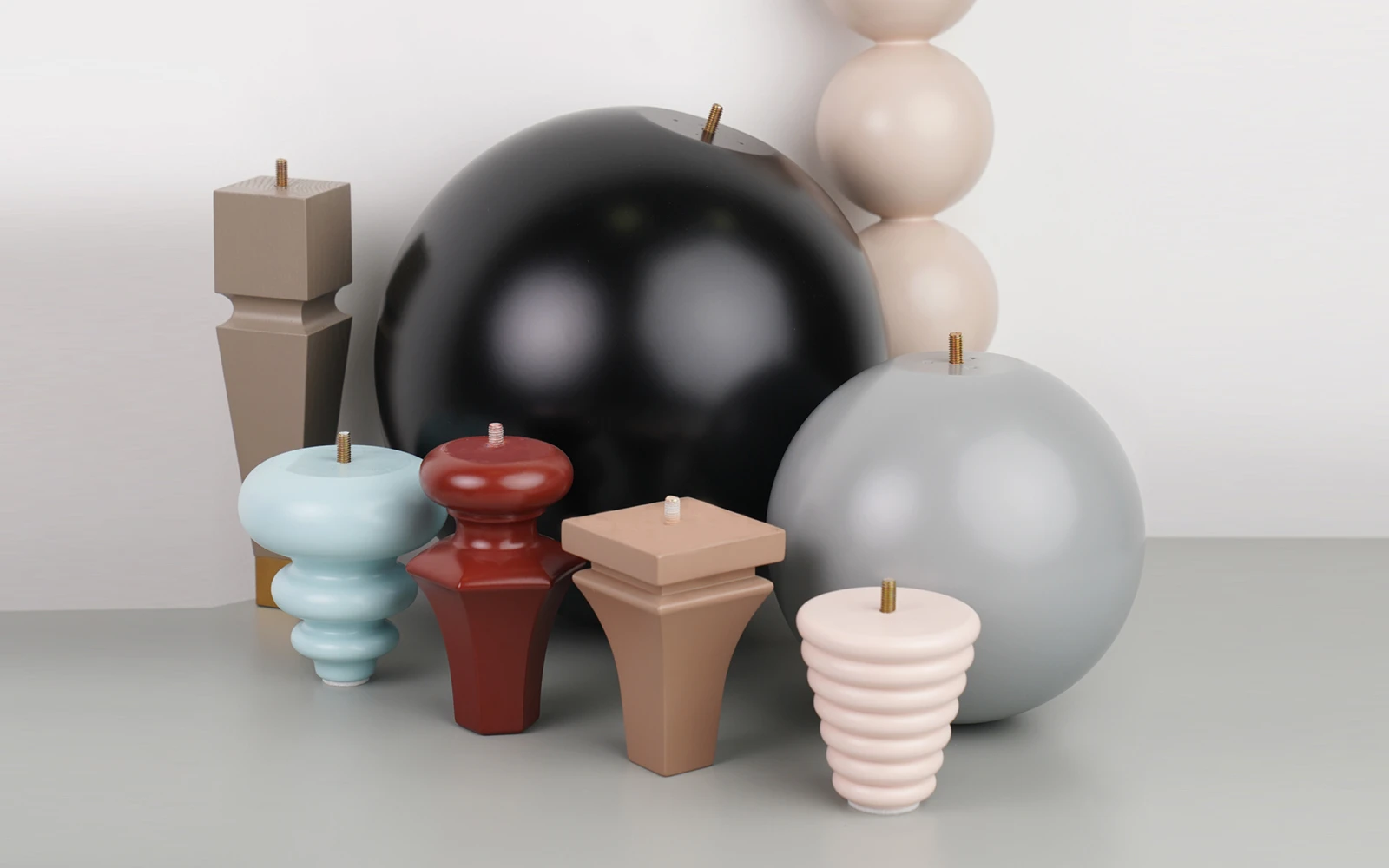
Decorative legs made of stainless steel, brass, anodized aluminum — a separate aesthetic story. They are visible from the outside and define the product's style: classic, loft, high-tech, Scandinavian minimalism — each style has its own leg.
Decorative furniture hardware: handles, overlays, profiles
Decorative hardware is the face of furniture. It creates the first and most important visual impression.
Furniture handles are the most noticeable decorative element. Pull handles, knob handles, profile handles, shell handles, rail handles — each type carries its own stylistic message. Choosing a handle means choosing the character of the furniture.
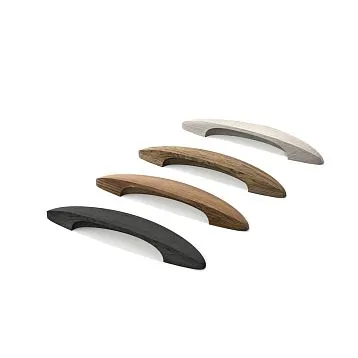
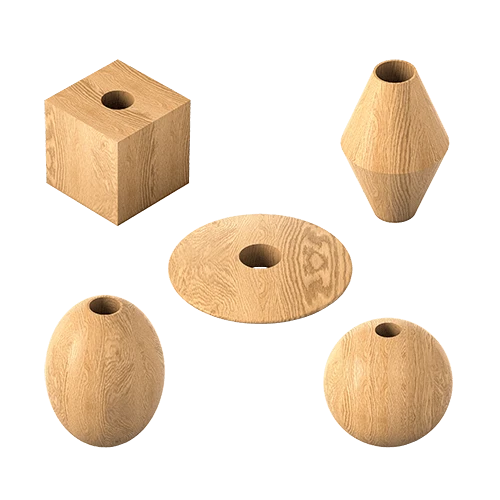
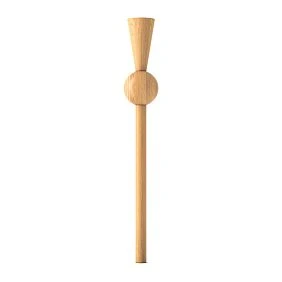
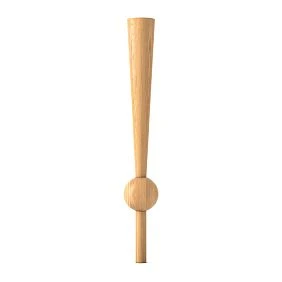
Wooden furniture handles made of solid woodBeech and oak handles are a special class. Manufactured using 3D milling, they reproduce complex profiles with perfect geometry. Wood is warm, organic; no metal can replicate this tactile warmth. In Japandi, rustic, Scandinavian, and eco-style interiors — wooden handles are indispensable.
Metal handles: chrome, matte nickel, black, gold, copper, bronze — a rich palette of finishes. Matte surfaces don't show fingerprints, polished ones shine but require maintenance.
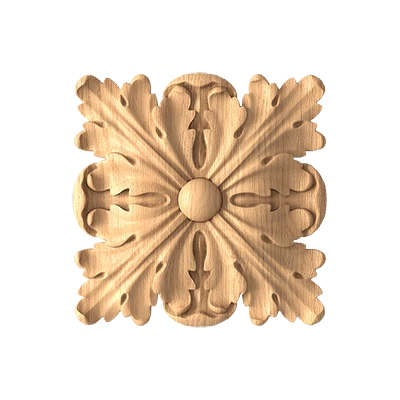
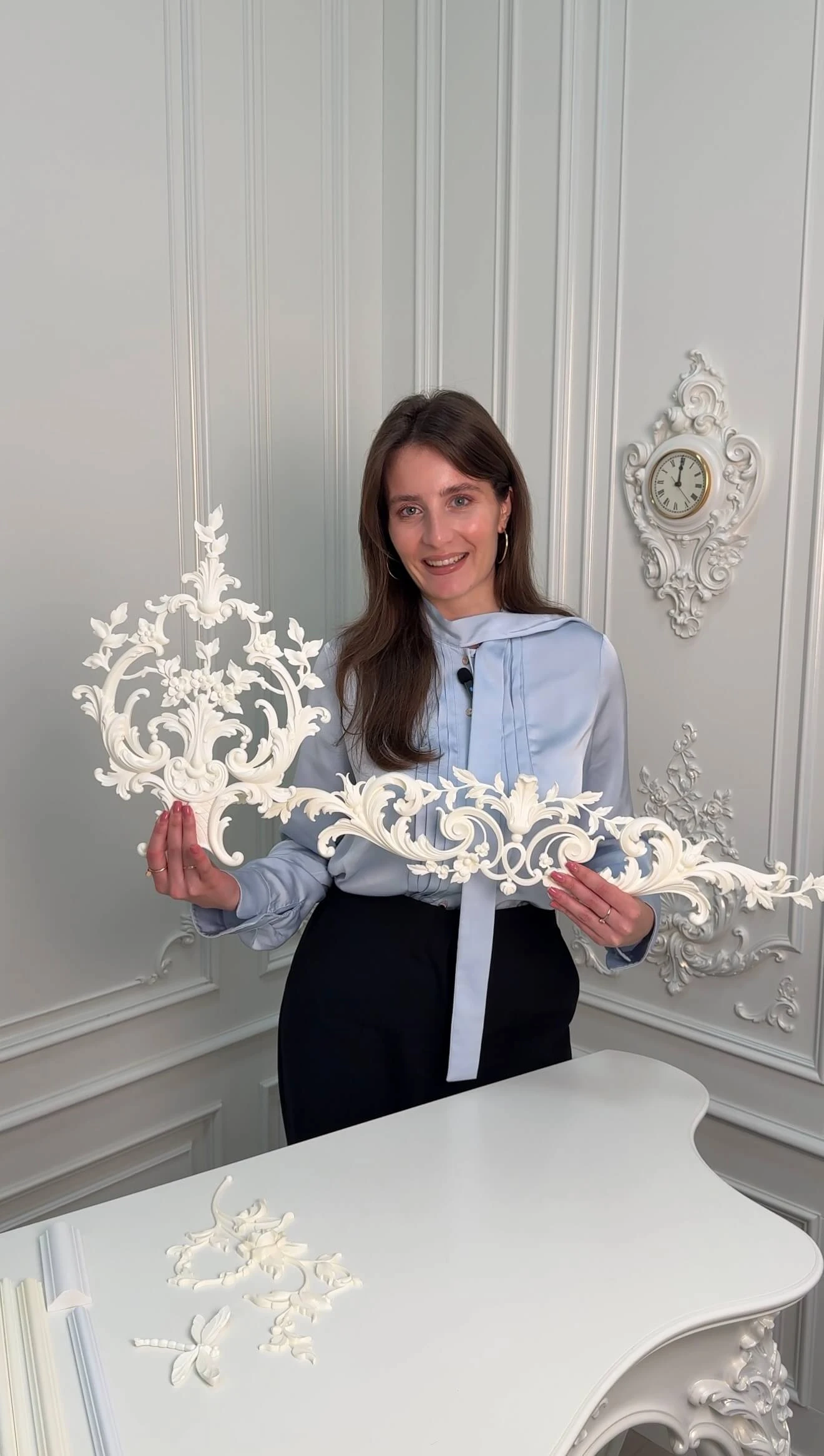
Decorative overlays and caps hide technological holes, confirmat screw heads, and panel edges. Metal caps matching the hardware finish look incomparably more presentable than old-style plastic ones.
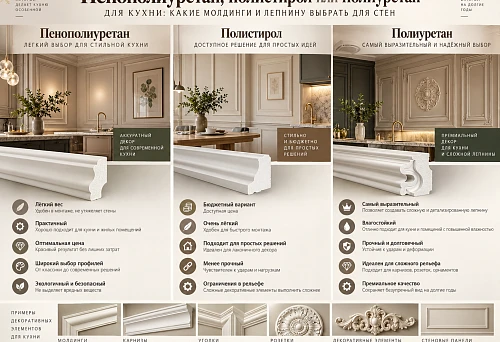
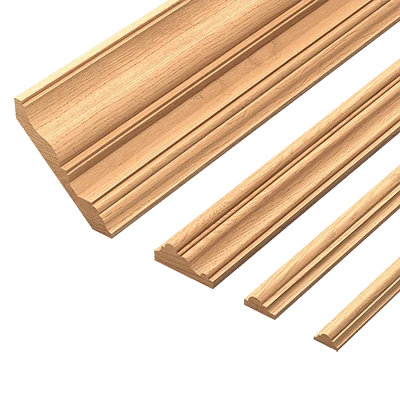
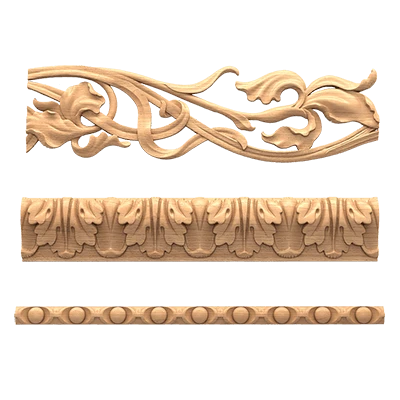
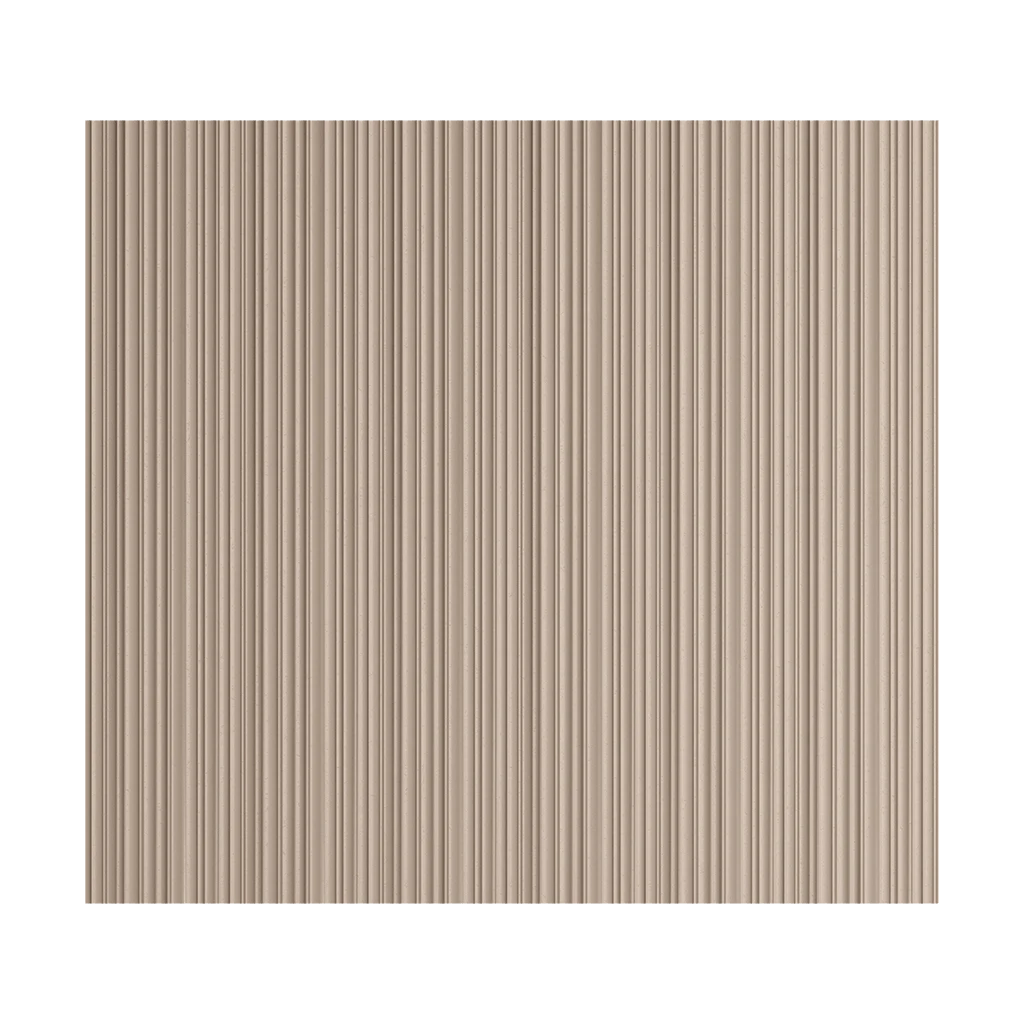
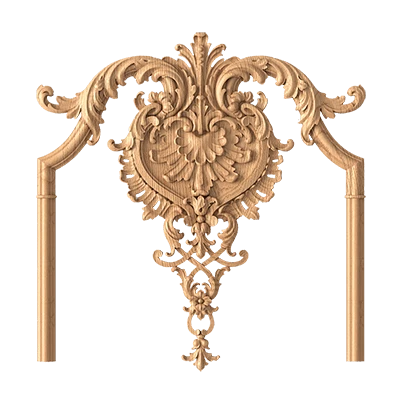
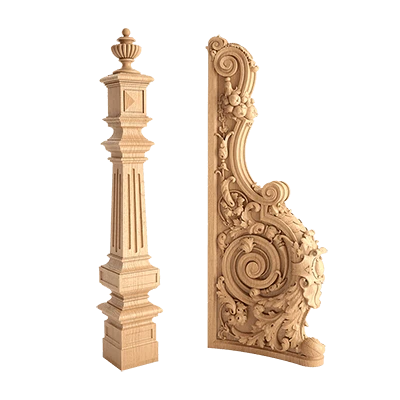
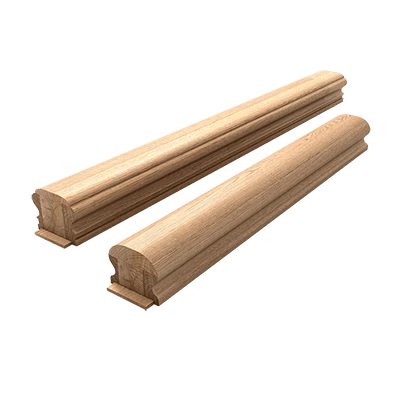
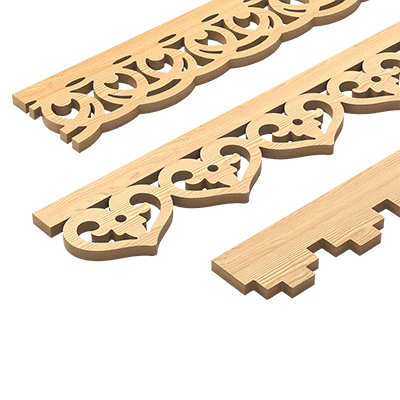
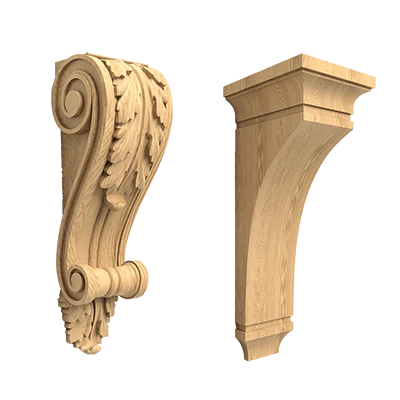
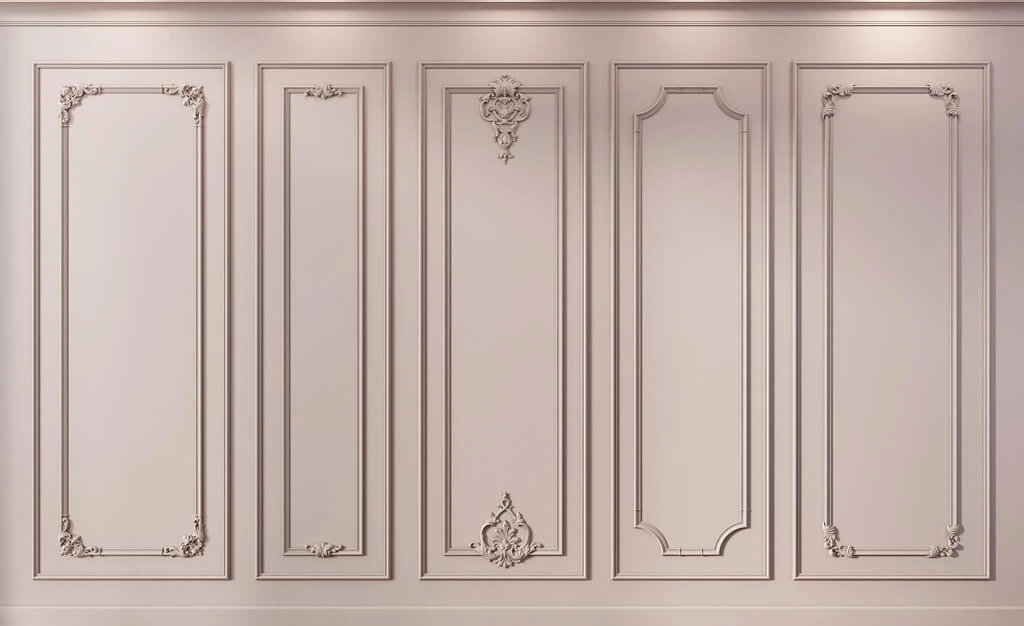
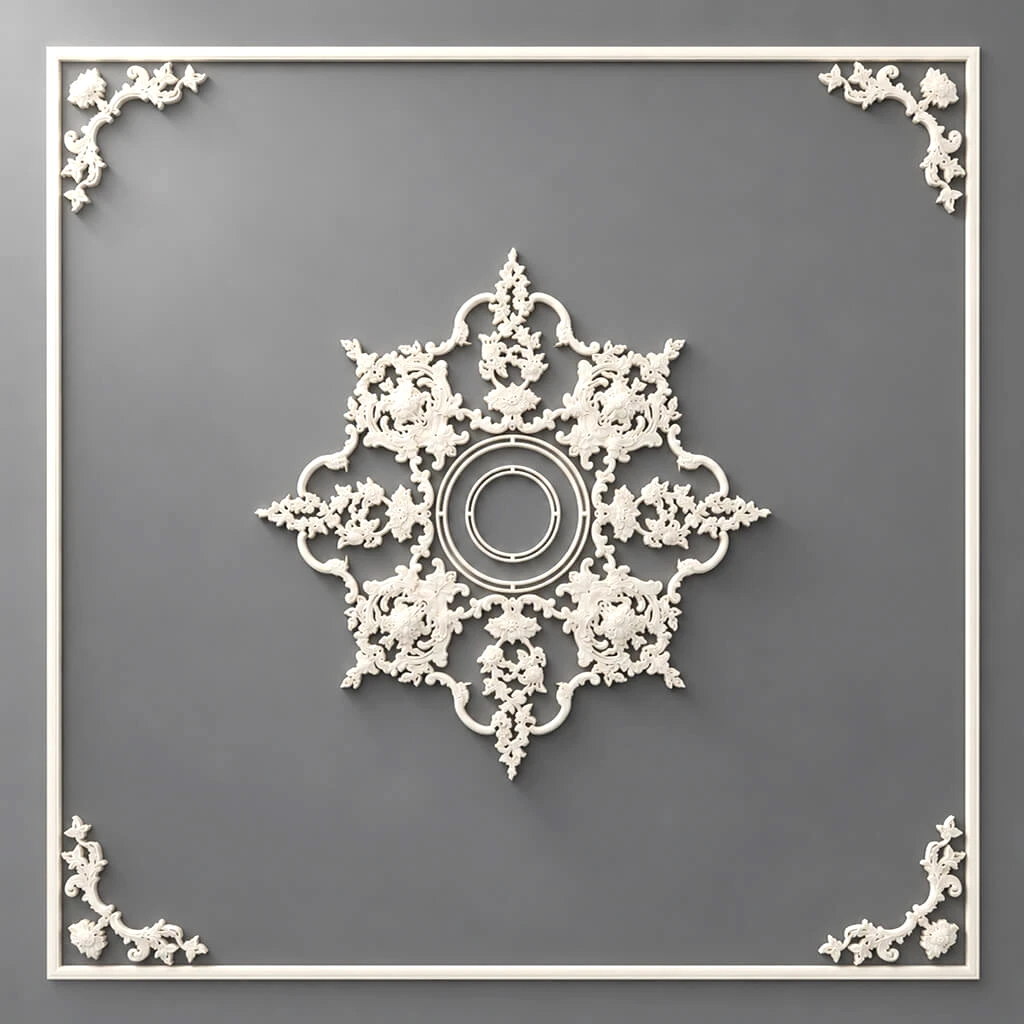
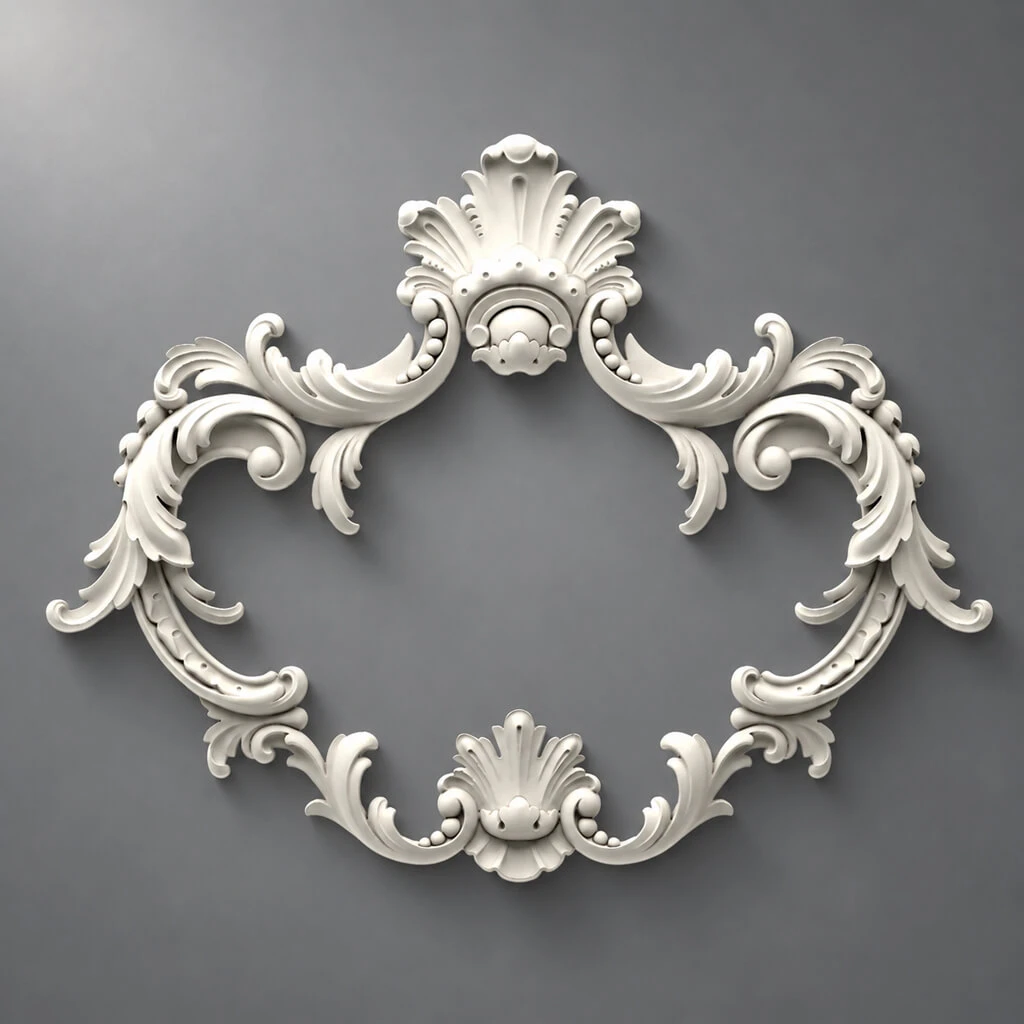
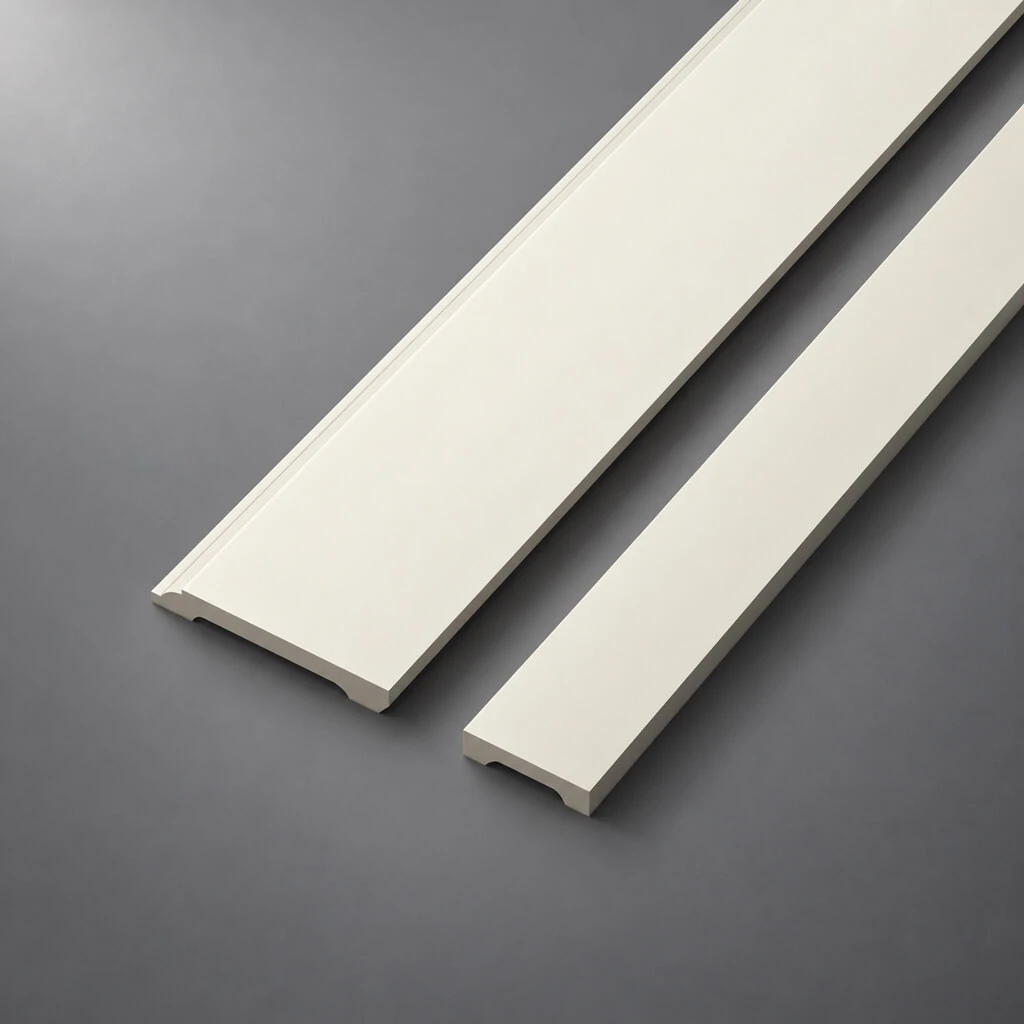
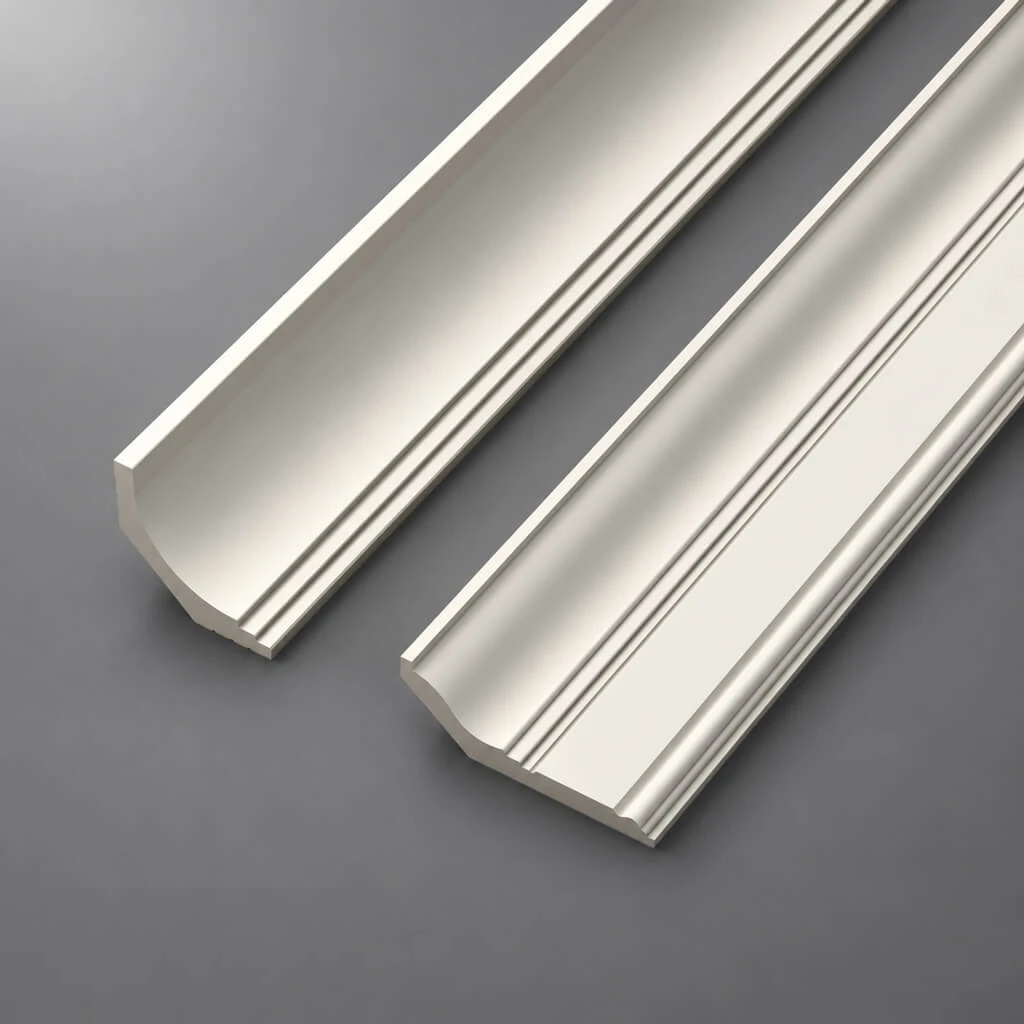
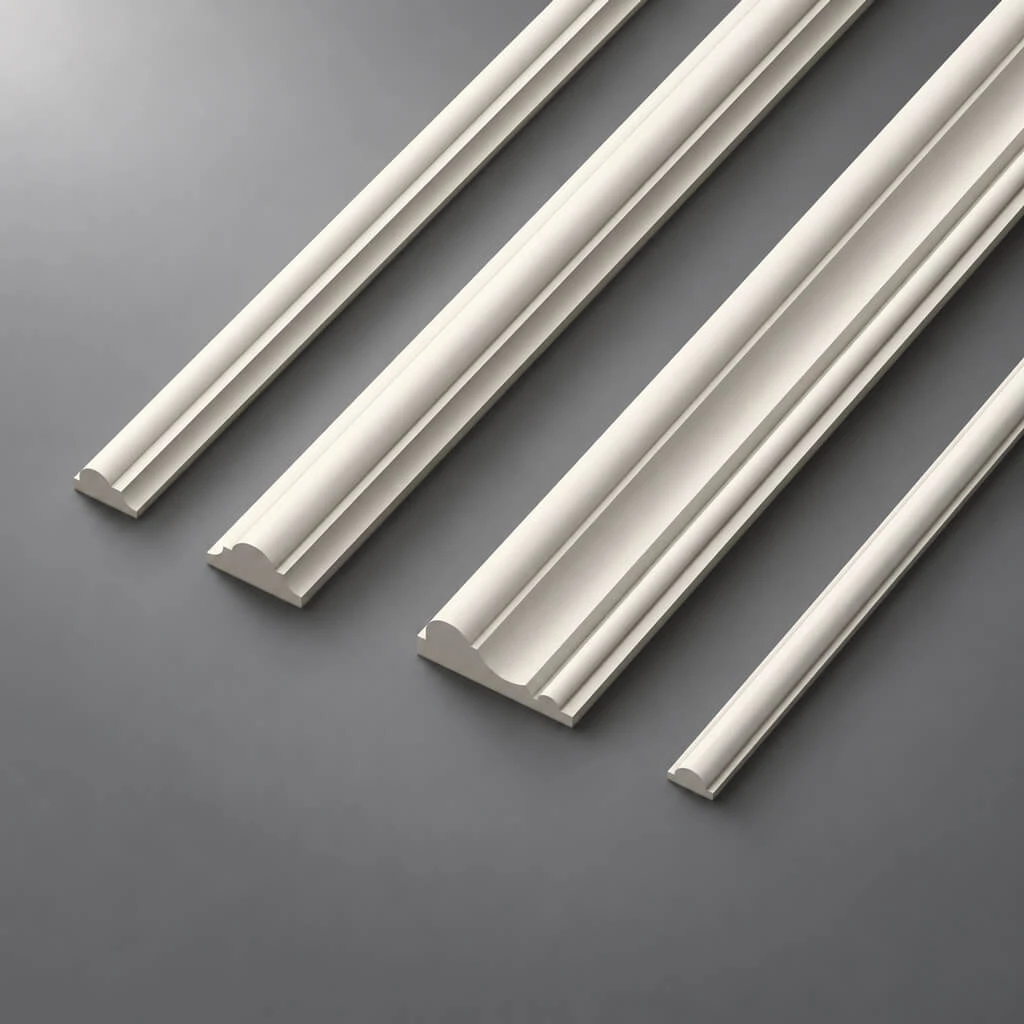
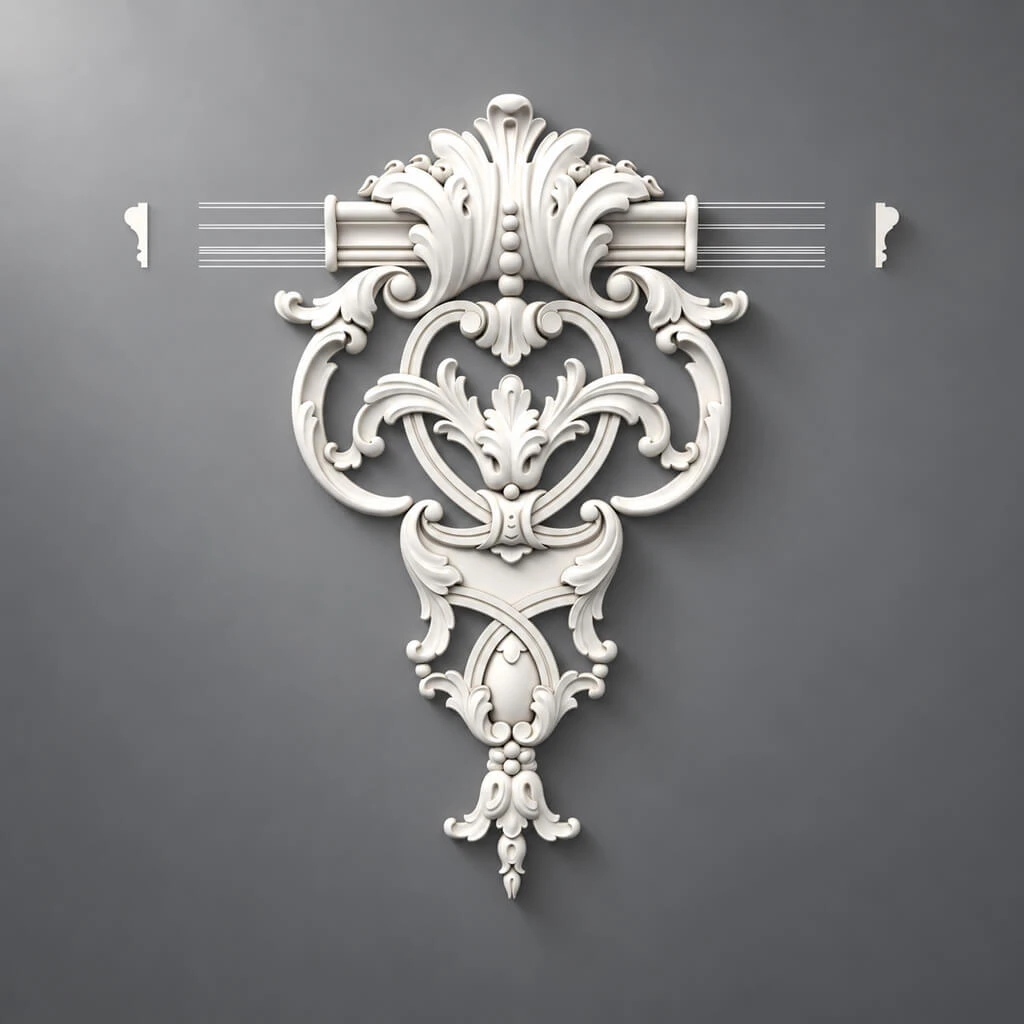
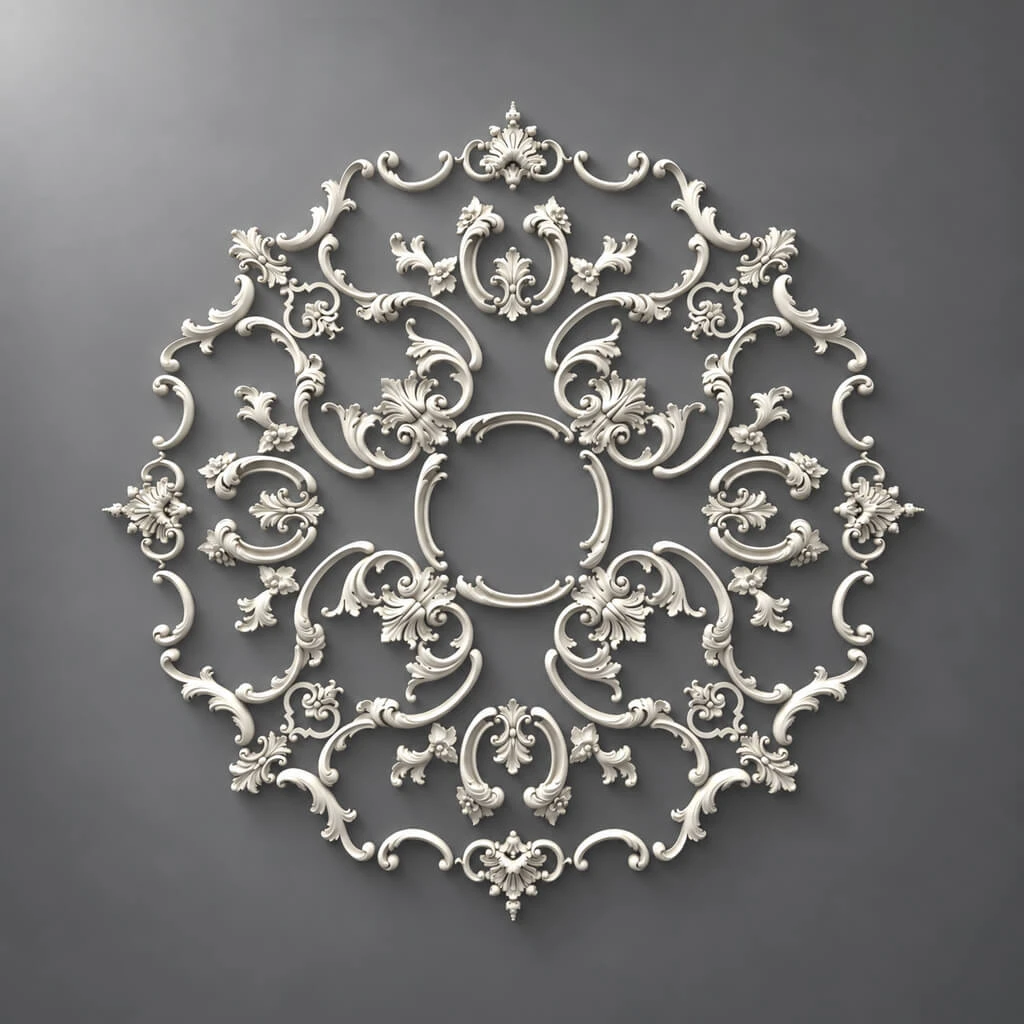
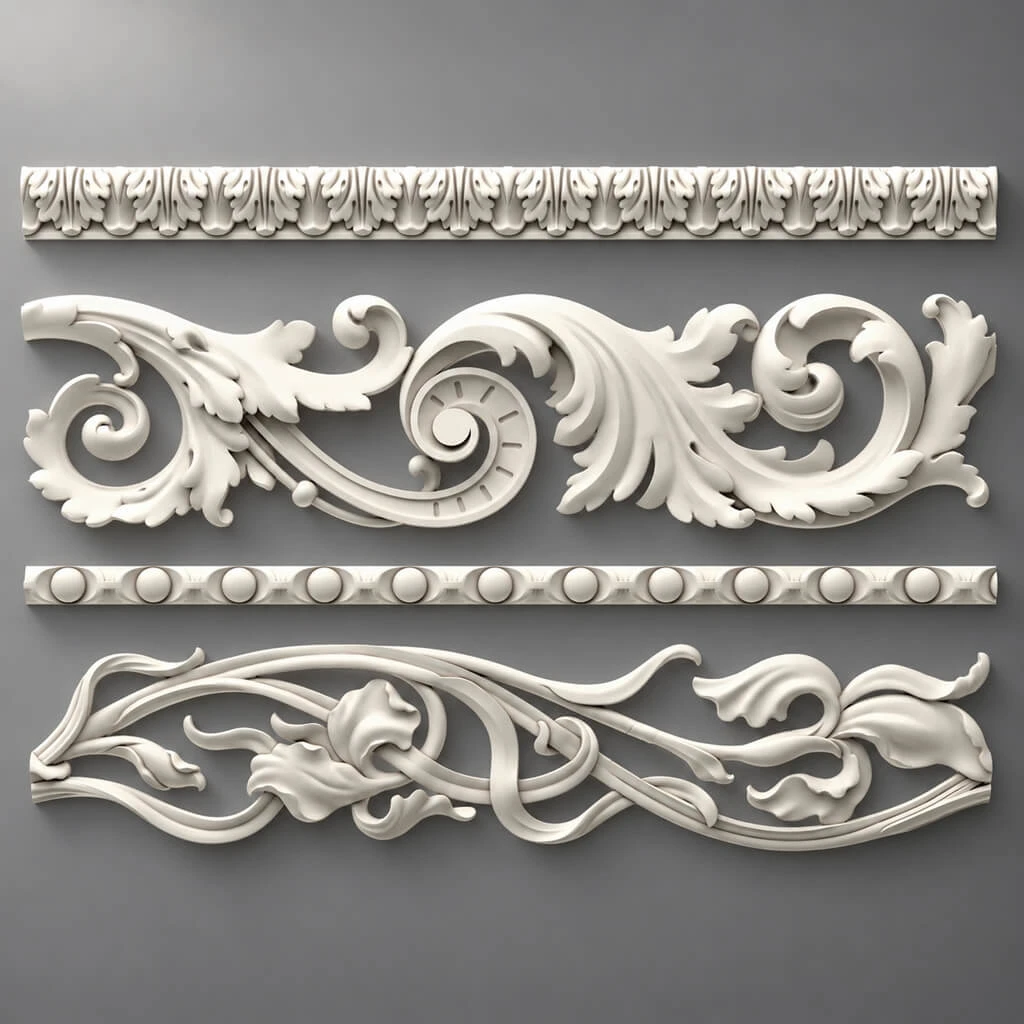
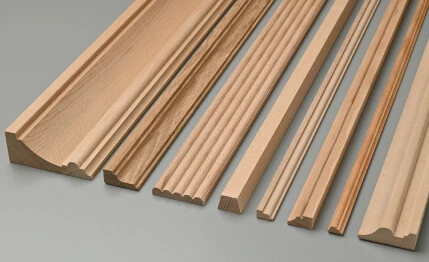
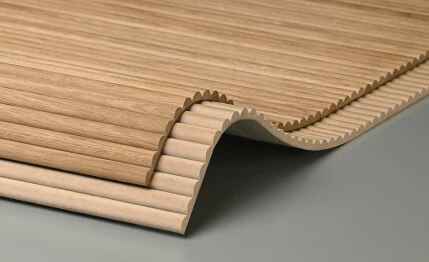
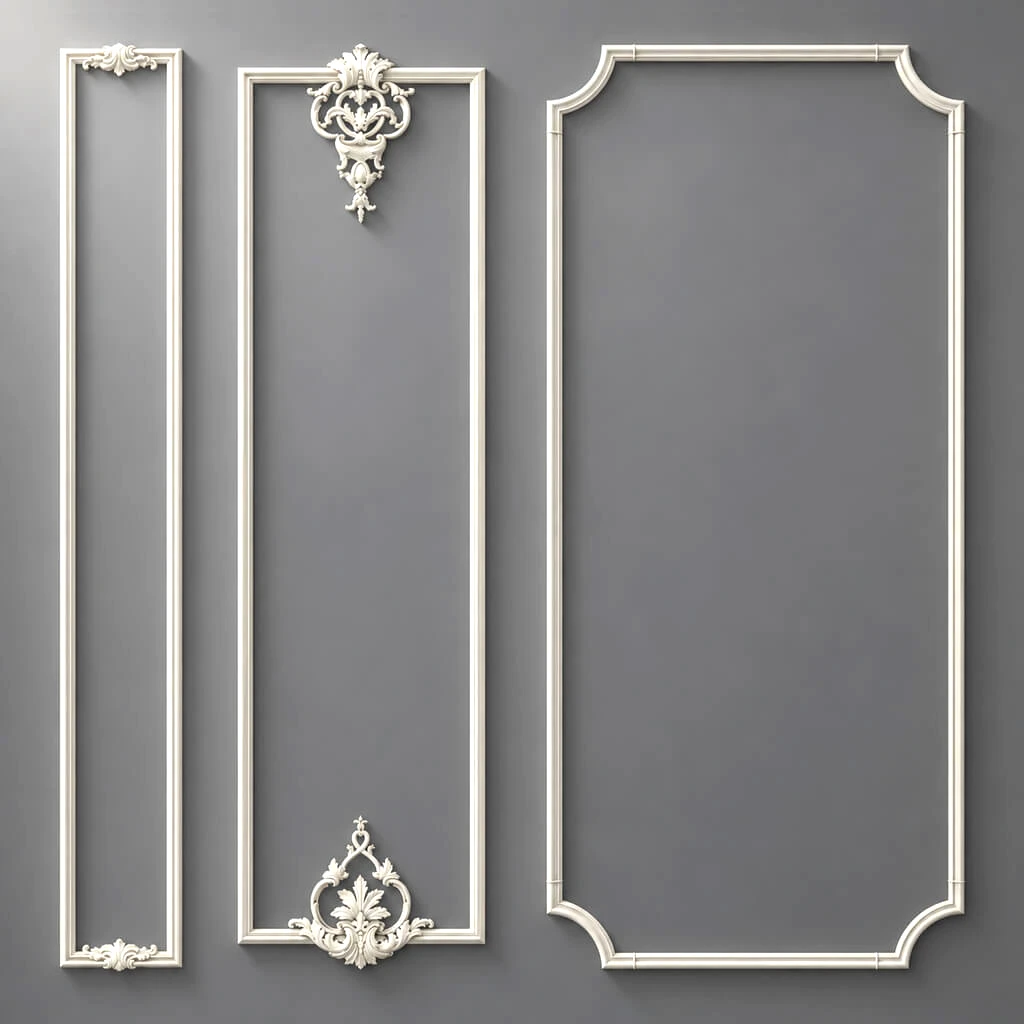
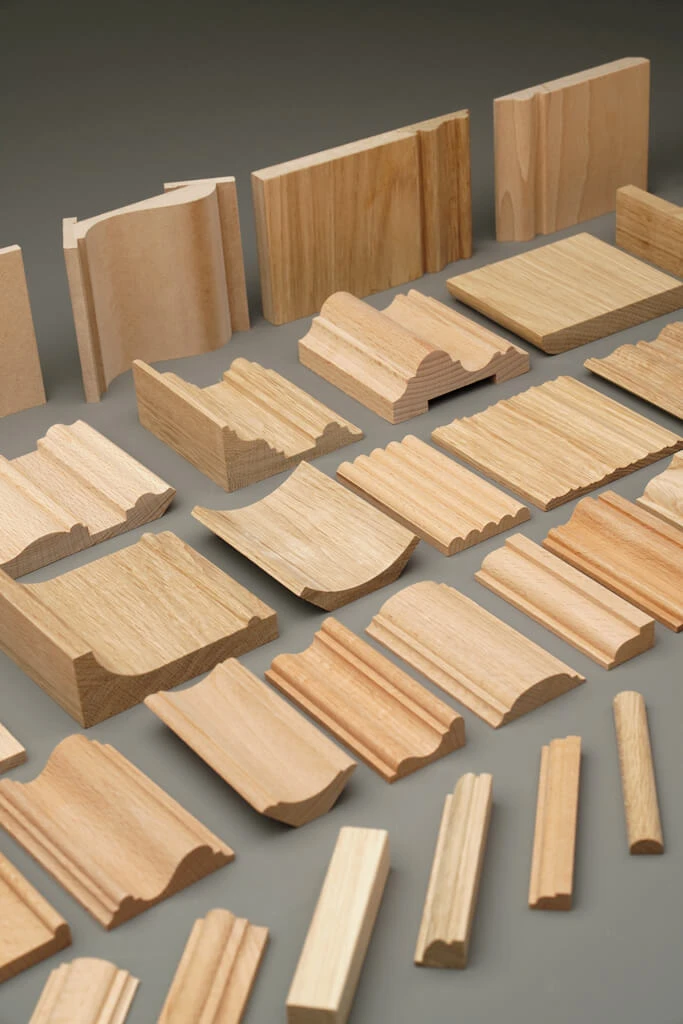
Decorative profiles (rails, moldings, overlay strips) are architectural elements that add volume, rhythm, and visual complexity to furniture.
Furniture hardware for different types of furniture
One of the most common mistakes is choosing hardware 'in general,' without tying it to a specific type of furniture and operating conditions. Let's break it down.
Hardware for kitchen furniture
The kitchen is the most intensively used area. Humidity, temperature fluctuations, grease, cleaning agents, hundreds of openings per day—all of this imposes strict requirements on hardware.
For a kitchen set, the following are essential:
-
Soft-close hinges—prevent slamming and impact on the cabinet, increasing the lifespan of the entire product
-
Telescopic slides for bottom drawers—with a load capacity from 35 kg, full extension
-
Gas lifts or lifting mechanisms for top cabinets—precisely matched to the weight of the front panel
-
Adjustable legs for leveling the set horizontally
-
Push-to-open systems—for handleless designs
Kitchen hardware material: stainless steel, galvanized steel, anodized aluminum. Cheap alloys with decorative coating quickly lose their appearance when in contact with kitchen chemicals.
Furniture hardware for the kitchen— this is not the place to save money. One gas lift that fails under a heavy overhead compartment creates a serious injury hazard. One broken guide completely disables a drawer. Repair is more difficult and expensive than initially purchasing quality hardware.
Hardware for cabinets and storage systems
A cabinet — from a simple base unit to a multi-section system with mirrors and pull-out blocks — requires, first and foremost, precise door hanging and a reliable mounting skeleton.
Key elements:
-
Hinges with three-dimensional adjustment — alignment in height, depth, and lateral shift without reworking holes
-
Ball-bearing drawer slides — with load capacity suited to specific contents
-
Shelf supports — with a 32 mm pitch, designed for the load of books and heavy items
-
Minifix fittings — if the cabinet is planned to be transported or periodically disassembled
For built-in sliding wardrobes — a fundamentally different set: sliding systems with aluminum profiles, roller blocks, bottom guides, seals for quiet door operation.
Hardware for solid wood furniture
Solid wood is a living material. It breathes, reacts to humidity and temperature, and moves. This means the standard fastening approach used for particleboard is not applicable here.
For solid wood furniture, the following are used:
-
Wooden dowels — made of birch or beech, compatible in physical properties with the main material
-
Concealed hinges — maintain a perfectly clean appearance without visible metal elements
-
Expansion-compensating fasteners — special sliding connections that allow the wood to move without destroying the structure
-
Natural oils and waxes for surface finishing
Materials for installation and finishing of solid wood furniture— a separate category deserving special attention. Rubio Monocoat Oil Plus 2C penetrates deeply into the fiber structure, protects from moisture and stains from within, while not forming a film on the surface — the wood remains 'breathable' and alive to the touch.
Hardware for dressers and nightstands
A dresser is an item with many drawers, and it is the slides that determine whether using it will be a daily pleasure or a daily irritation. For dressers with drawers 300–450 mm deep, ball-bearing slides with soft-close are optimal. For deep drawers for bedding — telescopic slides with full extension.
Dresser handles are an important stylistic accent. A classic dresser with brass shell handles is one story. A loft-style dresser with black profile handles is a completely different one.Solid beech wooden handles— a universal option suitable for most modern interiors.
How to choose furniture hardware: a systematic approach
The question 'how to choose' is one of the most popular search queries on this topic, and for good reason. The choice is indeed non-trivial. Let me suggest a step-by-step algorithm.
Step 1: Determine the type of furniture and operating conditions
First of all — what kind of furniture is it, where is it located, how intensively is it used? A kitchen set in a family with three children and a kitchen set in a single person's apartment are different tasks. A bedroom and a bathroom are different environments.
Step 2: Calculate the load
Weigh the fronts, estimate the contents of the drawers. Don't guess — weigh. Add a 25–30% safety margin to the calculated load.
Step 3: Choose the functional type
Based on steps 1 and 2, choose:
-
Hinge type and quantity (with soft-close, opening angle)
-
Guide rail type (roller, ball-bearing, telescopic)
-
Lift mechanism type (gas lift or flap system)
-
Fastener type (confirmat, minifix, combined)
Step 4: Select decorative hardware to match the interior style
Determine the style direction: minimalism, classic, loft, Scandinavian, rustic, high-tech. Each style has its own metal finish, handle shape, and texture.
Step 5: Check the technical parameters
Ensure compliance:
-
Hinge cup diameter (standard 35 mm for most cabinets)
-
Guide rail length = drawer depth minus 20–25 mm
-
The handle's center-to-center distance matches the holes on the facade
-
The diameter and length of the confirmat correspond to the board thickness
What to look for when buying furniture hardware
Purchasing is a separate process that requires its own system. Beautiful photos on the website and convincing descriptions still don't guarantee you'll get what you expect.
Material and Finish
Steel comes in different types. Galvanized steel is moisture-resistant, suitable for kitchens and bathrooms. Cold-rolled steel without coating rusts upon first contact with moisture. Stainless steel (AISI 304) offers maximum corrosion resistance and is used where requirements are particularly high.
Coatings: nickel plating, chrome plating, zinc plating, powder coating. Coating quality directly affects appearance durability. Matte coatings are more practical than polished ones—scratches and fingerprints are less visible.
Manufacturing accuracy
A good hinge is primarily about precision. The mounting cup should fit into the hole without play. Adjustment screws should move smoothly without binding. The soft-close mechanism should operate evenly without jerking.
Check by touch: quality hardware feels different—heavier, denser, more substantial. Cheap products often reveal themselves at first touch.
Availability of technical documentation
A serious supplier always has: product technical data sheets, load capacity data, installation diagrams, warranty terms. Absence of these documents is reason to question the supplier's reliability.
Compatibility with the existing system
If you are replacing only part of the hardware (e.g., drawer slides), ensure the new products are compatible with the existing holes in the cabinet. The 32 mm standard (distance between rows of holes) used by most European manufacturers is a good guideline, but it's always better to check the details.
Decorative furniture hardware: where it is especially important
The decorative aspect of hardware is a topic often underestimated. Meanwhile, it is precisely the decorative elements that determine whether furniture will be 'just furniture' or an interior piece that you notice and admire.
In a classical interior
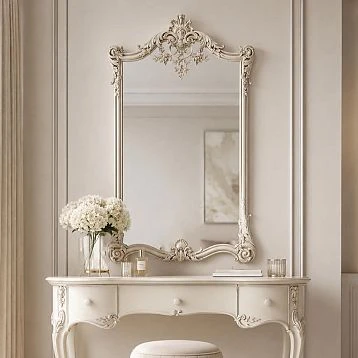
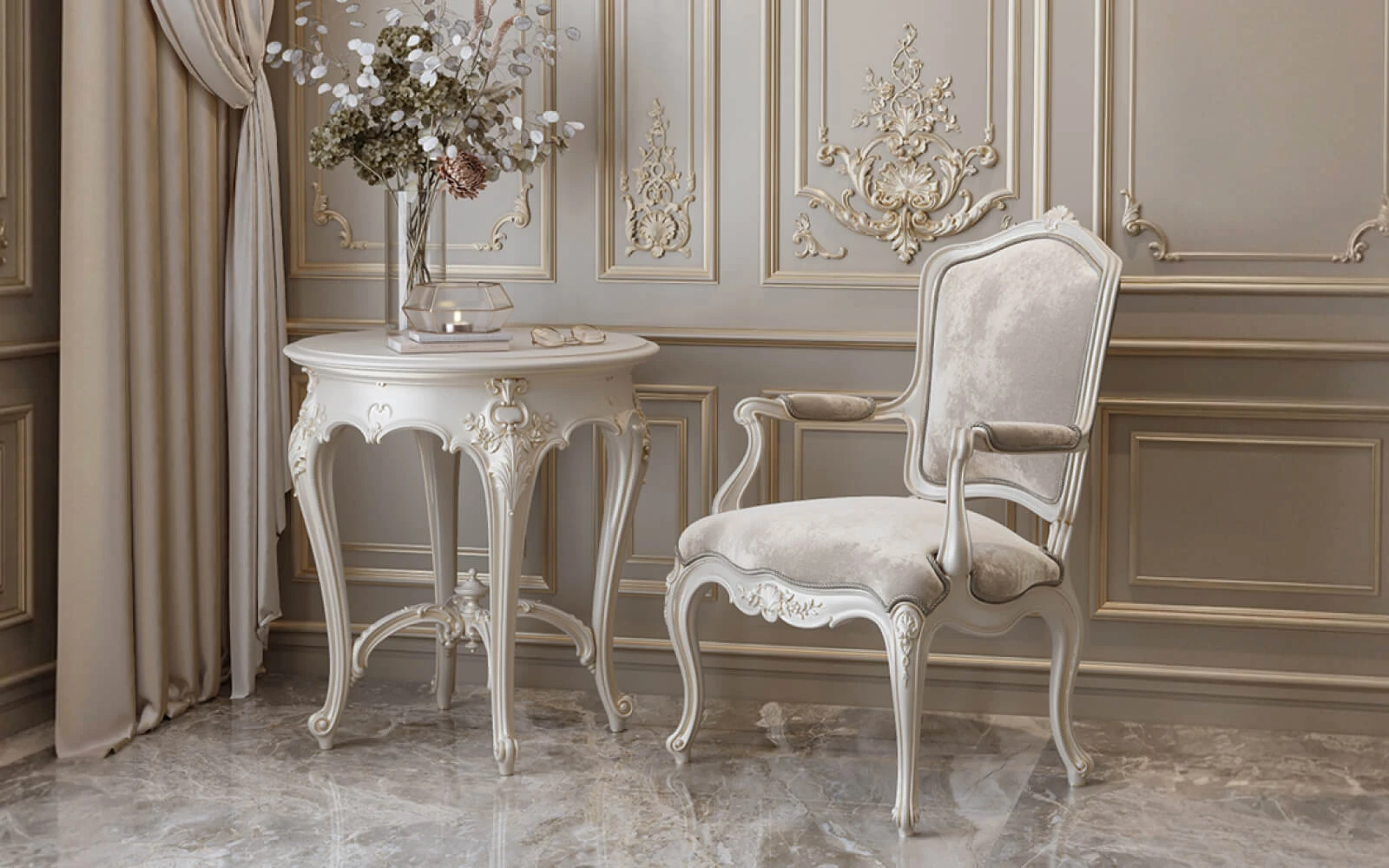
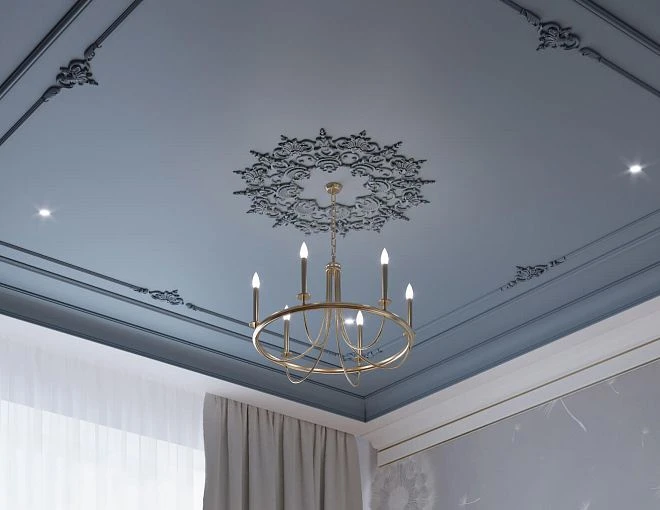
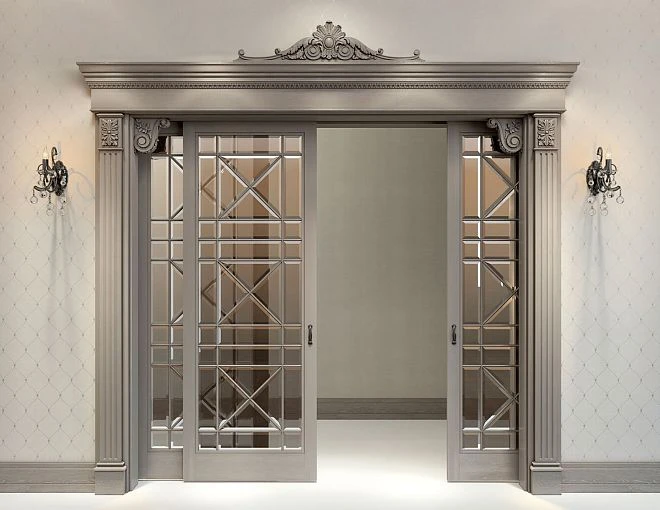
Classic style demands: cast brass handles with bas-relief, bronze overlay hinges, decorative lock plates, profile moldings on facades. Every detail is part of an architectural composition.
In Scandinavian interiors
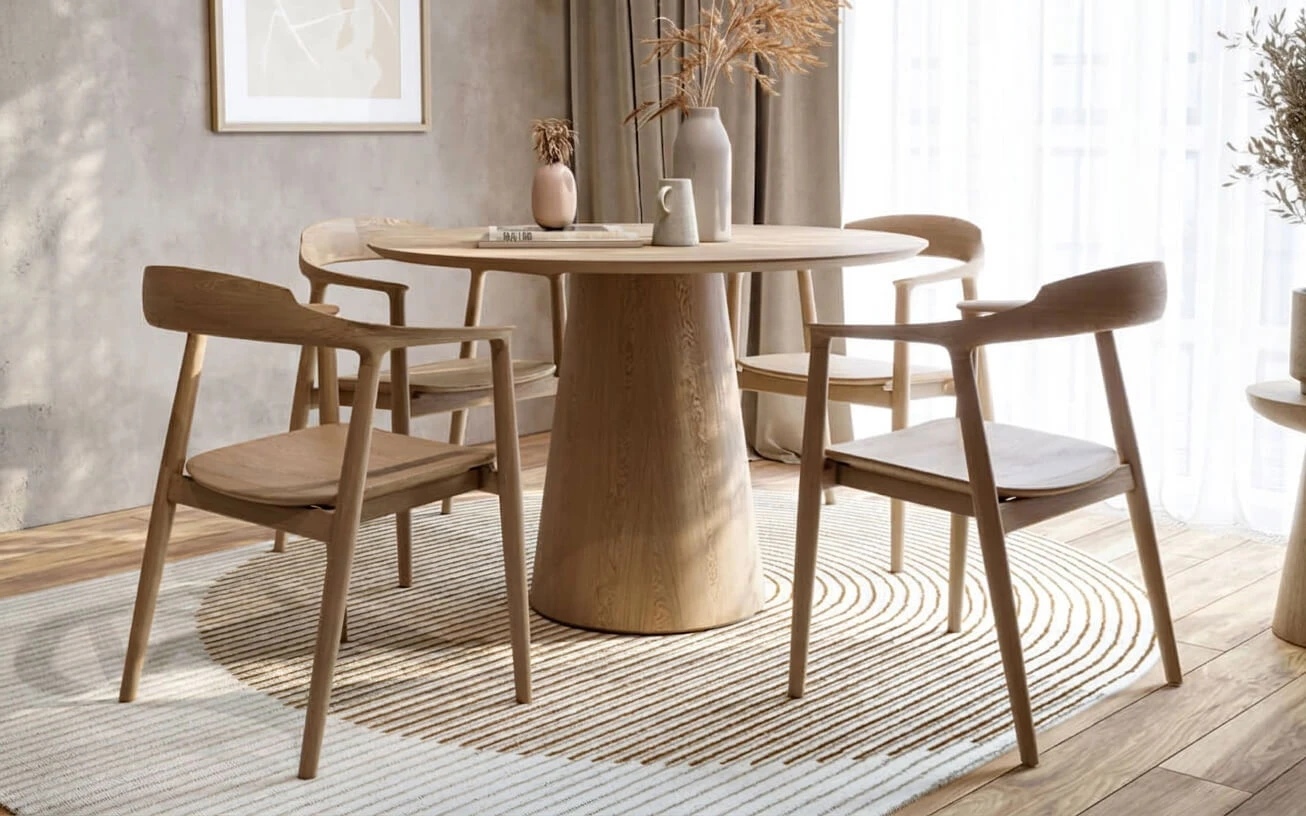
Scandinavian style is about conciseness and naturalness. Simple-shaped wooden handles made of beech or oak, matte metal brackets, and an absence of unnecessary details.wooden STAVROS handlesfit perfectly into this image—they are made from natural wood species, precisely milled, and have clean geometry without excess.
In loft style
Loft style implies: black matte steel bracket handles, exposed bolts and rivets as decorative elements, rough textures, and industrial aesthetics.
In minimalism
Minimalism is the absence of visible hardware. Push-to-open systems, concealed hinges, integrated profile handles and grooves—everything that does not disrupt the perfectly clean plane of the facade. The hardware is hidden here, but it is precisely what makes all this apparent simplicity possible.
In solid wood interiors
For solid wood furniture, wooden handles are ideal—they create a sense of solidity and organic unity. Solid wood with wooden handles is not just furniture; it is sculpture. Metal here would feel alien.
Why furniture hardware influences the perception of furniture
Let's conduct a thought experiment. Take two absolutely identical kitchen sets made of the same MDF with the same finish. On the first, install cheap plastic bracket handles at 40 rubles each. On the second—matte stainless steel handles at 280 rubles each. The difference in hardware cost for the entire set is about 3,000–4,000 rubles. The difference in perception is a chasm. The second set will appear significantly more expensive, more substantial, more modern.
Interior designers understand this well, using hardware as a tool to transform the look. Changing the handles on a kitchen is one of the most budget-friendly ways to radically update its appearance without replacing the set itself.
There is another aspect—tactile. The hand feels quality before the eye notices it. A drawer that opens smoothly and silently is not just comfort; it's a signal to the brain: 'this furniture is good.' A slamming cabinet door is an irritant, creating a subconscious sense of unreliability even in beautiful furniture.
Function and aesthetics in good hardware are inseparable. Smoothness, silence, precision of movement—this is both technical quality and part of the user experience, and the perception of the product's overall value.
Furniture hardware catalog: what is important for a buyer to know
When it comes to furniture hardware catalogs, it's important to understand: a good catalog is not an endless stream of SKUs. It's structured navigation that allows you to quickly find what you need by product type, material, purpose, and size.
For a private buyer choosing hardware for DIY furniture repair or assembly, the ability to order individual pieces without minimum quantities is important. For furniture manufacturing, having the entire range in stock with the possibility of large shipments is key.
A good furniture hardware catalog includes:
-
Filtering by product type (hinges, slides, handles, fasteners)
-
Technical parameters for each item (load capacity, dimensions, mounting type)
-
Photographs and drawings
-
Installation diagrams
-
Stock availability with realistic delivery times
While browsing thecatalog of furniture fittings, pay attention not only to the price but also to the description: if the seller only lists an SKU without technical parameters—that's a warning sign.
Where to buy furniture hardware
When choosing where to purchase furniture components, people today focus on several key factors: assortment, price, delivery speed, the ability to order single pieces, and the availability of real technical data for each item.
Construction markets are a traditional channel. You can touch the product before buying, get verbal advice. Cons: limited assortment, often no documentation, difficult to compare.
Online stores offer convenience, a wide assortment, delivery across all of Russia. However, it's important to choose a store with real warehouse stock, not a 'made-to-order' showcase with unpredictable delivery times.
Key signs of a reliable online furniture hardware store:
-
Real warehouse stock (not 'made-to-order')
-
Technical data sheets and specifications for each product
-
Ability to order by the piece
-
Fast shipment (no more than 1–2 days)
-
Delivery to all regions of Russia
-
Real customer reviews
-
Responsible warranty policy
Where all these conditions are met, buying furniture hardware turns from a quest into a pleasure.
Common mistakes when choosing and buying furniture hardware
Talking about mistakes means saving someone else's time and money. Let's list the most typical ones.
Mistake 1: Choosing by price without considering load. Buying the cheapest hinges for a heavy MDF front panel 22 mm thick is a classic mistake. After a few months, the hinge will start to 'sag' under the load, and the door will no longer close evenly.
Mistake 2: Ignoring the length of the runner. A 400 mm runner in a 500 mm deep carcass — the drawer won't open fully. A 500 mm runner in a 450 mm deep carcass — it won't fit. Runner length = drawer depth minus 20–25 mm.
Mistake 3: Mixing hardware from different systems. Hinges from one manufacturer with mounting plates from another often lead to incompatibility. The result is the inability to make precise adjustments or even to install them at all.
Mistake 4: Forgetting about the decorative aspect. Replacing runners is good. But if the handles remain old and don't match the style of the new furniture, the result will be incomplete. Hardware is a system, not a set of separate solutions.
Mistake 5: Not considering operating conditions when choosing the material. Installing hardware made of non-alloy metal without anti-corrosion treatment in a bathroom means having to replace it again in a year. For wet rooms — only stainless steel or coatings with corrosion protection.
Furniture hardware wholesale: nuances for professionals
For furniture manufacturers and installation teams, purchasing furniture components wholesale is a matter of production logistics, not just saving money. Wholesale terms allow reducing the unit cost, standardizing the articles used, and simplifying inventory accounting.
When purchasing wholesale, it's important to:
-
Standardization — use one type of hinge, one model of slide for the entire project. This reduces assembly errors.
-
10–15% reserve beyond the calculated quantity — for defects, cutting inaccuracies, spare parts.
-
Supplier guarantee of product availability — 'out of stock' is not acceptable when production is halted.
-
Batch delivery with fasteners — ensure the kit includes all necessary screws and mounting elements.
FAQ: frequent questions about furniture hardware
What is included in the concept of 'furniture hardware'?
Everything that is not a main load-bearing part of the furniture but ensures its assembly, operation, and appearance: hinges, drawer slides, fasteners (confirmat screws, dowels, minifix connectors), handles, lifting mechanisms, gas springs, legs, glides, shelf supports, mounting materials, decorative trims.
Which furniture hardware is better — with a soft-close mechanism or without?
For any furniture with doors or drawers in living spaces — definitely with a soft-close mechanism. Gentle closing protects the structure, eliminates noise, and extends service life. Without a soft-close is justified only in specialized cases (e.g., in technical rooms or under a very tight budget).
How to check hinge quality before purchase?
Hold the hinge in your hand — a quality one feels noticeably heavier. Open the mechanism — the movement should be smooth, without jerking. Ensure it has three-way adjustability. Check the smoothness of the soft-close mechanism — it should begin braking in the last 20–30° of travel, not in the middle.
How many hinges are needed per door?
Standard: two hinges for a door up to 1,200 mm in height, three hinges for heights from 1,200 to 1,800 mm, four hinges for particularly heavy or tall fronts. For fronts made of solid hardwood or 22 mm MDF with increased height — add one hinge to the standard.
How to calculate the load for a gas spring?
Weigh the lifting front on household scales. Multiply by the leverage coefficient (usually 0.6–0.7 for standard lifting mechanisms). The resulting value is the required gas lift force in N. If installing two gas lifts, divide the calculated load by two.
What is the difference between a dowel and a confirmat?
A dowel is a wooden pin used for precise positioning of parts during assembly and reinforcing glued joints. A confirmat is a threaded fastener that directly pulls parts together and holds the joint. Both are used together: the dowel positions, the confirmat fixes.
Can I buy furniture hardware by the piece?
Yes, the STAVROS online store allows ordering items individually—without a mandatory minimum order. This is convenient for both private buyers and small-scale productions.
How to choose a furniture handle?
Determine: interior style, type of furniture (kitchen, wardrobe, chest of drawers), preferred handle material (metal, wood), center-to-center distance (standards 96, 128, 160, 192, 224, 256 mm). For kitchens—practicality and moisture resistance. For solid wood furniture—wooden handles made of beech or oak. For minimalist interiors—profile handles or push-to-open.
STAVROS: a reliable partner in the world of furniture hardware
Concluding this detailed material, it is essential to say the main thing: choosing the right supplier is no less important than choosing the right hardware.
STAVROS is a Russian online store specializing in high-quality furniture hardware, components for solid wood products, and materials for installation and finishing. It features all the items needed for both professional furniture production and DIY assembly and repair: from adjustable D25 glides and mounting plates to handcrafted wooden handles and professional wood oils.
Why choose STAVROS:
-
Warehouse program — all items in stock, shipping from one business day
-
Order from one piece — no forced minimum quantities
-
Technical data for each item — load capacities, dimensions, installation diagrams
-
In-house production of wooden handles — made from solid beech and oak, 3D milling, wide range of profiles
-
Contact us to confirm shipping to your destination. and CIS — logistics to any region
-
Professional consultation — assistance with selecting hardware for your specific task
buy furniture hardwareChoosing STAVROS means getting products with quality guarantee, precise technical specifications, and support at all stages: from selection to installation.
The furniture you make or buy deserves the best hardware. Choose consciously — and it will serve you for decades.