




























































Article Contents:
- MDF floor skirting in Moscow: which option to choose for your interior
- What MDF floor skirting boards can be bought in Moscow
- White MDF Skirting Boards for Painting
- MDF Skirting Boards in Ready-Made Colors
- Modern Straight Profiles
- Classical shaped profiles
- How to choose MDF skirting by height and profile
- 60–70 mm for compact rooms
- 80 mm as a Universal Size
- 100–120 mm for spacious interiors
- Straight Profile
- Profile with beading
- Rail profile
- How to choose MDF skirting to match the floor covering
- For laminate
- For parquet
- For engineered board
- For quartz vinyl
- For wooden floor
- How to choose MDF skirting to match doors, architraves, and walls
- For white doors
- For wood-tone floor
- For painted walls
- For architraves and portal
- Which MDF skirting board to choose according to interior style
- Modern Interior
- Neoclassicism
- Classic
- Minimalism
- For which rooms MDF skirting is best suited
- For Apartments
- living room
- for the bedroom
- For the hallway
- For Office
- What to buy together with MDF skirting board
- Moldings and Cornices
- Slatted panels
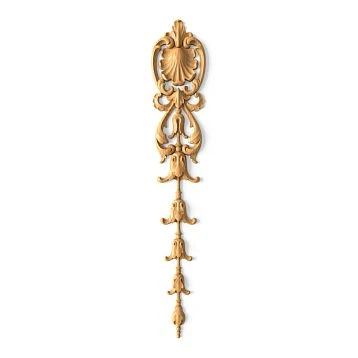
- Decor for moldings
- Related trim
- Comparative table of MDF skirting board profiles
- Where to buy MDF floor skirting in Moscow
- Common mistakes when choosing
- Incorrect height
- Error in color and finish
- Incompatibility with architraves
- Purchase without volume calculation
- Conclusion
- About the Company STAVROS
- Frequently Asked Questions

There are renovation details that seem insignificant—until they are done incorrectly. MDF floor skirting is exactly one of those details. Choose the wrong color—and a snow-white skirting clashes with warm parquet. Buy one that's too narrow—and a living room with high ceilings looks unfinished. Pick an ornate profile for a minimalist interior—and you get a conflict that catches your eye every day.
MDF skirting for floor—it's not 'buy any and nail it on.' It's a decision made once and lives with you for 10–15 years. All your guests see it. You notice it every time you look at the floor. It either completes the interior or reveals a lack of concept.
If you need to buy MDF floor skirting in Moscow—with a precise understanding of which profile, what height, for which floor and which doors—this material is written for you. Practice, specifics, no fluff.
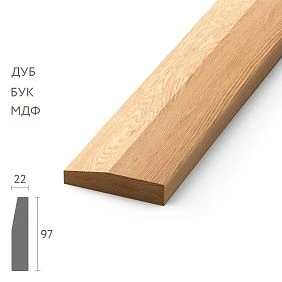
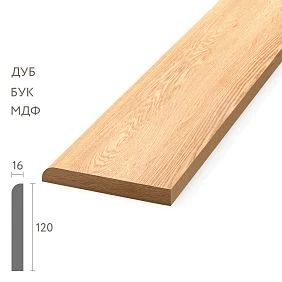
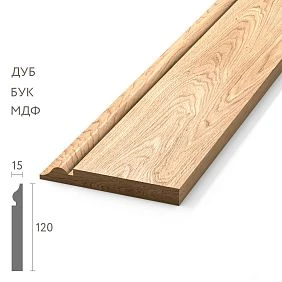
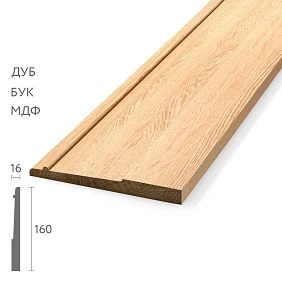
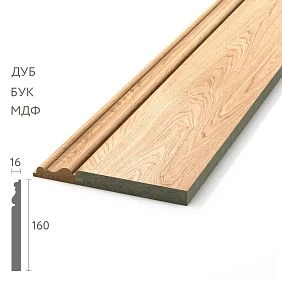
MDF floor skirting in Moscow: which option to choose for your interior
Before opening the catalog, honestly answer four questions.
What is your floor covering? Laminate, parquet, engineered wood, quartz vinyl—each of these floors dictates its own logic for choosing skirting by color and height.
What are your doors and architraves? MDF skirting for white doors and skirting for oak-colored doors are different products. The consistency of these elements determines the feeling of systematicity in the interior.
What is the ceiling height? From 2.5 to 2.7 meters — narrow profile. 2.7–2.9 — medium. 2.9 and above — wide.
What interior style are you building? Minimalism and Scandinavian style require a straight, smooth profile. Classic and neoclassical — figured with a bevel.
MDF skirting boards in Moscow— a separate material on selecting profile, height, and finish for Moscow apartments. It complements this article with practical scenarios.


What MDF floor skirting boards can be bought in Moscow
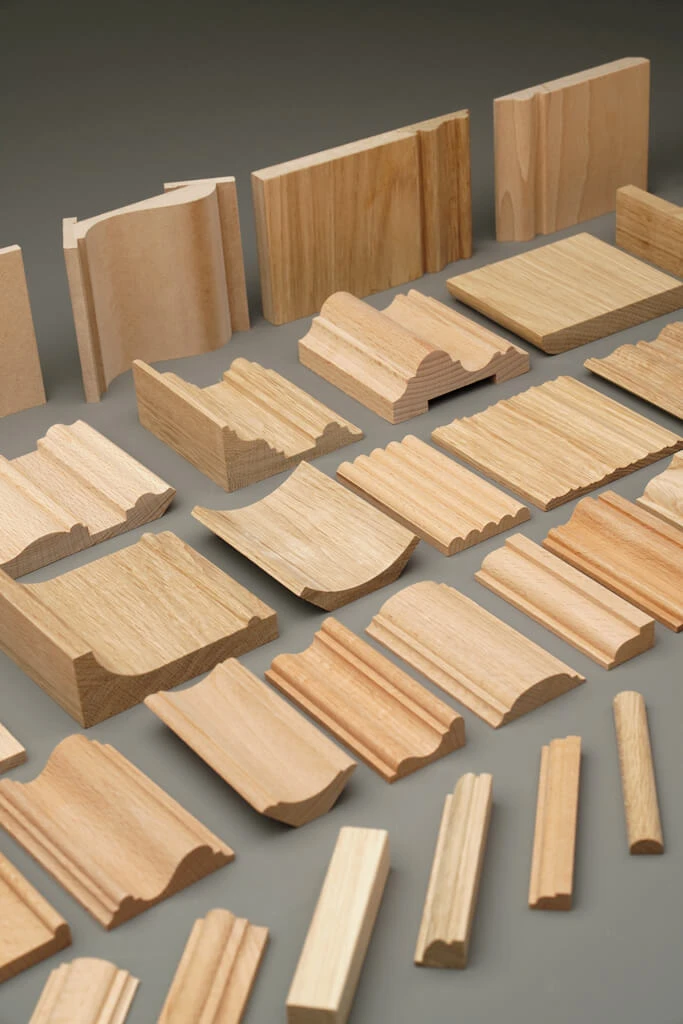
The assortment of MDF skirting boards on the Moscow market today covers several fundamentally different categories. We will analyze them not theoretically, but with an understanding of who each of them is created for.
Our factory also produces:
White MDF skirting boards for painting
White MDF skirting board for painting is the most flexible category. The skirting board is supplied with a primed or sanded surface, ready for paint application. After installation, you paint it to the exact color: matte white, semi-matte white, cream, ivory, complex light gray — any shade necessary to coordinate with a specific interior.
Buying a white MDF skirting board for painting is a strategically correct decision when you want a perfect match with the color of door frames, trims, and ceiling. A monitor distorts shades, but tinted paint applied to the skirting board after installation gives an identical color to adjacent elements.
Technical parameters: dense MDF core, heights from 60 to 120 mm, plank length 2400–2500 mm, sanded surface, without knots, with uniform density along the entire length.
Get Consultation
MDF skirting boards in ready-made colors
MDF skirting boards in a ready-made color are profiles with factory finishing: laminated with film in oak, walnut, wenge, light ash, or matte white. The most common format on the Moscow market: bought, installed, ready.
The advantages are obvious: speed, convenience, no painting required. There is one limitation: the color is chosen from the manufacturer's fixed palette, and achieving a perfect match with a specific laminate or door wood is not always possible.
Pre-finished MDF skirting board — for standard scenarios with widely available decors. If you have a 'natural oak' laminate from a mass-market collection — a pre-finished color will most likely be an exact match.
Modern straight profiles
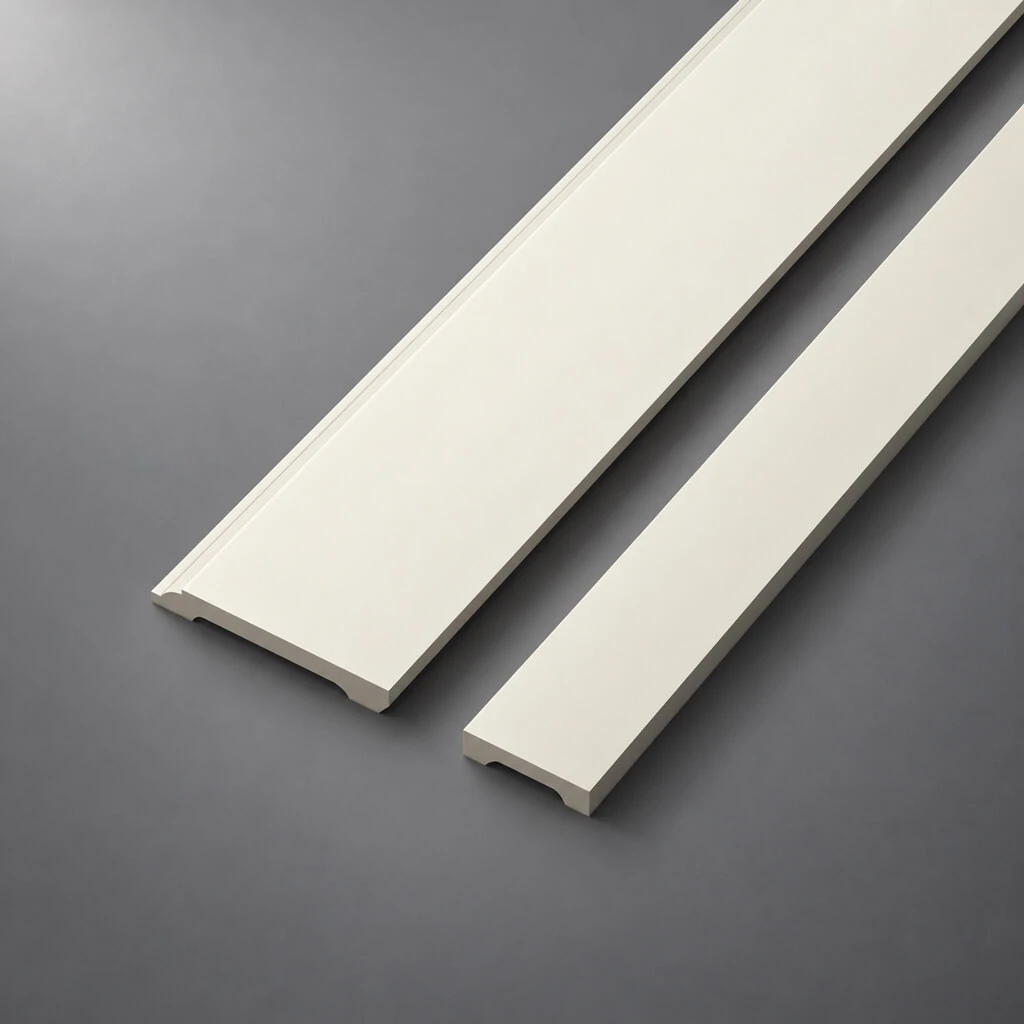
A straight MDF profile without relief — the answer to modern demands. Rectangular cross-section, smooth surface, a clear horizontal line at the floor. This very profile becomes the choice for Scandinavian, Japanese, contemporary, and any minimalist interior where decorative details are intentionally reduced to zero.
Modern MDF skirting boards— a separate collection with straight profiles of different heights, in white and primed for painting. This is the 'language' of interior architecture today: nothing superfluous, only a precise line.
Classical shaped profiles
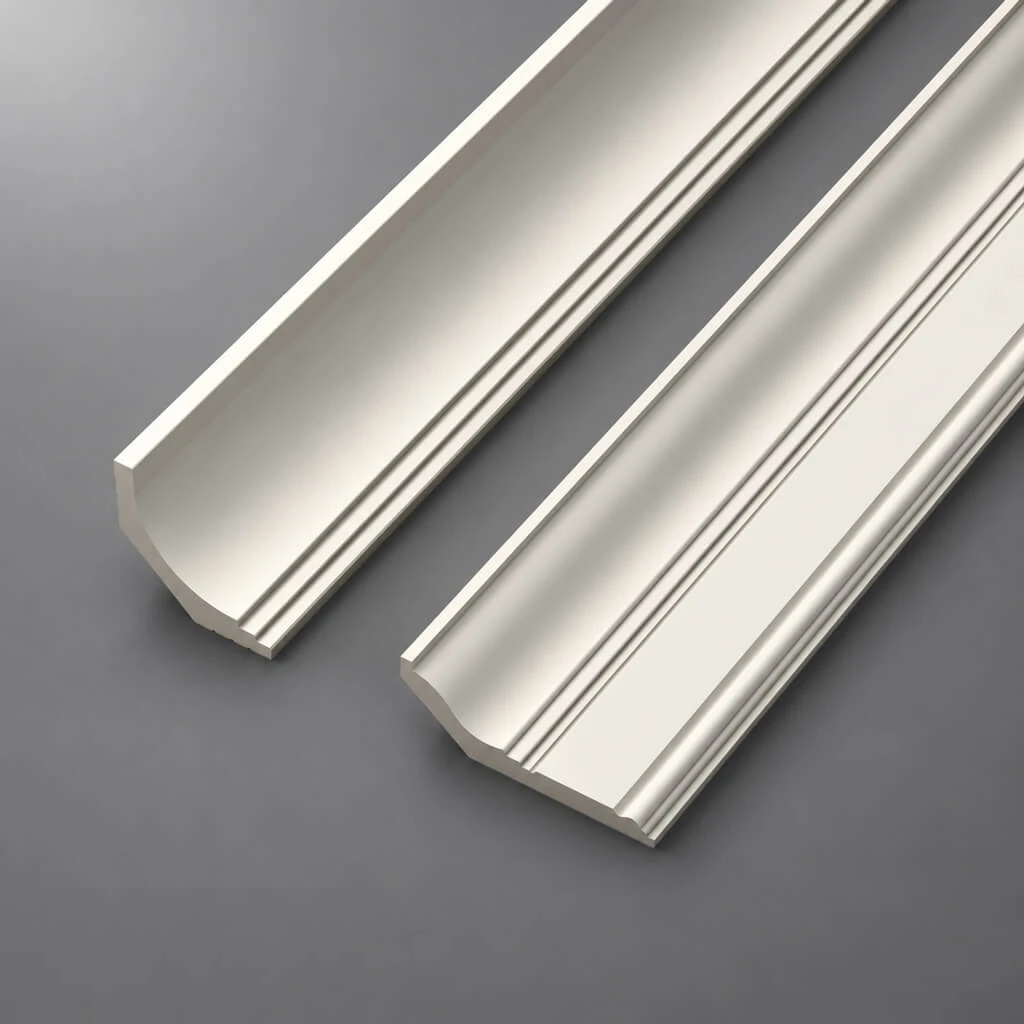
A shaped MDF profile with a bevel, relief transition, and decorative steps at the base — for classic, neoclassical, and traditional interiors where architectural details carry semantic weight.
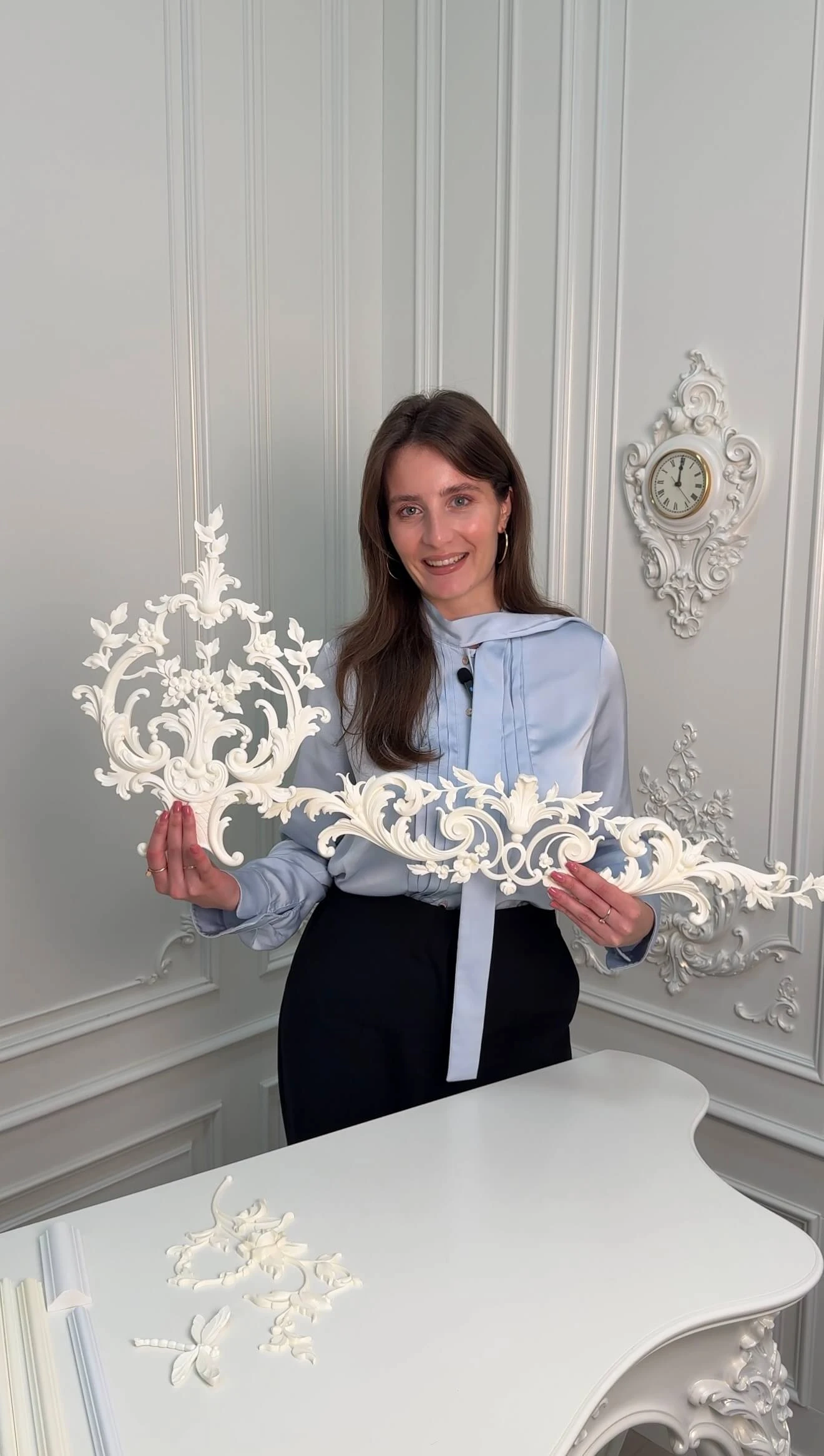
Classic MDF Skirting Boards— a collection of shaped profiles with precise relief, produced in coordinated heights and proportions. Paired with moldings and cornices from the same collection, the shaped MDF skirting board creates a complete architectural system for the room.
How to choose an MDF skirting board by height and profile
Height is a decision that is immediately visible and cannot be corrected without complete replacement. It must be made before purchase, not after.
60–70 mm for compact spaces
Narrow MDF skirting board 60–70 mm — for rooms with ceilings up to 2.6–2.7 meters. Small bedrooms, children's rooms, kitchens, bathrooms, hallways in standard Moscow apartments — here a narrow profile covers the expansion gap and maintains the lower contour of the wall without visual overload.
To buy a narrow MDF skirting board for the floor means to choose in favor of lightness. In a compact room of 10–12 sq. m, a narrow white skirting board does not take away visual height but marks the floor-wall boundary with minimal emphasis.
Technical note: 60 mm comfortably covers the standard expansion gap of 8–10 mm for floating floors. For non-standard installation scenarios with a 12–15 mm gap, a height of 70 mm or more is required.
80 mm as a universal size
80 mm is the market standard. This height works well with ceilings of 2.6–2.9 meters, meaning it suits the vast majority of apartments in Moscow's new housing stock, renovated buildings, and new developments.
A wide 80 mm MDF skirting board makes a confident statement: it's noticeable as an architectural element without dominating the space. It covers all standard gaps, creates a clean horizontal line, and, in white or a neutral shade, complements any flooring without conflict.
For a living room with 2.8-meter ceilings, a straight white 80 mm MDF skirting board is a fail-safe standard supported by most professional designers on the Moscow market.
100–120 mm for spacious interiors
100–120 mm is for ceilings of 2.9 meters and higher. Stalin-era buildings, pre-revolutionary housing, modern business-class residential complexes with high ceilings, and country houses—here, a tall MDF skirting board is not an extravagance but a proportional necessity.
Buying a tall MDF skirting board for the floor means establishing the correct scale for the wall base. In a room with 3.2-meter ceilings, a narrow 60–70 mm profile looks lost: it's almost invisible against the tall wall.
Rule of thumb: skirting board height should be about 1/30–1/35 of the room's height. For a 3.0-meter ceiling, the optimum is 85–100 mm. For a 3.3-meter ceiling, it's 95–110 mm.
Straight profile
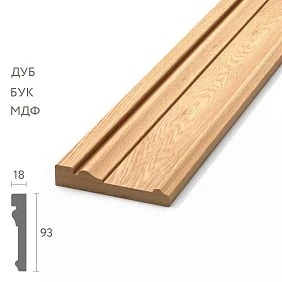
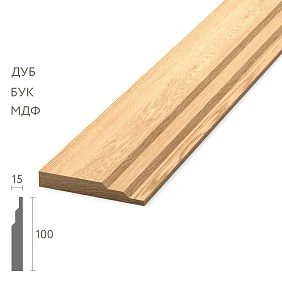
Straight MDF profile—a clean rectangular cross-section. No transitions, no relief details. Strict geometry, easy to install, and versatile in application.
Buy a straight MDF skirting board for any interior where decorative details are not the goal: Scandinavian, minimalist, contemporary, industrial, Japanese. The straight profile is so neutral it fits into any style—it doesn't dictate, it follows.
Profile with a bead
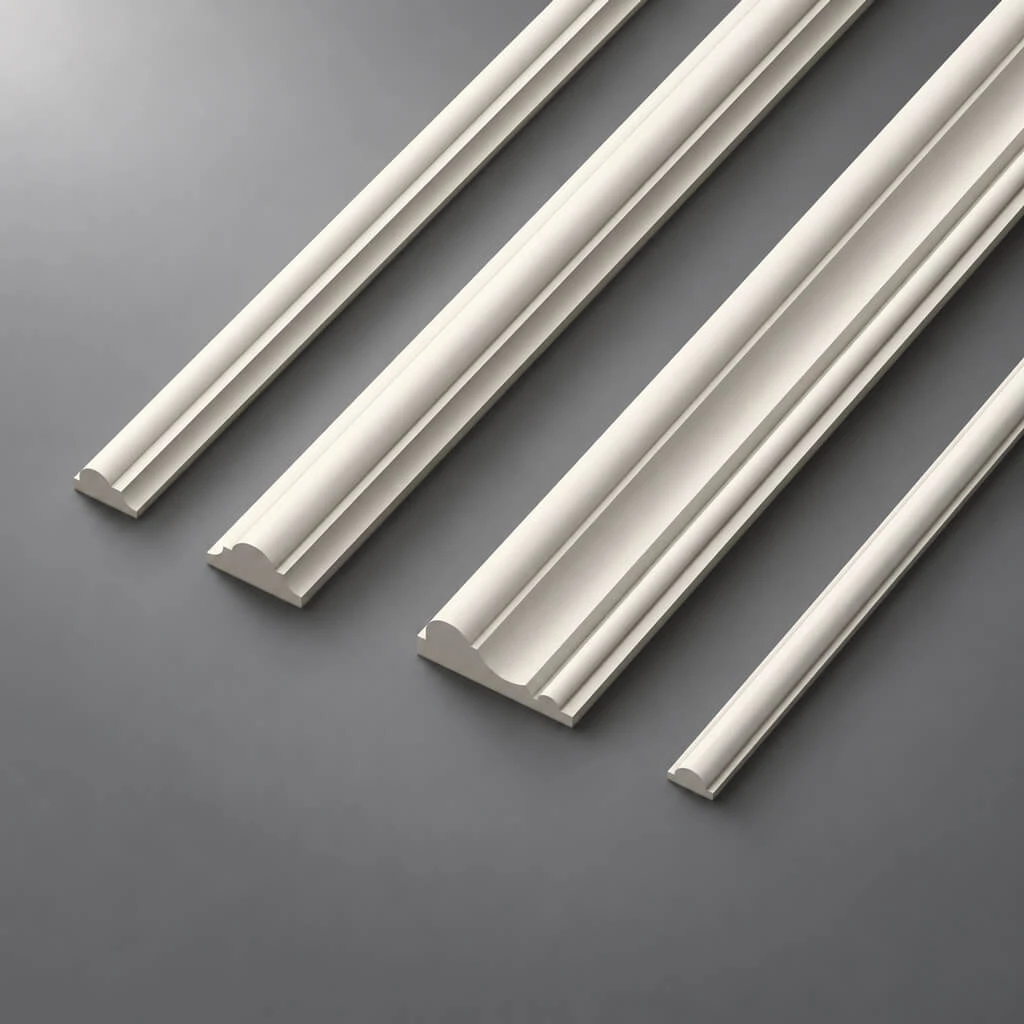
Beaded profile — an MDF skirting board with a decorative relief transition along the top edge. This is a moderate version of the classic figured profile: expressive enough to serve as an architectural accent, yet restrained enough not to overwhelm a neoclassical or contemporary interior.
Buy figured MDF skirting board — for neoclassical styles, for interiors with wooden doors in traditional framing, for those who want a profile with 'character' but without excessive ornamentation.
Rail profile
MDF rail skirting board — a thin, narrow profile with a rectangular cross-section and minimal width. This is less of a skirting board in the classic sense and more of a flat strip that conceals the floor-wall joint with maximum restraint.
MDF rail fits organically alongside slatted wall panels — when the entire decorative outline of a room is built on vertical and horizontal rails. In this case, the rail skirting board continues the theme of slatted decor and does not disrupt its rhythm.
How to choose an MDF skirting board to match the floor covering
Floor covering is the primary visual context for the skirting board. The choice of color and height is based on it.
For laminate
Laminate — a floating floor covering that absolutely requires an 8–10 mm expansion gap at the walls. The skirting board is attached only to the wall, without touching the laminate panels — otherwise, the gap will be blocked, and the flooring will start to swell within a few months.
Buy MDF skirting board for laminate — considering the color of the decor. Laminate in 'light oak' or 'ash': white or light MDF skirting board, creating a transition in a similar tone. Laminate in 'dark walnut' or 'wenge': MDF skirting board in oak color or white — depending on the color of the doors.
Practical rule: skirting board matching the floor color — for those who want the skirting board to 'disappear'. Skirting board matching the door color — for a systematic approach where the skirting board is part of a unified line with door architraves.
For parquet
Oak or other wood parquet traditionally requires a more prestigious solution at the base of the wall — but MDF skirting is also quite appropriate here with the right color choice.
Buy white MDF skirting for parquet — if the interior is light, modern, with white walls and light doors. White skirting next to parquet of any tone creates a clear horizontal line, separating the flooring and the wall without imitating wood grain.
In a classic or neoclassical interior with parquet, it's better to consider wooden skirting from the same wood species — MDF in this context is acceptable but not an optimal solution.
For engineered wood
Engineered board is a multi-layer product with a natural veneer. Visually similar to parquet, technically more stable. The principle for selecting skirting is similar: focus on the veneer shade.
Buy MDF skirting for engineered board: if the board is light (ash, maple, whitewashed oak) — white or light MDF. If the board is medium (natural oak, walnut) — MDF skirting in the color of the doors or white depending on the overall concept.
Special scenario: engineered board in exotic finishes — smoked grey oak, olive, dark stained. Here, paintable MDF skirting in a coordinated neutral shade is the best choice: finding a ready-made profile in a non-standard finish is practically impossible, and painted MDF solves the task precisely.
For quartz vinyl
Quartz vinyl is a modern flooring with high moisture resistance, actively used in Moscow apartments in recent years for kitchens, hallways, and other high-traffic areas. Quartz vinyl designs often imitate wood or stone.
Buy MDF skirting for quartz vinyl — focusing on the design color or door color. For quartz vinyl under wood: MDF skirting in a neutral color or paintable in a coordinated shade. For quartz vinyl under concrete or stone: white or grey MDF skirting.
Important: quartz vinyl is often used in bathrooms and toilets — MDF is not recommended there. For wet areas — polyurethane or PVC skirting.
For wood-look flooring
"Wood-look flooring" is a collective term including laminate with wood design, quartz vinyl with wood design, printed parquet. The principle for selecting MDF skirting in this case: do not try to imitate wood with a laminated skirting from the same collection, but build a system on a neutral color or on the door color.
Skirting board for MDF— a detailed breakdown of profile selection principles for different types of flooring and interior design tasks.
How to choose MDF skirting boards for doors, architraves, and walls
This is a block that most buyers ignore — and it is precisely this block that most often becomes the source of inconsistency in the final interior.
For white doors
White doors are the most common scenario in new-build Moscow apartments. For them, the logic is obvious: white MDF skirting boards. But 'white' is not one color. It is a spectrum from warm cream to cold snowy white.
A fundamental piece of advice: choose the skirting board after you have decided on the doors. Take a door architrave (or a sample of it) and compare it with a sample of the skirting board in daylight. Only this way can you be sure that 'white' from one manufacturer and 'white' from another are the same shade.
Buying white MDF skirting boards is the best option for painting: then the color is selected according to RAL or NCS to match a specific architrave and is guaranteed to match.
For wood-toned flooring
If the floor has a pronounced wood tone (warm oak, walnut, cherry), and the doors are white — you are faced with the classic choice: skirting board in the color of the floor or in the color of the doors?
The professional's answer: in the color of the doors. A skirting board is a detail associated with vertical elements of the interior (walls, doors, architraves), not with horizontal ones (floor). When the skirting board matches the doors and architraves — the interior is perceived as a system. When it matches the floor — the skirting board 'sinks' into the flooring and loses its role as a horizontal finishing detail.
For painted walls
Walls in accent colors are a trend that has firmly established itself in Moscow design. If the walls are painted in a color (graphite, dusty green, blue, terracotta) — the skirting board can be either white (a clear boundary between the floor and the wall) or in the color of the wall (the skirting board 'dissolves' into the wall, creating a seamless transition).
Buying MDF skirting boards for painting is the perfect solution for accent walls. You paint the skirting board the same color as the wall — and you get an interior without sharp boundaries, where the floor smoothly transitions into the wall.
For architraves and portals
Casings and door portals are elements that define the visual language of verticals in a room. The baseboard must correspond to this language: if the casings are classic with relief — the MDF baseboard is classic shaped. If the casings are straight — the baseboard is straight.
The inconsistency between baseboard and casings is one of the most common and noticeable mistakes in Moscow renovations. A shaped cornice casing next to a straight baseboard looks unfinished: the vertical is decorative, the horizontal is neutral — the system doesn't come together.
Which MDF skirting board to choose according to interior style
Interior style is a code that deciphers the requirements for the profile: degree of decorativeness, relief, proportion of height to width.
Modern interior
Modern interior — contemporary, eclecticism on a minimalist basis, open layouts with wooden accents. Here the MDF baseboard should be neutral, straight, without relief. White or wall-colored, height 70–80 mm.
Buy straight MDF baseboard for modern interior — from the collectionof modern MDF baseboards. These are profiles developed specifically for current demands: clean cross-section, predictable surface quality, ability to paint in any shade.
Neoclassicism
Neoclassicism is a style that combines classical architectural proportions with modern materials and a restrained palette. The baseboard here is shaped, but without excessive relief. Height 80–100 mm, profile with moderate beading.
MDF baseboard for neoclassicism should work in tandem with casings of the same plasticity and, if possible, with a molding belt on the walls. In isolation from other architectural details, a shaped baseboard in a neoclassical interior loses its context.
Classic
Classical interior is a full-fledged architectural system: patterned parquet, shaped casings, moldings on walls, cornices under the ceiling. MDF baseboard here is a high shaped profile 100–120 mm with pronounced relief, white or wall-colored.
Classic MDF Skirting Boards— a collection of profiles for classic interiors: proportional relief, coordinated heights, paintable surface.
Buy classic MDF skirting — as part of a set with moldings and cornices from the same collection. Buying skirting separately from the system in a classic interior means risking mismatched proportions and relief.
Minimalism
Minimalism — a style with zero tolerance for random details. Every element is either precise or superfluous. Skirting in minimalism is maximally restrained: straight section, minimal height, wall color or neutral white.
Straight MDF skirting 60–70 mm in wall color — a technique where the skirting practically disappears. The eye doesn't fixate on the floor-wall junction: the space is perceived as unified, without division into zones.
For minimalism — only a straight profile. Any relief in a minimalist interior looks like a mistake.
For which rooms is MDF skirting best suited
MDF is universal — but there are scenarios where it works especially effectively.
For apartments
MDF skirting for the entire apartment — the most common choice in Moscow renovations. One profile, one height, one color — across all dry rooms. This ensures visual continuity when moving from room to room and simplifies installation: the contractor works with one type of product.
Buy MDF floor skirting in Moscow for the entire apartment — calculate the footage with a 12–15% surplus for trimming and inevitable errors when cutting corners. In an apartment with several rooms and long corridors, a shortage of a few planks after completing installation becomes a serious problem.
For the living room
Living room — the room where skirting is examined most closely. Here, the choice of profile and color is crucial: a mistake in the main room is always visible.
Buy MDF skirting board for the living room — considering several factors simultaneously: ceiling height (determines width), style (determines profile), color of doors and flooring (determines color).
Living room with 2.85-meter ceilings, white walls, light laminate flooring, and white doors: white straight MDF skirting board 80 mm. A flawless solution that will look just as appropriate in 10 years as it does today.
For the bedroom
In the bedroom, the skirting board works in the background. It doesn't draw attention, doesn't create accents — it simply neatly finishes the base of the wall. For the bedroom, a straight white MDF skirting board 60–70 mm is suitable: light, unobtrusive, precise.
Buy MDF skirting board for the bedroom — a separate task only in one case: if the bedroom is decorated in a special style (classic, neoclassical, deep accent wall color). Then the skirting board is selected to match the concept, not by default.
For the hallway
The hallway is more heavily loaded than other rooms: regular traffic, frequent contact with shoes and furniture. The MDF skirting board in the hallway must withstand mechanical load — this means a profile with high-quality varnish or laminate coating is needed, not just primed for painting.
Buy MDF skirting board for the hallway — in laminated finish: the film protects the end and surface from moisture during floor washing and from accidental impacts. Height 70–80 mm: slightly higher than in the bedroom, because the hallway is the first impression of the interior.
For an office
Study — a room with a special requirement for status. The workspace should feel like a serious space. The skirting board here is either a tall figured MDF paired with wooden architraves and moldings, or a straight white 80 mm for a modern workspace.
What to buy together with MDF baseboard
Skirting board is an element of a system. In isolation, it closes a joint. In a system — it creates an interior.
Moldings and cornices
Trimming Items— moldings, cornices, architraves — this is a system of horizontal and vertical architectural details that together create the 'framework' of the interior. A skirting board at the floor without a coordinated molding on the wall is an unfinished sentence.
The principle of systemic purchase: skirting board, moldings, and cornice from the same collection, with the same profile character. Straight — with straight. Figured — with figured. Only this way does the interior acquire architectural consistency.
Rack panels
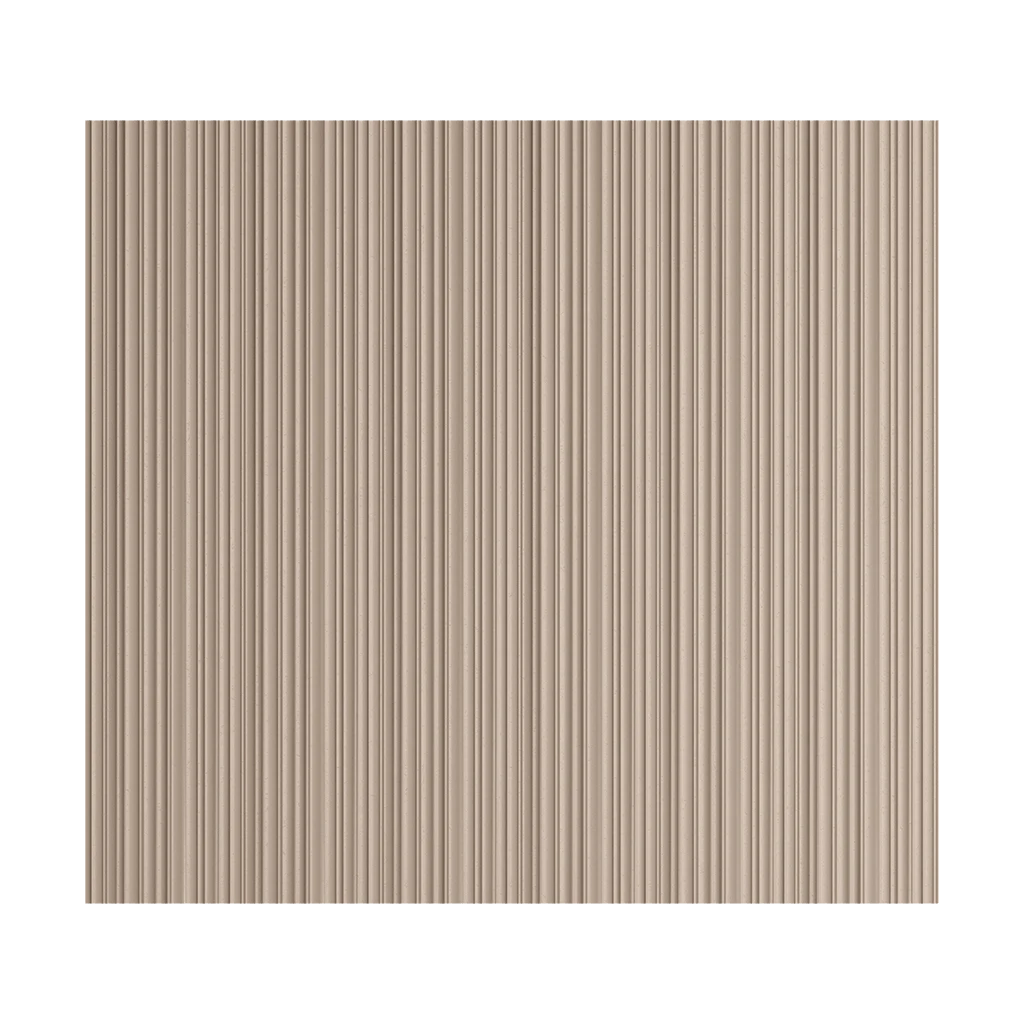
Rafter panels— vertical wooden slats on the wall, one of the most in-demand decorative tools on today's Moscow market. Next to the slatted panel, the skirting board becomes the lower boundary of the wooden field: the slats 'start' from the skirting board and go upward.
For maximum unity: a natural wood slatted panel + a wooden or white MDF skirting board. A wooden skirting board continues the material theme of the slats. A white MDF skirting board creates a clear lower boundary for the wooden field on a white wall.
Decor for moldings
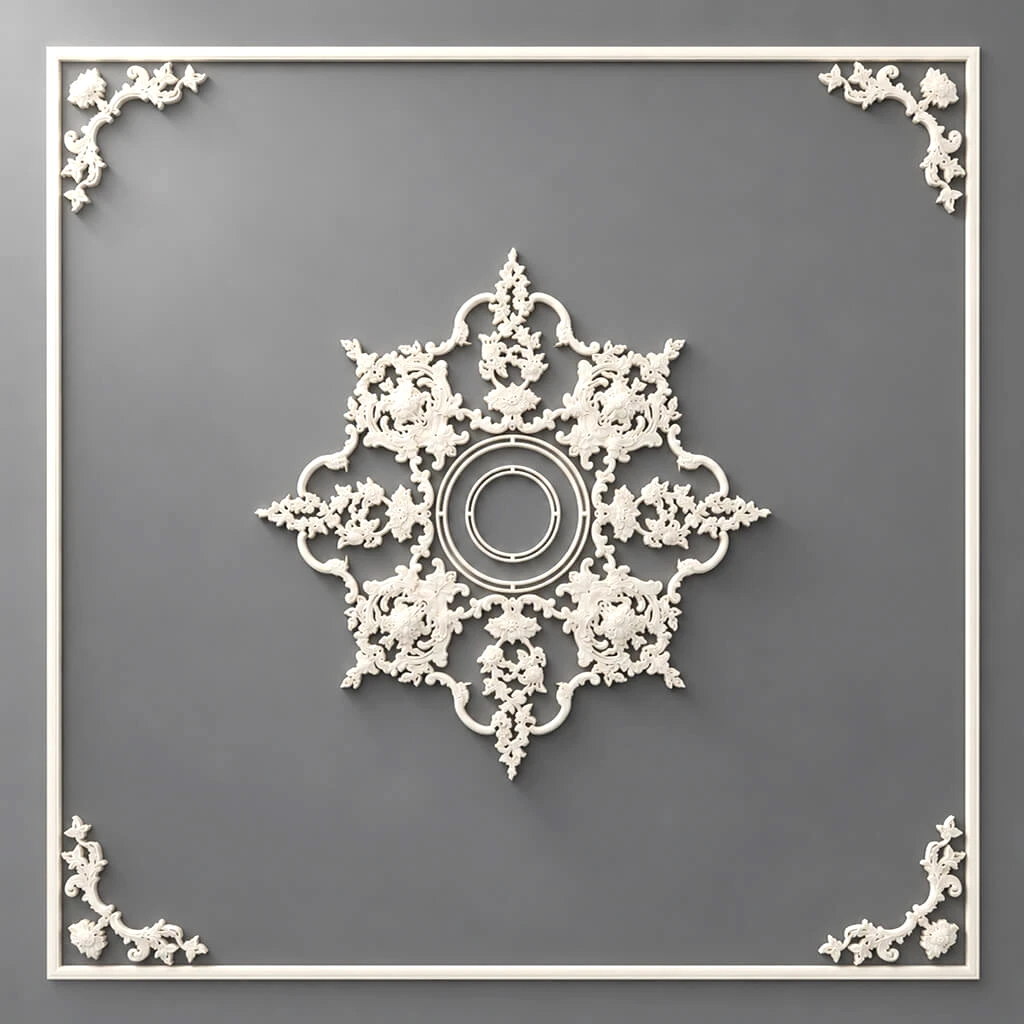
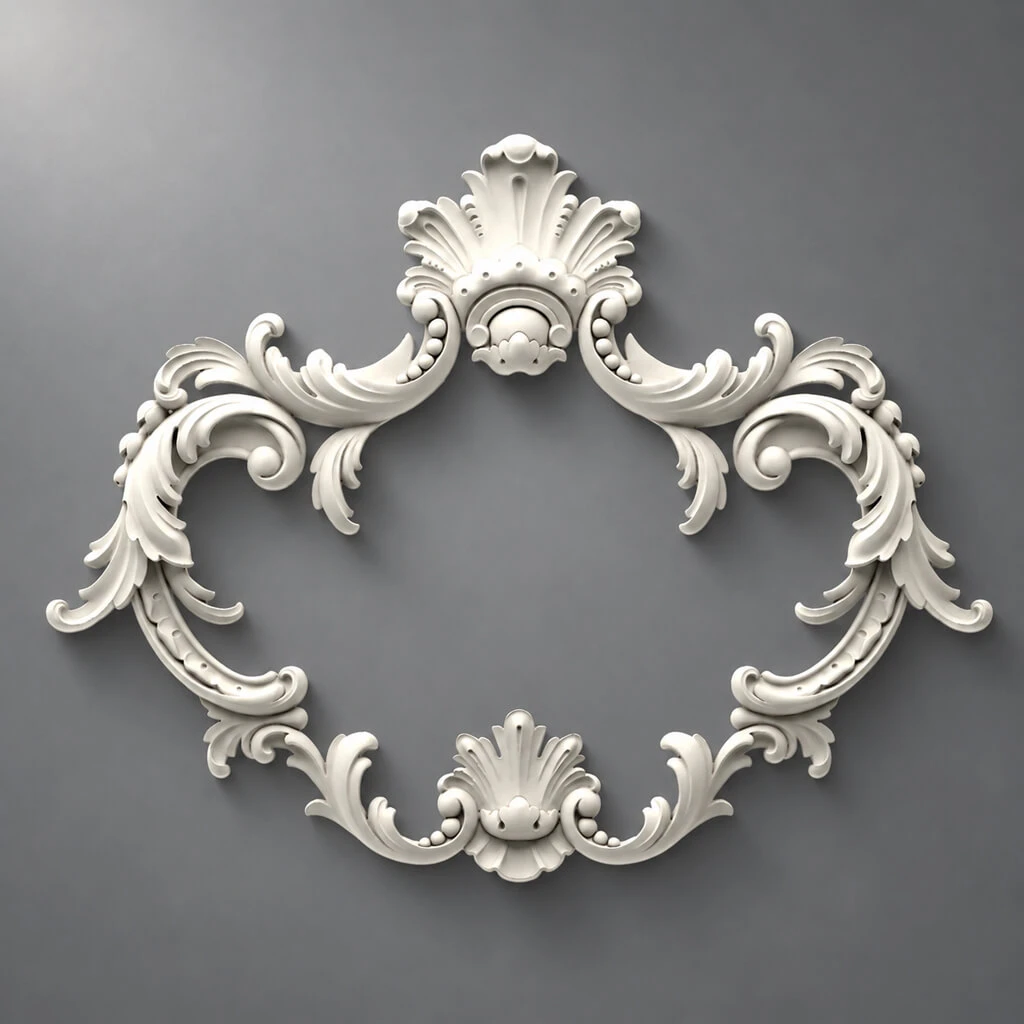
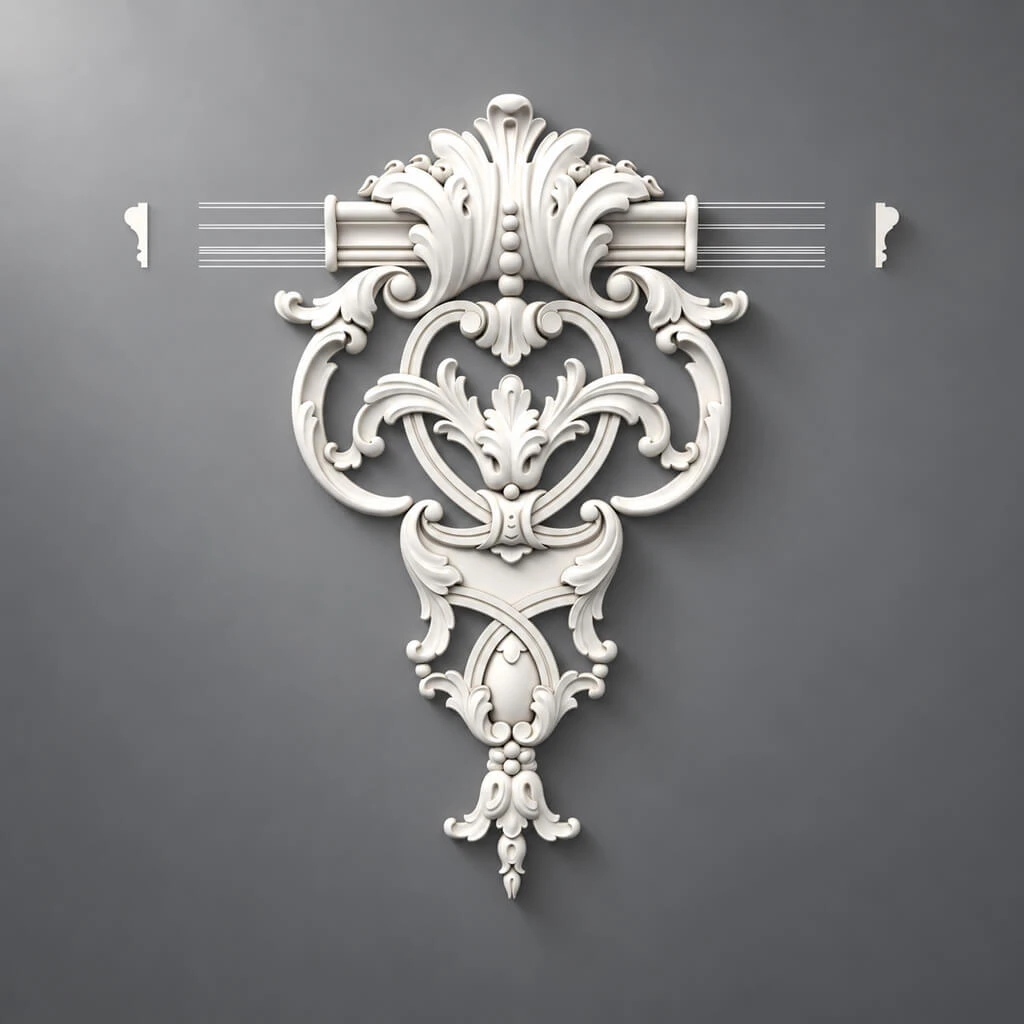
Corner inserts, rosettes, and molding brackets are elements that connect moldings at corners and give them a decorative start and finish. Without them, moldings look unfinished: long spans with neat miter cuts at the corners—but without accent points.
Buy molding decor from the same system as the skirting board. Then the rosettes, inserts, and the skirting board itself speak the same architectural language.
Related millwork
For MDF skirting boards, you always need: corner caps (a pair for each end, if the skirting board goes into a corner or ends at a doorway) and connectors for joining two planks when the wall length exceeds 2400–2500 mm. Don't forget to calculate the quantity of these accessories when ordering—they are often in short supply at the last minute.
Comparative table of MDF skirting board profiles
| Criterion | Straight | With a bead | Classical figured |
|---|---|---|---|
| Style | Modern, minimalism | Neoclassical, transitional | Classic, empire |
| Height | 60–100 mm | 70–120 mm | 80–120 mm |
| Decor | No | Moderate | Pronounced |
| What to pair with | Straight trims, battens | Profiled trims | Moldings, cornices, stucco |
| Painting | Yes | Yes | Yes |
| Installation | Standard | Standard | Requires precise cutting |
Where to buy MDF floor skirting in Moscow
Moscow is a saturated market, but not always convenient for precise selection. Here's what really matters.
Availability at a Moscow warehouse. MDF skirting is needed here and now: renovation won't wait. A reliable supplier keeps the entire range—all heights, all profiles, all finishes—in stock in Moscow. Same-day pickup or next-day delivery is not an exception, but a requirement.
Selecting profile and height. Comparison is impossible without physical samples. White from one manufacturer is warm milk. From another—cold snowy. The profile relief in person differs from photos. Placing a skirting sample against a laminate sample and a door trim is a mandatory step before purchase.
Selection to match style.MDF skirting catalog— all items with specifications: height, profile, finish, compatibility with other collection elements. Review it before visiting the showroom — then the conversation with a consultant will take 15 minutes, not two hours.
Delivery in Moscow. MDF skirting boards 2400–2500 mm long are inconvenient to transport in a passenger car. Professional delivery with careful packaging is a mandatory condition for preserving corners and ends.
Go to catalog.Baseboards for floors— full assortment with filtering by product type, material, and height.
Common mistakes when choosing
Incorrect height
They take skirting boards 'by eye' — and as a result, 60 mm gets lost in a living room with 3.0-meter ceilings, while 100 mm feels oppressive in a bedroom with 2.6-meter ceilings. It's important to check the size before purchase: measure the ceiling height, calculate the optimum using the 1/30–1/35 rule.
Color and finish mistake
They buy ready-made colored MDF skirting boards 'oak-like' and discover that the shade differs from the laminate — even though both are 'oak-like.' Color lines from different manufacturers do not match. Solution: either physically compare samples under the same lighting, or purchase paintable skirting boards — and precisely tint the paint to match the sample of the flooring or architraves.
Incompatibility with door casings
MDF skirting board with a classic molded profile + straight, laconic architraves. Or vice versa: straight skirting board + molded architraves with relief. Both options create a visual conflict that is especially noticeable in the doorway: where the architrave meets the skirting board, the mismatch catches the eye.
Rule: the profile of the skirting board and the profile of the architraves should be of the same 'language' — both straight or both molded. Ideally — from the same collection.
Purchasing without calculating the volume
They buy 'approximately,' without calculating the exact footage. As a result, they are short two or three planks — and the required color or height is no longer in stock. Or batches differ in tone.
How to do it right: measure the total perimeter of all rooms, subtract door openings, add 12–15% for cutting. Buy in one batch — then the color will be identical throughout the apartment.
Conclusion
MDF floor skirting is not an 'add-on' or a 'trifle'. It is a horizontal line that runs along the entire perimeter of your interior and defines its visual completeness. Choosing it correctly means considering ceiling height, type of flooring, color of doors and trims, interior style, and room function.
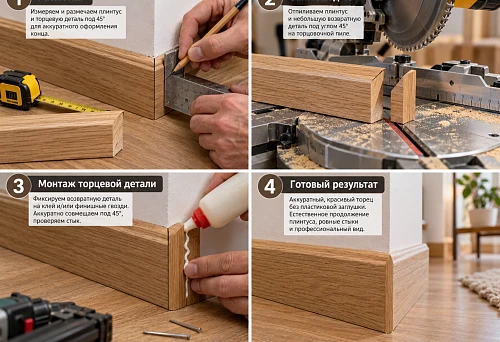
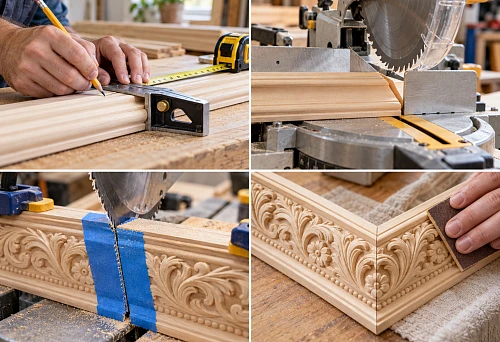
Start with the longest wall. Cut elements to the required length. Miter corners at 45 degrees using a miter box or miter saw. Check the corner joints before applying glue—they should fit tightly, without gaps.catalog of MDF skirting boards: here are all heights, all profiles, both collections —Modernandclassic. Select moldings and cornices in a unified system. ConsiderRafter panelsas an addition to skirting on an accent wall — this is one of the strongest interior techniques today.
About the company STAVROS
STAVROS is a Russian manufacturer of architectural decor for residential and public interiors. The range of MDF skirting boards includes profiles with heights of 60, 70, 80, 100, and 120 mm in two collections: 'Modern' and 'Classic'. All products are available in white for painting and laminated in ready-made colors.
All STAVROS products are developed as a unified architectural system: MDF skirting, moldings, cornices, and paneling are created in coordinated profiles and proportions. This allows assembling a full decorative contour of a room from products of a single manufacturer without the risk of mismatched relief and tone.
STAVROS works with private clients, designers, and architects. Warehouse and showroom are in Moscow. Delivery across Moscow and throughout Russia.
Frequently asked questions
Why is MDF skirting board better than plastic?
MDF is a dense material made from wood fibers. It holds its shape better, does not deform with temperature changes within the range typical for living spaces, and provides a precise profile without shrinkage or voids. The key point: MDF can be painted as precisely as wood—paint applies evenly. Plastic skirting board cannot be painted, and its color is fixed forever.
Can MDF skirting board be glued without nails?
Yes, when using high-quality mounting adhesive like 'liquid nails' on flat walls. On uneven surfaces—nails or clips are mandatory: adhesive will not hold the profile if there are large gaps between the skirting board and the wall.
How to paint MDF skirting board after installation?
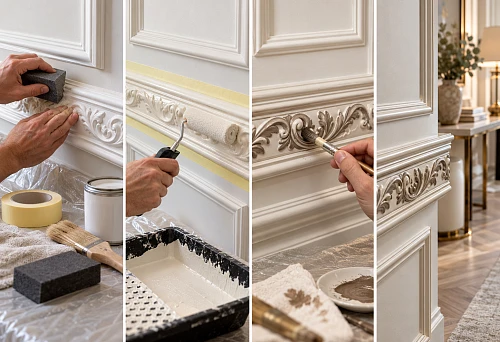
Procedure: primer—acrylic putty in the joints—light sanding—2–3 coats of acrylic paint. Each coat must dry before applying the next. The result is a smooth, uniform surface without visible joints between the skirting board and the wall.
How much MDF skirting board is needed for a one-room apartment?
A standard one-room apartment of 36–42 sq. m has a total perimeter of rooms of about 55–65 linear meters. Accounting for door openings (subtract approximately 5–7 meters) and a 15% margin—about 55–65 linear meters of skirting board. Precise calculation: sum the perimeters of all rooms according to the floor plan, subtract openings, multiply by 1.15.
How to join MDF skirting board in corners?
Two options: miter cut at 45° using a miter box or corner inserts. Miter cut—gives a neat result with good tools and flat walls. Corner inserts—a practical solution for non-standard angles (not 90°): an insert is installed, and the skirting board, cut perpendicularly, is fitted against it. Faster and easier than mitering—especially for skirting boards with a relief profile.
Can MDF skirting boards be used in the kitchen?
In kitchen areas away from the sink and stove (e.g., near the opposite wall), MDF skirting boards with laminated coating are acceptable. Near the sink or stove, they are not recommended: water getting on the ends or bottom edge of the skirting board will eventually cause the MDF core to swell. For these areas, PVC or polyurethane profiles are better.