Article Contents:
- 1. Choosing wood for walls
- Naturalness and eco-friendliness
- Processing technologies
- Frame constructions
- Monolithic-wood constructions
- Combined Constructions
- Cladding and decorative panels
- Finishing
- Decorative elements
- Role of wooden walls in creating a comfortable microclimate
- Insulation of frame walls
- Sound insulation
- Ecological advantages of natural wood
- Resistance to external influences
- Energy efficiency
- Integration of traditions with modernity
- Smart finishing and design
- Development prospects

A wooden house is a embodiment of coziness, ecological safety, and traditional craftsmanship. The foundation of such a house is the properly selected wall material, which ensures not only strength and insulation, but also aesthetic completion of the interior. In this article, we will consider the main aspects of choosing and applying wall materials for a wooden house, paying attention to traditional technologies, modern innovative solutions, and specific features of operation.


1. Choosing wood for walls




Naturalness and ecological safety
One of the main advantages of a wooden house is the ecological nature of the material. When selecting wood for walls, special attention is paid to its naturalness, resistance to external influences, and ability to create a healthy microclimate inside the room. Hardwood species such as oak, beech, maple, or walnut are particularly popular due to their strength and expressive texture. Each species has its own unique properties:
● Oak: distinguished by high strength, durability, and rich texture, but requires careful maintenance.
● Beech: light and elastic wood, resistant to deformation, suitable for creating decorative panels.
● Maple: has a uniform structure and good resistance to abrasion, making it ideal for interior finishing.
● Walnut: valued for its beautiful texture and warm, rich color, perfectly suited for accent elements.
Our factory also produces:


Processing technologies
Modern technologies allow to fully reveal the potential of wood. The main stages of processing include:
● Drying: proper drying of wood prevents shrinkage, cracking, and deformation.
● Sanding and polishing: multi-stage sanding ensures an ideal smooth surface, while polishing highlights the natural luster of the wood.
● Protective coating: varnish, oil, or wax helps protect wood from moisture, ultraviolet rays, and mechanical damage, preserving its original appearance for many years.
Get Consultation
2. Traditional and modern wall constructions
Frame construction
In wooden houses, the frame construction technology is the most common. Frame walls are a structure consisting of vertical studs, horizontal beams, and insulation, covered with external and internal wooden panels.
Advantages of frame walls:
● Lightness and insulation. Due to the presence of insulation, frame walls provide high levels of thermal and sound insulation.
● Speed of assembly. The structure allows for quickly erecting walls with minimal expenses.
● Design flexibility. Possibility of using various types of cladding and decorative elements, such as carving, decorative panels, or moldings.
Monolithic-wooden constructions
Another approach is using monolithic-wooden walls, which are made from solid wood blocks. This method has traditionally been used in Russian wooden architecture and allows creating walls with high strength and durability.
Advantages of monolithic walls:
● Natural strength. Solid wood blocks have high resistance to mechanical loads.
● Authenticity and historical charm. Such walls remind of traditional construction methods and give the house a unique atmosphere.
● Minimum joint seams. Fewer connections reduce the risk of cold and moisture penetration.
Combined constructions
Combined constructions, where frame and monolithic-wooden technologies are used together, are often encountered. This approach allows utilizing the advantages of both methods: frame provides good insulation, while solid wooden elements add strength and aesthetic completeness to the building.
3. Finishing materials for walls of a wooden house
Cladding and decorative panels
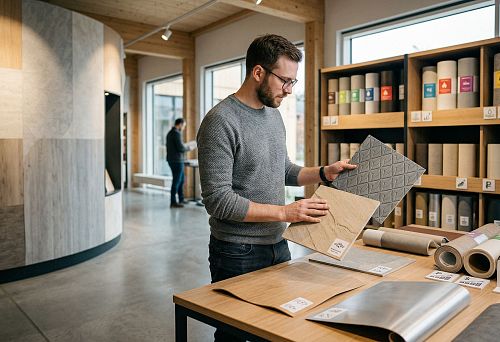
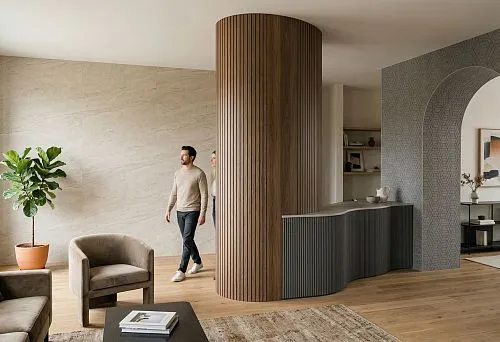
For interior finishing of wooden houses, natural panel cladding is often used. This can be solid wood blocks or combinations of different wood species, allowing for interesting decorative compositions. Cladding not only protects walls but also becomes an important part of the interior, setting the tone for the entire room.
Final finishing
After installing wooden walls, an important step is final finishing. Here, the following are used:
● Lacquers and oils: highlight the natural wood texture, creating a glossy or matte surface depending on preference.
● Waxes: give the surface softness and a velvety feel, enhancing the warmth of natural wood.
● Water-based paints: allow changing the wood tone while maintaining the material's eco-friendliness.
Final finish not only improves appearance but also protects wood from wear, extending the lifespan of walls.
Decorative elements
To emphasize the uniqueness of a wooden house, additional decorative elements are used:
● Wooden skirting boards• Baseboards: complete the transition between wall and floor, concealing technical seams.
● Wooden rails• Decorative inserts and panels: used for creating decorative inserts and panels.
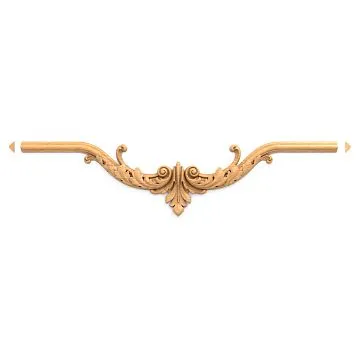
● Wooden angles• Structural accents: strengthen structural connections and add aesthetic emphasis.
● Wooden beams• Ceiling moldings: conceal joints between ceiling and walls, adding lightness to the interior.
● Wooden moldingsUsed for decorating joints and creating expressive decorative lines.
Each of these elements helps create a cohesive design, highlighting the natural beauty of wood and the individuality of the house.
4. Thermal and acoustic insulation
Role of wooden walls in creating a comfortable microclimate
Wooden walls have natural thermal and acoustic insulation properties. Due to their porous structure, wood is able to retain heat in cold seasons and create coolness in summer. This is especially relevant for wooden houses, where the quality of finishing directly affects the comfort of living.
Insulating framed walls
During the construction of a framed wooden house, insulation is an important stage. Mineral wool, eco-wool, or natural materials such as flax fiber are often used as insulation. Proper insulation allows reducing heat loss, improving the energy efficiency of the building, and creating a healthy indoor microclimate.
Acoustic insulation
Wood has the ability to absorb sound, making a wooden house quiet and peaceful. Additional acoustic insulation, use of multi-layered constructions, and proper combination of finishing materials allow achieving a high degree of acoustic insulation.
5. Ecological safety and sustainability
Ecological advantages of natural wood
Natural wood is an ecologically clean material that does not contain harmful chemicals. With proper selection and treatment, wood does not cause allergic reactions and contributes to creating a healthy microclimate. Moreover, wood is a renewable resource, making it especially attractive from the standpoint of sustainable development.
Resistance to external influences
To ensure wooden walls last for a long time, it is important to properly treat and protect the wood. Modern wood treatment compositions provide protection against moisture, ultraviolet radiation, insects, and fungi. This allows preserving the natural appearance of wood and extending its service life even under intensive use conditions.
Energy Efficiency
Wooden walls have excellent thermal insulation properties, which allows significantly reducing energy consumption for heating and air conditioning. Energy efficiency of a wooden house is one of the key factors when selecting materials for construction and finishing.
6. Modern trends and innovative solutions
Integration of traditions with modernity
Modern wood processing technologies allow preserving centuries-old craftsmanship traditions while simultaneously introducing innovative solutions. Latest methods such as computer modeling and use of CNC machines enable creating items with high precision, complex decorative elements, and perfect geometry.
Smart finishing and design
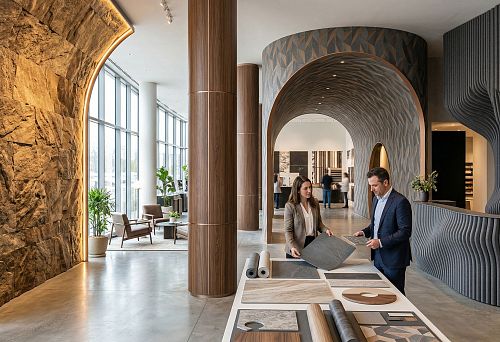
Modern designers strive to create a harmonious space where every detail plays its role. In finishing wooden houses, not only traditional materials but also innovative solutions are used: combining natural wood with modern textile, metal, and glass elements allows achieving a unique effect. This approach ensures not only aesthetic expressiveness but also functionality, meeting the requirements of modern technologies and energy efficiency.
Future prospects
Interest in eco-friendly materials and sustainable construction technologies continues to grow each year. Natural wood remains in the leading position due to its unique properties. Future innovations in wood processing, improvement of protective compositions, and new design solutions will enable creating even more durable, eco-friendly, and aesthetically appealing wooden houses.
Conclusion
Choosing a material for walls of a wooden house is a fundamental decision that affects all subsequent stages of construction and finishing. Natural wood, thanks to its unique thermal, acoustic, and ecological properties, becomes an ideal choice for creating a cozy, healthy, and beautiful home.
With proper selection of wood, quality treatment, and use of modern technologies, it is possible to create walls that will not only serve for decades but also highlight the individuality and style of the house. Finishing includes both large structural solutions and small decorative elements — from skirting boards and cornices to battens, corners, and moldings, which together create a cohesive image reflecting both traditional values and modern trends.
Natural wood not only delights the eye with its natural texture and warm tones, but also contributes to creating a healthy atmosphere inside the house, energy savings, and sustainable development. Use the best materials, apply innovative technologies, and respect traditions to make your wooden house a embodiment of harmony, comfort, and longevity.
May the walls of your home made of natural wood become not only protection and foundation, but also true decoration, offering warmth, eco-friendliness, and aesthetics for many years.