Article Contents:
- Oak Philosophy: Understanding the Essence of the Material
- Anatomy of perfection
- Application Spectrum: From Classic to Avant-Garde
- Furniture Magic
- Architectural Decoration
- Technological Revolution in Oak Processing
- Innovative Drying
- New-generation protective coatings
- Stylistic Diversity of Oak Solutions
- Minimalism and Oak
- Classic Heritage
- Ecological Component of Oak Products
- Carbon balance
- Healthy Microclimate
- Economic Appeal of Oak Investments
- Factors Driving Value Growth
- Antique Perspective
- Technology for Caring for Oak Masterpieces
- Daily Maintenance
- Professional Restoration
- Oak in Modern Architecture
- Structural Solutions
- Facade Systems
- Psychological Impact of Oak Environment
- Biophilic Connection
- Status Symbolism
- Regional Schools of Oak Craftsmanship
- European traditions
- Modern Interpretations
- Innovative Development Directions
- Digital technologies
- Ecological innovations
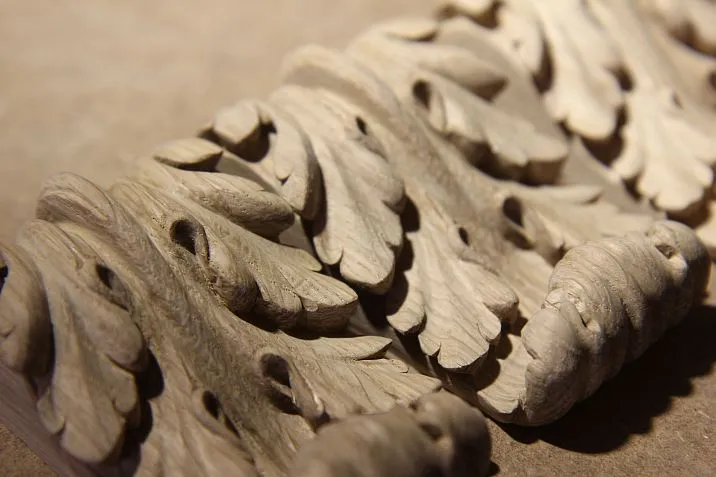
In the world of modern design and interior, there is a material that has for centuries embodied reliability, nobility, and enduring beauty. Oak is not just a tree species; it is a living legend that continues to captivate the hearts of true quality enthusiasts. oak products Today, it is experiencing a true renaissance, becoming a symbol of refined taste and an investment in the future.


Oak Philosophy: Understanding the Essence of the Material
Each tree tells its own story, but oak speaks in centuries. Its rings are a chronicle of time, captured in the wood fibers. The density of oak wood reaches an impressive 700-800 kilograms per cubic meter, making it one of the strongest species in the world.
The uniqueness of oak structure lies in its high tannin content – natural preservatives that make up up to 15 percent of the wood's mass. These substances not only give oak its distinctive golden-brown hue but also provide natural protection against moisture, mold, and pests.




Anatomy of perfection
Oak wood represents a complex architectural system. The wide spring pores form natural channels that transport nutrients in a living tree. In finished products, these pores create a unique pattern, making each board one-of-a-kind.
The hardness of oak on the Janka scale reaches 5900 Newtons, which is 1.5 times higher than birch and nearly twice that of pine. These characteristics allow for the creation of oak products that serve for decades without losing functionality or aesthetic qualities.
Our factory also produces:


Application Spectrum: From Classic to Avant-Garde
Modern oak products They cover an incredibly wide range of applications. This is not only traditional furniture, but also refined decorative elements, building materials, and even high-tech solutions for modern interiors.
Get Consultation
Furniture Magic
Oak furniture is the philosophy of space. Each piece carries the energy of nature and the craftsmanship of human hands. Solid oak tables become central elements of interior design, capable of withstanding not only physical loads but also the emotional weight of family traditions.
Oak beds create an atmosphere of safety and comfort. The natural ability of wood to regulate air humidity makes the bedroom healthier, and the phytoncides contained in oak positively affect sleep quality.
Cabinets and chests transform into family storage units, where each shelf is a page of history. Oak furniture is not only functional, it is emotionally significant, creating a connection between generations.
Architectural decor
Moldings, baseboards, and cornices—these oak items serve as elegant punctuation in the interior design text. They set accents, create rhythm, and highlight architectural features of the room.
Oak casings and moldings transform ordinary openings into portals of elegance. Balusters for staircases not only ensure safety but also create a visual symphony of vertical lines.
Technological revolution in oak processing
Modern technologies have fundamentally changed approaches to creation oak productsHigh-precision CNC machines allow to realize the most daring design ideas with incredible accuracy.
Innovative drying
The process of drying oak wood is both science and art. Modern vacuum chambers allow controlling every parameter: temperature, humidity, pressure. The humidity gradient must not exceed 2 percent throughout the entire volume of the material.
Cryodrying—a revolutionary technology allowing oak to be dried in several days instead of traditional months. At the same time, all natural properties of the wood are preserved, and the risk of cracking is minimized.
Protective coatings of the new generation
Nanotechnological coatings create an invisible protective film on the surface of oak items, several molecules thick. These compositions do not alter the appearance of the wood but provide protection against UV radiation, moisture, and mechanical damage at the molecular level.
Polyurethane lacquers with UV curing create a super-hard coating that not only protects but also accentuates the natural beauty of oak grain.
Stylistic diversity of oak solutions
Oak items possess remarkable adaptability to various stylistic directions. From brutal loft to refined art deco—oak finds its place in any concept.
Minimalism and oak
Scandinavian minimalism has opened a new dimension of oak beauty. Simple forms, natural tones, absence of unnecessary decoration—all this allows focusing on the main thing: the natural beauty of the material.
Light oak tones, achieved through special treatment, create a sense of airiness and space. Matte finishes highlight the tactile qualities of wood, making interiors more human-centered.
Classic Heritage
Traditional oak products In classical style—this is a triumph of craftsmanship and beauty. Carved elements, patination, gilding—all these techniques transform ordinary furniture into works of art.
French polishing—an ancient technique that creates a deep, living finish. Multiple thin layers of shellac are applied by hand, creating an effect of internal wood glow.
Ecological component of oak items
In the era of ecological awareness, oak items gain special relevance. Oak is a renewable resource, but only under proper forest management.
Carbon balance
Oak wood is a natural carbon sink. One cubic meter of oak wood contains about 300 kilograms of bound CO2. Using oak items in interiors continues to combat the greenhouse effect for decades.
The lifespan of oak items significantly exceeds analogs made from other materials. Furniture serving for centuries—is not a utopia, but a reality of oak items with proper care.
Healthy microclimate
Oak wood possesses natural antibacterial properties due to its high tannin content. These substances suppress the growth of pathogenic microorganisms, creating a healthier atmosphere indoors.
Oak's ability to regulate humidity is especially important in children's rooms and bedrooms. Wood absorbs excess moisture and releases it when needed, maintaining an optimal microclimate.
Economic attractiveness of oak investments
oak products are not only interior elements but also full-fledged investments. Quality oak furniture does not lose value and often becomes more expensive over time.
Factors of value growth
The age and origin of the wood play a key role in pricing. Oak from old-growth forests is especially valued due to density and texture beauty. European oak is traditionally considered the standard of quality.
Craftsmanship adds artistic value to the item. Hand-carving, exclusive design, flawless execution—all these factors transform furniture into collectible items.
Antique perspective
Oak items from the 18th-19th centuries reach astronomical sums at auctions. This is not coincidence, but a trend. Oak has the ability to improve with age, acquiring noble patina and unique depth of color.
Modern oak items, crafted at a high level, may become antiques in several decades. This makes purchasing quality oak furniture a sensible long-term investment.
Technology for caring for oak masterpieces
Despite their strength, oak items require proper care to maintain beauty and functionality for many years.
Daily maintenance
Regular cleaning of oak surfaces should be performed using special compositions developed for natural wood. Ordinary cleaning agents may disrupt the protective coating and alter the color of the wood.
Polishing with special waxes and oils not only cleans the surface but also nourishes the wood, maintaining its elasticity. Carnauba-based waxes create an additional protective layer.
Professional restoration
Over time, even the highest quality oak products may require professional intervention. Restoration is an art of returning objects to their original beauty.
Modern restorers use both traditional techniques and innovative methods. Laser cleaning allows removing old coatings without damaging the wood. Injection of special resins restores damaged areas.
Oak in modern architecture
The architectural application of oak products goes far beyond traditional understanding. Modern buildings use oak elements as the basis for ecological and aesthetic concepts.
Structural solutions
Oak beams in modern architecture serve not only a load-bearing function but also become primary visual accents. Glued oak structures allow creating spans of significant length without intermediate supports.
Bent-glued oak elements open new possibilities for creating curved forms. Modern technologies allow bending oak laminates at any angle while preserving the material's strength and beauty.
Facade systems
Oak siding for exterior cladding undergoes special treatment that enhances its resistance to atmospheric influences. Thermomodification alters the wood's structure at the molecular level, making it practically impervious to moisture and temperature fluctuations.
Oak cladding systems combine modern fastening technologies with the traditional beauty of natural material. Such facades require no maintenance for decades, preserving their original appearance.
Psychological impact of oak environments
The presence of oak items in interior spaces exerts a profound psychological impact on people. Numerous studies confirm the beneficial effect of natural wood on emotional well-being.
Biophilic Connection
Humans are genetically linked to nature, and the presence of natural materials activates ancient mechanisms of calming and concentration. Oak surfaces reduce cortisol levels—the stress hormone.
Tactile contact with wood activates the parasympathetic nervous system, responsible for relaxation and recovery. This is especially important in today's world of constant stress and information overload.
Status symbolism
oak products traditionally associated with success, stability, and good taste. This symbolic load has been formed over centuries and remains relevant to this day.
An oak office emphasizes the owner's seriousness and competence. An oak dining room creates an atmosphere of family traditions and hospitality. These associations work on a subconscious level, forming the desired impression.
Regional schools of oak craftsmanship
Different regions of the world have developed their own traditions of working with oak, leading to the formation of unique styles and techniques. Each school contributes something special to the creation of oak products.
European traditions
The French school of furniture making is renowned for the elegance of its forms and luxurious decoration. Marquetry—the technique of inlaying with different wood species—has reached incredible perfection in France. Oak bases are adorned with inlays of exotic species, creating true masterpieces.
The English tradition leans toward monumentality and functionality. Oak furniture in the English style is characterized by massive forms and restrained decoration. Special attention is paid to the quality of joints and the durability of the structure.
Modern Interpretations
Japanese philosophy of minimalism has contributed to understanding the beauty of oak. Japanese masters have learned to see perfection in simplicity, creating oak products of astonishing elegance despite seemingly simple forms.
The Scandinavian approach to design revolutionized the perception of oak furniture. Light tones, functionality, and eco-friendliness—these principles have made Scandinavian style one of the most popular in the world.
Innovative Development Directions
Future oak products is associated with the integration of traditional technologies and modern innovations. Artificial intelligence helps optimize wood cutting, minimizing waste and maximizing the quality of finished products.
Digital technologies
Three-dimensional scanning allows creating precise digital models of each blank. Machine learning algorithms analyze the wood structure and suggest optimal usage options for each piece.
Virtual reality revolutionizes the design process. Clients can see future products in their interiors even before production begins, significantly reducing the risk of dissatisfaction with the result.
Ecological Innovations
A closed production cycle has become an industry standard. Sawdust and shavings are used to produce biofuel, and turning waste is used to create composite materials. Not a single gram of valuable oak wood goes to waste.
Forest regeneration programs ensure a raw material base for future generations. Modern oak forests are cultivated using scientifically-based methods that accelerate tree growth without compromising wood quality.
Oak products are not merely interior items or decorative elements. They are embodiments of eternal values in material form, bridges between the past and future, between nature and civilization. In a world of synthetic materials and mass production, oak remains an island of authenticity and quality.
STAVROS understands the special mission of oak wood in the modern world. By combining centuries-old craftsmanship traditions with advanced technologies, STAVROS creates oak productsthat will become a worthy adornment of any interior and a source of pride for several generations of owners. Every STAVROS product is an investment in beauty, quality, and the future.