Article Contents:
- Bold combination: when opposites attract
- The philosophy of eclecticism: synthesis instead of choice
- Historical precedents: eclecticism is not new
- Psychology of perception: why contrast enriches
- Wooden slats: contemporary zoning and geometry
- Vertical slats: the illusion of height
- Horizontal Laths: Expanding Space
- Combined zoning: slats as partitions
- Accent wall: slats as a background for moldings
- Polyurethane moldings: classic accents in a contemporary context
- Ceiling rosette: the center that brings everything together
- Wall moldings: frames for slatted panels
- Ceiling cornice: the upper boundary that unites styles
- Furniture handles: tactile connection of eras
- Wood with brass: a material bridge
- Carved handles: classic accent on contemporary furniture
- Minimalist wooden knobs: restraint and naturalness
- Compositional schemes: how to put everything together
- Scheme 1: slats on an accent wall + rosette on the ceiling + classic furniture
- Scheme 2: horizontal slats on walls + molding frames on the ceiling
- Scheme 3: slatted partition + ceiling moldings + combined handles
- Practice: where to buy materials for an eclectic interior
- Comprehensive order: saving time and money
- Budget calculation for a 25 m² living room
- Frequently Asked Questions
- Conclusion: the courage to be eclectic

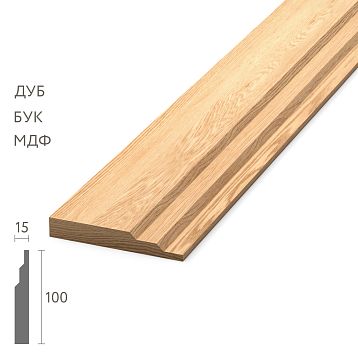
Rules are made to be broken. Or, more precisely, to find flexibility, plasticity, and the possibility of dialogue within them. Classicism says: moldings, symmetry, ornament, tradition. Modernity responds: clean lines, geometry, minimalism, functionality. And it seems they are irreconcilable. ButBuy wooden skirting boardand arrange them in vertical rows on the wall, addPolyurethane moldings on the ceiling under the chandeliera rosette with a classic ornament, install on cabinetsFurniture Handlesmade of oak with brass overlays — and suddenly the space gains character, where past and present do not conflict but coexist, enriching each other. Eclecticism is not chaos but a thoughtful blend, where each element knows its place, where slats set a contemporary rhythm on the walls, moldings crown the ceiling with a classic rosette, furniture handles connect eras through the tactility of wood and the nobility of metal. In this article, we explore bold combinations, prove that classic moldings coexist with minimalist slats, show compositional schemes that work, and tell you where to buy all the materials for an eclectic interior. Get ready for a journey beyond stylistic boundaries.


Bold Combination: When Opposites Attract




The Philosophy of Eclecticism: Synthesis Instead of Choice
Eclecticism was born from the refusal to choose. Why limit yourself to one style if classical molding is beautiful in its ornamentation, and modern slats are functional in their geometry? Why give up carved furniture handles if they are tactilely pleasing, yet you desire the clean lines of minimalism? Eclecticism offers a third way: synthesis, where the best from different eras, styles, and philosophies is taken.
But synthesis is not a disorderly mixing. A Baroque rosette on the ceiling, Scandinavian slats on the wall, loft furniture with industrial handles—this is not eclecticism, it's chaos. Eclecticism requires a common denominator that binds heterogeneous elements into a whole.
The common denominator can be material: wood.Decorative wall panelingSolid oak slats, solid oak furniture handles, solid oak wooden floor—the material is unified, the forms are different (geometric slats, carved handles), but the unity of the material creates a connection.
The common denominator can be color: white and natural wood. Molding painted white, natural oak slats, white walls, oak furniture handles with white brass inserts—a two-component color scheme connects all elements.
The common denominator can be proportional: rhythm with a step of 100-150 mm. Wall slats with a 120 mm step, dentils on molding with a 100 mm step, furniture handles on drawers with a 150 mm step—the rhythm differs in scale, but the principle of repetition is unified, creating the music of space.
Our factory also produces:



Historical Precedents: Eclecticism is Not New
Eclecticism as a method has existed since the 19th century. The Victorian era in Britain, the era of Historicism in continental Europe—architects mixed Gothic arches with Renaissance pilasters, Baroque ornaments with classical columns. This was an eclecticism of past styles, without modernity.
The 20th century added modernity to eclecticism. Art Deco of the 1920s-30s mixed classical proportions with modernist geometry, luxury with functionality. Postmodernism of the 1970s-80s pushed eclecticism to absurdity, ironically mixing classical columns with neon lighting, marble facades with metal structures.
The 21st century restored seriousness to eclecticism. Modern eclecticism is not irony, but synthesis, where classical molding coexists with minimalist slats not for provocation, but to create a multi-layered space that respects tradition and acknowledges the value of contemporary solutions.
Get Consultation
Psychology of Perception: Why Contrast Enriches
The human brain loves contrasts because they create information. A smooth white wall without decoration—minimal information, the brain gets bored. A wall with classical molding—more information (relief, ornament, shadows), the brain is interested. A wall with modern slats—more information (rhythm, geometry, depth), the brain is interested. A wall where the upper part has classical molding and the lower part has modern slats—maximum information, the brain is excited, seeks connections, reads the contrast, enjoys the complexity.
The contrast between relief ornamental molding and geometric, clean slats creates visual tension that is not uncomfortable (if proportions and color are coordinated) but stimulating. The space is not boring, not monotonous; it is multi-layered, interesting, inviting you to examine the details.
Tactile contrast: smooth polyurethane molding (perfectly smooth after painting) and textured wooden slats (with visible oak grain) creates a richness of sensations. A hand sliding over the molding feels cool smoothness. A hand touching a slat feels the warm texture of wood. Contrast enhances the awareness of sensations.
Wooden Slats: Modern Zoning and Geometry
Vertical Slats: Illusion of Height
Vertical wooden slats with a cross-section of 20×40 mm, 30×40 mm, installed on a wall with a step of 100-150 mm from floor to ceiling, create the illusion of increased room height. Vertical lines guide the eye from bottom to top, the wall seems taller, the ceiling seems farther away. The effect is enhanced if the slats are light (whitewashed oak, natural ash) and the wall background is slightly darker (light gray, beige).
For a room with a ceiling of 2.6-2.8 meters, vertical slats are a visual correction that compensates for insufficient height. For a room with a ceiling of 3.0+ meters, vertical slats emphasize the height, making it an architectural virtue.
The slat spacing is critical. A close spacing of 80-100 mm creates dense graphics, turning the wall into an almost solid surface with thin gaps. A medium spacing of 120-150 mm creates rhythmic graphics, where the slats and the gaps between them are visually equal. A wide spacing of 180-220 mm creates sparse graphics, where the slats are perceived as separate verticals, not merging into a single field.
For eclecticism with classical molding, a medium spacing of 120-150 mm is optimal: the slats create a rhythm that is readable but not overwhelming, leaving space for perceiving the ceiling molding.
Horizontal boards: expanding space
Horizontal slats of the same cross-sections, installed with a step of 100-150 mm, create the illusion of expanded space. Horizontal lines guide the eye along the wall, the wall seems longer, the room wider. The effect works in narrow rooms, corridors, where a lack of width needs to be visually compensated.
Horizontal slats on the long wall of a narrow living room (length 6 meters, width 3.5 meters) create an optical illusion: the room seems more proportional, less elongated. If complemented by a classical ceiling cornice along the perimeter, the effect is enhanced: the horizontals of the slats + the horizontal of the cornice create a system of parallel lines that visually expands.
Combined Zoning: Slats as Partitions
Slats installed not on a wall, but on a freestanding frame (perpendicular to the wall at a distance of 50-100 cm from it), create a semi-transparent partition that zones the space without fully dividing it. Through vertical slats with a 120 mm spacing, you can see what is happening behind the partition, light passes through, air circulates, but the zones are visually separated.
Such a slatted partition in a living-dining room separates the dining area from the lounge area. On one side of the partition—a sofa and TV (lounge area), on the other—a dining table and chairs (dining area). A partition 2.2-2.4 meters high (not reaching the ceiling, to preserve visual connection with the overall space) creates a boundary but does not isolate.
Classic FurnitureClassical furniture in the dining area (a buffet with carved doors, chairs with turned legs) combines with the slatted partition through furniture handles: if wooden handles made of the same oak as the slats are installed on the buffet, a material connection is created, and eclecticism works.
Accent Wall: Slats as a Background for Molding
One wall in the room is decorated with vertical slats from floor to ceiling. The other walls are smooth and painted. On the ceiling above the slatted wall, a classical polyurethane rosette with a diameter of 80-100 cm and an ornament (acanthus leaves, concentric circles) is installed. A chandelier hangs below the rosette.
Contrast: slatted wall — modern, geometric, linear. Ceiling rosette — classic, ornamental, round. But color connects: slats are natural oak (brown), rosette is painted white, wall behind slats is white. Brown vertical lines on white background + white round rosette above them = contrast of forms within a unified color scheme.
Effect: The gaze entering the room first fixes on the slatted wall (the most textured surface), then rises to the ceiling socket (the circle attracts attention as a geometrically perfect shape), then to the chandelier. A compositional route is established, with eclecticism functioning as a coherent system.
Polyurethane molding: classic accents in a modern context
Ceiling rosette: the center that gathers everything
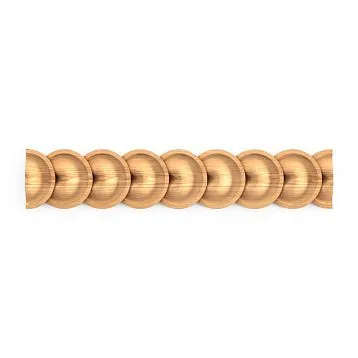
A ceiling rosette with a diameter of 60-120 cm is the most recognizable element of classic molding. Historically, rosettes adorned palace ceilings, framed chandeliers, and created a compositional center. In an eclectic interior with modern wall slats, the rosette performs the same function: it creates a focal point that gathers the space.
The rosette's ornament should not be too abundant, so as not to overload the space where there is already the graphic of the slats. Optimal are rosettes with moderate relief: concentric circles with beads and cavettos, rosettes with radial rays (symmetrical lines from center to edge), rosettes with acanthus leaves in a single row around the perimeter (not multi-layered Baroque, but restrained Neoclassical).
The rosette is painted white (a classic solution) or the color of the ceiling (if the ceiling is light gray, the rosette is light gray — creates relief without color contrast, which is more restrained, suitable for modern eclectic interiors).
The chandelier under the rosette can be classic (multi-arm with crystal pendants) or modern (geometric with a metal frame). In eclecticism, both work: a classic chandelier supports the rosette stylistically, a modern chandelier creates a contrast with the rosette, enhancing the eclecticism.
Wall moldings: frames for slatted panels
Polyurethane molding on the wallcan frame slatted panels, turning a modern element into part of a classic structure. A rectangle measuring 1.2×2.0 meters is marked on the wall. Vertical slats with a 120 mm spacing are installed inside the rectangle. A molding 60-80 mm wide is glued around the perimeter of the rectangle.
Effect: the slats inside the frame are perceived not as an independent modern element, but as infill for a classic panel. The molding creates a context that classifies the slats, making them part of a classic architectural system. This is a bold technique where modernism is subordinated to classicism but retains its geometric identity.
Alternative: moldings are installed on the wall next to the slatted panel but do not frame it. The slatted panel occupies one wall; on the adjacent wall, molding frames are installed (without slats inside, just frames made of moldings on a smooth painted wall). Distribution: one wall modern (slats), one classic (moldings), but the overall color (white moldings, natural wood slats, light walls) connects them.
Ceiling cornice: the upper boundary that unites styles
A polyurethane ceiling cornice 120-160 mm wide with a classic profile is installed around the perimeter of the room. The cornice crowns the walls from above, regardless of whether they are finished with slats or are smooth. The cornice creates an upper frame that unites different walls into a single space.
If one wall has vertical slats and the others are smooth, the cornice runs over all walls equally, creating a single horizontal line. This horizontal line is a connecting element that says: yes, the walls are different (one slatted, others smooth), but they are parts of one room, crowned by one cornice.
The cornice profile should be classic (cavetto + bead) to support the classic ceiling rosette, but not too ornate (without dentils, modillions, carved appliqués), so as not to overload the space where there is already the graphic of the slats.
Furniture handles: tactile connection of eras
Wood with brass: a material bridge
A furniture handle is the most tangible element of an interior. We put our hand on the handle dozens of times a day, opening cabinets, pulling out drawers. Tactile sensations are more important than visual ones in the case of handles. A wooden handle made of solid oak, warm, textured, pleasant to the touch, creates a connection with the wooden slats on the wall (same material, same color). A brass insert on the wooden handle (ring, overlay, end cap) creates a classic accent that rhymes with the classic ceiling molding.
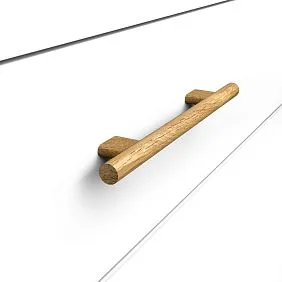
A wooden bracket 128 mm long made of oak with brass overlays on the ends is a universal handle for eclectic furniture. The body of the bracket is oak (connection with slats), the overlays are matte brass (classic metal, connection with tradition). The shape of the bracket is geometrically simple (modern purity of lines), but the materials are classic (wood + brass = tradition).
The cost of such a handle is 1800-2800 rubles per piece. For a kitchen set with 18 doors and drawers, 18 handles are needed, costing 32400-50400 rubles. This is 4-6% of the cost of the set (600000-900000 rubles), but the visual and tactile effect is colossal: the set transforms from standard into individual, eclectic, with character.
Carved handles: classic accent on modern furniture
The opposite option: a carved wooden handle with ornament (leaves, scrolls, geometric patterns) is installed on modern minimalist furniture (a cabinet with smooth fronts without panels, a dresser with simple rectangular drawers). Contrast: the furniture is modern, the handle is classic.
This technique works if the handle's ornament echoes the ornament of the ceiling rosette. If the rosette has acanthus leaves, handles with acanthus leaves — a stylistic rhyme is created, a connection between the ceiling and furniture is established through a repeating motif.
A carved oak handle with ornament costs 2200-4500 rubles per piece. Installing them on all furniture is expensive and excessive. Optimal: carved handles on key furniture (sideboard in the dining room, dresser in the living room, bedside tables in the bedroom), simple handles (wooden brackets without carving) on secondary furniture (kitchen, dressing room).
Minimalist wooden knobs: restraint and naturalness
Third option: round or square wooden knobs 30-40 mm in diameter without ornament, with simple geometry. A knob made of whitewashed oak (light, almost white) is installed on furniture with white fronts. The knob barely stands out (color is almost the same), but the wood texture is visible, felt tactilely.
Such knobs are the most restrained option for eclecticism, where modern purity is important, but the tactility of wood is desired. The knobs connect the furniture with the wooden slats on the wall materially but do not overload with decorativeness.
The cost of a minimalist wooden knob is 800-1400 rubles per piece. For furniture with 25 doors and drawers (kitchen + living room), the cost is 20000-35000 rubles.
Compositional schemes: how to put it all together
Scheme 1: battens on accent wall + ceiling rosette + classic furniture
Living room 25 m², ceiling height 2.7 meters. One wall (behind the sofa) is decorated with vertical oak battens 30×40 mm with a 120 mm spacing from floor to ceiling. Battens are natural oiled oak (brown). The wall behind the battens is painted white. The other three walls are smooth light gray.
Ceiling is white, a 140 mm wide polyurethane cornice with a classic profile is installed around the perimeter, painted white. In the center of the ceiling, a 90 cm diameter rosette with acanthus leaves around the perimeter, white. Under the rosette, a classic chandelier with crystal pendants.
Furniture: modern straight sofa (gray upholstery), modern coffee table (glass top, metal legs), classic sideboard (solid oak, carved doors). Carved wooden oak handles with acanthus leaves are installed on the sideboard (echoing the ceiling rosette).
Connections: battens (oak) + sideboard handles (oak) = material connection. Rosette (acanthus) + handles (acanthus) = ornamental connection. Cornice (classic) + sideboard (classic) = stylistic connection. Sofa (modern) + battens (modern) = stylistic connection. The scheme is balanced: 50% classic, 50% modern, connected through wood and white color.
Scheme 2: horizontal battens on walls + molding frames on ceiling
Bedroom 18 m², ceiling height 2.6 meters. The wall behind the bed headboard is decorated with horizontal oak battens 20×40 mm with a 100 mm spacing to a height of 1.2 meters from the floor. Above 1.2 meters, the wall is smooth light beige. On all walls at a height of 1.2 meters, a horizontal polyurethane molding 50 mm wide is installed (separating the lower batten zone and the upper smooth zone).
Ceiling is white. Two rectangular frames made of 60 mm wide moldings are marked on the ceiling (one above the bed, one opposite). Inside the frames, the ceiling is white, the frames are white (creating relief without color contrast). Perimeter recessed lighting (hidden lighting behind the cornice).
Furniture: bed with wooden headboard (oak), modern bedside tables (white fronts, simple geometry). Round wooden oak knobs with a diameter of 35 mm are installed on the tables.
Connections: battens (oak) + bed headboard (oak) + knobs (oak) = material connection. Horizontal molding on walls + molding frames on ceiling = stylistic connection. Tables (modern) + battens (modern) = stylistic connection. The scheme is balanced: 40% classic (moldings), 60% modern (battens, tables), connection through wood.
Scheme 3: batten partition + ceiling stucco + combined handles
Studio apartment 45 m², ceiling height 2.8 meters. A 2.2-meter-high batten partition made of vertical oak battens 30×40 mm with a 150 mm spacing divides the space into living and sleeping areas. The partition stands freely, not attached to the side walls, creating a walk-around possibility.
Ceiling is white. Above the living area, a 100 cm diameter rosette with a geometric pattern (concentric circles), white, is installed. Above the sleeping area, the ceiling is smooth with recessed spotlights.
Furniture in the living area: sofa, bookshelf (white, modern). Wooden oak brackets with brass plates are installed on the shelf. Furniture in the sleeping area: bed, dresser (white, modern). The same brackets are installed on the dresser (unity of hardware).
Connections: partition (oak) + handles (oak + brass) = material connection. Rosette (classic) + brass on handles (classic metal) = stylistic connection. Shelf and dresser (modern) + partition (modern) = stylistic connection. The scheme is balanced: 30% classic (rosette, brass), 70% modern (battens, furniture), which is acceptable for a studio with a young audience.
Practice: where to buy materials for an eclectic interior
Comprehensive order: saving time and money
An eclectic interior requires three types of materials: wooden battens, polyurethane stucco, furniture handles. Buying them in three different places means wasting time searching and risking stylistic inconsistency (battens from one store may not match the color or profile of handles from another).
A comprehensive order from one place that offers all three categories solves the problem. Company specialists help select battens, stucco, and handles so that they match in color, texture, and style. Single delivery, single point of contact, discounts on comprehensive orders (often 7-10% for orders over 150,000 rubles).
Budget calculation for a 25 m² living room
Oak battens 30×40 mm for accent wall 12 m² (wall 4 meters wide, 3 meters high): 85 battens of 3 meters each = 255 meters. Cost 380 rub/m × 255 = 96,900 rub.
Stucco: ceiling cornice 140 mm, 20 meters perimeter = 20×880 = 17,600 rub. Rosette 90 cm diameter = 11,500 rub. Total stucco 29,100 rub.
Furniture handles: carved oak for sideboard, 6 pieces = 6×3200 = 19,200 rub. Simple brackets for TV stand, 4 pieces = 4×1600 = 6,400 rub. Total handles 25,600 rub.
Installation materials (adhesive, fasteners, primer, paint): 8,500 rub.
Total materials: 96,900 + 29,100 + 25,600 + 8,500 = 160,100 rub.
Labor: batten installation 45,000 rub, stucco installation 12,000 rub, handle installation 3,000 rub = 60,000 rub.
Total turnkey: 160,100 + 60,000 = 220,100 rub.
With a comprehensive order, 8% discount on materials = 12,808 rub. Total 207,292 rub.
Frequently asked questions
Won't eclecticism look like chaos if you mix classic stucco and modern battens?
It won't if you follow three rules: a common denominator (color, material, or rhythm), proportional balance (one style dominates 60-70%, the second complements 30-40%), transitional elements (furniture handles made of wood with metal link the wood of the battens and the metal of the chandelier under the stucco). Chaos arises when three or more styles are mixed without a common denominator.
What color of slats is best for eclecticism with white molding?
Natural oak (brown) creates a warm contrast with white molding, a classic combination. Whitewashed oak (light, almost white) creates a monochrome scheme where the contrast is in the relief, not the color—a more restrained solution. Gray-toned oak creates a modern, cool palette, suitable for minimalist eclecticism.
Can slats be installed horizontally if there is a classic ceiling rosette?
Yes. Horizontal slats create a horizontal rhythm on the walls, the rosette creates a circular rhythm on the ceiling—the rhythms are different but do not conflict because they are on different planes (walls and ceiling). It is important that the color ties them together: white rosette + white walls behind horizontal slats + natural oak slats.
Is it necessary to put wooden handles on all furniture or can they be combined with metal ones?
They can be combined. Wooden handles on classic furniture (sideboard, chest of drawers with carved fronts), metal handles on modern furniture (kitchen set with smooth fronts). This enhances eclecticism: each type of furniture gets appropriate hardware. The main thing is that the metal of the handles rhymes with the metal of other elements (brass handles + brass chandelier = connection).
How much does comprehensive finishing of a three-room apartment of 85 m² with slats, molding, and handles cost?
Materials: slats for three accent walls (one in each room) = 280,000 rubles, molding (cornices in all rooms + three rosettes) = 125,000 rubles, furniture handles for all built-in and freestanding furniture (60 pieces) = 95,000 rubles, installation materials = 28,000 rubles. Total materials 528,000 rubles. Labor 240,000 rubles. Total turnkey 768,000 rubles. With a comprehensive order, a 10% discount on materials = 52,800 rubles. Total 715,200 rubles.
How to care for wooden slats and furniture handles?
Slats and handles are wiped with a dry or slightly damp cloth to remove dust every 2-3 weeks. If the finish is oil, the oil is renewed every 2-3 years (applying one coat). If the finish is varnish, maintenance is minimal—wiping off dust, re-varnishing every 7-10 years if you want to refresh the shine.
Conclusion: the courage to be eclectic
Eclecticism is a style for the bold. For those who are not afraid to combine a classic ceiling rosette with modern slats on the wall. For those who understand that a carved furniture handle on a minimalist cabinet is not a mistake, but a thoughtful accent. For those who appreciate layering, complexity, and a dialogue of eras.
Wooden slats create modern geometry that structures walls, zones space, and creates rhythm. Polyurethane molding crowns the ceiling with classic rosettes, frames the room with cornices, and adds ornamental beauty. Furniture handles connect materials (wood of slats and wood of handles), connect styles (classic metal on handles and classic molding on the ceiling), and create tactile richness that is felt daily.
Eclecticism requires thoughtfulness. You cannot simply take the first slats you like, the first rosette you like, the first handles you come across, and combine them. You need a common denominator—color (white and natural wood), material (wood wherever possible), rhythm (repeating intervals in slats, dentils of molding, placement of handles). You need balance: one style should dominate, the second should complement, not compete.
Company STAVROS offers a full range of materials for creating eclectic interiors where classic and modern coexist harmoniously. Wooden slats made of solid oak, ash, beech—cross-sections from 20×40 to 50×50 mm, length up to 3.0 meters, profiles simple (rectangular cross-section) and shaped (with chamfers, roundings). Slats are planed, sanded, moisture content 8-12%, ready for installation and finishing. Possibility of painting, tinting, brushing. Cost 280-580 rubles/m depending on species, cross-section, processing.
Polyurethane molding over 700 items—moldings of all widths from 30 to 150 mm, ceiling cornices with classic profiles, rosettes with diameters from 40 to 150 cm with ornaments of all styles (from antiquity to Art Nouveau), decorative overlays, corner elements. Polyurethane density 250-300 kg/m³, moisture resistance, lightness (8 times lighter than plaster), ease of installation. All products are primed white, ready for painting. Cost 350-1400 rubles/m depending on width, complexity of profile, presence of ornament.
Furniture handles made of solid wood (oak, ash, walnut) and combined (wood with brass, wood with steel)—straps length from 96 to 192 mm, knobs diameter from 25 to 45 mm, rings on rosettes, carved handles with ornament. Turned and carved, simple and richly decorated, under varnish or oil, ready for painting. Over 120 models for all styles from Baroque to minimalism. Cost 800-4500 rubles/piece depending on size, material, complexity of processing.
Design bureau STAVROS develops eclectic interior projects with 3D visualization. You see how slats combine with molding, how handles connect furniture with walls, how color unites heterogeneous elements. The project includes slat layout with pitch indication, selection of molding profile, selection of handles for each piece of furniture, color scheme, material calculation, estimate. Project cost for an apartment of 50-80 m²—18,000-32,000 rubles, which is deducted from the order cost when placing an order for an amount from 200,000 rubles.
When ordering a set of materials (slats + molding + handles) for an amount from 150,000 rubles, STAVROS provides a 7% discount on all decorative elements. For orders from 300,000 rubles—a 9% discount plus free delivery in Moscow and the Moscow region. For orders from 500,000 rubles—an 11% discount plus free delivery in Russia plus a free project with 3D visualization. Savings 15,000-70,000 rubles.
STAVROS installation teams are specialists in eclectic interiors. Installation of wooden slats on walls with fastening to battens or adhesive, leveling, finishing with oil or varnish. Installation of polyurethane molding on ceilings and walls with sealing of joints, painting. Installation of furniture handles on all built-in and freestanding furniture. Work throughout Russia, 3-year warranty on installation, 5-year warranty on products.
By choosing STAVROS, you get a partner in creating interiors where there are no rigid stylistic frameworks, where classic and modern speak the same language, where slats, molding, and handles work together, creating a layered space with character. Be bold. Mix eras. Create eclecticism that inspires. With STAVROS, it is accessible, stylish, and high-quality.