



































Article Contents:
- Buy floor skirting boards: where to start your selection
- Which floor skirting boards are most commonly purchased
- Solid wood skirting boards
- Paintable MDF skirting boards
- Moisture-resistant polystyrene skirting boards
- Buy wooden floor skirting: when it is the best option
- For classic and neoclassical styles
- For interiors with parquet and wooden doors
- For prestigious premises
- How to choose skirting board by height, width, and profile
- Low and narrow skirting board
- Medium height
- Tall and wide skirting board
- Straight, beveled, shaped profile
- Which Skirting to Buy for a Specific Floor Covering
- Buy skirting board for laminate
- Buy skirting board for parquet
- Buy skirting board for engineered board
- Buy skirting board for quartz vinyl
- Buy skirting board for wooden floor
- Which skirting board to buy to match interior style
- Classic and neoclassic
- Modern Interior
- Minimalism
- Interior with light floor
- Interior with dark floor
- White, tall, and classic skirting boards: what is bought most often
- White skirting board for painting
- High skirting board
- Classic profile with decor
- Narrow floor skirting board
- Where to buy floor skirting boards
- Common mistakes when buying floor skirting boards
- Frequently Asked Questions
- Conclusion

Meanwhile, choosing andBuy floor skirting boardwith the correct result is not difficult. You need to know three things: what floor covering, what room style, what operating conditions. Everything else is technique. This article will break down each variable in order and provide specific recommendations on materials, heights, and profiles.
Buying a floor skirting board correctly means doing it before finishing the renovation, with a sample of the floor covering and with the understanding that the skirting is not just a technical gap cover at the floor, but the final horizontal line of the interior.
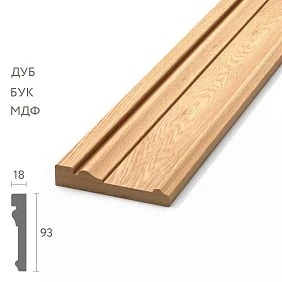
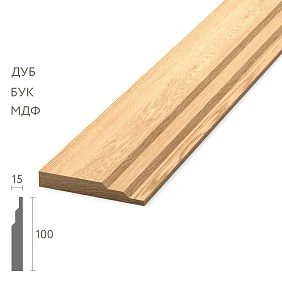
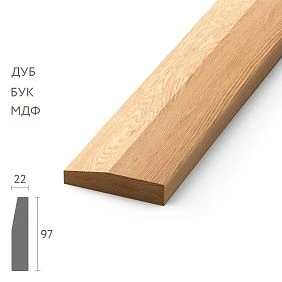
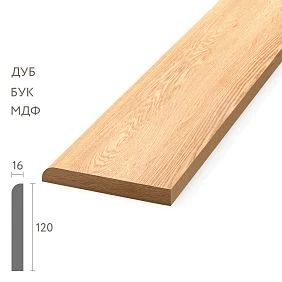
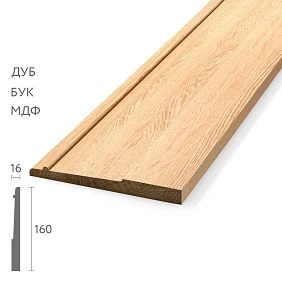
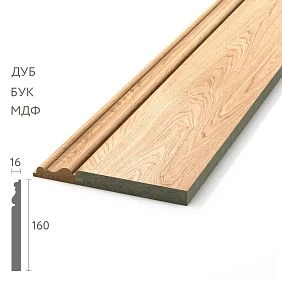
Buying floor skirting boards: where to start the selection
Before opening the catalog — three questions. Answer them honestly, and the choice will narrow down to a few specific options.
First question: what's on your floor? Solid oak parquet requires one type of skirting. Moisture-resistant quartz vinyl in the kitchen requires another. Tile in the hallway requires a third. The material and color of the floor covering are the starting point.
Second question: what is the humidity of the room? Living room and bedroom are dry rooms, any material will work there. Kitchen, hallway are high humidity areas, there you need moisture-resistant material or properly treated wood.
Third question: what is the interior style? Classic, neoclassical, Scandinavian minimalism, modern 'white' interior — each style has its own logic for skirting in terms of shape, height, and color.
Only after these three answers — choose the material. Not the other way around.
buy floor skirting boardswithout this preliminary work means risking the result. Too often people buy 'beautiful in the picture' — and end up with mismatched materials, shades, scales.
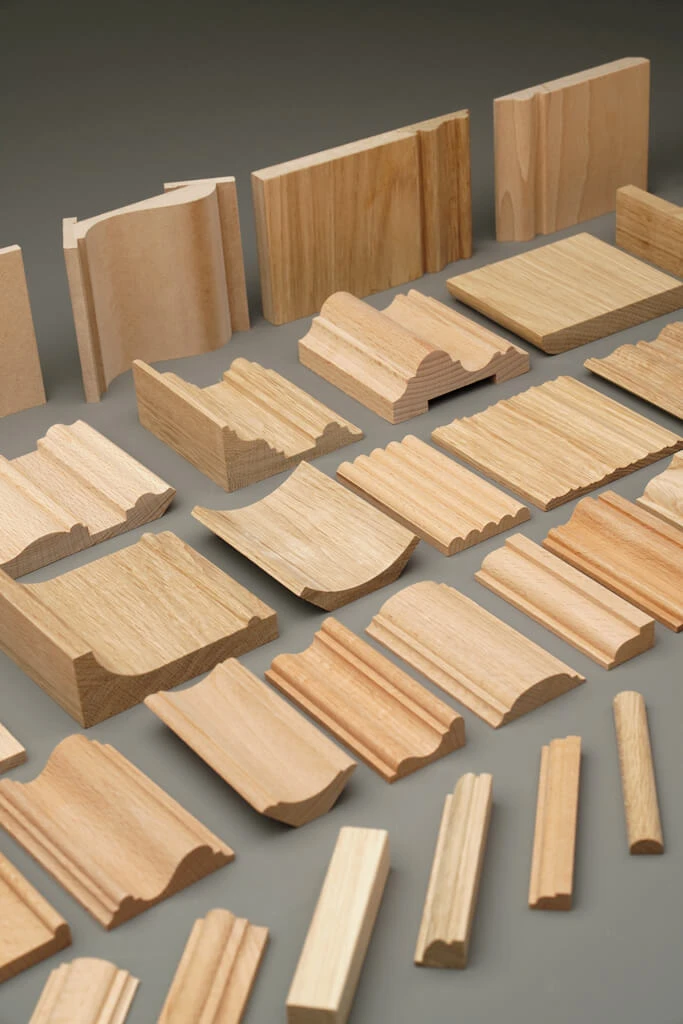
Which floor skirting boards are most commonly purchased
On the Moscow market, there are three main materials: wood (solid oak and beech), MDF, high-density polystyrene. Each is for its own context.
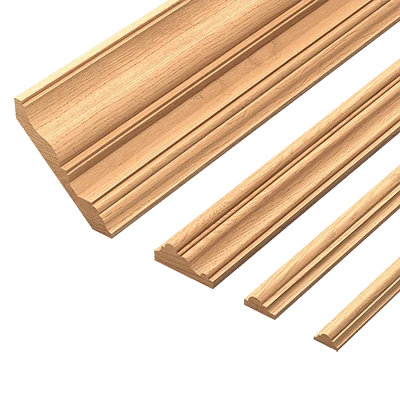
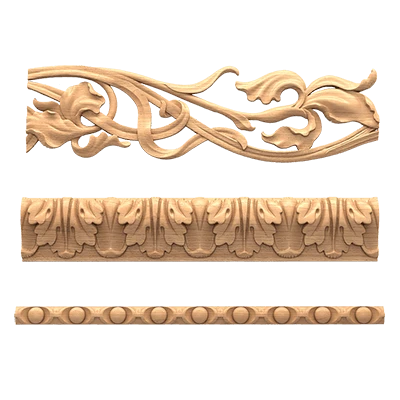
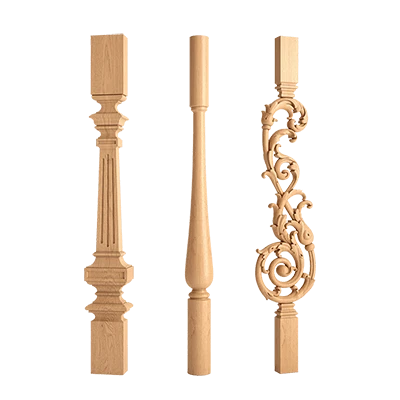
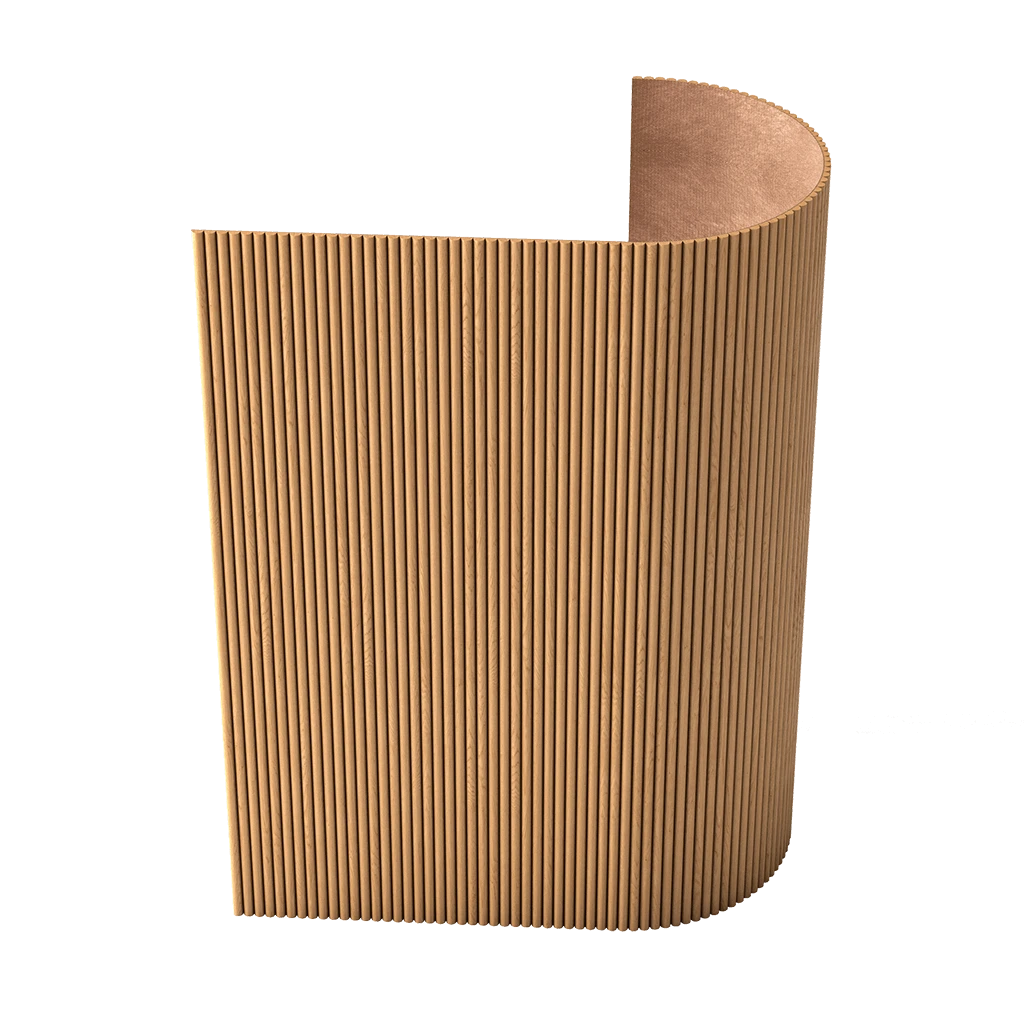
Our factory also produces:


Solid wood skirting boards
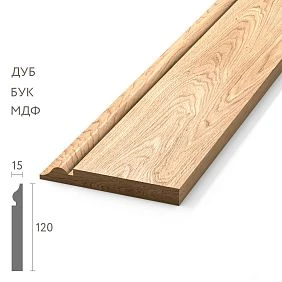
solid wood baseboard— a material that never goes out of style. Wood in interiors works in any era: in 17th-century classicism and in modern Scandinavian lofts. That's why wooden skirting boards remain the first choice for interiors with natural materials.
Solid oak is the hardest of the available species. Brinell hardness is about 3.7 kN: oak does not scratch from chair legs, does not dent from impacts, does not deform under mechanical stress. The fiber texture is expressive — the skirting board lives, changes tone under different lighting, ages beautifully.
Solid beech — finer grain, homogeneous structure, precise reproducibility of tinting. Where a specific shade matching the parquet is needed, beech is preferable to oak: it 'accepts' tinting without adjustments for texture.
To buy a wooden floor skirting board means choosing a material that will last 20–40 years with proper treatment. Scratched? Sanding. Tinting went out of fashion? Repainted with oil. Wood is the only material that can be renewed, not just replaced.
Key parameters:
-
Height: 60 / 70 / 80 / 100 / 120 mm and above
-
Plank length: 2.5 m (standard)
-
Thickness: 12–18 mm
-
Surface: sanded for painting, oil-tinted, varnished
-
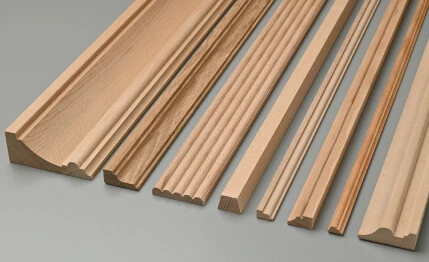
Profile: straight, with bevel, with roundover, shaped
Get Consultation
Baseboard — it is a modest detail, often unnoticed, but plays a critical role in creating the completeness of the interior.
MDF Skirting Board— for interiors where precise color system and uniform surface are important. MDF is a high-density pressed wood fiberboard. No knots, no pores, no variation in structure. Acrylic paint applies perfectly evenly—without texture 'showing through,' without stains.
Buy MDF skirting board—the right choice for Scandinavian interiors with a white system. White floor, white walls, white skirting—MDF for painting provides a perfectly uniform white line at the floor. No wood can achieve such a pure white: the fiber texture always slightly 'shows through.'
Buy white MDF skirting board for painting—option number one for modern Moscow apartments in white and gray-white palettes. That's why it's among the top three best-selling formats.
Limitation: MDF is afraid of moisture. The bottom end must be primed or coated with silicone sealant before installation. Without this, capillary moisture from wet cleaning penetrates the end and destroys the board structure in 2–4 years.
MDF heights in the catalog: 60 / 70 / 80 / 100 / 120 mm.
Moisture-resistant polystyrene skirting boards
Moisture-resistant skirting boardmade of high-density polystyrene from the HI WOOD line—a separate story. This is not a mass-market foam profile. It's a dense closed-cell material with water absorption less than 2%, primed surface for painting, and precisely maintained geometry.
Buy moisture-resistant polystyrene skirting board—for kitchen, hallway, any room with regular wet cleaning or risk of water contact. Water absorption less than 2% vs. 15–20% for standard MDF—the difference between a profile that lasts 10 years and one replaced in 3–4.
HI WOOD is available in widths of 58–140 mm: from a narrow profile for hallways to a wide decorative one for living rooms with high ceilings.
Buying a wooden floor skirting board: when it is the best option
For classic and neoclassical styles
Classic and neoclassical — wooden skirting board. Not MDF, not polystyrene. Solid wood. In a classic interior, wood is a fundamental material choice: natural surfaces, natural texture, a sense of solidity and time.
Wooden skirting board made of oak with a shaped profile — a roundover or several steps — is a historically accurate element of a classic space. Width 80–100 mm, stained to match the wooden floor or slightly darker.
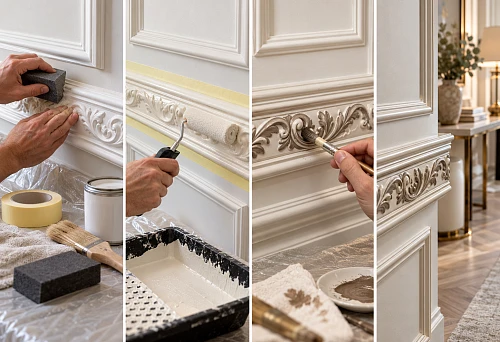
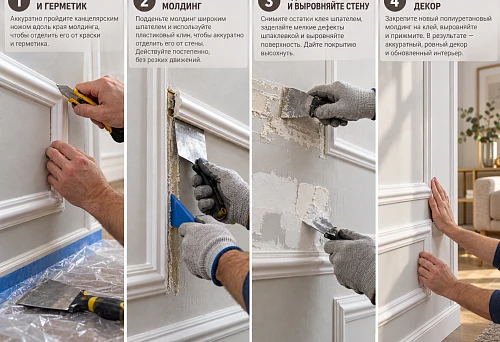
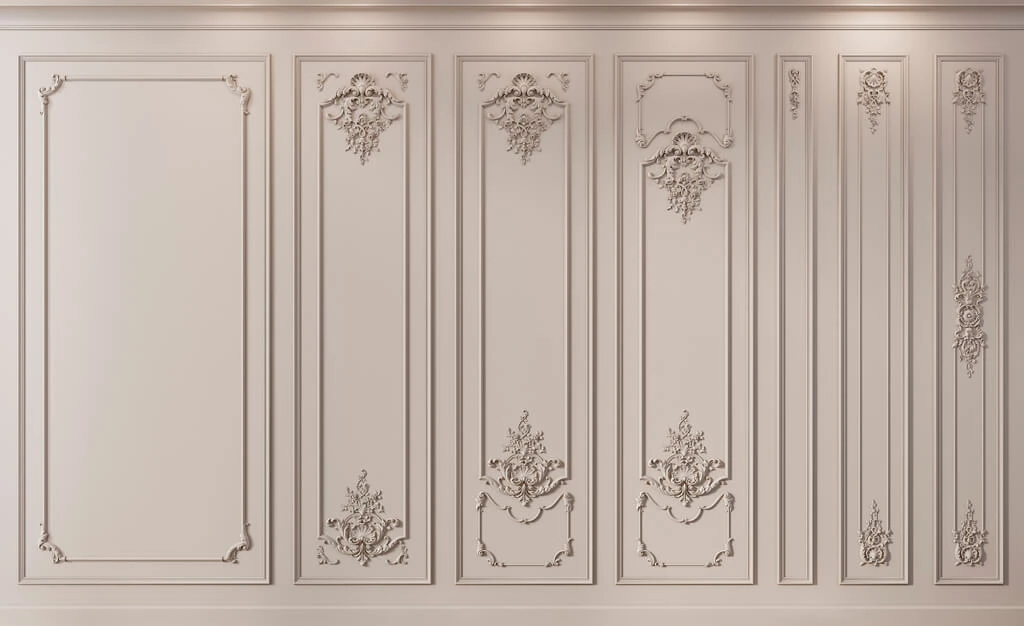
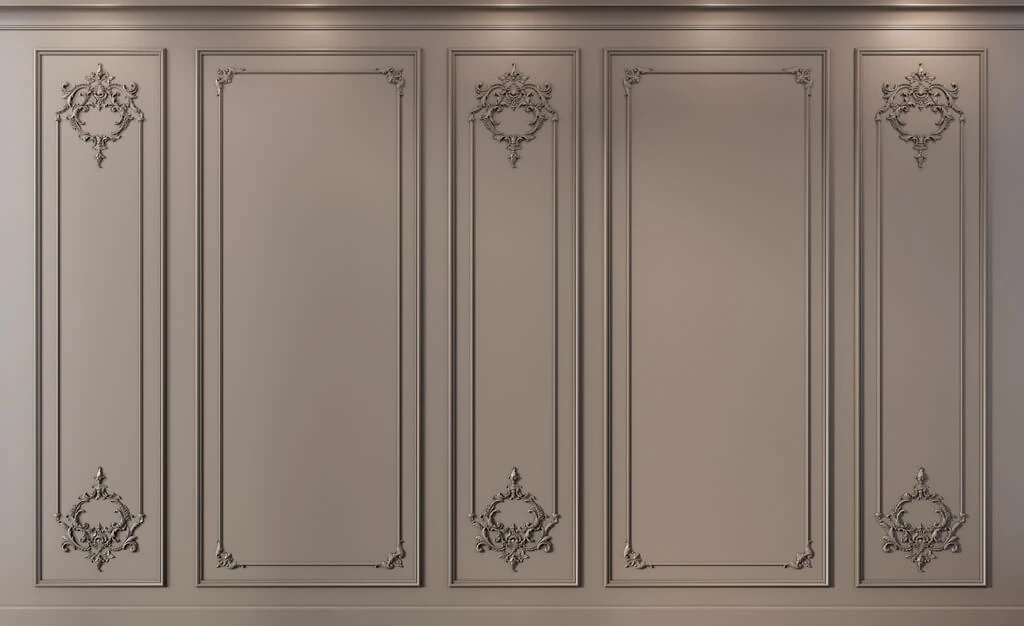
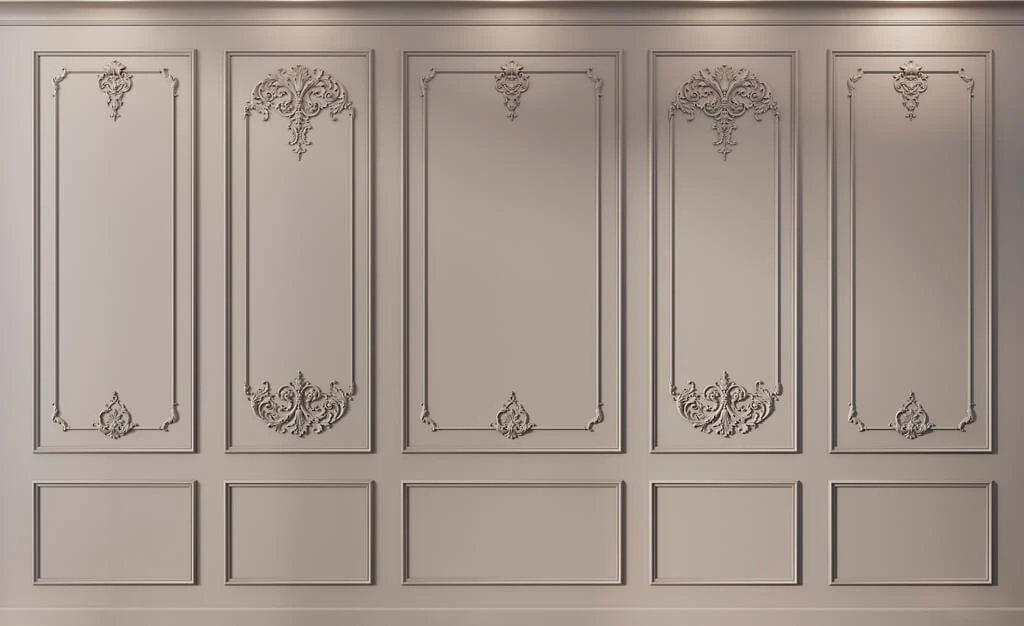
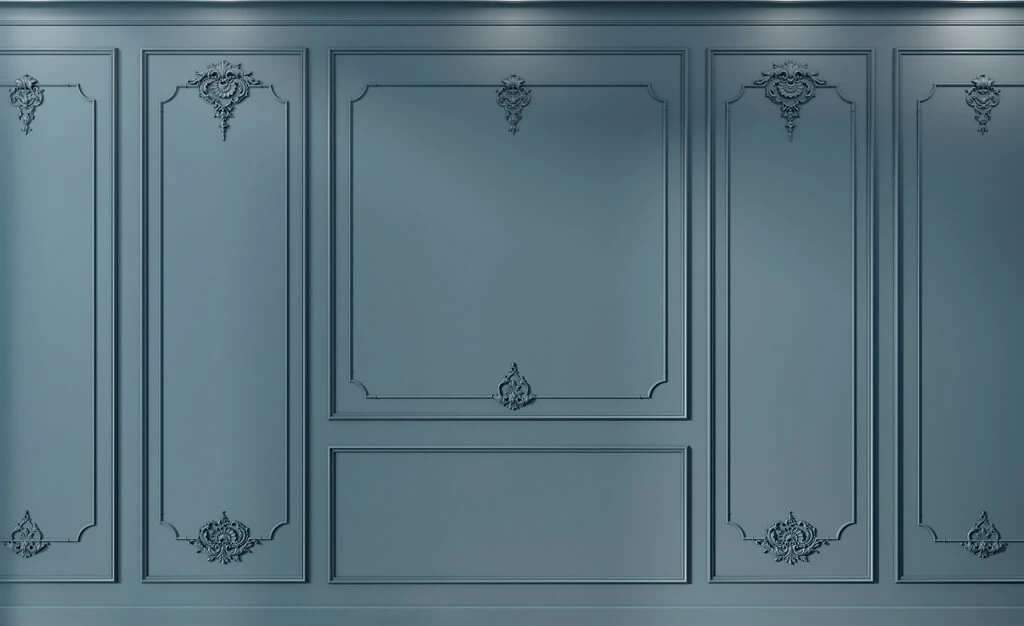
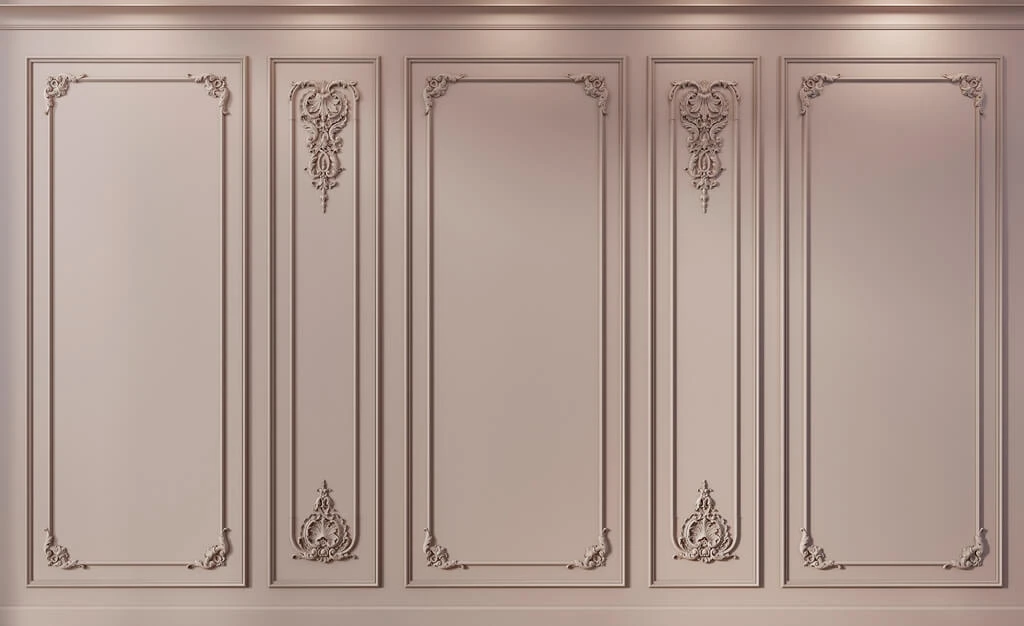
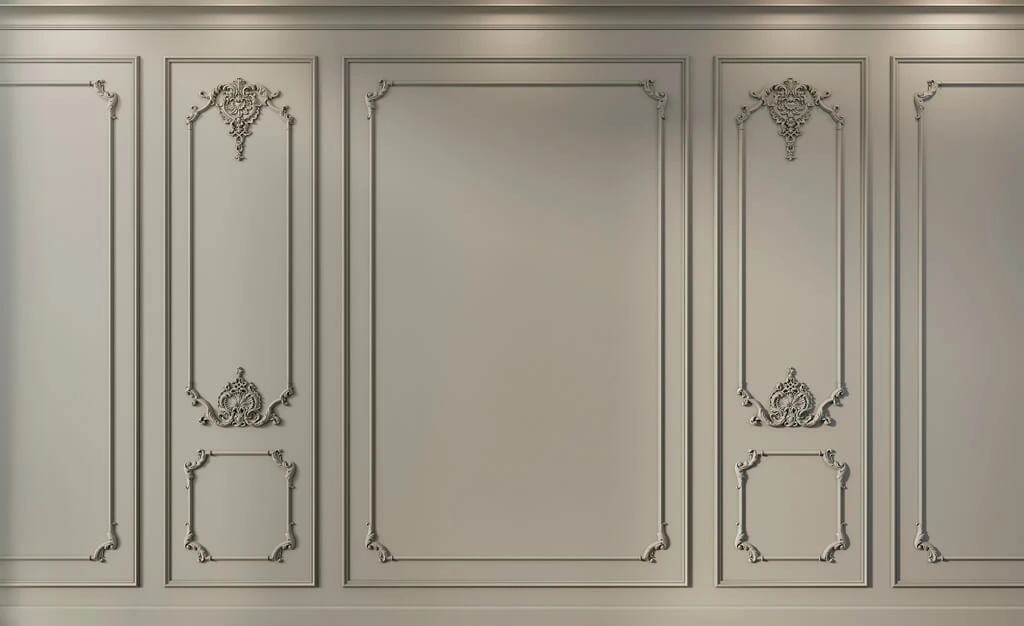
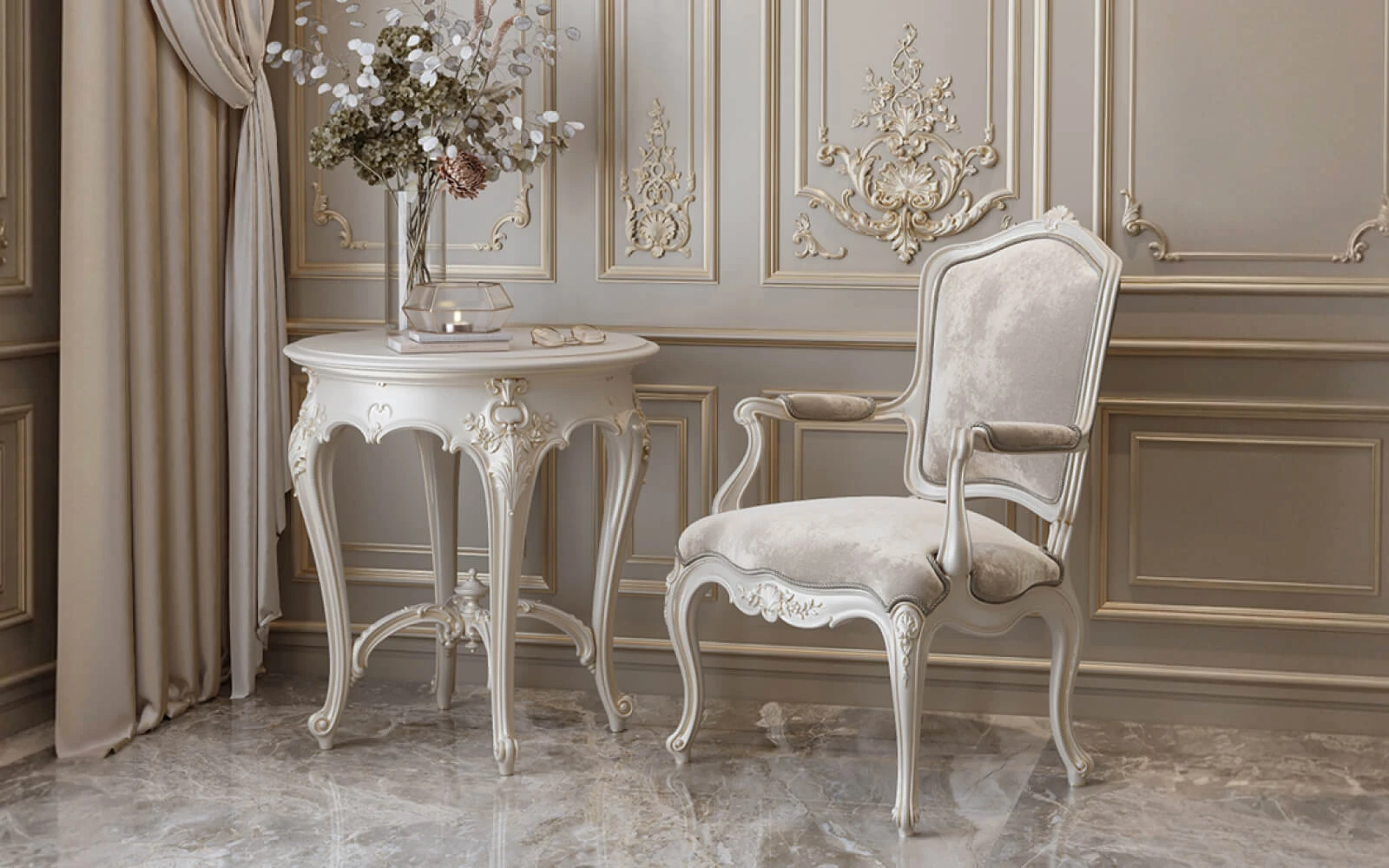
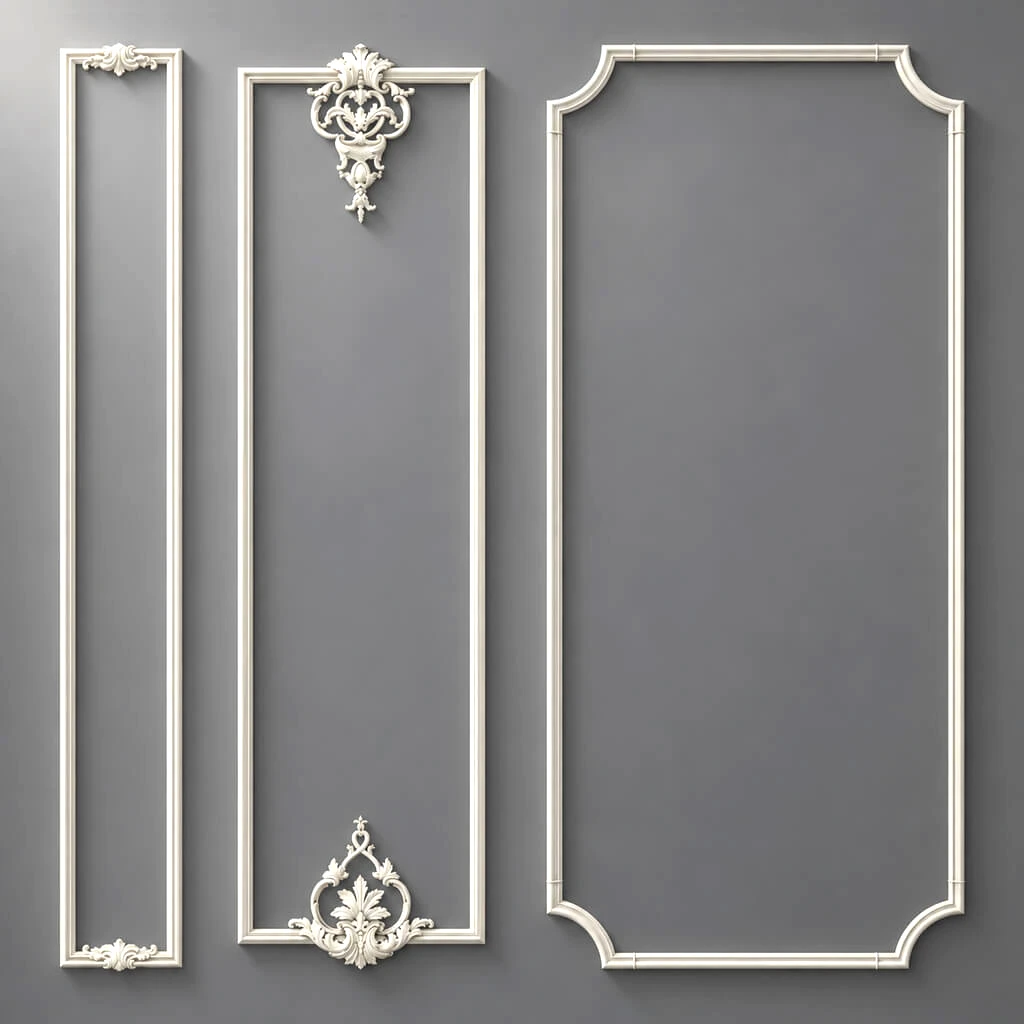
Paired withmoldings and cornicesFrom the same wooden line, the wooden skirting board forms the architectural frame of the interior: at the bottom — skirting board, at the top — cornice, on the walls — molding frames. A classic system that has worked for 300 years and continues to work.
For interiors with parquet and wooden doors
Oak parquet + wooden doors with wooden architraves + wooden skirting board made of the same oak — this is a material monolith. Not an imitation of wood, not 'similar', but a unified natural rhythm.
Buying a solid wood skirting board for such an interior is literally the only correct answer. MDF next to natural parquet and solid wood doors is a mismatch that is felt even by those who are not involved in design. Natural next to imitation always 'gives away' the imitation.
The wood species matches: oak parquet — oak skirting board. The stain matches: the same oil composition, the same batch of pigment.
For prestigious premises
Negotiation rooms, executive offices, formal living rooms, boutique lobbies — spaces where the material works for status. Here, saving on skirting looks exactly as it sounds: saving on skirting.
Solid oak skirting with a shaped profile, stained dark walnut or wenge — a precise detail for a space that must demonstrate quality. Buying oak skirting for a prestigious room is an investment in perception, not in linear meters.
How to choose skirting boards by height, width, and profile
Skirting height is perhaps the most influential parameter after material. It determines the proportions of the space, the 'weight' of the horizontal line at the floor, and the scale of the entire room.
Low and narrow skirting
Height 40–55 mm. For small rooms with ceilings up to 2.6–2.7 m, for minimalist spaces where the skirting's task is to fade into the background.
Buy narrow floor skirting — for the hallway, children's room, small bedroom. Where the skirting should not compete with the decor.
Limitation: in a large room, narrow skirting gets lost. With a 3 m ceiling, it doesn't hold the space — the eye doesn't fixate on the lower boundary.
Medium height
60–80 mm — a universal range. Works in most Moscow apartments, in most styles, with most floor coverings. The greatest assortment is right here.
For a 2.7 m ceiling, 70–75 mm is optimal. For a 3 m ceiling — 80 mm. Medium height is always a compromise between proportion and budget: material consumption is less than with a wide profile, and the result is reliable.
Tall and wide skirting board
100 mm and above. Buy tall floor skirting board — for apartments with ceilings from 3 m, for country houses, for formal rooms.
Wide skirting board structures the vertical: a tall wall without a wide skirting board at the base is like a painting without a frame. Width 100–120 mm with a ceiling of 3–3.5 m — an architectural proportion that holds the space.
Buy wide floor skirting board — also for interiors where the lower horizontal is an intentional designer element: an accent horizontal line, differing from the wall in color or material.
Straight, beveled, shaped profile
Straight profile — rectangular cross-section, without rounding or relief. Modern minimalism, Scandinavian style. The profile is not noticeable as decor — it works as an architectural boundary.
Beveled profile — chamfering of the upper edge at an angle. Adds light relief without decorativeness. Universal for most styles from classic to contemporary.
Shaped profile — several ledges, belts, ogee — rich relief with shadow. For classic and neoclassical interiors, where the skirting board is an architectural detail, not a technical element.
Profile selection table:
| Interior style | Recommended profile | Height | Material |
|---|---|---|---|
| Classic | Shaped with ogee | 80–120 mm | Oak solid wood |
| Neoclassical | with chamfer | 70–100 mm | Wood or MDF |
| Scandinavian | Straight smooth | 60–80 mm | White MDF |
| Modern | Straight or with bevel | 60–80 mm | MDF or polystyrene |
| Minimalism | Straight thin | 40–60 mm | MDF matching wall color |
Which skirting board to buy for a specific floor covering
Buy a skirting board for laminate flooring
Laminate is the most common flooring in Russian apartments. Laminate manufacturers produce 'branded' skirting boards to match each collection, but their quality often falls short of the flooring itself: the wood-grain surface film looks cheaper than the adjacent laminate board.
Buying a solid wood skirting board for laminate in a close color match is higher quality and more durable. Natural wood next to laminate looks more authentic than plastic imitation.
Technically important: laminate 'moves' during thermal expansion. The skirting board is attached to the wall, not the floor—the bottom edge only touches the laminate board, without fixing it.
Buy baseboard for parquet
Parquet is a high-level material. For it—a wooden skirting board from the same wood species and same color tone. Same origin, same oil composition, same batch—only this way will the shades match precisely.
Buying a solid oak skirting board for parquet with oil treatment is standard. Oak on the floor, oak on the wall. A visual monolith without transitions.
Moulded profile for parquet flooring in a classic interior — ogee or beadings. Straight profile for parquet in a modern 'warm' interior.
Buy baseboard for engineered wood flooring
Engineered board — a multi-layer construction with a valuable veneer on top. Externally — almost like parquet. The principle of choosing a skirting board is the same: wood matching the veneer species. Oak veneer — oak skirting board in a similar tint.
Engineered board is often laid as a floating floor — like laminate. Skirting board to the wall, gap to the board.
Buy a skirting board for quartz vinyl
Quartz vinyl (LVT/SPC) — a moisture-resistant coating that is actively displacing laminate in areas with high humidity. For the kitchen and hallway — the optimal choice.
Buy skirting board for quartz vinyl — taking into account the moisture resistance of the flooring. Polystyrene HI WOOD or wooden with high-quality varnish. Quartz vinyl often imitates light or gray wood — a wooden skirting board in a matching tint provides a convincing transition: natural wood completes the imitation.
Buy skirting board for wooden floor
Wooden floor — solid board, parquet, wood panel. The highest standard.
For a wooden floor — only solid wood baseboard. The same species, the same treatment, the same tint. MDF next to a solid wood floor — a fundamental mismatch.
Which skirting board to buy for the interior style
Classicism and neoclassicism
Solid wood, profile with relief, warm tint, height from 80 mm. Skirting board — part of an architectural system: skirting board at the bottom, cornice at the top, mouldings on the walls. A unified line, a unified material.
For classic style: oak in 'dark walnut', 'wenge' or 'patina' tint. Profile with ogee or several steps. Works in tandem with plank panelsanddecor for moldings.
Modern interior
Modern interior — neutral colors, straight lines, minimal decor. The skirting board here blends into the background.
MDF for painting to match the walls or floor. Height 60–80 mm, straight profile. White or gray — depending on the palette. The profile should not attract attention.
Minimalism
Minimalism — a skirting board that is almost invisible. Thin straight profile in the wall color. Material: MDF. Height 40–60 mm.
There is a radical minimalist option: a built-in recessed skirting board (a 'flush' skirting board without a protruding profile). But this is an architectural-level solution — implemented during the rough finishing stage.
Interior with a light floor
Light floor (white oak, light quartz vinyl, light laminate) — skirting board either matching the floor (neutral transition), or white (a unified white perimeter considering white walls), or slightly darker than the floor (clear boundary).
White MDF skirting board next to a light floor and white walls — the most common solution. It is also the most neutral: the eye doesn't catch on it.
Interior with a dark floor
Dark floor (wenge, dark walnut, anthracite porcelain tile) — skirting board matching the floor: dark wood or dark painted MDF. White skirting board next to a dark floor creates a harsh contrast — acceptable only as an intentional design accent, but requires coordination with the entire interior.
Wooden oak skirting board in a dark stain next to a dark floor — a visual monolith from below. The floor and skirting board merge into a single 'plinth', elevating the wall.
White, tall, and classic skirting boards: what is most often purchased
White skirting board for painting
White is the best-selling color. Naturally: most modern Moscow apartments are done in a white or gray-white palette. White skirting board is universal — it doesn't compete with the floor, furniture, or walls.
Buy white floor skirting board — MDF for painting. Two coats of acrylic enamel in the desired shade of white — warm or cold — depending on the interior palette.
Practical nuance: there are many whites. Warm white (creamy), cold white (bluish), neutral white. The skirting board shade is selected with a sample of wall paint and a sample of flooring in hand under daylight.
High baseboard
High skirting board — 100 mm and above — is increasingly popular in apartments with ceilings from 3 m. Trend of recent years: designers choose 120–140 mm skirting board as an architectural element, not as a technical one.
Buy high floor skirting board — for spacious living rooms, for apartments, for houses with high ceilings. A high white horizontal line at the floor visually expands the room, 'raises' the ceiling.
Classical profile with decor
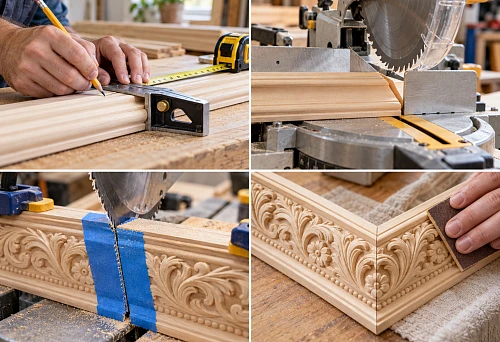
Figurative skirting board made of solid oak with volutes and fillets — a stable demand for the market of classical and neoclassical interiors in Moscow. This is not nostalgia — it's an architectural solution that doesn't go out of style.
Buy classical skirting board with figurative profile — for a living room with ceiling stucco, with parquet, with wooden doors. Where the skirting board is an element of the system, not an isolated detail.
Narrow floor skirting board
Buying narrow floor skirting boards is a growing trend in minimalist interiors. The 40–50 mm profile practically disappears from view: it covers the gap and recedes.
For small studio apartments where it's important not to overload the space, a narrow profile is a conscious choice. Material: MDF to match the walls.
Where to buy floor skirting boards
The answer to this question is determined not only by price but also by the system. A chaotic purchase—'found the skirting here, the architrave there, the ceiling profile in a third place'—almost always results in mismatched shades and geometry. Each manufacturer makes 'white' slightly differently.
A systematic purchase—skirting, architrave, moldings, decor—from one manufacturer, from one product line. Profile compatibility, shade compatibility, a uniform level of quality.
What to check:
-
Stock availability—long-length trim ordered to order may differ in shade from the previous batch. Items in stock are safer.
-
Plank length—standard 2.5 m, some items 3 m. For large areas, 3 m gives fewer joints.
-
Sample—wood staining, white shade—these cannot be assessed on screen. A sample with flooring in daylight is a mandatory step.
-
Complete system—does the assortment include moldings, architraves, cornices from the same product line?
Quick navigation catalog:
Common mistakes when buying floor skirting board
Choosing without a flooring sample. "It matched on screen" — a classic start to disappointment. Wood stain in the catalog and under your living room lighting are different things. A flooring sample + a skirting board sample in the actual room under daylight — the only reliable test.
Mismatch with ceiling height. A 40 mm skirting board with a 3.5 m ceiling — it gets lost. A 120 mm skirting board with a 2.5 m ceiling — it overwhelms. The proportion of skirting board to ceiling height is an architectural constant, not an aesthetic choice.
MDF without sealing in wet areas. The bottom edge of an MDF skirting board without silicone sealant or primer in the kitchen and hallway — a skirting board that will need replacing in 2–3 years.
Buying skirting board separately from the system. Skirting board without coordinating with door trims, ceiling profiles, and moldings — a risk of shade mismatch. Three different "whites" in one room — a mistake that's immediately visible.
Saving on square footage. 'I'll take it exactly, without any extra' — then buying more from another batch that differs in tint. A 10–15% reserve for trimming and defects is mandatory.
Frequently asked questions
How to choose a floor skirting board: where to start?
From a sample of the floor covering. Then — determine the room's humidity (choice of material). Then — style and ceiling height (choice of height and profile). Three parameters give a specific answer.
How much skirting board is needed for an 18 m² room?
Room perimeter 4.5×4 m = 17 m. Minus door opening 0.9 m = 16.1 m. Plus 15% reserve = 18.5 m. With a plank length of 2.5 m — 8 planks. Always calculate with a reserve — buying more from a new batch is risky.
Wooden or MDF: which is more expensive?
Wooden skirting board made of solid oak or beech is more expensive than MDF of similar height. The difference is 20–40% depending on the profile and tint. Wooden lasts longer and allows for renewal. The long-term cost of ownership is comparable.
Should a wooden skirting board be painted before installation?
It is advisable to treat before installation: oil, wax, or varnish in 1–2 coats. After installation, it is difficult to treat the bottom end and rear profile. Final finishing can be done after installation — once in place.
Can skirting board be glued without nails?
MDF and polystyrene — yes, with liquid nails / special adhesive. Solid wood — additional finishing nails into the wall are recommended: solid wood is heavier and may detach from the adhesive due to deformations.
Which baseboard is the most practical for an apartment with children?
Polystyrene HI WOOD or solid oak with lacquer coating. Polystyrene does not scratch from toys and withstands wet cleaning. Lacquered oak — hard, impact-resistant, easy to wipe.
White baseboard: MDF or polystyrene — what to choose for the living room?
In the living room (dry room) — both options work. MDF allows precise painting to the desired shade. Polystyrene — with factory white coating without self-painting. For an exact shade according to NCS/RAL — MDF.
How to calculate baseboard for an apartment with several rooms?
Sum up the perimeters of all rooms, subtract door openings, add 12–15% reserve for trimming. For a 60 m² apartment with 4 rooms, hallway, and kitchen, the total perimeter is usually 55–70 linear meters + reserve.
Conclusion
To buy floor baseboards correctly means doing it systematically: material according to conditions, height according to proportions, color and profile according to style. Baseboard is the last horizontal line of the interior. And it is precisely this that determines whether everything else looks finished.
Go to the catalog and select:
STAVROS is a Russian manufacturer of interior decor made from natural wood, MDF, and polystyrene. The STAVROS range includes solid oak and beech floor skirting boards (heights 60 / 70 / 80 / 100 / 120 mm), MDF skirting boards for painting, moisture-resistant HI WOOD line skirting boards made of high-density polystyrene (58–140 mm), moldings, cornices, slatted panels, and decor for moldings made of wood and polyurethane.
STAVROS works with private customers, designers, architects, and construction companies across Russia. Warehouse in Moscow, delivery in 1–3 business days in protective packaging. Free consultation on selecting skirting boards to match specific flooring, ceiling height, and interior style.