


























Article Contents:
- Buy wall moldings: what exactly does the buyer choose
- Wall moldings: what they are actually needed for
- Decorative wall moldings: three main scenarios
- Materials and tasks: the first fork
- Wooden or polyurethane moldings: which is better to choose
- When to choose wooden moldings for walls
- When polyurethane moldings for walls are more advantageous
- What is better for painting
- How material affects appearance and installation
- Which moldings to buy for panels, frames, and accent walls
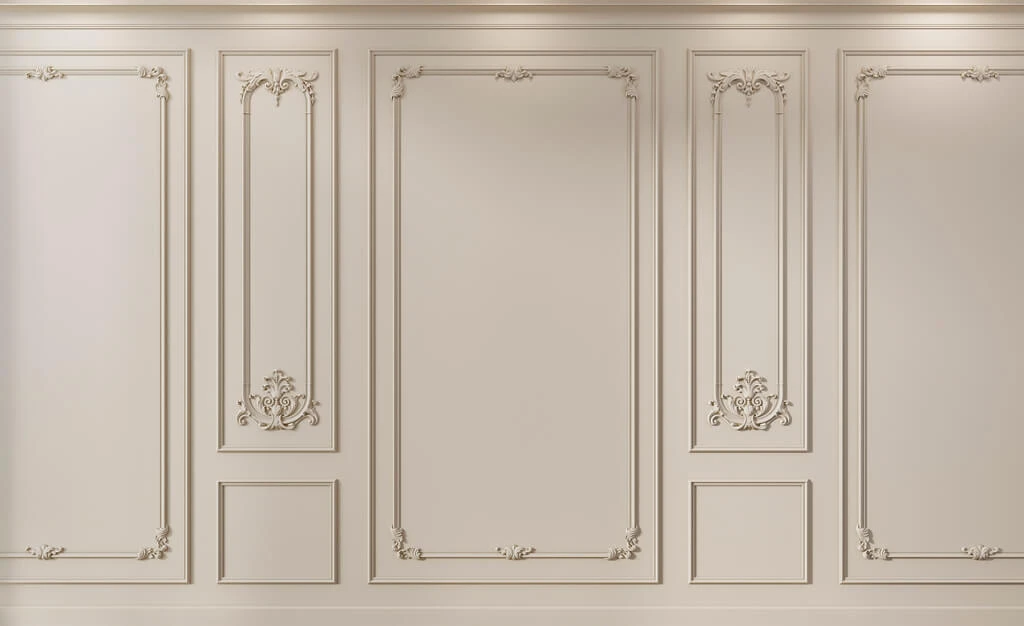
- Panel system: architecture on a plane
- Frame composition: a focal accent
- Accent wall: one strong gesture
- Horizontal division: the simplest start
- Vertical rhythm: height and scale
- Polyurethane wall moldings: where they are especially convenient
- Flexible profiles: for arches and rounded surfaces
- Corner solutions: installation without professional skills
- Wet areas: bathroom and kitchen
- Quick installation: glue and 20 minutes
- Ready for painting: factory primer
- Wooden wall moldings: when to buy them
- Classic interior: wood as a style language
- Natural warm material
- Interior with wooden doors, parquet, furniture
- Projects with an 'architectural' character
- How to choose molding width and profile
- Narrow profiles (8–20 mm): graphics and modernity
- Medium profiles (20–40 mm): universal choice
- Wide profiles (40–80 mm): scale and grandeur
- Smooth Profiles: Neutrality as a Strategy
- Carved profiles: decor as an argument
- For a small room: less is more
- For a large wall: scale and rhythm
- How to combine moldings with baseboard and cornice
- Rule of proportions: cornice, molding, baseboard
- Unified profile language
- Uniform material — or deliberate contrast
- When to combine, when to separate
- What determines the price of wall moldings
- Material
- Width and relief
- Plank length and standard
- Flexible or corner profile
- Standard model or composite system
- Where to buy wall moldings without mistakes
- Step 1. Determine the material
- Step 2. Define the profile
- Step 3. Define the task
- Step 4. Calculate the footage
- Step 5. Go to the correct catalog section
- About the Company STAVROS
- FAQ: popular questions about buying wall moldings

Before you is not just a choice of a decorative strip. Before you is a choice of the architectural language with which your wall will speak to the space. One thin profile at the right height can change the perception of the entire room: make it taller or warmer, stricter or more intimate, more impressive or cozier. But only on the condition that the choice is made consciously—with an understanding of the material, proportion, and purpose.
If you decidedBuy Wall Molding— this article gives you the full picture: what to choose, how to choose, why this particular material, which profile suits your task. And, most importantly, how not to spend money on molding that will later require rework.
The conversation will be specific. No 'looks nice' or 'adds coziness'—only parameters, proportions, materials, and application scenarios.
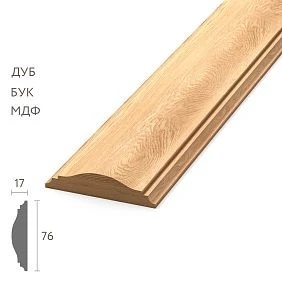
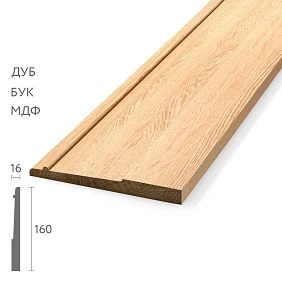
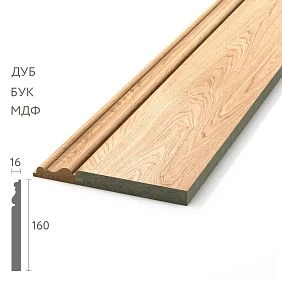
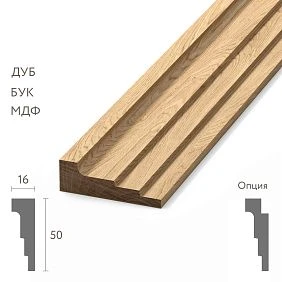
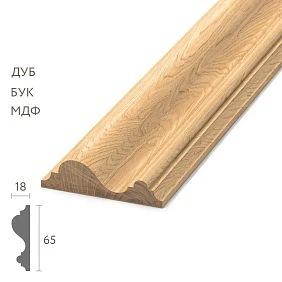
Buy wall moldings: what exactly the customer chooses
When a person types 'buy wall moldings' into the search bar, they rarely mean one specific product. Behind this query lies a whole range of tasks—and each has its own selection logic.
Some people decorate their living room in a classic style and want framed panels on an accent wall. Others are doing a kitchen in neoclassical style and looking for a horizontal belt above the backsplash. Some are furnishing an entryway and want a lower zone with wooden panels. Others are doing a quick and affordable renovation and looking for white paintable moldings that don't require complex installation.
These are completely different tasks. And the right molding for each of them is also different.
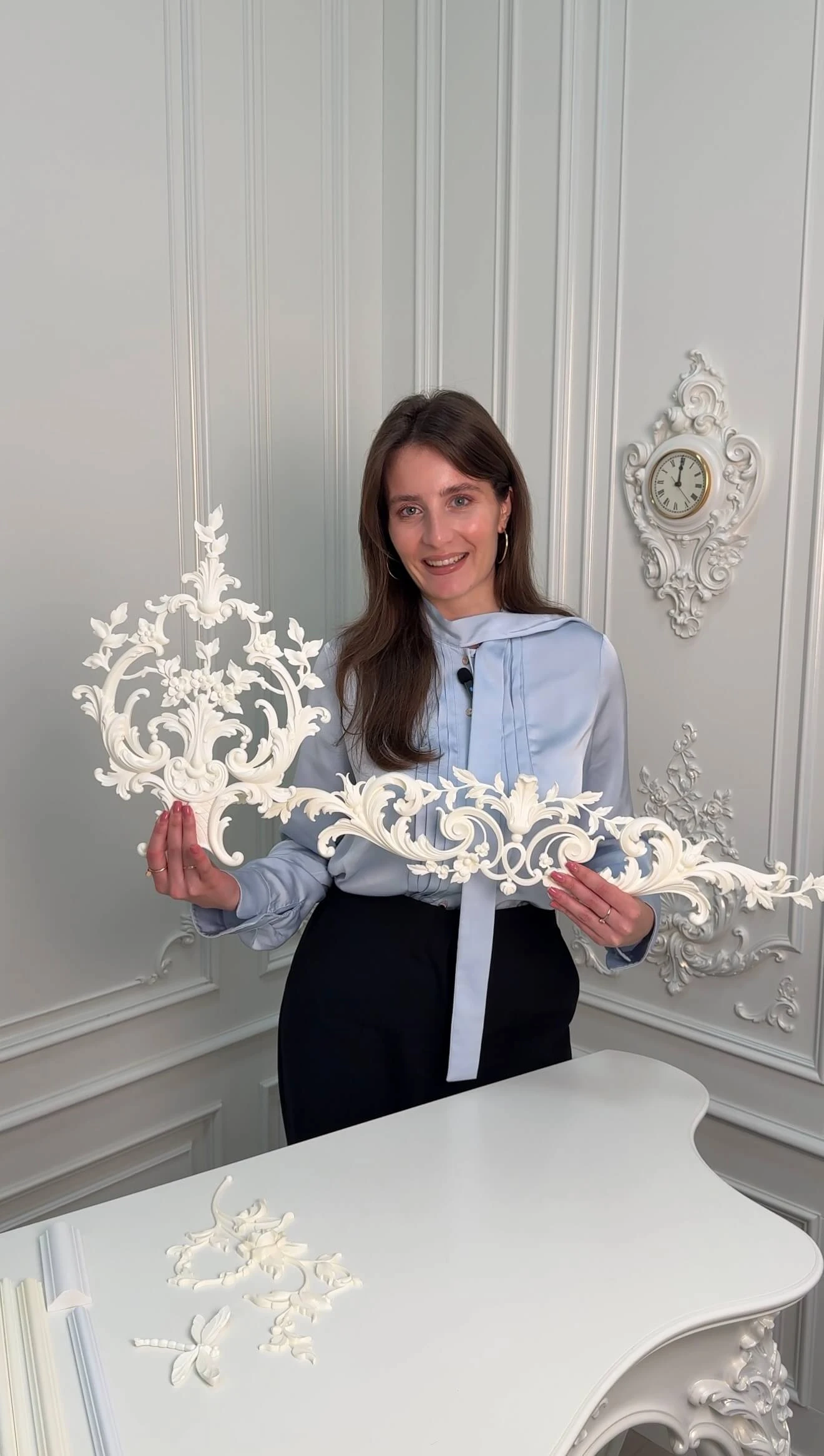
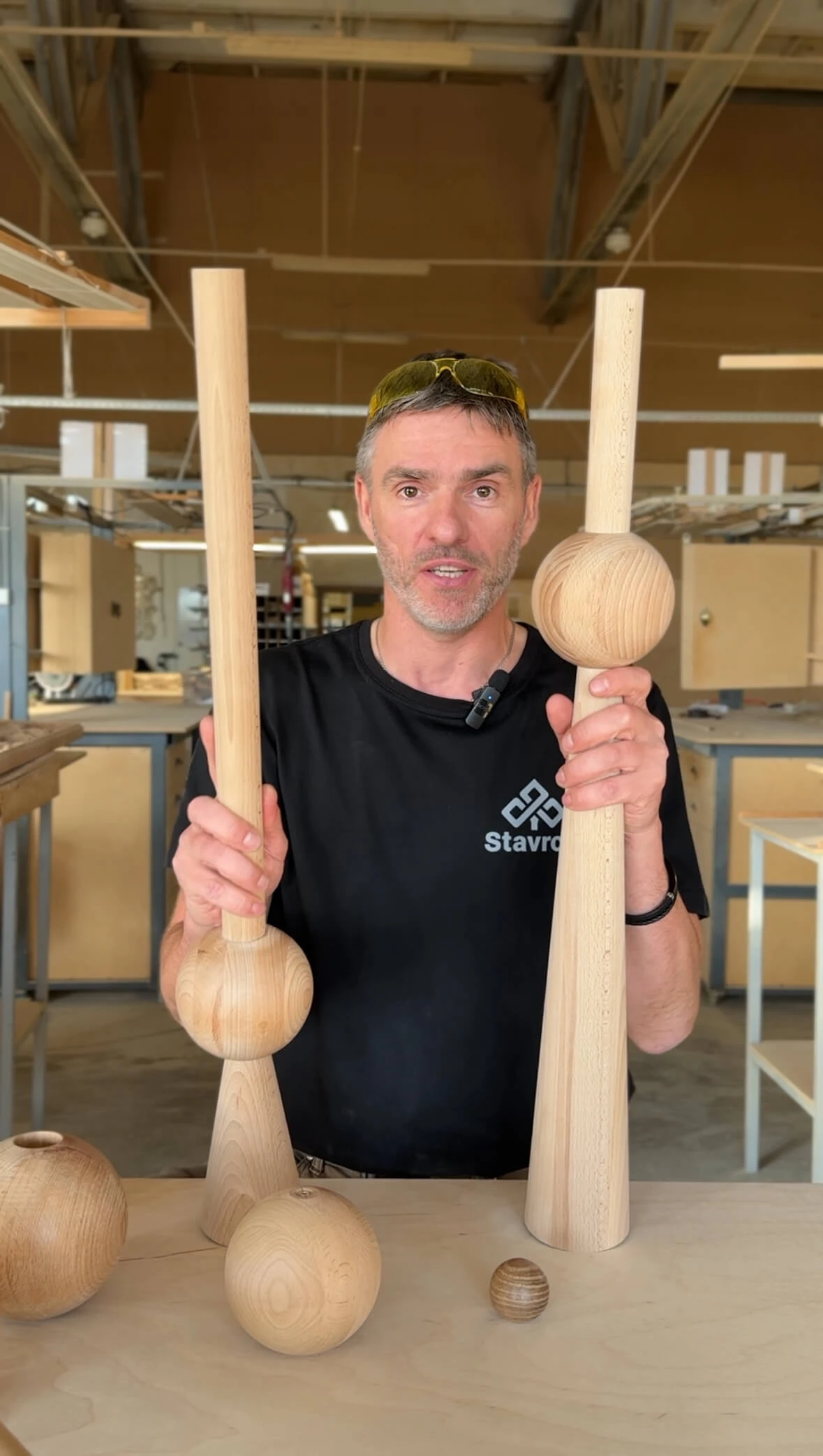
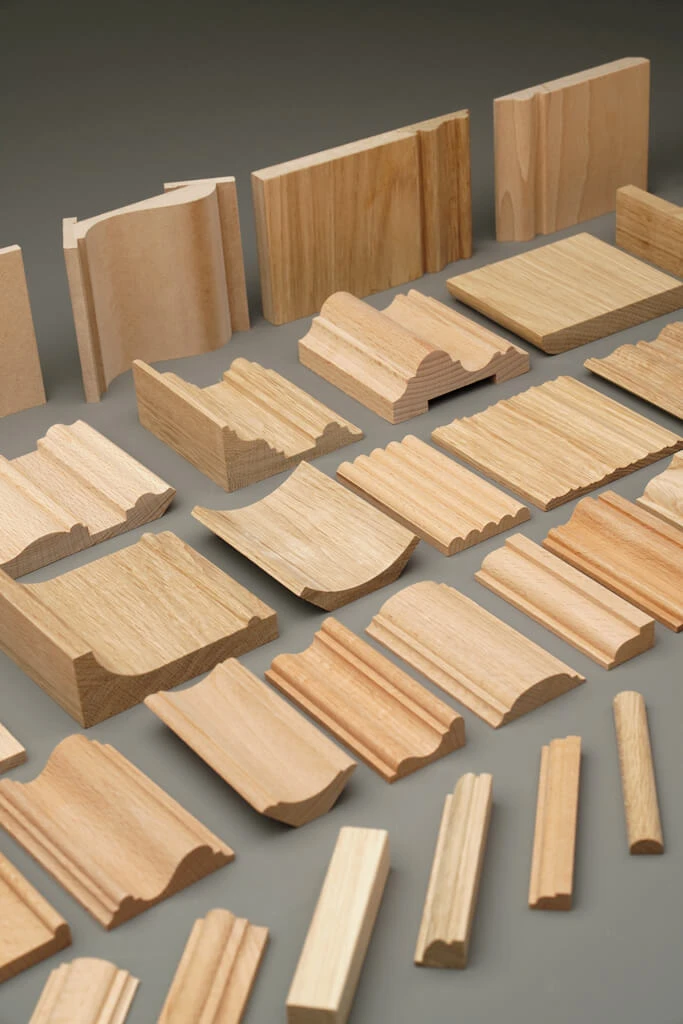

Wall moldings: what they are really for
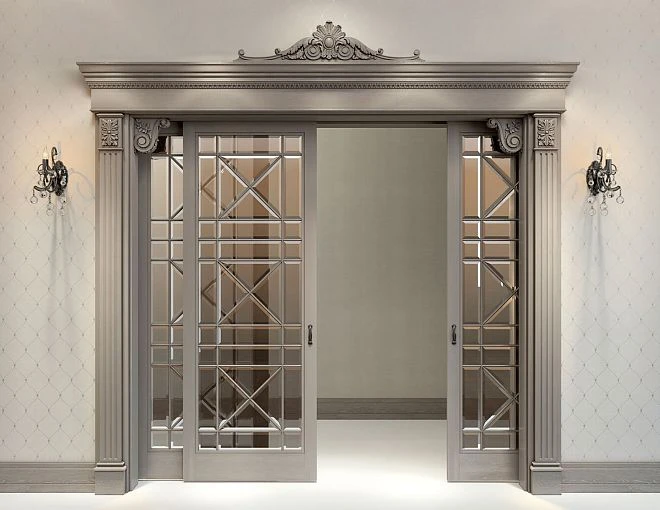
wall moldings— it's not just a 'beautiful strip'. It is a tool for the architectural organization of a surface. A horizontal line on a wall creates 'floors' — it zones the space vertically. A framing system sets a rhythm — equal rectangles create a sense of order and thoughtfulness. Vertical profiles correct proportions — they visually increase the height of a room or, conversely, make it more 'human-scale'.
Our factory also produces:


Decorative wall moldings: three main scenarios
Before looking at the catalog, determine the scenario:
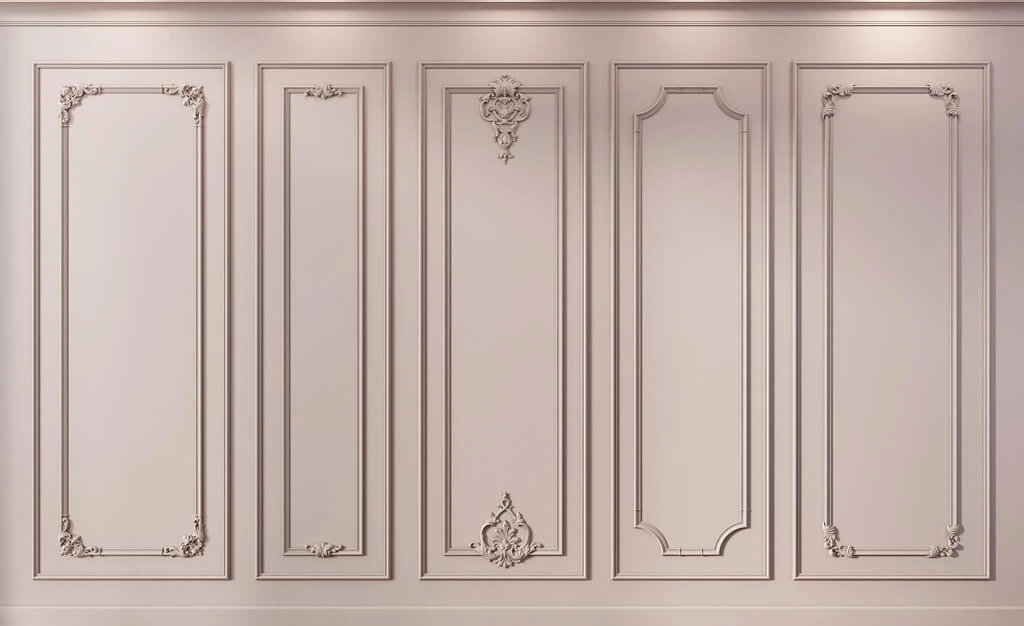
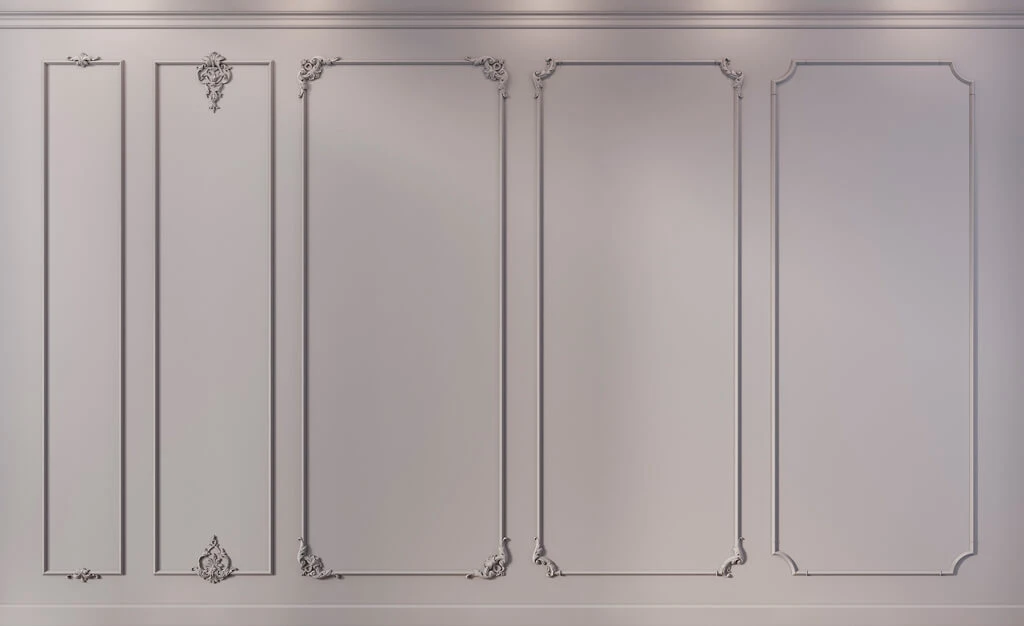
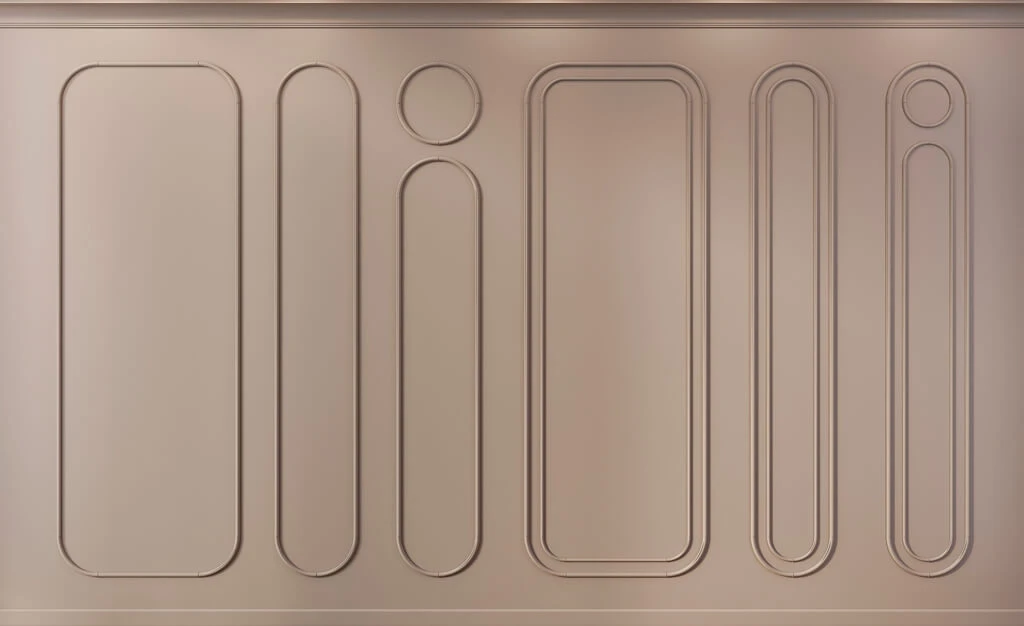
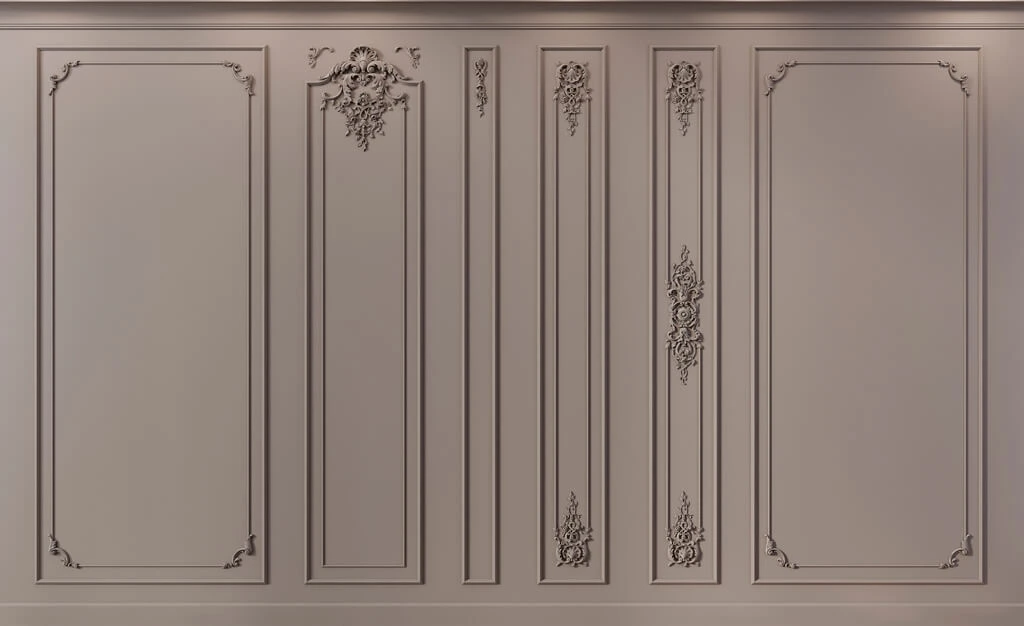
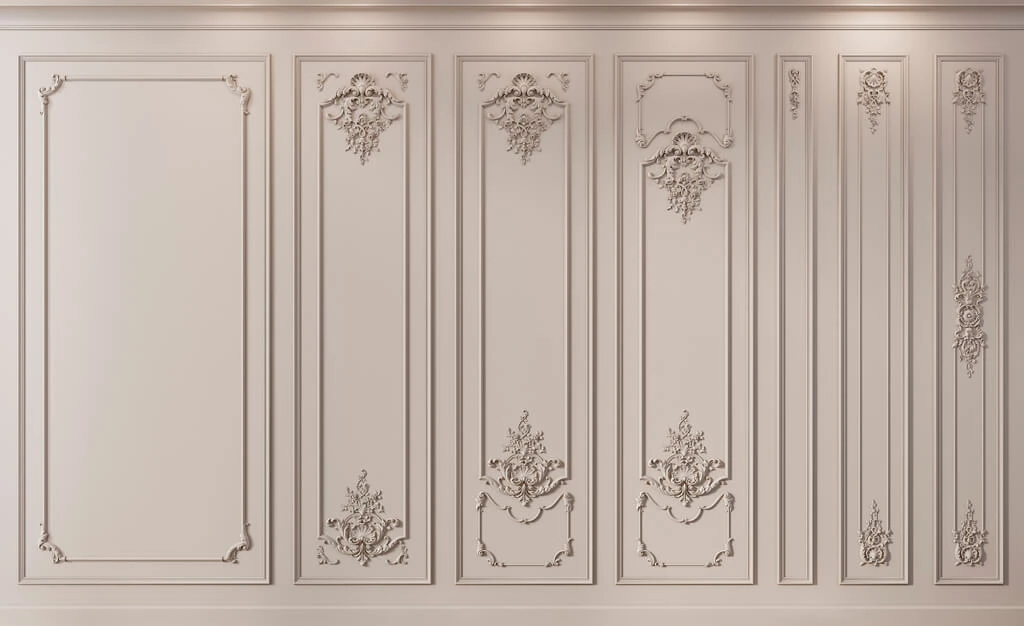
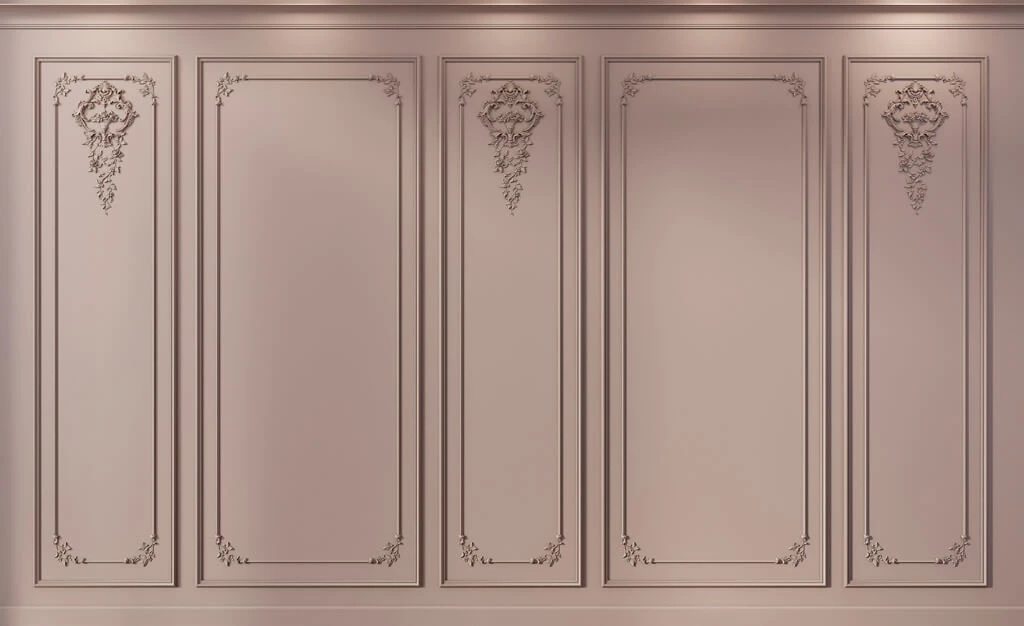
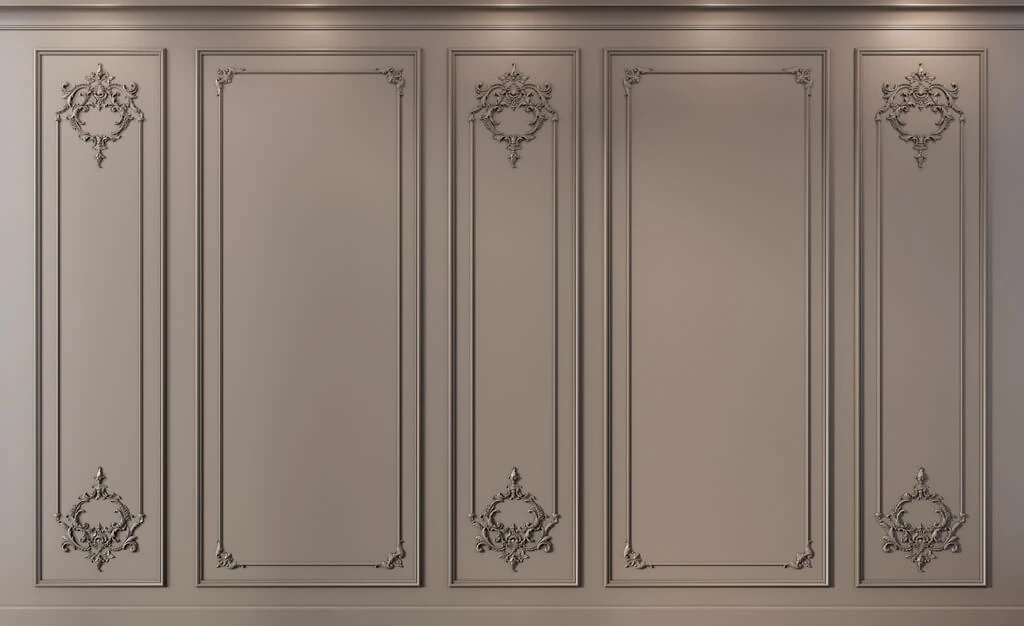
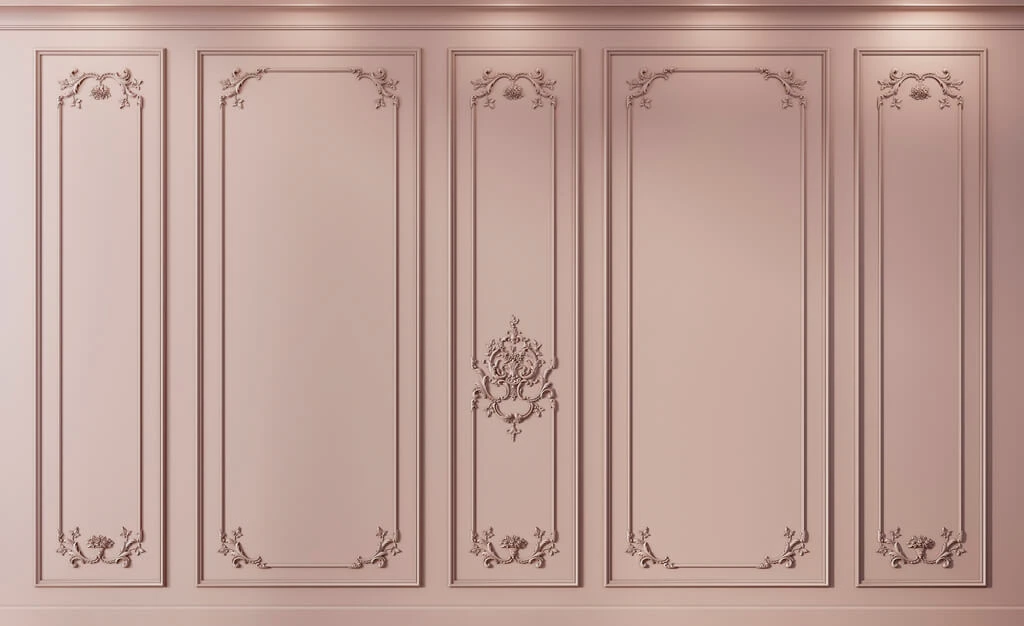
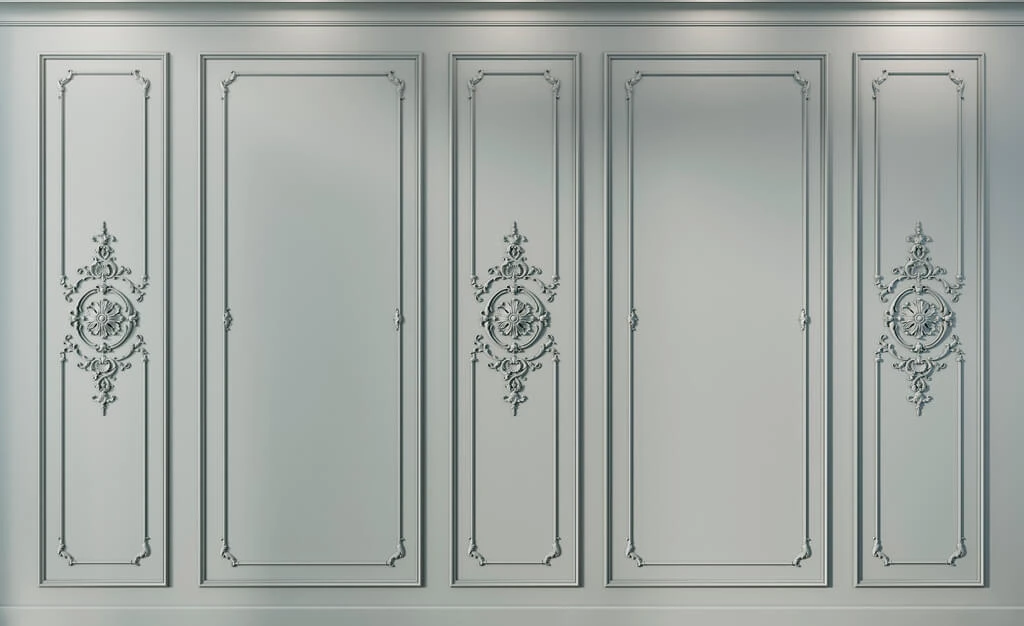
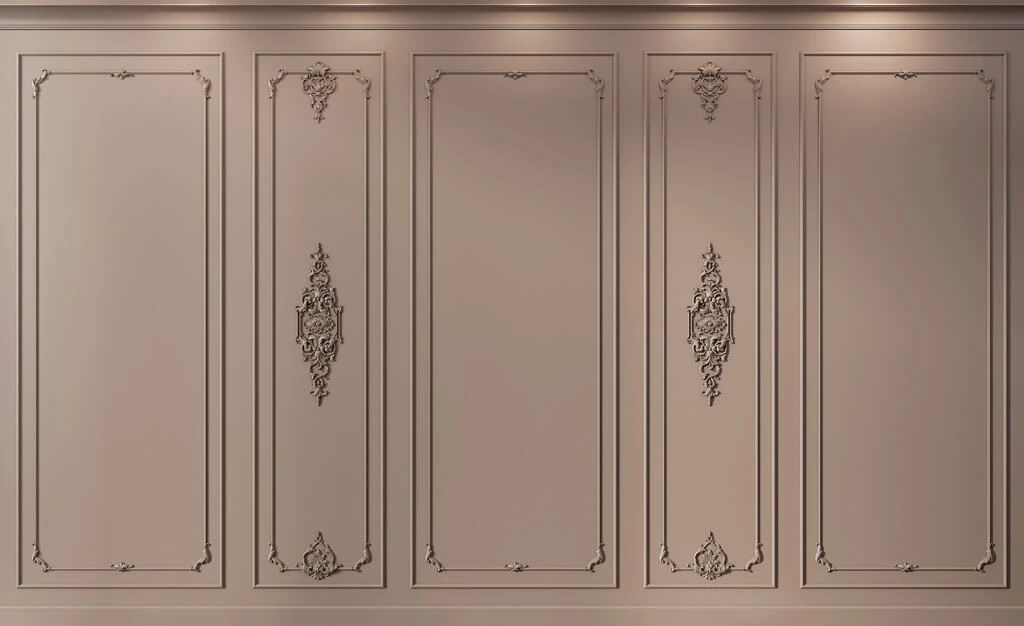
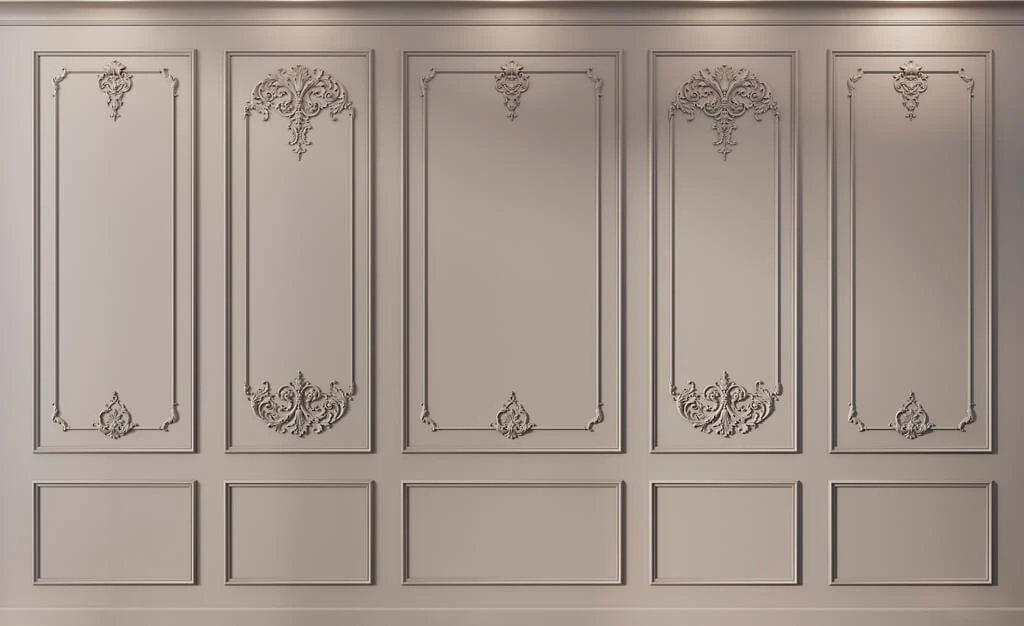
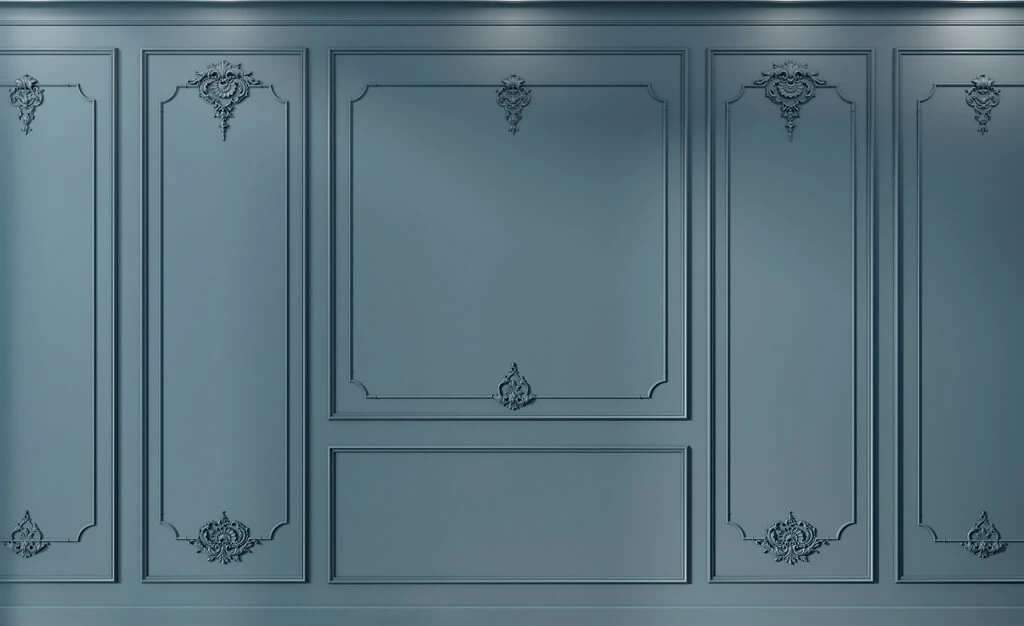
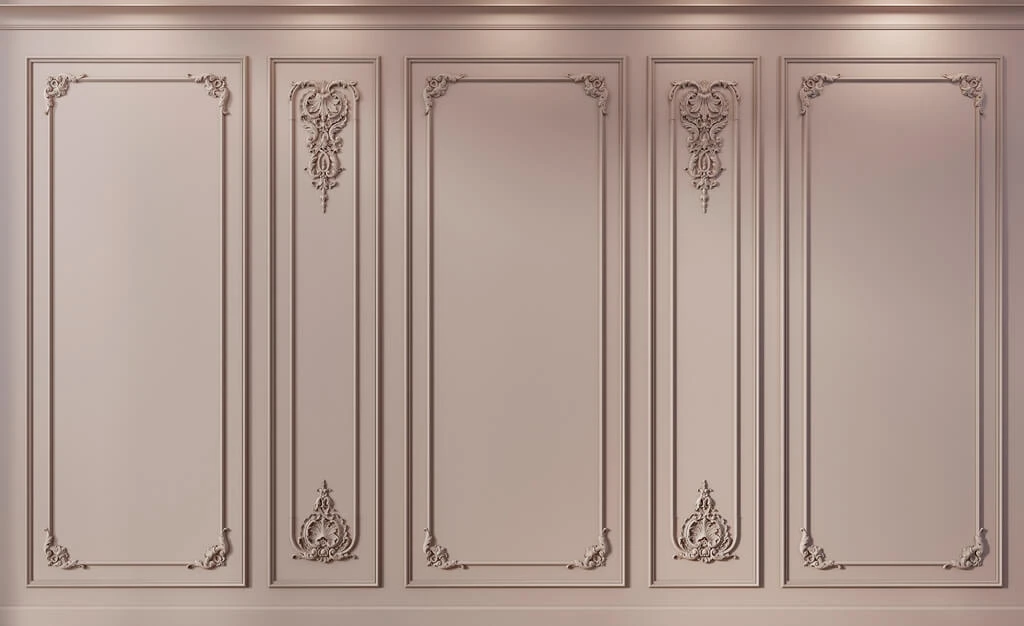
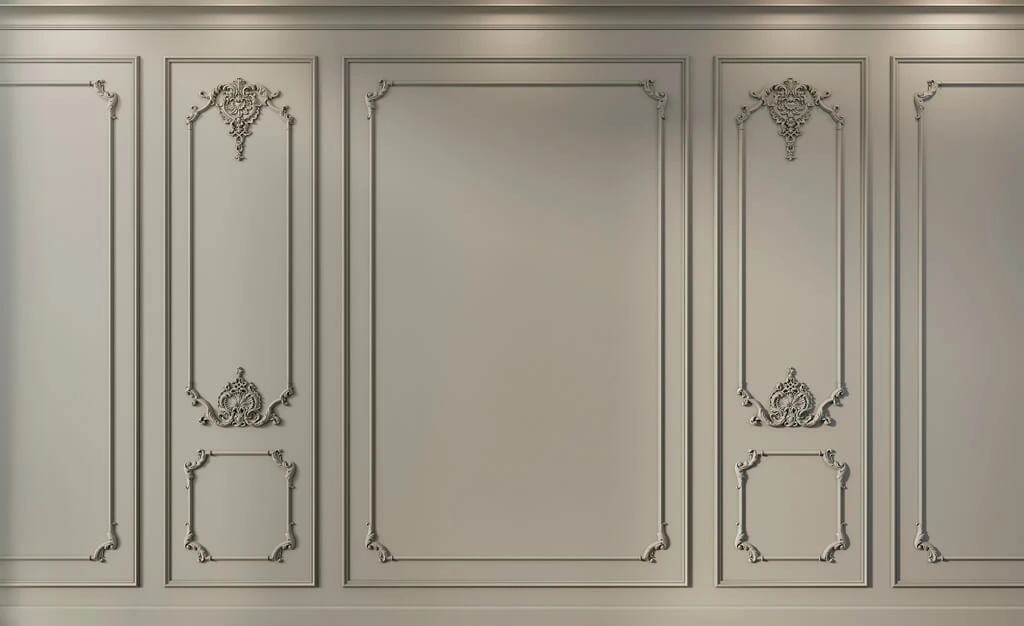
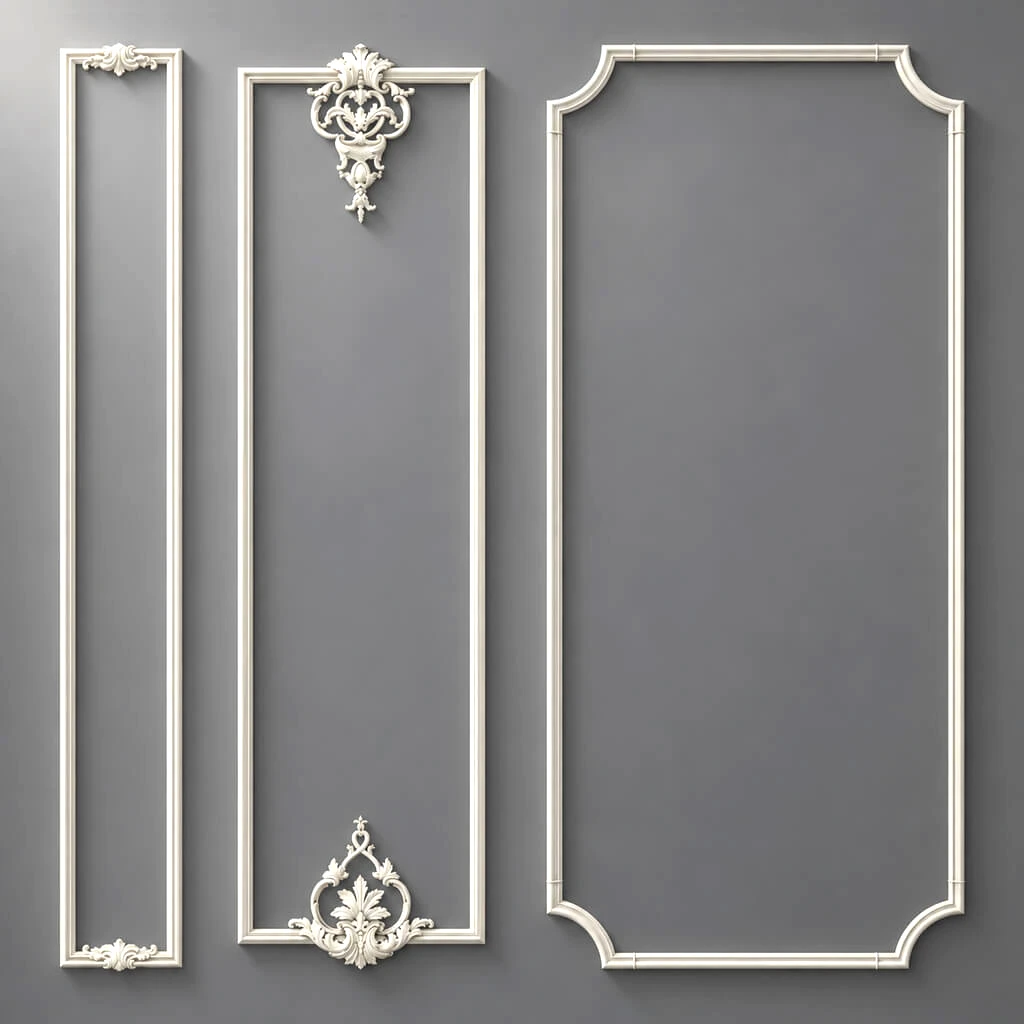
Framing system — several rectangular frames, built in a row along the wall. This is the most common and most effective technique. Creates architectural 'library-like' quality even in an ordinary apartment.
Horizontal belt — one or two horizontal strips at a certain height. They zone the wall, create a 'plinth' or 'crown'. The simplest way to add structure to a wall without complex calculations.
Accent wall with moldings — one wall (behind the sofa, behind the bed, with the TV) gets a decorative molding system, the others remain neutral. The most economical way to create a 'center' in the interior.
More about decorative scenarios — in the article decorative wall moldings.
Get Consultation
Materials and tasks: the first fork
The main question when buying — wood or polyurethane? It's not a question of price. It's a question of purpose. In the next section — a complete breakdown.
Wooden or polyurethane moldings: which is better to choose
This is a fork that's important to navigate correctly. Many buy what's cheaper, or what first caught their eye in the catalog — and then face limitations that could have been avoided. Let's honestly examine each material.
When to choose wooden wall moldings
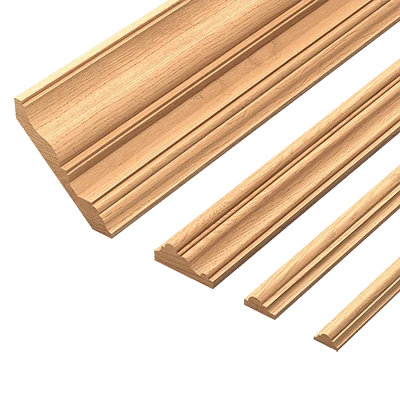
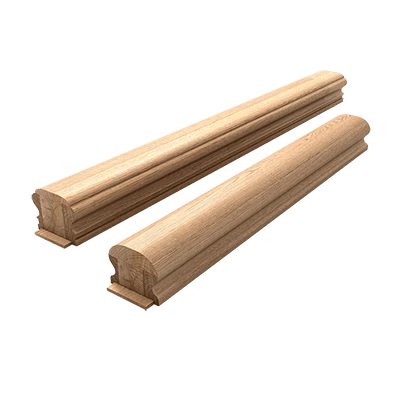
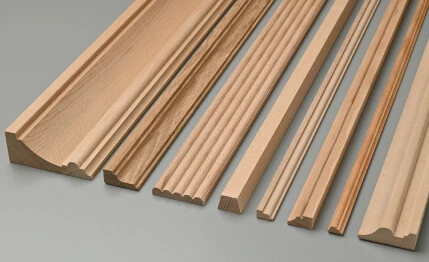
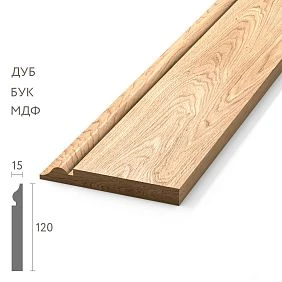
Wood is not just a material. It's a statement.Wooden wall moldingsOak or beech are chosen when the interior already features natural wood — parquet, wooden doors, solid wood furniture — and it's important for the molding to be part of this 'wooden' theme.
Wood is indispensable in classic and neoclassical interiors, where the molding should work with its natural texture, not under paint. Clear varnish, tinting, oil-wax — all of this reveals the wood's structure, turning an ordinary strip into a living decorative object.
Furthermore, wooden moldings are the only correct choice when durability without maintenance is important: properly finished oak lasts for decades without replacement or loss of appearance.
Choose wood if:
-
the interior already features natural parquet, doors, or wooden furniture;
-
finish — tinting, oil wax, clear varnish;
-
style — classic, neoclassic, English style, Scandinavian naturalness;
-
maximum durability without re-repair is important;
-
moldings are installed in 'dry' rooms (living room, bedroom, study, library).
When polyurethane wall moldings are more advantageous
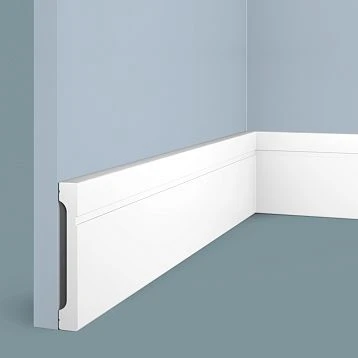
Polyurethane wall moldings— a fundamentally different material. Polyurethane is lightweight (3–5 times lighter than wood), moisture-resistant, not afraid of temperature fluctuations, does not deform with seasonal humidity changes. The surface is already primed and white — ready for painting straight out of the package.
This is a pragmatic and smart choice for certain tasks: large volumes, complex profiles, rooms with humidity, projects with limited budgets.
Choose polyurethane if:
-
finish coating — painting (white or colored enamel);
-
room — bathroom, hallway with unstable climate, kitchen;
-
flexible profiles for arches and curved surfaces are needed;
-
quick installation without complex preparation is important;
-
Large volume: polyurethane is significantly more affordable than wood with the same relief.
What is better for painting
Honest answer: for painting — polyurethane or beech, but not oak. Oak under opaque enamel loses its main property — natural texture. Overpaying for oak only to later paint it over with white enamel is not advisable.
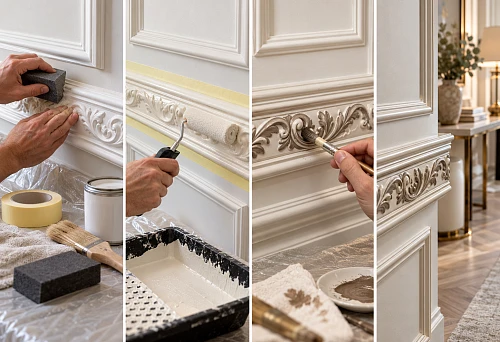
Polyurethane for painting isPrimed moldingsWith factory preparation. Apply 2 coats of acrylic enamel — and the surface is even, smooth, without spotting. The result with minimal labor costs.
How the material affects appearance and installation
| Parameter | Wood (oak/beech) | Polyurethane |
|---|---|---|
| Appearance | Natural texture | Smooth surface for painting |
| Finishing | Toning, oil, varnish, enamel | Painting only |
| Moisture resistance | Medium (requires processing) | High |
| Weight | 600–750 kg/m³ | 80–120 kg/m³ |
| Installation | Nails, liquid nails | Glue or liquid nails |
| Profile flexibility | No | Available (flexible series) |
| Price | Higher | 40–70% lower |
| Durability | More than 50 years | 15–30 years |
Read the full breakdown of criteria in the article Moldings for walls.
Which moldings to buy for panels, frames, and accent walls
Decorative molding compositions on walls are one of the few things in interior design that are hard to overestimate. A properly constructed panel or frame system costs less than most other decorative solutions but delivers results comparable to a designer renovation.
Panel system: architecture on a plane
A panel system is a series of rectangular frames covering a significant part of the wall or its entire height. In the classic version — frames from the baseboard to a horizontal belt at a height of 90–100 cm, plus frames from the belt to the ceiling. Two tiers, different panel scales, a unified rhythm.
Profile for panel system: 25–50 mm width, moderate relief or smooth. Material depends on the finish: wood — for tinting, polyurethane or beech — for painting.
Key proportion rule: the gap between frames and the gap from the outermost frame to the wall corner are the same. If the distance between panels is 25 cm — the distance to the corner is also 25 cm. Violating this rule immediately creates a 'DIY' feel.
Frame composition: focal accent
A frame composition is not the entire wall, but one or several frames on a specific section. A frame behind the sofa, a frame under the TV, a frame around the mirror, an 'architrave' frame behind the headboard.
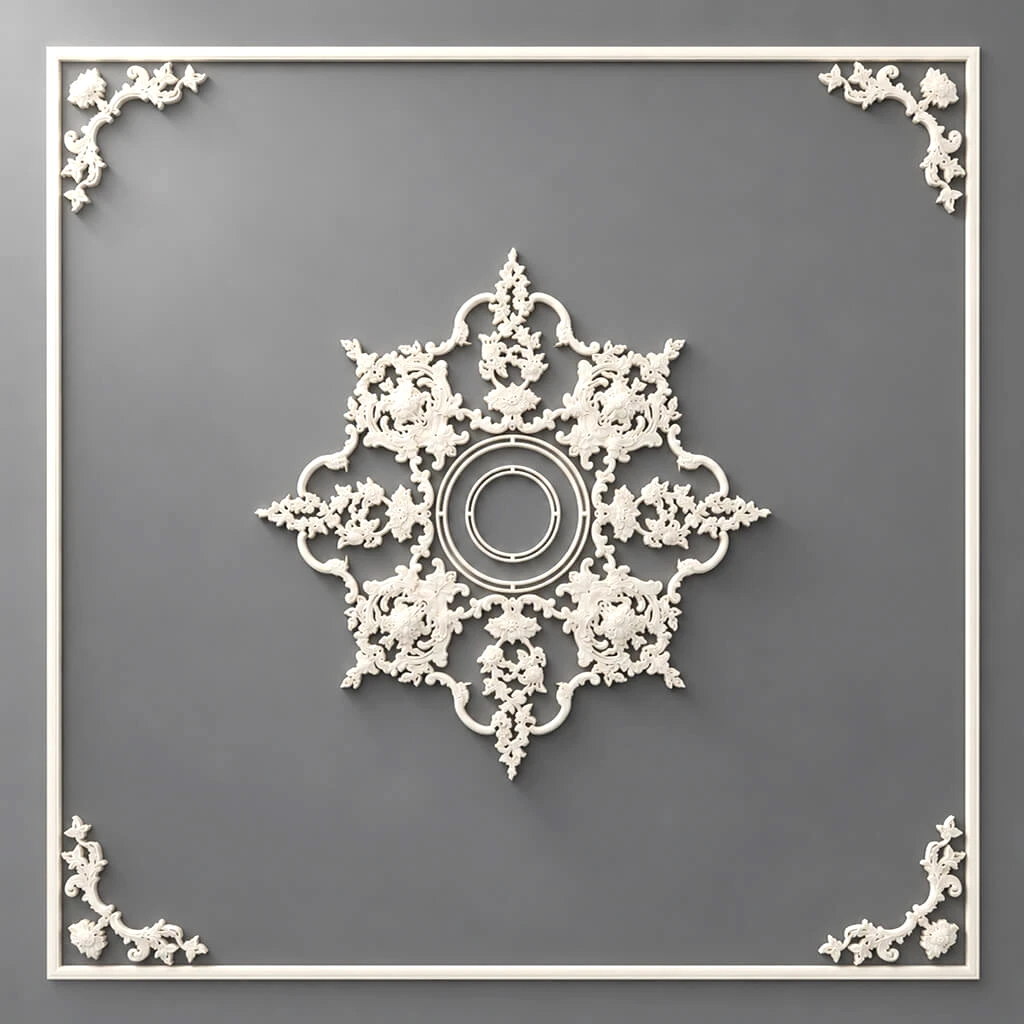
For frame accents, the profile can be slightly richer: 35–65 mm, with pronounced relief. This is where corner overlays and central decorative elements look organic.
Accent wall: one strong gesture
An accent wall is the wall that carries the entire decorative load of the room. The others are neutral. On an accent wall, the molding system can be more saturated: a horizontal belt + vertical dividers + frames. Inside the frames — contrasting paint or patterned wallpaper.
Wide profiles (40–70 mm) and systems with decorative corner elements are especially relevant for accent walls.
Horizontal division: the simplest start
If a frame system seems complicated — start with one horizontal belt. One molding strip at a height of 90–100 cm along the entire length of the wall (or several walls) — this is already a fundamental change in the space. The wall acquires a 'base' and an 'upper field,' the room becomes architecturally legible.
For a horizontal belt: profile 25–50 mm, smooth or with moderate relief. The installation height aligns with the top edge of door openings — this creates a unified horizontal axis throughout the entire room.
Vertical rhythm: height and scale
Vertical wall moldings divide a long wall into sections. Each section is perceived separately, and the wall no longer feels overwhelming due to its length. This is especially effective in hallways and long living rooms.
Spacing of vertical moldings: 80–120 cm. Profile — narrow (15–25 mm), so as not to 'chop' the wall into parts, but merely to delineate sections.
Polyurethane wall moldings: where they are particularly convenient
Polyurethane molding is not a 'cheap substitute for wood.' It is an independent material with a set of properties that wood cannot provide. Let's examine specific scenarios.
Flexible profiles: for arches and curved surfaces
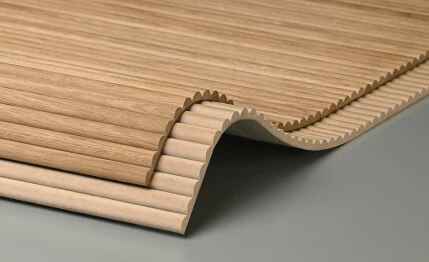
The main thing wood lacks and polyurethane has is flexibility. Flexible polyurethane molding bends to a radius, does not break, and holds its shape. This is indispensable for arches, curved walls, bay windows, and columns.
FlexibleMoldings made of polyurethaneThey are produced in a width range from 20 to 80 mm. The minimum bending radius depends on the profile width: a narrow profile bends to a radius of 30–40 cm, a wide one — from 80–100 cm.
Corner solutions: installation without professional skills
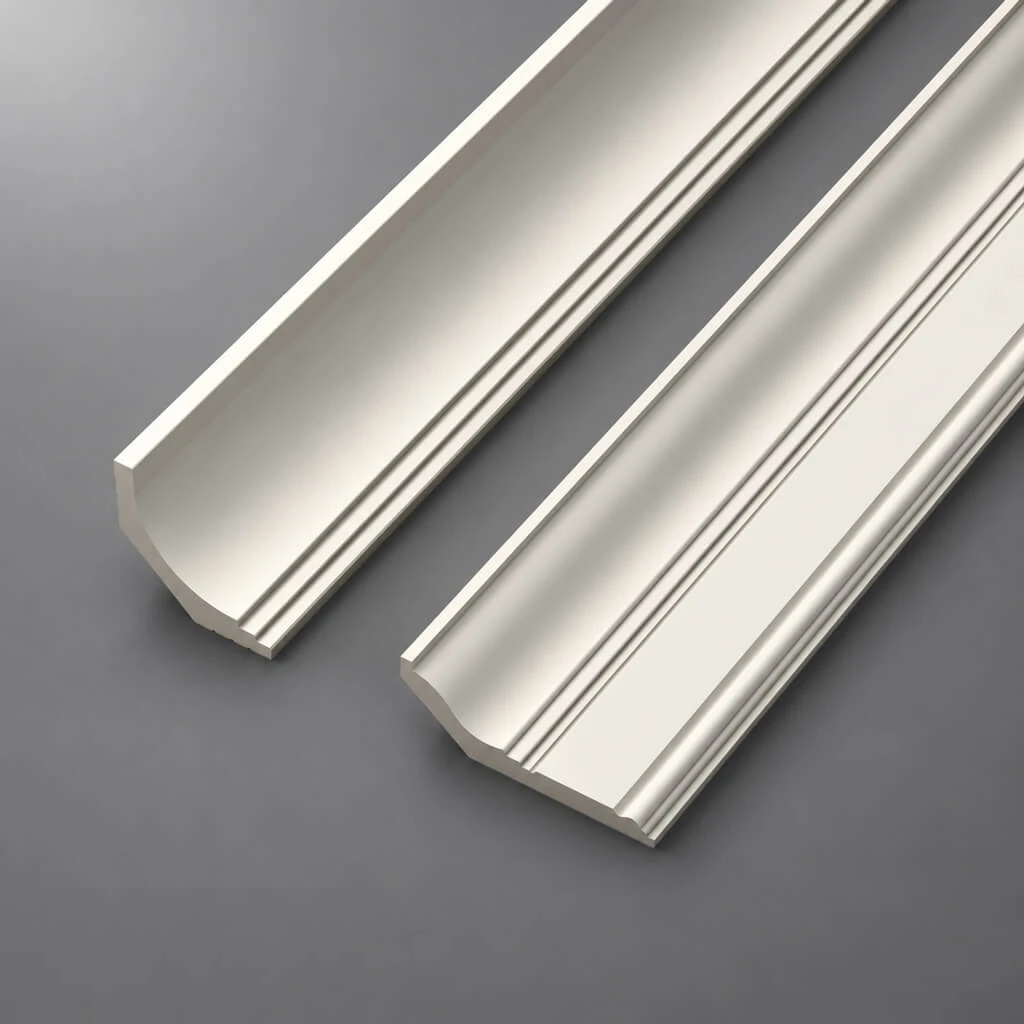
A polyurethane corner molding is a profile designed for installation in wall corners. It has an L-shaped or adaptive cross-section, which allows it to work in both external and internal corners without cutting at a 45° angle.
This reduces the skill requirements for the installer and minimizes waste during cutting.
Wet rooms: bathroom and kitchen
Moisture resistance is a fundamental advantage of polyurethane over wood. In bathrooms, kitchens, and rooms with unstable humidity, wooden molding requires special moisture-protective coating and periodic maintenance. Polyurethane in these conditions is trouble-free.
For the bathroom: molding is installed outside areas of direct contact with water (upper part of the wall, mirror framing, ceiling area). Under acrylic paint - a long-term solution without replacement.
Quick installation: adhesive and 20 minutes
Polyurethane molding is installed with acrylic adhesive or liquid nails without additional fasteners. Light weight (5 times lighter than wood) ensures reliable adhesion even on vertical surfaces without mechanical fasteners.
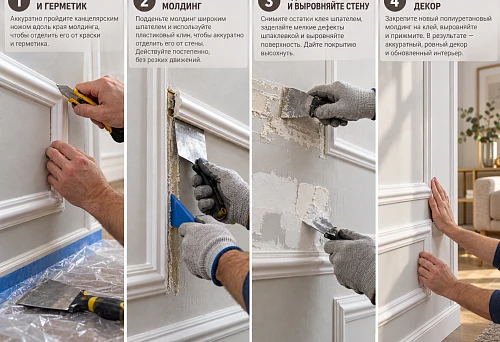
For even walls: apply adhesive, attach the profile, fix for 5-10 minutes (painter's tape), let dry. No special preparation required.
For painting: factory primer
The surface of polyurethane molding is primed, white, ready for painting. After installation - prime the joints, fill gaps with putty, apply 2 coats of finishing acrylic enamel. The molding 'disappears' into the wall, leaving only the relief.
Wooden wall moldings: when to buy them
Wood is a choice that comes with a certain interior philosophy. Not just 'wooden molding', but an interior where natural material is part of the concept.
Classic interior: wood as the language of style
A classic interior without wooden molding is an interior with emptiness. An oak profile stained dark walnut on cream walls is the 'DNA' of classic style. No paintable polyurethane can replicate this effect: it requires the living texture, the warm tones of natural wood.
Natural warm material
Wood is warm to the touch and warm visually. In an era when interiors are overflowing with synthetics, metal, and glass, a single wooden molding on the wall can change the feel of the entire room. This is not decoration—it is the tactile and visual 'temperature' of the interior.
Interior with wooden doors, parquet, furniture
Coordination rule: wooden molding must be made from the same wood and in the same stain as other wooden elements. Oak doors + oak parquet + oak molding in one stain is a system. Mixing materials (oak + polyurethane stained to match wood) in one room is a compromise that is always visible upon closer inspection.
Projects with an 'architectural' character
For projects where the interior should read as 'architectural'—a country house, a large apartment with high ceilings, an executive office—wood is irreplaceable. It is natural solid wood that gives the molding a weight felt without touch: visual density, character, persuasiveness.
Full range — in the sectionOak, beech, and MDF moldings.
How to choose the width and profile of molding
This is a technical question that determines 80% of the result. The correct width—and the molding works. The wrong one—and even the most expensive profile looks accidental.
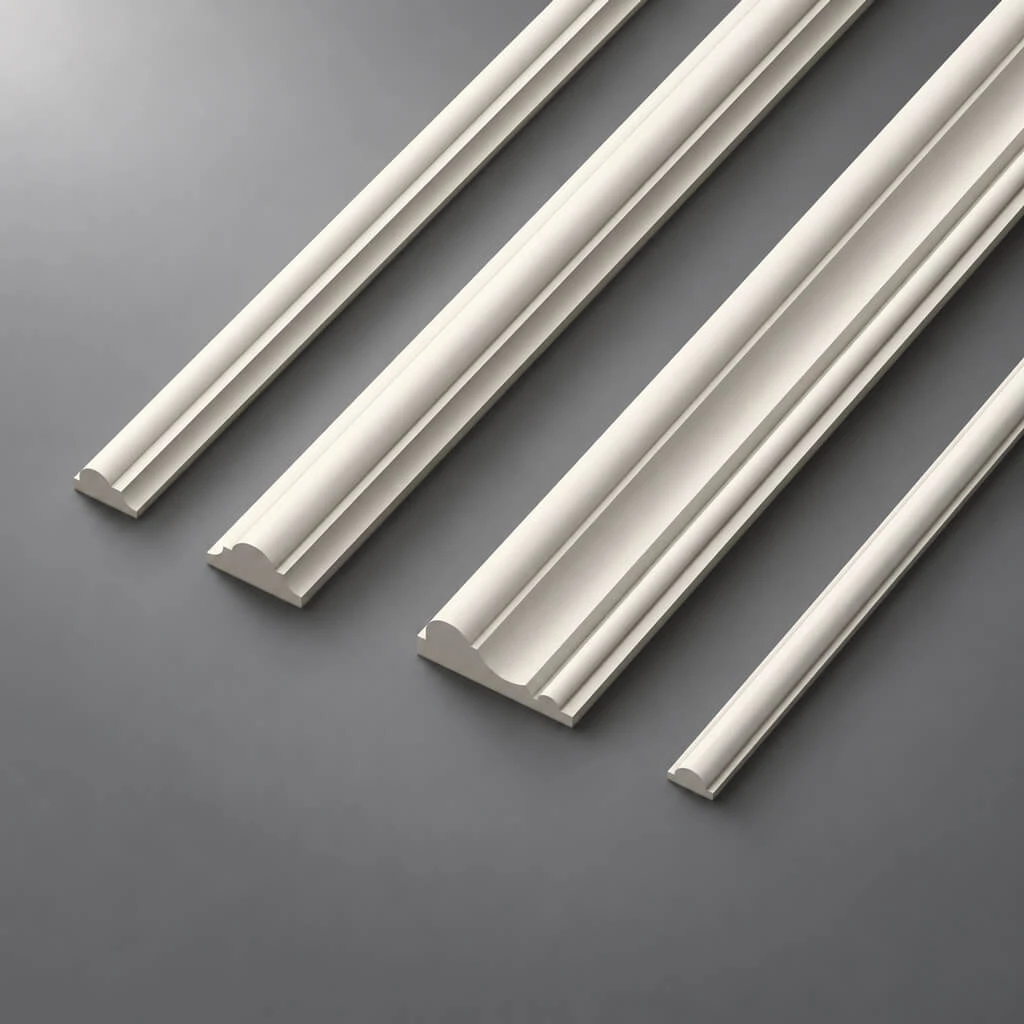
Narrow profiles (8–20 mm): graphics and modernity
Narrow molding is a line. It does not add decorative 'weight,' but only outlines the structure. Suitable for small rooms (up to 15 m²), for modern minimalist style, and for small-area facades.
Rule: narrow profiles require perfectly even walls. On an uneven surface, a thin strip will 'replicate' all defects. Before installing narrow molding, wall leveling is mandatory.
Medium profiles (20–40 mm): a universal choice
Medium profiles are the most in-demand range. They work in rooms with an area of 15–30 m² and ceilings of 2.5–3 m. Suitable for classic, neoclassical, and modern design. This is the range that 'doesn’t make mistakes': noticeable enough to serve decoratively, but not wide enough to overload the wall.
Wide profiles (40–80 mm): scale and formality
Wide molding is for large spaces, high ceilings (from 2.8 m), and formal areas. An accent wall in a living room of 30+ m², a grand foyer, or a study with a 3 m ceiling—here, wide profiles work organically.
In a small room with a 2.5 m ceiling, wide molding 'weighs down' the wall, creating a feeling of crampedness instead of grandeur.
Smooth profiles: neutrality as a strategy
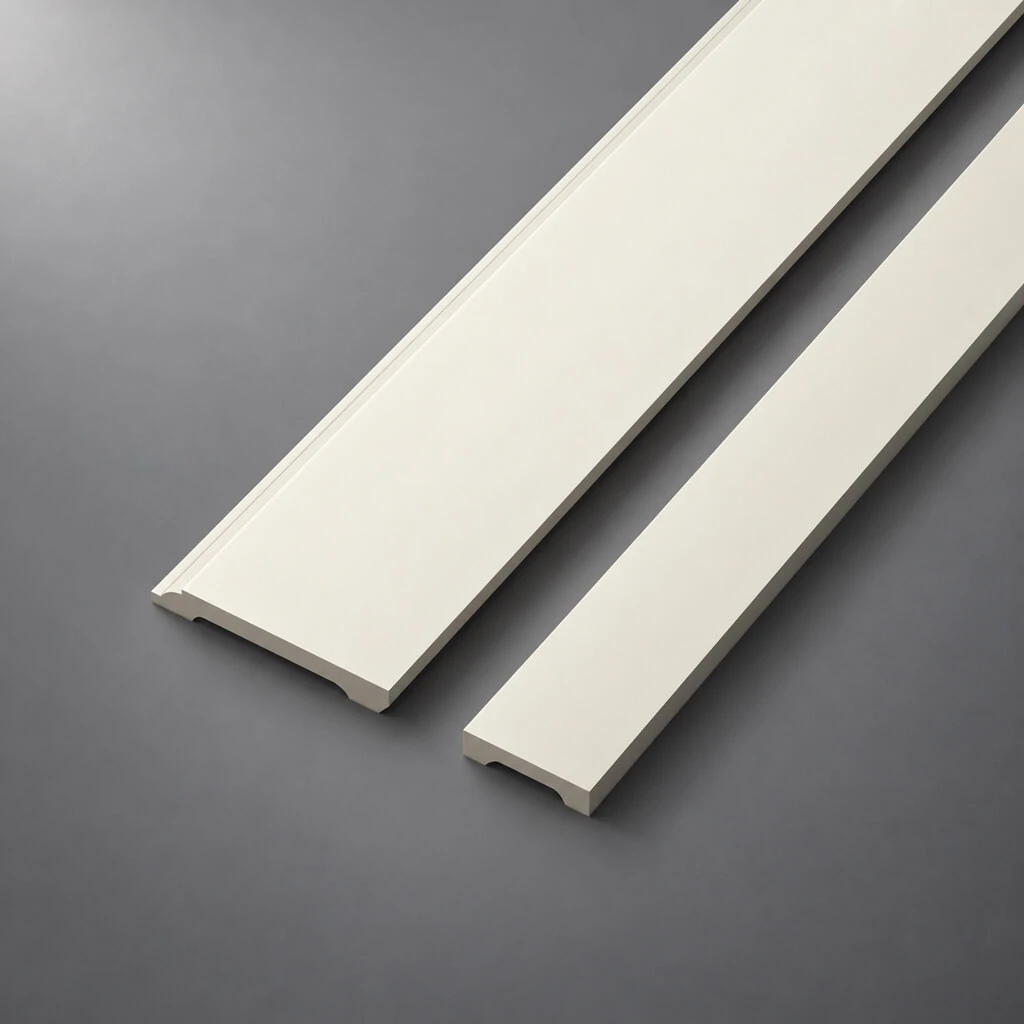
Smooth rectangular profiles are the most versatile. They work in any style, with any material, in any space. This is a 'neutral' decorative system that structures the wall without stylistic statements.
If you are unsure about the style—choose a smooth profile. This is not a compromise, but a deliberate aesthetic position.
Carved profiles: decor as an argument
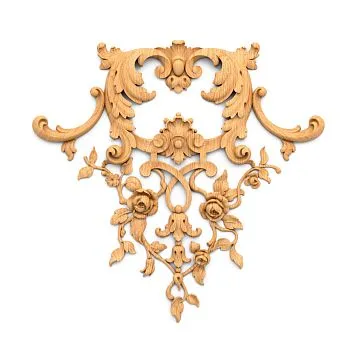
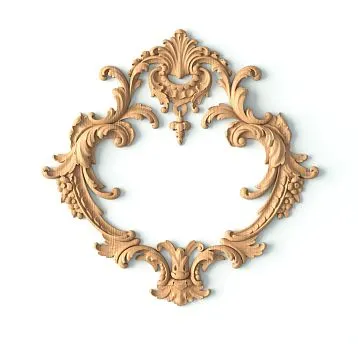
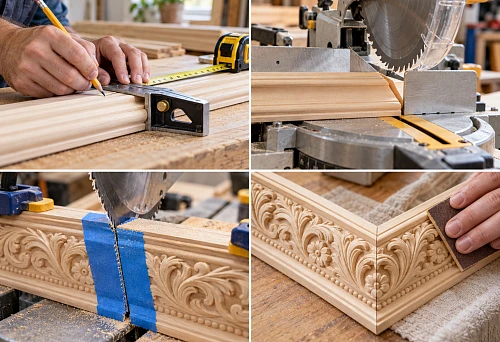
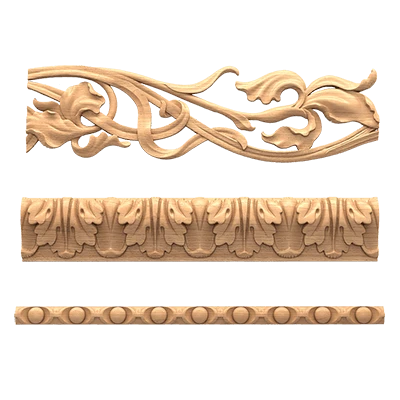
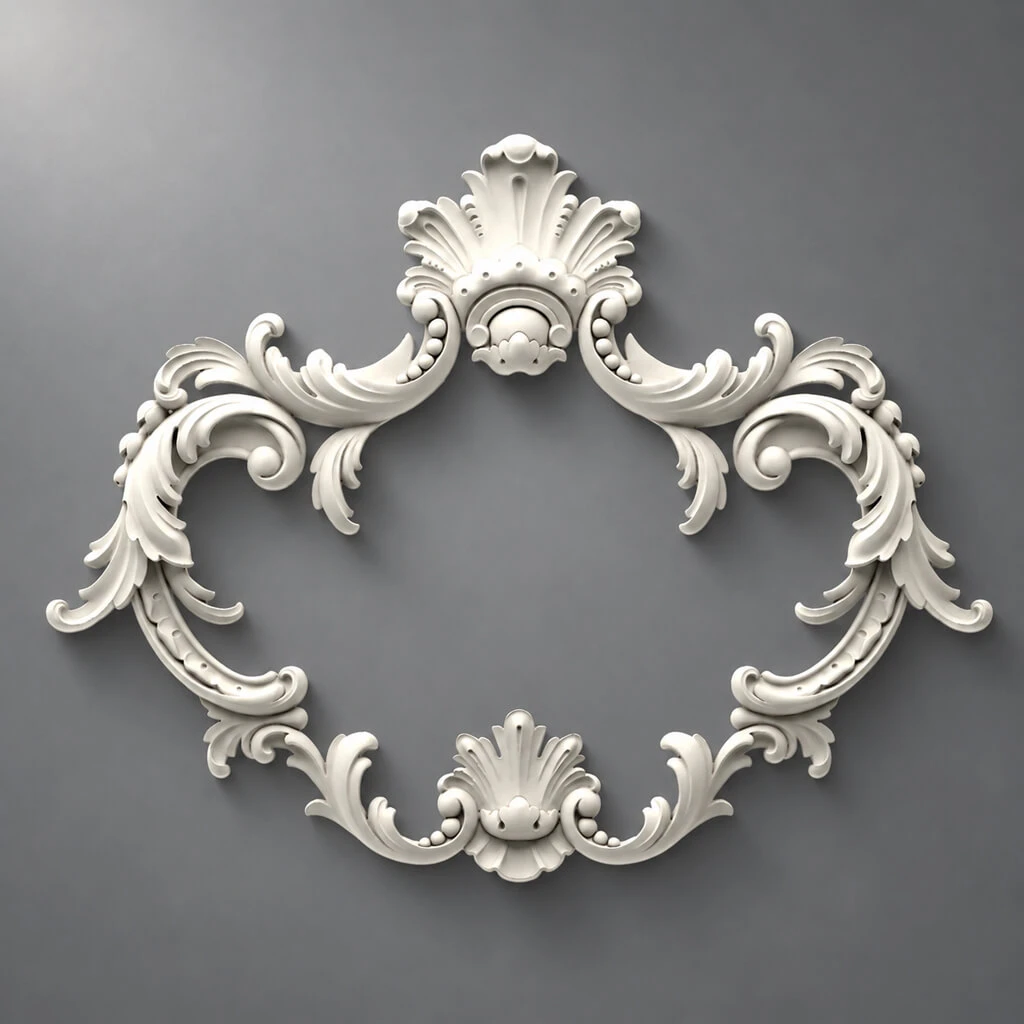
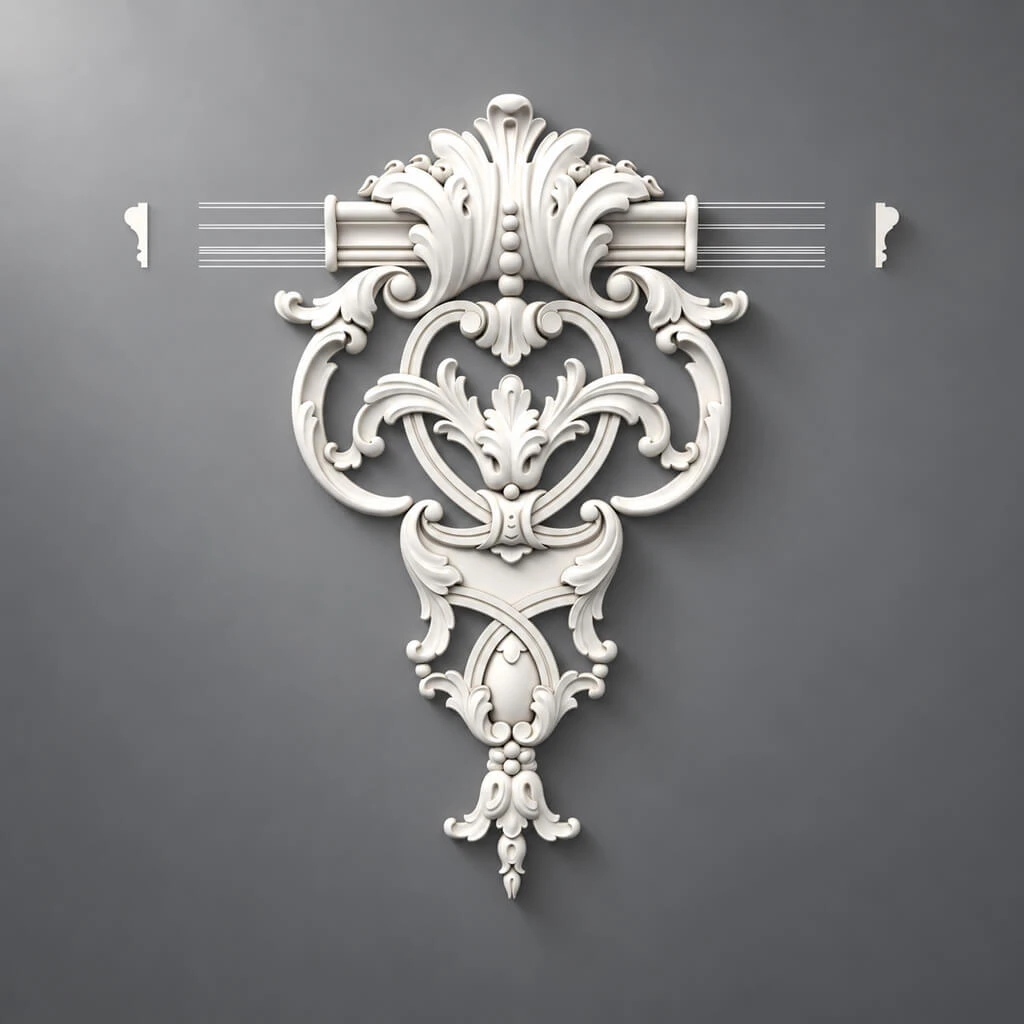
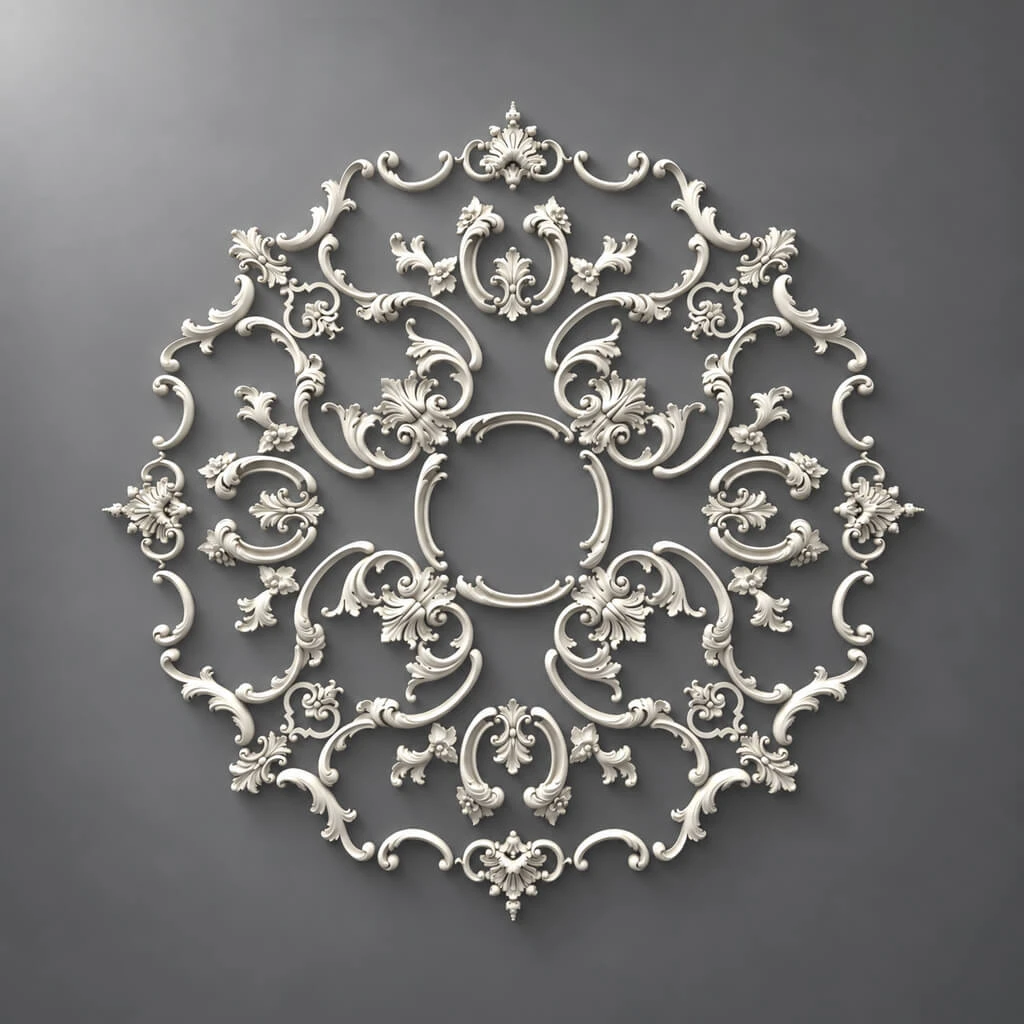
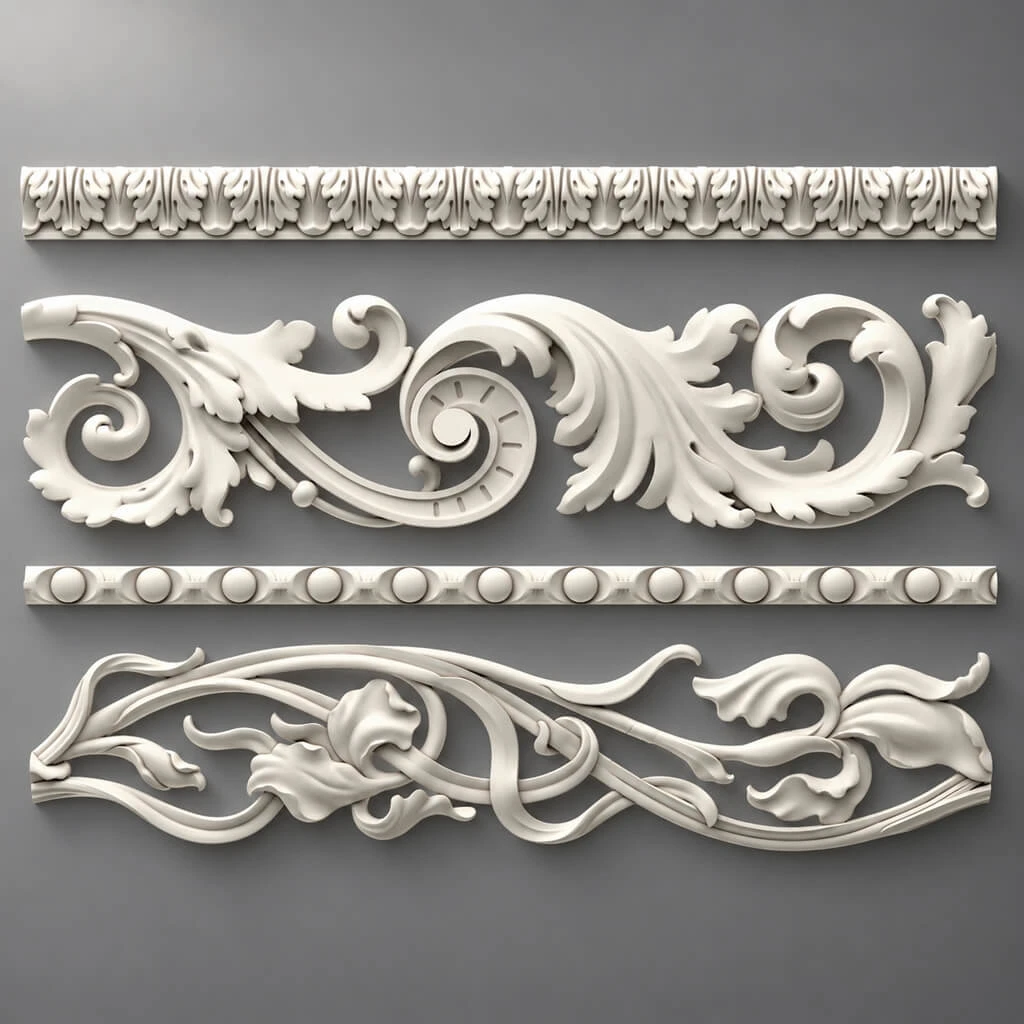
Carved molding carries an ornamental load. Acanthus leaf, meander, pearl, floron — this is the language of historical architecture. Suitable for ceilings 3+ m high, in classical and neo-baroque interiors, on large surfaces.
On a small wall or in a small room, a carved profile creates overload: too much 'information' for too small a scale.
For a small room: less is more
A small room (up to 12 m²) with moldings should achieve a sense of 'refinement', not crampedness. Rules:
-
profile narrow, 12–25 mm;
-
frames small, with a proportion of 1.4–1.6 to 1;
-
molding color — matching the wall (monochrome);
-
minimum tiers: one horizontal belt or one accent frame.
For a large wall: scale and rhythm
A large wall (length from 5 m) without molding is an area that 'lies empty'. With moldings, it gains rhythm. Rules:
-
three to four frames with equal intervals;
-
a horizontal belt dividing the wall into two tiers;
-
profile 30–50 mm;
-
with a ceiling of 3+ m — a two-tier decor is possible.
How to combine moldings with baseboards and cornices
Wall molding is not a separate element. It is part of a system: cornice (ceiling line) → molding (middle zone) → baseboard (floor line). Three horizontal elements create a 'frame' for the entire room. If they are coordinated — the interior reads as cohesive. If not — there is a feeling that 'something is off'.
Rule of proportions: cornice, molding, baseboard
Classical height ratio: cornice is higher than molding, molding is higher than baseboard. Specific numbers:
-
cornice — the widest, 60–120 mm;
-
horizontal belt molding — 25–55 mm;
-
baseboard — 60–100 mm (higher than molding, but lower than cornice).
Violating this hierarchy—for example, a molding wider than the baseboard—creates a visual discomfort that is hard to explain but easy to feel.
Unified profile language
Cornice, molding, and baseboard in the same interior should belong to the same 'language' of profiles. This does not mean identical cross-sections—different widths are essential. But the profile elements should repeat: if the cornice has a 'gooseneck'—the molding and baseboard should also contain an element of the 'gooseneck' curve.
Read about systematic application in the article moldings and baseboards made of solid wood—the architectural foundation of a classic interior.
Uniform material—or deliberate contrast
The ideal option is a cornice, molding, and baseboard made of the same material. Wood with wood, polyurethane with polyurethane. This creates homogeneity.
An acceptable option: wooden moldings on the wall + polyurethane cornice for painting. It works if the cornice matches the wall color and the molding matches the wall color—they 'blend into the background' and do not create a material conflict.
An unacceptable option: stained wood molding + white polyurethane baseboard without connection. This is a system breakdown.
When to combine, when to separate
If the entire interior is in one style (classic, neoclassic)—all three elements should be made of the same material. If the interior is mixed (modern design with classic details)—moldings and cornice should be made of the same material, the baseboard can be made of another material provided the color is coordinated.
What determines the price of wall moldings
Let's break it down honestly — without rounding.
Material
Polyurethane is the basic price category. Beech and MDF are medium. Oak is higher. With the same cross-section, oak molding is 3–7 times more expensive than polyurethane. This is the price for natural texture, density, and durability.
Width and relief
Linear dependence: the wider it is, the more material is used, the more expensive it is. A smooth profile is 2–4 times cheaper than a shaped one of the same size. Carved is another 3–5 times more expensive than shaped.
Plank length and standard
Standard length: 2.4 m and 3 m. Non-standard custom length — more expensive. Cutting at the factory to the required size is an additional service.
Flexible or corner profile
Flexible polyurethane molding is approximately 30–50% more expensive than standard: the production technology is more complex, the material is special. Corner profile — in the same markup range.
Standard model or composite system
If a complex decorative system with several profiles, corner overlays, and a cornice is needed — the cost is calculated as the sum of all elements. For large order volumes — project conditions.
| Molding type | Material | Width | Approximate price |
|---|---|---|---|
| Smooth wall-mounted | Polyurethane | 20–40 mm | from 80–180 rub./m |
| Smooth wall-mounted | Beech | 25–40 mm | from 250–450 rub./m |
| Geometric | Oak | 30–50 mm | from 550–1,200 rub./m |
| Classical figured | Oak | 40–70 mm | from 1,200–3,000 rub./m |
| Flexible | Polyurethane | 25–60 mm | from 130–350 rub./m |
| Corner | Polyurethane | 30–60 mm | from 150–400 rub./m |
| Wide decorative | Polyurethane | 60–120 mm | from 300–800 rub./m |
Where to buy wall moldings without mistakes
A practical algorithm in five steps.
Step 1. Determine the material
Ask yourself one question: will the molding be painted or have a natural finish?
-
For painting → polyurethane or beech. Budget is limited → polyurethane. Quality is more important → beech.
-
For a natural finish (staining, oil, textured varnish) → only wood, only oak.
Step 2. Determine the profile
-
Modern style → smooth profile, 15–30 mm.
-
Classic → figured or carved, 30–60 mm, oak.
-
Neutral universal → smooth rectangle, 20–35 mm, any material.
Step 3. Determine the task
-
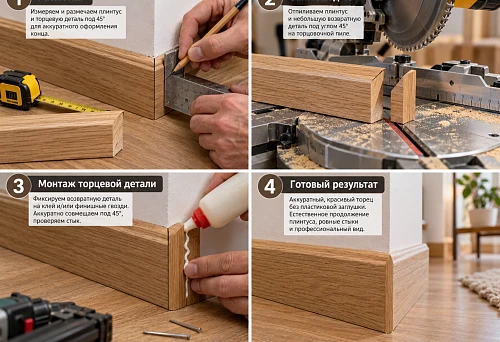
Frame system → profile 25–50 mm, cut at 45°.
-
Horizontal belt → profile 25–50 mm, level mounting.
-
Arch or curved wall → only flexible polyurethane.
Step 4. Calculate the footage
Formula: perimeter of decorated surfaces × coefficient 1.15–1.2 (for trimming and reserve). For a frame system — calculate each frame separately: (width + height of frame) × 2.
Step 5. Go to the correct catalog section
Wooden wall moldings:
→ Wooden wall moldings in the catalog
→ Oak, beech, and MDF moldings
Polyurethane wall moldings:
→ Polyurethane moldings and cornices
→ Article: types and installation of polyurethane moldings
For systematic selection:
→ Solid wood moldings and skirting boards — system
About the company STAVROS
STAVROS is a Russian manufacturer of wooden products and architectural decor made from solid wood and polyurethane. The company was founded in 2002, with production located in St. Petersburg. The product line includes: wooden moldings made of oak, beech, and MDF; polyurethane moldings and cornices; skirting boards; door surrounds; furniture trims; corner and decorative elements.
STAVROS has supplied architectural decor for the restoration of the State Hermitage Museum, the Konstantinovsky and Alexandrovsky Palaces, and numerous private country residences and commercial projects. Quality control is maintained at all stages: from wood drying (8–12% moisture content) to final geometry inspection with a tolerance of ±0.1 mm.
Retail orders — from 1 linear meter. Series and project deliveries for furniture manufacturers and designers — with individual terms. Contact us to confirm shipping to your destination. and CIS countries.
FAQ: popular questions about buying wall moldings
Which moldings are better: wood or polyurethane?
Depends on the task. Wood — for natural finishes (staining, oil, varnish), for classic interiors, for long-term projects. Polyurethane — for painting, in damp rooms, with a limited budget, for arches and curved surfaces.
Technically possible, but not recommended. The molding will adhere to the wallpaper, not the wall. If the wallpaper peels off, the molding will come off with it. Moreover, on textured wallpaper, the molding will not fit tightly, creating gaps. It’s better to install the molding on a prepared painted wall, and then apply wallpaper, or use wallpaper only within decorative panels.
Technically yes, but not recommended. Wallpaper is an unstable surface, adhesive holds worse, and during wet cleaning or wallpaper swelling, the molding may come off. Better: remove the wallpaper under the molding strip and glue it onto prepared plaster.
Which moldings are suitable for the bathroom?
Polyurethane, moisture-resistant. Installation — in areas without direct contact with water. Finish painting — with moisture-resistant acrylic enamel. Wooden moldings in the bathroom are only permissible with a multi-layer waterproof varnish coating.
How much molding is needed for one wall?
For a horizontal belt: wall length + 10% margin. For a frame system: calculate the perimeter of each frame (width + height × 2), sum all frames, add 20% for cutting and margin.
How to choose the width of the molding?
Focus on the wall area and ceiling height. Ceiling 2.5 m, room 15 m² → profile 15–25 mm. Ceiling 2.7–3 m, room 20–25 m² → 25–40 mm. Ceiling 3+ m, large space → 40–70 mm.
Do baseboards and cornices need to be in the same style as the moldings?
Preferably. The cornice, molding, and baseboard form a unified architectural 'frame' of the room. With different styles, a sense of eclecticism arises. Minimal coordination — a unified color. Ideal — a unified profile language.
How to combine wooden moldings and polyurethane cornices in one room?
Acceptable provided that both the wooden molding and the polyurethane cornice are painted the same color. In this case, the material contrast is offset by color unity. If the molding is in wood tone and the cornice is white — this is a visual break that is better avoided.