Article Contents:
- Anatomy of Kitchen Perfection
- Constructive Features: Where Function Meets Beauty
- Materials Science: The Battle of Titans
- Ergonomic Philosophy of Kitchen Design
- Anthropometric Principles in Action
- Biomechanics of the Kitchen Process
- Stylistic Diversity: From Classic to High-Tech
- Minimalist aesthetics
- Loft-Industrialism: The Beauty of Raw Power
- Scandinavian functionality
- Technological Innovations: The Future Is Already Here
- Smart Materials of the Next Generation
- Modular Systems: Flexibility Without Compromise
- Psychology of Kitchen Space
- Color Impact on Appetite
- Acoustic comfort
- Production Technologies: From Sketch to Perfection
- Precision Manufacturing
- Ecological responsibility
- Operational Characteristics: Durability in Detail
- Corrosion Resistance
- Mechanical strength
- Installation and Setup: The Art of Precise Mounting
- Geometric accuracy
- Fastening Systems
- Individualization and customization
- Personalized Design Approach
- Designer Collections
- Economic Efficiency: Investment in Quality
- Long-Term Return on Investment
- Impact on property value
- Trends in development: looking into the future
- Integration of smart technologies
- Eco-Friendly Materials
- Secrets of Professional Use
- Care and maintenance rules
- Signs of Wear and Restoration Methods
- Global Trends and Regional Characteristics
- Influence of National Culinary Traditions
- Climate adaptations
- Innovative Solutions for Small Spaces
- Transformable Structures
- Multifunctionality in Every Element
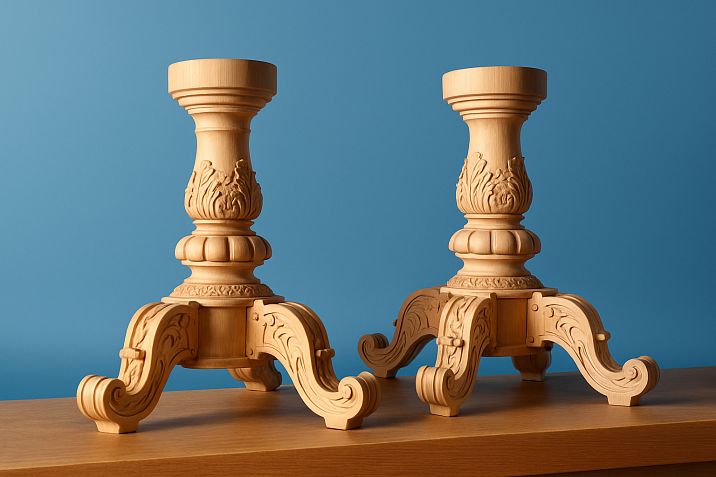
Do you think the kitchen is just a place for cooking? Forget these outdated notions! The modern kitchen has become a true theater of gastronomic experiments, where each element plays its unique role. And if you think that kitchen base — is merely a boring functional detail, prepare for discoveries that will radically change your perception!
In an era when every square centimeter of kitchen space must contribute to results, the kitchen table base transforms from an invisible helper into the main character of interior drama. It is not just a support — it is an architectural element that defines the character of the entire room, affects ergonomics, and creates a unique atmosphere of home comfort.


Anatomy of Kitchen Perfection




Constructive Features: Where Function Meets Beauty
How often do we underestimate what is right under our feet! Meanwhile, a well-designed kitchen base is a complex engineering structure capable of withstanding colossal loads. Imagine: a kitchen countertop may simultaneously bear the weight of heavy dishes, food products, and household appliances — all of this creates a load of up to 150-200 kilograms per square meter.
Materials Science: The Battle of Titans
Our factory also produces:


Materials Science: The Battle of Titans
Steel structures dominate professional kitchens for a reason. AISI 304 steel with chromium content of no less than 18% and nickel 8% provides exceptional corrosion resistance. Such a base can serve for decades under conditions of high humidity and temperature fluctuations.
Aircraft-grade aluminum alloys possess a unique strength-to-weight ratio. With a density of 2.7 g/cm³, aluminum is three times lighter than steel, yet with proper alloying, it demonstrates comparable strength characteristics.
Cast iron bases are making a comeback thanks to their massiveness and ability to absorb vibrations. Modern artistic casting allows creating bases of fantastic beauty while preserving all functional qualities.
Get Consultation
Ergonomic Philosophy of Kitchen Design
Anthropometric Principles in Action
Did you know that incorrect working surface height can cause chronic back pain? The standard height of a kitchen table is 85-87 centimeters, but this is an average figure suitable for hardly anyone. For people taller than 180 cm, the optimal height increases to 92-95 cm, while for shorter homeowners, it may be as low as 82-84 cm.
Kitchen Base must provide not only the correct working surface height but also free leg space. The minimum depth of the knee clearance space is 60 cm, and the width should be no less than 80 cm for comfortable work.
Biomechanics of the Kitchen Process
Modern ergonomics science identifies five main working zones in the kitchen: storage, preparation, cooking, serving, and cleaning. Each zone imposes specific requirements on the base design. The preparation zone requires maximum stability — here intensive mechanical processing of food occurs. The serving zone needs lightness and mobility for quick dish rearrangement.
Stylistic Diversity: From Classic to High-Tech
Minimalist Aesthetics
Minimalism in kitchen design is not the absence of decoration, but maximum functionality of each element. Minimalist bases are characterized by clean lines, absence of unnecessary details, and ideal proportions. They create a sense of spaciousness even in small rooms.
Loft-Industrialism: The Beauty of Raw Power
Industrial style has turned production aesthetics into a designer’s coveted object. Visible welded seams, exposed bolted connections, patinated metal surfaces — all of this creates a unique atmosphere of urban chic.
Scandinavian functionality
Scandinavian design philosophy preaches the principle of 'hygge' — cozy functionality. Scandinavian bases combine natural materials with thoughtful ergonomics, creating a sense of home warmth without compromising practicality.
Technological Innovations: The Future Is Already Here
Smart New-Generation Materials
Revolutionary carbon-fiber-based composite materials open unprecedented possibilities. Carbon bases weigh five times less than steel counterparts while maintaining comparable strength. They are corrosion-resistant, non-conductive, and possess unique damping properties.
Self-cleaning nanocoatings transform kitchen furniture maintenance into a simple procedure. Such surfaces repel grease, do not accumulate odors, and have antibacterial properties.
Modular Systems: Flexibility Without Compromise
Modern modular bases allow transforming kitchen space according to current needs. Quick-release elements, telescopic connections, swivel mechanisms — technologies making the kitchen truly adaptive.
Psychology of Kitchen Space
Color Impact on Appetite
Surprisingly, the color of the base can influence appetite and mood! Warm tones — gold, copper, bronze — stimulate appetite and create a sense of coziness. Cool tones — silver, steel, chrome — promote concentration and enhance productivity.
Acoustic Comfort
Correctly selected kitchen base can significantly reduce noise levels in the kitchen. Heavy cast iron bases absorb vibrations from operating appliances, while special damping pads eliminate dish rattling.
Production Technologies: From Sketch to Perfection
Precision Manufacturing
Modern kitchen furniture production requires the precision of Swiss watches. Laser cutting of metal ensures deviations no greater than ±0.1 mm, which is critically important for the perfect fit of all structural elements.
Robotic welding guarantees uniformity and strength of seams. Computer control eliminates human error, ensuring consistently high quality for each item.
Ecological responsibility
Modern manufacturers are increasingly focusing on ecological aspects. Using recycled metal reduces the carbon footprint by 75%. Water-based paints replace toxic solvents, making production environmentally safe.
Operational Characteristics: Durability in Details
Corrosion Resistance
The kitchen is an aggressive environment for metal structures. Acid vapors from food, high humidity, and temperature fluctuations create extreme operating conditions. Quality base cabinets demonstrate corrosion resistance for over 1000 hours in salt spray conditions.
Mechanical strength
Fatigue cyclic tests show that quality base cabinets withstand over a million load cycles without signs of deformation. This is equivalent to 30 years of intensive use in a home environment.
Installation and Setup: The Art of Precise Installation
Geometric accuracy
Installing a kitchen base cabinet is not just assembly—it is a precision operation requiring professional skills. A deviation from vertical exceeding 1 mm per meter of height may lead to uneven load distribution and premature structural wear.
Using laser levels and high-precision measuring tools ensures ideal installation geometry. Adjustable supports allow compensation for floor unevenness up to 15 mm without the need for shims.
Fastening systems
Modern fastening systems provide secure connection of the base cabinet to the countertop without damaging the material. Special flat-head screws are countersunk flush, creating a perfectly smooth surface.
Individualization and customization
Personalized Design Approach
Every kitchen is unique, like a fingerprint. Room dimensions, layout specifics, interior style, and homeowners’ personal preferences—all of these influence the choice of the optimal base cabinet. Modern technologies allow creating individual solutions without increasing cost.
Designer Collections
Collaboration with renowned designers produces unique designer collections. Each item becomes an artwork combining functionality with aesthetic perfection. Limited editions ensure exclusivity and highlight the owner’s status.
Economic efficiency: investments in quality
Long-Term Return on Investment
Quality kitchen base — is an investment for decades. Initial costs are recouped through longevity, minimal maintenance expenses, and preserved appearance. Cheap alternatives require replacement every 3–5 years, ultimately costing significantly more.
Impact on property value
A professionally equipped kitchen with quality furniture increases property value by 15–20%. This is especially relevant in today’s market, where buyers increasingly prioritize homes ready for immediate use.
Trends in development: looking toward the future
Integration of smart technologies
Base cabinets of the future will become intelligent assistants for the homeowner. Built-in sensors will monitor load, warning of overloading. A structural condition monitoring system will promptly notify of the need for preventive maintenance.
Eco-Friendly Materials
Biodegradable composites, recycled metals, renewable energy in production—trends that will define the appearance of the furniture industry in the next decade.
Secrets of Professional Use
Care and Maintenance Rules
Even the highest-quality base cabinet requires proper care. Regular cleaning with specialized agents, timely tightening of fasteners, and monitoring of protective coatings—simple procedures that extend service life for years.
Signs of Wear and Restoration Methods
An experienced eye easily identifies early signs of wear: play in joints, loss of gloss on protective coatings, formation of microcracks. Timely intervention allows eliminating problems at an early stage without significant costs.
Professional restoration can restore even heavily worn base cabinets to their original appearance. Sandblasting removes old coatings, welding repairs metal defects, and modern paints provide long-term protection.
Global trends and regional specifics
Influence of National Culinary Traditions
Different culinary cultures impose specific requirements on kitchen equipment. Asian cuisine, with its intensive use of woks, requires exceptionally strong base cabinets capable of withstanding high temperatures and dynamic loads. European traditions of slow-cooking imply stable, heavy-duty structures.
Climate Adaptations
Regional climatic characteristics influence material and technology selection. In high-humidity conditions, stainless steels with increased chromium content are preferred. For regions with extreme temperature fluctuations, special compensatory systems are developed.
Innovative Solutions for Small Spaces
Transformable Structures
Modern For compact spaces, kitchen base cabinets impress with engineering ingenuity. Folding mechanisms allow the working surface to be expanded up to two or three times as needed. Pull-out elements create additional levels for storing kitchen utensils. Multi-functionality in every element
Every centimeter of the base works toward the result. Hollow profiles serve as channels for wiring, special brackets allow mounting additional equipment, built-in drawers provide extra storage space.
Modern kitchen space is a symphony of functionality, where each element plays its unique part.
Kitchen base cabinets In this symphony, they play the cello part — unobtrusive, yet absolutely essential for creating the harmonious sound of the entire composition. Choosing a quality base cabinet is an investment in comfort, safety, and aesthetic perfection of the kitchen space. The right solution serves not only current needs but also lays the foundation for future culinary experiments and family traditions.
STAVROS Company embodies decades of experience in creating premium kitchen furniture. Every base cabinet crafted by STAVROS masters represents the ideal balance of engineering excellence and designer sophistication. Using advanced manufacturing technologies and premium materials, STAVROS creates not just furniture, but the foundation for culinary masterpieces. Entrusting STAVROS means investing in quality that will serve not just one generation of your family, transforming every day in the kitchen into a celebration of creativity and inspiration.
Kitchen base cabinet: revolutionary foundation of modern culinary space | STAVROS Company