












































































Article Contents:
- Anatomy of a Classic Table
- Material: Solid Wood as the Foundation
- Decor: Carving and Overlays
- Shape and Size: Function Determines Composition
- Wall Behind the Table: Architectural Framing
- Moldings: Creating a Frame
- Panels and Cladding: Material Depth
- Paintings, Mirrors, Decorative Objects
- Chairs and Armchairs: Continuing the Story
- Style Compatibility
- Upholstery: Color and Texture
- Quantity and Placement
- Lighting: Light as a Composition Tool
- Central Chandelier: The Crown of the Table
- Local Lighting: Sconces, Floor Lamps, Table Lamps
- Color Temperature and Scenarios
- Additional Furniture: Surrounding the Table
- In the Dining Room: Sideboard, Display Cabinet, Console
- In the Study: Bookcases, Shelving, Lounge Chair
- Interior Decor for Study and Dining Room: Details Matter
- Textiles: Tablecloths, Napkins, Cushions
- Accessories: Vases, Candle Holders, Clocks
- Rug: Defining the Zone
- Errors that destroy composition
- Mismatched Scale
- Stylistic Inconsistency
- Poor Lighting
- Overloading with Decor or Its Absence
- Frequently Asked Questions
- Can Different Chairs Be Used Around One Table?
- What Size Table to Choose for a Small Dining Room?
- Is It Necessary to Hang a Chandelier Over the Dining Table?
- How to Decorate the Wall Behind a Desk in a Study?
- Can a dining table be placed against a wall?
- How much does it cost to design a dining area or study with a classic table?
- What care does a classic solid wood table require?
- Conclusion: The table as the axis of the world

A table is a focal point. In the dining room, the family gathers around it, conversations are held, and decisions are made. In the study, letters are written, contracts are signed, and ideas are born at it. But why does one table look like a randomly purchased piece of furniture, while another looks like the center of the universe, around which the entire space is built? It's not just about the table itself, but about the ability to make it the compositional core, support it with architectural context, and correctly select its surroundings.classic tablerequires a special approach: it does not tolerate carelessness, but generously rewards those who understand its nature.
The dining area and the study are two poles of home life. The first is about family, communication, and the joy of shared meals. The second is about concentration, achievement, and personal space. But both spaces share one thing: at their center stands a table. And both require competent design so that function does not conflict with aesthetics but complements it. How to work withclassic furniturein these zones? Which decorative solutions enhance the impression, and which destroy harmony?



Anatomy of a classic table
Before talking about the surroundings, let's understand the table itself. What makes it classic? Not just age or style, but a set of features that are instantly recognizable.




Material: solid wood as the foundation
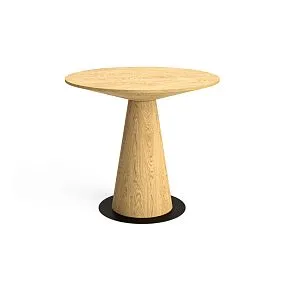
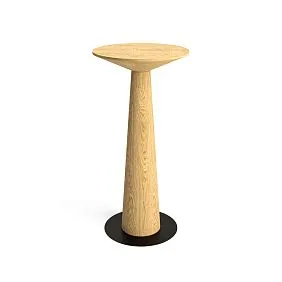
classic tablemade of solid wood is not a tribute to tradition but a necessity. Wood possesses that warmth, texture, and nobility that cannot be imitated. Oak, beech, walnut, ash — species with a pronounced grain structure, density, and the ability to hold carving and withstand decades of use.
A solid wood tabletop can be solid (glued from several boards into a panel) or assembled (from individual slats forming a pattern). A solid tabletop is more expensive but looks monolithic. An assembled one is cheaper but, with quality execution, does not lag behind in aesthetics. The finishing is important: sanding to perfect smoothness, coating with oil or varnish that emphasizes the grain.
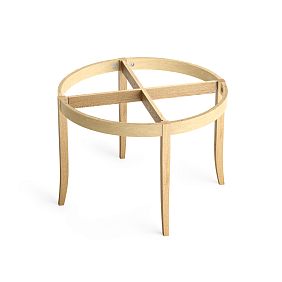
Legs and the apron are also made of solid wood.Solid wood products for the tableare not just supports but architectural elements with turned profiles, carving, proportions that define the character of the entire piece. Straight, strict legs — classicism. Curved cabriole legs — Baroque and Rococo. Baluster-shaped — Renaissance.
Our factory also produces:





Decor: carving and overlays
Decorativeness is the soul of classicism. But it must be measured. A fully carved table is overkill; it looks heavy and museum-like. Accent carving — at the junction of legs and the apron, along the perimeter of the tabletop, on the central support (if the design is single-pedestal) — creates elegance without overload.
Furniture decorin the form of overlays on legs, the apron of the under-table, corners of the tabletop — is a way to add luxury without complicating the structure. Overlays can be carved wood or cast from polyurethane with subsequent painting to resemble wood. Motifs — floral (acanthus leaves, grapevines), geometric (meanders, rosettes), zoomorphic (lion heads, griffins).
Important: the decor of the table should echo the decor of other furniture in the room. If dining chairs have carved backs with a specific motif, the table can repeat this motif on a smaller scale on the legs or apron. This creates stylistic unity.
Get Consultation
Shape and size: function determines composition
A dining table can be rectangular, oval, round, or square. Rectangular — the most practical, accommodates more people, conveniently placed against a wall or in the center. Oval — a compromise between rectangular and round, no sharp corners, easier to walk around. Round — democratic, everyone sits equally, but requires more space and accommodates fewer people with the same diameter.
The size of a dining table depends on the number of people and the area of the room. One person needs a minimum of 60 cm in width and 40 cm in depth. A table for four — minimum 120x80 cm. For six — 160x90 cm. For eight — 200x100 cm. There should be passages of at least 80–100 cm around the table for free movement and pulling out chairs.
A writing desk for a study is usually rectangular, with a wide tabletop (140–180 cm length, 70–80 cm depth). Space is needed for a monitor, keyboard, documents, and a lamp. Drawers and pedestals under the tabletop provide storage but should not restrict legroom.
The wall behind the table: architectural framing
A bare wall behind a table is a missed opportunity. Treating this area turns the table from furniture into a compositional center.
Moldings: creating a frame
A frame made of moldings on the wall behind the table is a classic technique that works both in the dining room and the study. Moldings create architectural depth, highlight the table area, and connect the furniture with the wall.
In the dining room, the frame is usually large, occupying a significant part of the wall — in width equal to or slightly wider than the table, in height from floor to ceiling or from the tabletop level to 2–2.5 meters. Inside the frame, the wall can be painted in a contrasting color, wallpapered with a pattern, or covered with fabric.
In the study, the frame can be more restrained but no less significant. If diplomas, certificates, or paintings hang behind the writing desk — the frame unites them into a single composition. If the wall is free — the frame is filled with contrasting paint or wooden panels, creating a strict background for the workspace.
The molding profile is selected depending on the interior style. Classicism favors strict profiles with clear lines. Baroque prefers lavish ones with scrolls and floral motifs. Modern classic opts for concise profiles with soft curves. Molding width is 5–10 cm for small rooms, 10–15 cm for spacious ones.
Panels and cladding: material depth
Wooden panels (boiserie) on the wall behind the table is a technique borrowed from palace interiors but adapted for modern spaces. Panels can cover the entire wall height or only the lower third (the classic version with panels and frames).
In the dining room, panels create a sense of coziness and acoustic comfort—wood absorbs sound, making conversations at the table more private. Panel color can match the table or provide contrast. Dark panels against light walls create drama. Light panels in a light interior create an airy feel.
In the study, wooden panels emphasize seriousness and status. They can be complemented with open bookshelves, built-in cabinets for documents. Panels with carving or inlay add luxury but require caution—in a small study, excessive carving can create visual overload.
Paintings, mirrors, decorative objects
Traditionally, a decorative object is placed on the wall behind the dining table—a large painting, a framed mirror, a panel. A mirror visually expands the space, reflects light from the chandelier, and creates depth. A painting sets the mood—a still life with fruit and game for a classic dining room, abstraction for a modern one.
Object size: width 60–80% of the table width, height depends on the composition but is typically 80–120 cm. The lower edge is 20–30 cm above the tabletop to avoid interfering with items on the table. The frame should echo the decor of the table and other furniture—carving, gilding, patina.
In the study behind the desk, strict items are appropriate: a framed diploma, an engraving with a classic subject, a map, a clock. Or conversely—a mirror to monitor who enters the study without turning around. The composition can be symmetrical (two identical objects on either side of the center) or asymmetrical (one large object offset).
Chairs and armchairs: continuing the story
A table without chairs is a stage without actors. Chairs are not just functional; they continue the stylistic line of the table, completing the composition.
Stylistic correspondence
Chairs should match the table in style, material, and decor. If the table is Baroque-style with carved legs, the chairs should also be Baroque—with curved legs, carved backs, possibly with armrests. If the table is strict classical, chairs should have straight legs, high backs, minimal carving.
Chair material should be the same solid wood as the table or a similar tone. If the table is dark oak, chairs should also be dark oak. If the table is painted in a light tone, chairs should repeat this coloring. Mismatched wood tones disrupt harmony.
Chair decor can be slightly more restrained than the table—this creates a hierarchy where the table is the main element and chairs are the entourage. Or conversely, chairs can be more decorative if the table is concise. The key is a common language: carving motifs, leg profiles, hardware should echo each other.
Upholstery: color and texture
Chair seats and backs are often upholstered in fabric or leather. The choice of material and color is critical to the overall impression. Velvet, velour, jacquard—fabrics for formal dining rooms. Leather, faux leather—for studies and strict interiors. Linen, cotton—for Provence and country styles.
Upholstery color can be neutral (beige, gray, cream), harmonizing with the table wood. Or contrasting (emerald, sapphire, burgundy), creating an accent. Or repeating the color of walls, curtains, textiles—this ties interior elements into a unified palette.
Upholstery pattern—solid, striped, damask, small geometric print. Solid is universal, suitable for any style. Patterned is more decorative but requires caution to avoid clashing with other patterns in the interior.
In the dining room, all chairs are usually identical. In the study, the desk chair is special: more massive, with armrests, on wheels, with height adjustment. It can be upholstered in leather, have a high back, creating a throne-like feel. Guest chairs (if any) are simpler, without armrests, but in the same style.
Quantity and placement
There should be enough chairs around the dining table for family and guests. Standard—one for each intended seat. If the table seats eight, eight chairs. For a rectangular table, chairs can be placed only along the long sides, leaving the ends free—this facilitates access and creates a more open composition.
In the study at the desk—one desk chair. Guest chairs (one or two) are placed in front of the desk or to the side. They are for visitors but should not clutter the space. If the study is small, guest chairs can be placed against the wall and moved as needed.
Lighting: light as a composition tool
Light determines how we perceive the table and its surroundings. Poor lighting devalues expensive furniture. Proper lighting transforms ordinary furniture into outstanding.
Central chandelier: the crown of the table
A chandelier over the dining table is a mandatory element. It not only illuminates but also marks the center of the composition, connecting the table with the ceiling. The chandelier size should match the table size: chandelier diameter is approximately one-third of the table width. For a 180 cm table, a chandelier about 60 cm in diameter.
Hanging height is critical. The chandelier should hang to illuminate the table but not obstruct the view of seated people. Optimal—70–90 cm from the tabletop to the lowest point of the chandelier. In rooms with high ceilings (from 3 meters), it can be hung higher, but the light becomes less concentrated.
Chandelier style should match the overall interior style. For a classic dining room—a crystal multi-arm chandelier with pendants, bronze or gilded frames. For modern classic—a concise chandelier of glass and metal. For Provence—a chandelier with fabric shades, imitation candles.
In the study, a central chandelier is less critical but desirable. It can be smaller and more restrained than in the dining room. More important is local lighting of the desk—a desk lamp providing directed light on documents and keyboard.
Local lighting: sconces, floor lamps, table lamps
In addition to central lighting, local light sources are needed. In the dining room, these could be wall sconces on either side of a sideboard or display cabinet, highlighting dishes and decor. Or a floor lamp in a corner, creating cozy evening lighting.
In the study, a table lamp on the desk is a must-have. It should be sufficiently powerful (60–80W LED equivalent), with adjustable light direction. A classic option is a lamp with a green glass shade on a bronze base (banker's lamp). A modern option is an LED lamp on a flexible arm with a dimmer.
Sconces near bookshelves, above paintings, or by a relaxation area (if there is a reading chair in the study) are additional light points that create layered lighting.
Color temperature and lighting scenarios
The color temperature of light affects the perception of space and furniture. Warm light (2700–3000K) creates coziness, highlights the warmth of wood, and is suitable for the dining room and home study. Neutral white (3500–4000K) is for a work study where clarity and concentration are needed. Cold light (5000K+) is undesirable in classic interiors—it makes wood look gray and the atmosphere feel institutional.
Dimmers (brightness regulators) allow changing lighting scenarios. Bright light for work or family meals. Dimmed light for a romantic dinner or evening reading. The ability to control light adds flexibility and comfort.
Additional furniture: surroundings of the table
A table rarely stands in emptiness. Around it are other pieces of furniture that complete the composition and add functionality.
In the dining room: sideboard, display cabinet, console
A sideboard or china cabinet is a traditional companion to the dining table. It is a tall cabinet with glazed upper sections (for displaying fine china) and closed lower sections (for storing table linens and cutlery). The sideboard is placed against the wall opposite the table or to the side, creating a visual vertical.
The style of the sideboard should match the table and chairs. If the table is Baroque, the sideboard should also have carved fronts, curved legs, and possibly a marble top. If the table is Neoclassical, the sideboard is strict, with straight lines and symmetrical fronts.
A display cabinet is a lighter version of a sideboard, almost entirely glazed, without closed sections. It is more decorative than functional—for displaying collectible dishes, crystal, figurines. Display cabinets can be placed in pairs (two symmetrical cabinets on either side of a sideboard or door).
A console is a narrow table placed against a wall. On the console, serving items (vases, trays), decor, and a lamp can be placed. A console can be part of a composition with a mirror above it—this creates an additional focal point, diverting attention from the main table area and adding depth to the interior.
In the study: bookcases, shelves, armchair for relaxation
A bookcase or open shelving is a mandatory element of a classic study. Books are not just a source of information but a symbol of education and culture. The case can be glazed (to protect books from dust) or open (for easy access).
Placement of the bookcase: against the wall behind the person sitting at the desk (books always within reach) or against a side wall. The height of the bookcase can be up to the ceiling (maximizing space usage) or medium, 180–200 cm (the top can be used for decor—busts, vases, clocks).
The style of the bookcase should correspond to the writing desk. The same wood species, tone, and decorative elements. If the desk has carved legs, the bookcase can have a carved cornice. If the desk is strict, the bookcase is laconic, with minimal ornamentation.
An armchair for relaxation or reading is an optional but desirable element. If the study area allows, an armchair with a high back, armrests, and possibly an ottoman is placed by the window or in a corner. Upholstery—leather or dense fabric. Nearby—a floor lamp and a small table for a book and a cup. This relaxation zone relieves the work area and allows for a mental switch.
Interior decor of the studyand dining room: details matter
Large elements—table, chairs, cabinets—create the backbone of the interior. But details—textiles, accessories, decor—give it soul.
Textiles: tablecloths, napkins, pillows
In the dining room, textiles play an important role. A tablecloth on the dining table is not always mandatory but a desirable detail. A beautiful solid wood tabletop can be displayed openly in everyday life, but for festive dinners, a tablecloth creates solemnity.
Tablecloth material: linen, cotton, jacquard, damask. Color—matching the overall palette or contrasting. A white tablecloth is a classic for a festive table. Colored or patterned—for themed dinners. The tablecloth can hang to the floor (a dramatic option) or to the level of the chair seats (a practical option).
Fabric napkins are a mandatory element of table setting. They can be the same color as the tablecloth or contrasting. Folded into beautiful shapes, they add sophistication. Napkin rings—metal, wooden, with decor—are a small but significant detail.
Pillows on chairs add comfort and color. They can be removable, with ties, made from the same fabric as the upholstery or a contrasting one. Pillows allow easy changes of accents in the interior—change the pillow covers, and the dining room gets a new mood.
In the study, textiles are more modest: heavy curtains (drapes) on the window, creating privacy and blocking distracting street light. Possibly a throw on the armchair for relaxation. Avoid excess textiles—the study should be strict and work-oriented.
Accessories: vases, candlesticks, clocks
On the dining table (when not in use) or on the console, decorative accessories are placed. A vase with flowers or branches—a living element that enlivens the space. Candlesticks—paired or in a group—create a romantic atmosphere in the evening. A fruit bowl with fruit—a classic still life, a symbol of abundance.
Wall or table clocks in the dining room and study are functional and decorative objects. In the dining room, clocks can be decorative, with a pendulum, or chiming. In the study, they should be strict, precise, and visible from the workspace.
Figurines, books, and boxes on the shelves of a sideboard, shelving unit, or console create richness and individuality. But moderation is key: an excess of accessories turns the interior into a flea market. It's better to have a few expressive objects than dozens of small ones.
Rug: defining a zone
A rug under the dining table is a controversial element. It defines the zone, adds warmth and acoustic comfort, but complicates cleaning (crumbs, spills). If you decide to lay a rug, choose a durable one with low pile that is easy to clean. Size: the rug should be 60–80 cm wider than the table on each side, so that chairs remain on the rug when pulled back.
In the study, a rug is more appropriate. It creates coziness, muffles footsteps, and highlights the work area. The rug can lie only under the desk and chair or cover most of the floor. Color and pattern should match the overall palette or be contrasting but not distracting.
Errors that destroy composition
Even an expensiveClassic Furniturecan look bad if compositional mistakes are made.
Mismatch in scale
A huge table in a tiny dining room or a miniature table in a huge hall. An overly large chandelier over a small table or a tiny one over a large one. Massive chairs around an elegant table or flimsy chairs around a monumental one. All these disproportions are jarring and disrupt harmony.
Choose furniture proportionate to the room and to each other. Use the rule: large items in large spaces, compact ones in small spaces. But don't go to extremes: in a huge dining room, a too-small table will get lost; in a small one, a too-large table will overwhelm.
Stylistic inconsistency
A Baroque table with carved legs and modern minimalist plastic chairs. A classic writing desk and an office chair on wheels made of mesh. A sideboard in Provence style and chairs in Art Deco style. Eclecticism is possible but requires skill. Random mixing of styles creates chaos.
Choose furniture from one stylistic family or closely related directions. If mixing, find a unifying element—color, material, proportions. Let one style dominate and the other serve as an accent.
Poor lighting
Dim light or a single overhead source that doesn't provide sufficient illumination for the table. A chandelier hanging too high (light disperses before reaching the table) or too low (obstructs the view). Lack of local lighting in the study—working under just a ceiling lamp is uncomfortable.
Plan multi-level lighting: central source + local (sconces, floor lamps, table lamps) + possible accent lighting (LED strip under a cornice, display lighting). Use dimmers to control scenarios.
Overloading with decor or its absence
Too much decor—carving on everything, overlays, moldings, wallpaper patterns, patterned upholstery, accessories on every surface—leaves no place for the eye to rest. Or the opposite—bare walls, minimal furniture, lack of textiles and accessories—makes the interior look cold and unfinished.
Seek balance. Highlight a few focal elements with rich decor (e.g., table and sideboard), let the rest be more restrained. Alternate decorated and smooth surfaces. Leave visual pauses—areas of walls without paintings, tabletops without accessories.
Frequently asked questions
Can different chairs be used around one table?
Yes, but carefully. One trend is mixing chairs of different models but of the same style or color. For example, all chairs are classic, made from the same type of wood, but with different carvings. Or all painted in the same tone but of different shapes. This creates dynamism and individuality. But a random assortment of mismatched chairs looks sloppy.
What size table to choose for a small dining room?
Minimum functional size for four people—120x80 cm. But if the dining area is less than 10 sq.m, consider a round table with a diameter of 100–110 cm—it will seat four and take up less visual space due to the absence of corners. An extendable table is a compromise: compact when folded, accommodates guests when extended.
Is it necessary to hang a chandelier over the dining table?
Preferably, but not mandatory. If ceilings are low (2.5 m and below) and the table is not in the center of the room, a chandelier might be in the way. Alternative—a surface-mounted or recessed ceiling light over the table + additional sconces. The main thing is that the table is sufficiently illuminated.
How to decorate the wall behind the writing desk in the study?
Options: a frame made of moldings with contrasting paint inside, wooden panels, open shelves for books and documents, a painting or diploma in a frame, a corkboard for notes. Avoid bright, distracting patterns—the wall behind the work desk should be calm and not distracting from work.
Can a dining table be placed against a wall?
Yes, if the dining area is small or the table is rarely used. A table against a wall takes up less space, freeing up the center of the room. Chairs are placed only on three sides (two long sides + one end). If necessary, the table can be moved away from the wall. But a full-fledged dining room implies a table in the center, accessible from all sides.
How much does it cost to furnish a dining area or study with a classic table?
Depends on the scale and choice of materials. A dining table made of solid wood—from 50 thousand rubles, chairs—from 10 thousand each. Chandelier—from 20 thousand. Sideboard—from 80 thousand. Moldings and wall decor—from 15 thousand (materials + labor). Total budget for a dining area for six starts from 200–250 thousand. A writing desk for a study—from 60 thousand, chair—from 25 thousand, bookcase—from 70 thousand. Study from 200 thousand.
What care does a classic solid wood table require?
Wipe with a dry or slightly damp soft cloth, avoid abrasives and harsh chemicals. Treat with wood polish or oil (if the finish is oil-based) every six months. Protect from direct sunlight (fading), hot objects (stains), and water (swelling). Use coasters for hot items and placemats under plates.
Conclusion: The table as the axis of the world
classic table— it is not just a functional item for eating or working. It is the semantic center of space, a focal point around which life unfolds. In the dining room, it gathers the family, preserves traditions, and becomes a place of joy and communication. In the study, it defines the territory of thought, decision-making, and achievements.
But for a table to become a true center, you need to create the right environment for it. Treating the wall behind the table with moldings or panels connects the furniture to the architecture. Selecting chairs in a unified style completes the composition. A chandelier above the table marks it on the ceiling, creating a vertical axis. Additional furniture — sideboards, cabinets, consoles — enriches the space with function and aesthetics. Textiles and accessories add personality and warmth.
All these elements should work in harmony, like instruments in an orchestra. The conductor is your taste and understanding of style. You can follow classical canons, creating a traditional dining room or study. You can experiment, mixing eras and approaches. The main thing is not to leave the table in isolation, but to integrate it into a well-thought-out composition.
For many years, STAVROS has been creatingclassic furniture, worthy of becoming the center of your home. Dining and writing tables made of solid oak and beech, with carved legs and high-quality table tops, chairs with carved backs and sturdy frames, sideboards and bookcases embodying the spirit of classicism — each piece is crafted by masters who understand the essence of style.Solid wood products for the table— underframes, legs, decorative elements — are produced on modern equipment with manual finishing of details, ensuring precision and durability.Furniture decor— carved overlays, moldings, cornices — allows you to create an architectural context that supports the furniture. An individual approach — the possibility of custom sizing, choice of tinting and finish — makes each project unique. STAVROS professional consultants will help you select elements, create a harmonious composition for the dining area orstudy interior decor, taking into account the features of your space. With STAVROS, a classic table will become not just furniture, but the center of your universe — a place where traditions are born, decisions are made, and history is created.
Choose quality. Create a composition. Live in beauty.


