































Article Contents:
- What is included in furniture fittings and what is most often bought in Moscow
- Furniture handles
- Hinges
- Drawer guides
- Supports and legs
- Fasteners and mounting elements
- Decorative and front fittings
- How to choose furniture fittings for a specific task
- For Kitchen
- For a Wardrobe
- For a Dresser
- For a side table
- For case furniture
- For Solid Wood Furniture
- Which furniture handles to choose
- Bracket handles
- Button Handles
- Long handles
- Wooden Handles
- Metal Handles
- How to select size and style
- Which hinges and guides are suitable for daily load
- Hinges for kitchen fronts
- Hinges for cabinets
- Drawer guides
- What matters for smooth operation
- How to account for opening frequency
- Supports, legs, and hardware for furniture legs
- Where supports are needed
- How to choose the height
- How to account for load
- When glides are needed
- What is important for furniture stability
- How to choose hardware according to furniture style
- Modern Interior
- Classic
- Minimalism
- Neoclassicism
- Solid wood furniture
- How not to make a mistake when buying furniture fittings in Moscow
- Ignoring Dimensions
- Not Checking the Material
- Ignoring Load Capacity
- Not Planning the Installation
- Choosing Based Only on Appearance
- Not matching fittings with furniture style
- What to look for before ordering
- Material and Coating
- Sizes
- Compatibility with the facade
- Mounting type
- Delivery Terms
- Wholesale or Retail
- Ability to Select as a Set
- What to choose for kitchen, cabinet, and case furniture
- For Kitchen
- For a Wardrobe
- For case furniture
- For furniture under intensive load
- For decorative solutions
- Who is this furniture hardware suitable for
- For private customers
- Designers
- Furniture makers
- Workshops
- Furniture manufacturers
- FAQ: answers to popular questions about furniture fittings in Moscow
- Where to buy furniture fittings in Moscow?
- What hardware to choose for the kitchen?
- Which handles are better for cabinets?
- What's better: wooden or metal handles?
- How to choose drawer slides?
- Which supports are better for case furniture?
- Is it possible to buy furniture fittings in Moscow wholesale and retail?
- Is there delivery of furniture fittings in Moscow?
- Conclusion

Furniture fittings in Moscow is a topic that unites completely different people: a young family doing their first renovation in a new building, an experienced designer assembling a turnkey kitchen set, a carpenter needing a stable supplier, and a factory producing furniture in batches. Each of them has their own requests, their own selection criteria, and their own cost of a mistake. But they are all united by one thing: they need reliable, beautiful, and properly chosen fittings — buying furniture fittings in Moscow today is not difficult, but buying exactly what is needed is a much more serious task.
The Moscow market is saturated with offers. It has everything: from cheap mass-market fittings from China to expensive German drawer slides with soft-close mechanisms, from plastic knobs to forged decorative handles made of wood and bronze. That is why the question 'where to buy' takes a back seat, and the question 'what exactly to choose and why' comes to the fore. This article is a detailed practical guide that will answer both questions: it will help you understand the types of fittings, choose the right solutions for a specific type of furniture, and avoid mistakes that you later have to pay for twice.


What is included in furniture fittings and what is most often bought in Moscow
Furniture hardware— this is everything that ensures the operation, assembly, and external appearance of a furniture item. Conventionally, it can be divided into functional and decorative, although the line between them is often blurred: a beautiful handle is both a functional element and a visual accent.

Furniture handles
Handles are the most 'telling' element of furniture. They are the first to catch the eye, and they are the most frequently changed when updating an interior. By shape, handles are divided into pulls, knobs, rails, and profiles. By material — into metal, wood, and combined. Handles for furniture in Moscow are one of the most active customer requests, and this is no surprise: handles are the easiest to change without completely disassembling the furniture.
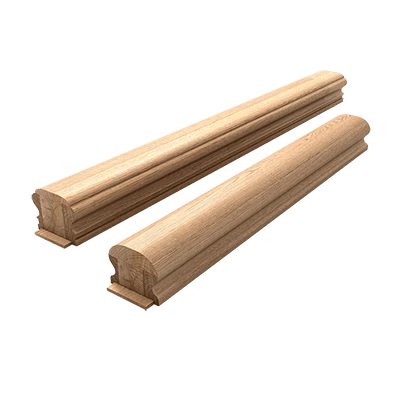
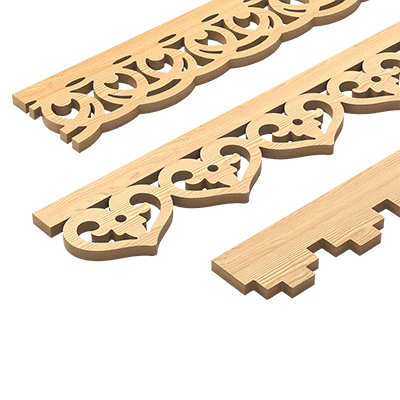
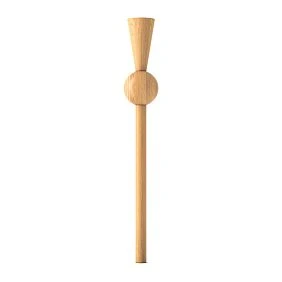
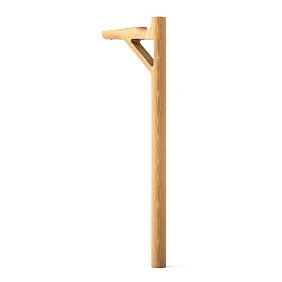
Our factory also produces:
Hinges
Furniture hinges are responsible for the operation of swing doors. Depending on the type of construction, overlay, half-overlay, inset, and corner hinges are used. Hinges with a soft-close mechanism ensure smooth, silent closing — this is especially important for wall-mounted kitchen cabinets, where doors are opened dozens of times a day.
Get Consultation
Drawer guides
Drawer slides determine the smoothness of movement for drawers. Roller slides are a budget option, ball-bearing slides with full extension are the standard for quality furniture, and telescopic slides with a soft-close mechanism are a solution for premium-class furniture. Properly chosen slides make a drawer quiet, light, and reliable.
Supports and Legs
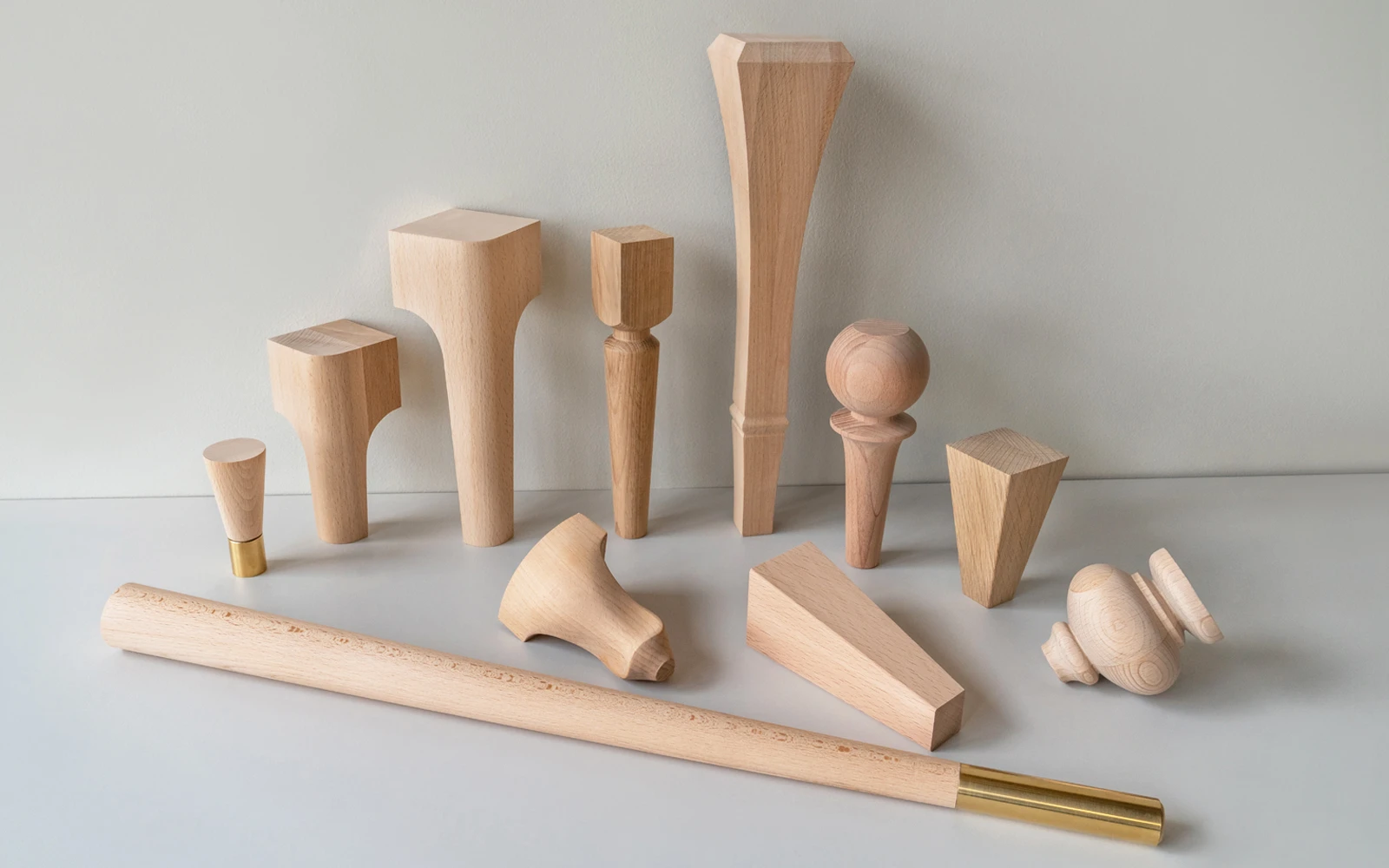
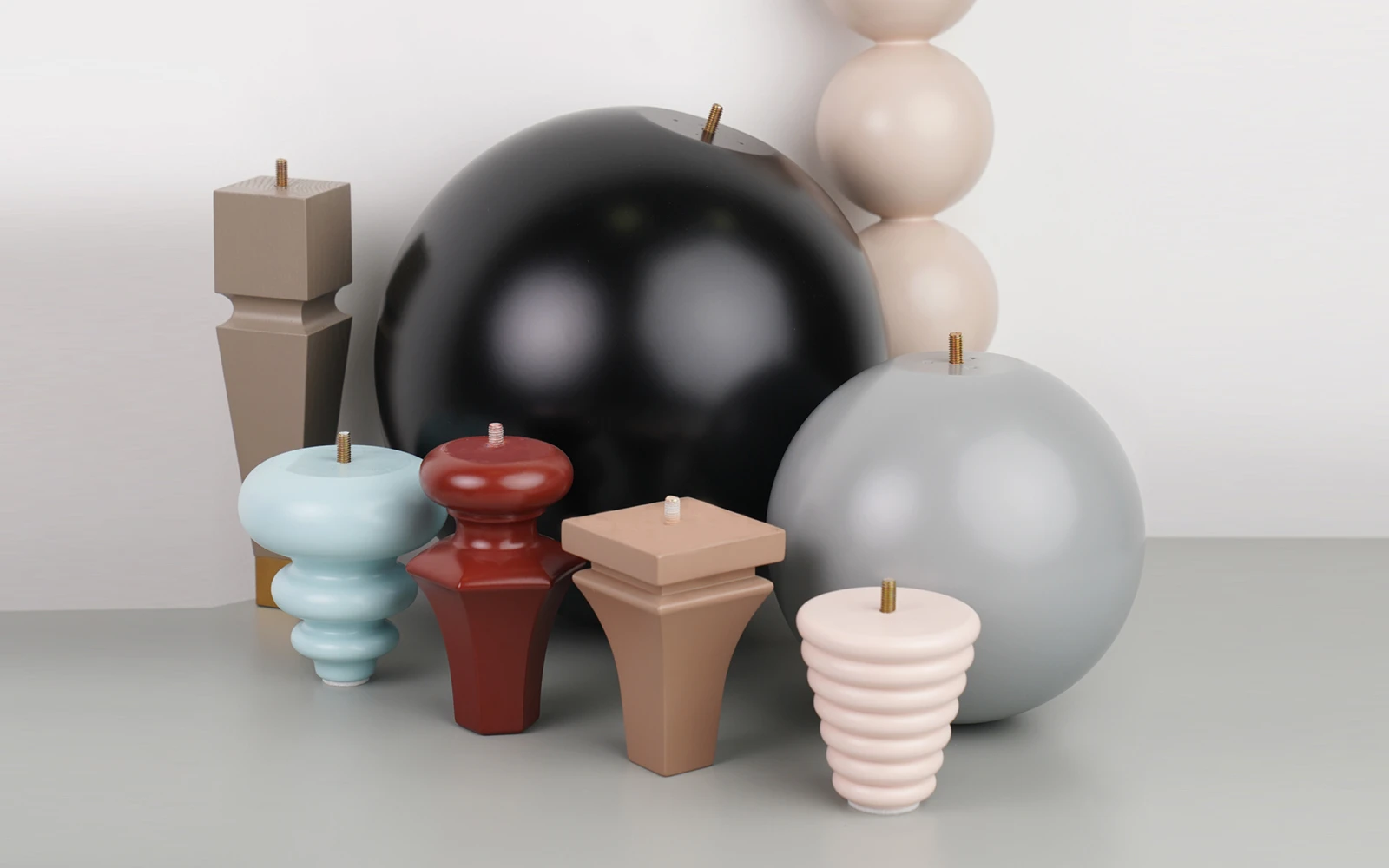
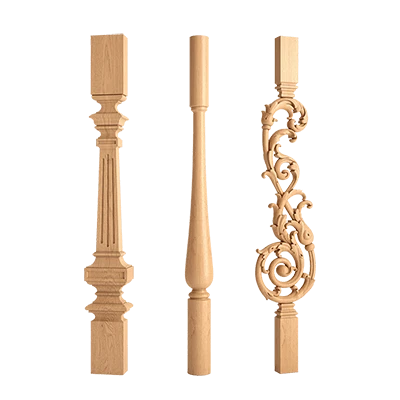
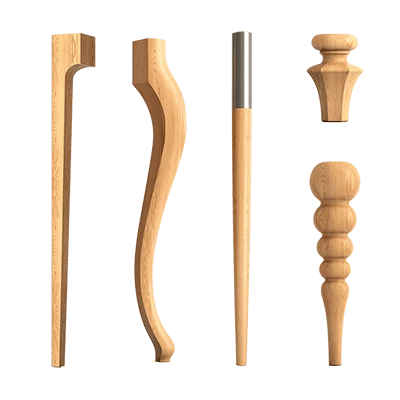
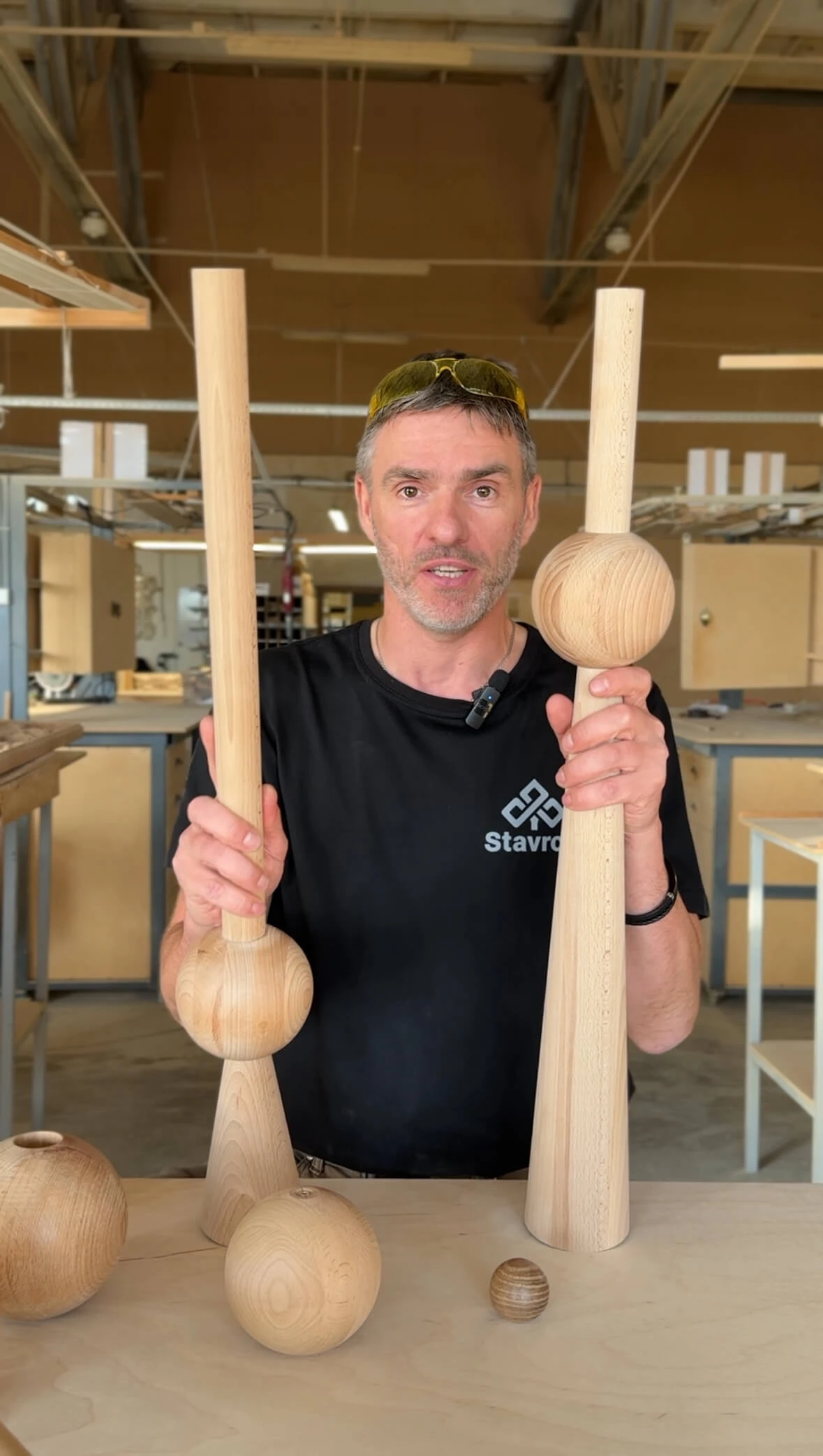
Furniture legs and supports are load-bearing elements on which the stability of the entire structure depends. Adjustable plastic supports for kitchen base units, metal legs for tables and consoles, decorative wooden supports for cabinets — these are all different solutions for different tasks.
Fasteners and mounting elements
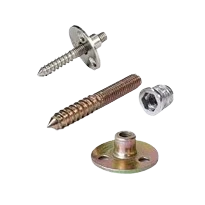
Mounting elements include confirmat screws, eccentric connectors, dowels, furniture bolts, corner brackets, and hangers. This is 'invisible' hardware — it is not visible from the outside, but it is what holds the entire structure together.
Decorative and front-facing hardware
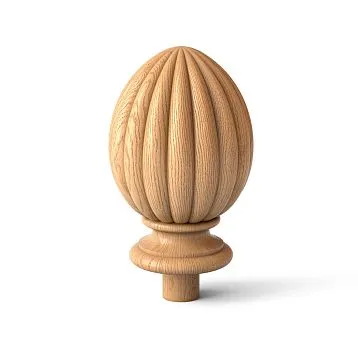
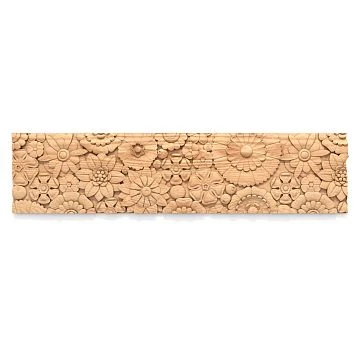
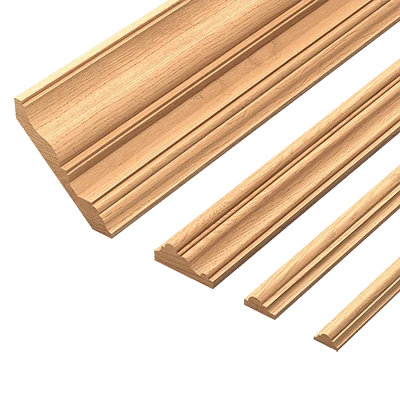
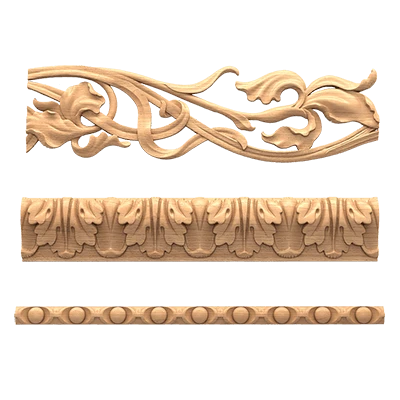
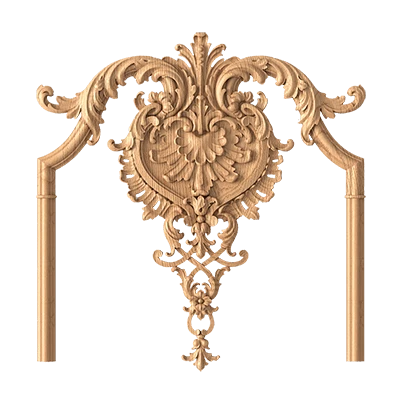
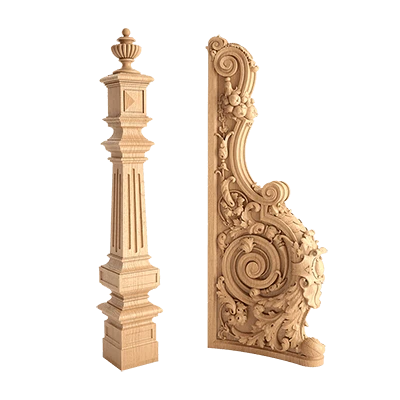
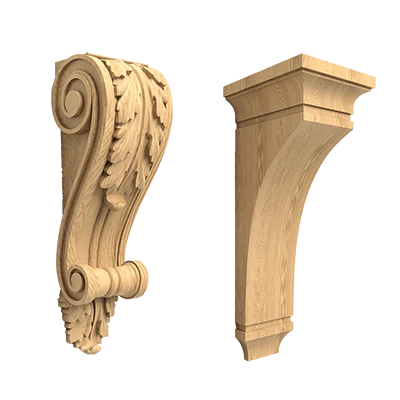
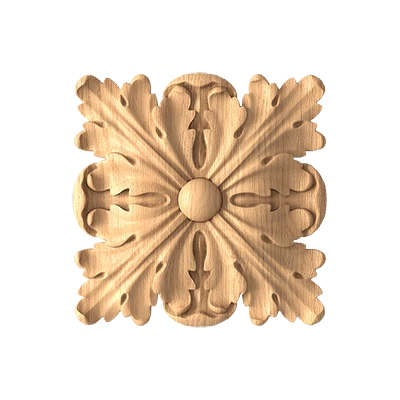
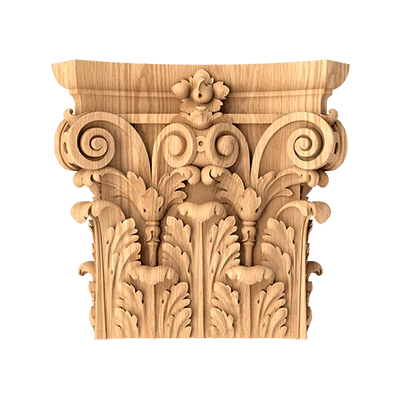
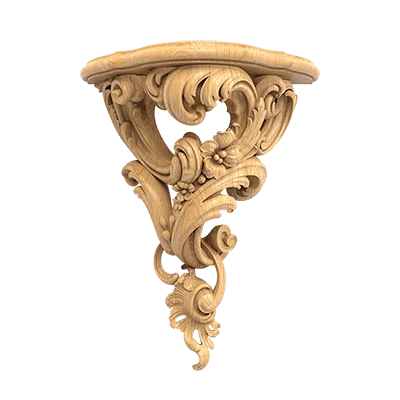
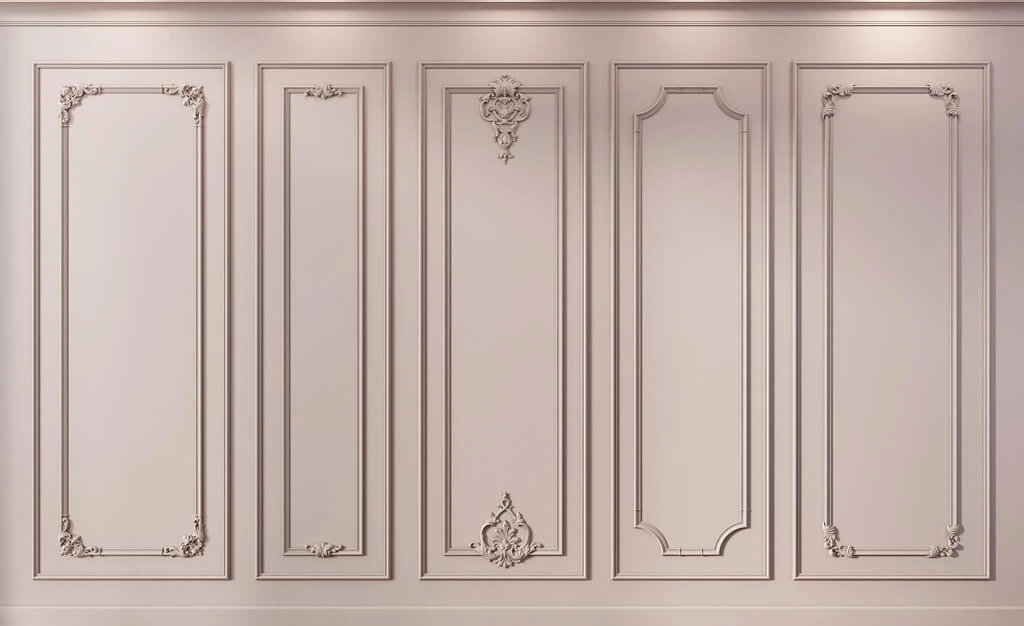
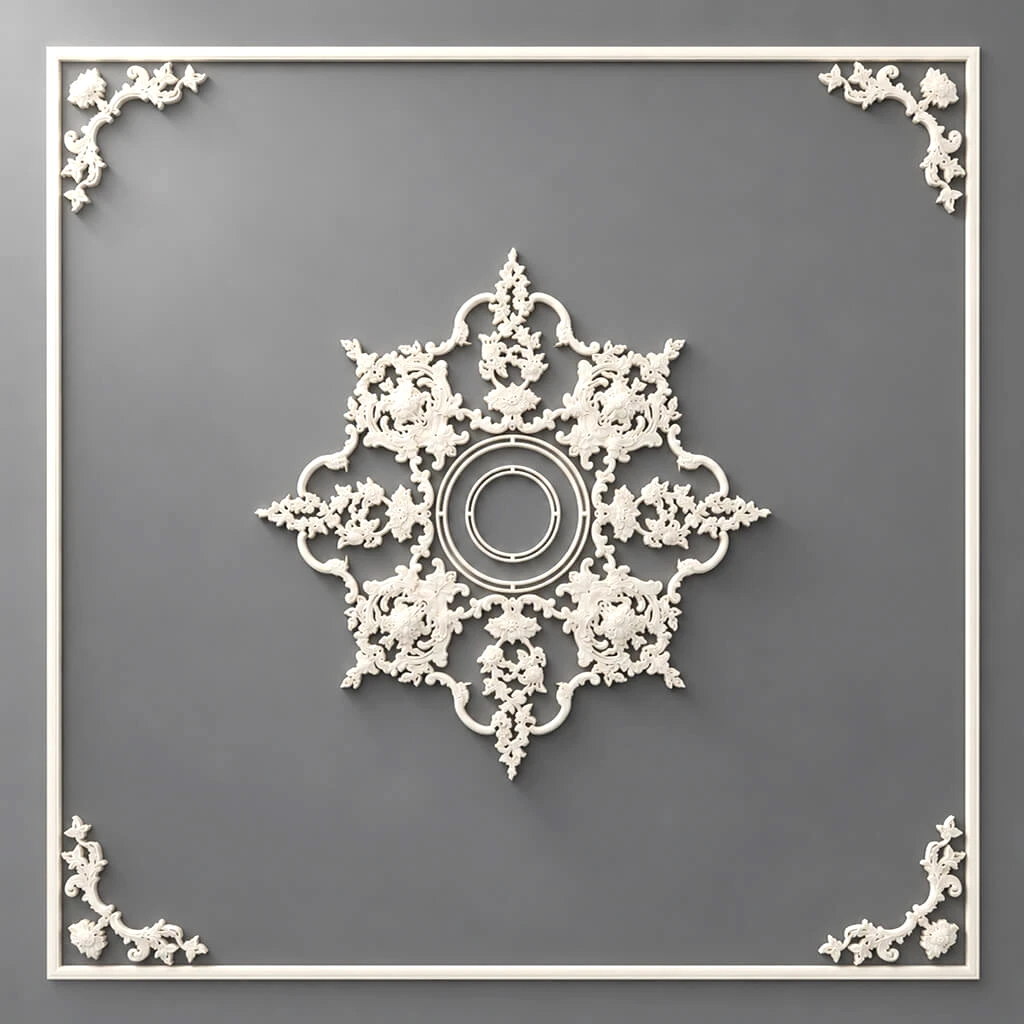
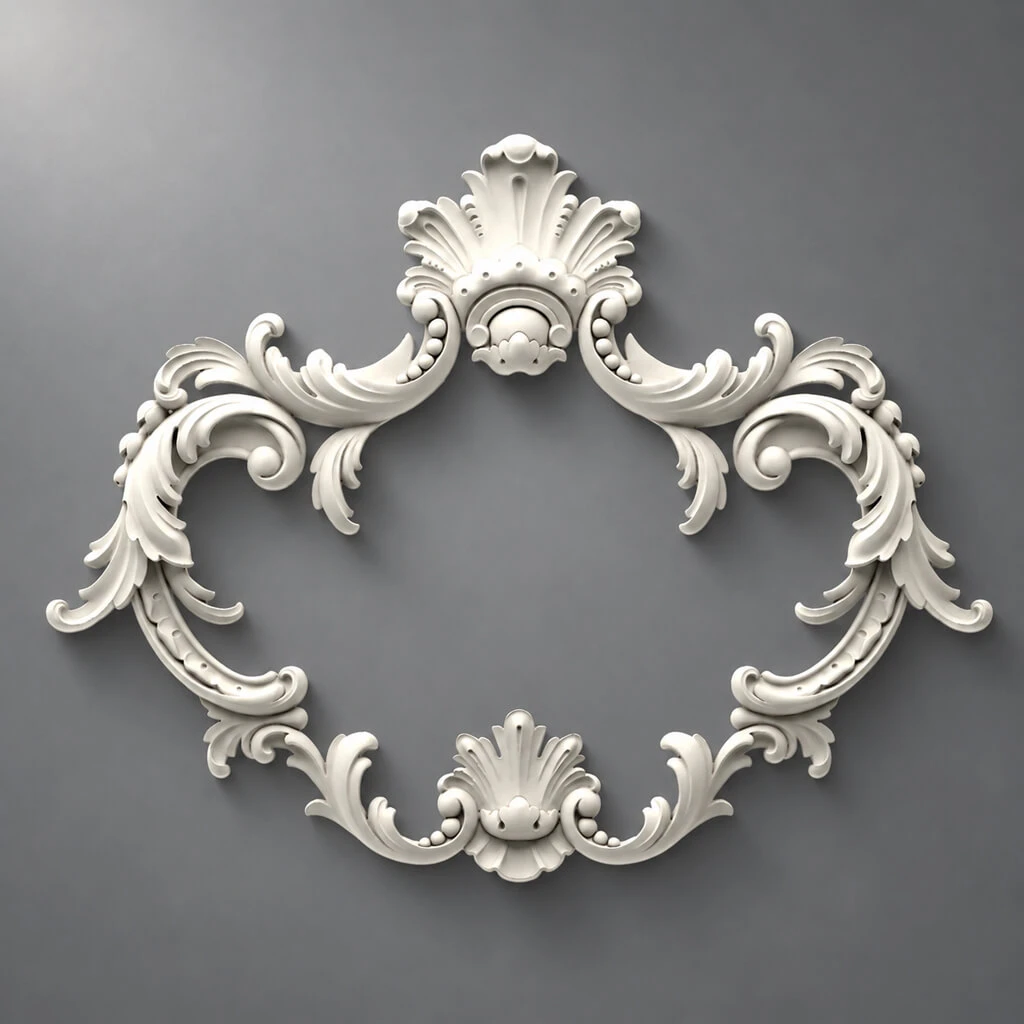
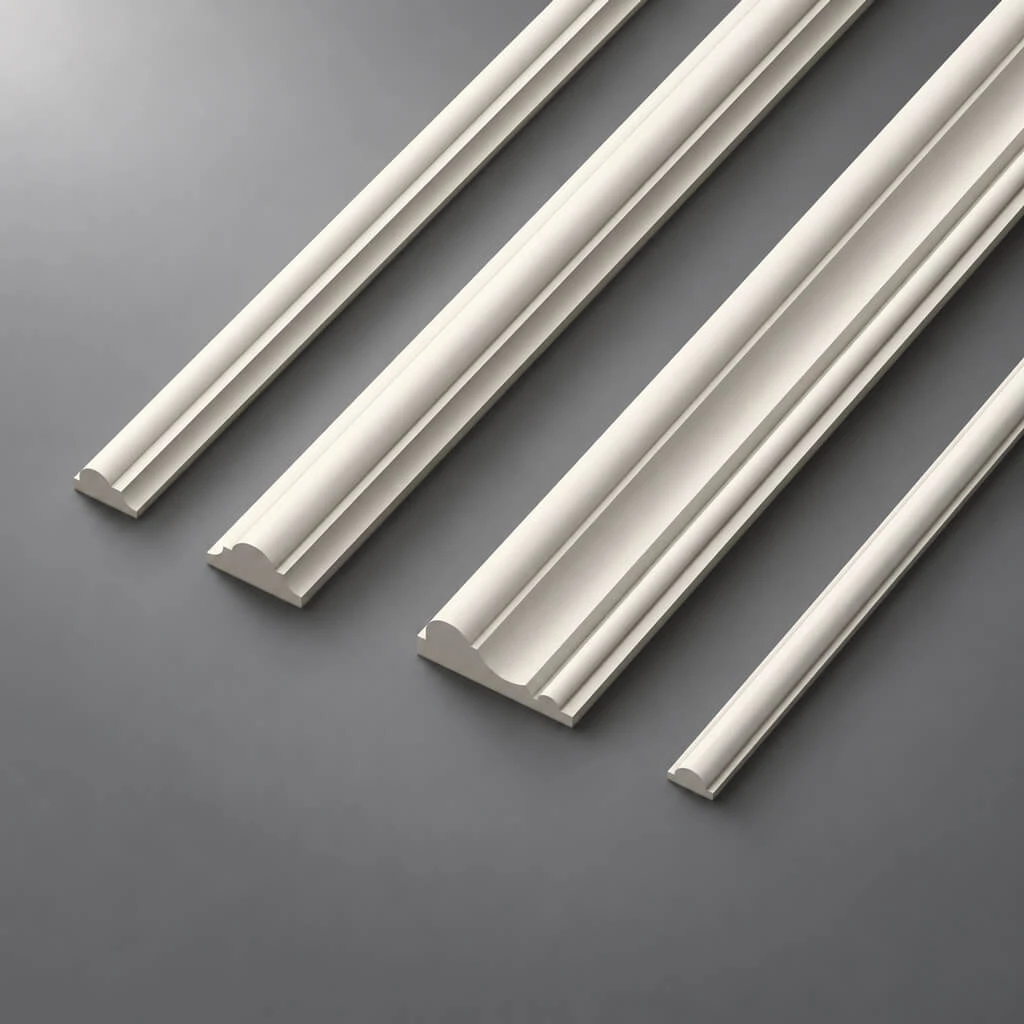
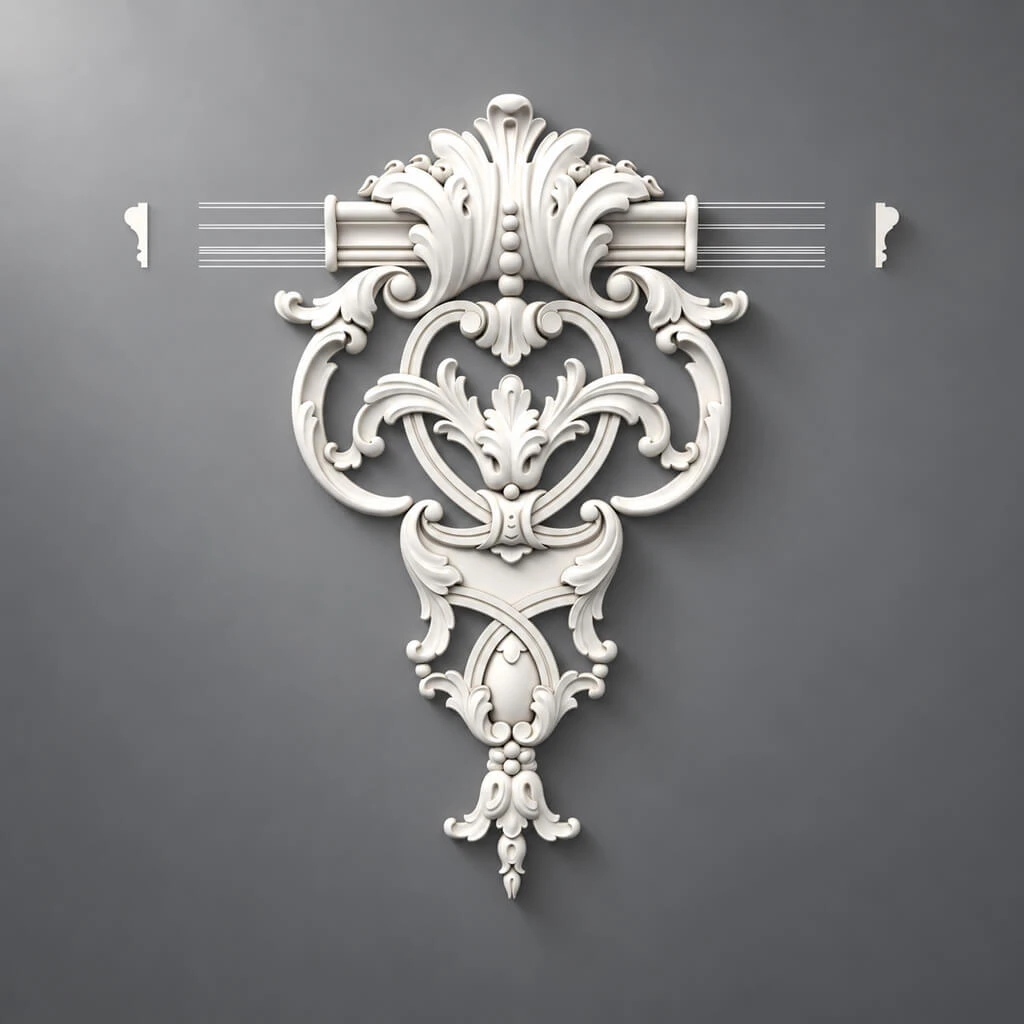
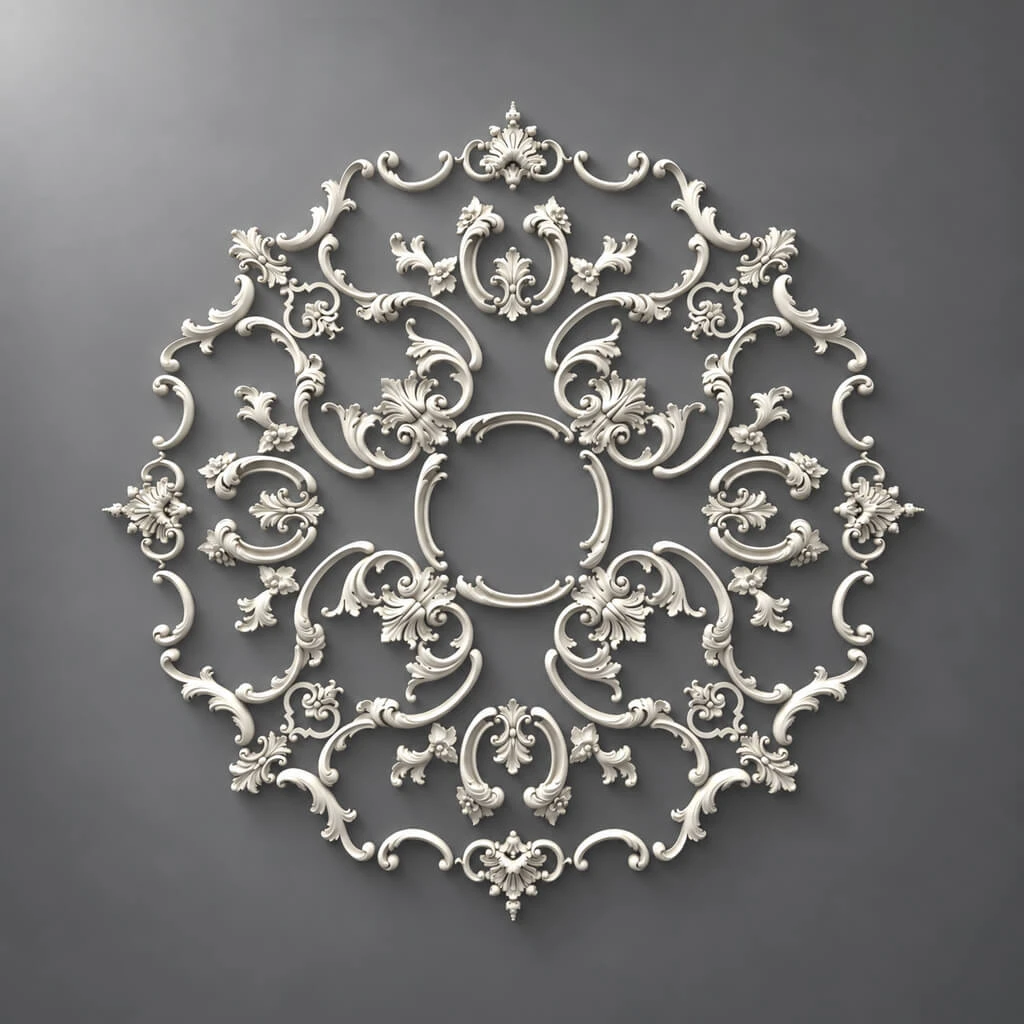
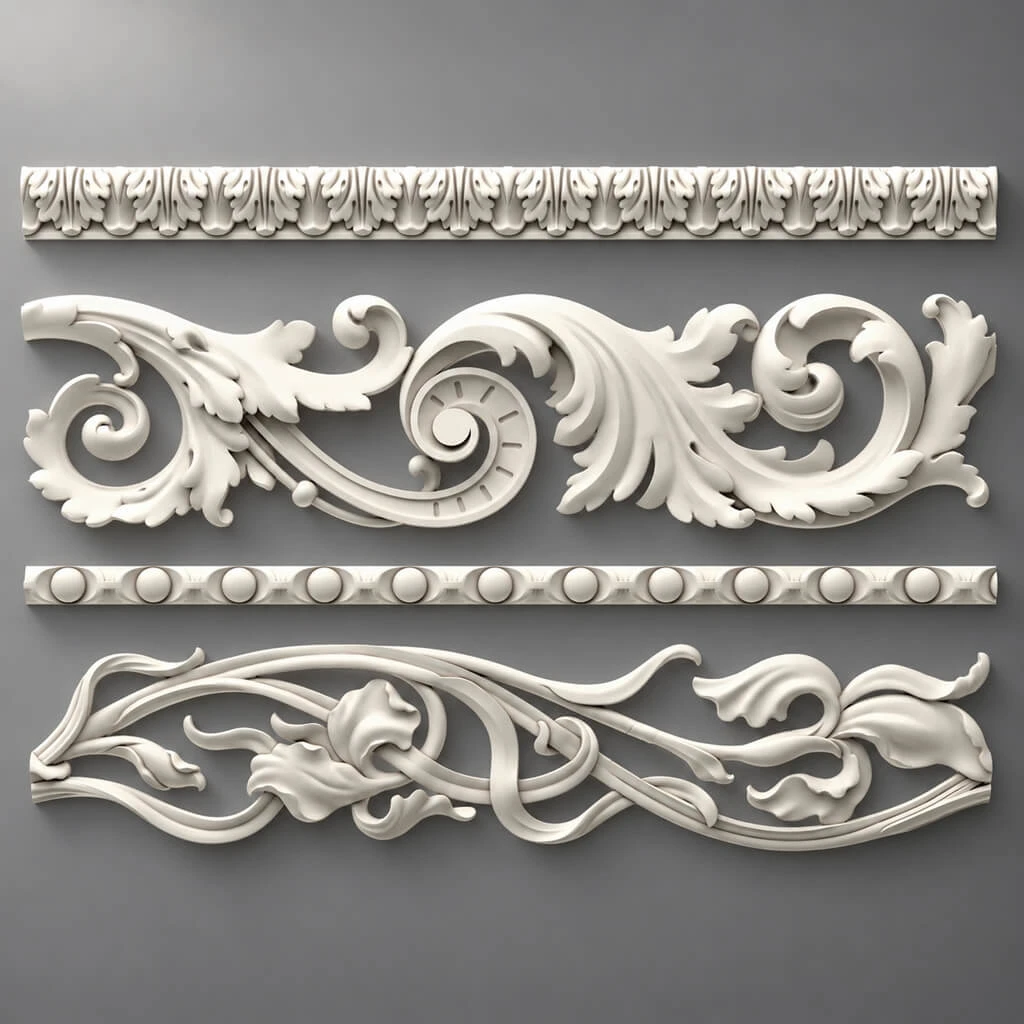
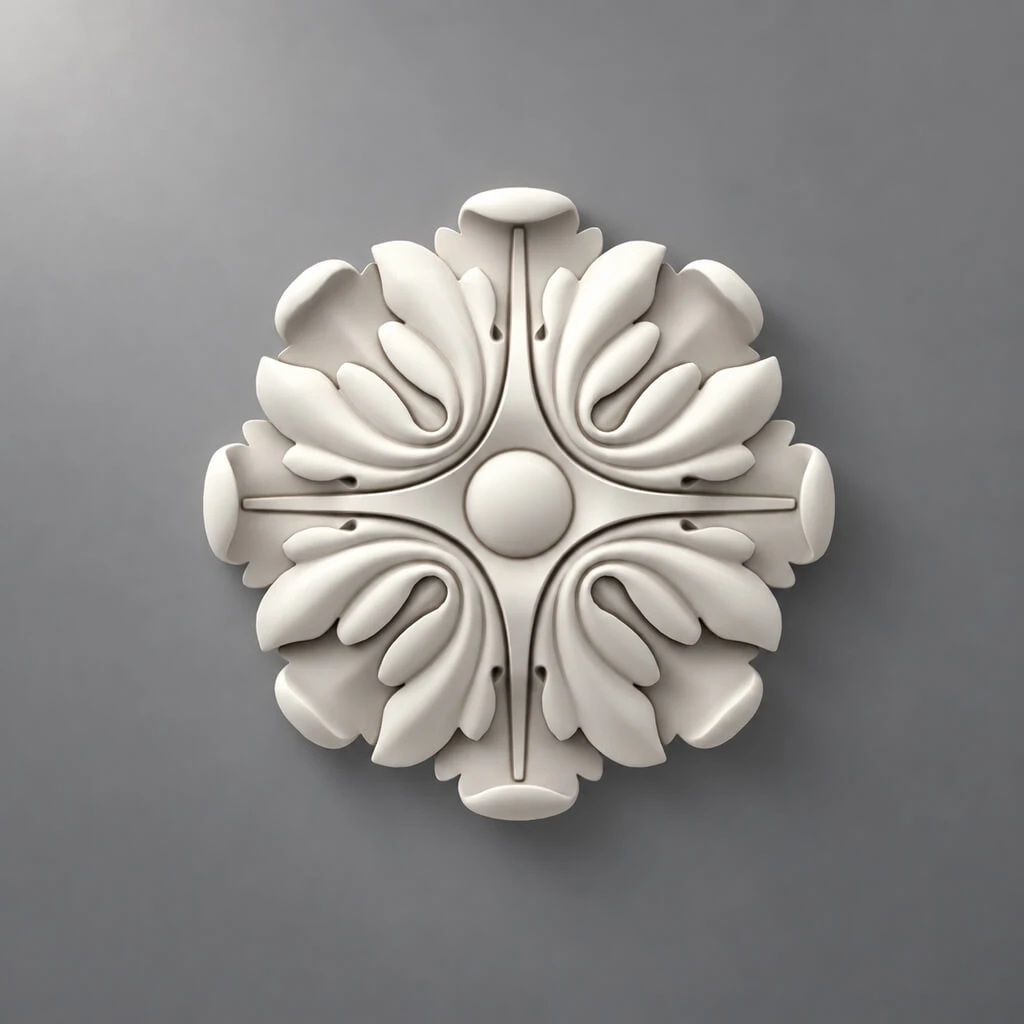
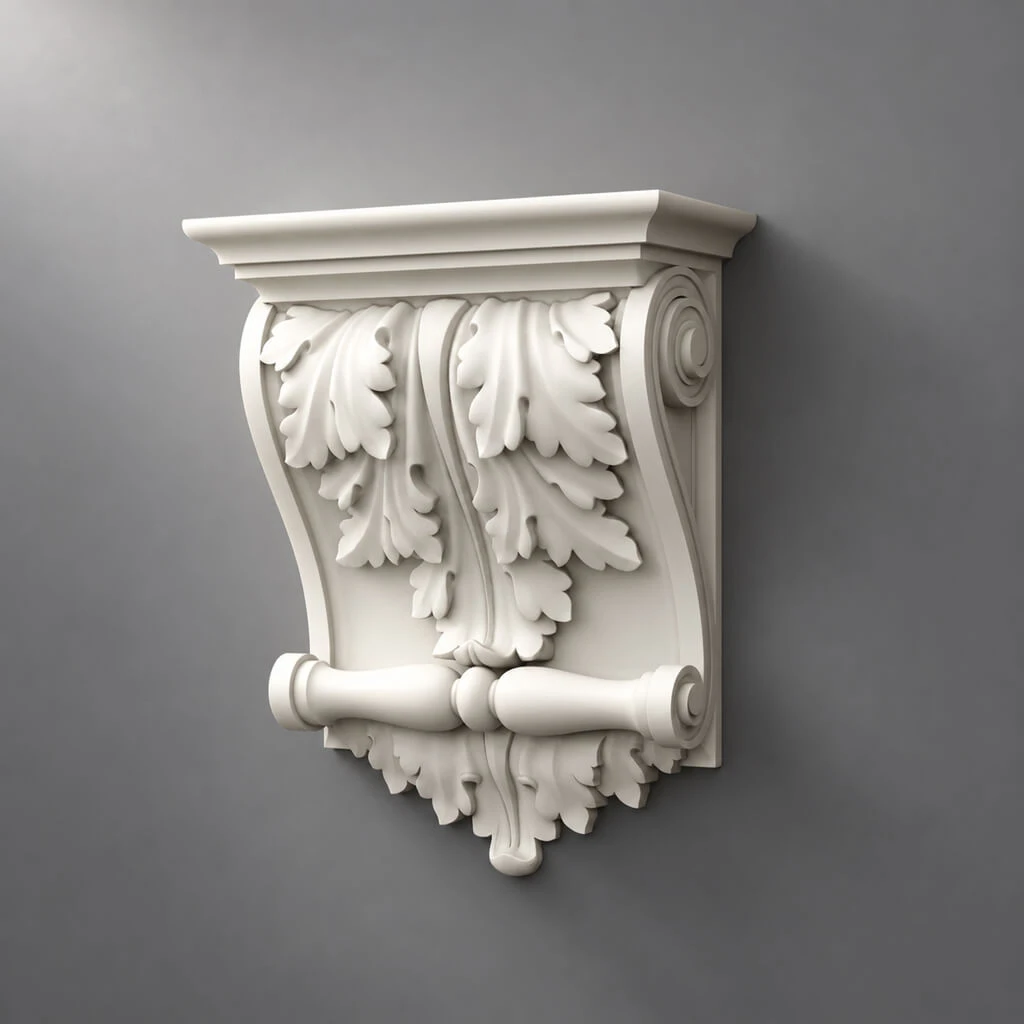
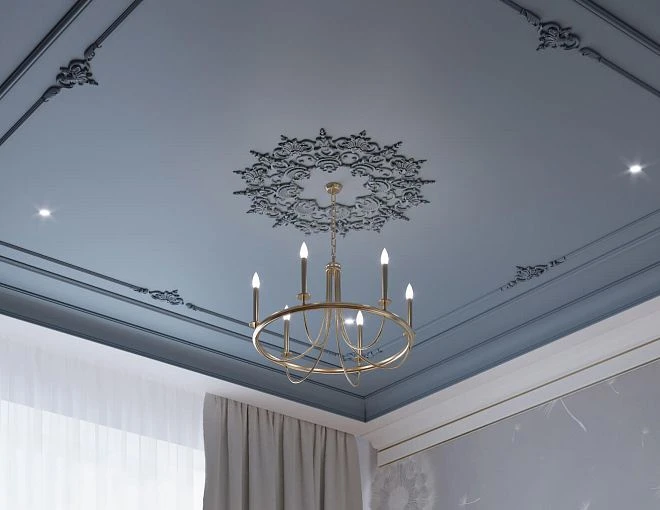
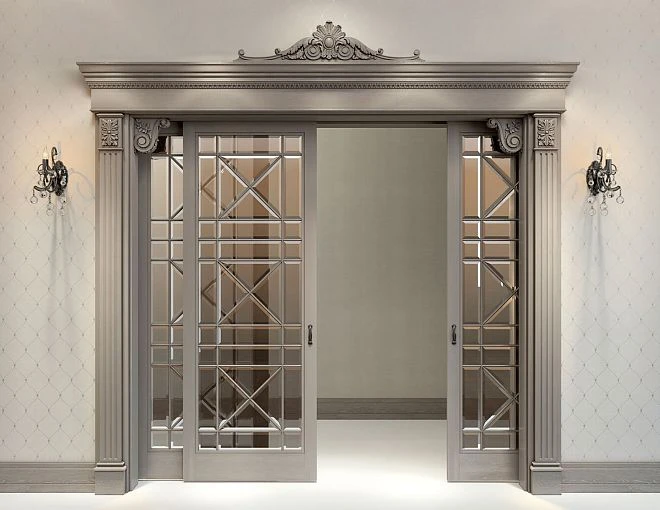
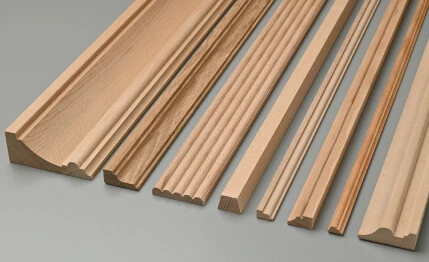
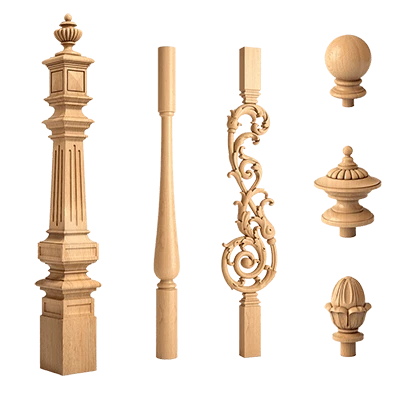
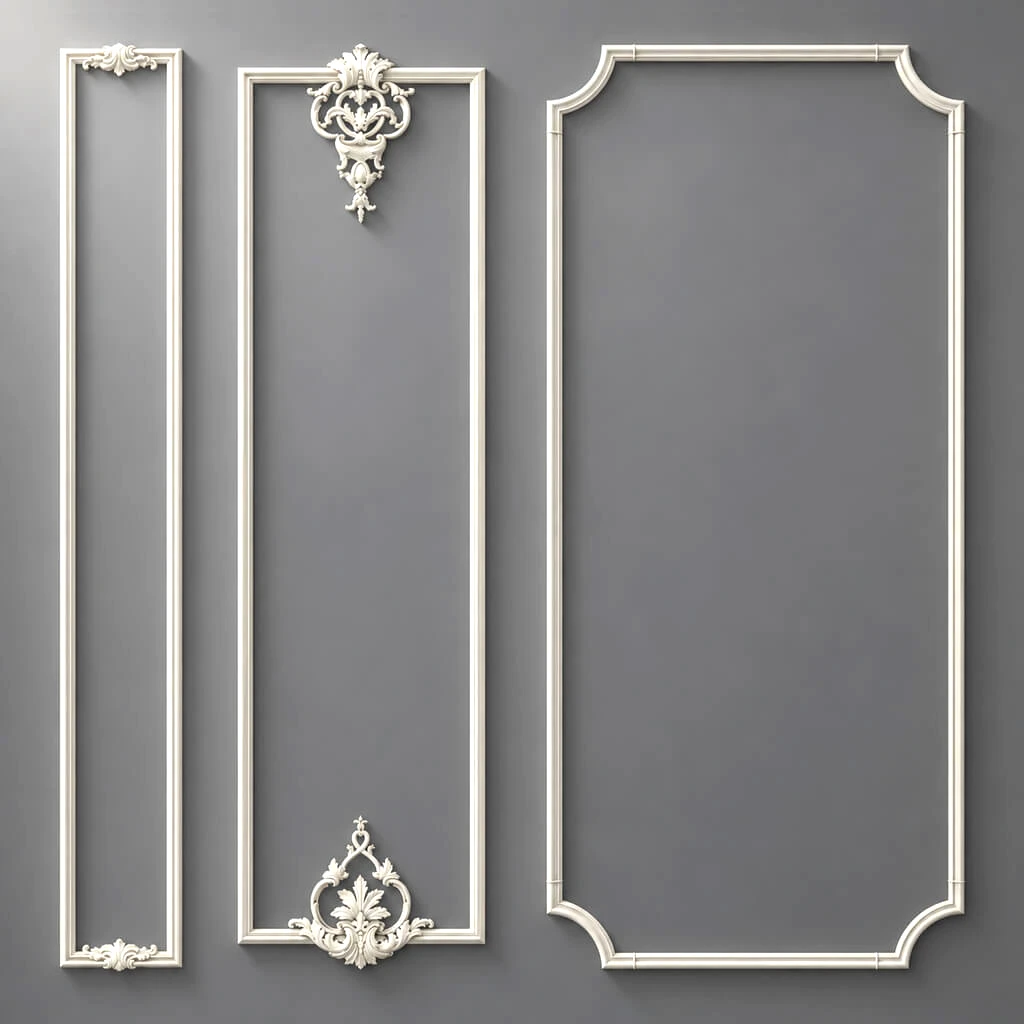
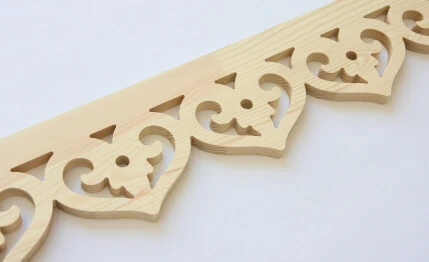
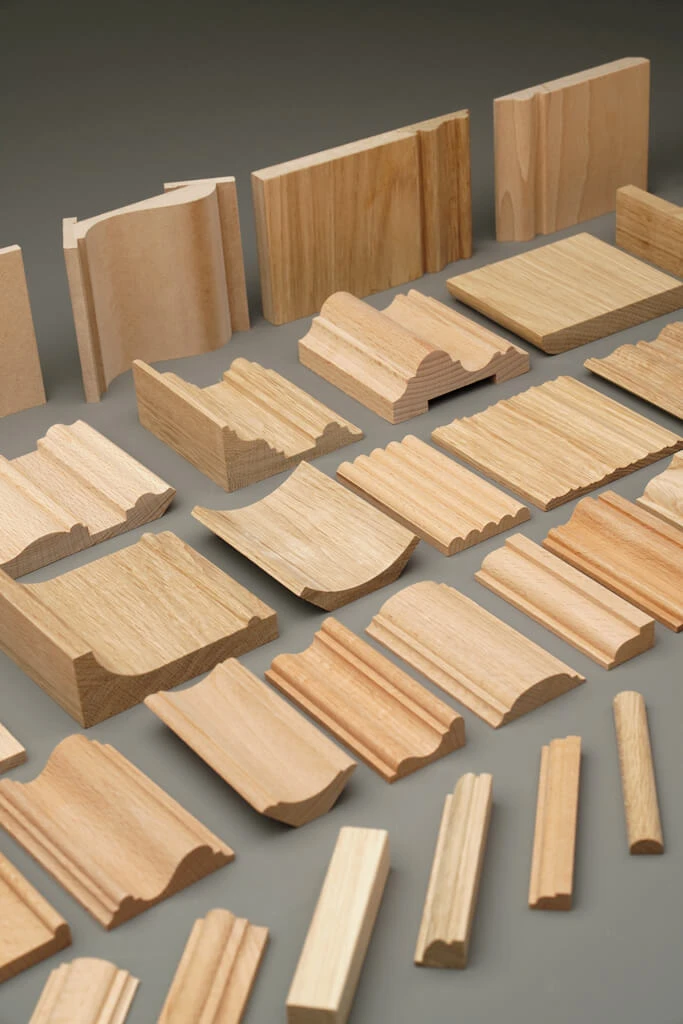
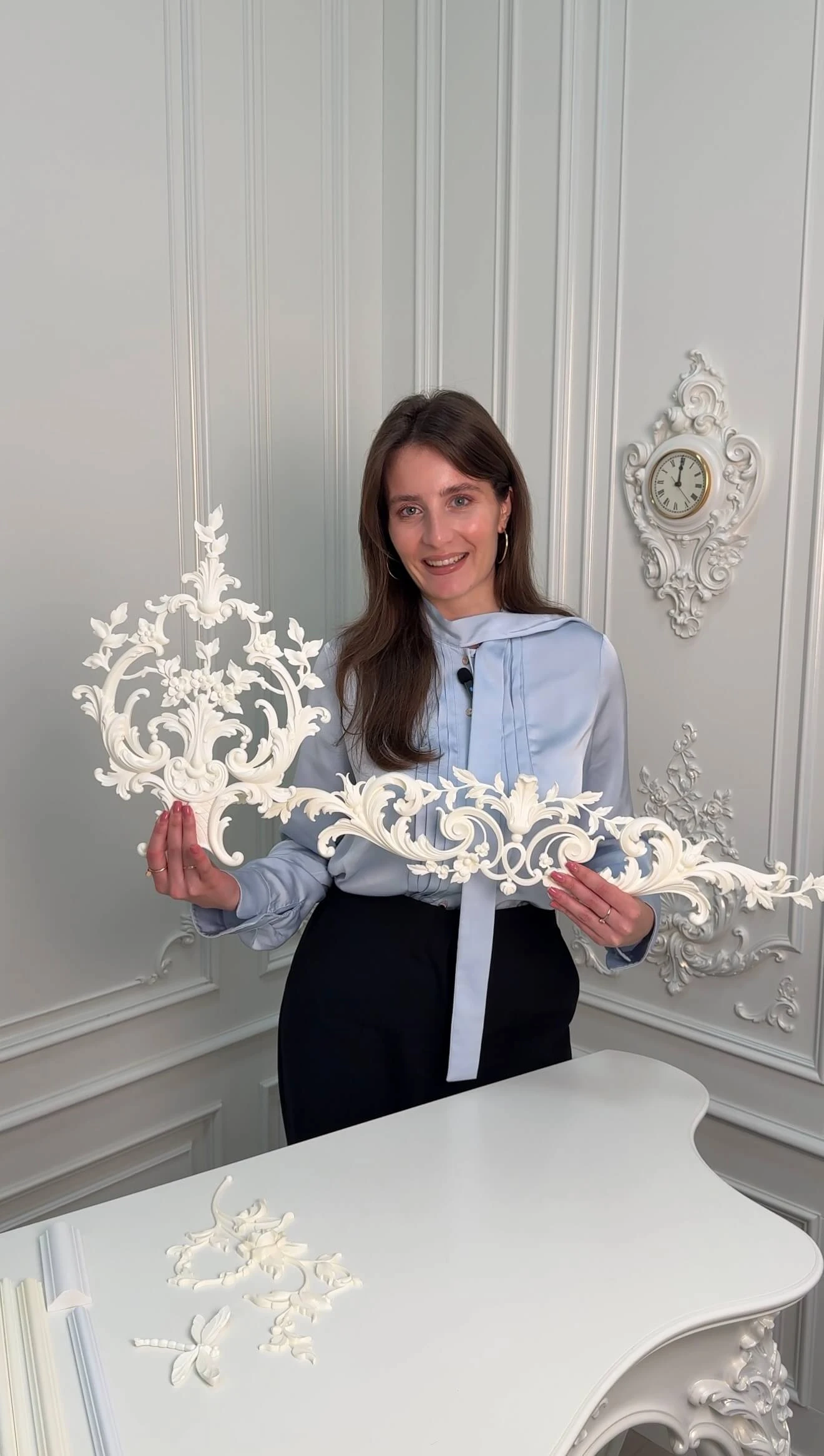
Face anddecorative furniture hardwareincludes overlay elements, rosettes, capitals, moldings, and decorative overlays. It is especially relevant for classic furniture and solid wood products, where decor is part of the style.
How to choose furniture hardware for a specific task
The selection should begin not with browsing a catalog, but with analyzing the specific task. Furniture for the kitchen, a wardrobe, a chest of drawers in the bedroom, and an office cabinet are fundamentally different operating conditions, and the hardware for each has its own specifics.
For Kitchen
The kitchen is the most demanding place for any hardware. Constant humidity, grease aerosol, temperature fluctuations, multiple openings throughout the day — all this tests the hardware for wear resistance. For kitchen hardware, the following are critically important:
-
Moisture-resistant coating — chrome plating, nickel plating, powder coating with corrosion protection;
-
Mounting strength — kitchen handles experience significant load with each opening, so bolts and mounting points must withstand intensive use;
-
Ease of cleaning — smooth surfaces without small reliefs are cleaned more easily and quickly.
Hinges for kitchen cabinets are chosen with a margin for the number of opening cycles. Kitchen drawers should slide smoothly even when fully loaded — meaning ball-bearing slides are needed, rated for a load of at least 25–30 kg.
For a cabinet
A wardrobe, especially a hinged one with heavy doors, imposes strict requirements on hinges: they must support the weight of the panel and not 'sag' over time. For doors made of particleboard weighing over 8 kg, hinges with a reinforced mechanism are recommended. Handles for wardrobe doors are selected considering the height and width of the facade: on a tall wardrobe, a long rail handle looks more organic than a small bracket.
If the wardrobe is built-in and uses a sliding door system, specialized rails and rollers will be required—this is a separate category of hardware that demands precise calculation for the width and weight of the door panel.
For a chest of drawers
A chest of drawers is furniture where hardware operates at the intersection of functionality and design. The drawers are opened daily, so the drawer slides must be reliable. The handles of a chest of drawers are one of the most noticeable details: this is where you can allow for more expressive solutions. Decorative brackets, carved wooden knobs, metal ring-shaped handles—all of these look organic on chests of drawers in the bedroom or living room.
For a side table
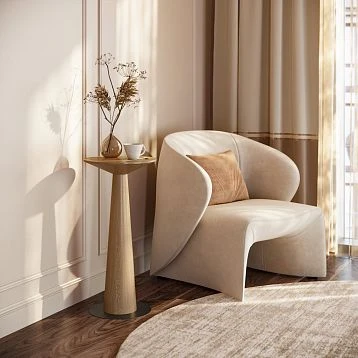
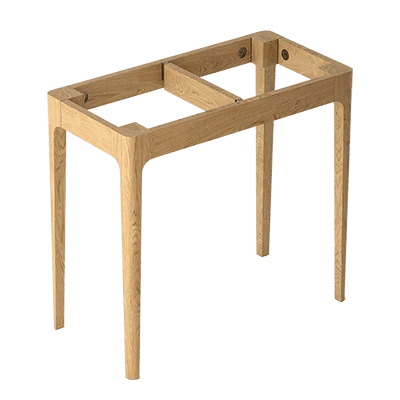
Nightstands, bedside tables, and entryway consoles are small furniture pieces where the hardware should be proportionate. Small knobs or compact brackets, minimalist metal or natural wood—the choice is determined by the interior style. Supports for these tables are selected considering the design solution: classic wooden legs, modern metal conical supports, or even a plinth base.
For case furniture
Laminated chipboard (LDP) and MDF furniture is the most mass-market segment. Here, hardware is chosen based on two criteria: functional (reliability, durability, the movement of hinges and slides) and decorative (handles, overlays, supports). It's important that all elements are maintained in a unified style.
For solid wood furniture
Solid wood is a material that demands respect.Hardware for solid wood furnitureIt must allow for the natural movement of the wood with changes in humidity. Fasteners are selected considering the density of the wood species, and handles are made from materials organic to wood: forged metal, wooden handles from a similar or contrasting species, cast bronze.
Which furniture handles to choose
Handles are what the hand grasps every time a wardrobe, drawer, or door is opened. They must be comfortable, durable, and beautiful all at once. Let's examine the main types.
Pull handles (bail handles)
Bracket handles are the most universal and widespread type. They are attached at two points, creating an arched bridge. The center-to-center distance is the key parameter: the most common are 64, 96, 128, 160 mm. Before ordering, be sure to measure the distance between the centers of existing holes or plan new ones for a specific model. Brackets in matte metal look good on modern kitchens; brackets with decorative curves—on classic and neoclassical furniture.
Button Handles
Knob handles are attached at a single point. They are laconic, minimalist, and suitable for small fronts. Knobs made of matte metal are for modern interiors, wooden knobs are for Scandinavian style and eco-interiors. Important: on heavy fronts, a knob provides an inconvenient grip—in such cases, it's better to choose a bracket or a long handle.
Long handles
Long rail handles, ranging from 300 to 600 mm or more in width, are a current trend in kitchen and wardrobe design. They span the entire width of the front or a large part of it, creating a horizontal rhythm and visually expanding the space. Such handles require precise marking: even a slight misalignment is clearly visible on a long horizontal profile.
Wooden handles
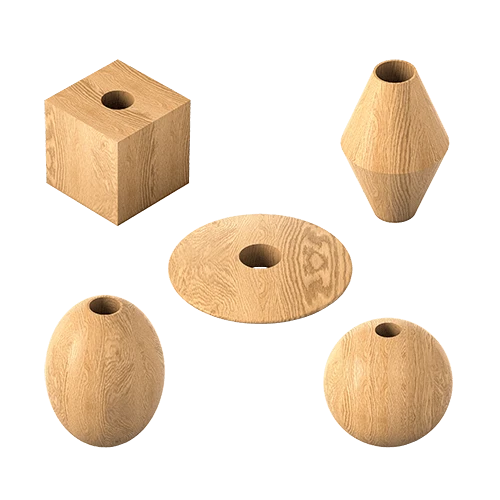
wooden furniture handles— a special class of products that cannot be replaced by a metal counterpart in terms of feel. The tactile warmth of natural wood, the natural grain pattern, the noble texture—all this makes wooden handles indispensable in interiors where naturalness is valued. Wooden handles are made from oak, ash, beech, birch, walnut—each species has its own grain and shade. Coating with varnish, wax, or oil provides protection without losing the natural character.
Metal handles
Metal handles are resistant to stress, moisture, and mechanical damage. Materials include stainless steel, aluminum, zamak with coating, cast brass. Finishes: chrome, nickel, matte black, gold, aged bronze. Metal furniture handles in Moscow enjoy steady demand across all price segments—from budget particleboard constructions to designer kitchen sets.
How to choose the size and style
A few rules that work unfailingly:
-
Handles on a single piece of furniture should be identical in center-to-center distance, installation height, and finish;
-
The handle size should be proportionate to the facade: a small knob on a large door gets lost; a large pull on a small drawer overloads the detail;
-
The handle style should match the furniture style: a decorative cast handle on a minimalist facade looks absurd;
-
The handle material can and should be combined with other interior materials: brass handles pair well with brass faucets, matte black metal—with black plumbing fixtures.
Which hinges and slides are suitable for daily load
Hinges and slides are the 'joints' of furniture. They are not visible, but their work is felt every day. Choosing low-quality hinges or slides leads to doors sagging within six months and drawers starting to jam and squeak.
Hinges for kitchen fronts
For wall-mounted kitchen cabinets, surface-mounted hinges with a soft-close mechanism are used. The soft-close ensures gentle closing without slamming—this is especially important when the door is opened and closed ten times a day. The hinge opening angle is selected based on the cabinet's location: for corner cabinets, hinges with a 165–170° opening angle are needed; for standard ones, 100–110° is sufficient.
Cabinet hinges
For hinged cabinets with heavy doors, choose hinges with a reinforced mechanism and three-axis adjustment: this allows aligning the facade in height, horizontally, and depth. Adjustment is a mandatory parameter: even with perfect assembly, a slight case misalignment will require hinge fine-tuning.
Get Consultation
Drawer guides
The choice of guides depends on the load on the drawer and the requirements for smooth movement:
| Runner type | Smoothness | Load | Where to use |
|---|---|---|---|
| Roller | Medium | up to 15 kg | Budget furniture |
| Ball-bearing with full extension | High | up to 30 kg | Kitchens, office |
| Ball-bearing with soft-close | Maximum | Up to 35 kg | Premium kitchens |
| Telescopic | High | up to 50+ kg | Heavy drawers |
What matters for smooth operation
Smooth movement depends on the quality of the balls or rollers, the precision of the guide manufacturing, and the correctness of installation. If the guide is installed with a misalignment of even 1–2 mm, the drawer will move stiffly or jam. Always check the horizontality of installation with a level.
How to account for opening frequency
Manufacturers specify the lifespan of hinges and guides in cycles. For kitchen fronts that open 30–50 times a day, hinges with a lifespan of at least 50,000–80,000 cycles are needed. Guides for kitchen drawers require a similar lifespan.
Supports, legs, and furniture leg hardware
Legs and supports are the element that defines the appearance of furniture from below and its stability. Often, it is the supports that make a piece of furniture light and airy or, conversely, monumental and stable.
Where supports are needed
Adjustable plastic supports are installed under kitchen floor cabinets: they allow for leveling floor irregularities and provide ventilation for the lower part of the cabinet. For tables, consoles, and cabinets in the living room or bedroom, decorative supports are used — metal conical, wooden turned, forged.
How to choose the height
The height of the support is calculated based on the desired working height of the furniture. For a kitchen countertop, the standard is 850–870 mm from the floor (including the countertop). Adjustable supports for kitchen cabinets usually have a height of 100–150 mm. For dining tables — the leg height is 700–730 mm including the thickness of the tabletop.
How to account for load
Each type of support is designed for a specific load. Plastic adjustable supports for kitchen cabinets can withstand a load of up to 200–250 kg as a set. Metal decorative legs — from 50 to 300 kg depending on the cross-section and design. Do not skimp on supports for heavy furniture: the cost of quality supports is incomparable to the cost of reassembling furniture or repairing the floor after deformation.
When glides are needed
Glides are installed on furniture legs to protect the floor covering. For parquet and laminate — soft felt or rubber glides that do not leave scratches. For kitchen furniture — plastic sliding glides, which allow slight displacement during cleaning. Adjustable glides help level furniture with minor floor level differences.
What's important for furniture stability
The stability of furniture depends not only on the quality of the supports but also on the uniformity of their placement and the correctness of installation. All four (or more) supports should rest on the floor without tilting. When installing on an uneven floor, use adjustable supports or compensation pads.
How to choose hardware according to furniture style
Style is not just a visual category. It is a system of rules by which an interior lives. Breaking this system with one inappropriate handle is easier than it seems — and that is why choosing hardware according to style is so important.
Modern interior
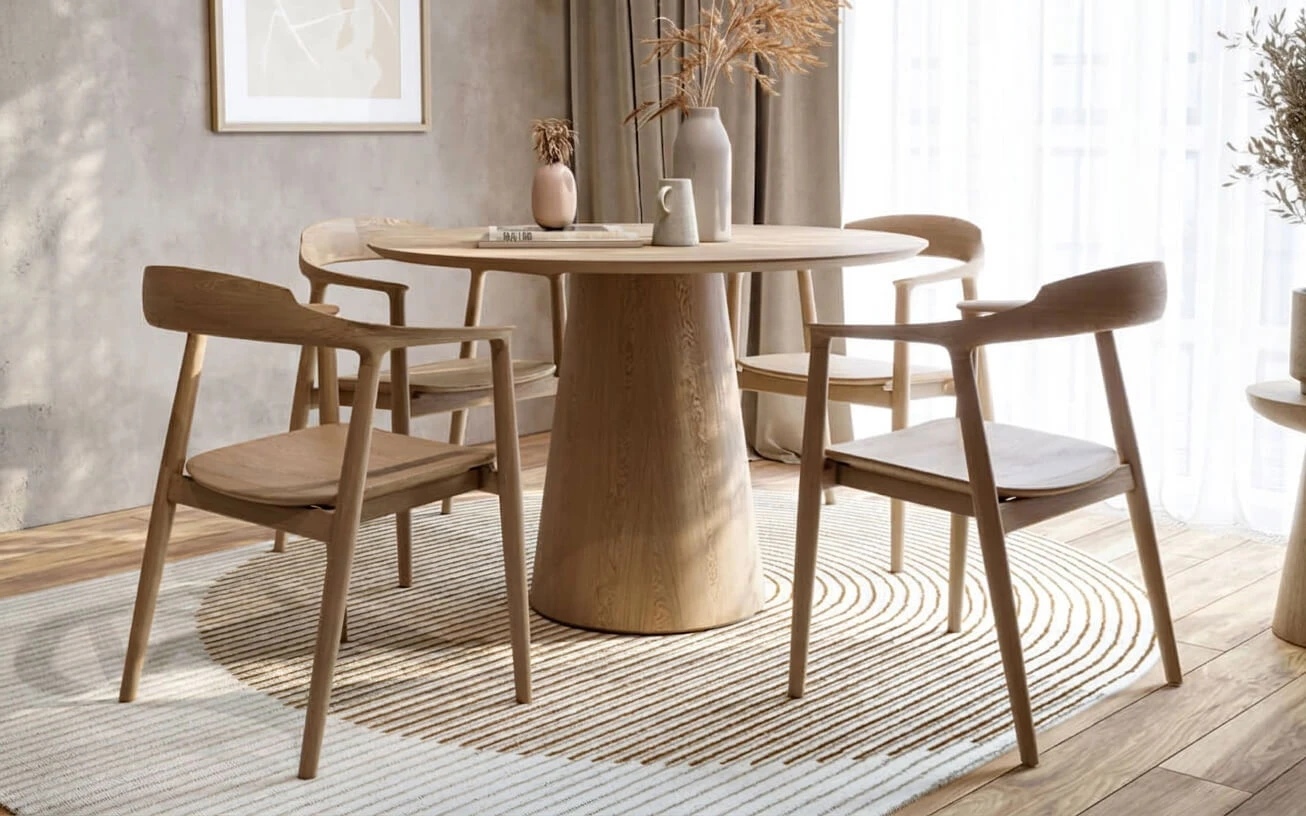
Modern interiors are characterized by handles with clear lines and minimal decor: long rails, flat brackets, matte buttons. Materials — stainless steel, matte aluminum, black nickel. No ornament, no gilding — only form and proportion.
Classic
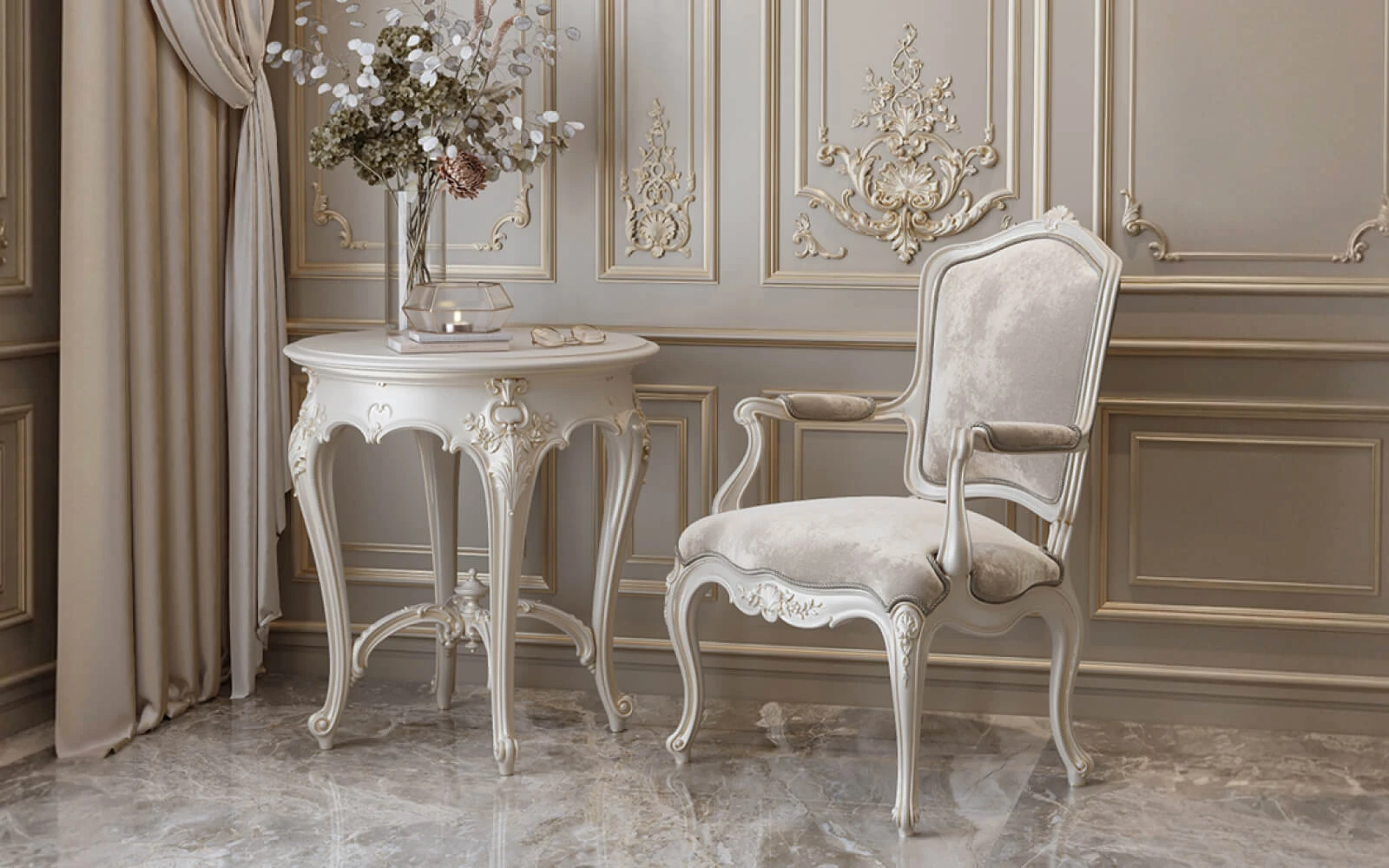
Classic interiors dictate the opposite: decorative handles with ornament, cast bronze, aged gold, antique. Brackets with curls, buttons with relief cartouches, carved wooden handles on solid wood fronts — all of this is appropriate and organic in classic furniture.
Minimalism
In minimalist interiors, handles are often 'hidden' altogether: milled grooves, edge profiles, or recessed handles without protruding elements are used. Where a handle is still necessary — a maximally neutral form: a thin bracket without relief, a matte disc button.
Neoclassicism
Neoclassicism is a style where classical forms are reinterpreted in a modern way. Handles here should be noble but not overloaded with decoration. Plain brass brackets, satin bronze, matte gold — a perfect match for the neoclassical context.
Solid wood furniture
Hardware for solid wood furnitureIt should be proportionate to the material. Forged metal handles on oak fronts, wooden handles made from contrasting wood on an ash chest of drawers, brass brackets with light decoration on walnut furniture — combinations that work flawlessly. The main thing is not to go too small: massive furniture requires substantial hardware.
How to avoid mistakes when buying furniture hardware in Moscow
The Moscow market offers a huge selection — but this is precisely what becomes a source of errors. When you have hundreds of items in a catalog in front of you, it's easy to buy the wrong thing. Here are the most typical mistakes — and how to avoid them.
Not considering dimensions
The most common mistake when buying handles is not taking the exact center-to-center distance. A beautiful handle simply won't fit if the holes in the front panel don't match the spacing. Always measure the distance between the centers of the existing holes. If drilling new ones — calculate in advance according to the project.
Not checking the material
"Metal handle" is a broad concept. This term can hide stainless steel, chrome-plated zamak, aluminum, or painted zinc alloy. Their durability and behavior under humidity conditions are fundamentally different. Always clarify the material and type of coating, especially for kitchen and bathroom hardware.
Not considering the load
A hinge is designed for the weight of the door leaf. A drawer slide is designed for the weight of the drawer's contents. If the load exceeds the design limit, the hardware fails prematurely. The rule is simple: choose with a load margin — especially for kitchen and work areas.
Not planning the installation
Some handles require through-drilling, others are mounted with special fasteners or adhesive. Clarify the mounting scheme before ordering. A drilling jig for handle holes is a useful tool that saves time and prevents marking errors.
Choosing based only on appearance
Photos in the catalog may not convey color and shape entirely accurately: the shade of "matte chrome" can vary noticeably between different manufacturers. If possible, request a sample or clarify the actual coating characteristics with the manager.
Not matching the hardware to the furniture style
A decorative handle with baroque ornamentation on a minimalist kitchen facade is a mismatch. Before choosing, clearly define the style of the furniture and interior. Only then proceed to select specific models.
What to check before ordering
Whether you need one pair of handles or a set of hardware for an entire production run, before placing an order, it's worth going through a short checklist.
Material and Finish
The material of the product determines its durability. The finish determines the appearance and resistance to the environment. For kitchens and bathrooms, choose finishes with moisture resistance. For children's rooms, choose materials without sharp edges and with non-toxic finishes.
Dimensions
The center-to-center distance of handles, the screw hole diameter for hinges, the length of drawer slides, the mounting hole diameter for supports—all of this needs to be known before ordering, not after. Save the size chart of your furniture before opening the catalog.
Compatibility with the facade
Ensure the handle bolt length matches the thickness of the door/drawer front. Standard bolts included are designed for 16–19 mm thick fronts. For thicker or thinner fronts, non-standard length bolts are needed.
Type of mounting
Different types of hardware are mounted differently: handles—through the front with bolts, hinges—with screws into the cabinet, slides—with screws into the sides, supports—into threaded inserts or via a mounting plate. Ensure you have the necessary tools and fasteners.
Delivery Terms
When ordering, clarify: if the required items are in stock, what the order assembly time is, if delivery to Moscow and other regions is possible, if there is a minimum order threshold.
Wholesale or Retail
If you are a furniture maker or designer with regular orders, inquire about wholesale purchase terms. Wholesale purchasing from the manufacturer typically offers a more stable assortment and predictable quality.
Ability to select as a kit
The ideal scenario is when handles, hinges, slides, supports, and fasteners are purchased from one place for a single project. This speeds up coordination, simplifies logistics, and reduces the risk of part number incompatibility.
What is better to choose for kitchens, cabinets, and case furniture
Let's compile the recommendations into a practical breakdown — specifically by furniture type.
For Kitchen
-
Handles: stainless steel or chrome-plated metal brackets, center-to-center 96–128 mm; wooden handles — provided they have a protective coating;
-
Hinges: overlay with soft-close, lifespan from 50,000 cycles;
-
Drawer slides: ball-bearing with full extension, load capacity 25–35 kg;
-
Feet: adjustable plastic 100–150 mm.
For a cabinet
-
Handles: long rail-type or brackets with center-to-center 128–160 mm; decorative — for classic cabinets;
-
Hinges: with reinforced mechanism and three-axis adjustment;
-
Runners: ball-bearing with full extension for drawers.
For case furniture
-
Handles: in accordance with the facade style;
-
Fasteners: confirmat screws, eccentric connectors, dowels;
-
Feet: adjustable plastic or decorative depending on the design.
For furniture under intensive load
Work zones, children's rooms, hallways — areas of increased hardware wear. Here, choose hinges and slides with the maximum cycle lifespan, handles — made of stainless steel or zamak with protective coating.
For decorative solutions
If the furniture is part of a design project, the hardware becomes a full-fledged decorative element. Wooden handles with lathe-turned decoration, forged metal brackets, brass knobs with relief — all of this is appropriate where details matter.
Who is this furniture hardware suitable for
Furniture hardware from STAVROSTargeted at a wide range of buyers — from private customers to professional manufacturers.
Private clients
For those making repairs or updating furniture, convenient selection, availability of the right sizes, and a clear catalog are important. Here you can choose handles for a specific facade, supports of the required height, and fasteners for the furniture material.
For designers
Interior designers need a wide range of styles and finishes to perfectly match the project concept. A catalog with wooden and metal handles in various finishes allows for selecting solutions for any interior style.
For furniture makers
For furniture workshops and small-scale manufacturers, assortment stability is crucial: the same items must be in stock for repeat orders. A supplier-manufacturer provides this stability.
For workshops
Carpenters and joiners work with solid wood furniture. For them, in-house produced wooden handles, forged metal handles, and fasteners adapted to the characteristics of solid wood are especially relevant.
For furniture manufacturers
Companies producing custom-made furniture need a supplier with a wide selection, clear delivery times, and the ability to work both in retail and with wholesale batches. This is exactly the format in which STAVROS operates.
FAQ: answers to popular questions about furniture fittings in Moscow
Where to buy furniture fittings in Moscow?
You can buy furniture fittings in Moscow with delivery from the online store STAVROS. The catalog includes handles, hinges, supports, fasteners, and decorative fittings for all types of furniture.
What hardware to choose for the kitchen?
For kitchens, moisture-resistant hardware made of stainless steel or chrome-plated metal is suitable. Hinges — with a soft-close mechanism, drawer slides — ball-bearing with a load capacity of 25–35 kg, handles — cup pulls with a center-to-center distance of 96–128 mm.
Which handles are best for cabinets?
For hinged cabinets, cup pulls with a center-to-center distance of 128–160 mm or long rail handles are optimal. For classic cabinets — decorative metal handles with ornamentation or solid wood handles.
What is better: wooden or metal handles?
Wooden handles — warmer, more organic in natural and classic interiors. Metal handles — more durable, more versatile, easier to maintain. The choice is determined by the furniture style and operating conditions.
How to choose drawer slides?
The type of drawer slide is determined by the load and smoothness requirements. For kitchens — ball-bearing slides with full extension and a load capacity of 25–35 kg. For budget furniture — roller slides. For the premium segment — ball-bearing slides with a soft-close mechanism.
What are the best supports for cabinet furniture?
For kitchen cabinet furniture — adjustable plastic leveling feet with a height of 100–150 mm. For tables and consoles — decorative metal legs designed for load. Glides are mandatory on any hard flooring surface.
Can you buy furniture hardware in Moscow wholesale and retail?
Yes.STAVROS works with both retail customers and wholesale clients: furniture manufacturers, design studios, carpentry workshops. Please inquire with managers for wholesale cooperation terms.
Is there delivery of furniture hardware in Moscow?
Yes, orders are delivered within Moscow and to other regions. Please check delivery times and conditions when placing your order.
Conclusion
Furniture hardware in Moscow — a market where the choice is vast, and a mistake costs more than it seems. Properly selected hardware works unnoticeably and reliably, not requiring replacement for years. Improper hardware — reminds you of itself every time a hinge squeaks, a drawer jams, or a handle becomes loose.
Choose based on the task: first decide on the type of furniture and operating conditions, then the style, and only then look for specific models. Don't skimp on key elements — hinges, guides, and fasteners: this is the hardware you don't see, but without which the furniture simply doesn't work.
The company STAVROS offers a wide catalog offurniture hardwarewith delivery in Moscow and throughout Russia. Wooden and metal handles, furniture supports, glides, decorative and front hardware — all of this can be selected and ordered in one place. STAVROS works with both private clients and professional customers: designers, furniture makers, carpentry workshops, and custom furniture manufacturers. A stable assortment, quality control at every stage of production, and the ability to select a complete set of hardware for a project — this is exactly what distinguishes a manufacturer from an ordinary intermediary.