Article Contents:
- Choosing paint for polyurethane elements
- Surface preparation for painting
- Tools for professional painting
- Technique for applying the first layer
- Inter-layer treatment and final coating
- Painting before or after installation
- Working with ceiling elements
- Decorative techniques: patination
- Metal imitation: gilding and silvering
- Two-tone and multi-tone painting
- Antique effect and craquelure
- Using spray paints
- Common mistakes when painting
- Care for Painted Molded Decor
- Frequently Asked Questions
- Conclusion

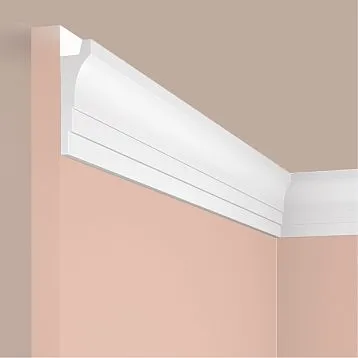
Can ordinary paint turn white stucco into a work of decorative art? Absolutely, and the painting technique plays a key role in this process.polyurethane moldingsIt is delivered from the factory primed, ready for final finishing, but the final visual effect depends entirely on the quality of the paint job. Professional painting requires understanding of materials, mastery of application techniques, and knowledge of decorative methods that create depth, volume, and character.


Choosing paint for polyurethane elements
Chemical compatibility of paint with polyurethane is the first and critically important condition for successful painting. Paints based on organic solvents are strictly prohibited — they dissolve the polymer structure, causing deformations and destruction of the decoration. Nitro enamels, alkyd paints with aggressive solvents, and oil-based compositions are excluded from the list of acceptable materials.
Water-based acrylic paints — optimal choice forpolyurethane moldingThey are absolutely safe for the material, practically odorless, dry quickly, and form a strong, elastic coating. Modern acrylic formulations have high opacity — two coats create a dense, uniform finish. The breathability of acrylic paints prevents condensation under the film, which is especially important fordecoration in rooms with variable humidity.
Latex paints create a more elastic and durable coating, resistant to abrasion and wet cleaning. They are ideal formolding in high-contact zones— along furniture, at hand level. Silicone-based compositions have maximum water resistance, but they are more expensive and require special primers. Emulsion paints are a budget option, suitable for simple interiors and low-traffic areas.
The gloss level of paint determines the visual perception of the decoration. Matte finishes create a restrained, noble effect, hiding minor surface defects. Semi-gloss and satin finishes have a subtle silk-like sheen, accentuating the relief. Glossy paints give stucco a formal elegance, but mercilessly reveal even the slightest imperfections. For classic interiors, professionals recommend matte or semi-gloss finishes; for modern styles — satin finishes.




Surface Preparation for Painting
The quality of the final coating is 80% determined by the preparation of the substrate.Installed stuccorequires thorough cleaning from dust, dirt, and traces of mounting adhesive. Use a damp cloth or sponge to wipe all surfaces, let it dry completely. Remove grease stains from hands with soap solution — paint will not adhere to a dirty surface.
Joints between elements must be perfectly filled and sanded. Even minor gaps will become visible after painting as dark recesses. Use acrylic filler, applying it with a narrow putty knife or finger in a rubber glove. After drying, sand flush with the surface using fine-grit sandpaper (220-240 grit). Remove the resulting dust with a vacuum cleaner and a damp cloth.
Light sanding of the entire stucco surface improves paint adhesion. Use fine-grit sandpaper to create a micro-texture. Pay special attention to smooth areas — they hold paint poorly. Sand relief areas carefully, avoiding damage to the ornament. After sanding, thoroughly remove all dust — it will create roughness under the paint.
Priming is a mandatory preparation step. Use an acrylic primer for plastic, ensuring excellent paint adhesion to the polymer surface. Apply the primer with a brush for textured areas, and with a roller for smooth, wide surfaces. The primer must fully cover the polyurethane, including all ornament recesses. Drying time is 2-4 hours, after which you can proceed with painting.
Our factory also produces:


Professional Painting Tools
Quality brush — the master's main tool. Forornament paintingChoose brushes 3-5 cm wide with soft, resilient bristles. Natural bristles are ideal for oil paints, synthetic bristles — for acrylic and latex compositions. The brush must not shed bristles or leave streaks. Cheap tools for 50-100 rubles will ruin the entire job — save on anything except brushes.
Rollers are used for painting smooth, wide surfaces —baseboards, cornices, flat moldings without ornament. Choose rollers with short nap — they create even coverage without visible texture. Long-nap rollers leave a suede-like surface, suitable for walls but unacceptable for decorative elements. Combine a roller for flat areas and a brush for relief.
Spray gun or airbrush provides the most even coverage, but requires skill and creates a paint mist. Work in a protective mask, goggles, carefully covering all surfaces with plastic sheeting and painter’s tape. Spray gun is ideal for paintingelements before installation— it’s easier to control coverage uniformity and avoid drips. Aerosol cans — a compromise option, requiring no equipment.
Auxiliary tools include paint trays, painter’s tape for protecting adjacent surfaces, scaffolding or ladders for working at height. A damp sponge and cloth are needed for immediate removal of accidental drips and splashes. Lighting plays a critical role — work under bright light, preferably angled to reveal uncoated areas and coating defects.
Get Consultation
Technique for Applying the First Coat
Protect adjacent surfaces with painter’s tape. Apply it tightly against the molding, pressing firmly to the wall or ceiling. Quality tape removes cleanly without residue and does not allow paint to seep through. Cover the floor and furniture with polyethylene sheeting — even with careful work, drips and splashes may occur. Preparation takes 15-20 minutes but will save hours of cleaning accidental stains.
Dip the brush into paint to one-third the length of the bristles, squeeze out excess paint onto the edge of the can or a special grid. An overloaded brush creates drips; insufficient paint results in bare spots and streaks. Apply paint with smooth strokes along the element, carefully coloring all recesses of the relief. Start with the most complex areas —carved inlays, ornaments, then move to smooth surfaces.
The direction of brush strokes determines the visual quality of the coating. For horizontal elements, stroke along the longitudinal axis; for vertical elements — from top to bottom. Do not return to already painted areas until the paint has begun to dry — this will create unevenness and streaks. Work quickly but carefully, maintaining even layer thickness across the entire surface.
The first coat of paint absorbs into the surface and may lay unevenly, with gaps. This is normal — its purpose is to create a base for the final coating. Do not attempt to achieve perfect coverage on the first pass by applying a thick layer — this will result in drips and cracking upon drying. Better to apply two or three thin coats than one thick coat. After applying the first coat, allow the paint to fully dry — the drying time is indicated on the packaging, usually 2-4 hours.
Intercoat Sanding and Final Coating
After the first coat dries, inspect the painted surface under side lighting. This angle reveals defects — unpainted areas, drips, dust and fiber inclusions. Remove minor imperfections with fine-grit sandpaper wrapped around a block. Sand gently with circular motions, avoiding heavy pressure. Do not sand too aggressively — you may abrade the coating down to the base.
Remove dust after sanding with a dry, soft brush or cloth. Wet cleaning is undesirable — water may soften the first layer of paint. Some professionals use sticky wipes specifically designed for removing dust before painting. They do not leave fibers and effectively collect fine particles.
The second coat of paint is a covering coat, creating uniform color and texture. The application technique is the same as for the first coat, but the result must be flawless. Carefully paint all areas, leaving no gaps or streaks. Pay special attention to element junctions — they must be completely invisible. The second coat usually lays more easily and evenly than the first, thanks to the prepared base.
Is a third coat necessary? It depends on the paint’s coverage and desired result. High-quality acrylics fully cover in two coats. Budget paints may require three coats to achieve uniform color. For particularly demanding projects — classic interiors,premium decor— professionals apply a final third coat, creating a perfectly smooth coating with no visible defects.
Painting Before or After Installation
Painting molding before installation is easier — the element is in a convenient horizontal position, all surfaces are accessible, and there is no risk of staining walls and ceilings.Moldings and cornicesThey are painted on sawhorses or tables, paint lays evenly, drips are minimal. However, this approach has a significant drawback — junctions between elements will remain unpainted, showing as white lines.
Painting after installation allows filling and painting the joints, creating a visually monolithic composition. This is especially important forcomplex moldings panelswhere many joints must be invisible. The drawback of this method is the difficulty of working at height, the need to protect adjacent surfaces, and the risk of drips on vertical elements.
Combined approach combines the advantages of both methods. The main painting is done before installation — primer and first base coat are applied. After installation and joint filling, a finishing layer is applied, creating a uniform coating across the entire surface. This method requires more time but provides the best result.
Which method to choose? For simple compositions with a small number of joints —ceiling cornices around the perimeter— optimal to paint after installation. For complex multi-element panels with dozens of joints — combined approach. For individualdecorative elements — rosettes, appliqués— paint before installation.
Working with ceiling elements
Painting ceiling cornices and skirting boardsWorking with ceiling elements requires special care — the risk of drips is highest. Use a ladder or scaffolding of appropriate height — working from a stool is unsafe and inconvenient. Wear protective goggles and headgear — paint may drip, and it’s better to anticipate this in advance.
Painting technique on ceiling elements differs from working on vertical surfaces. The brush should be less loaded with paint — excess will immediately run down. Move the brush smoothly, without abrupt movements. Start from the corner farthest from the entrance, gradually moving toward the door. This allows controlling already painted areas, avoiding accidental contact.
For wideceiling cornicesuse a combination of brush and roller. Paint the relief parts with a brush, the smooth central surface — with a short-pile roller. The roller should be slightly squeezed — excess paint will cause drips. Roller movements — smooth, with even pressure along the entire length of the element.
Protection of the ceiling and walls from accidental brush strokes is critical. Apply painter’s tape precisely, flush against the molding. Wide tape provides better protection but is harder to remove without damaging the paint. Remove the tape immediately after painting, while the paint is still wet — dried paint may peel off with the tape, creating an uneven edge.
Decorative techniques: patination
Patination creates an effect of noble antiquity, emphasizes relief, adds depth and character. The technique is simple but requires artistic sensitivity and care. Base layer — light paint, usually white, ivory, light beige. After the base is fully dry, apply dark patina — gold, brown, silver, graphite.
Patina is applied with a brush or sponge over the entire surface of the element, especially carefully rubbed into the recesses of the relief. After 1–2 minutes, while the mixture has not yet begun to set, partially wipe it off with a clean damp sponge or cloth. Movements should be gentle, removing patina from the raised parts of the ornament. The dark color remains in the recesses, emphasizing volume and creating an effect of long-term use.
The intensity of patination is regulated by the degree of wiping. For a light patina effect, remove almost all patina, leaving only a hint in the deepest recesses. For a pronounced effect, leave more of the dark tone, wiping only from the most raised points. Experiment on small areas or molding scraps before beginning work on the main composition.
After the patina has dried — 2–4 hours — you can apply a matte protective varnish. This is optional, but it extends the service life of the decorative coating, protects against abrasion and moisture. Use water-based acrylic varnish compatible with paints. Apply in a thin layer with a brush, avoiding drips. The varnish enhances colors, making them more saturated and deep.
Imitating metals: gilding and silvering
Gilding is a classic technique for giving moldings a luxurious, palace-like appearance. Modern materials have simplified the process — instead of real gold leaf, acrylic paints with metallic pigment are used. Base layer — dark, usually brown, reddish-brown, black. After the base dries, gold paint is applied to the raised parts of the relief using a sponge or a short-bristled brush.
The technique of applying gold requires light touch. Dip the sponge into paint, squeeze almost dry on paper or cloth. With light, brushing motions, paint only the raised partsornament. Do not rub the paint — it should remain on the surface, not penetrating into recesses. This technique creates an effect of aged gilding, worn by time.
Silvering is performed similarly, but creates a cooler, more restrained effect. Base layer — gray, graphite, black. Silver paint is applied to the raised parts of the relief. Combination of silver and graphite — a popular solution for modern interiors, combining metallic sheen with industrial aesthetics.Moldings with silveringharmonize with chrome-finished furniture and appliances.
Bronzing and coppering create warm metallic tones, ideal for classical and ethnic interiors. Base layer — dark brown or black, metallic paint — bronze or copper. The application technique is the same — light touches with a sponge on raised parts. Protective varnish is mandatory for metallic finishes — without it, they dull and wear out.
Two-tone and multi-tone painting
Two-tone coloring highlights the element's architecture, creates contrast and depth. The classic approach involves recessed areas in one color and protruding parts in another. First, paint the entire element with a base color, usually darker. After it is fully dry, carefully paint the raised relief parts with a contrasting color using a small brush.
This technique requires steady hands and patience. Guide the brush precisely along the relief lines, avoiding the recessed areas. Work under bright, directional light that reveals all ornament details. For complexof carved elementstwo-tone coloring may take several hours. An alternative approach is to paint the entire element with a light color, then use dark paint to color only the recessed areas, wiping excess off the raised parts with a cloth.
Multi-color painting transforms molding into a polychrome sculpture. This technique is characteristic of historical styles — Baroque, Rococo, where molding was painted in dozens of colors. Modern interpretation is more restrained — 2-3 colors harmoniously blending together. Use the interior color scheme, repeating textile, trim, and furniture colors.
Gradient transitions create volume and dynamism. Apply the base color to the entire element, then blend a darker or lighter shade with a brush from edges to center or vice versa. The technique requires artistic intuition, but the result is impressive — molding acquires sculptural expressiveness, appearing more voluminous and relief-like.
Weathering effect and craquelure
Craquelure varnish creates a network of fine cracks, imitating the patina of time. Technique: Apply the base coat of paint, let it dry completely. Then apply the craquelure varnish according to the manufacturer's instructions. After the varnish dries, apply a contrasting finish coat of paint. As the top layer dries, it cracks, revealing the lower layer through the cracks.
The size and character of the cracks depend on the thickness of the layers and application technique. A thick layer of craquelure varnish creates large cracks, while a thin layer produces a fine grid. The direction of the final paint application determines the orientation of the cracks — vertical strokes yield vertical cracks, while chaotic application results in a random grid. Experiment on samples to achieve the desired effect.
The whitewash effect creates the impression of multiple repaints. The base layer is a bright, saturated color. After drying, apply a semi-transparent white compound, partially wiping it off raised areas with a cloth. Repeat the technique 2-3 times, creating a complex multi-layered surface with visible colored patches.
Imitating weathered stone is achieved by combining several shades of gray and brown. After the base medium-gray layer dries, cover it with patches of darker and lighter tones applied randomly with a cloth. Blend the edges of the patches to create smooth transitions. Final patination with dark brown in recessed areas completes the imitation of old stone.
Using aerosol paints
Aerosol paints in cans provide quick, even coverage without visible tool marks. Ideal for paintingsmall decorative elements— moldings, rosettes, corner elements. Choose acrylic-based paints specifically designed for plastic. Universal enamels may contain solvents incompatible with polyurethane.
Spray technique requires practice. Position the can 25-30 centimeters from the surface. Move smoothly and at a consistent speed, overlapping the previous pass by one-third of the width. Do not linger on any spot — this creates drips. Prefer several thin coats with intermediate drying rather than one thick coat.
Work in a well-ventilated room or outdoors. Protect your respiratory system with a respirator — fine paint droplets form a mist hazardous when inhaled. Carefully cover all surfaces that should not be painted — aerosol spreads several meters. After painting, allow elements to dry completely outdoors — solvent evaporation occurs more rapidly.
The drawback of aerosols is high cost for large-scale projects. Paintingcornices around the room perimeterrequires dozens of cans. For large-scale projects, aerosols are economically impractical. Use them for accent elements requiring exceptional finish quality, or for metallic and decorative effects unattainable with brushes.
Typical mistakes in painting
Insufficient surface preparation is the main cause of coating defects. Dust, grease, and adhesive residues prevent paint adhesion. Spend time thoroughly cleaning and priming — this prevents peeling and flaking. Skipping the primer stage is especially critical — paint without primer adheres poorly to polyurethane, may sag, and leave gaps.
Too thick a paint layer causes drips, cracking, and uneven drying. Apply paint in thin layers, preferably three thin layers rather than one thick layer. Do not attempt to achieve full coverage with the first layer — the second and third layers will even out the color and create a uniform finish. Drips on vertical elements are caused by overloading the brush with paint and can only be corrected by repainting the entire area.
Painting an incompletely dried previous layer softens the coating, creating unevenness and spots. Observe the intercoat drying time specified by the paint manufacturer. In cool, humid rooms, drying may take twice as long as in warm, dry conditions. Test readiness by touch — the surface should be dry and not sticky to the finger.
Incorrect paint selection — using solvent-based compositions — leads to deformation and destruction of polyurethane. The element softens, loses relief definition, and may detach from the base. Such damage cannot be repaired — the element must be replaced entirely. Always check paint compatibility with the material; in doubtful cases, test on a small area or scrap piece.
Care for Painted Molding
Paintedpolyurethane moldingsrequires no complex maintenance. Regular dry cleaning with a soft brush or cloth maintains the coating's freshness.Relief elementsaccumulate dust in recesses — use a vacuum cleaner with a soft attachment to clean them. Perform dry cleaning once a month to prevent dirt buildup.
Wet cleaning is permissible for quality coatings. Use a slightly damp cloth with a mild detergent — neutral soap solution. Avoid abrasive cleaners, stiff brushes, and aggressive chemicals — they damage the coating. After wet cleaning, wipe the decor dry with a cloth to remove moisture residue. Do not use steam cleaners — high temperatures may soften the paint.
Local damage — scratches, chips — are repaired with spot touch-ups. Lightly sand the damaged area with fine-grit sandpaper, remove dust, and apply paint with a small brush. For perfect color match, retain leftover paint after the initial coating. If paint is unavailable, select a shade at the store, test it on an inconspicuous area before applying to visible damage.
How often is it necessary to repaint? High-quality acrylic paint lasts 10-15 years without losing its appearance. In rooms with aggressive conditions — kitchens, bathrooms — the lifespan may be reduced to 7-10 years. Repainting is done using the same technique — light sanding, priming, two layers of new paint. Changing the color palette refreshes the interior without dismantling or replacing decor.
Frequently asked questions
Can you paint polyurethane molding with regular water-based wall paint? Yes, but the result will be less quality. Specialized decorative paints have better coverage and coating durability.
How long does it take to paint moldings in a standard room? For a 4x5 meter room — 2-3 hours to apply one layer, including surface preparation and protection. Full cycle with two layers and intermediate drying — one day.
Is it necessary to prime molding if it was already primed at the factory? It is recommended, especially after installation and joint spackling. Additional priming improves adhesion and creates a uniform base.
Can you use exterior paints indoors? Yes, but it is not recommended. Exterior paints contain anti-mold additives and UV filters that may impart an odor. Use interior-grade products.
How to achieve a perfectly matte surface without gloss? Choose paints marked "deep matte" or "ultra-matte." Apply thin layers, avoiding overloading the brush.
Should painter’s tape be removed immediately after painting or wait for drying? Remove it immediately while the paint is still wet. Dry paint may peel off with the tape, creating an uneven edge.
Can you paint polyurethane with automotive spray paint? Not recommended. Automotive enamels often contain solvents incompatible with polyurethane. Use specialized plastic aerosols.
How long should painted molding not be washed? Acrylic paints reach full strength after 2-3 weeks. Until then, avoid wet cleaning and mechanical impacts.
Conclusion
Painting molding is the final and critically important stage in creating decorative compositions. Correct material selection, careful surface preparation, and mastery of application techniques determine the quality and longevity of the finish.polyurethane elementsThey forgive minor mistakes of beginners but reward a professional approach with flawless results.
Decorative techniques — patina, gilding, two-tone painting — transform standard molding into a unique work of art. Aging effects, craquelure, metal imitation expand design possibilities, enabling the realization of the boldest interior concepts. Modern materials have simplified traditional techniques, making them accessible to every attentive person.
STAVROS offers a full range ofmoldings from polyurethaneandwoodReady for painting.Moldings, cornices, baseboards, outlets, decorative insertsSupplied primed, requiring no complex preliminary preparation. Professional consultants will help select paints and materials, offer ready-made color solutions, and provide detailed painting instructions. Create interiors with character and style using STAVROS products — quality proven over time, accessible to everyone.