Article Contents:
- How to unite floor, walls, and ceiling into a cohesive ensemble
- The role of wooden skirting in spatial perception
- Polyurethane molding as a rhythmic detail
- Installation and compatibility tips
- The effect of a finished interior STAVROS
- Questions and Answers
- Conclusion - symphony of details

Interior is a symphony of details, where each element plays its part in creating a harmonious space.Wide wooden floor skirting boardandwall moldingTwo elements working on opposite levels of the room create vertical framing of space. The massive skirting at the floor forms a visual foundation, the base of the composition, transitioning from the horizontal floor to the vertical wall. Elegant molding on the walls creates a rhythmic structure, architectural detailing, artistic accents. Together, they transform a simple room into a finished interior, where floor, walls, and ceiling are united into a cohesive ensemble through a thoughtfully designed system of decorative elements.
The philosophy of this combination is based on classical principles of architectural composition. The lower part of the space requires visual weight and mass — this corresponds to our experience of gravity, creating psychological comfort. Wooden skirting provides this weight through the natural density of the material, expressive wood texture, warm tones. Walls — the main field of interior perception — require detailing, rhythmic organization, artistic accents. Polyurethane molding creates these accents through variety of forms, relief expressiveness, ability to create complex compositions. Harmonious combination of heavy base and elegant wall detailing creates visually balanced space.


How to unite floor, walls, and ceiling into a cohesive ensemble
Interior cohesion is achieved through a system of visual connections between different levels of the room. Floor, walls, and ceiling should not be perceived as separate, disconnected planes. Wooden skirting creates the first connection — transition from the horizontal floor to the vertical wall. Its height, color, profile influence whether the floor is perceived as continuing upward or the wall as descending downward.
Proportional system organizes the verticality of the room. Classical three-part structure divides the wall into zones: lower part 90-120 cm high with skirting and possible panels, middle main part with decorative elements, upper part under the ceiling with frieze and cornice. This system creates scale, organizes perception, makes high walls less monotonous.
Color coordination unites levels. Three main strategies: monochromatic — all elements in shades of one color, creates calmness; contrasting — dark skirting, light walls, white molding, creates graphic effect; tonal — gradient from dark bottom to light top, creates visual lightness. Choice of strategy determines the character of the space.
Material unity strengthens cohesion. Wood of the skirting corresponds with wooden doors, window frames, furniture. Polyurethane molding on walls harmonizes with ceiling cornice and outlet made of the same material. These material correspondences create a system where each element is part of the whole.
Stylistic correspondence is essential for harmony. Classical skirting with ovals and grooves requires classical molding with Ionic and vegetal motifs. Minimalist rectangular skirting harmonizes with simple geometric appliqués. Mixing styles — baroque skirting with minimalist molding — creates dissonance.
Rhythmic organization is created through repeating elements. Vertical rhythm of moldings or appliqués on walls corresponds with rhythm of door openings. Horizontal band at 100 cm from floor visually connects with height of skirting. These rhythmic correspondences organize space musically.
Scale correspondence is critical. In a room with high skirting 150 mm, large decorative elements on walls are needed — appliqués with diameter 30-40 cm, moldings 80-100 mm wide. With low skirting 80 mm — delicate elements 15-20 cm. Violation of proportions creates visual imbalance.
Functional integration strengthens cohesion. Skirting covers the technical gap between floor and wall, may conceal cable channels. Molded elements mask seams between different wall coverings, irregularities, boundaries of painted zones. Function and aesthetics are unified.
Lighting environment unites space. Proper lighting reveals texture of wooden skirting, emphasizes relief of molding. Side lighting creates shadows, enhancing volume. Even lighting smooths, makes elements more delicate. Lighting design is part of creating a cohesive ensemble.
Transition zones require special attention. Door openings, where skirting meets door casing, must have harmonious profile junctions. Corners of the room, where walls with different decoration meet, require thoughtful solutions. These transitions are a test of design professionalism.
Vertical accents link levels. Tall narrow mirrors, vertical-framed paintings, vertical moldings guide the gaze from skirting upward to ceiling. These verticals create a connection between horizontal levels of floor and ceiling.
Symmetry or asymmetry determines the character of space. Symmetrical placement of decorative elements relative to central axis creates classical grandeur. Asymmetrical free composition adds modernity. But even asymmetry should be visually balanced.
Detailing of different zones may vary. Entrance zone of the living room receives rich decoration — high carved skirting, numerous molding elements. Private zone of the bedroom — more restrained decoration. This zoning through degree of detailing organizes functional use of space.




The role of wooden skirting in spatial perception
Wooden skirting performs multiple roles simultaneously. Technical role — covering the gap between floor and wall, necessary to compensate for thermal expansion of flooring. This gap of 10-15 mm is unattractive; skirting turns technical necessity into decorative advantage. Protective role — protecting lower part of wall from damage during cleaning, furniture impacts, water splashes during floor cleaning.
Visual foundation — main aesthetic role of skirting. It creates visual base of wall, architectural base of composition. High skirting 120-180 mm forms serious foundation, emphasizes solidity. Low skirting 60-80 mm is more delicate, suitable for modern minimalist spaces.
Color influence of skirting on perception of proportions is significant.Solid wooden skirting board priceIt varies depending on species, but color choice is more critical than price. Skirting in floor color visually expands the floor — it appears as if floor rises to wall. Room is perceived as more spacious. Skirting in wall color visually raises walls — colored plane begins from floor. Room appears higher. Contrasting skirting — dark against light floor and walls — creates graphic border of floor.
The type of wood creates different emotional atmospheres. Oak, with its powerful texture and noble brown tones, evokes a sense of solidity, stability, and prestige. Suitable for classic interiors, offices, and libraries. Ash, with its contrasting light texture, creates freshness, modernity, and graphic appeal. Ideal for Scandinavian and contemporary interiors. Walnut, with its warm brown-purple hues, adds luxury and coziness. Perfect for bedrooms and living rooms.
The height of the skirting board is critical for the perception of room proportions. The European standard of 60-80 mm creates a delicate frame that does not significantly affect perception. Suitable for rooms of standard height 2.7 meters. A high skirting board of 100-120 mm is a classic choice for interiors with moldings, creating a visual division of the wall. An extremely high skirting board of 150-200 mm is an element of luxury, characteristic of palace interiors, requiring high ceilings of at least 3 meters.
The profile of the skirting board determines the style. A classic profile with scrolls, quarter-rounds, and flutes is characteristic of neoclassical and classical interiors. A complex multi-step profile with classical details creates palace luxury. A simple rectangular or beveled profile is suitable for minimalism and modern styles. The profile is a stylistic marker.
The tactile quality of wood adds a dimension to perception. Touching a smoothly sanded oak skirting board creates a special sensation — the material is warm, dense, and pleasant. A brushed surface with emphasized annual rings forms an expressive texture. This tactile quality enriches the perception of the interior.
The longevity of wooden skirting boards is measured in decades. Hardwoods — oak, ash, beech — are practically eternal with proper care. Softwoods — pine, birch — are less resistant to mechanical damage but are cheaper. Quality protective coatings — oil, lacquer, wax — extend lifespan and protect against moisture and dirt.
The acoustic properties of wood improve the sound environment. Wooden skirting boards partially absorb sound, especially low frequencies transmitted through the floor. This creates a more comfortable acoustics compared to plastic or MDF skirting boards, which resonate.
The ecological nature of natural wood is important for a healthy home. Wood breathes, regulates humidity, and does not emit harmful substances. Modern water-based protective coatings are also eco-friendly.wooden skirting board purchase— is a choice in favor of family health.
The prestige of wooden skirting boards is obvious. In the era of cheap plastic, choosing natural solid wood is a statement of values, taste, and status. Guests seeing a quality oak skirting board understand — here live people who value the real thing.
Our factory also produces:


Polyurethane molding as a rhythmic detail
Polyurethane wall moldingcreates a rhythmic structure of wall space, organizes perception, and adds artistic accents. Rhythm in architecture is the repetition of elements, creating visual music. Regular placement of identical decorative inserts forms a calm, measured rhythm. Alternating different elements creates a more complex structure.
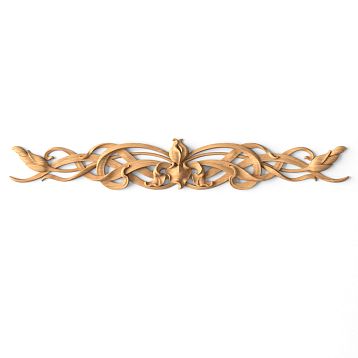
Types of wall molding are diverse. Inserts — individual decorative elements in round, oval, or rectangular shapes with relief ornamentation. Placed at the center of molding panels, above doors, in wall sections between windows. Sizes from 15 cm to 50 cm in diameter. Classical ornament — rosettes, palmettes, plant scrolls, geometric patterns.
Moldings — decorative strips that create frames, panels, and geometric structures on walls. Width 40-100 mm, profile from simple rectangular to complex carved. Moldings form rectangular or square frames — panels — within which wallpapers, paint, or fabric inserts are placed. This system creates a classical architectural structure of the wall.
Pilasters — vertical elements imitating classical columns, but protruding from the wall only 30-50 mm. Composed of a base, shaft, and capital. Height corresponds to wall height. Placed at room corners, in wall sections between windows, framing doorways. Create vertical rhythm, dividing long walls into sections.
Consoles and brackets — decorative elements imitating a supporting function. Placed under shelves, cornices, and in corners. Even as purely decorative, they create a sense of constructive logic. Console ornament can be classical with volutes or modern geometric.
Corner elements resolve molding joints, transforming technical nodes into decorative details. Instead of a simple 45-degree cut, special corner inserts with rosettes and reinforced ornamentation are used. Corners become compositional accents.
Friezes — horizontal ornamental bands — create height divisions on walls. Placed at 100-120 cm height, dividing lower and middle wall sections, or under the ceiling at 220-240 cm. Width 80-150 mm, ornament plant or geometric.
Placement of molding follows compositional principles. Symmetrical placement relative to the room’s central axis creates classical grandeur. A central insert on the main wall is surrounded by symmetrical molding panels. Asymmetrical placement adds modern freedom but requires visual balance.
The density of decoration determines the character of the interior. High density — numerous inserts, pilasters, molding panels covering most of the walls — creates richness characteristic of Baroque and Rococo. Medium density — several key elements, molding panels on main walls — forms classical elegance. Low density — individual accent inserts — creates modern restraint.
Integration with functional elements enhances practicality. Molding framing a mirror transforms it into an architectural element. Decorative insert above a switch hides poor placement. A frieze at 100 cm protects walls from damage by chair backs while simultaneously decorating.
Color treatment of molding expands possibilities. Classic solution — white molding on colored walls, clear contrast. Monochromatic solution — molding in wall color, distinguishable only by relief, delicate refinement. Patination with gold or silver creates palace luxury. Colored molding — bright accents on neutral background — modern bold solution.
Lighting is critical for perceiving molding. Side lighting creates expressive shadows in relief, maximizing volume. Frontal lighting smooths relief, making molding more delicate. Underlighting creates dramatic effect. When designing molding, it is important to consider the direction of natural and artificial light.
The scale of elements relates to room size. In a large living room of 40 square meters, large inserts of 40-50 cm and massive pilasters are used. In a small bedroom of 15 square meters — delicate elements of 15-20 cm. Scale must match the space; otherwise, imbalance occurs.
Get Consultation
Installation and compatibility tips
Installing wooden skirting boards requires precision and proper fastening. Preparation of the base is critical — the wall must be flat and clean of dust. Irregularities over 5 mm require leveling; otherwise, the skirting board won’t fit tightly, and gaps will appear. Horizontal marking is done with a laser level — even minor deviations are visible and spoil the impression.
Fastening with screws — a classic reliable method. Pre-drill holes slightly smaller than the screw diameter every 50-70 cm. Screws are screwed into the wall through the skirting board. Screw heads are countersunk and covered with wooden plugs matching the color or filled with putty. Gluing is possible on perfectly flat walls. Use construction adhesive or liquid nails. Additional screw fastening at several points provides extra security.
Corner joints are made at 45 degrees — a classic method for internal and external corners. Requires precise cutting with a circular saw or chisel. The joint is glued and pressed tightly. Alternative — use factory-made corner elements, simplifying installation and guaranteeing a beautiful joint.
Final finishing completes installation. Gaps between skirting board and wall are filled with acrylic sealant, smoothed with a wet finger. Screw locations are filled with putty and sanded after drying. Skirting board is painted or coated with oil, lacquer, depending on desired effect.
Installing polyurethane molding is simpler than wooden skirting boards. Surface preparation includes cleaning, degreasing, and priming. Placement marking is done with pencil using a level for horizontal and vertical lines. Testing elements before gluing allows adjusting the composition.
Adhesive installation — primary method. Use special polyurethane adhesive or quality acrylic construction adhesive. Adhesive is applied to the back of the element with a zigzag or spot application. Element is pressed against the wall and held for 2-3 minutes until adhesive sets. Heavy elements are additionally secured with screws through pre-drilled holes.
Joints of elements require care. Mouldings join at 45 degrees in the corners of panels. The joint is coated with adhesive, pressed tightly. After drying, the joint is sanded and lightly ground with fine sandpaper. A well-executed joint becomes invisible after painting.
Painting unifies elements. After the adhesive and putty have fully dried, the surface is primed. Painting is done with acrylic or latex paint in 2-3 layers. The first layer is primer, the second and third are finish coats. Matte or semi-gloss paint is preferable over glossy — it creates a noble appearance.
The compatibility of skirting boards and mouldings is based on several principles. Stylistic unity — a classic skirting board requires classic mouldings, minimalist — modern. Scale correspondence — a tall skirting board harmonizes with large mouldings, a low one — with delicate ones. Color coordination — both elements must be color-coordinated with the overall interior palette.
Proportional balance of skirting board height and moulding size is critical. With a 120 mm skirting board, optimal appliqués are 25-35 cm in diameter, mouldings 60-80 mm wide. With an 80 mm skirting board — appliqués 15-25 cm, mouldings 40-60 mm. These proportions create visual harmony.
Coordination with door and window casings enhances cohesion. The width of skirting boards, casings, and mouldings should be in harmonious proportions. Profile styles must match — if casings are classic carved, skirting boards and mouldings should also be classic. This creates architectural unity.
Avoiding excess is important for elegance. A typical mistake — the desire to use everything at once: a tall carved skirting board, numerous appliqués, pilasters, friezes, moulding panels. Result — overloading, visual chaos. Rule: better less, but better quality. A few key elements, impeccably executed, create a greater impression than an abundance of mediocre ones.
STAVROS Finished Interior Effect
STAVROS Company offers a comprehensive approach to creating a finished interior through the combination of wooden skirting boards and polyurethane mouldings. Design begins with space analysis — room dimensions, ceiling height, stylistic concept, budget constraints. The designer creates a 3D visualization, where the result is visible before work begins.
STAVROS wooden skirting board assortment includes dozens of models from various species. Oak — from light natural to dark stained. Ash — contrasting light texture. Walnut — noble brown tones. Beech — even dense structure. Height from 60 mm to 200 mm. Profiles from simple rectangular to complex carved classic.
Polyurethane collection. Clear lines, created using modern technologies, emphasize the strict aesthetics of the room. Each decorative element harmoniously fits into the overall concept, creating a sense of order and thoughtfulness.includes hundreds of models. Appliqués of all sizes and styles — from minimalist geometric to lavish baroque. Mouldings of various profiles and widths. Pilasters with bases and capitals of classical orders. Consoles, corner elements, friezes — full arsenalof ornamental moulding elements.
Individual design takes into account the specifics of a particular room. Non-standard layouts, bay windows, niches, columns require special solutions. STAVROS designer develops a composition that optimally uses architectural features, turning shortcomings into advantages.
Project kit includes precise calculation of all materials. Skirting board linear meters accounting for angles and joints, with 10% reserve.stucco decor manufacturingIncludes all necessary elements — appliqués, mouldings, corner details. Fasteners, adhesive, putty, paints — everything required for installation.
Professional installation guarantees quality. STAVROS crews specialize in working with wood and polyurethane. Precise geometry, tight joints, neat finishing — all executed according to technology. Installation time for a standard 80 sq. m. apartment — 7-10 working days.
Coordination of stages optimizes the process. Skirting boards are installed after floor finishing and before wall final painting. Ornamental mouldings are installed after basic wall finishing, before final painting. Correct sequence is critical for quality.
Finishing work unifies elements. Professional painting of skirting boards and mouldings creates cohesion. High-quality materials are used — oils for wood, acrylics for polyurethane. Matte finishes create nobility, avoiding plastic gloss.
STAVROS result — a finished interior where every detail is in place. Transition from floor to walls via wooden skirting board is organic and beautiful. Walls are structured by ornamental mouldings, creating rhythm and accents. Floor, walls, and ceiling are united into a harmonious ensemble. Space acquires character, elegance, and completeness.
Warranties on materials and work ensure confidence. Wooden skirting board — 5-year warranty with proper care instructions. Polyurethane decorative elements — 10-year manufacturer warranty. Installation work — 2-year warranty. These warranties confirm quality.
Service includes consultations on care, supply of materials for coating renewal. After several years, STAVROS reminds you of the need to renew oil on skirting boards, offers professional servicing. Customer care is long-term.
Questions and answers
What height of skirting board to choose for an apartment with 2.7-meter ceilings?
For a standard height of 2.7 meters, optimal skirting board height is 100-120 mm. This creates sufficient architectural expressiveness without visually consuming space. If ornamental mouldings are used on walls, the skirting board must be proportional to the size of appliqués and mouldings. With a 100 mm skirting board, optimal appliqués are 20-30 cm in diameter. If ceilings are below 2.5 meters, reduce skirting board to 80-100 mm.
Is color coordination between skirting board and mouldings mandatory?
Not mandatory — various strategies are possible. Classic solution — natural wood skirting board with white mouldings creates an elegant contrast between natural and man-made. Monochromatic solution — skirting board painted white to match mouldings, everything blends into a unified system. Tonal solution — skirting board light tone, mouldings white, walls intermediate shade. All three work, choice depends on concept.
Can ornamental mouldings be used in a small room?
Yes, but delicately. In small spaces use small elements — appliqués 15-20 cm in diameter, thin mouldings 40-50 mm. Avoid overloading — better 2-3 key elements than many small ones. White color visually expands. Vertical elements raise the ceiling. Properly designed decoration improves proportions of small space, improper — overloads.
How much more expensive is an interior with skirting board and mouldings compared to a simple one?
For a 20 sq. m. room: simple finish (wall painting, plastic skirting board) — 40,000–60,000 rubles. With wooden skirting board and mouldings — 80,000–120,000 rubles. 1.5–2 times more expensive. But the result is incomparable — instead of a bland space, a finished interior with character. Decoration also increases apartment market value by 10–15 percent.
How to care for wooden baseboards and moldings?
Care is simple. A wooden skirting board is wiped clean of dust with a damp cloth, avoiding excessive moisture. If it is oiled, it is advisable to renew it every 2-3 years — light sanding with fine-grit sandpaper and applying a fresh layer of oil. Polyurethane molding is simply wiped clean of dust and requires no special care. Painted surfaces are refreshed with paint every 5-7 years.
Can it be installed by oneself, or are professionals required?
Technically possible for someone with skills. Skirting boards require precise corner cutting and secure mounting. Molding requires proper adhesive and careful fitting of joints. Without experience, there is a high risk of an imperfect result — gaps, crooked lines, poor joints. Professional installation by STAVROS guarantees quality. However, enthusiasts can manage with instructions and patience.
Is such a combination suitable for a modern interior?
Suitable with proper interpretation. For modern interiors, choose simple shapes — a rectangular skirting board without complex profiles, minimalist geometric moldings, flat moldings without ornamentation. Colors should be restrained — white, gray, natural light wood. Avoid ornate classical molding with scrolls — it clashes with modern aesthetics. Properly selected elements create modern elegance.
How to choose between oak and ash for skirting boards?
Oak — classic, noble brown tones, expressive grain with medullary rays, maximum hardness. Suitable for classic, traditional interiors. 30-50% more expensive than ash. Ash — contrasting light texture, graphic quality, slightly less hardness, but sufficient. Suitable for Scandinavian, modern interiors. More affordable. Choice depends on style and budget.
How long does installation take for a three-room apartment?
For a standard 80-square-meter three-room apartment: installing skirting boards in all rooms — 2-3 days, installing wall molding — 3-4 days, finishing (joint spackling, painting) — 2-3 days. Total: 7-10 working days. A crew of 2-3 people works more efficiently. Complexity of decoration and accessibility of areas affect the timeline.
Will such an interior become outdated in a few years?
Will not become outdated with classic execution. Wooden skirting board — an element with centuries of history, outside fast-changing trends. Classic molding has been tested for centuries. Their combination creates timeless elegance. Avoid extremely trendy forms or colors. Choose classic proportions, quality materials, neutral colors. Such an interior remains relevant for decades, unlike trendy solutions that become outdated within 3-5 years.
The Final Result — Symphony of Details
The combination of wooden skirting board and wall molding creates a finished interior, where each detail plays its part in the symphony of space. A solid wooden skirting board forms a visual foundation, transitioning from floor to wall, a natural accent in the interior. Elegant polyurethane molding creates a rhythmic structure on walls, artistic accents, architectural detailing. Together, they unite floor, walls, and ceiling into a cohesive ensemble through a system of visual connections, material correspondences, and stylistic unity.
The role of skirting board in spatial perception is multifaceted. Technical function — covering gaps, protecting walls. Aesthetic function — creating a visual base, influencing proportions through color and height, introducing the warmth of wood. Psychological function — creating a sense of completion, solidity, connection with the traditions of quality craftsmanship.
Molding acts as a rhythmic detail, organizing the perception of walls. Moldings create focal points. Moldings form structure through panels and framing. Pilasters divide space vertically. Friezes organize horizontals. This system transforms flat walls into an architectural composition with depth, rhythm, and artistic expressiveness.
Installation and compatibility require a professional approach. Precision of geometry, tightness of joints, quality of finishing determine the result. Stylistic unity, proportional correspondence, color coordination, proportional balance — principles of harmonious material combination. Professional design and installation by STAVROS guarantee perfect execution.
The effect of a finished interior — the feeling that every detail is in place, nothing needs to be added or removed. Space acquires character — from classic grandeur to modern elegance. Individuality is expressed through unique combinations of elements, colors, proportions. The home becomes not a collection of rooms, but a unified composition.
The longevity of quality materials ensures the relevance of the solution for decades. Wooden skirting boards from hardwoods serve for centuries. Polyurethane molding retains its appearance for 40-50 years. Regular care extends lifespan and preserves beauty.
Investment in details pays off through improved quality of life. It is pleasant to live in a space where details are thoughtfully designed, materials are quality, and execution is flawless. This creates psychological comfort, pride in one’s home, and a desire to spend time at home.
STAVROS Company offers a full range of solutions for creating finished interiors. From consultation and design to material supply and professional installation. Experience of hundreds of completed projects, understanding of proportions, sense of style, attention to detail — the foundation for creating spaces where skirting boards and molding form a symphony of details, transforming the home into a work of art.