Article Contents:
- Fireplace — The Architectural Focal Point
- Materiality and Tactility
- Mirror Above the Fireplace: Function and Aesthetics
- Frame as an Extension of Architecture
- Height and proportions
- Baseboard as the Finishing Touch
- Height and Profile
- Material and finish
- Symmetry and Balance
- Furniture Arrangement
- Color Palette and Textures
- Decorative accents
- Why Oak is the Optimal Choice
- Alternative: Beech and Ash
- Stylistic Variations
- Technical aspects of installation
- Maintenance and operation
- Psychology of Space
- Project Economics
- Frequently Asked Questions
- Conclusion: Time to Trust the Professionals

A fireplace in the living room is not just a functional element that creates warmth and coziness. It is the architectural heart of the space, around which the entire interior composition is built. And when a majestic mirror in a carved frame adorns the solid oak fireplace portal, and an elegant wooden baseboard runs along the perimeter of the room, repeating the portal's decor, the living room transforms into a true work of art. Every detail here works to create a harmonious, status-worthy, and incredibly attractive space.


Fireplace — The Architectural Focal Point
Why does the fireplace become the semantic center of the living room? It's not just about the psychology of perceiving fire, although that plays an important role. The fireplace naturally organizes the space around itself, dictating furniture placement, defining the accent wall, and setting the rhythm for the entire interior. Even if we're talking about an electric or bio-fireplace, the portal itself, its framing, and decorative design become the main visual dominant of the room.
Classical tradition dictates placing a mirror, painting, or sculpture above the mantel. The mirror is chosen here for a reason: it visually expands the space, reflects the light of the flames, creates a play of highlights and shadows, and doubles the perception of the interior's luxury. A large mirror in a frame 120-150 cm high becomes a logical extension of the fireplace portal, vertically elongating the composition and giving it solemnity.




Materiality and tactility
Choosing solid oak for the fireplace portal is a solution tested for centuries. Oak possesses a unique combination of strength, decorative appeal, and nobility. The density of oak wood reaches 700-800 kg/m³, guaranteeing durability even with intensive use and temperature fluctuations near the hearth. The expressive texture of oak with characteristic tangential fibers creates a natural pattern that cannot be replicated artificially. The warm golden or noble gray-brown hue of the wood fills the space with special energy, creating a sense of reliability and solidity.
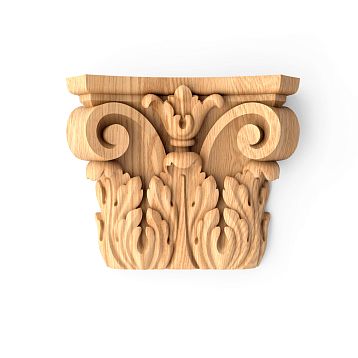
The carved decor of the portal can vary from restrained classical forms to lush Baroque. For a living room in English style, strict vertical pilasters with Corinthian capitals supporting a massive mantel with laconic profiles are suitable. For an interior in the style of a French chateau, rich floral ornaments, garlands, acanthus leaves, cartouches, and mascaron are appropriate. It is important that the portal's decor is proportionate to the scale of the room: excessive opulence will look out of place in a compact living room, while a restrained portal will get lost in a spacious hall.
Our factory also produces:


Mirror Above the Fireplace: Function and Aesthetics
Placing a mirror above the fireplace is a classic technique traced in the interiors of European palaces and estates since the 17th century. Why a mirror, and not a painting or tapestry? The answer lies in the unique properties of the mirror surface.
Firstly, the mirror reflects light — both natural light entering through windows and artificial light from chandeliers, sconces, and, of course, from the flames in the fireplace. This creates additional lighting, making the living room brighter and more spacious. Secondly, the mirror visually increases the height of the ceilings, which is especially valuable in rooms with standard floor heights. A vertically oriented mirror 120-150 cm high literally 'lifts' the space, making it more airy.
Thirdly, the mirror reflects the living room interior, doubling the perception of decorative elements. If there are beautiful architectural details, furniture, or windows with a picturesque view opposite the fireplace area, the mirror becomes an additional 'painting,' constantly changing depending on the lighting and movement of people in the room.
Get Consultation
Frame as an Extension of Architecture
A mirror in a carved frame is not just a functional item, but a full-fledged architectural element. The frame should harmonize with the fireplace portal, repeating its style, carving character, and finish tonality. If the portal is made of solid oak with classical profiles and restrained decor, then theframed mirrorshould have a corresponding frame made of the same material.
A carved frame with gilding is an option for luxurious interiors in Baroque, Empire, or Neoclassical style. Gilding can be done using gold leaf, patination, or more affordable gold lacquer. It is important that the degree of shine and the shade of gold harmonize with other interior elements: chandelier hardware, picture frames, decorative overlays on furniture.
For interiors in country, Provence, or Scandinavian minimalist style, aLarge framed mirrormade of natural wood without gilding, with the natural texture of solid wood, possibly with light patination or whitewashing, is more suitable. Such a solution creates a sense of naturalness, closeness to nature, and homey warmth without excessive formality.
mirror in a carved framehandcrafted is always exclusive. Even if a standard profile is used, each piece carries the individuality of the master, the uniqueness of the texture of a specific piece of wood, and the distinctiveness of the carved pattern. This is precisely the case when a decorative element becomes an investment in the long-term aesthetics of the interior.
Height and proportions
Why exactly 120-150 cm? These parameters are not chosen arbitrarily. The height of the mirror should be correlated with the height of the fireplace portal and the dimensions of the wall. If the distance from the mantel to the ceiling is 180-200 cm, a mirror with a height of 120-140 cm will look harmonious, leaving enough space above and on the sides for symmetrical placement of wall sconces.
The width of the mirror is usually 60-80% of the width of the mantel. This is a classic proportion that ensures visual stability of the composition. If the mantel has a width of 140-160 cm, a mirror with a width of 90-110 cm will look optimal. A mirror that is too narrow will get lost, while one that is too wide will create a sense of clutter and disrupt the balance.
Baseboard as the finishing touch
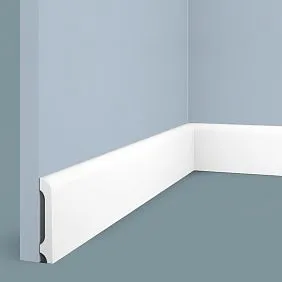
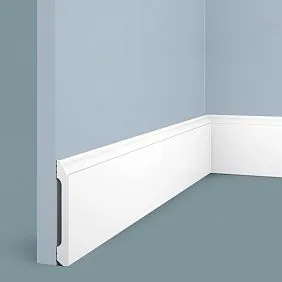
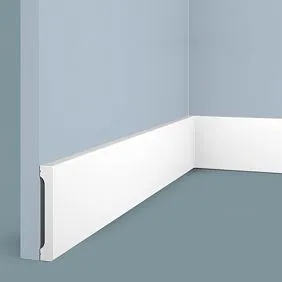
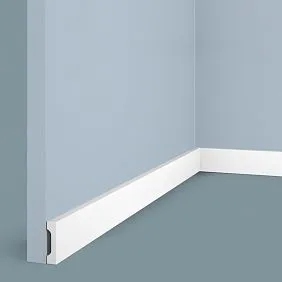
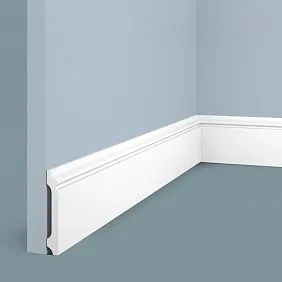
What ties together the fireplace portal, the mirror in a carved frame, and the entire living room interior? A correctly selected Wooden baseboard, which runs along the perimeter of the room, creating a unified stylistic line. The baseboard is not just a functional element covering the joint between the wall and the floor. It is an important architectural detail that sets the rhythm of the space, emphasizes the geometry of the room, and connects disparate decorative elements.
A carved baseboard made of solid oak or beech with a classic profile and decorative overlays becomes a logical continuation of the fireplace portal decor. If the portal features floral ornaments, flutes, reeds, or other carved elements, the baseboard can repeat these motifs in a simplified form. This creates a sense of integrity, thoughtfulness in the interior, and attention to detail.
Height and profile
For a formal living room with a fireplace area, a wide baseboard with a height of 100-120 mm is appropriate. This size allows for the use of an expressive profile with multiple tiers, creating a play of light and shadow. Wide wooden baseboards visually raise the walls, make them more monumental, and create a sense of solidity and quality.
The baseboard profile can be either classic (with beads, coves, shelves) or custom, developed specifically for a particular project. If the fireplace portal has characteristic profiles on the mantel or pilasters, they can be repeated on a smaller scale on the baseboard. This will create a visual dialogue between the elements and enhance the sense of architectural completeness.
Material and finish
Solid oak for the baseboard is a choice that guarantees durability and aesthetics for decades. Oak baseboard is not afraid of mechanical damage, wet cleaning, or temperature fluctuations. Over time, oak wood does not lose its attractiveness; on the contrary, it acquires a noble patina, the shade deepens, and the texture becomes more pronounced.
The finish of the baseboard should harmonize with the finish of the fireplace portal and the mirror frame. If the portal is coated with natural oil or wax that emphasizes the wood grain, the baseboard should have a similar treatment. If the portal is painted white, gray, or another color, the baseboard is painted to match. It is important to use high-quality coatings that are resistant to abrasion and retain their color under light exposure.
Carved overlays on the baseboard are an element that turns a standard product into a work of decorative art. Overlays can be placed in the corners of the room, at wall junctions, above doorways. They repeat the decor of the fireplace portal, creating a unified stylistic canvas. Decor for Molding made of solid wood allows for personalization of the interior, adding a touch of sophistication and aristocracy.
Symmetry and balance
A classic living room interior with a fireplace is built on the principles of symmetry. The fireplace portal is positioned in the center of the wall, the mirror above it is also centered. On either side of the mirror, at equal distances, wall sconces are placed, creating soft side lighting and emphasizing the symmetry of the composition.
Symmetrical wall sconces are not just light sources but also important decorative elements. Their style should correspond to the overall interior concept. For a classic living room with an oak portal, sconces with a wrought metal base (bronze, brass, patinated iron) and fabric or glass shades are suitable. The mounting height for sconces is typically 160-180 cm from floor level, which allows the light to be directed onto the mirror and avoids a blinding effect.
The light from the sconces, reflected in the mirror, doubles, creating the sensation of more light sources. This is especially important in the evening when the fireplace is lit and the main lighting is dimmed. The play of reflections, soft light, and the flicker of flames all create a unique atmosphere of coziness and solemnity simultaneously.
Furniture arrangement
Furniture in a living room with a fireplace is arranged so that the hearth remains the visual center. The classic scheme involves placing a sofa opposite the fireplace at a distance of 2.5-3 meters, two armchairs on the sides at an angle, and a coffee table in the center of the composition. This arrangement creates a conversation area oriented towards the fireplace.
It is important that the furniture does not block the view of the fireplace area from any point in the room. The height of the sofa and armchair backs should not exceed the height of the mantel; otherwise, the portal will appear visually 'cut off.' Upholstery for the furniture is chosen to match the overall color scheme: for a classic interior with an oak portal, noble shades are appropriate—deep green, burgundy, blue, gray-brown, beige.
Color palette and textures
A living room with a fireplace is a space where natural materials and natural colors play a leading role. The solid oak of the fireplace portal sets the main tone: warm honey-golden or cool gray-brown shades. The walls can be painted in light neutral tones (cream, light gray, ivory) or covered with textile wallpaper with a classic pattern (damask, stripes, floral motifs).
The floor in a living room with a fireplace is solid oak parquet, engineered wood, or artistic parquet with classic patterns (herringbone, French herringbone, plank, Versailles). The color of the flooring should harmonize with the color of the fireplace portal and baseboard but does not necessarily have to match exactly. A slight contrast (darker floor and slightly lighter portal, or vice versa) creates depth and volume.
Textiles in the living room—curtains, pillows, furniture upholstery—add softness and coziness to the strict architectural interior. For a classic style, heavy drapery fabrics (velvet, jacquard, chenille) in noble shades are appropriate, possibly with classic tiebacks, tassels, and fringes. The textiles can echo the color of the decorative elements of the fireplace portal or mirror frame, creating additional visual connections.
Decorative accents
In addition to the main elements—fireplace, mirror, baseboard—the living room features additional decorative accents that enhance the overall impression. The mantel can hold candelabras, clocks, vases, small sculptures. It is important not to overload the mantel: 3-5 items, arranged with consideration for symmetry or thoughtful asymmetry, will look harmonious.
Paintings and engravings on the walls complement the interior, creating a cultural context. For a classic living room, works with landscapes, still lifes, portraits in frames that echo the style of the mirror frame above the fireplace are suitable. If the mirror has a gilded Baroque carved frame, the paintings can also be in gilded frames but with a more restrained profile to avoid competing with the main element.
Lighting plays a critical role in the perception of the interior. In addition to wall sconces, the living room should have a central chandelier, possibly floor lamps, and hidden lighting for architectural elements. Lighting the fireplace portal from below or the side creates a dramatic effect, highlighting the carving and wood texture. Lighting the mirror from above or the sides makes it even more expressive and enhances its reflective ability.
Why oak is the optimal choice
Solid oak for the fireplace portal, mirror frame, and baseboard—a choice dictated not only by aesthetic but also practical considerations. What are the advantages of oak over other wood species?
Strength and wear resistance. Oak is a hardwood; its hardness on the Brinell scale is 3.7-4.0 HB. This means that oak products are resistant to mechanical damage, scratches, and dents. For a baseboard, which is exposed to cleaning and furniture movement, this is critically important.
Stability of geometry. Properly dried and processed oak wood reacts minimally to changes in humidity and temperature. This is important for a fireplace portal located near a heat source and for a baseboard that may be subjected to wet cleaning.
Decorative appeal. Oak has a pronounced, large texture with characteristic annual rings and medullary rays. This texture creates a natural pattern that cannot be imitated. Even without additional carved decoration, an oak surface looks noble and expensive.
Durability. Oak contains tannins that make it resistant to rot, fungi, and insect pests. Oak products last for decades, and often centuries, without losing their qualities. This is an investment for the long term.
Patination. Over time, oak acquires a noble patina; its color deepens and becomes richer. This is a natural aging process of the wood that only increases the aesthetic value of the products. An oak portal after 20-30 years will look no worse, but better, than at the time of installation.
Alternatives: beech and ash
In addition to oak, beech and ash are used for making fireplace portals, frames, and baseboards. Beech is a light-toned wood (from pinkish-white to pinkish-brown) with a fine-grained texture. It is strong, easy to work with, and takes well to staining and tinting. Beech products are suitable for interiors that require a light, almost neutral base without a pronounced texture.
Ash is a medium-density wood with a beautiful, expressive texture, similar to oak but lighter and more contrasting. Ash products are suitable for modern interiors that require a combination of naturalness and dynamic pattern. Ash takes well to tinting, allowing for a wide range of shades—from light gray to dark brown.
The choice of wood species depends on the overall interior concept, desired color scheme, and project budget. Oak is the most prestigious and expensive option; beech and ash are more affordable but no less high-quality alternatives.
Stylistic variations
A living room with a fireplace can be designed in various stylistic keys, and each style implies its own features in the design of the fireplace area, the choice of mirror, and baseboard.
Classicism — strict proportions, symmetry, restrained decor. The fireplace portal has a clear architectural structure: two columns or pilasters support a horizontal mantelpiece (entablature). Decor is limited to fluting on the columns, rosettes, meanders, or laurel garlands. A mirror in a strict rectangular frame without excesses, possibly with light gilding. A high baseboard with a classic profile.
Baroque — opulence, dynamism, an abundance of carved decor. The fireplace portal is adorned with floral ornaments, acanthus leaves, cartouches, mascaron, volutes. A mirror in a carved frame with gilding, possibly with asymmetrical elements. The baseboard is also richly decorated and may have overlays with carvings.
Empire — solemnity, monumentality, imperial decor. The fireplace portal is massive, with columns, cornices, friezes with military or antique symbolism (eagles, laurel wreaths, swords, shields). A mirror in a rectangular or arched frame with gilding. A wide, massive baseboard emphasizing the solidity of the interior.
Neoclassicism — a modern interpretation of classical forms, lighter, more concise. The fireplace portal retains a classical structure, but decor is minimized, profiles are simplified. The mirror may be in a frame of modern design but with references to classicism. A medium-height baseboard with clear lines.
Country — coziness, naturalness, rustic charm. A fireplace portal made of roughly processed wood or with an imitation of aging, with no or minimal decor. A mirror in a simple wooden frame, possibly with patination. A medium-height baseboard with a simple profile, made of natural wood without painting or with light tinting.
Provence — French elegance in a rustic execution. A fireplace portal made of light wood (whitewashed oak, beech) with elegant profiles and restrained decor. A mirror in a frame with light patination, possibly with an aging effect. A medium-height baseboard painted white, cream, or gray.
Scandinavian style — minimalism, functionality, natural materials. A fireplace portal of simple shape, made of light wood (ash, light oak), without carved decor. A mirror in a concise frame or without a frame at all (beveled mirror). A medium-height baseboard with a simple profile, painted white or left in its natural color.
Technical aspects of installation
Installing a solid oak fireplace portal, a mirror in a carved frame, and a wooden baseboard requires a professional approach and adherence to technology.
Preparation of the base. The wall on which the fireplace portal is mounted must be perfectly level, strong, and capable of supporting the weight of the structure (the mass of an oak portal can reach 50-80 kg). If the wall is made of drywall, reinforcement with a metal frame or embedded elements is necessary.
Portal installation. The portal is attached to the wall using hidden brackets, anchors, or dowels. It is important to ensure strict verticality and horizontality of all elements; otherwise, even the slightest misalignment will be noticeable. After installing the portal, the hearth itself (electric, bioethanol fireplace, or firebox) is mounted, and utilities (electricity, gas—depending on the type of fireplace) are connected.
Mirror installation. A mirror in a heavy carved frame is attached to the wall using special fasteners (French cleats, hidden hinges). It is important that the attachment points are on a load-bearing wall, not on a drywall partition. The installation height of the mirror is calculated so that there is a gap of 15-25 cm between the top edge of the mantelpiece and the bottom edge of the mirror frame.
Baseboard installation.Wooden baseboardThe baseboard is attached to the wall (not the floor) using screws, nails, or adhesive compounds. Before installation, the baseboard must acclimate to the room's humidity (rest for at least 48 hours). Corner joints are made at a 45-degree angle using a miter box or miter saw. After installation, joints and fastening points are filled, sanded, and coated with a finish matching the main color of the baseboard.
Sconce installation. Wall sconces are placed at a height of 160-180 cm, at a distance of 40-60 cm from the outer edges of the mirror frame. Wiring for the sconces must be laid in advance, concealed in the wall or behind decorative elements. Switches are placed in convenient locations; dimmers may be used to adjust brightness.
Care and Maintenance
Products made from solid oak—a fireplace portal, mirror frame, baseboard—require proper care to preserve their beauty and durability.
Regular cleaning. Dust is removed with a soft, dry cloth or special wood wipes. It is not recommended to use abrasive agents, stiff brushes, or aggressive chemical compounds. For wet cleaning, use a slightly damp soft cloth and special wood care products.
Maintaining humidity. The optimal air humidity in a room with wooden products is 40-60%. If humidity is too low (in winter, with intensive heating), the wood may dry out and crack. If humidity is too high, deformation is possible. The use of humidifiers or dehumidifiers is recommended depending on the season.
Protection from overheating. Although oak is resistant to temperature effects, prolonged overheating of the fireplace portal should be avoided. When using an electric or bioethanol fireplace, the heat flow should not directly hit the wooden elements. When using a wood-burning fireplace or firebox, fire safety standards must be observed, ensuring thermal insulation and an air gap between the firebox and the wooden portal.
Refinishing the coating. Over time, the protective coating (varnish, oil, wax) may wear out and lose its shine. It is recommended to periodically (every 3-5 years) refresh the coating: clean the surface, lightly sand with fine sandpaper, and apply a fresh layer of oil, wax, or varnish. This restores protective properties and refreshes the appearance.
Mirror care. The mirror surface is cleaned with special glass cleaners, avoiding moisture getting on the wooden frame. The carved frame is wiped with a dry, soft brush or cloth to remove dust from the recesses of the carving.
Psychology of Space
Why is a living room with a fireplace perceived as a special, cozy, prestigious space? It's not just about the material components—wood, mirror, carving—but also about the psychology of perception.
A fireplace is an archetypal symbol of home, hearth, and family warmth. Even if it's an electric fireplace with a flame imitation, the very form of the portal and the presence of 'fire' activate deep layers of the psyche associated with safety, security, and belonging to a lineage. A fireplace gathers people around it, creating a zone of comfort and confidential communication.
A mirror doubles the space, creating an illusion of depth. From a psychological perspective, a mirror expands boundaries, giving a sense of freedom, spaciousness, and possibilities. A mirror above a fireplace reflects fire, light, and movement—it is a dynamic, living element that prevents the interior from becoming static.
Natural wood—solid oak, beech—carries the energy of nature, a connection to the earth, roots, and traditions. Touching the warm, living surface of wood calms, reduces stress, and creates a sense of harmony. The texture of wood, its grain, is a natural, organic pattern that is subconsciously perceived as harmonious and pleasant, unlike artificial materials.
Carved decor is a symbol of craftsmanship, labor, and time invested in creating beauty. In an era of mass production and stamped items, hand-carved decor becomes a sign of individuality, uniqueness, and high status. It is not just an ornament, but evidence of the owner's taste, culture, and prosperity.
Project Economics
How much does it cost to create a dream living room with a fireplace, a mirror in a carved frame, and a wooden baseboard? The budget depends on many factors: room size, complexity of decor, wood species, type of fireplace, region of production and installation.
A handcrafted solid oak fireplace portal with medium-complexity carved decor for a standard-sized fireplace will cost 150,000 – 300,000 rubles. If the portal is made to a custom design with unique carving and the use of rare wood species, the cost can reach 500,000 – 1,000,000 rubles and above.
A mirror in a carved frame measuring 120×80 cm made of solid oak or beech with gilding costs 30,000 – 80,000 rubles depending on the complexity of the carving and the quality of the gilding. A custom mirror with a unique frame design can cost 100,000 – 200,000 rubles.
A wooden baseboard made of solid oak with a height of 100-120 mm for a living room with an area of 30 m² (perimeter about 22-25 meters) will cost 30,000 – 60,000 rubles including material, delivery, and installation. If carved overlays are used, the cost increases by 10,000 – 30,000 rubles.
A quality electric or bioethanol fireplace costs 50,000 – 150,000 rubles. A wood-burning firebox with a flue system—from 200,000 rubles.
Classic design wall sconces—10,000 – 30,000 rubles per pair.
Installation work (installing the portal, mirror, baseboard, lighting fixtures, connecting the fireplace)—50,000 – 100,000 rubles.
In total, creating a living room with a full-fledged fireplace zone, mirror, and wooden baseboard will cost 320,000 – 600,000 rubles for a mid-level project and from 800,000 rubles for a premium option with unique elements.
This is an investment in long-term aesthetics, comfort, and status. A properly designed and executed fireplace zone serves for decades without losing relevance and significantly increases the value of the property.
Frequently asked questions
Can a solid oak fireplace portal be installed in an apartment?
Yes, it can. Modern electric and bioethanol fireplaces do not require a chimney and can be installed in apartments of multi-story buildings. The wooden portal is mounted on the wall, and an electric or bioethanol firebox is installed inside. It is important to coordinate the installation with the management company if additional electrical wiring is required or if mounting on a load-bearing wall is needed.
Is wooden framing safe for a fireplace?
When technology and safety standards are followed—absolutely safe. For electric fireplaces, there is no open flame, and the heating temperature is minimal. For bioethanol fireplaces, the flame is inside the firebox, and the heat flow does not reach the wooden portal. For wood-burning fireplaces, a double construction is used: a metal firebox with insulation and an air gap, then a decorative wooden portal. The wood is additionally treated with fire-retardant compounds.
What baseboard height is optimal for a living room with a fireplace?
For a formal living room, a wide baseboard with a height of 100-120 mm is recommended. It visually raises the walls, emphasizes the status of the interior, and harmonizes with a massive fireplace portal. If the ceiling height is standard (2.6-2.8 m), a baseboard of 80-100 mm can be used. In rooms with ceilings above 3 meters, a baseboard of 120-150 mm is appropriate.
Is special lighting needed for the mirror above the fireplace?
Yes, preferably. Wall sconces on either side of the mirror serve two functions: they illuminate the fireplace area in the evening and emphasize the symmetry of the composition. The light, reflecting in the mirror, creates additional volume and depth. Concealed lighting at the top or bottom of the mirror frame can also be used to create a dramatic effect.
How to combine a wooden baseboard with other interior elements?
Wooden Skirting BoardsBaseboards should harmonize in color and style with the fireplace portal, door trims, window slopes, and furniture. If several wood species or shades are used in the interior, it is important that they combine with each other (cool with cool, warm with warm). The baseboard can be a shade lighter or darker than the flooring but should not contrast sharply.
Can the color of a wooden portal and baseboard be changed?
Yes, solid wood can be repainted, tinted, or patinated. If the initial finish is oil or wax, it is removed by sanding, then a new finish of the desired shade is applied. If the finish is varnish, the process is more complex: complete removal of the old varnish, sanding, priming, painting, and varnishing are required. This work is best entrusted to professionals.
How long does it take to manufacture a custom fireplace portal?
Manufacturing a solid oak fireplace portal with carved decor takes from 4 to 8 weeks depending on complexity. This includes: project preparation and drawings (1-2 weeks), wood selection and preparation (1 week), manufacturing of main elements (2-3 weeks), carving and decoration (1-2 weeks), finishing and coating (1 week), drying and packaging (a few days). Delivery and installation time is added to this.
Does carved decor require special care?
Carved decor requires slightly more thorough care than smooth surfaces, as dust accumulates in the recesses of the carving. Soft brushes, special cloths, and compressed air (cans for blowing) are used for cleaning. Wet cleaning of the carving is not recommended, as water can accumulate in the recesses and cause the wood to darken. Once a year, the finish can be refreshed with special wood care products.
Can oak be combined with other wood species?
Yes, combining wood species is a common technique. For example, the main elements of the portal are made of oak, while the carved overlays are made of linden or beech, which are better suited for fine carving. After staining and coating, the difference in wood species is not visible, but the quality of the carving is improved. Oak can also be combined with exotic wood species to create contrasting inlays.
Does having a fireplace affect property value?
Yes, and significantly. A living room with a fireplace, especially one with a solid oak portal, a carved mirror, and quality decor, enhances the status of an apartment or house, making it more attractive to buyers. According to real estate agents, having a fireplace increases property value by 5-15%, depending on the level of craftsmanship.
Conclusion: Time to trust the professionals
Creating a harmonious living room interior with a fireplace area, a mirror in a carved frame, and a wooden baseboard is a task that requires a professional approach at all stages: from design to installation. Here, not only the selection of quality materials is important, but also an understanding of architectural proportions, stylistic unity, and woodworking technology.
STAVROS Company is a recognized leader in the production of solid wood interior products. With over twenty years of experience, STAVROS offers the widest range ofdecorative moldings, baseboards, frames, fireplace portals, and decorative elements made of oak, beech, ash, and other valuable wood species.
STAVROS works with both standard products presented in the catalog and custom orders based on client sketches. Its own production facility, equipped with modern machinery and staffed by experienced craftsmen, allows for the implementation of projects of any complexity—from small decorative elements to full-scale fireplace portals with unique carvings.
The quality of STAVROS products is confirmed by compliance certificates, positive reviews from thousands of clients, and completed projects in private homes, apartments, hotels, restaurants, and public buildings across Russia and abroad. The company provides a full range of services: designer consultation, project development, manufacturing, delivery, and installation.
carved appliqués, corner elements, central rosettes, and other decorative details from STAVROS allow for personalizing the interior, adding a touch of exclusivity and artistry. The ability to manufacture elements to custom sizes and designs makes each project unique.
By turning to STAVROS, you receive not just materials, but a comprehensive solution for creating your dream interior. A professional team will assist at every stage: selecting optimal materials, developing a design project, manufacturing products on time, and performing installation in strict accordance with technology.
A living room with a fireplace, a mirror in a carved frame, and a solid wood baseboard is not just an interior. It is a space filled with warmth, beauty, history, and meaning. It is a place where families gather, where dear guests are welcomed, where memories are created. It is an investment in quality of life, in the aesthetics of everyday life, in values that do not lose relevance over time.
Entrust the creation of your dream living room to the professionals at STAVROS—and the result will exceed expectations.