Article Contents:
- Psychology of Unique Space: When walls speak
- Reflection of Inner World in the Architecture of Everyday Life
- Space as a Tool for Self-Expression
- Architectural Solutions: When Standards Become Constraints
- Re-evaluating the Functionality of Space
- Materials as Carriers of Energy
- Decorative Elements: The Art of Details in Creating Uniqueness
- Cornices and Moldings: Classicism in Modern Interpretation
- Rails and Planks: Geometry of Modernity
- Furniture as the Foundation of Individual Style
- Philosophy of Choice: Between Functionality and Aesthetics
- Color Harmony in Furniture
- Lighting: Direction of Lighting Scenarios
- Layering as a Principle
- Art of Zoning: Functional Uniqueness
- Zoning: The Art of Creating Spaces Within Space
- Visual Separation Without Physical Barriers
- Acoustic Zoning
- Modern Technologies in Creating a Smart Interior
- Integration of Technologies into Daily Life
- Ecological and energy efficiency
- Personalization Through Collections and Hobbies
- Collections as the Foundation of Concept
- Hobbies as a Source of Inspiration
- Details that create atmosphere
- Textiles as a Tool for Transformation
- Scents and Sounds of Space
- The Future of Unique Design: Trends and Forecasts
- Individualization as Mainstream
- Sustainable development in design
- Psychology of Color in Unique Interiors
- Emotional Impact of Color Choices
- Cultural and personal associations
- Interior as an investment in quality of life
- Long-term value of unique design
- Adaptability and development
- Role of professionals in creating uniqueness
- Collaboration with Designers and Architects
- Value of quality execution
- Mistakes in creating a unique interior and how to avoid them
- Typical misconceptions and their consequences
- Budget mistakes and their prevention
- Conclusion: the path to creating your dream space
- Frequently Asked Questions
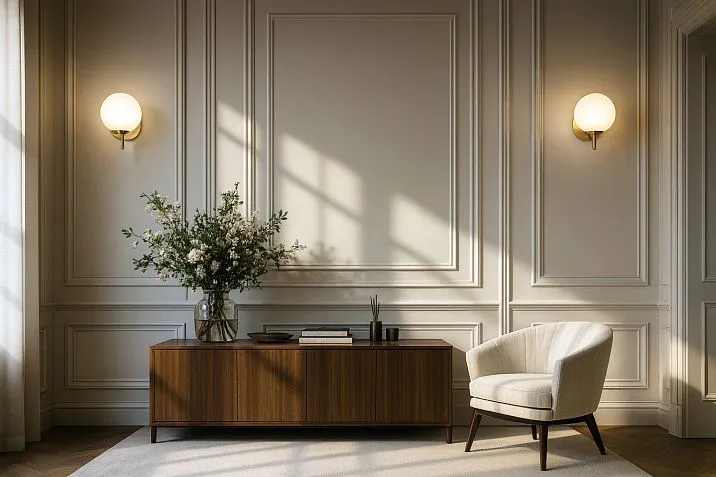
Imagine the moment when you step through the threshold of your home and realize: this is exactly the place where you want to stay forever. What creates such a feeling? Expensive materials? Fashion trends? No — magic arises when space becomes an extension of your personality, when every detail tells a story. This is precisely the approach underlying the creation of a truly unique home, where Interior project unique interior it becomes a living work of art.
In a world overflowing with standard solutions and conventional approaches, creating a truly individual space becomes an act of creative resistance. This is not merely furnishing rooms — it is a process of self-discovery expressed through the architecture of feelings and emotions.




Psychology of unique space: when walls speak




Reflection of inner world in the architecture of everyday life
Why some interiors resonate deeply with the soul, while others leave us indifferent? The secret lies in the space’s ability to resonate with a person’s inner world. Unique Interiors They are not born from following fashion trends, but from a deep understanding of one’s own needs, habits, and dreams.
Each element of the interior should have its own reason for existence. Not because it is customary or looks good in a magazine, but because it fulfills a specific need, evokes certain emotions, and creates the desired atmosphere. This could be a cozy chair by the window for morning contemplation, bookshelves filled with favorite books, or a workspace tuned for maximum productivity.
Psychological comfort begins with color palette. There are no universally "right" colors — there are shades that resonate specifically with your soul. Some find tranquility in a calm beige-gray palette, while others require bright, saturated tones to maintain energy and mood.
Our factory also produces:



Space as a tool of self-expression
Modern approach to home decoration implies creating a multifunctional space capable of transforming according to the needs of the moment. A living room can become an art gallery for showcasing a collection, a home cinema for family movie nights, a meditation space, or a creative workshop.
Unique Interior Designs Often involve non-standard layout solutions. Open spaces without clear boundaries between zones, hidden rooms, multi-level structures — all of this allows creating a truly individual living environment.
Lighting plays an important role as a tool for creating atmosphere. Different lighting scenarios can dramatically change the perception of the same space. Soft diffused light for relaxation, bright directional lighting for work, decorative accent lighting — each mode serves a specific purpose.
Get Consultation
Architectural solutions: when standards become limitations
Reconsidering the functionality of space
Traditional division of home into rooms with clearly defined functions is gradually becoming obsolete. Modern design philosophy implies creating flexible, transformable spaces capable of adapting to changing residents’ needs.
Unique Home Interior May include unexpected solutions such as a library in the bathroom, a workspace in the kitchen, a loft bedroom with open access to the starry sky through a glass ceiling. The main rule — functionality must serve the convenience and comfort of a specific individual, not general norms.
Layout features can become a source of inspiration, not an obstacle. Low ceilings transform into cozy nests, non-standard room geometry becomes the basis for creating original niches and secluded corners, while limited area forces us to seek creative solutions for space optimization.
Materials as carriers of energy
Choice of finishing materials affects not only the appearance of the space, but also its energy, atmosphere, even the well-being of its occupants. Natural wood brings warmth and connection to nature, stone creates a sense of reliability and solidity, metal adds modernity and technological sophistication.
where to buy decor high-quality — an issue that concerns many. It is important to understand that decorative elements should not merely adorn the space, but harmoniously integrate into the overall concept. Every detail — from wall decoration to flooring — must contribute to creating a unified image.
Textures play no less important a role than color. The combination of smooth and rough surfaces, soft and hard materials creates tactile diversity, making the space more interesting and lively. Rough brick can coexist with delicate silk, polished metal — with untreated wood.
Decorative Elements: The Art of Details in Creating Uniqueness
Moldings and Cornices: Classicism in a Modern Interpretation
Decorative finishing can radically change the perception of space, adding nobility, elegance, or conversely, modern minimalism. where to buy moldings of quality execution — an issue of fundamental importance, since it is precisely the details that create the final impression of the interior.
Modern technologies allow creating decorative elements from various materials, each of which has its own advantages. Polyurethane moldings are easy to install and feature high detail, gypsum items preserve classical craftsmanship traditions, wooden elements bring natural warmth.
where to buy moldings for decoration of walls and ceilings — a task requiring careful attention. Moldings can serve not only decorative purposes but also practical functions: concealing joints between different materials, creating visual zoning, correcting room proportions.
Racks and Planks: The Geometry of Modernity
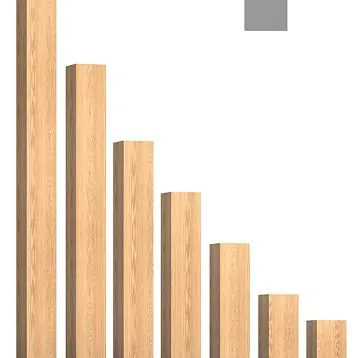
Decorative racks have become one of the most popular trends in recent years. They allow creating dynamic compositions, playing with light and shadow, visually altering the geometry of space. Where to Buy Decorative Planks of various sizes and profiles — an issue relevant to many modern projects.
Racks can be arranged horizontally, creating an effect of space expansion, vertically — visually raising ceilings, or at an angle — adding dynamism to a static composition. They are ideal for zoning open spaces, creating accent walls, and decorating ceilings.
The material of the racks affects the overall perception of the interior. Wooden racks bring naturalness and warmth, metallic ones — modernity and technology, composite ones — practicality and durability. The ability to paint in any color makes racks a universal decorative tool.
Furniture as the Foundation of Individual Style
Philosophy of Choice: Between Functionality and Aesthetics
Furniture in a unique interior should not be merely functional, but also emotionally significant. Each piece of furniture tells a story — about travels, hobbies, the owner’s life priorities. What new-generation furniture is made of — a question customers must receive comprehensive answers to. Eco-friendliness, durability, ease of care — specific advantages speak louder than abstract 'innovation'. high-quality — an issue that affects the longevity and ecological safety of the entire living space.
Modern trends lean toward custom-made furniture, allowing for consideration of all individual needs and characteristics of a specific space. Built-in storage systems, transformable furniture, multifunctional items — all of this helps maximize space efficiency and create a comfortable living environment.
Unique interior items can become central elements of composition, around which the entire design concept is built. This may be an antique chest inherited from the past, a designer chair by a renowned master, or a bookshelf of unusual shape created by one’s own hands.
Color Harmony in Furniture
The color solution for furniture should harmonize with the overall interior concept, but does not necessarily have to be monotonous. Contrasting accents can enliven the space, making it more dynamic and interesting. It is important to maintain a balance between calm base tones and bright accents.
Natural wood tones always remain relevant, as they create a sense of warmth and coziness. Different types of wood have their own unique texture and color, allowing for rich, multi-layered compositions even within a natural color palette.
Lighting: The Direction of Lighting Scenarios
Layering as a Principle
Thoughtful lighting can radically change the perception of the interior, creating different moods depending on the time of day and the needs of the moment. A modern approach implies creating several lighting scenarios, each serving a specific purpose.
General lighting ensures basic visibility and even distribution of light throughout the room. Task lighting focuses on areas of active activity — over kitchen countertops, work desks, reading zones. Decorative lighting creates an atmosphere, highlights architectural features, and emphasizes works of art.
Lighting control should be intuitive and convenient. Modern "smart home" systems allow creating and saving various lighting scenarios, automatically adjusting lighting intensity according to the time of day, integrating artificial lighting with natural lighting.
Natural light as the foundation
Maximizing the use of natural lighting — the foundation of a healthy and comfortable living space. The size and placement of windows, their orientation relative to the cardinal directions, presence of balconies and terraces — all of this affects the lighting regime of the room and should be considered during planning.
Curtains, blinds, and other means of regulating natural lighting should provide flexibility in controlling the light flow. In some cases, complete darkness may be required (home theater, bedroom), while in others — maximum light penetration (work zones, children’s rooms).
Zoning: the art of creating spaces within space
Visual separation without physical barriers
Unique apartment interior Often involves abandoning traditional walls in favor of more flexible zoning methods. Different floor levels, ceiling structures, furniture groupings, lighting, color schemes — all of these can serve as tools for creating distinct functional zones.
Zoning with furniture allows for easy configuration changes as needed. Shelving, screens, movable partitions create privacy without sacrificing light and air. This approach is especially relevant for small apartments, where every square meter must be used as efficiently as possible.
Color zoning — a subtle tool that allows for creating psychological boundaries between different functional zones. Different shades of one color, contrasting accents, interplay of warm and cool tones help structure space on a visual level.
Acoustic zoning
In open floor plans, acoustic comfort becomes especially important. Different zones must be able to function independently without interfering with each other. Soft materials, carpets, textiles, and special acoustic panels help control sound propagation.
The layout should consider the acoustic characteristics of different zones. Quiet zones (bedroom, office) are better placed farther from noisy areas (kitchen, children’s play area). Buffer zones — hallways, closets, technical rooms — can serve as natural sound barriers.
Modern technologies in creating smart interiors
Integration of technology into everyday life
A modern, unique interior is unthinkable without integrating advanced technologies that make life more comfortable, secure, and economical. 'Smart home' is not just a trendy trend, but a real tool for improving quality of life.
Climate control systems ensure optimal temperature and humidity in each room zone. Automated lighting adapts to the residents' daily rhythms and natural light changes. Security systems are integrated into the overall interior concept, remaining practically invisible.
Multimedia systems allow enjoying favorite music, movies, podcasts from any point in the home. Built-in speakers, hidden wiring, wireless technologies make entertainment systems part of the space’s architecture.
Ecological safety and energy efficiency
A modern approach to creating a unique interior necessarily includes principles of eco-friendliness and energy efficiency. Using natural, renewable materials, energy-saving technologies, air and water recycling systems is no longer just a fashionable trend, but an ethical necessity.
Solar panels, rainwater collection systems, geothermal heating — these technologies are gradually becoming accessible for private use. Their integration into interior design requires a special approach, but the result justifies the effort: the home becomes not only beautiful, but also environmentally responsible.
Personalization through collections and hobbies
Collections as the basis of the concept
Personal collections can become a central element of a unique interior, defining its character and atmosphere. Whether it’s a collection of vintage vinyl records, contemporary art, rare books, or unique folk art pieces — all of this can serve as the foundation for creating a truly individual space.
Proper presentation of a collection requires a thoughtful approach to lighting, placement, and preservation of items. Specifically designed niches, display cases, shelves not only protect valuable items but also transform them into elements of interior composition.
The collection should organically integrate into living space, not turning it into a museum. The balance between display and functionality is the key principle for successfully integrating collectible items into everyday life.
Hobbies as a source of inspiration
The owner’s hobbies can become an inexhaustible source of ideas for creating a unique interior. A woodworking workshop at home, a wine cellar for connoisseurs, a library for book lovers, an art studio for creative souls — all these are examples of how hobbies can define the character and functionality of living space.
materials for furniture maker and other professional tools may require special storage and placement. A well-designed workspace not only ensures comfort during favorite activities but also becomes an important element of interior composition.
Details that create atmosphere
Textiles as a transformation tool
Textile elements possess an amazing ability to radically change the perception of space. Curtains, upholstery, rugs, cushions, blankets — all of these elements can be easily replaced, allowing for periodic interior updates without major renovations.
The texture of fabrics plays no less important a role than their color and pattern. Coarse linen creates a sense of naturalness and closeness to nature, silk brings luxury and elegance, cotton ensures comfort and practicality, wool adds warmth and coziness.
Seasonal changes in textile decor allow maintaining a fresh perception of the interior. Light, transparent fabrics in summer, dense warm materials in winter, bright spring accents, calm autumn tones — such cyclicity makes the home alive and ever-changing.
Scents and sounds of space
A unique interior affects all senses, not just vision. The aromatic component of space is created using natural materials (wood of different species has its own characteristic scent), live plants, high-quality aromatic candles or diffusers.
The acoustic environment also requires attention. The sound of water in a room fountain, the ticking of mechanical clocks, the rustling of leaves of indoor plants — all these natural sounds create a lively atmosphere in the home. Quality sound insulation allows controlling external noise penetration, creating an oasis of calm in urban bustle.
The Future of Unique Design: Trends and Forecasts
Individualization as Mainstream
Mass production of furniture and decor is gradually giving way to personalized solutions. Technologies such as 3D printing, CNC milling, and laser cutting make individual manufacturing increasingly accessible. This opens up limitless possibilities for creating truly unique interior items.
Virtual and augmented reality are revolutionizing the interior design process. The ability to "try on" different design options before starting renovation significantly reduces risks and allows for more accurate realization of the envisioned concept.
Biomorphic design, imitating natural forms and processes, is becoming increasingly popular. Furniture resembling tree contours, lighting fixtures resembling flowers or coral, walls with organic curves — all are examples of how nature inspires creators of unique interiors.
Sustainable Development in Design
Ecological responsibility is becoming an indispensable part of modern design. Using recycled materials, energy-efficient technologies, and principles of circular economy in creating interiors — this is not just a trend, but a necessity.
Modularity and transformability allow interior solutions to extend their lifespan. Furniture that can be easily disassembled, reconfigured, or supplemented with new elements adheres to principles of sustainable development and economic efficiency.
Psychology of Color in Unique Interiors
Emotional Impact of Color Solutions
Color has a powerful psychological impact, capable of influencing mood, productivity, and overall well-being. When creating a unique interior, it is important to consider not only aesthetic preferences but also psychophysical characteristics of color perception.
Warm tones (red, orange, yellow) stimulate activity, create a sense of coziness and closeness, but in large quantities may cause restlessness and fatigue. Cool tones (blue, green, purple) promote relaxation and concentration, but an excess of cool tones may create a sense of detachment.
Neutral colors (white, gray, beige) serve as an ideal backdrop for vibrant accents and allow easy modification of the interior’s color concept through textiles and decor. They create a sense of spaciousness and cleanliness, but require the addition of contrasting elements to avoid monotony.
Cultural and Personal Associations
Perception of color is largely determined by cultural context and personal experience. What symbolizes joy and prosperity in one culture may be associated with mourning or misfortune in another. When creating an interior, it is important to consider these nuances, especially in multicultural families.
Personal associations with certain colors are often linked to significant life events. The color of one’s first car, the dress worn at a graduation party, a favorite flower — all of these can become a source of inspiration for interior color solutions, making the space truly personal and meaningful.
Interior as an Investment in Quality of Life
Long-Term Value of Unique Design
Creating a unique interior is an investment not only in beauty and comfort, but also in the long-term value of real estate. A well-executed, thoughtfully designed interior does not become outdated over time, but rather gains additional value as a work of art.
Using high-quality materials and professional craftsmanship ensures the longevity of interior solutions. Initial costs are offset by the absence of frequent repairs and updates. Moreover, a unique design can become a competitive advantage when selling or renting real estate.
The emotional value of a unique interior is immeasurable. A home created with love and attention to detail becomes a source of inspiration, a place of power, a space for creativity and self-development. This impacts the quality of family life, relationships among its members, and overall sense of happiness and harmony.
Adaptability and Development
A unique interior must have the ability to evolve alongside changes in its inhabitants’ lives. The birth of children, a change in profession, the emergence of new hobbies — all of these may require adjustments to interior solutions. The flexibility built into the design phase allows easy adaptation of the space to new needs.
Modular storage systems, transformable furniture, neutral finishes with the option to add vibrant accents — all are examples of adaptive design. This approach allows maintaining the core concept of the interior while making necessary changes without major renovations.
The Role of Professionals in Creating Uniqueness
Cooperation with designers and architects
Creating a truly unique interior is a complex task requiring not only creativity but also deep knowledge in ergonomics, construction technologies, and psychology of spatial perception. Professional designers and architects possess the necessary competencies to realize the boldest ideas.
It is important to find a specialist who does not impose their own style but helps identify and realize the client’s individual preferences. A good designer is not only an artist but also a psychologist capable of understanding a person’s deeper needs and dreams, translating them into the language of architecture and design.
The process of creating a unique interior must be based on trust and open dialogue between the client and the executor. Only in an atmosphere of mutual understanding can a space be created that truly reflects the personality of the owner.
The Significance of Quality Execution
The most brilliant idea can be ruined by poor execution. Choosing reliable contractors, using proven materials and technologies, strict quality control at every stage of work — all of this is critically important for successful project implementation.
Details of execution often determine the overall impression of the interior. Even seams, quality paintwork, precise fitting of elements — these seemingly minor details create a sense of perfection and completion. Cutting corners on quality inevitably leads to disappointment and additional costs in the future.
Errors in creating a unique interior and how to avoid them
Typical misconceptions and their consequences
One of the most common mistakes is attempting to create uniqueness by using as many bright, unusual elements as possible. The result is a chaotic space lacking harmony and comfort. True uniqueness lies in a well-thought-out concept, not in the quantity of extravagant details.
Following fashion trends at the expense of personal preferences is another common mistake. Fashion in interior design is fleeting, and you will live in the space for a long time. It is better to create an interior that you personally like, rather than chasing fleeting trends.
Undervaluing functional needs for the sake of aesthetics can significantly reduce living comfort. A beautiful but impractical interior will quickly become annoying and require renovation. The balance between beauty and comfort is the foundation of successful design.
Budget-related errors and their prevention
Incorrect budget planning may lead to cutting costs on important interior elements. It is better to initially define priorities and allocate more funds to key elements (quality furniture, good finishes) rather than trying to save money on everything simultaneously.
Ignoring hidden expenses is another financial trap. Delivery, installation, additional materials, and unforeseen work can significantly increase the initial estimate. It is reasonable to set aside a reserve of 15-20% of the main budget for unexpected expenses.
Conclusion: the path to creating your dream space
Creation interior project unique interior — it is a journey toward oneself, a process of materializing a dream into real space. It is an opportunity to create an environment that will support, inspire, and provide energy for new achievements.
Every decision during the creation of a unique interior should be made consciously, with an understanding of how it will affect daily life. Beauty for beauty’s sake quickly loses its appeal, while functionality without soul creates an empty, cold space. True perfection is achieved through the balance of aesthetics, comfort, and personal meaning.
For many years, STAVROS has helped people realize their dreams of a perfect home. Rich experience, deep knowledge of traditions and modern technologies, and understanding of client needs enable the creation of truly unique interior solutions. STAVROS’s portfolio includes projects of varying complexity and style, united by a common principle: every space must be an irreplaceable reflection of its owner’s personality.
Creating a unique interior is not a luxury reserved for the chosen few, but a right for every person to have a comfortable, beautiful, meaningful living environment. Modern technologies, diverse materials, and solutions make this right increasingly accessible. The key is not to fear being yourself, to trust your instincts, and not to stop at what has been achieved, because a home, like its inhabitants, must grow and develop.
Frequently asked questions
How long does it take to create a unique interior?
The timeline depends on the project’s complexity, room size, and depth of changes. Design development may take 2 to 6 months, implementation — from 3 months to a year. It is important not to rush and allocate sufficient time for each stage.
Can a unique interior be created with a limited budget?
Absolutely. Uniqueness does not always require significant financial investment. A creative approach, using unconventional materials, making some elements yourself, and proper planning can help create an irreplaceable space even with a modest budget.
How often should a unique interior be updated?
A well-executed unique interior does not require frequent radical changes. It is sufficient to periodically update textiles, decorative elements, and add new accents. The basic concept can remain unchanged for decades.
Should one follow fashion trends in design?
Trends can serve as a source of inspiration, but should not define the concept of a unique interior. It is better to create a space reflecting your personal preferences, occasionally supplementing it with current elements.
How to know if an interior is truly unique?
A unique interior is easily recognizable by several signs: it reflects the owner’s personality, there are no two identical elements by chance, every detail has its own story and meaning, and the space evokes an emotional response from everyone who is in it.