












































































Article Contents:
- Theme of 'old house with history' even in a modern apartment
- Against the facelessness of new buildings
- Psychology of materials with history
- Vintage as a lifestyle
- Aging technique for baseboards and frames: brushing, patina, micro-chips
- Brushing: revealing the texture of time
- Patination: applying the patina of time
- Mechanical aging: micro-chips, scratches, wormholes
- Mirrors with a light 'rust' effect and darkened edges: antique amalgam
- What is antique amalgam
- Degrees of mirror aging
- Combining aged mirror and frame
- Combination of textures: matte wood + uneven mirror surface
- Matte finish of wood after patination
- Unevenness of the mirror surface
- Play of light on uneven surfaces
- Correct amount of aged elements: balance between vintage and attic
- Principle of accents
- Zoning by degree of aging
- The Three-Element Rule
- Where the effect is especially good: stair flights, corridors, libraries, studies
- Stair flights: a journey through time
- Corridors: galleries of time
- Libraries: temples of knowledge and time
- Studies: solidity and status
- Where aged elements do NOT work
- Lighting: warm soft light, no cold white backlight
- Why cold light doesn't work
- Warm light: gold and bronze
- Types of warm light sources
- Light direction
- Frequently Asked Questions
- Conclusion: when the new acquires a soul
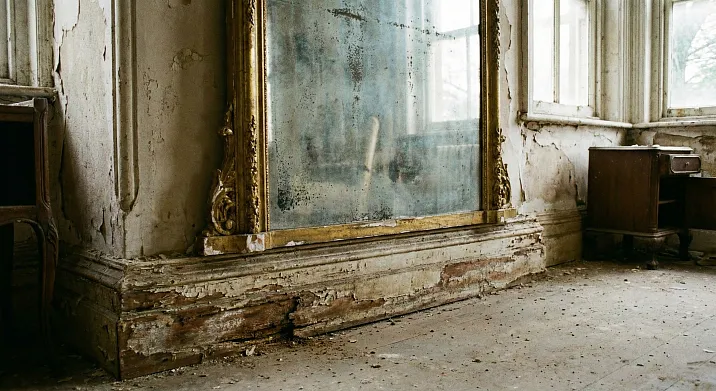
Old houses hold stories. Wooden staircases climbed by generations, baseboards worn by time and touch, mirrors whose amalgam has darkened, creating hazy spots at the edges. This patina of time cannot be fully replicated, but an illusion can be created—so convincing that even in a modern apartment, the feeling of an old mansion with character, memory, and soul emerges.
Aged baseboardswith brushing and patina,mirror frameswith micro-cracks and darkened corners, mirrors with antique-amalgam effect—these elements create not a vintage decoration, but an atmosphere of authenticity. Enter such a space—and you feel: time has been here, people have lived here, history has accumulated here. Even if the house is only five years old.
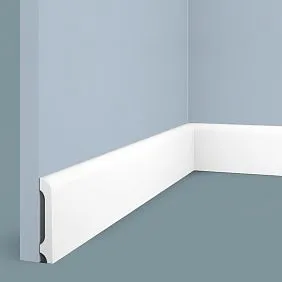
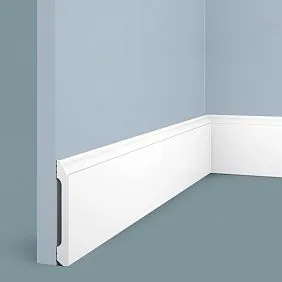
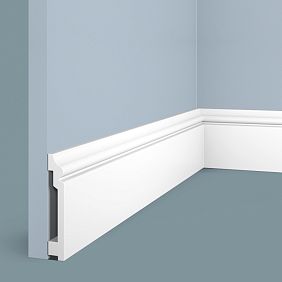
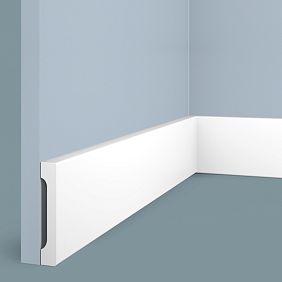
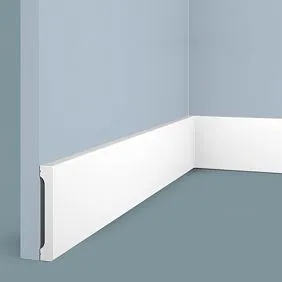
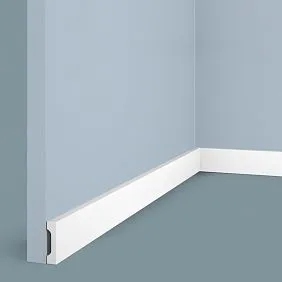
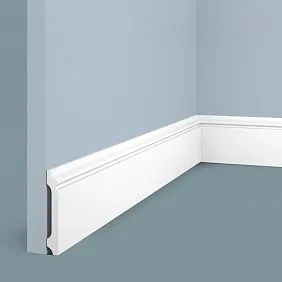

The theme of "an old house with history" even in a modern apartment
Why create the feeling of an old house in a new building? Isn't that a contradiction, a falsity? No, if you understand that it's not about literal imitation of antiquity, but about creating an atmosphere opposite to the sterility of modern housing.




Against the facelessness of new buildings
Modern apartments are often faceless. White walls, gray laminate, plastic baseboards, mirrors in standard aluminum frames. Functional, practical, but stuffy. No character, no history, no feeling that life is here, not a hotel room.
Aged wooden elements bring liveliness, individuality. A baseboard with patina and wear is not just a functional detail covering the wall-floor joint. It's an element with character, with a visual biography. A mirror with darkened edges is not just a reflective surface, but an object that seems to have seen much, preserving reflections of the past.
Our factory also produces:


Psychology of materials with history
People are intuitively drawn to things that bear traces of time. New furniture is flawless but cold. Old furniture with scratches, wear, patina—is warm, it tells stories. The same applies to wooden interior elements.
Brushed baseboardwith a relief texture, where soft wood fibers are removed and hard annual rings protrude—this is a tactile object you want to touch. A smooth new baseboard doesn't evoke such emotions. A mirror with hazy amalgam spots creates mystery, depth—unlike a perfectly transparent new mirror.
Get Consultation
Vintage as a lifestyle
Vintage aestheticsis not a fashion, but a worldview. Valuing things that last long, that can be passed to future generations. Opposition to disposability, mass production, faceless consumer goods.
Creating an old-house atmosphere in a modern apartment, you're not faking antiquity. You're creating a visual metaphor: my home is not temporary housing, but a place with roots, memory, value. Even if physically the house is five years old, visually it has history, character, soul.
Techniques for aging baseboards and frames: brushing, patina, micro-chips
Aging wood is not random damage application, but a thoughtful process imitating natural wear. Real old wood wears predictably: more in contact areas (corners, edges), less in protected zones.
Brushing: revealing the texture of time
Brushing(from English brush) — mechanical wood treatment with metal brushes that remove soft earlywood fibers, leaving hard latewood fibers. Result — a relief surface where annual rings protrude, creating tactile and visual texture.
Brushing process:
Wood (oak, larch, ash — species with pronounced annual rings) is treated with a stiff metal brush along the grain. Soft light areas between annual rings are removed, hard dark rings remain. Relief depth — 1–3 mm, enough for visual and tactile effect, but not enough to weaken the structure.
After brushing, wood is sanded with a soft brush (polymer, nylon) to remove burrs, dust. The surface becomes smooth to touch but visually relief.
Brushing effect:
Brushed wood looks like an old board that lay outdoors for decades: rains washed away soft fibers, leaving hard structure. This is not rough, damaged wood—it's nobly aged, with emphasized natural texture.
Baseboard made ofbrushed oakvisually differs from a smooth modern baseboard: it has depth, interplay of light and shadow, and relief. Mirror frames made of brushed wood are tactilely pleasing, making you want to run your hand over them and feel the texture.
Patination: applying the patina of time
Patinais a dark coating that forms on wood, metal, or stone over time. On wood, patina arises from oxidation, accumulation of dirt in the texture's recesses, and exposure to light and air.
Artificial patination:
A dark stain (gray, brown, black) or a special patinating compound is applied to the brushed wood. The compound absorbs deeper into the texture recesses (the soft fibers selected during brushing) and less on the protrusions (the hard annual rings).
After a few minutes, excess stain is wiped off with a rag. The recesses remain dark, the protrusions light. This creates contrast, depth, and emphasizes the relief. The wood looks as if it has been repeatedly coated with varnish or oil, on which dust and dirt have settled—a natural aging process.
Multi-layer patination:
A more complex technique: the wood is painted in a base color (e.g., dark brown), then coated with a second layer of paint (light gray). The second layer is partially wiped off in areas of natural wear—on corners, edges, and protrusions. In the recesses, both layers remain, creating multi-layering and the effect of repeated repainting.
Such patination imitates furniture or decorative elements that have been repainted over centuries, with each layer of paint partially worn away, revealing the previous ones. This is characteristic ofantique furniture, for old houses where elements have been painted dozens of times.
Mechanical aging: micro-chips, scratches, wormholes
Real old wood bears traces of mechanical damage: scratches from furniture, chips from impacts, insect marks (wormholes). For a complete illusion of aging, these damages are imitated.
Micro-chips:
Small chips (1–3 mm deep) are made on the edges of the baseboard, corners of mirror frames using a chisel or file. The chips should not be regular—they are random, in places where impacts naturally occur. Corners, ends, protruding parts—chips are more likely there.
Scratches:
Thin scratches are made with metal wire, a nail, or a knife—chaotically, but not excessively. 3–5 scratches per meter of baseboard are enough to create a wear effect without destruction.
Wormholes:
Imitation of woodworm traces: small holes 1–2 mm in diameter, 5–10 mm deep, drilled with a thin drill bit. Wormholes should be few (2–4 per element), otherwise the wood looks not old but damaged.
After applying mechanical damage, the wood is patinated—dark pigment flows into scratches, chips, and wormholes, making them more noticeable and emphasizing age.
Mirrors with a slight 'rust' effect and darkening at the edges: antique amalgam
Old mirrors differ from new ones not only in the frame. The mirror coating itself (amalgam—a layer of silver or aluminum on the back of the glass) oxidizes over time, darkens, and partially peels off. This creates characteristic cloudy spots, darkening, making the reflection uneven and mysterious.
What is antique amalgam
Antique amalgam is a technology for artificially aging mirror coating. A new mirror is treated with chemical compounds that partially destroy the amalgam, creating an aging effect: darkening at the edges, cloudy spots, slight matte finish.
The effect should not be excessive. The mirror remains functional—you can look into it, it reflects the space. But the reflection is not perfectly clear; it has a slight haze, a romantic mistiness that creates depth and mystery.
Degrees of mirror aging
Light aging:
Darkening only along the very edges of the mirror (a 2–5 cm strip around the perimeter). The central part is clear, functional. The effect is delicate, almost unnoticeable at first glance, but creates a sense of age.
Such a mirror is suitable for bedrooms, living rooms, where functionality (looking in the mirror) is important, but you want to add a vintage atmosphere.
Medium aging:
Darkening along the edges is wider (5–10 cm), plus several hazy spots in the central part (5–15 cm in diameter). The reflection remains readable but gains character, individuality.
Such a mirror is a decorative accent. It hangs not so much for function as for atmosphere. Suitable for hallways, entryways, libraries, studies.
Heavy aging:
Darkening across the entire surface, the mirror is more matte than transparent. The reflection is blurry, hazy, romantic. Functionally, such a mirror is limited (not suitable for makeup, evaluating clothing), but decoratively it is maximally effective.
Such a mirror is a work of art. It creates a mood, an atmosphere of an old castle, a mystical room, a space with secrets. Suitable for themed interiors: Gothic, Baroque, vintage, loft with historical elements.
Combining an aged mirror and a frame
The maximum effect is achieved when an aged mirror is placed inan aged framemade of brushed and patinated wood. Material and visual unity: both the mirror and the frame bear traces of time, complementing each other.
A frame made of oak with dark patina, with chips on the corners, with wormholes. A mirror with darkened edges, with hazy spots. Together they create the impression of an antique mirror from the 18th–19th century, found in the attic of an old mansion, restored and hung in a modern interior as a connection of times.
Combination of textures: matte wood + uneven mirror surface
Smooth new wood + perfectly transparent mirror — this is a combination of modernity, sterility. Matte aged wood + mirror with uneven amalgam — a combination of history, character, depth.
The matte quality of wood after patination
Patinated woodis coated not with glossy varnish, but with matte oil or wax. Gloss is a sign of novelty, freshness of the finish. Matte quality is a sign of age, repeated use, natural wear.
A matte surface does not create glare, does not reflect light mirror-like. It partially absorbs light, scatters it. This creates softness, warmth, tactile pleasantness. Running a hand over a matte patinated baseboard is a pleasure, the texture is felt, the wood is alive.
Non-uniformity of the mirror surface
An antique mirror does not reflect uniformly. Clear areas reflect brightly, darkened ones — dimly, hazy spots scatter the reflection. This creates visual non-uniformity, a play of transparency and matte quality.
When such a mirror hangs in a room with matte patinated wooden elements — a material harmony arises. The matte quality of the wood and the non-uniformity of the mirror are visually connected, they are from the same world — the world of things with history, with character.
Play of light on non-uniform surfaces
Light falling on matte wood does not create sharp glare. It softly scatters, emphasizing the relief of the brushing, the depth of the patina. Light reflecting from an antique mirror is also non-uniform: bright areas alternate with dim ones, creating a shimmer, mystery.
In the evening, under warm artificial light, this effect intensifies. The matte wood seems to glow from within with warm light. The antique mirror reflects this light with a slight haze, creating an atmosphere of intimacy, coziness, as if in an old house where candles are burning and time flows slower.
The right amount of aged elements: balance between vintage and attic
The main mistake when creating the effect of an old house is excess. When everything is aged (baseboards, frames, furniture, doors, floor, ceiling beams) — the interior looks not like a living space, but like a museum or a storage of things taken from the attic.
The principle of accents
Aged elements should be accents, not the background. The main mass of the interior is neutral, modern, functional. Against this background, several aged elements (baseboards in one room, a mirror in a frame, perhaps one door) create contrast, attract attention, work as visual anchors.
Example of correct balance:
Living room: walls are smooth white, floor is light parquet, furniture is modern minimalist. But the baseboards are made of brushed oak with dark patina, 120 mm high. Above the fireplace is a large mirror in a massive aged frame with antique amalgam. These two elements (baseboards and mirror) create a historical touch without overloading the space.
Example of excess:
The same living room, but with aged baseboards, an aged mirror frame, aged ceiling beams, aged doors, aged furniture, floor made ofaged boards. The result is visual overload, a feeling of a museum or set rather than a living space.
Zoning by degree of aging
Different degrees of aging can be used in different zones. Public areas (living room, dining room) — less aging, more modern. Private areas (bedroom, study, library) — more aging, more vintage.
This creates visual drama: you enter from a bright modern living room into a study with aged baseboards, beams, mirror — and feel a change in atmosphere, immersion in another time, another mood.
Rule of three elements
There should be no more than three large aged elements in one room. Baseboards + framed mirror + one door — enough. Baseboards + mirror + beams + furniture + floor — excessive.
Three elements create composition, visual connection. More than three — chaos, overload, lack of focus.
Where the effect is especially good: staircases, corridors, libraries, studies
Aged elements do not work equally everywhere. There are spaces where they are organic, create the desired atmosphere. And there are places where they are inappropriate, conflict with function.
Staircases: a journey through time
Stairs are a transition between floors, between zones. Visually, stairs can be a transition between eras. Modern living room on the first floor, vintage bedroom on the second, and the stairs between them — with agedwooden steps, brushed handrails, a mirror in an antique frame on the landing.
Stairs are a space of movement, where people do not linger long. Here, aged elements create an effect without having time to become tiresome. You ascend the stairs, see patinated handrails, a mirror with foggy edges — and within seconds immerse yourself in the atmosphere of an old house.
Corridors: galleries of time
Corridor — a transit space where maximum effect can be created without risk of overload. A long corridor with aged baseboards, several mirrors in antique frames on the walls, warm subdued lighting — this is a gallery leading from one space to another.
Corridors are often narrow, dark, unwelcoming. Aged elements make them characterful, interesting. Not just a passage, but a space with mood.
Libraries: temples of knowledge and time
Library, home study with books — a place where a historical atmosphere is natural. Books are carriers of the past, a connection between generations.Aged baseboards, mirror frames with patina, wooden shelves with brushing — all this enhances the feeling of the library as a place where time flows differently, where the past is alive.
A mirror with antique amalgam in a library — not a functional item (one rarely looks in a mirror in a library), but a symbolic one: a reflection of the past, a portal between times.
Studies: solidity and status
A work study, especially if it is a place for negotiations, client meetings — a space where an atmosphere of solidity, thoroughness, stability is important. Aged elements create a feeling that the study has existed for a long time, that decisions were made here, business was conducted, fortunes were earned.
A massive desk made of aged oak, baseboards with patina, a mirror in a heavy brushed frame — these elements say: serious business is done here, there are traditions here, there is stability here. This works for reputation, for client trust.
Where aged elements do NOT work
Children's rooms:
Children are associated with novelty, freshness, the future. Aged elements in a child's room create dissonance. Better to use bright, new, functional materials.
Kitchens:
Kitchen — a space of hygiene, cleanliness, functionality. Aged wood with textured brushed surfaces is harder to clean; dirt and grease accumulate in the recesses. Smooth modern materials are more practical. Exception — kitchens in country, Provence style, where aged elements are part of the style, but then thorough treatment with protective compounds is needed.
Bathrooms:
Humidity is the enemy of wood. Aged wood with brushing (where the surface area is increased) is even more vulnerable. If you really want a vintage atmosphere in the bathroom — use imitation aging on moisture-resistant materials (MDF with a waterproof coating, ceramic tile that looks like aged wood).
Lighting: warm, soft light, no cold white lighting.
Lighting is critical for the perception of aged elements. Cold white light (5000+ K) kills all the magic, makes patina look like dirt, and an antique mirror look defective. Warm light (2700–3000 K) brings it to life, creates depth, and emphasizes the nobility of aging.
Why cold light doesn't work
Cold white light is the light of an operating room, an office, a laboratory. It reveals everything mercilessly: every speck of dust, every defect, every unevenness. Under cold light, patina on wood looks like dirt, darkening on a mirror looks like damage, brushing looks like destruction.
Cold light kills romance, historicity, atmosphere. Aged elements under cold light look not nobly old, but simply old, worn out, in need of replacement.
Warm light: gold and bronze
Warm white light (2700–3000 K) is the light of a rising sun, a setting sun, candles, a fireplace. It has a yellowish-golden hue that emphasizes the warm tones of wood (brown, reddish, ochre) and masks the cold ones (gray, bluish).
Under warm light, patinated wood glows as if from within. Dark recesses become deep and mysterious. Light protrusions turn golden. The texture of brushing is emphasized by the play of light and shadow — not sharply, but softly, volumetrically.
An antique mirror under warm light acquires mystery. Darkened edges don't look like defects — they create a frame, concentrate the reflection in the center. Hazy spots don't interfere but add a romantic haze, as if the mirror reflects not only the present but also the past.
Types of warm light sources
Incandescent bulbs (retro Edison bulbs):
Classic bulbs with a tungsten filament, providing the warmest light (2200–2400 K). They are energy inefficient but visually perfect for vintage interiors. The bulb itself with a visible spiral is a decorative element associated with the past.
LED bulbs with a color temperature of 2700 K:
A modern alternative: energy-efficient, long-lasting, but providing warm light close to incandescent bulbs. It's important to choose quality LEDs with a high color rendering index (CRI 90+), otherwise wood colors will be distorted.
Candles (real or LED imitations):
For the maximum atmosphere of an old house — candles. The live flame of a candle provides the warmest, flickering light (1800–2000 K), creating romance and intimacy. LED candles with a flickering effect are a safe alternative.
Direction of light
Light should be diffused, not directional. Harsh directional light (spotlights, projectors) creates hard shadows, reveals all unevenness, and makes aged elements look rough.
Diffused light (floor lamps with lampshades, wall sconces with shades, hidden lighting behind cornices) softly floods the space without creating contrasts. Patinated wood and antique mirrors in such light look maximally noble, soft, and atmospheric.
Frequently asked questions
Can already installed baseboards be aged?
Yes, if they are made of solid wood. The baseboards are removed, brushed, patinated, and reinstalled. If the baseboards are made of MDF or plastic — aging is impossible, only replacement with wooden ones.
Is aging expensive?
More expensive than standard processing. Brushing + patination increases the processing cost by approximately 30–50% compared to simple oiling. But the result is unique elements that cannot be bought in bulk.
Is aged wood less durable?
No, if the brushing depth is reasonable (1–3 mm). Structural strength is not compromised. The protective coating (oil, wax) after aging protects the wood from moisture and dirt.
How to care for aged elements?
Wipe with a dry or slightly damp cloth. Avoid aggressive cleaning agents. Renew the oil coating every 1–2 years. The brushing texture should be cleaned of dust with a soft brush.
Can the antique mirror effect be created independently?
Theoretically yes, using chemical compositions for etching the amalgam. But it's risky: it's easy to overdo it and ruin the mirror. It's better to order a ready-made antique mirror from professionals.
Does an antique mirror reflect worse?
Yes, the reflection is less clear than that of a new mirror. Therefore, antique mirrors are used more for decoration than for function. If you need a mirror for makeup — choose a new one. If for atmosphere — an antique is ideal.
Will aged elements go out of style?
Vintage aesthetics is not a fashion, but a classic. It has existed for decades, outliving trends. Aged elements in 2026 are as relevant as they were in 2000 and will be in 2050.
Where to order quality aging?
Contact manufacturers with experience working with solid wood and mastering techniques like brushing and patination, such as STAVROS. The quality of aging depends on craftsmanship: poorly done aging looks not noble, but sloppy.
Can aged and new elements be combined?
Yes, it is recommended. Aged elements are accents against a modern background. A fully aged interior is overloaded; combination creates balance.
Conclusion: when the new acquires a soul
Paradox: we create the illusion of age on new materials. We brush fresh oak, patina a newly made baseboard, artificially age a new mirror. Why? Because age is not destruction, but accumulation. Accumulation of history, character, soul.
A new smooth baseboard is functional, but faceless.An aged baseboardwith brushing and patina has character, a visual biography, as if it has lived a life. A new mirror reflects accurately, but coldly.A mirror with antique amalgamreflects with mystery, with a haze, as if between you and the reflection — a veil of time.
Creating the effect of an old mansion in a modern apartment, we are not deceiving, not counterfeiting. We create a metaphor, visual poetry: my home has roots, memory, value. Even if physically it is five years old, spiritually it is connected to the past, to traditions, to the slow passage of time when things were made with quality, for centuries, with soul.
The company STAVROS has been working with solid wood for over two decades, creating products not only for modern but also forhistorical interiors, restoring antique elements, recreating lost details of old houses. Over the years, STAVROS craftsmen have mastered all wood aging techniques: from simple brushing to complex multi-layer patination, from imitation of wormholes to creating the effect of a century of aging.
The STAVROS production base is equipped with brushing equipment: special brush machines with metal and polymer brushes, allowing the removal of soft wood fibers with controlled depth, creating relief of the desired intensity. Manual brushing is performed for complex profiles (mirror frames with carvings, shaped moldings) where machine processing is impossible.
The STAVROS finishing department masters dozens of patination recipes: from classic dark patina (black, brown, gray) to complex multi-layer schemes with several colors, creating the effect of multiple repainting. Both traditional compositions (water- and alcohol-based stains, wax patinas) and modern professional patinating systems from European manufacturers are used.
To create mechanical damage (chips, scratches, wormholes), STAVROS craftsmen use hand tools, working individually with each element. Damage is applied not randomly, but thoughtfully: in places of natural wear, with reasonable intensity, creating the illusion of genuine aging, not rough destruction.
STAVROS collaborates with antique mirror manufacturers, supplying mirrors with varying degrees of aging: from light (darkening only at the edges) to strong (foggy surface across the entire mirror). Mirrors are installed in solid wood frames, aged in the same technique as baseboards and other interior elements, ensuring material and visual unity.
The STAVROS consulting service helps determine the optimal degree of aging for a specific project. Too intense aging can look theatrical, artificial. Too weak — the effect is lost. STAVROS specialists find a balance, showing samples of different processing degrees, helping to choose what will create the desired atmosphere without overdoing it.
For projects requiring complete immersion in a historical atmosphere, STAVROS offers comprehensive solutions: not only baseboards and mirror frames, but also doors, moldings, beams, furniture — all in a unified aging style, with coordinated patina, brushing, mechanical damage. This creates a holistic interior where each element complements others, working towards the common idea of an old mansion with history.
The STAVROS quality control service checks aged products against special criteria: brushing depth (should be uniform, without bald spots), patina intensity (should emphasize relief, not paint over texture), placement of mechanical damage (should be in logical places, not excessive). Only products where aging looks natural, noble, convincing are sent to customers.
STAVROS logistics ensures careful transportation of aged elements. A patinated surface is more vulnerable to scratches than a smooth painted one. Each product is packaged in soft film, preventing contact with hard surfaces, in reinforced corrugated cardboard. Mirrors with antique amalgam are packaged with maximum protection, preventing damage to the fragile mirror coating.
STAVROS works not just as a manufacturer of baseboards and frames. It is a workshop where elements with soul, character, and visual history are created. Where new wood turns into material that seems to have lived a century. Where modern mirrors acquire the mystery of antique ones that reflected generations. Where an interior ceases to be a set of functional elements and becomes a space with memory, atmosphere, a connection of times.
Contact STAVROS — and we will help create an interior where the effect of an old mansion is not a decoration, but a convincing reality. WhereAged baseboardswith brushing and patina,mirrors with antique amalgamIn massive frames, warm soft light creates the atmosphere of a home that holds stories, where time is not an enemy but an ally, adding value, depth, and nobility. An interior where the new acquires the soul of the old, where modern comfort combines with the romance of the past, where every detail of natural wood speaks the language of time, quality, and authenticity.


