Article Contents:
- Anatomy of perfection: breakdown of door trim elements
- Door frame: architectural foundation
- Mouldings: art of framing
- Jamb trim: technological elegance
- Material science of premium door trim
- Oak: unmatched leader
- Beech: elegant alternative
- Ash: Strength and Expressiveness
- Revolutionary manufacturing technologies
- Cabinet drying: basis of stability
- Precision mechanical processing
- Stylistic diversity of door trim
- Classic Solutions
- Modern minimalism
- Scandinavian Style
- Technological innovations in finishing
- Modern lacquering systems
- Premium-grade oil finishes
- Installing door trim: art of precision
- Preparatory work
- Installation technology
- Quality Control and Standards
- Raw Material Incoming Inspection
- Intermediate inspection
- Economic aspects of selection
- Comparative analysis of materials
- Impact on property value
- Maintenance and care
- Regular Maintenance
- Preventive Maintenance
- Innovative Design Solutions
- Technology integration
- Ecological innovations
- Supplier selection: criteria of professionalism
- Production capacities
- Technical Aspects of Products
- Industry Development Prospects
- Technological Trends
- Market Trends
- Frequently Asked Questions
- Conclusion

Imagine the moment when the entrance door transforms from a simple functional element into a work of architectural art. What creates this magical transformation? The answer lies in the masterful mastery of the artDoor molding— unique technology for creating ideal frames, which turns an ordinary opening into an elegant portal between spaces.
In the era of mass production and standardized solutions, door trim remains a bastion of individual craftsmanship and flawless quality. Each element — from an elegant moulding to a robust door frame — is crafted with jewel-like precision and artistic sensibility. This is not merely building material, but a philosophy of beauty embodied in noble wood.
Modern homeowners understand: details create atmosphere. That is why choosing door trim becomes not merely a technical decision, but a creative act that defines the character of the entire interior. Every line, every profile contour tells a story about the owner’s taste and status.




Anatomy of perfection: breakdown of door trim elements
What turns a simple door opening into an architectural masterpiece? The secret lies in the harmonious combination of functional elements, each performing its unique role in creating a complete composition.




Door frame: architectural foundation
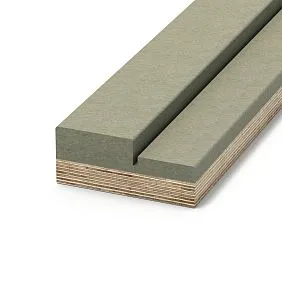
Door frames are the skeleton of the entire structure, defining not only functionality but also the aesthetic parameters of the future opening. ModernTrimming Itemsdoor frames are made from carefully selected premium wood species — oak, beech, ash.
Geometric accuracy of the frame is critically important for the longevity of the entire structure. Deviations exceeding 1-2 millimeters may lead to problems with door operation, gaps appearing, and loss of airtightness. That is why manufacturing door frames requires the use of high-precision equipment and strict quality control at every stage.
The profile of the door frame can vary from simple rectangular shapes to complex multi-level configurations with decorative elements. In classic interiors, frames with routed grooves and relief inserts are popular, while in modern interiors — minimalist forms that emphasize clean lines.
Our factory also produces:


Mouldings: art of framing
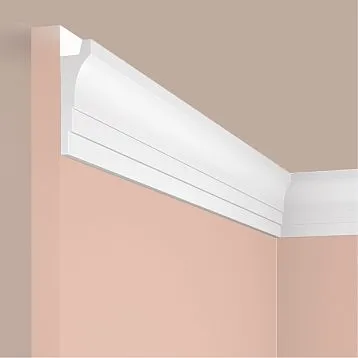
Oak casingMouldings represent the quintessence of decorative craftsmanship in door trim. These elements not only conceal technological gaps between the frame and the wall, but also create a visual frame that emphasizes the significance of the door opening.
The variety of moulding profiles is breathtaking: from strict rectangular cross-sections to richly decorated reliefs with multiple curves. Moulding widths can vary from delicate 50 mm to impressive 150 mm and more, allowing them to be adapted to the scale of the room and stylistic requirements.
Special skill is required to create corner moulding joints. An ideal 45-degree angle joint is a true test of the craftsman’s professionalism. Any mismatch in wood texture or profile geometry is immediately noticeable and disrupts the overall impression of the work.
Get Consultation
Jamb: Technological Elegance
Jamb elements solve a complex technical task — they compensate for the difference in wall thickness and door frame depth. In modern construction, where wall thickness can vary from 80 to 200 mm and beyond, jambs become indispensable elements of quality installation.
Production of jambs requires special precision, as these elements must perfectly match the frame in color, texture, and geometric parameters. Modern technologies allow creating jambs with color accuracy up to 95%, ensuring visual unity of the entire structure.
Material Science of Premium Door Trim
Choosing material for door trim is a decision that determines not only the aesthetic qualities but also the functional characteristics of the entire structure for decades to come.
Oak: Unmatched Leader
Oak wood rightfully occupies the first place in the hierarchy of materials for premium door trim. Oak density of 750–950 kg/m³ ensures exceptional mechanical strength, and hardness of 3.8–4.2 on the Brinell scale allows creating delicate decorative elements without risk of damage.
Oak wood’s unique structure includes medullary rays — anatomical features that create a characteristic silver sheen on radial cuts. These natural light reflectors give oak trim a special depth and nobility that cannot be imitated by artificial materials.
Oak’s chemical composition includes a high concentration of tannins — natural preservatives making up to 12% of the wood’s total mass. These substances provide natural protection against wood-boring insects and fungal decay, making oak trim virtually eternal with proper care.
Beech: Elegant Alternative
Beech wood is an excellent alternative to oak for modern interiors. Beech density of 650–750 kg/m³ provides sufficient strength for door structures, and its uniform fine-pored structure allows creating items with perfectly smooth surfaces.
Beech wood’s light, almost cream-colored tone is especially prized in minimalist interiors, where purity of form and naturalness of materials are important. Beech’s ability to deeply absorb protective coatings makes it suitable for use in rooms with variable humidity.
Ash: strength and expressiveness
Beech wood combines high mechanical strength with a bright, contrasting texture. Clearly defined annual rings create an expressive pattern, especially effective on wide items — large casings or door frames.
Beech wood’s elasticity exceeds oak’s, preventing cracking under dynamic loads — an important property for door structures subjected to constant opening and closing cycles.
Revolutionary manufacturing technologies
Modern door trim production represents a synthesis of centuries-old carpentry craftsmanship and advanced technological solutions.
Cabinet drying: the foundation of stability
The process of kiln-drying wood for door trim requires special delicacy and precision. Final moisture content must be strictly 8–12% with deviation not exceeding 1% across the entire volume of the stock. Exceeding these parameters inevitably leads to deformation after installation.
Modern drying chambers are equipped with multi-level control systems for temperature, humidity, and air circulation speed. Programmable controllers allow creating individual drying regimes for each wood species, taking into account its anatomical and physical characteristics.
The full drying cycle for oak stock intended for door trim may take up to 45 days, but precisely this duration ensures complete removal of internal stresses and guarantees the stability of finished products throughout their entire service life.
Precision mechanical processing
Creating door trim profiles requires the use of high-precision CNC milling equipment. Modern four-sided machines allow processing blanks with accuracy down to 0.1 mm, which is critically important for the quality of element joints.
Tooling includes special carbide-tipped cutters designed for working with hardwoods. Cutting edge geometry is calculated using computer modeling to minimize tear-out and ensure ideal surface quality.
The automatic feed system eliminates human factors and guarantees consistent quality along the entire length of the product. Built-in control systems continuously monitor processing parameters and automatically adjust them when deviations from set values occur.
Stylistic Diversity of Door Trim
The diversity of architectural styles requires corresponding diversity in door solutions, capable of harmoniously fitting into any interior concept.
Classic solutions
ClassicDoor moldingCharacterized by rich decorative elements and complex profiles. Casings may include up to seven different geometric elements — moldings, cavets, shelves, and moldings — creating play of light and shadow.
Door frames in classical style are often complemented by cornice elements, pilasters, rosettes, and other architectural details. Such decorative richness requires the highest level of craftsmanship and flawless installation precision.
The color palette of classical solutions leans toward dark, rich tones — walnut, wenge, mahogany. These shades emphasize the solidity and respectability of the interior, creating an atmosphere of quality and reliability.
Modern minimalism
Modern interiors require corresponding solutions in door trim design.Wooden moldingsMinimalist forms are characterized by simple geometry and emphasis on material quality.
Rectangular-section casings 60–80 mm wide create clear, concise lines. The absence of decorative elements is compensated by flawless surface finish and precise geometric parameters. Each edge must be perfectly flat, each angle precisely maintained.
The color palette of modern solutions includes both natural light wood tones and tinted variants — white, gray, black. This versatility allows integrating wooden trim into the most diverse interior concepts.
Scandinavian style
Scandinavian aesthetics imply maximum preservation of the natural beauty of wood. Door trim in this style is characterized by simple forms, light tones, and eco-friendly finishes.
Mouldings usually have a rectangular or slightly rounded cross-section, emphasizing the natural wood grain. The width of elements is moderate — 70–90 mm, matching the scale of Scandinavian interiors.
Finishing is limited to transparent oils or waxes that preserve the tactile properties of wood. This approach highlights the connection with nature — the main philosophical principle of Scandinavian design.
Coating technology innovations
The final finish of door trim determines not only the aesthetic qualities, but also the durability and operational characteristics of the products.
Modern lacquering systems
Modern polyurethane lacquers provide maximum protection for wood against mechanical damage and atmospheric influences. Two-component formulations create an especially durable film capable of withstanding intensive use for decades.
The application technology includes careful surface preparation, priming, intermediate sanding, and final coating. Each stage is controlled by specialists and performed under controlled microclimate conditions.
UV-curable lacquers allow obtaining coatings of exceptional hardness and abrasion resistance. Ultraviolet radiation initiates the polymerization process, creating a durable protective film in just a few seconds.
Premium-grade oil finishes
Natural oils penetrate deeply into the wood structure, highlighting its natural beauty and preserving its ability to 'breathe'. Linseed, tung, and carnauba oils create various visual and tactile effects.
The application technology of oil finishes requires special skill. The surface must be perfectly prepared, and the oil is applied in thin layers with intermediate polishing. The full drying process may take up to several weeks.
The advantage of oil finishes is the ability to locally restore without dismantling the items. A damaged area can be sanded and re-coated with oil, which is especially valuable for items subjected to intensive use.
Door trim installation: the art of precision
The quality of installation determines the final result no less than the perfection of the items themselves. Installing door trim requires high qualification and special tools.
Preparation Work
Geometric accuracy of the door opening is the foundation of quality installation. Deviations from vertical and horizontal alignment must not exceed 2 mm per meter of length. If necessary, walls are leveled using plaster or drywall constructions.
The room's humidity must be stabilized within 45–65%. Installation under high humidity conditions may lead to wood deformation after drying. Acclimatization of items under installation conditions takes no less than 48 hours.
Marking is performed using laser levels and high-precision measuring tools. Modern equipment allows achieving positioning accuracy down to fractions of a millimeter.
Installation technology
Installation of the door frame begins with precise positioning of vertical stiles. Using adjustable shims allows accurately setting the geometry and securing it before final fastening.
Fastening is performed using metal anchors or self-tapping screws depending on the wall material. Fastening points are spaced no more than 300 mm apart to ensure even load distribution.
Installing mouldings requires special care when making corner joints. Ends are beveled at 45° using circular saws with laser guidance. The quality of the joint determines the overall impression of the completed work.
Quality Control and Standards
The quality control system for door trim includes multiple inspections at every stage of production and installation.
Incoming Raw Material Control
Each batch of wood undergoes careful inspection for compliance with technical requirements. Moisture content, density, absence of wood defects, and geometric parameters of blanks are controlled.
Sorting is performed according to visual and instrumental criteria. Wood is divided into grades depending on the presence of knots, color changes, mechanical damage.
The biological safety of raw materials is confirmed by appropriate certificates. Wood must not contain pests, fungal damage, or traces of chemical treatment with unauthorized agents.
Intermediate Control
At every stage of production, compliance with technological parameters is monitored. Drying temperature, feed speed during milling, surface quality — all parameters are documented and controlled.
The geometric accuracy of products is checked using special templates and measuring instruments. Deviations from specified dimensions must not exceed ±0.2 mm for higher-grade items.
Visual inspection includes evaluating surface quality, color uniformity, and absence of coating defects. Each item undergoes individual inspection before packaging and shipment.
Economic aspects of selection
Investing in high-quality door trim requires serious economic planning, but the high initial cost is offset by longevity and prestige.
Material comparison analysis
Door trim made of natural wood has a higher cost compared to composite analogs, but its service life is measured in decades. High-quality oak items can last 50–100 years with proper care.
MDF profiles cost 2-3 times less than wooden ones, but have a limited service life and lack the prestige of natural material. Moreover, they are unable to create the special atmosphere of warmth and coziness that natural wood provides.
PVC profiles are the most budget-friendly option, but their aesthetic qualities and durability do not compare to those of natural wood products. They are suitable for temporary solutions or economy-class projects.
Impact on property value
High-quality door trim made of natural wood significantly increases property value. According to real estate agents, professionally finished door openings can increase apartment value by 8-15%.
The prestige of natural materials is especially important in the luxury real estate segment, where buyers are willing to pay extra for quality finishes. The uniqueness and exclusivity of door trim can become a decisive factor when choosing a property.
Care and Maintenance
Proper care of door trim ensures its appearance and functional properties are maintained throughout its service life.
Regular Maintenance
Daily care includes removing dust with a soft dry cloth or a special brush.Wooden baseboardand thresholds require special attention to profile grooves, where dust may accumulate.
Wet cleaning is performed with a well-wrung cloth using minimal water. The use of aggressive cleaning agents is not allowed — they may damage the protective coating or alter the wood's color.
Controlling the room's microclimate is especially important during the heating season. The optimal air humidity is 45-65% at a temperature of 18-24°C. Using humidifiers helps maintain comfortable conditions for wood.
Preventive maintenance
Minor scratches and chips are removed using special restorative compounds. Wax pencils of the appropriate color mask small defects, while touch-up markers restore local coating damage.
Periodic renewal of the protective coating extends the lifespan of the items. Oil-based coatings are renewed every 2-3 years, varnished ones every 5-7 years depending on usage intensity.
Innovative Design Solutions
Modern interior design trends stimulate the development of new approaches to creating door trim.
Integration of technologies
Built-in LED lighting transforms door thresholds into architectural lighting elements. Hidden light sources create a floating effect and highlight the wood's texture.
Smart home systems integrate with door structures, including motion sensors, automatic locks, and access control systems. Modern door trim must allow for such integration.
Ecological Innovations
Using wood from sustainably managed forests is becoming an industry standard. FSC certification guarantees manufacturers' ecological responsibility and compliance with strict environmental standards.
Formaldehyde-free adhesives and water-based coatings reduce harmful substance emissions to a minimum. Such materials are especially important for children's rooms and spaces where people with heightened sensitivity spend a lot of time.
Supplier selection: criteria of professionalism
Choosing the right door trim supplier is a key factor in project success.
Production Facilities
Having an in-house production facility ensures full quality control and stable deliveries. Modern equipment, qualified personnel, and optimized technological processes are the foundation of quality products.
Production capacity must match project scale. Large projects require significant material volumes delivered within tight deadlines — only serious manufacturers can handle this.
Production flexibility allows executing custom orders with non-standard profiles and sizes. The ability to quickly retool equipment is an indicator of the company's technological maturity.
Service capabilities
Technical support includes consultations on material selection, development of technical solutions, and preparation of working documentation. Qualified specialists must accompany the project at all stages of implementation.
Logistics services ensure timely delivery of materials in the required quantity and quality. Specialized climate-controlled transport prevents damage to items during transit.
Installation services or training for the client's installers guarantee proper installation of trim. Incorrect installation may negate all advantages of high-quality materials.
Industry Development Prospects
The door trim market develops in line with general trends in the construction industry and interior design.
Technological Trends
Production automation increases manufacturing accuracy and reduces human factor influence. Robotic lines can operate 24/7, ensuring high productivity with stable quality.
Digital design enables creating individual solutions with minimal time investment. 3D modeling allows the client to visualize the result before production begins.
Additive technologies open new possibilities for creating complex decorative elements. 3D printing allows producing unique details impossible to achieve with traditional methods.
Market Trends
Product personalization is becoming a key trend in the premium segment. Clients want unique solutions, which stimulates the development of small-batch production technologies.
Environmental requirements are intensifying due to growing consumer environmental awareness. "Green" technologies are becoming a competitive advantage for manufacturers.
Integration with "smart home" systems creates new opportunities for functional expansion of door structures. Trim elements become carriers of technological solutions.
Frequently asked questions
Question: Which wood species are best suited for door trim?
Answer: For premium door trim, hardwoods are best. Oak is an undisputed leader due to its exceptional strength, beautiful texture, and natural moisture resistance. Beech offers excellent quality at a more affordable price and suits modern interiors. Ash combines strength with striking texture and is suitable for dynamic interiors. The choice depends on interior style, project budget, and usage conditions.
Question: How long does it take to manufacture custom door trim?
Answer: Production time depends on the complexity of the items and factory workload. Standard profiles can be manufactured in 5-10 working days. Complex custom profiles require special tooling, which may take 2-4 weeks. Additional time is needed for special finishing — staining, patination, multi-layer lacquering. When planning a project, sufficient time reserve should be allocated.
Question: Can damaged door trim be repaired?
Answer: Most door trim damage is repairable. Minor scratches are removed by sanding and re-coating. Chips are filled with special putty followed by toning. Severe damage may require replacing individual parts, but high-quality solid wood trim allows localized restoration. Oil-based finishes are especially convenient for repair, as they allow local updates without dismantling the item.
Question: How to choose the color and texture of door trim?
Answer: Color selection should harmonize with the overall interior concept. Classic dark tones (walnut, wenge) suit traditional interiors, while light shades suit modern and Scandinavian styles. Wood texture can be natural or toned to mimic various species. It is recommended to order samples of different finishes and evaluate them in the actual room under varying lighting conditions.
Question: Is special care required for door trim?
Answer: Door trim made of quality wood is low-maintenance but requires certain care. Regular dry cleaning prevents dust accumulation. Wet cleaning is done with a well-wrung cloth without aggressive cleaning agents. It is important to maintain stable humidity in the room (45-65%) and avoid direct sunlight. Periodic renewal of protective coating extends the lifespan of the items.
Question: Does the quality of door trim affect property value?
Answer: High-quality door trim significantly affects interior perception and can increase property value by 8-15%. Buyers pay attention to finishing details, and professionally executed door openings create an impression of high-quality overall property. This is especially important in the premium real estate segment, where every detail affects the final price. Investments in quality trim are fully recouped upon property sale.
Conclusion
Door moldingIt is not just functional interior elements, but a philosophy of perfection embodied in every detail. In a world where mass production often sacrifices quality for speed and cost savings, premium door trim remains a bastion of true craftsmanship and individual approach.
Each element of door framing — from elegant casing to heavy door frame — is created with an understanding that details shape the character of the entire space. That is why choosing quality door trim becomes not just purchasing construction materials, but an investment in creating a home atmosphere that will delight many generations.
Modern production technologies allow achieving unprecedented precision and quality, but the soul of craftsmanship remains unchanged — striving for perfection in every detail. The combination of advanced technologies with traditional craftsmanship creates products that meet the most demanding requirements of modern clients.
Investing in quality door trim is a decision made by those who understand the true value of beauty, durability, and prestige. In an era of rapid changes and temporary solutions, such a choice becomes a statement of enduring values that are not dependent on fashion trends and remain relevant throughout time.
Company STAVROS presents a benchmark of quality in door trim production on the Russian market, combining long-standing carpentry traditions with innovative technological solutions. Every item leaving STAVROS production facilities is created with the understanding that it will become part of someone’s home, part of a family’s history, part of architectural heritage.
Choosing door trim from STAVROS, customers receive not just quality materials, but also a guarantee that their interior will feature impeccable taste, durability, and prestige. In a world where every detail matters, such a choice becomes a manifestation of true understanding of the value of quality and beauty created by the hands of true masters.