Article Contents:
- Psychology of Space: How Decoration Affects Perception
- Role of Architectural Elements
- Color and Light as Mood Tools
- Types of Halls and Their Design Features
- Banquet Halls: Creating a Festive Atmosphere
- Concert Halls: Acoustics and Aesthetics
- Conference Halls: Combining Prestige and Functionality
- Multipurpose Halls: Flexibility and Transformation
- Materials for Hall Decoration: Selection and Features
- Natural Wood: Elegance and Warmth
- Polyurethane: Modern Solutions for Classic Forms
- MDF: Balance of Price and Quality
- Combined Solutions
- Stylistic Directions in Hall Decoration
- Classicism: Harmony and Proportions
- Baroque: Luxury and Dynamism
- Modern: Smooth Lines and Natural Motifs
- Art Deco: Geometry and Glamour
- Modern Style: Minimalism with Accents
- Key Decorative Elements for Halls
- Columns and Pilasters: Vertical Accents
- Crown Molds and Moldings: Horizontal Division
- Ceiling Rosettes: Focal Point
- Wall Panels and Rosettes: Decorative Accents
- Doorways: Grand Entrance
- Design and Implementation Process of Decorative Furnishing
- Pre-Design Analysis
- Sketch Design
- Working Design
- Production of Elements
- Installation
- Final Finishing and Decoration
- Hidden backlighting of decorative elements
- General Lighting
- Accent Lighting
- Dynamic Lighting
- Acoustic Comfort in Halls
- Materials and Acoustics
- Architectural Solutions
- Modern Trends in Hall Design
- Return to Natural Materials
- Individuality and Uniqueness
- Technological Integration
- Transformable Spaces
- Maintenance and Aesthetics of Halls
- Regular Cleaning
- Updating Finishes
- Controlling microclimate
- Professional Maintenance
- Economic Aspects of Hall Design
- Price Grading
- Cost Optimization
- Long-Term Savings
- Psychological Impact of Design on Visitors
- First Impression Effect
- Social Status of the Space
- Comfort and Safety
- Frequently Asked Questions
- Conclusion: Create Your Dream Hall
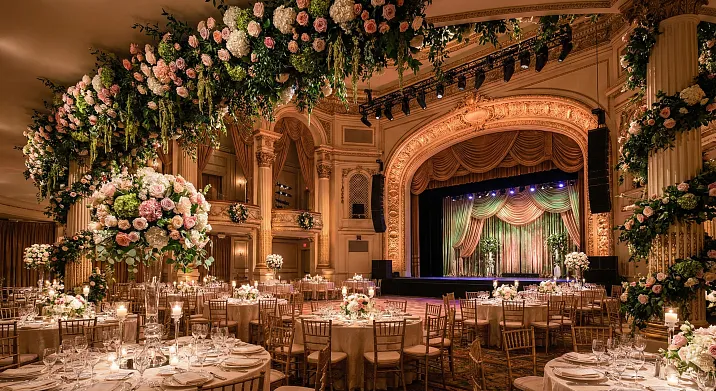
transform an impersonal space into a memorable one, filled with character and style.Decorations for the halltransform an impersonal space into a memorable one, filled with character and style.


Psychology of Space: How Decoration Affects Perception
People perceive their surroundings through all senses, but the visual component dominates. Entering a space, we instantly read numerous signals: proportions of the space, color palette, lighting, decorative details. All of this forms the first impression, which, as is known, is very difficult to change.




Role of Architectural Elements
Columns, pilasters, moldings, cornices — these classical architectural elements do not merely decorate the space. They establish rhythm, create vertical and horizontal lines that guide the gaze and structure the volume. Tall columns visually raise the ceiling, making the hall more majestic. Horizontal cornices and friezes expand the space, giving it stability and solidity.
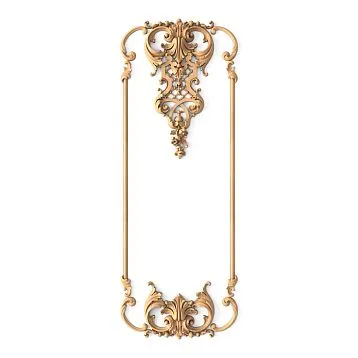
Usecarved elements for the halladds depth and texture. The play of light and shadow on the relief surface creates dynamism, making the space stop being flat and monotonous. Even small decorative appliqués can radically change the perception of the interior, giving it completeness and status.
Our factory also produces:
Color and Light as Mood Tools
The color scheme of the hall determines the emotional background. Warm tones — gold, beige, terracotta — create an atmosphere of coziness and celebration, ideal for banquet events. Cool tones — silver, blue, emerald — give the space elegance and modernity, which is suitable for concert and conference halls.
Lighting works in tandem with decoration. Properly placed fixtures highlight architectural details, create focal points, and form lighting scenarios for different types of events. Hidden lighting under cornices creates a floating ceiling effect, spotlights accentuate columns and niches, chandeliers become central decorative elements.
Get Consultation
Types of Halls and Their Design Features
Each type of hall has specific decorative requirements dictated by its functional purpose.
Banquet Halls: Creating a Festive Atmosphere
Banquet hall — venue for weddings, anniversaries, corporate events. Here, the key task is to create an atmosphere of celebration, luxury, and joy.Mounted quickly from polyurethane, does not require reinforcement of structures due to its low weight. This is especially important during the reconstruction of historical buildings, where the load on load-bearing walls is limited.It should be both solemn and welcoming.
Classic solutions — the use of columns and pilasters, creating a sense of palace grandeur. Carved capitals adorned with vegetal ornaments add elegance to the hall. Ceiling rosettes around chandeliers become elegant accents drawing the eye. Wall panels and moldings divide walls into proportional fragments, eliminating the monotony of large surfaces.
Important roles are played byDecorations for rooms— adjacent to the main hall — foyers, cloakrooms, lounge areas. A unified stylistic solution across all rooms creates a cohesive image, emphasizing the establishment's status.
Materials for banquet halls must be not only beautiful but also practical. They must be easy to clean, retain their appearance under intensive use, and be resistant to wet cleaning. Wooden and polyurethane elements excel in meeting these requirements.
Concert Halls: Acoustics and Aesthetics
Concert Hall Decoration— a task where aesthetics are inseparably linked to acoustics. Every decorative element affects the acoustic properties of the room. Smooth surfaces reflect sound, creating echo and reverberation. Conversely, relief elements scatter sound waves, improving speech intelligibility and musical clarity.
Wooden panels — a classic solution for concert halls. Wood possesses unique acoustic properties, absorbing excessive frequencies and creating a warm, resonant sound. Carved wooden elements not only decorate walls but also serve as acoustic diffusers.
The architectural decoration of concert halls often follows classical canons. Tiered balconies framed by carved balustrades, a stage portal adorned with sculptural ornamentation, a coffered ceiling — all of this creates an atmosphere conducive to appreciating art.
Lighting in concert halls requires a special approach. It must be functional — ensuring adequate visibility in the auditorium and on stage — and simultaneously decorative — highlighting the architectural merits of the interior. Classic chandeliers, candelabra-style wall sconces, and concealed contour lighting create a multi-layered lighting effect.
Conference Halls: Combination of Prestige and Functionality
Conference halls require a more restrained, yet no less thoughtful approach to decoration. Here, the atmosphere of business communication, concentration, and productivity is crucial. Decoration should not distract but must emphasize the status and solidity of the company.
The use of wooden wall panels with delicate carving creates a sense of respectability. Moldings and cornices structure the space, making it more organized. Columns and pilasters at the entrance to the hall set a formal tone, emphasizing the significance of events taking place here.
The color palette of conference halls leans toward neutral and restrained tones — noble gray, deep blue, natural wood tones. Such colors do not tire during prolonged stays in the room and promote concentration.
Multipurpose Halls: Flexibility and Transformation
Modern trends in the architecture of public spaces lean toward multipurpose functionality. The same hall can be used for banquets, concerts, conferences, exhibitions. This imposes special requirements on decorative design.
Basic architectural elements must be universal, stylistically neutral, yet high-quality. Classic forms — columns, cornices, moldings — fit well into any event format. Additional decoration — textiles, mobile decorative structures, lighting solutions — allows for rapid transformation of the space to suit a specific purpose.
Materials for Hall Decoration: Selection and Features
Choosing materials for decorative elements of the hall — a decision affecting the appearance, durability, cost of the project, and complexity of installation.
Natural Wood: Nobility and Warmth
Wood — a material with a thousand-year history of use in architecture and decoration. Its natural texture, warm tones, and eco-friendliness create a unique atmosphere that cannot be replicated by synthetic analogs.
Various types of wood are used to decorate halls. Oak provides solidity and longevity, beech — elegance and uniform texture, walnut — nobility of dark tones with expressive grain, ash — lightness and modernity of light tones.
Wood carving — an art allowing the creation of unique decorative elements. Vegetal ornaments, geometric patterns, narrative compositions — all of this can be embodied in wood.Decorative materialsCarved from solid wood, they give the interior individuality and artistic value.
Wood possesses excellent acoustic properties, which is especially important for concert halls. Wooden panels on walls and ceilings improve sound quality, making it warmer and more resonant.
Limitations of wood — sensitivity to humidity and temperature fluctuations, need for regular maintenance, high cost of products made from valuable species. For public spaces with high foot traffic, quality protective treatment — varnishing, oiling, and antiseptizing — is essential.
Polyurethane: Modern Solutions for Classic Forms
Polyurethane molding revolutionized interior decorative design. This material allows creating elements of any complexity — from simple moldings to intricate multi-figure compositions — at an affordable price and with simple installation.
Main advantages of polyurethane for hall decoration: low weight, moisture resistance, ease of installation, ability to paint in any color, durability. Polyurethane cornices, rosettes, pilasters, columns are visually indistinguishable from plaster molding or wooden carving, yet free of their drawbacks.
Wall DecorationPolyurethane is not afraid of moisture, does not deform with temperature fluctuations, and does not crack over time. For banquet halls, where regular wet cleaning is performed, this is a significant advantage.
Polyurethane is not afraid of moisture, does not deform with temperature fluctuations, and does not crack over time. For banquet halls, where regular wet cleaning is performed, this is a significant advantage.
MDF: balance of price and quality
MDF panels with carved elements — a solution for projects with limited budgets, where it is necessary to create an aesthetically appealing interior. Modern milling technologies allow creating complex, ornate panels from MDF that decorate walls, form partitions, and create architectural accents.
After proper painting or veneering, MDF elements look very respectable. This material is well suited for decorating wall panels, doorways, and decorative screens.
Combined Solutions
In practice, a combination of materials is often used. Load-bearing structural elements are made of wood, decorative overlays — from polyurethane, wall panels — from MDF. This approach optimizes the balance of price, quality, and aesthetics.
Stylistic directions in hall decoration
Choosing a style is the starting point for designing decorative interiors. The style determines the set of architectural elements, color palette, proportions, and character of decoration.
Classicism: harmony and proportions
Classic style in hall decoration — symmetry, correct proportions, restrained but rich decoration. Corinthian or Ionic order columns and pilasters, coffered ceilings, molded cornices, floral ornaments — characteristic elements of classicism.
Color palette — light, noble tones: white, cream, beige with accents of gold or bronze. A classic hall looks grand but not overloaded, elegant and timeless.
Baroque: Luxury and Dynamism
Baroque — a style for those who are not afraid to show luxury. Abundant stucco, complex multi-layer compositions, curved lines, rich gilding — all of this creates an impression of palace grandeur. Baroque halls are ideal for status banquets, where making an impression is important.
Using carved wooden elements covered with gold leaf adds special value to the interior. Mirrors in ornate frames, crystal chandeliers, heavy textiles complete the picture.
Modern: smooth lines and natural motifs
The modern style brought to architecture smooth, flowing lines inspired by natural forms. Floral ornaments, stylized flowers, asymmetrical compositions create a unique poetic atmosphere.
For modern design, natural materials — wood, stone — are used in combination with contemporary technologies — glass and metal. Carved wooden panels with images of irises, poppies, lilies decorate walls, creating a unique artistic image.
Art Deco: geometry and glamour.
Art Deco — a style of the 1920s-1930s, experiencing a new wave of popularity. Geometric ornaments, contrasting color combinations, use of expensive materials, glamorous shine — characteristic features of the style.
In hall decoration, Art Deco is expressed through the use of mirrored panels, chrome details, black-and-white contrasts, geometric murals. Wooden elements with inlays, carved screens with geometric ornamentation complete the image.
Modern style: minimalism with accents
Modern hall decoration tends toward clean lines, functionality, and selective decoration. High-quality materials with natural textures — natural wood, stone, metal — are used. Decorative elements are few but expressive — they serve as accents that draw attention.
Modern trends in interior designShow a growing interest in natural materials, eco-friendliness, and individual solutions. Wooden planks on walls, minimalist moldings, hidden lighting create a modern yet warm interior.
Key decorative elements for halls
Let's consider specific architectural elements that form the decorative appearance of the hall.
Columns and pilasters: vertical accents
Columns — a powerful architectural tool. They define the scale of space, create rhythm, and divide the hall into zones. Classical columns consist of a base, shaft, and capital. Each element can be adorned with carving, fluting, or ornamentation.
Pilasters — flat vertical protrusions that imitate columns. They decorate walls, create vertical lines, and do not occupy useful space.For furniture decorationPilasters are indispensable on walls — they add volume and structure to flat surfaces.
Crown Molding and Moldings: Horizontal Division
Cornices run along the upper part of walls, at the junction of wall and ceiling. They visually complete the wall, create a horizontal line that expands the space. A cornice can be simple — made of several profiles — or complex — with carved elements, teeth, or modular units.
Moldings are used to create wall murals, frame door and window openings, divide walls into tiers. They introduce rhythm and proportions, making the interior more structured and thoughtfully designed.
Ceiling rosettes: the focal point
Rosette around the chandelier — a decorative element that draws attention to the center of the room. Rosettes can be simple round medallions or complex multi-figure compositions with floral ornamentation. They emphasize the importance of the central chandelier and complete the ceiling composition.
Wall panels and outlets: decorative accents
Carved wooden panels or polyurethane appliqués on walls become artistic accents. They can depict botanical ornaments, geometric patterns, narrative compositions. When placed symmetrically, they create rhythm and balance in the interior.
Doorways: grand entrance
The entrance to the hall sets the tone for the entire space. A portal framed by pilasters or columns, topped with a pediment or arch, creates grandeur and significance. Carved door casings and decorative appliqués on doors complete the image.
The process of designing and implementing decorative finishes
Creating a harmonious hall interior is a multi-stage process requiring a professional approach.
Pre-project analysis
The first stage — studying the room. Dimensions, proportions, ceiling height, window and door placement, structural features are analyzed. The functional purpose of the hall, expected capacity, and types of events are considered.
It is important to understand the client’s wishes — stylistic preferences, project budget, implementation deadlines. At this stage, a concept is formed — the overall vision of the future interior.
Sketch Design
The designer creates sketches and visualizations showing how the hall will look after decoration. Variants of decorative element placement, color solutions, and material selection are worked out. The sketch project allows the client to see the result before work begins and make adjustments.
Working design
Based on the approved sketch, working documentation — drawings, material specifications, element details — is developed. Work volumes are calculated, a cost estimate is prepared, and an implementation schedule is planned.
Production of decorative elements
Decorative elements are manufactured according to the project. Wooden parts go through stages of cutting, milling, carving, sanding, protective treatment, and finishing. Polyurethane elements are cast in molds and then painted. Each part undergoes quality control.
Installation
Installation of decorative elements requires precision and care. Columns and pilasters are mounted to walls and floors, cornices are installed under the ceiling, moldings form wall panels. After installation, finishing work — joint sealing, spackling, painting, patination — is performed.
Final finishing and decoration
The final stage — application of finishing coatings, gilding, patinas, and creation of artificial aging. Lighting is installed to highlight decorative elements. The hall is ready for use.
Lighting as part of the decorative concept
Light in the hall — not just a functional necessity, but a powerful tool for creating an atmosphere.
General lighting
Central chandeliers — a traditional solution for halls. Multi-tiered crystal chandeliers create a festive atmosphere and highlight ceiling height. Modern LED chandeliers allow adjusting brightness and color temperature, creating various lighting scenarios.
Built-in ceiling lighting — recessed spotlights evenly distributed across the ceiling provide comfortable illumination without harsh shadows.
Accent lighting
Wall-mounted sconces illuminate walls, creating a cozy atmosphere. Placed on both sides of decorative panels or mirrors, they emphasize the symmetry and balance of the interior.
Hidden cove lighting creates a floating ceiling effect, visually increasing room height. LED strips placed in niches and behind decorative elements create soft, diffused illumination.
Directional spotlights highlight individual decorative elements — columns, sculptures, paintings. They create lighting accents and direct viewer attention.
Dynamic lighting
Modern lighting control systems allow creating dynamic lighting scenarios. For banquets, warm soft light can be activated; for concerts — bright stage lighting; for dancing — colorful dynamic under-lighting.
Acoustic comfort in halls
For concert halls and venues where performances take place, acoustics are critical. Decorative elements influence the acoustic characteristics of the space.
Materials and acoustics
Wood — an excellent acoustic material. Wooden panels absorb excessive high frequencies, diffuse sound, and create a warm, natural sound. Carved wooden elements act as diffusers, improving the evenness of the sound field.
Textiles — draperies, upholstery — absorb sound and reduce reverberation. In banquet halls, this creates comfortable acoustics for conversation.
Architectural solutions
Coved ceilings, complex wall reliefs, and uneven surfaces scatter sound, preventing echo and acoustic defects. Proper design of the hall's shape and placement of reflective surfaces ensures comfortable acoustics.
Modern trends in hall design
The design of public spaces is constantly evolving, reflecting changes in culture and technology.
Return to natural materials
New trends in interior designShow a growing interest in natural wood, stone, and textiles made from natural fibers. People are tired of plastic and synthetics, seeking naturalness and eco-friendliness.
Individuality and uniqueness
Standard solutions are giving way to individual projects. Clients want their hall to be unique, reflecting their character and values. This encourages the use of hand-carved details, original decorative elements, and unique color schemes.
Technological Integration
Modern halls are filled with technology — sound, video, lighting, and climate control systems. The designer's task is to integrate these technologies seamlessly, so they do not disrupt the space's aesthetics. Screens are hidden behind decorative panels, speakers are embedded in ceilings and walls, and projectors are placed in niches.
Transformable Spaces
Flexibility of use — a requirement of the time. Mobile partitions, transformable furniture, and adjustable lighting scenarios allow quick adaptation of the hall to different event formats.
Maintenance and upkeep of halls
The beauty of the hall requires regular care and maintenance.
Regular cleaning
Dust settling on decorative elements dulls their beauty. Regular dry cleaning with soft cloths or specialized brushes preserves the freshness of the interior. Carved elements are cleaned with brushes that reach into all recesses of the relief.
Coating renewal
Over time, paint and varnish finishes may fade and wear. Periodic refreshment — repainting, applying protective varnish — restores the original beauty of the elements.
Microclimate control
Stable temperature and humidity prevent deformation of wooden elements, cracking, and swelling. The ventilation and air conditioning system must operate stably.
Professional Maintenance
Periodic inspection by specialists allows problems to be identified early — detachment of elements, appearance of cracks, weakening of fasteners. Timely elimination of defects extends the life of the decor.
Economic aspects of hall design
Project budget — one of the key factors determining the choice of solutions.
Cost grading
The most expensive solutions — use of solid precious wood with hand-carving, application of gold leaf, natural stone. Such projects are implemented for prestigious venues, where demonstrating level is important.
Mid-range price segment — combination of natural wood and polyurethane, use of MDF with quality finish, imitation of expensive materials.
Budget solutions — primarily polyurethane and MDF, painted en masse or with simple enamels, minimal handwork, maximum factory production.
Cost Optimization
Thoughtful design allows achieving an impressive result within a moderate budget. Key zones — entrance, central part of the hall, stage — are decorated more lavishly, while secondary spaces are more restrained. Combination of expensive and affordable materials creates an illusion of a cohesive, luxurious interior.
Long-term savings
Quality materials and professional installation — an investment in longevity. Cheap solutions may require repair or replacement after a few years, ultimately costing more. Quality decor serves for decades, preserving both aesthetics and functionality.
Psychological impact of design on visitors
The hall's interior affects people's emotional state, their willingness to communicate, their perception of information or art.
First impression effect
Entering a beautifully designed hall, a person experiences positive emotions — admiration, joy, interest. This creates a positive mood for the entire event, increasing guest satisfaction.
Social status of the space
Luxurious design signals high status of the venue and event. This is important for weddings, anniversaries, corporate events, where demonstrating success and prosperity is part of a social ritual.
Comfort and safety
A harmonious, thoughtfully designed space evokes a sense of comfort and safety. People relax, open up to communication, and better perceive what is happening on stage or at tables.
Frequently asked questions
How much does it cost to decorate a hall with decorative elements?
The cost depends on the area of the room, selected materials, complexity of elements, and volume of work. Budget decoration of a small hall starts from several hundred thousand rubles, premium projects for large spaces may amount to millions.
How long does a hall decoration project take?
From idea to completion, it may take from two months to a year, depending on the scale of the project, complexity of elements, and workload of manufacturers and installers.
Can a hall be decorated without a designer?
Technically yes, but the result will likely be amateurish. A professional designer possesses knowledge of proportions, styles, and materials that enable the creation of a harmonious interior.
What materials are best for humid spaces?
Polyurethane is the optimal choice for spaces with high humidity. It is completely moisture-resistant, does not deform, and does not lose strength.
Can the hall's decor be changed after several years?
Yes, decorative elements can be dismantled, replaced, or repainted. This allows updating the interior to follow new trends or changing needs.
Are special permits required for installing decorative elements?
For altering the appearance of facades of buildings recognized as architectural monuments, approval from monument protection authorities is required. Internal work usually does not require special permits, but it is important to comply with construction norms and fire safety regulations.
How do decorative elements affect the acoustics of a hall?
Smooth hard surfaces reflect sound, while textured surfaces diffuse it. Wooden panels absorb excessive frequencies, improving acoustics. Professional design takes acoustic requirements into account.
Can decorative elements be used on a suspended ceiling?
Yes, there are special lightweight polyurethane elements designed for installation on suspended ceilings. They are glued to the fabric using special adhesives.
How to choose a hall decoration style?
The style is chosen based on the architectural features of the building, the functional purpose of the hall, target audience, corporate identity (for commercial objects), and personal preferences of the owner.
What to do if the hall's ceilings are low?
Avoid heavy cornices and ceiling decorations; create vertical accents — pilasters, vertical moldings. Light tones and perimeter hidden lighting visually raise the ceiling.
Conclusion: Create your dream hall
A hall is the face of the establishment, the space where important life events occur. Quality decorative design transforms an ordinary room into a place where people want to be, which is memorable and invites return.Decoration IdeasHalls are limitless — from classic luxury to modern minimalism, from theatrical grandeur to cozy intimacy.
Investing in decorative design is an investment in the success of your business, the reputation of your establishment, and customer satisfaction. A beautiful hall attracts more orders, allows setting higher prices, and fosters guest loyalty.
STAVROS — your reliable partner in creating unique interiors. For over twenty years, we have specialized in manufacturing and supplying decorative elements of the highest quality. Our catalog features hundreds of models of columns, pilasters, cornices, moldings, rosettes, panels made of natural wood and polyurethane.
We offer not just materials, but comprehensive solutions. Our designers will develop a decoration concept for your hall, taking into account all its features and preferences. Experienced craftsmen will produce elements of any complexity — from standard to unique, custom-designed pieces. Professional installers will install the decor qualitatively and on time.
STAVROS works with projects of any scale — from small banquet halls to large concert venues and multifunctional complexes. We understand the importance of deadlines, strictly adhere to contractual obligations, guarantee product and work quality.
By contacting STAVROS, you receive:
-
Wide selection of decorative elements in various styles
-
Ability to manufacture unique elements according to your sketches
-
Professional consultation on material selection and styling
-
High-quality materials that have passed strict quality control
-
Prompt delivery throughout Russia
-
Full project support from idea to implementation
-
Warranty on products and installation work
We know how to make your hall unique. Entrust decorative design to STAVROS professionals — and your space will become a place where unforgettable impressions are born!