




























































Article Contents:
- Quick jump to STAVROS catalogs
- What is decorative wall skirting and how does it differ from regular skirting
- Where and why decorative wall skirting is used
- For accent walls
- For framing panels and inserts
- For transitioning from wall to ceiling or other finishes
- For decorating niches, TV zones, and door portals
- For combining with slats and slatted panels
- Which materials are suitable for decorative wall skirting
- Wooden decorative wall skirting board
- MDF wall skirting board
- Polyurethane and polystyrene profiles
- What to choose for the wall: skirting board, molding, batten or corner
- When you specifically need a wall skirting board
- When it's better to choose molding
- When decorative batten works better
- When you need a corner or border
- How to choose decorative wall skirting board according to interior style
- Modern interior and minimalism
- Classic and neoclassic
- Loft and contemporary
- Wooden house, library, study
- What size and profile to choose for wall decorative skirting
- Narrow decorative profile (up to 30 mm)
- Medium wall profile (30–60 mm)
- Wide expressive skirting (from 60 mm)
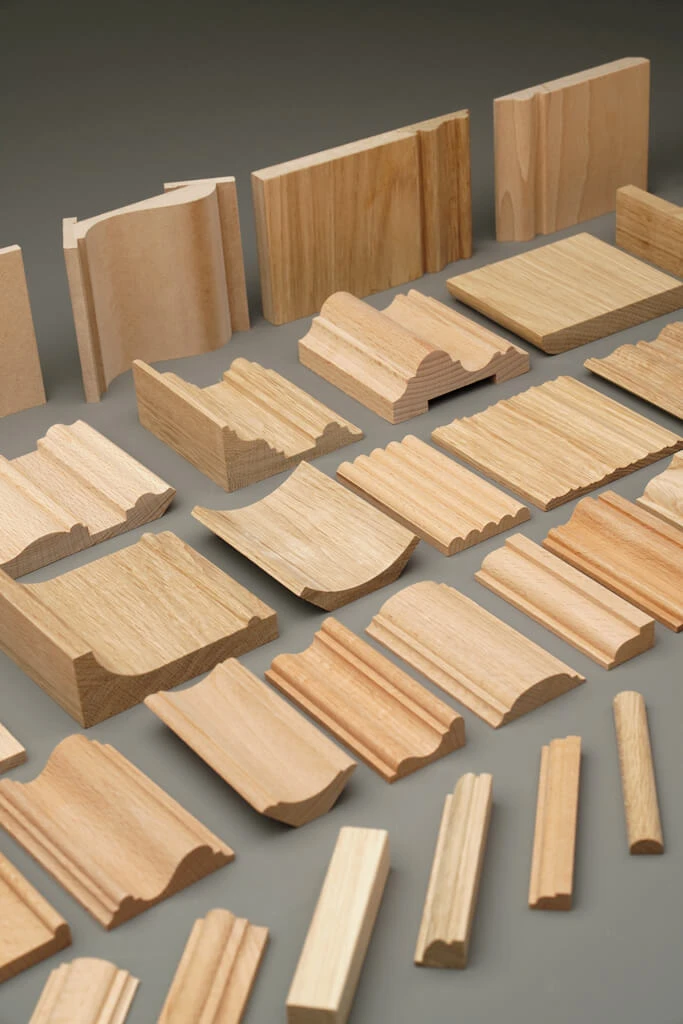
- Smooth, figured or classic profile
- For painting or with ready-made finish
- What to combine decorative wall skirting with
- With Mouldings
- With slatted panels
- With cornices
- With ceiling skirting
- With wooden corners and borders
- How to Install Decorative Wall Skirting: Practical Section
- Using adhesive
- On Fasteners
- On Even Walls
- How to Finish Internal and External Corners
- How to Combine with Battens and Moldings During Installation
- Decorative Wall Skirting in Different Rooms
- In the living room
- In the bedroom
- In the hallway and corridor
- In a Children's Room
- In a Home Office and Library
- Decorative Wooden Wall Decor: Not Just Skirting
- How to Choose Material: A Brief Comparison
- Where to buy decorative wall skirting
- Why STAVROS is chosen for decorative wall finishing
- FAQ: answers to popular questions about decorative wall skirting
That's why this article is written as an extensive practical guide: to clarify the concepts, help with material and format selection, show how decorative wall profiles work in different interior styles, and how to properly combine them with other wooden finishing elements.
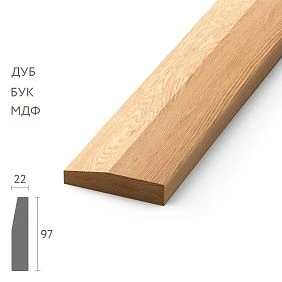
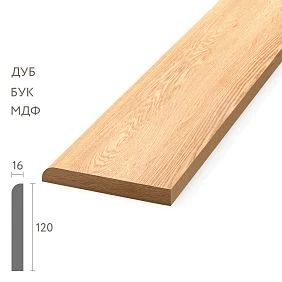
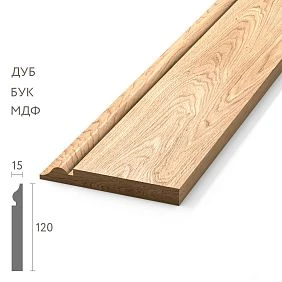
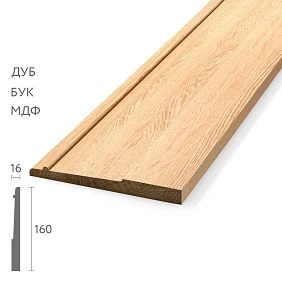
Quick jump to STAVROS catalogs
If you already know what you need—here are direct links:
-
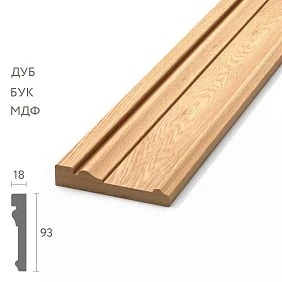
Wooden baseboard— solid wood, classic and modern interior
-
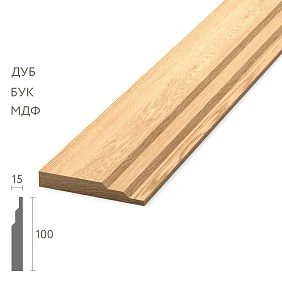
buy MDF skirting board— clean geometry, perfect for painting
-
Buy wooden molding— for framed panels, neoclassical, classic
-
decorative wooden plank purchase— verticals, zoning, accent walls
-
Rafter panels— ready-made solutions for walls and ceilings
-
wood trim items— full range of solid wood profiles
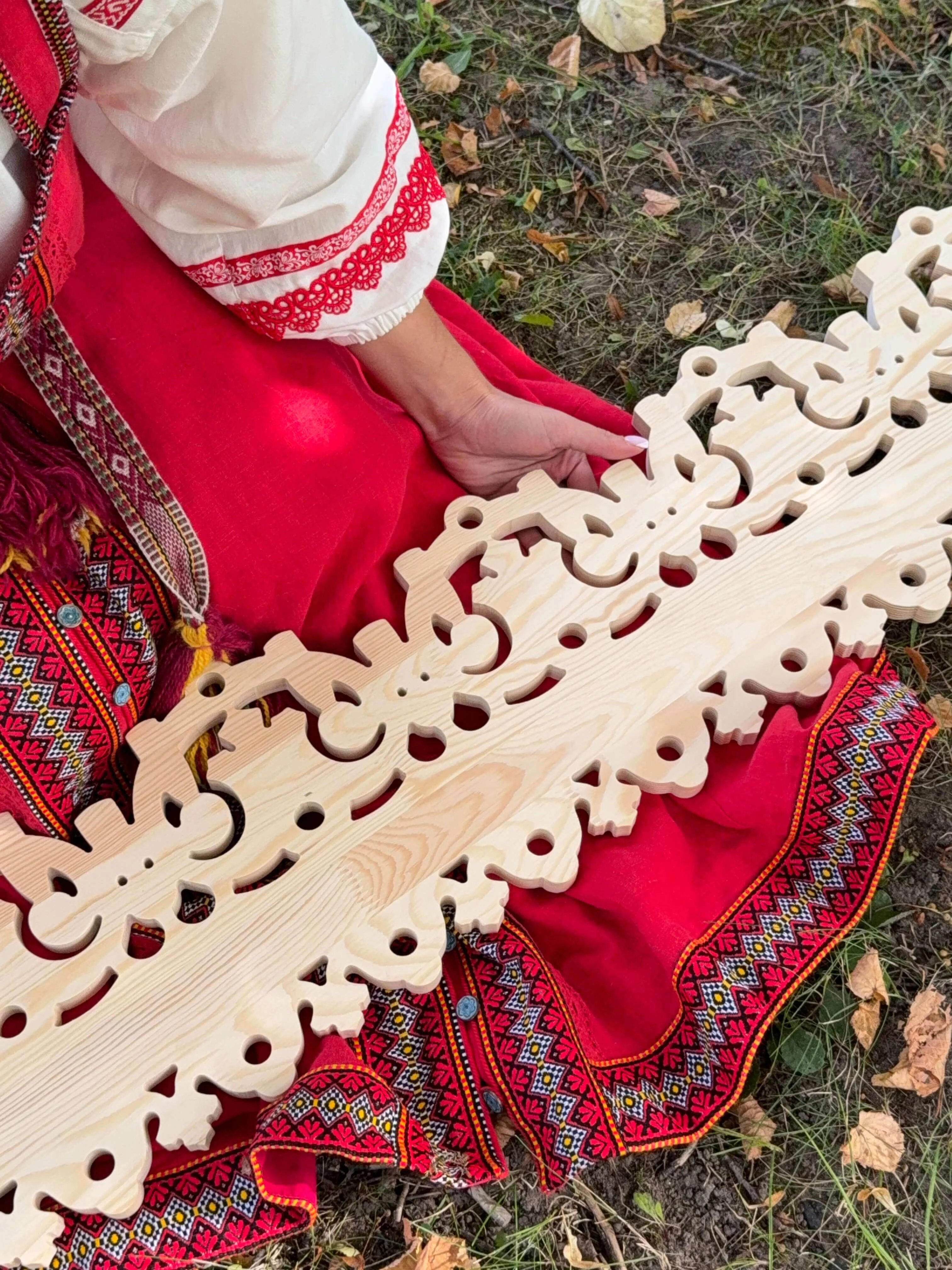
What is decorative wall skirting and how does it differ from regular skirting
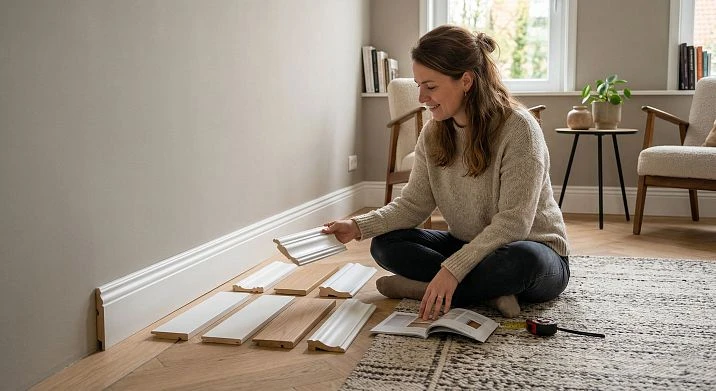
This question is asked much more often than it seems. Most people know floor skirting — the horizontal strip at the base of the wall that covers the gap between the wall and the floor. But decorative wall skirting is a fundamentally different category of products, although they may look similar.
Wall decorative profiles are not used to cover technical gaps, but to create an artistic accent. They can be placed at any height on the wall: divide it horizontally into zones, frame panels, form frame compositions, mark the transition between different finishing materials. This is a decorative element, not a structural one.
To avoid confusion, let's break down each term:
Floor skirting — attached at the base of the wall around the perimeter of the room, covers the expansion gap between the wall and the floor. Can be made of wood, MDF, or polyurethane.
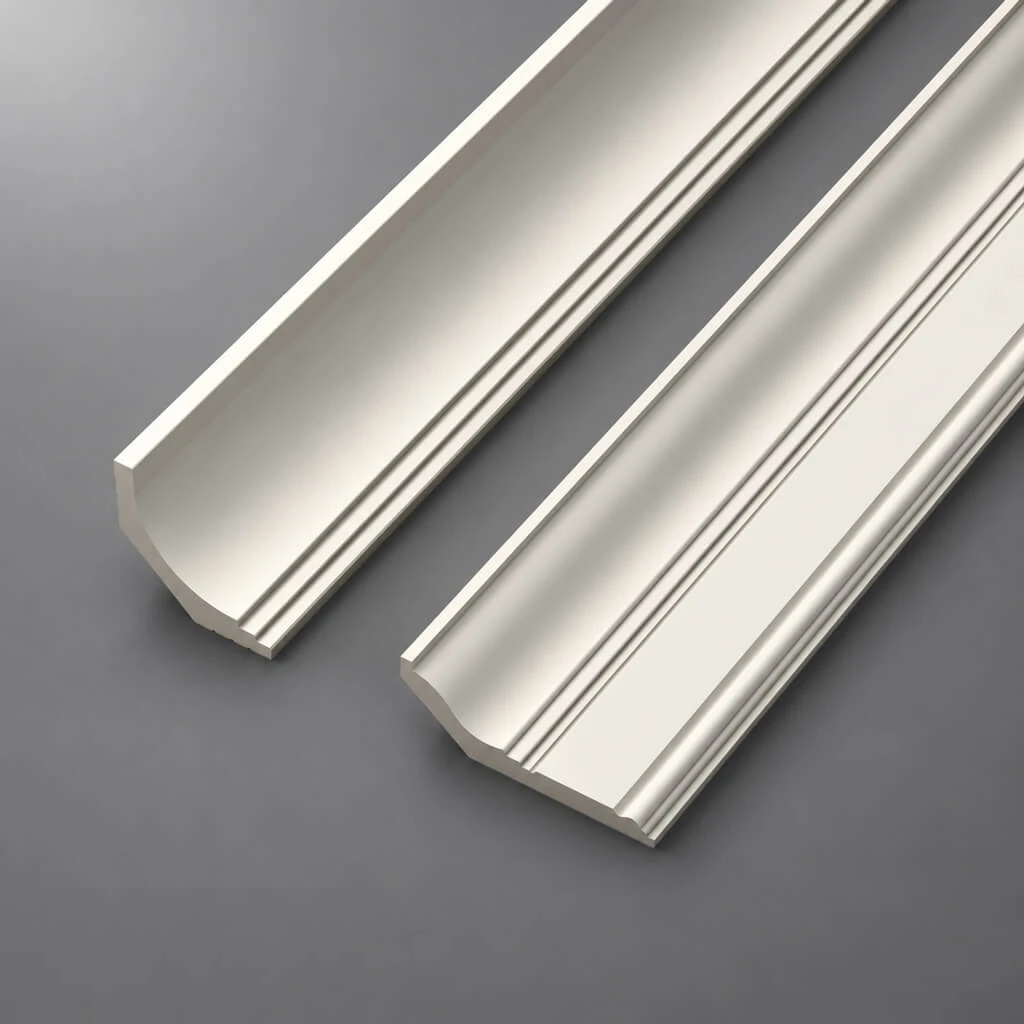
Ceiling skirting — located at the ceiling, marks the transition between the wall and the ceiling plane. Often called a cornice or coving.
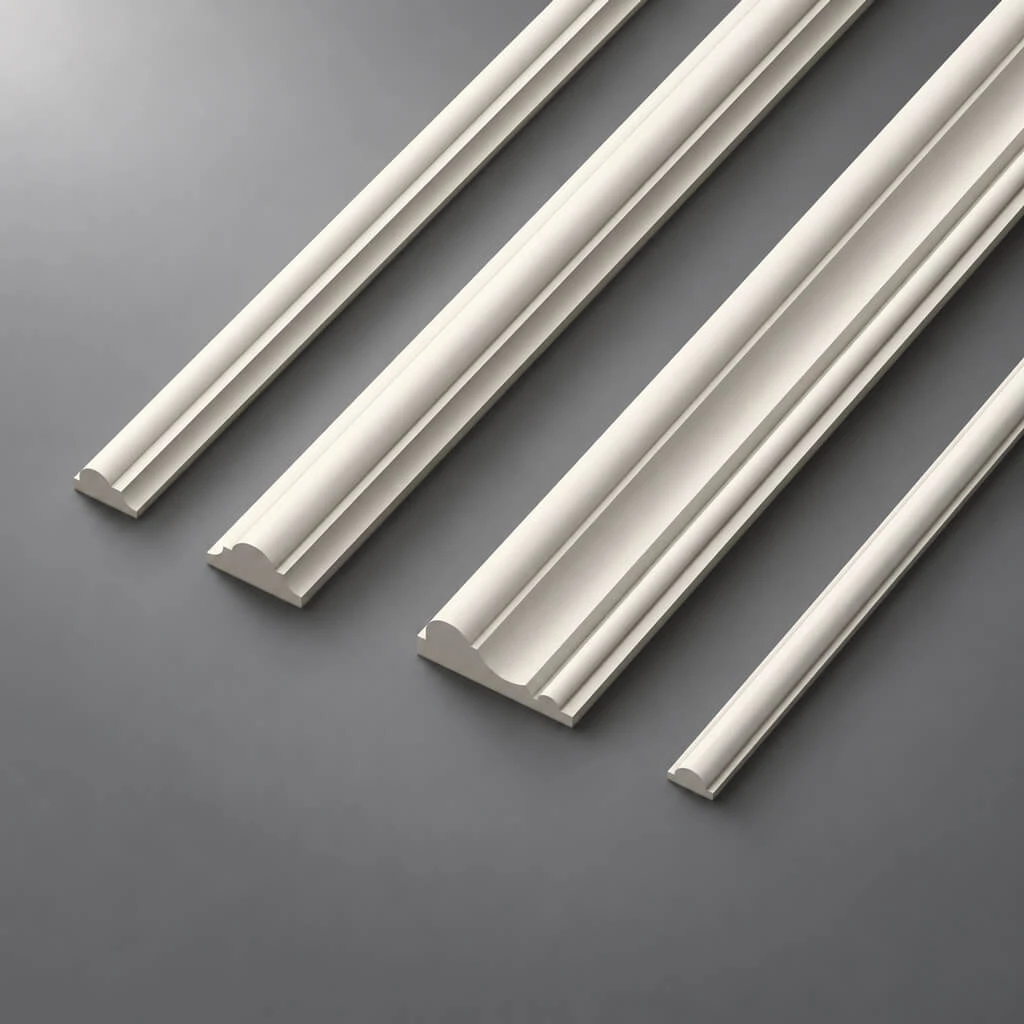
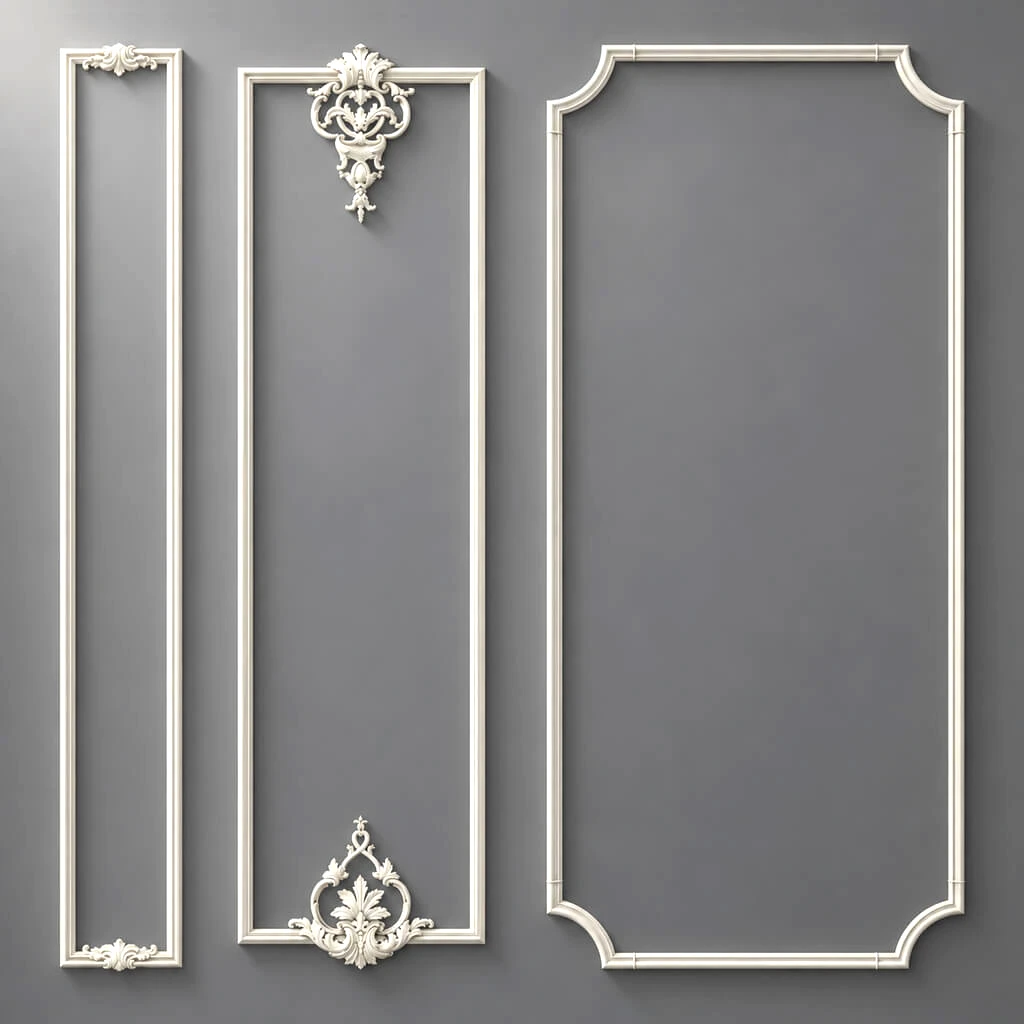
Molding — a decorative profile with a shaped cross-section. Used to create framed panels on walls, frame mirrors, paintings, decorative inserts. Molding is the main tool in classic and neoclassical interiors.
Cornice — a wide decorative profile, typically with a more complex relief. Installed at the transition from wall to ceiling. When people say 'buy wooden cornice' — they are referring specifically to this element.
Batten — a thin elongated profile, most often rectangular or trapezoidal in cross-section. Used vertically or horizontally to create rhythm on a wall, zone space, or form batten screens.
Corner bead — a profile for finishing external and internal corners. Indispensable where two materials meet at a right angle: wall panels, batten structures, niche cladding.
Baguette — a historical name for a decorative profile, more commonly used in the context of framing pictures and mirrors, but in construction, this term refers to narrow decorative strips, similar in character to moldings.
Understanding these differences immediately provides the answer: under the query 'decorative wall skirting board,' a person most often needs either molding, or horizontal batten, or a decorative divider profile. Classic floor skirting board in the role of wall decor works less often — only if the task is specifically to horizontally divide the wall at waist height.
Our factory also produces:
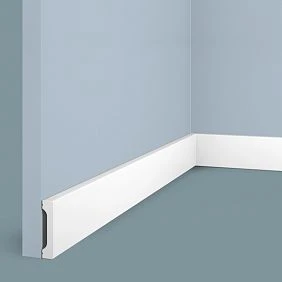
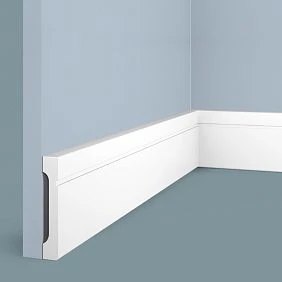
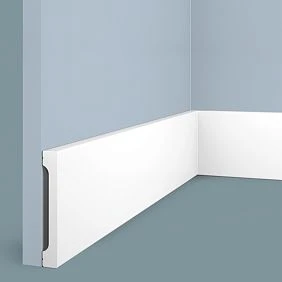
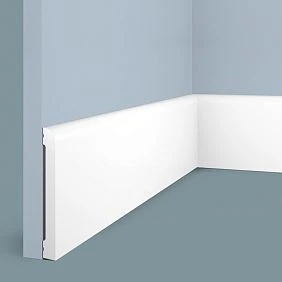
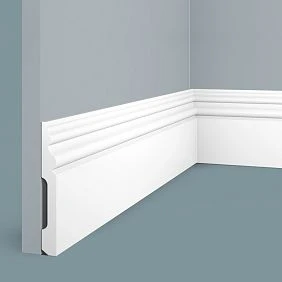
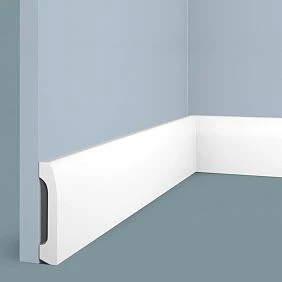


Where and why decorative wall skirting board is used
Get Consultation
For accent walls
Accent wall — one of the main techniques in modern design. Decorative wall profile here serves as framing or finishing. A narrow horizontal batten or molding, run along the perimeter of the wall at a height of 90–110 cm from the floor, divides the surface into lower and upper zones, creating the effect of 'panel' finishing without actual panels.
If a wall is finished with wooden battens, then decorative skirting board acts as the lower completion of this composition — it fixes its boundary, adds a visual 'stop,' and prevents the battens from visually 'growing' from the floor without a base.
For framing panels and inserts
A classic technique is framed panels on walls. Wooden moldings form rectangular frames on the wall surface, inside which another material, paint, wallpaper, or simply textured plaster can be placed. Such decorative wall profiles give the interior an aristocratic feel without stucco or complex finishing work.
For transitioning a wall to a ceiling or another finish
Where two different materials meet—for example, plaster and wallpaper, wood and a painted wall—a decorative profile serves as an elegant divider. It's not a cover-up, but a full-fledged design technique.
For decorating niches, TV zones, and door portals
A TV zone in the living room, a niche with decorative lighting, a wooden door portal—all of these require clear profile finishing. Here, both moldings andWooden corner bracket, and battens work. A decorative baseboard can mark the lower boundary of a TV niche, create a horizontal dividing line, or form a frame around the television panel.
For combining with battens and batten panels
Perhaps the most in-demand task today. Wooden batten panels are actively taking over walls in bedrooms, living rooms, and hallways. But a batten structure requires proper finishing: at the top—a cornice or molding, at the bottom—a baseboard or profile strip, at the edges—a corner or batten post.
Exactly thereforeRafter panelsand wall baseboard are a unified system, not separate elements. A competent approach involves assembling the entire 'assembly' from materials of the same manufacturer, the same wood species, and the same finish.
Which materials are suitable for decorative wall baseboards
Wooden decorative wall skirting board
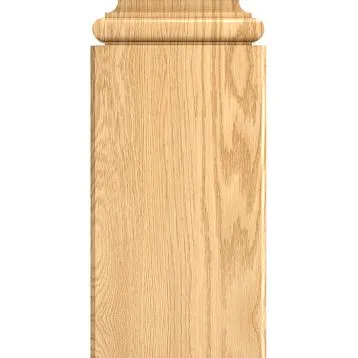
Wood is a material that needs no introduction. Wall Wooden baseboard made of solid pine, oak, ash, or larch is the choice of those who value naturalness, durability, and the possibility of harmonious combination with other wooden interior elements: doors, furniture, slats, panels.
Wood can be coated with varnish, oil, wax, or painted — and in each case, the result will be unique. The texture of solid wood lives and breathes: depending on the lighting, it plays differently.
Advantages of wooden wall skirting board:
-
natural origin and eco-friendliness;
-
high material class, noble appearance;
-
possibility of sanding and repainting;
-
perfect combination with wooden slats, moldings, cornices;
-
long service life with proper care.
Wooden decorative molding — a choice for classic, neoclassical, Scandinavian style, eco-interiors, and any project where a unified material environment is important. An article on how to choose correctlyWood Trimhelps you navigate the full diversity of moldings.
MDF wall skirting board
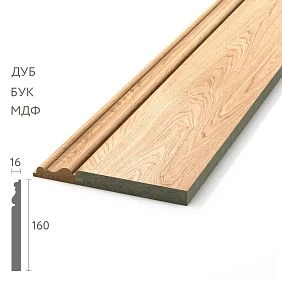
MDF is an engineered material with excellent technical characteristics for finishing. MDF wall skirting board features perfect geometry, a smooth surface without knots or defects, and most importantly — it is specifically designed for painting.
If the goal is a white profile in a modern interior, clean geometry without natural nuances, integration into minimalist or neoclassical design —buy MDF skirting boardthe right solution.
MDF is well-suited for milling: profiles of any complexity can be machined from it — from a simple rectangle to an intricate shaped molding. At the same time, the cost of MDF products is generally lower than solid wood, making this material an affordable solution for large areas.
It's worth noting separately:— is a horizontal element that frames the room at the bottom of the walls where the wall meets the floor. Skirting boards perform several functions: they hide the technological gap between the wall and floor covering (necessary for thermal expansion), protect the lower part of the wall from mechanical damage, create visual completion, and may conceal wiring.is one of the most popular requests in this category today. White MDF skirting board has become a standard in apartments with modern and neoclassical renovations.
A complete breakdown of this material — in the articleMDF skirting board: types, sizes, installation and care, and a comparison with alternatives is in the article Which skirting board is better: MDF or duropolymer.
Polyurethane and polystyrene profiles
Polyurethane and polystyrene are synthetic materials that have captured the decorative finishing market due to their lightness, low cost, and ease of use. Decorative polyurethane skirting boards replicate the shape of classic gypsum profiles, weigh significantly less, and are not afraid of moisture.
If the task is a large amount of shaped profile for painting in a classic interior, polyurethane is a working solution. You can view the assortment in the catalog Polyurethane Baseboards.
However, polyurethane has limitations: it pairs less well with natural wood, is sensitive to mechanical damage, and does not provide the thermal and acoustic function that solid wood does.
What to choose for the wall: skirting board, molding, slat, or corner
This question is key. The right choice depends on what task needs to be solved.
When a wall skirting board is exactly what's needed
A decorative wall skirting board is chosen when a clear horizontal accent is needed: to divide the wall by height, mark the lower zone of panel finishing, or complete wall cladding. A wide profile with expressive relief can become an independent decoration.
A wall-mounted skirting board is also suitable as a finishing touch for a slatted panel at the bottom or as a 'belt'—a horizontal element in the middle of the wall in Empire, Neoclassical, and Art Deco styles.
Buying a wide wooden skirting board for these tasks means getting a ready-made design tool, not just a strip from a building materials store.
When is it better to choose molding?
If the task is to create framed panels, design a transition, or form a complex decorative structure on the wall—molding is indispensable.Wall wood molding — horizontal arrangement that can run at the level of a chair back, window sill, or mid-wall. Molding divides walls into horizontal zones, creates rhythm, and structures space.—is a profile with a shaped cross-section, typically laid in rectangular frames or run along the wall as a horizontal or vertical accent.
In a classic interior, molding serves the function that stucco used to perform. It visually divides large planes, giving the room scale and structure.
Moldings work well in Neoclassical, Modern Classic, and Art Deco styles. They combine with wooden cornices, wall skirting boards, and door trims—creating a unified profile system throughout the room.
When does a decorative slat work better?
Decorative slats are a choice for modern interiors. They provide vertical rhythm, create a textured background, and zone the space.Buy oak wooden planks for wallsmeans getting a versatile element that works both as standalone decor and as part of a panel system.
Battens are especially effective for accent walls behind a bed or sofa, for decorating a TV area, for creating partition screens, and for visually raising ceilings.
Detailed application is described in the article Decorative strips in interior design, and installation — in the guide how to attach battens to a wall.
When a corner or border is needed
A wooden corner is an indispensable element wherever neat corner finishing is required: internal (in a niche, doorway) or external (on a protrusion, column, corner panel). Without a corner, the joint of two surfaces at a 90° angle looks rough, even if both surfaces are finished perfectly.
A wooden wall border is a narrow profile that fixes the boundary between materials: for example, between a wooden panel and a plastered surface, between wallpaper and wood.
Wooden corner bracket made from the same solid wood as the main finishing elements creates a monolithic unity of the entire decorative system.
How to choose a decorative wall skirting board to match the interior style
Modern interior and minimalism
Here, smooth shapes, strict geometry, and neutral colors prevail. A decorative wall profile in a modern interior is a flat or slightly shaped profile without complex relief. Material — MDF for painting or wood with a finish matching the wall color.
Reiki is a favorite tool of modern designers. Thin vertical reiki on an accent wall, black or natural oak, rhythmic spacing—this is contemporary interior design at its best. The baseboard here is chosen to be concise: straight profile, minimal height, without ornate relief.
Classicism and neoclassicism
Moldings, cornices, frame panels, rich relief—all these are attributes of the classical style. A decorative wall baseboard here can have a height of 10–15 cm, a complex profile, and be installed as a 'belt' in the middle of the wall.
A wooden cornice at the transition from wall to ceiling, a molding frame on the wall, a wooden baseboard at the floor—this is a complete finishing system that can be assembled in one style from materials of the same species. All of this is available in the catalog.wood trim.
Loft and contemporary.
Loft is about brutality and the openness of materials. Here, wooden slats are combined with concrete walls and metal structures. A decorative wall profile in the loft style is often not a baseboard, but a slat or a rough solid wood profile with minimal processing.
In the contemporary style, wood and painted surfaces, natural textures with smooth ones are combined. A narrow profile or horizontal wooden slat is a delicate accent that does not overload the wall.
Wooden house, library, study.
For rooms with wooden finishes, a decorative wall baseboard should be 'its own': made of the same wood, with a similar relief, in a unified color scheme. Solid wood is preferable here by definition. Cornices, moldings, baseboards, corner pieces—all from the same collection, the same manufacturer.
It is precisely this approach that ensures what designers call 'material unity of space': when the interior is perceived as a single whole, not as a set of random elements.
What size and profile to choose for a decorative wall baseboard.
Narrow decorative profile (up to 30 mm)
A minimalist solution. Suitable for modern interiors, Scandinavian style, Japanese minimalism. A thin line on the wall, dividing zones or finishing a slatted panel, is an elegant and unobtrusive technique.
Medium wall profile (30–60 mm)
A universal size for most interiors. This profile is clearly visible, reads as a decorative element, but does not overload the wall. Suitable for both contemporary style and neoclassicism.
Wide expressive skirting (from 60 mm)
This is already a decorative statement. A wide wall skirting with a complex profile is an element of classic and art deco. It requires appropriate space and ceiling height — otherwise it visually 'eats up' the room.
Smooth, shaped, or classic profile
Smooth profile — minimalism and modernity. Shaped (with beads, coves, shelves) — classic and neoclassical. The choice of profile determines the overall mood: the more complex the relief, the 'richer' the wall is perceived.
For painting or with a finished finish
A profile for painting is MDF or primed solid wood. The buyer paints it in any color of their choice. A finished profile (with lacquer coating, stain, oil) is a ready-made product that is installed immediately.
For those who want a white interior with clean lines,— is a horizontal element that frames the room at the bottom of the walls where the wall meets the floor. Skirting boards perform several functions: they hide the technological gap between the wall and floor covering (necessary for thermal expansion), protect the lower part of the wall from mechanical damage, create visual completion, and may conceal wiring.— is the optimal solution. The articleWhite MDF Skirting Boardreveals all the nuances of this choice.
What to pair decorative wall skirting with
This is perhaps the most important section from a practical point of view. A decorative wall profile never exists in isolation—it is always part of a system.
With moldings
Molding and wall skirting—a classic combination. The skirting establishes a horizontal line at the base or at 'waist' height, while molding creates framed panels above. Together, they transform an ordinary wall into a work of architectural decor.
Browse the catalog ofwooden decorative moldingsto select a suitable profile for frames.
With slatted panels
Wallplanks made of woodrequire a bottom finish. The role of decorative skirting here is to cover the lower end of the panel and create a neat transition to the floor. This is not just a technical detail, but a full-fledged design element.
Detailed information about the combination of battens and baseboards is provided in the article.wooden wall batten and solid wood baseboard.
With cornices
A cornice at the wall-to-ceiling transition and a wall baseboard at waist height create a double horizontal accent that gives the room height and completeness. For a wooden interiorbuy wooden cornice— an important task that should be addressed in parallel with selecting a wall baseboard.
With a ceiling baseboard
Symmetry: if there is a wooden baseboard at the floor, it is logical to have a correspondingwooden ceiling molding— or at least a cornice. A unified material solution at the top and bottom creates a sense of a frame around the entire room.
With wooden corners and borders
Where the wall profile meets a room corner or a door, aWooden Miter for Finishingis needed. It ensures a neat fit without gaps and unsightly joints—this is what distinguishes professional installation from amateur work.
Articlewooden batten, corner piece, and skirting boardexamines the entire 'no plastic accessories' system in detail.
How to install decorative wall skirting board: practical section
Installing decorative wall molding is a separate skill and is worth examining in detail, because improper installation will devalue even the most beautiful molding.
For adhesive
The most common method for attaching decorative skirting board to a wall is mounting adhesive. Suitable for flat walls with normal adhesion. The adhesive is applied in a zigzag pattern to the back of the molding, the product is pressed against the wall and held for several seconds. After the adhesive sets, the auxiliary supports can be removed.
Important: the surface must be clean, dust-free, and sufficiently strong. Crumbling plaster or porous substrates require preliminary priming.
On fasteners
For heavy wooden moldings — especially wide and massive ones — it is recommended to additionally use finishing nails or self-tapping screws with subsequent puttying of the heads. The fastener is driven at an angle into the molding and the wall, the head is countersunk and covered with putty or filler matching the color of the molding.
On flat walls
On a perfectly flat wall, gluing is easiest — full contact along the entire length ensures reliable adhesion. If the wall has minor irregularities, it is permissible to use a thicker adhesive that compensates for the gap.
How to finish internal and external corners
This is the main stumbling block during installation. There are two approaches: mitering corners at 45° (the classic method) or using special corner elements.
A 45° cut requires precise tools — a miter saw with an angle guide. The slightest error creates a gap in the corner. Therefore, for wooden profiles, it is recommended to first make a test cut on a scrap piece.
A corner element is simpler: it fits over the joint of two profiles and covers any imperfections. This solution is especially convenient where corners are not perfectly straight.
How to combine with battens and moldings during installation
When baseboard, moldings, and battens are installed on the same wall, the sequence is important: first battens (or panel), then molding — as a framing element, then baseboard at the bottom. Each subsequent element overlaps the end of the previous one or joins it via a corner piece.
Detailed step-by-step instructions are in the article.DIY Batten Panels, where the entire installation sequence is covered, from surface preparation to the final element.
Decorative wall baseboard for different rooms
In the living room
The living room is the main room of the house, where decoration works to its full potential. Wall decorative molding in the living room can be part of a large-scale system: cornice at the ceiling, molding frames on the walls, wide baseboard at the floor, battens on an accent wall behind the sofa or TV area.
Decorative wall baseboard for the living room is chosen considering ceiling height and overall style. In high rooms (from 2.8 m), a wide profile with relief is justified. In standard apartments — medium or narrow.
In the bedroom
The bedroom is an intimate space where the warmth of materials is important. A wooden wall skirting board combined with wooden slats on the headboard creates a cozy and stylish relaxation area. A 'half-panel' technique is often used in bedrooms: the lower third of the wall is finished with wood or slats, the upper part with plaster or wallpaper, and the transition is marked by molding or a wall profile.
In the hallway and corridor
The hallway operates under harsh conditions: impact loads, temperature changes, humidity. Decorative wall skirting for the corridor must be durable. Solid wood is preferable to polyurethane in this case. Corner pieces are a mandatory element in hallways, where there are many corners and joints.
In the children's room
In a children's room, a decorative wall profile can be an element of thematic design. A horizontal line at a height of 90–100 cm divides the wall into a lower 'children's' zone and an upper 'adult' zone—a convenient solution for rooms that grow with the child.
In the home office and library
Here, wood reigns supreme. Paneled wood walls with moldings, cornices, and solid wood skirting boards are a classic genre for a home office in English or imperial style. Allwood trim itemsare selected in a single wood species and finish.
Decorative Wooden Wall Decor: More Than Just a Baseboard
When discussing decorative wall skirting, one cannot ignore the broader context: wooden wall decor as a whole direction. This includes panels, overlays, decorative slats, profile elements—everything that gives the wall depth and character.
Articlewooden wall decor: panels, slats, overlaysdetails these techniques. AndWall cladding with louvered panelsreveals the installation and design aspects of slatted decor.
For those seeking a complete guide to wooden moldings, we recommend the articlewooden moldings: a complete guide, and about production —Production of trim elements.
How to choose material: a brief comparison
Before making a choice, it's worth honestly answering a few questions:
Do you need the material's naturalness — the ability to sand, repaint, combine with real wood? Then solid wood.
Do you need perfect geometry, white color, the ability to paint any shade? Then MDF.
Do you need a lightweight, cheap, moisture-resistant profile for a large volume? Then polyurethane.
Review of materials from a practicality perspective — in the article Finishing Materials: Complete Catalog of Wood and Polyurethane Molding Products.
Where to buy decorative wall skirting
Buying decorative wall molding means choosing not just the material, but also a manufacturer that ensures consistent quality, correct profile geometry, availability in the required volume, and the ability to select compatible elements.
Main selection criteria when purchasing:
-
profile matching the interior style;
-
uniform wood species or material compatibility;
-
availability of related elements (molding, cornice, corner piece, batten) in the same series;
-
ability to order the required linear footage with a surplus;
-
surface quality: absence of defects, even cut, clear profile.
Full range of decorative wall moldings, moldings, skirting boards, cornices, and battens — in the catalog solid wood trim.
For those who want a turnkey kit: baseboards, battens, cornices, corners — all of this can be found in the sectionmoldings, cornices, baseboards.
Why STAVROS is chosen for decorative wall finishing
STAVROS is a manufacturer and supplier of wooden moldings with a wide range of products for comprehensive interior finishing. Here, they don't just sell individual elements — you can assemble a complete decorative finishing system for any style and any room.
Why STAVROS:
-
Wide range of profiles: baseboards, moldings, cornices, battens, corners, panels — all from one catalog;
-
Three materials to choose from: solid wood, MDF, polyurethane — to suit any budget and task;
-
Unified styling of collections: profiles are coordinated in proportions and shape;
-
Solutions for classic and contemporary interiors: from strict minimalism to rich neoclassicism;
-
Ability to order baseboards, battens, cornices, and moldings in the same wood species — to create a unified material space;
-
Professional support: articles, guides, installation instructions available openly.
STAVROS is not a profile store; it is a supplier of ready-made interior solutions for those who create quality spaces.
FAQ: answers to common questions about decorative wall skirting
What is called decorative wall skirting?
Decorative wall skirting is a profile element that is installed not at the floor, but on the wall surface: horizontally at any height, vertically as a divider, or around the perimeter of a decorative panel. Its task is to create an accent, frame a transition, or complete a finishing composition.
How does decorative skirting differ from molding?
Skirting is typically a wider and more massive profile, oriented horizontally. Molding is a thinner, shaped profile used for creating frames and dividing planes. The boundary is conditional: the same profile may be called differently depending on the context of application.
Can floor skirting be used on a wall as a decorative profile?
Yes, it can. Especially wide skirting with an expressive profile looks good as a horizontal 'belt' on the wall at a height of 90–120 cm. This is an old architectural technique that is actively used today.
What is better for a wall: wood, MDF, or polyurethane?
For a natural interior with wood — solid wood. For a modern white interior to be painted — MDF. For a large volume of classical decor with a minimal budget — polyurethane. A detailed comparison is covered in the article MDF or duropolymer skirting board: what to choose.
Is MDF skirting board suitable for decorative wall finishing?
Yes, and very well. MDF provides perfect geometry, without solid wood defects.— is a horizontal element that frames the room at the bottom of the walls where the wall meets the floor. Skirting boards perform several functions: they hide the technological gap between the wall and floor covering (necessary for thermal expansion), protect the lower part of the wall from mechanical damage, create visual completion, and may conceal wiring.— one of the most popular options in modern interiors.
Can decorative wall skirting be painted?
Yes. MDF is specifically made for painting. Wooden profiles are also painted — primed first, then paint is applied. It's important to use the correct wood primer so the paint goes on smoothly.
How to glue decorative profile to the wall?
Mounting adhesive (liquid nails) or special wood glue. The surface must be clean and sturdy. For heavy wooden profiles, additional fasteners are recommended — finishing nails or screws.
How to finish corners with decorative skirting?
Two options: mitering at 45° on a miter saw or using corner elements. For beginners, it's easier and more reliable to use ready-made corner pieces — they cover the joints and don't require precise cutting.Wooden corner bracketfrom solid wood is the right choice for a wooden interior.
What goes best with a wall: baseboard, battens, or moldings?
It depends on the style. In a modern interior — battens. In classic — moldings and baseboard. In transitional styles — a combination of all three. The main rule is the unity of material and scale of elements.
Where to buy decorative wall skirting?
In the STAVROS catalog:Wooden baseboard, buy MDF skirting board, Buy wooden molding, Buy oak wooden planks for walls, Rafter panels. The entire range is available online, with detailed descriptions and dimensions.
Decorative wall baseboard is not a trifle or a technical element. It is a detail that determines whether your interior will be finished or remain incomplete. A correctly chosen wall profile, installed with attention to detail and selected in a unified style with moldings, battens, and cornices — this is what distinguishes professional renovation from renovation 'like everyone else's'.
STAVROS offers a full range of wooden decorative millwork: from narrow battens to wide moldings, from MDF baseboards to solid oak cornices. Everything you need to create a unified space with character — in one catalog.