Article Contents:
- Polyurethane Facade Decor: Unlimited Possibilities
- Entrance Group: Where the Facade Meets the Interior
- Entrance Hall: Continuing the Facade Theme Inside the Home
- Entrance Hall Furniture: How the Choice Relates to the Facade
- Color Palette: Connection Through Coloristics
- Entrance Zone Lighting: From Facade to Entrance Hall
- Materials: When Polyurethane Meets Wood
- Stylistic Unity: From Baroque to Minimalism
- Practical Aspects: Installation and Operation
- Frequently Asked Questions
- Why Does Facade Decor Influence the Choice of Interior Furniture?
- Can Polyurethane Decor Be Used Not Only on the Facade but Also in the Entrance Hall?
- How to Choose the Color of Facade Decor to Match the Interior?
- Is It Necessary to Repeat the Profiles of Facade Elements in Interior Ones?
- How Much Does Facade Decoration with Polyurethane Decor Cost?
- How Long Does Polyurethane Facade Decor Last?
- Can Facade Decor Be Installed Independently?
- What Is More Important for a Facade — the Form of the Decor or Its Color?
- How to Link the Facade Style with Furniture if the House Is Already Built?
- Can Polyurethane Facade Decor Be Repainted?
- Conclusion: Integrity from Facade to Living Room

Architecture knows no boundary between the external and the internal.facade decoration made of polyurethaneIt sets the stylistic tuning fork to which all spaces of the home — from the entrance group to the living room — adhere. Cornices, moldings, pilasters, rustication on the facade are not mere wall decorations. They are a visual code that dictates the choice of furniture, determines the character of interior finishes, and shapes expectations of the space. When a person approaches a house with a classical facade adorned with columns and stucco, they expect to see a corresponding interior setting. Dissonance between the exterior and interior destroys integrity, creating a sense of being poorly thought out.
The entrance group is a critical transition zone between the external and internal worlds. Here, the facade's stylistic approach should continue into the architecture of the entrance hall. If polyurethane pilasters with capitals are used on the facade, it is logical to repeat the vertical articulation in the interior of the entrance hall with wooden pilasters or overlays. If the facade cornice has a specific profile, the interior ceiling cornice should echo it in form and scale.Entrance Hall Furniturebecomes part of this architectural dialogue, continuing the theme set from the outside.


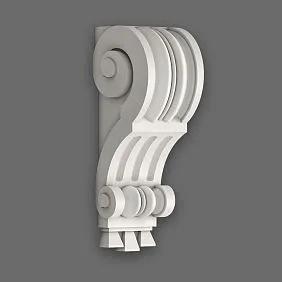
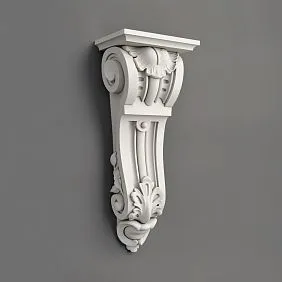
Polyurethane Facade Decor: Unlimited Possibilities
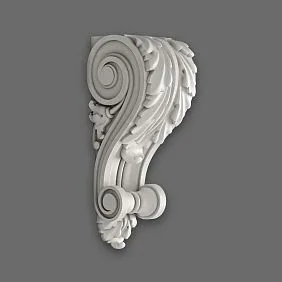
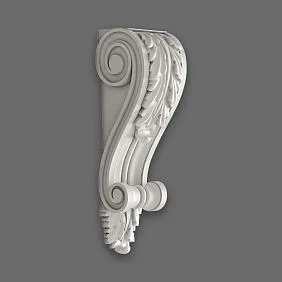
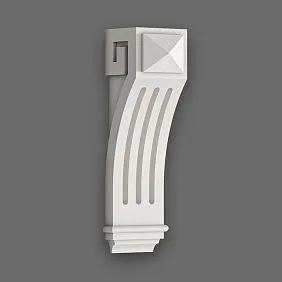
polyurethane facade decorationhas opened up possibilities that were unavailable with traditional materials. Carved stone elements cost tens and hundreds of thousands of rubles, require reinforced structures due to their weight, and are complex to install. Plaster stucco is fragile, fears moisture, and quickly deteriorates under atmospheric precipitation. Polyurethane combines the advantages: visually it is indistinguishable from stone or plaster, but weighs 10 times less, is completely moisture-resistant, withstands temperatures down to -50°C, does not crack, does not crumble, and lasts for decades.
Building cornices — horizontal profiles separating the wall from the roof — perform both a practical function of water drainage and a decorative one. Polyurethane cornices ranging from 100 to 400 mm in width create an expressive finish for the facade, visually increase the building's height, and emphasize the architectural style. The profile can be simple classical or richly ornamented — this determines whether the house will be perceived as restrained-elegant or luxuriously formal.
Moldings on the facade create horizontal and vertical articulation, separate floors, frame windows, and form borders on smooth walls. They transform a simple plastered plane into an architecturally structured surface. The width of moldings varies from 50 to 200 mm, and the profile can be flat or relief. Horizontal moldings at the level of interfloor ceilings visually divide the facade into tiers, creating a rhythm characteristic of classical architecture.
Pilasters are vertical elements that imitate flat columns protruding from the wall plane. They create a sense of monumentality, emphasize the entrance, frame windows, and structure the building's corners. Polyurethane pilasters consist of a base, shaft, and capital, which are mounted separately to create a full architectural order. The height can reach 3-4 meters, allowing for the decoration of two-story facades with a single element.
Rustication is a decorative treatment of building corners that imitates masonry made of large stone blocks. It visually strengthens the corners and creates a sense of massiveness and structural strength. Polyurethane rustication elements are installed on building corners, forming a continuous line of protruding elements from the plinth to the cornice. This is a classic technique characteristic of palace architecture from the 17th to 19th centuries.




Entrance group: where the facade meets the interior
The entrance zone is an architectural paradox: it is simultaneously outside and inside. The porch, canopy, and entrance door are still part of the exterior. The threshold and hallway are already part of the interior. But stylistically, they must be unified, creating a smooth transition rather than a sharp contrast.
The canopy over the entrance is the first element that connects the facade with the entrance group. If it is supported by polyurethane consoles or columns that repeat the stylistic features of the facade decor, a visual connection is established. The profile of the canopy cornice can echo the main facade cornice, creating a rhythmic repetition of forms. Polyurethane is ideal for canopies—it is resistant to precipitation, does not rot, and is easily mounted on a metal frame.
The framing of the entrance door sets the tone for what awaits inside. Polyurethane architraves, pilasters on either side of the door, a pediment or cornice above—these elements create a portal, a ceremonial entrance. The scale of the framing must correspond to the scale of the building: for a small cottage, simple architraves 100-150 mm wide are sufficient; for a large mansion, pilasters up to 3 meters high with carved capitals are appropriate.
A porch with a polyurethane balustrade creates a transition between ground level and entrance level. Balusters, railings, newel posts—all these elements are available in polyurethane, are resistant to atmospheric influences, and do not require regular painting. The style of the balustrade should correspond to the facade decor: for a classical facade—turned balusters of traditional shapes; for a modern one—concise geometric profiles.
Our factory also produces:

Hallway: continuation of the facade theme inside the house
The first room a person enters after crossing the threshold is the hallway. Here, the style of the facade should be continued, but in interior materials and scales. If the facade is decorated with polyurethane elements in a classical style, the hallway cannot be minimalist or loft-style—this would create cognitive dissonance.
Wall panels in the hallway can repeat the rhythm of the facade articulation. If horizontal moldings dividing the floors are used on the facade, panels 90-120 cm high creating a similar horizontal division of the wall are logical in the hallway. The material changes—polyurethane on the facade, wood in the interior—but the principle remains.
Vertical elements—pilasters, vertical moldings—continue the theme of facade pilasters in the interior. Wooden pilasters in the hallway can frame doorways, create rhythm on long walls, and support the visual weight of the ceiling cornice. Proportions and profiles should correlate with facade elements, but the scale is smaller—a facade pilaster can be 200-300 mm wide, an interior one—100-150 mm.
The ceiling cornice in the hallway is an element that connects the walls with the ceiling and echoes the facade cornice. If the facade cornice has a complex multi-step profile, the interior cornice should have a similar structure, albeit on a smaller scale. The material may differ—facade cornice made of polyurethane, interior cornice made of wood or plaster—but the visual connection is preserved.
Flooring in the hallway is an area where practicality meets aesthetics. Porcelain stoneware, natural stone, ceramic tiles—materials that withstand moisture, dirt, and abrasion. But the choice of pattern and color should correspond to the style of the facade. For a classical facade, tiles with geometric patterns, imitation marble masonry, and restrained colors are appropriate. For a modern facade—large-format porcelain stoneware imitating concrete or plain tiles.
Get Consultation
Hallway furniture: how the choice relates to the facade
Entrance Hall FurnitureHallway furniture does not exist in a vacuum—it is part of the architectural context set by the building's exterior. A console against the wall, a bench, a wardrobe, a framed mirror—these items should develop the style initiated on the facade.
A console in a classical style with carved legs, a cornice on top, and a marble top is a natural choice for a house with a classical facade decorated with columns and stucco. The profile of the console cornice can echo the profile of the facade cornice, creating visual resonance. Carving on the legs can repeat motifs of the facade decor—floral ornaments, volutes, fluting.
A mirror in a massive carved frame is an essential element of a classical hallway. The frame can repeat the forms of the facade window framing—if pediments with volutes are used on the windows, the mirror frame can have similar elements. The size of the mirror should correspond to the scale of the room and furniture—for a console 90 cm high, a mirror 120-150 cm high is appropriate.
A wardrobe or closet in the hallway is a practical element that should also match the style. For a classical interior, this is a wardrobe with paneled fronts, moldings, and a cornice on top. If pilasters are used on the facade of the house, the wardrobe fronts can be divided by vertical overlays imitating pilasters on a smaller scale.
A bench or pouf at the entrance is a place for changing shoes that can become a decorative accent. For a classical hallway, this is a bench on carved legs, upholstered in noble fabric—velvet, silk, jacquard. The shape of the legs can echo the balusters of the porch balustrade, creating a continuous theme throughout the entire entrance zone.
Color palette: connection through color scheme
Color is a powerful tool for creating visual unity between the exterior and interior.Facade and interior elements of polyurethane moldingFacade decor is usually painted in a color that contrasts with the walls—white decor on colored walls, dark decor on light walls. This color scheme can be continued inside.
White facade decor on pastel walls is a classic solution that naturally transitions into an interior with white moldings, cornices, and architraves on painted walls. This creates visual continuity, where architectural elements are perceived as a unified system rather than disparate details.
Dark facade decor—dark gray, graphite, anthracite—against a light facade creates a modern, graphic aesthetic. Inside, this can be continued with dark furniture made of stained wood against light walls. A console of dark oak, a mirror in a dark frame, and dark baseboards—these elements will support the facade's color palette.
Natural shades—terracotta, ochre, beige—on the facade create a warm, cozy atmosphere. Inside, this palette continues in the wall color, choice of wood for furniture, and textiles. Furniture made of light oak or beech with natural oil harmonizes with such a color scheme.
Lighting of the entrance zone: from facade to hallway
Light shapes the perception of architecture no less than the forms themselves. Facade lighting emphasizes decorative elements, creates drama, and highlights the house in the dark. This lighting sets the character that should continue inside.
Architectural lighting of facade decor—directional fixtures installed from below or above that illuminate cornices, pilasters, and rustication. The play of light and shadow on the relief creates volume and makes the decor expressive. This principle of dramatic lighting can be continued in the hallway—wall sconces with directional light illuminating moldings and panels.
Lighting fixtures at the entrance door are a functional and decorative element. Classical lanterns on either side of the door create symmetry characteristic of classical architecture. The style of the lanterns should correspond to the style of the facade—for a classical house, these are lanterns in the shape of an 18th-century lantern with clear glass; for a modern one—minimalist cubes with frosted glass.
The lighting in the hallway continues the logic of the entrance area. The central chandelier provides general lighting, wall sconces on either side of the mirror provide functional lighting, and the accent lighting of architectural elements provides decorative lighting. The symmetrical placement of fixtures supports the classical styling of the facade.
Materials: When Polyurethane Meets Wood
The facade is the domain of polyurethane, the interior is the domain of wood. But the boundary between them is not sharp, but smooth, with transition zones where the materials meet and interact.
The entrance door is the point of contact. The door casing on the outside consists of polyurethane architraves or pilasters; on the inside, it's wooden. The profiles can be similar, creating a visual connection, but the materials are different, each optimal for its conditions. Polyurethane withstands precipitation and frost, while wood creates warmth and tactility inside.
The threshold and door saddle are the physical boundary between outside and inside. The exterior side can be porcelain tile or stone, resistant to wear and moisture. The interior side can be parquet, engineered wood flooring, or laminate. The door saddle separates these zones and protects the edges of the floor coverings. The material of the saddle—wood, metal, composite—should harmonize with both sides.
Classic FurnitureA solid wood console in the hallway creates a tactile truth that polyurethane on the facade cannot provide. The console, which hands touch, should be warm, solid, and real. An oak tabletop, carved beech legs—these elements provide a sense of quality and durability expected from a house with a representative facade.
Stylistic Unity: From Baroque to Minimalism
polyurethane facade decorationPolyurethane is available in any style—from classicism to minimalism. It is important that the chosen facade style continues into the interior, creating the integrity of the entire house.
A classical facade with columns, pilasters, and a rich cornice requires a classical interior hallway. A console with carved legs, a mirror in a gilded frame, a chandelier with crystal pendants, high baseboards, wall moldings—all these are elements that support the facade's styling.
A neoclassical facade with simplified forms, concise moldings, and restrained decor allows for a more modern interpretation in the interior. A console of simple forms made of light wood, a mirror in a thin frame, minimalist light fixtures—such a hallway develops the theme of neoclassicism started on the facade.
A modern facade with geometric forms, minimal decor, and an emphasis on proportions dictates a modern interior. A built-in wardrobe with smooth fronts, a legless shelf-console, a large frameless mirror, spot lighting—such a solution creates a unity of minimalist aesthetics outside and inside.
Practical Aspects: Installation and Operation
facade decoration made of polyurethanePolyurethane is installed using a special adhesive for exterior work, resistant to frost and moisture. The facade surface must be leveled, cleaned, and primed. Elements are attached with adhesive, joints are filled with acrylic sealant for exterior work, after which the entire structure is painted with facade paint.
The weight of polyurethane decor is minimal—a cornice 200 mm wide weighs about 1 kg per linear meter. This allows elements to be attached to any facade—brick, block, wood, over insulation—without reinforcing the structure. Stone decor of similar size would weigh 20-30 kg per meter, requiring metal brackets and anchor fastening.
The service life of facade polyurethane with proper installation and painting is 25-30 years or more. Frost resistance of over 300 freeze-thaw cycles ensures durability in the Russian climate. UV stabilizers in the polyurethane composition prevent degradation under sunlight.
Maintenance of facade decor is minimal—periodic washing with a hose removes dust and dirt. Repainting every 7-10 years is recommended to maintain appearance, but it's not mandatory—high-quality facade paint retains color and protective properties for up to 15 years.
Frequently asked questions
Why Does Facade Decor Influence the Choice of Furniture Inside?
The facade creates expectations for the interior. A classical facade with columns suggests classical furniture inside. A modern minimalist facade suggests modern furniture. Dissonance between the exterior and interior disrupts the integrity of perceiving the house as a single architectural object.
Can Polyurethane Decor Be Used Not Only on the Facade but Also in the Hallway?
Yes, polyurethane decor is suitable for interiors, especially in damp areas or where cost savings are needed. Ceiling cornices, moldings in the upper part of walls can be polyurethane. But elements in the hand-touch zone are better made of wood—the difference in tactility is obvious.
How to Choose the Color of Facade Decor So It Complements the Interior?
A classic solution is white or light decor on colored walls. This scheme universally transitions into the interior. Dark decor on a light facade dictates the use of dark wood in furniture. Natural facade shades—terracotta, ochre—are supported by warm wood tones inside.
Is It Necessary to Repeat the Profiles of Facade Elements in Interior Ones?
Exact repetition is not necessary, but a stylistic connection is desirable. If a facade cornice has a complex multi-step profile, the interior one should have a similar structure, albeit on a smaller scale. This creates visual continuity of the architectural language.
How Much Does It Cost to Decorate a Facade with Polyurethane Decor?
The cost depends on the facade area and the complexity of the decor. On average, decorating a single-story house with a facade area of 200 m² costs 150-300 thousand rubles including materials and labor. This is 3-5 times cheaper than similar decoration with stone or gypsum stucco.
How Long Does Facade Decor Made of Polyurethane Last?
With proper installation and painting—25-30 years or more. Frost resistance of over 300 cycles, absolute moisture resistance, UV stability prevents degradation. This is comparable to the service life of the building itself; polyurethane decor does not require replacement during major renovations.
Is It Possible to Install Facade Decor Independently?
Technically possible, but requires skills and tools. You need a stepladder or scaffolding for working at height, special adhesive for exterior work, sealant, a paint sprayer for painting. Accuracy in joining elements, especially at corners, is important. Installation errors will lead to decor detachment and moisture ingress under the elements.
What is more important for a facade — the shape of the decor or its color?
Both parameters are important. The shape defines the style — classical, baroque, modern. Color influences visual perception — contrasting decor creates graphic quality, tone-on-tone creates monolithic unity. Professional designers first choose the shape to match the building's style, then the color to match the overall color scheme.
How to link the facade style with furniture if the house is already built?
Analyze the facade's architecture — what elements are used, what profiles, what style dominates. Choose furniture that develops this stylistic direction. For a classical facade — classical furniture, for a modern one — modern furniture. An intermediate option is neoclassical furniture, which works with both styles.
Can polyurethane facade decor be repainted?
Yes, polyurethane can be repainted multiple times. Old paint does not require complete removal — light sanding to create roughness, priming, and applying new paint is sufficient. This allows updating the facade's appearance without replacing decorative elements.
Conclusion: Integrity from facade to living room
A house is not a collection of separate rooms, but a single organism where each part is connected to the others.facade decoration made of polyurethanesets the stylistic code that determines the architecture of the interiors, the choice offurniture for the hallway, the character of finishes in all rooms. When this code is read and developed consistently, a sense of thoughtfulness, professionalism, and high-quality execution arises.
polyurethane facade decorationopens up possibilities for creating expressive exteriors at reasonable prices. Cornices, moldings, pilasters, rustication — the entire arsenal of classical architecture is available in a lightweight, durable, moisture-resistant material. After professional painting, polyurethane is visually indistinguishable from stone or plaster but serves for decades without destruction or deformation.
The entrance group — a critical transition zone between exterior and interior — requires special attention to detail. The canopy, door surround, porch outside, and hallway inside must be linked stylistically, coloristically, and in scale.Classic Furnituremade of solid wood in the hallway continues the theme started by the facade decor, but now in a tactilely authentic material.
STAVROS Company offers a comprehensive approach to home design — from facade decor to interior furniture. Polyurethane facade decor is made from European compositions with a density of 350-400 kg/m³ and frost resistance of over 300 cycles, guaranteeing durability in the Russian climate. The range includes cornices, moldings, pilasters, columns, rustication, balustrades — everything needed to create an expressive facade in any style.
STAVROS hallway furniture is made from solid oak and beech using traditional joinery techniques. Consoles, benches, mirrors in carved frames, cabinets with paneled fronts — each item is created with attention to detail, ensuring compliance with high standards of classical furniture. The ability to coordinate the stylistics of facade decor and interior furniture within a single project guarantees visual unity of the entire house.
STAVROS designers will help develop a concept where the facade and interior work as a unified system. Analysis of the building's architecture, selection of decor profiles, coordination of color schemes, furniture selection — all are performed comprehensively, taking into account stylistic requirements and budget constraints.
Product delivery is carried out throughout Russia and CIS countries. Facade decor is supplied primed with white primer, ready for finishing painting. Furniture is delivered assembled, ready for installation. STAVROS installation teams perform installation of facade decor and interior furniture with a guarantee of work quality.
ChoosingFacade and interior elements of polyurethane moldingandclassic furniturefrom STAVROS, you create a home where the exterior and interior speak the same language, where every detail is in its place, where architecture works as an integrated system — from the facade cornice to the console in the hallway.