Article Contents:
- Biophilia: The Scientific Basis of Our Attraction to Nature
- The History of the Concept: From Wilson to Today
- Principles of Biophilic Design: 14 Patterns by Browning
- Psychological Effects: Stress Reduction and Comfort Enhancement
- Physiological Effects: Impact on Health
- Racks: Vertical Forests in Interior Design
- Vertical Racks: Mimicking Tree Trunks
- Horizontal Racks: Layering and Rhythm
- Racks with Integrated Greenery: Living Walls
- Materials and Finishing of Racks
- Balusters: Sculptural Verticality
- Turned Balusters: Organic Forms
- Carved balusters: artisanal detailing
- Simple Balusters: Minimalist Biophilia
- Balusters as Furniture Elements
- Moldings: Architectural Biophilia
- Wooden Moldings: Organic Alternative to Gypsum
- Plant Ornamentation: Flora in Architecture
- Ceiling Rosettes: Natural Mandalas
- Moldings: Frames and Rhythm
- Brackets and Consoles: Sculptural Support
- Furniture Elements: Personalization Through Wood
- Furniture Legs: From Turned to Carved
- Handles: Tactile Contact
- Carved Appliqués: Decorative Transformation
- Wooden Hardware: Hinges, Latches, Hooks
- Decorative Elements: Detailing and Accents
- Carved Panels: Art on Walls
- Wooden Frames: Framing Nature
- Shelves and consoles: functional sculpture
- Wooden vases, bowls, accessories
- Integration with living nature: wood + plants
- Vertical gardens on wooden slats
- Wooden shelves with plants
- Wooden planters and pots
- Wooden trellises for climbing plants
- Color and finish: emphasizing naturalness
- Natural tones: preserving authenticity
- Toning in natural colors
- Brushing: revealing structure
- Burning: dramatic naturalness
- Styles and Applications
- Scandinavian: light wood, minimalism
- Japanese: Bamboo, Asymmetry, Zen
- Eco-style: reclaimed wood, rough textures
- Modern classic: natural wood + classic forms
- Conclusion: wood as a bridge between human and nature

Biophilic design transforms from an interior trend into a philosophy of habitation, a fundamental need of modern humans who spend most of their lives in artificial urban environments — concrete boxes, glass offices, underground metro. Biophilia (from Greek bio — life, philia — love) — an innate human attraction to living nature, a need to surround oneself with natural forms, materials, textures, light, greenery — becomes the key to creating healthy, emotionally comfortable spaces that reduce stress, improve well-being, and restore a sense of rootedness. By 2026, biophilic design reaches maturity, moving beyond decorative greening to penetrate architecture, materials, details, transforming interiors into extensions of the natural world.
Wooden decor becomes the primary tool of biophilic strategy — wood as a living material, preserving memories of forests, growth, seasons, creating visual, tactile, and emotional connections with nature. From slats, creating rhythmic vertical or horizontal structures mimicking tree trunks, bamboo thickets, to balusters — turned or carved vertical elements, transforming staircases into sculptural compositions, to moldings — decorative moldings, cornices, rosettes, creating architectural detailing, to furniture elements — legs, appliqués, handles, personalizing standard furniture. Wooden decor permeates space at all levels — from structural to tactile — creating a holistic biophilic environment where every detail contributes to connection with nature.



Biophilia: scientific basis of attraction to nature
Biophilic design — not an aesthetic whim, but a scientifically grounded concept, based on research into the impact of nature on human health, psychology, productivity.




History of the concept: from Wilson to our days
The term 'biophilia' was introduced by biologist Edward Wilson in 1984, describing the innate human attraction to living systems. Millions of years of evolution in natural environments have embedded in genetic memory a preference for natural forms, materials, landscapes. Humans instinctively feel calmer near water, trees, open spaces with views — these are evolutionary survival mechanisms.
Architects and designers adapted biophilia into space design, creating the concept of biophilic design — integration of natural elements, patterns, processes into artificial environments. Studies show: presence of nature in interiors reduces stress by 15-20%, improves concentration by 10-15%, accelerates recovery after illness. Hospital rooms with views of trees have shorter recovery periods, offices with plants — higher productivity.
By 2026, biophilic design becomes a standard of responsible design — architects and interior designers must consider biophilic principles, creating spaces that support occupant health.
Our factory also produces:




Principles of biophilic design: 14 patterns of Browning
Researchers Browning and Ryan identified 14 biophilic design patterns, grouped into three categories: nature in space (visual, tactile connection with natural elements), nature analogs (materials, forms, patterns resembling nature), nature of space (organization creating a sense of shelter, perspective, mystery).
Wooden decor implements several patterns: visual connection with nature — wood texture, growth rings reminding of forests, material connection — touch of warm wooden surfaces, natural patterns — rhythm of slats mimicking tree trunks, complexity and order — balusters create repeating yet variable patterns.
Get Consultation
Psychological effects: stress reduction and comfort enhancement
Presence of wood in interiors creates measurable psychological effects. Studies show: wooden interiors reduce cortisol levels (stress hormone) by 13%, lower heart rate and blood pressure, create a sense of calm. People in wooden interiors feel more relaxed, less anxious, more connected to the space.
This is explained by evolutionary memory: wood is associated with forests — places of shelter, sources of resources, safety. Warm tone, organic texture, natural scent of wood activate the parasympathetic nervous system — 'rest and digest' mode, opposite to sympathetic 'fight or flight'. Wooden decor creates emotional safety, comfort, sense of home.
Physiological effects: impact on health
Trees affect physiology: they regulate air humidity, absorbing excess and releasing it during dryness, creating an optimal microclimate. Wooden surfaces absorb sound, reducing reverberation and noise, creating acoustic comfort that reduces fatigue. Trees emit phytoncides — volatile organic compounds with antibacterial properties, purifying the air.
Schools with wooden interiors show better academic results and fewer disciplinary issues. Hospitals with wood promote faster recovery and less need for painkillers. Offices feature higher productivity and fewer sick days. Wooden decor is an investment in health and well-being of occupants.
Rakes: vertical forests in interior design
Rakes — vertical or horizontal wooden slats — create one of the most expressive biophilic elements, mimicking natural structures.
Vertical rakes: imitation of tree trunks
Vertical rakes, 200–270 cm high (from floor to ceiling), 20x40 mm, 30x50 mm, 40x60 mm cross-section, spaced 50–100 mm apart, create a rhythmic vertical structure mimicking forests of trunks or bamboo thickets. The view wandering between the rakes activates the evolutionary mechanism of scanning a forest, creating a sense of presence in a natural space.
Verticality visually raises ceilings, creating an upward orientation — the natural movement of trees toward light. Gaps between rakes allow light to pass, creating dynamic light and shadow play throughout the day — the effect of sunlight filtering through foliage. Light passing through rakes creates striped patterns on the floor and walls — a natural forest pattern.
Vertical rakes are used as: partitions that zone space without insulation, wall panels creating accent walls, window framing enhancing connection with the external landscape, ceiling decoration creating volume and structure.
Horizontal rakes: layering and rhythm
Horizontal rakes create layering, reminiscent of geological strata, horizons, a calm horizontal rhythm. They visually expand space, creating a sense of openness and stability. Horizontal rakes are used on walls and ceilings, creating texture and visual complexity.
Combining vertical and horizontal rakes creates a grid-like structure, resembling intertwined branches, the organic complexity of a forest.
Rakes with integrated greenery: living walls
Rakes become frames for vertical greening — climbing plants (ivy, philodendron, scindapsus) wrap around rakes, filling gaps with greenery, creating a living wall. Planters with plants are suspended from rakes and integrated between them. This creates maximum biophilic intensity: wood + living greenery — a dual connection to nature.
Vertical greening purifies air, humidifies, creates oxygen, provides visual calm. A green raked wall transforms an urban apartment into a domestic botanical garden, a micro-ecosystem. Automated irrigation systems simplify maintenance, making living walls practical.
Materials and finishing of rakes
Rakes are made from solid wood (oak, beech, pine), MDF (for painting), bamboo (exotic alternative). Finishing emphasizes naturalness: oil preserving texture, toning in natural shades (gray, brown, green), brushing revealing growth rings.
Rakes made from natural wood with minimal finishing create maximum biophilic connection — visible texture, tactile roughness, natural scent. Company STAVROS offerssolid wood railsvarious cross-sections, species for creating biophilic structures.
Balusters: sculptural verticality
Balusters — vertical elements of stair railings and balcony handrails — transform utilitarian structures into sculptural compositions, creating rhythm, detail, and biophilic expressiveness.
Turned balusters: organic forms
Turned balusters are made on a lathe, achieving rounded forms, complex profiles reminiscent of nature — trunks with swellings, spindle, gourd, vase. The rhythm of turned balusters creates a repeating yet variable pattern — each baluster is identical, but natural variations in wood (texture, tone) create individuality.
Organic forms of turned balusters resonate with the biophilic need for natural, non-rigid geometric forms. Roundness invites touch, embrace by hand, creating tactile comfort. Turned balusters suit classical, neoclassical, country, Scandinavian interiors.
Carved balusters: artisanal detailing
Carved balusters are adorned with ornaments — botanical (leaves, vines, flowers), geometric (zigzags, spirals), zoomorphic (birds, animals). Carving creates visual complexity, detail, artisanal value. Each carved baluster is a miniature carving artwork, requiring hours of work.
Carved balusters transform stairs into gallery objects, architectural dominants. They suit classical, baroque, oriental, maximalist interiors, where decorative craftsmanship is valued. Carved balusters create biophilic connection through natural ornaments (leaves, flowers), reminiscent of flora.
The company STAVROS offersSolid wood balusters— turned and carved, various species, profiles, custom-made according to individual sketches.
Simple balusters: minimalist biophilia
Simple balusters with rectangular or square cross-sections, without carving or turning, create minimalist biophilic connection through material, not form. Natural wood with preserved texture, oil finish creates organic warmth, tactile quality, scent. The rhythm of vertical balusters imitates a picket fence, bamboo hedge, natural verticality.
Simple balusters suit Scandinavian, minimalist, Japanese interiors, where material, not decorative, expressiveness is valued. They create biophilia through purity, naturalness, restraint.
Balusters as furniture elements
Balusters are used not only in staircases but also as furniture elements: legs of tables and chairs creating sculptural expressiveness, supports for shelves creating vertical accents, decorative columns framing niches, openings, headboard elements of beds creating vertical rhythm.
Using balusters in furniture creates architectural continuity, unity of style between the staircase and furniture, detailing, biophilic verticality penetrating all levels of the interior.
Cornice: Architectural Biophilia
Cornice — decorative elements (moldings, cornices, rosettes, brackets) — traditionally associated with classical interiors, but in a biophilic context acquires new meaning — creating architectural structurality, detailing, natural ornaments.
Wooden cornice: organic alternative to plaster
Traditional cornice is made of plaster, polyurethane — materials cold and artificial. Wooden cornice — milled moldings, carved cornices, rosettes from solid wood — creates an organic alternative, warm, tactile, biophilic. Wood instead of plaster transforms a utilitarian element into a natural one, creating material connection.
Wooden cornice suits neo-classical, Scandinavian, eclectic interiors, where classical architectural logic combines with biophilic materiality. Moldings from oak, ash with preserved texture create a natural rhythm on walls, ceilings.
The company STAVROS offerswooden moldings, cornicesfrom solid wood — an alternative to plaster or polyurethane cornice, creating biophilic warmth.
Plant ornaments: flora in architecture
Cornice traditionally includes plant ornaments — acanthus leaves, grapevines, roses, oak leaves — reference to nature, flora. In biophilic design, these ornaments acquire literal meaning — they are not just decoration, but a reminder of the natural world, visualization of flora inside the home.
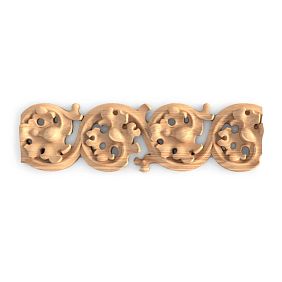
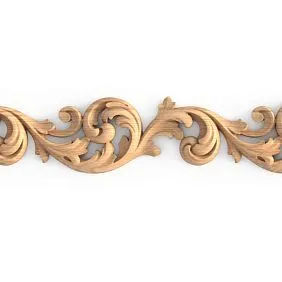
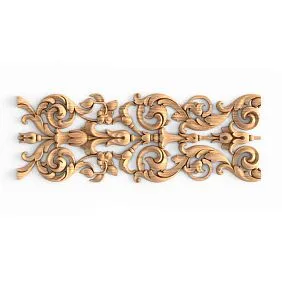
Carved cornices with leaves, rosettes with flowers, brackets with vines create a botanical museum on walls, ceilings. Plant ornaments activate biophilic response — recognition of natural forms, associations with gardens, forests, creating emotional calm.
Ceiling rosettes: natural mandalas
Ceiling rosettes — round decorative elements around chandeliers — create radial symmetry reminiscent of natural mandalas: flowers (rose, sunflower), cross-sections of trees with growth rings, snowflakes, sea urchins. Radial symmetry — a common natural pattern — creates visual calm, centrality, focus.
Wooden rosettes with carved plant motifs create a natural mandala on the ceiling, transforming a utilitarian fixture for chandeliers into a biophilic accent. Company STAVROS offersWooden socketscarved, of various diameters, ornaments.
Moldings: frames and rhythm
Moldings — decorative strips on walls — create frames, panels, visual division, architectural structure. In a biophilic context, moldings made of natural wood create a warm rhythm, natural materiality, tactile boundaries. Wide moldings (80-120 mm) with pronounced relief create volume, play of light and shadow, visual complexity.
Moldings can be smooth — for minimalism, or profiled, carved — for classicism. Wooden moldings on painted walls create material contrast, biophilic accent. They frame wallpaper, panels, mirrors, creating frames that structure space.
Brackets and consoles: sculptural support
Brackets — decorative supports for shelves, cornices — and consoles — wall tables — transform utilitarian support into sculptural elements. Carved brackets with plant, zoomorphic motifs (griffins, lions, leaves) create artisanal detailing, biophilic references.
Wooden brackets under shelves with plants create literal biophilic connection — natural material (wood) supports living nature (plants). Carved consoles in hallways, living rooms become miniature sculptures, architectural accents.
Furniture elements: personalization through wood
Decor for wooden furniture — legs, handles, appliqués — transforms standard furniture into personalized, biophilic, detailed pieces.
Furniture legs: from turned to carved
Legs — the most important visual element of furniture, defining style, character. Replacing standard legs with wooden turned, carved, sculptural ones transforms furniture. Turned legs with organic forms (balusters, spindle) create classic elegance. Carved legs with plant ornaments (leaves, vines) create biophilic detailing. Simple conical legs from natural wood create Scandinavian organic simplicity.
Wooden legs instead of metal or plastic create tactile warmth, visual organicity, biophilic connection. Company STAVROS offersLegs for solid wood furniture— turned, carved, simple, of various species, heights, custom-made.
Handles: tactile contact
Handles for cabinets, chests, doors — elements of daily tactile contact. Wooden handles create a warm, pleasant touch, contrasting with cold metal or plastic. Carved handles with organic forms (branches, leaves, nuts) create biophilic tactility — every opening of a cabinet becomes a touch of nature.
Wooden handles are easy to install yourself, transforming standard furniture (IKEA) into personalized, biophilic pieces. This is a simple, budget-friendly way to add wood, character, and tactile warmth to your interior.
Carved appliqués: decorative transformation
Carved appliqués — decorative elements glued onto furniture facades, corners, and edges — create decorative detail, biophilic ornamentation. Appliqués with botanical motifs (rosettes, vignettes, corner vines) transform a plain dresser facade into a decorated, classic, detailed piece.
Appliqués allow customization of standard furniture, upgrading old pieces, adding carving without buying expensive carved furniture. This is an accessible way to add artisanal detail and biophilic ornamentation. The company STAVROS offersdecorative carved elements— appliqués, rosettes, vignettes for furniture decoration.
Wooden hardware: hinges, catches, hooks
Replacing standard metal hardware with wooden (or wood+brass combinations) creates material continuity and biophilic warmth. Wooden hooks for clothes instead of metal, wooden shelf brackets instead of plastic, wooden catches instead of aluminum — details that create an organic environment.
Every detail made of wood instead of synthetic materials or metal enhances the biophilic intensity of the interior, creating material cohesion and tactile comfort.
Decorative elements: detail and accents
Decorative wooden elements create detail, accents, biophilic touches, transforming a neutral space into a distinctive, personalized one.
Carved panels: art on walls
Carved wooden panels — flat or relief compositions with botanical, geometric, or narrative motifs — transform a wall into a gallery. Panels with flora (trees, flowers, leaves) create literal biophilic visualization — a nature scene made from natural material. Sizes range from compact (40x60 cm) to monumental (200x300 cm).
Carved panels above beds, sofas, dining tables create a focal point, artistic accent, biophilic theme. These are individual works of woodcarvers, creating artisanal value and uniqueness. The company STAVROS manufacturescustom carved panelsaccording to individual sketches, sizes.
Wooden frames: framing nature
Wooden frames for paintings, mirrors, photographs create organic framing, biophilic context. A carved frame transforms an image into a piece surrounded by natural ornamentation. A frame made of natural wood with texture creates a warm frame, contrasting with smooth walls.
A mirror in a wooden frame becomes not just a utilitarian object, but a decorative object, a biophilic accent. Wide carved frames (100-200 mm) create monumentality, transforming the mirror into an architectural element.
Shelves and consoles: functional sculpture
Wooden shelves — not just storage, but functional sculpture, a biophilic element. A solid wood shelf with a live edge (preserved natural curvature of the trunk) creates an organic form, a reference to nature. Shelves mounted on wooden brackets create material continuity. Open shelves with plants, books, ceramics on a wooden base create a biophilic composition.
Solid wood console tables in entryways create the first impression — organic warmth, natural materiality, hospitality.
Wooden vases, bowls, accessories
Wooden accessories — vases for dried flowers, bowls for fruit, candlesticks, clocks — create tactile points of contact with wood in daily life. Precision-cut vases from solid wood, carved bowls, inlaid boxes — each item carries artisanal value, natural beauty, biophilic presence.
Wood in accessories creates multi-layered experience — not only structural elements (floors, furniture), but also details, touches, tactile sensations. Every touch on a wooden surface strengthens the biophilic connection.
Integration with living nature: wood + plants
Wooden decor is maximally expressed when combined with living plants — two natural elements reinforce each other, creating a biophilic resonance.
Vertical gardens on wooden slats
Slatted structures become frames for climbing plants — ivy, philodendron, pothos wrap around slats, creating a green wall. Planters with plants are suspended at different levels, creating a vertical garden. Automatic watering ensures regular hydration, and grow lights provide light for growth.
Vertical garden on wooden slats — maximum biophilic intensity: natural material (wood) + living nature (plants) + verticality (imitation of forest). This creates a home botanical garden, a micro-ecosystem that purifies the air, humidifies it, and provides visual calm.
Open wooden shelves filled with plants in ceramic pots create a green composition against the backdrop of wood. A solid wood shelf with natural texture — the base, plants — a living accent. Different levels of shelves create a multi-tiered garden, a composition of heights, forms, textures.
Shelves with plants in the kitchen (herbs, microgreens), in the living room (decorative plants), in the bathroom (moisture-loving ferns, orchids) create green zones, biophilic oases.
Shelves with plants in the kitchen (herbs, microgreens), in the living room (decorative plants), in the bathroom (moisture-loving ferns, orchids) create green zones, biophilic oases.
Wooden planters and pots
Wooden planters — boxes, vases made of solid wood — create an organic frame for plants. Wood + ceramic pot inside, or wood as the main material of the planter with waterproofing. Precision-cut wooden vases for cut flowers, dried flowers create a natural composition — wood holds flora.
Planters made of natural wood with texture harmonize with any plants, creating material harmony, biophilic integrity.
Wooden trellises for climbing plants
Wooden trellises — lattice structures for supporting climbing plants — in interiors create vertical green compositions. A trellis by the window with a climbing plant (jasmine, ivy) creates a green curtain, a living drapery. A trellis as a partition with plants — zoning through biophilia.
Carved trellises become decorative objects even without plants, and with plants — living sculptures.
Color and finish: emphasizing naturalness
The treatment of wooden decor determines the degree of biophilic expressiveness — the more natural the finish, the stronger the connection with nature.
Natural tones: preserving authenticity
Natural wood tones — light beech, warm oak, dark walnut — preserve authenticity and recognizability of the material. Oil and wax finishes highlight texture, create a matte sheen, tactile velvetness. Natural wood creates maximum biophilic connection — visually, tactilely, olfactorily (smell).
Toning in natural colors
Toning expands the palette while preserving texture visibility: gray toning creates vintage feel, association with weathered wood, coast; green toning — unusual but natural solution, association with moss, patina; brown — emphasizing warm notes, depth.
Toning adapts wood to the interior color scheme while preserving natural texture and biophilic readability of the material.
Brushing: revealing structure
Brushing selects soft fibers, leaves hard ones, creating a textured surface that highlights growth rings — visualizing growth, time, life of the tree. Brushed wood is tactilely expressive — fingers feel the relief, read the tree’s history through touch.
Brushed decor creates visual and tactile biophilic intensity, natural authenticity, artisanal value.
Burning: dramatic naturalness
Burned wood (Shou Sugi Ban) creates a black velvet surface with cracks, charcoal texture. This is a dramatic interpretation of nature — not a light forest, but charred tree trunks after fire, dark primal force. Burned decor suits modern, minimalist, industrial interiors, where biophilia manifests through materiality, not ornamentation.
Styles and applications
Scandinavian: light wood, minimalism
Scandinavian style — quintessence of biophilic design through material. Light wood (beech, birch, pine), simple forms, oil finishes, abundance of plants. Vertical light wood slats, simple balusters, smooth moldings, minimalist furniture legs create a biophilic environment through purity, naturalness, connection with northern nature.
Japanese: bamboo, asymmetry, Zen
Japanese style integrates biophilia through bamboo, asymmetrical forms, natural materials. Bamboo slats, simple balusters, minimalist moldings, organic furniture shapes. Natural color palette — beige, brown, green. Plants (bonsai, bamboo) are mandatory. Japanese style creates biophilia through Zen aesthetics, meditativeness, connection with nature.
Eco-style: reclaimed wood, rough textures
Eco-style uses reclaimed wood, rough unprocessed textures, live edges, knots. Slats from old beams, balusters from roots, moldings from branches, furniture elements from pallets. Natural, unprocessed color. Abundance of plants, natural materials. Eco-style creates biophilia through authenticity, reuse, ecological responsibility.
Modern classic: natural wood + classic forms
Modern classic combines classic architectural forms (moldings, cornices, balusters) with natural materials, simplified palette. Wooden moldings instead of plaster, carved oak balusters, botanical ornamentation on moldings. Color: natural wood or white. This is biophilia through materiality, artisanal value, architectural structure.
Conclusion: wood as a bridge between human and nature
Biophilic design in 2026 transforms interiors into extensions of the natural world, where every element — from structural slats to tactile handles — contributes to creating a connection with nature, reducing stress, improving well-being, restoring a sense of rootedness. Wooden decor becomes the primary tool of biophilic strategy — wood as a living material creates visual, tactile, emotional, olfactory connection with forests, growth, natural rhythms.
From vertical forests created by rails that mimic tree trunks and allow light to pass through, integrating greenery, to balusters—sculptural vertical elements that transform stairs into architectural compositions; from wood moldings, cornices, and floral-patterned rosettes, to furniture elements such as legs, handles, and appliqués that personalize standard furniture—wooden decor permeates the space at all levels, creating a cohesive biophilic environment.
Integration with living plants enhances the biophilic effect—vertical gardens on rails, plants on wooden shelves, planters, and trellises create a symbiosis between natural materials and living nature, forming a domestic micro-ecosystem. Natural tones, minimal processing, and brushing emphasize authenticity and naturalness, creating maximum connection.
STAVROS — a manufacturer of solid wood products, offering a full spectrum of biophilic wooden decor:rails, balusters, moldings, cornices, decorative elements(rosettes, carved panels, appliqués),furniture legs, Framesmade from oak, ash, and pine with various treatments—from natural oils to carving.
By working with responsibly sourced high-quality wood, using eco-friendly finishes, and collaborating with master woodcarvers, STAVROS creates products embodying biophilic design principles—ecological sustainability, natural beauty, artisanal value, and durability. By consulting with professionals, you receive guidance on creating a biophilic interior, selecting elements, species, treatments, custom manufacturing, and quality assurance.
STAVROS products are an investment in a biophilic living environment that reduces stress, improves health, creates emotional comfort, and fosters a connection with nature. Create interiors where wood is not merely decorative but a philosophy permeating every level—where rails mimic forests, balusters create vertical rhythm, moldings carry botanical motifs, and furniture elements invite touch—interiors living in symbiosis with nature, where people feel at home, rooted, protected, and connected to the organic world.