












































































Article Contents:
- Philosophy of white interior: light, space, purity
- Maximizing light
- Covering Defects
- Creating a sense of cleanliness and order
- White wooden baseboard: paint vs. enamel
- Painting while preserving texture
- Enamel coating — perfect smoothness
- Which one to choose?
- White framed mirror: expanding light
- Light multiplication function
- Covering Defects
- Decorative function
- Where to place a white mirror
- Shades of white: cool vs. warm
- Cool white: Scandinavian freshness
- Warm white: cozy softness
- How to choose a shade of white
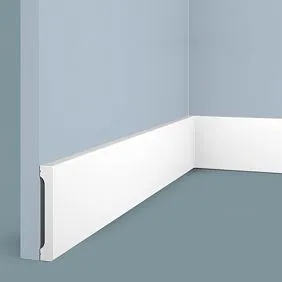
- Wide white baseboard: monumentality in lightness
- Why a wide baseboard
- Wide white: monumentality without heaviness
- Profiles of wide baseboards
- Combination with white floor or contrast
- Caring for white surfaces
- Baseboards: regular cleaning
- Mirror in white frame: delicate cleaning
- Preventing contamination
- Combination with natural wood: accents
- Wooden floor: warm foundation
- Wooden furniture: warm islands
- Natural-colored wooden frames: selective accent
- Plants: natural green accent
- Psychology of white interior
- Calming effect
- Stimulating effect of light
- Requirement for order
- Sense of spaciousness
- Interior styles with white baseboard and white mirror
- Scandinavian: hygge philosophy
- Minimalism: less is more
- Provence: romance in white
- Modern classic: elegance in white
- Questions and Answers
- Won't a white interior look like a hospital?
- How often will I have to wash the white baseboard?
- Which shade of white to choose for a north-facing room?
- Can white baseboard be combined with dark flooring?
- Is patina needed on a white mirror frame?
- What height of white baseboard is optimal?
- Is it better to paint a white baseboard or buy a ready-made one?
- How to match a white mirror to a white baseboard?
- Does a white interior become boring over time?
- How much does white wooden baseboard cost?
- Conclusion

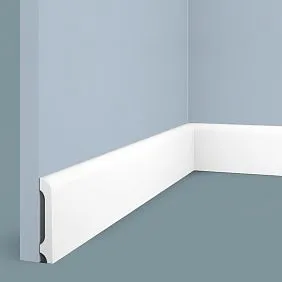
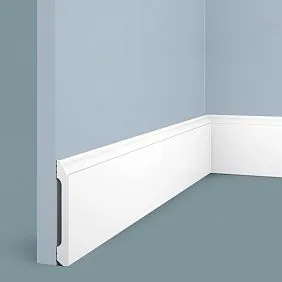
White is not the absence of color, it is the concentration of light. When walls, ceiling,White Wooden BaseboardandMirror in a white frameform a unified luminous system, the space seems to dissolve, loses boundaries, fills with air. Scandinavian aesthetics taught the world to see white not as the sterility of a hospital ward, but as a refined philosophy of light, spaciousness, and inner peace.
Creating a white interior is an art of nuances. Here, shades of white (there are dozens), textures, the play of light on different surfaces, subtle accents of natural materials are important.Wall mirror in a white framenext to white walls does not blend into the background if the shade is chosen correctly, if the frame has volume, if the mirror is placed to catch and reflect light. A white interior requires thoughtful consideration of every detail — fromwide wooden baseboardto switches, from textiles to decorative elements.


White interior philosophy: light, space, purity
A white interior is not just a fashionable trend or a budget finishing method. It is a philosophy based on three principles: maximizing light, visually expanding space, creating a sense of cleanliness and order.




Maximizing light
In northern countries, where winter days last only a few hours, light is a precious resource. Scandinavians have learned to extract the maximum from every ray of sunlight. White surfaces reflect up to 80-90% of the light falling on them, unlike dark surfaces which absorb light. A room with white walls, white ceiling, and white floor will be 2-3 times brighter than the same room with dark surfaces under identical lighting.
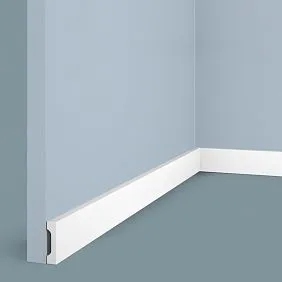
White baseboards and white moldings enhance this effect. They reflect light hitting the floor and lower parts of the walls, distributing it throughout the room.White wooden skirting boardwith a textured surface (wood grain visible) creates a soft play of light and shadow, adding volume and preventing a flat impression.
Mirror in a white frame is a powerful tool for working with light. The mirror reflects light, multiplying it. The white frame does not absorb light falling on it but reflects it back into the room. Placed opposite a window, such a mirror creates the illusion of a second window, visually doubling the amount of natural light.
Our factory also produces:


Visual space expansion
White color visually recedes, creating a sense of more space. Dark colors visually advance, compressing space. A 15-square-meter room with white walls is perceived as significantly more spacious than the same room with gray or brown walls.
White skirting board, painted the same color as the walls or a shade lighter, visually extends the wall to the floor without creating a horizontal boundary. This makes walls appear taller and the room more spacious. A contrasting dark skirting board creates a boundary, visually cutting the wall height. White dissolves this boundary.
White mirror enhances the expansion effect. The mirror itself creates an illusion of additional space beyond the wall. A white frame that does not sharply contrast with the white wall makes this effect even more convincing—the mirror is perceived not as an object on the wall but as a portal, a window into parallel space.
Get Consultation
Creating a sense of cleanliness and order
White color is associated with purity at the level of cultural archetypes. A white interior psychologically creates a feeling of order, freshness, and novelty. It is a space where it is easy to breathe, where thoughts become organized, where nothing distracts or weighs down.
White requires maintaining order. Dust, dirt, and stains are visible on white surfaces. This is not a drawback but an incentive to maintain cleanliness. A white interior disciplines, makes one more attentive to the surroundings, clean up on time, and not accumulate chaos.
White skirting board and white mirror are elements that create visual cleanliness. They are light, bright, and do not overload the space with visual noise. In a white interior, every item is important—it either blends in or stands out. Random things do not remain here.
White wooden skirting board: painting vs. enamel
How to get a white skirting board from natural wood? There are two main methods: painting while preserving the texture and enamel coating that completely hides the texture. The choice of method determines the final visual effect.
Painting while preserving the texture
The first method is applying white tinting paint (diluted enamel or special white oil) that colors the wood but leaves the texture visible—the pattern of fibers, annual rings. This creates the effect of white wood, where the warmth of the natural material, tactility, and naturalness are present.
Technology:
-
Skirting board is sanded to smoothness
-
White tinting paint or oil is applied
-
Excess paint is wiped off, paint remains in the wood pores
-
Wood texture remains visible, but the color becomes white
-
Final coating—clear varnish or oil for protection
Advantages of the method:
-
The noble texture of oak or beech is visible
-
Naturalness, tactility of wood is preserved
-
Uniqueness—each skirting board has an individual pattern
-
Suitable for Scandinavian, eco-, country styles
-
Easy to restore—re-sand and repaint
SuchWhite Wooden Baseboardcreates a sense of naturalness, connection with nature. This is not the synthetic white of plastic, but the natural white of wood—warm, alive, changing depending on the lighting.
Enamel coating—perfect smoothness
The second method is applying dense white enamel that completely hides the wood texture. The result is an absolutely smooth white surface without visible pores, texture, or pattern. This is a modern, minimalist look, maximally clean and graphic.
Technology:
-
Skirting board is primed with several layers of primer
-
Primer is sanded to perfect smoothness
-
Apply 2-3 coats of white enamel (acrylic or polyurethane)
-
Each layer is sanded with fine sandpaper
-
The final enamel coat without sanding creates gloss or matte finish
Advantages of the method:
-
Perfectly smooth surface without texture
-
Pure white color without visible wood pores
-
Modern, minimalist look
-
Easy to clean, resistant to stains
-
Suitable for modern, minimalist, high-tech interiors
Enamel coating creates artificial smoothness. The baseboard looks like white plastic or stone, but remains wooden — warm to the touch, eco-friendly, and restorable.
Which one to choose?
The choice depends on interior style and personal preference. If you value naturalness, wood texture, Scandinavian or eco-style — choose painting that preserves the texture. If perfect smoothness, modern minimalism, and graphic quality are important — choose enamel coating.
You can combine: use baseboards with visible texture and a mirror in an enamel-coated frame (or vice versa) in the same interior. This creates visual interest, subtle texture play in white monochrome.
White mirror in a frame: light expansion
Mirror in a white frame— a key element of a white interior. It works on several levels simultaneously: functional (reflection), visual (space expansion), lighting (light multiplication), decorative (accent).
Light multiplication function
A mirror reflects up to 95% of light falling on it. Placed opposite a window or perpendicular to it, the mirror redirects light into dark corners, doubling the light flow from the window in a certain direction. In a white interior, where light maximization is a priority, the mirror becomes a functional tool, not just decor.
A white frame enhances the effect. If the frame is dark (black, brown), it absorbs light falling on its surface. A white frame reflects this light back, adding to the overall luminosity of the room. In a room with insufficient natural light, this difference is noticeable.
Our factory also produces:
Visual space expansion
A mirror creates the illusion of additional space. The brain perceives the reflection as an extension of the room. A white frame on a white wall minimizes the visual boundary between the wall and the mirror — the mirror is perceived not as an object hanging on the wall, but as a window, passage, portal to a parallel space.
This effect is maximal in small spaces. A narrow hallway with a large mirror in a white frame on a long wall visually doubles in width. A small bathroom with a full-wall mirror appears spacious. A 15-square-meter living room with a 120×180 cm mirror is perceived as significantly larger.
Decorative function
Even in a white monochrome interior, accents are needed. A mirror in a white frame is a soft, non-contrasting, but noticeable accent. The frame has volume, a profiled shape, creates play of light and shadow. The mirror surface reflects the room, creating a dynamic image that constantly changes depending on lighting and people's movement.
Frame shape is important. A rectangular frame with a simple profile is minimalist, modern. An oval frame is classic, soft, feminine. A round one is geometric, meditative. A carved frame with white coating is neoclassical, Provence, romanticism.
Where to place a white mirror
In a white interior, a mirror can be placed:
-
Opposite a window — to maximize light
-
At the end of a long corridor — for visual expansion
-
Above a console or dresser — a classic composition
-
On a free wall as an independent accent
-
In a composition with several mirrors of different sizes
Important: check what is reflected in the mirror. If opposite — a blank wall or clutter, the effect will be negative. The mirror should reflect beauty: a window, light, beautiful furniture, plants, works of art.
White shades: cool vs warm
"White" is not one color, but a family of shades. In interior design, dozens of whites are distinguished: from cold arctic to warm creamy. The choice of shade is critically important for creating a harmonious white interior.
Cool White: Scandinavian Freshness
Cool white has a bluish or grayish undertone. It is white described with words: arctic, snowy, icy. It is associated with northern countries, winter mornings, freshness.
Characteristics of cool white:
-
Bluish or grayish undertone
-
Bright, graphic, clean
-
Creates a feeling of coolness, freshness
-
Suitable for southern, sunny rooms (compensates for excess warm light)
-
Pairs with cool colors: gray, blue, black, silver
Cool white baseboards and cool white mirrors create a modern, Scandinavian interior. This is the choice for minimalists, for those who value graphic quality, clean lines, and the absence of visual noise.
Warm White: Cozy Softness
Warm white has a creamy, beige, yellowish undertone. It is white described with words: ivory, creamy, milky, vanilla. It is associated with warmth, coziness, softness.
Characteristics of warm white:
-
Creamy, beige, yellowish undertone
-
Soft, cozy, calming
-
Creates a feeling of warmth, comfort
-
Suitable for northern, dark rooms (compensates for lack of warm light)
-
Pairs with warm colors: beige, brown, terracotta, gold
Warm white baseboards and warm white mirrors create a cozy, soft interior. This is the choice for classic, Provence, country interiors, for those who value homely comfort, softness, and a calming atmosphere.
How to choose a white shade
The main rule: all white elements in the interior must be of the same temperature. A cool white ceiling, warm white baseboard, and snow-white mirror will clash, creating visual dissonance.
Selection algorithm:
-
Determine what kind of light predominates in your room: warm (south-facing, yellowish lamps) or cool (north-facing, LED daylight lamps)
-
To compensate for excess warm light, choose cool white; to compensate for cool light — warm white
-
Or support the existing temperature: warm light + warm white = maximum coziness; cool light + cool white = maximum freshness
-
Buy paint samples, paint small boards, place them in the room under different lighting (morning, day, evening, artificial light), choose the most harmonious one
Modern designers often use layered white: a combination of 2-3 white shades of different temperatures and saturation. For example: cool white for walls, warm white for baseboards, snow-white for a mirror. This creates visual complexity, depth, and prevents the feeling of a flat white box.
Wide white baseboard: monumentality in lightness
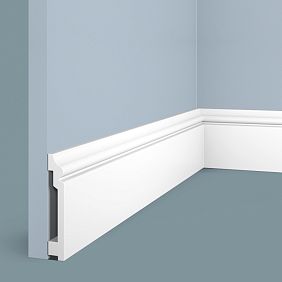
Wide Wooden Skirting Board100-150 mm in height — a modern trend that brings architectural solidity back to interiors. In white, it creates a paradox: monumentality of form with lightness of color.
Why a wide baseboard
Historically, baseboards were tall — in palace and aristocratic interiors of the 18th-19th centuries, baseboard heights reached 15-20 cm. This created a visual plinth, monumentality, and respectability. In the 20th century, with the spread of standard housing, baseboards became narrow (5-7 cm) — cheaper, more practical, and faster to install.
Wide baseboards are back in fashion today. Reasons:
-
Visual solidity, respectability
-
Better proportions with high ceilings (from 2.7 m)
-
Protection of walls from damage at a greater height
-
Ability to hide wiring in the baseboard
-
A tribute to the traditions of classic interior
A wide baseboard 100-120 mm high creates the visual foundation of a room. It is the boundary between the vertical of the wall and the horizontal of the floor, an architectural element that structures the space.
Wide white: monumentality without heaviness
A wide baseboard in dark tones (black, dark brown) visually weighs down a room, creating massiveness. A wide white baseboard, painted the same color as the walls or slightly lighter, creates monumentality of form with visual lightness.
The white color neutralizes the visual heaviness of a wide baseboard. It does not contrast with the wall, does not create a dark stripe at the bottom of the wall. On the contrary—it continues the wall, making it visually taller and the room more spacious. At the same time, the volume and profiled shape of the baseboard are preserved, creating architectural complexity.
In a white interior, a wide white baseboard is an element that creates structure without visual noise. It is a subtle play of volumes and shadows, noticeable upon close inspection but not eye-catching, not distracting from the overall lightness of the space.
Profiles of wide skirting boards
A wide baseboard can have different profiles:
-
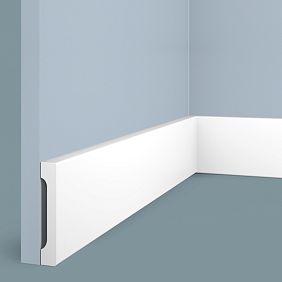
Flat rectangular—modern, minimalist (simply a plank 100-120 mm high)
-
With a chamfer—a beveled top edge, creating a soft transition to the wall
-
Profiled—a complex shape with protrusions and recesses, creating a play of light
-
Classic—a multi-level profile with curves, reminiscent of a column base
All profiles are suitable for a white interior, but the effect is different. Flat creates minimalism, graphic quality. Profiled creates classical elegance, visual richness. The choice depends on the overall interior style.
Combination with a white floor or contrast
A wide white baseboard can be combined with a white floor (white painted board, white laminate)—creating an effect of a continuous white surface that visually expands the space. Or use contrast: white baseboard + dark floor (dark oak, wenge, black)—a clear boundary, graphic quality, modernity.
White baseboard + light wooden floor (whitewashed oak, ash, pine)—a harmonious combination, Scandinavian aesthetics, naturalness while preserving the lightness of white.
White baseboard is universal—it combines with any floor covering, creating either contrast or support, depending on the floor color.
Care for white surfaces
The main question about a white interior: how to maintain whiteness? Yes, white surfaces require care, but modern materials and technologies make this easier than it seems.
Baseboards: regular cleaning
White baseboard is the most soiled surface. It collects dust from the floor, splashes during cleaning, scratches from the vacuum cleaner, and shoe marks.
Care for white wooden baseboard:
-
Regular dry cleaning: wipe with a dry cloth or a special brush attachment for the vacuum cleaner once a week
-
Wet cleaning: wipe with a slightly damp cloth and a mild detergent (diluted soap, wood cleaner) once a month
-
Spot cleaning of stains: remove fresh stains immediately with a damp cloth; old stains—with special wood cleaners
-
Coating renewal: the varnish or enamel coating can be renewed every 3-5 years (light sanding, applying a new coat)
Quality varnish or enamel protects the baseboard from absorbing dirt. Contaminants remain on the surface and are easily removed with wet cleaning. Unprotected wood absorbs dirt, making it harder to wash off.
Mirror in a white frame: delicate cleaning
A white mirror frame gets less dirty than a baseboard (it's higher up, doesn't contact the floor), but still requires care.
White frame care:
-
Dry cleaning: wipe with a dry, soft cloth every 2 weeks to remove dust
-
Wet cleaning: wipe with a slightly damp cloth every 2-3 months (water without detergents or a mild furniture cleaner)
-
Avoid: abrasives, harsh chemicals, excess water (can damage the finish)
-
Special attention: carved elements, recesses where dust accumulates (clean with a soft brush)
Mirror surface: clean with a glass cleaner, spraying onto the cloth (not the mirror!) to prevent the cleaner from getting on the frame.
Contamination prevention
The best care is prevention:
-
Use protective pads on furniture legs (to avoid scratching the baseboard)
-
When cleaning, wash the floor with a thoroughly wrung-out cloth (avoid splashing the baseboard)
-
Remove outdoor shoes in the hallway (less dirt)
-
Regular dusting (prevents dirt from accumulating)
-
Quality protective coatings (good quality varnish, enamel are easier to clean and last longer)
A white interior instills discipline. It doesn't allow you to postpone cleaning or accumulate dirt. And that's good — cleanliness becomes a habit, a part of life.
Combination with natural wood: accents
White monochrome, despite all its beauty, can become tiring and create a sense of sterility. Accents of natural wood — warm, natural, tactile — enliven a white interior, adding coziness and humanity.
Wooden floor: a warm foundation
A natural wooden floor (plank, parquet, engineered wood) under a white interior is a classic Scandinavian solution. The warm tones of the wood (from light ash to honey oak) create a contrast with the cool white of the walls and ceiling, ground the space, and add a natural feel.
Combination of white baseboard and wooden floor:
-
Visually raises the walls (white baseboard continues the white wall)
-
Creates a clear boundary between wall and floor
-
Highlights the beauty of the natural wood floor
-
Adds graphic quality and structure
If the floor is very light (whitewashed oak, white ash), the difference between the floor and the white baseboard is minimal — creating an effect of a continuous light surface. If the floor is medium or dark tones, the contrast is more noticeable, the effect is more graphic.
Wooden furniture: warm islands
In a white interior, wooden furniture in natural shades (table, chairs, dresser, shelves) becomes a visual accent. The warm tones of the wood against the white background appear even warmer, more natural, and attract the eye.
Recommendations:
-
Choose furniture made from light wood species (oak, ash, beech) — they harmonize with white and don't create excessive contrast
-
Use dark wood (wenge, walnut) sparingly — 1-2 items, no more
-
Natural finish (oil, wax) highlights the wood's texture and natural character
-
Simple furniture forms support the minimalism of a white interior
A wooden console under a white mirror in a white frame is the perfect composition: the white mirror reflects the room, multiplies light, while the wooden console adds warmth, naturalness, and tactility.
Natural-colored wooden frames: selective accent
If most mirrors and paintings are in white frames, one or two mirrors or paintings in natural wood frames create an accent, attract attention, and add visual interest.
This can be used for zoning: in the living area — a mirror in a white frame, in the dining area — a mirror in a natural oak frame. Or to create hierarchy: the main mirror — in a natural frame, secondary ones — in white.
Plants: natural green accent
Live plants are natural accents in a white interior. The green color against white looks especially bright, lively, and fresh. Plants add color, naturalness, purify the air, and create coziness.
wooden decorative elements— sculptures, vases, candlesticks, natural-colored photo frames — pinpoint accents that add warmth without overloading.
Psychology of a white interior
The color white influences psychology, emotions, and behavior. Understanding this influence helps consciously create a white interior that meets your needs.
Calming effect
The color white is psychologically neutral; it does not excite or stimulate. It calms, reduces stress levels, and creates an atmosphere of safety. In a white interior, it's easier to relax, rest, and recover.
This is important for bedrooms, living rooms, and relaxation spaces. White helps disconnect from the outside world and immerse oneself in a state of peace. Especially valuable in urban environments, where an excess of visual stimuli creates chronic overload.
Stimulating effect of light
The paradox of white: it simultaneously calms and stimulates. It calms through color neutrality and stimulates with an abundance of light. A bright room invigorates, improves mood and productivity. This is especially important in northern regions, where lack of light causes seasonal depression.
A white interior that maximizes light is a prevention against seasonal emotional lows, a tool for maintaining good mood and energy.
Requirement for order
A white interior is intolerant of clutter. On a white background, any carelessness stands out. This disciplines, forces one to maintain order. For some, this is an advantage (a stimulus for organization), for others — stress (constant tension).
Before creating a white interior, ask yourself: are you ready for constant order maintenance? If not — choose colors and textures more tolerant of clutter.
Sense of spaciousness
Psychologically, a white interior creates a sense of spaciousness, freedom, and possibility. It is a space where nothing presses or limits. For people who value freedom, independence, and individuality, a white interior is a physical embodiment of an inner state.
Interior styles with white baseboard and white mirror
White is universal, but in different styles it manifests different qualities. Let's examine howWhite baseboardand a white mirror work in popular styles.
Scandinavian: the philosophy of hygge
Scandinavian style is the birthplace of the white interior. Here, white is not just a color, but a philosophy: maximum light in northern winter conditions, coziness with minimal decor, functionality with beauty.
Signs of Scandinavian white:
-
Warm white (milky, creamy)
-
Wooden floor in natural light tones
-
White baseboard with visible wood texture
-
Mirror in a simple white frame
-
Minimum decor, maximum light
-
Accents: natural textiles, plants, a few wooden items
Minimalism: less is more
Minimalist white interior is purity of form, absence of excess, graphic quality. Here white is cold, bright, absolute.
Signs of minimalist white:
-
Cold white (snowy, arctic)
-
White floor or gray concrete
-
White baseboard with enamel coating (perfectly smooth)
-
Mirror in a thin white frame or frameless
-
Absence of decor, only functional items
-
Accents: one or two black items for contrast
Provence: romance in white
Provence white is soft, romantic, slightly aged. It is the white of French villages, faded by the sun, worn by time, yet retaining its charm.
Signs of Provence white:
-
Warm white with a slight creamy tint
-
Wooden floor in light tones or whitewashed
-
White baseboard with visible texture, possibly slightly aged
-
Mirror in a white frame with carving or patina
-
Textiles: linen, cotton in natural colors
-
Accents: lavender, terracotta, aged wood
Modern classic: elegance in white
Modern classic combines classical forms with a modern palette and minimal decor. White here is elegant, restrained, noble.
Signs of white in modern classic:
-
Neutral white (neither cold nor warm)
-
Wooden floor in medium tones or parquet
-
Wide white baseboard with classic profile
-
Mirror in a white profiled frame, possibly with gilding in recesses
-
Restrained decor: moldings, cornices
-
Accents: metal (brass, bronze), velvet, marble
Questions and answers
Won't a white interior look like a hospital?
A hospital white interior is a cold white with an excess of fluorescent light and a lack of decor. A residential white interior is carefully considered shades of white, natural materials (wood), textiles, plants, and thoughtful lighting. The difference is colossal.
How often will I have to wash a white baseboard?
Regular dry cleaning once a week, wet cleaning once a month. With a quality protective coating (varnish, enamel), dirt does not get absorbed and is easily removed. It's no more difficult than caring for a baseboard of any other color.
Which shade of white to choose for a north-facing room?
For a north-facing room, where there is little light and it is cold, choose a warm white (creamy, milky, vanilla). It compensates for the lack of warm light and creates coziness.
Can I combine a white baseboard with a dark floor?
Yes, it's a classic contrasting combination. A white baseboard against a dark floor (wenge, black oak) creates a clear boundary, graphic quality, and modernity. Visually raises the walls.
Is patina needed on a white mirror frame?
Depends on the style. For Scandinavian, minimalist — no, a clean white frame is needed. For Provence, shabby chic — yes, patina adds charm of antiquity and romance.
What height of white baseboard is optimal?
For standard ceilings of 2.5-2.7 m, a height of 80-100 mm is optimal. For high ceilings from 3 m — 100-150 mm. A narrow baseboard (60-70 mm) is suitable for small rooms.
Is it better to paint a white baseboard or buy a ready-made one?
Better quality — buy a ready-made oneSkirting made of solid woodwith professional factory coating. It is more durable, smoother, and better protects the wood. On-site painting is a budget option, but the quality depends on the skill of the performer.
How to choose a white mirror to match a white baseboard?
Use the same shade of white (cool or warm). If the baseboard has a visible texture — the frame can have a visible texture or be smooth. If the baseboard is smooth enamel — the frame is better smooth as well.
Does a white interior become boring over time?
White is a neutral background on which you can change accents: textiles, decor, plants, works of art. The interior transforms without repainting the walls. This is flexibility and freedom.
How much does a white wooden baseboard cost?
The price depends on the wood species, height, and profile. A solid oak baseboard with a height of 80-100 mm costs from 600 to 1500 rubles per linear meter. Custom-made with an individual profile — more expensive.
Conclusion
A white interior is not a budget compromise or a tribute to fashion. It is a conscious choice of the philosophy of light, space, and purity. WhenWhite Wooden Baseboardcombines witha mirror in a white frameis added, synergy is created: the baseboard structures the space, creates an architectural foundation; the mirror multiplies light, expands visual boundaries. Together they form an interior where it is easy to breathe, where nothing is oppressive, where harmony of light and form reigns.
Wide Wooden Skirting BoardThe white color returns architectural monumentality to modern interiors, but does so delicately, without the visual heaviness of dark tones. It creates structure, foundation, a visual plinth for the room, while dissolving into the whiteness of the walls, not creating contrasting boundaries. This is a balance of solidity and lightness, tradition and modernity.
Shades of white — from cold arctic to warm creamy — create different emotional effects. Cold white invigorates, refreshes, creates graphic quality and modernity. Warm white calms, warms, creates coziness and softness. Choosing a shade is not a technical, but an emotional task, determining the character of the space and its influence on the inhabitants.
Caring for white surfaces is not a burden, but a practice of mindfulness, attentiveness to the surroundings. White does not tolerate carelessness, does not forgive postponed cleaning. It disciplines, structures daily life, turns maintaining cleanliness into a regular practice, not a last-minute event once a month. For many, this is exactly what is needed: an external stimulus for internal order.
The combination of white with natural wood is the key to creating a cozy, not sterile white interior. Wooden floors, wooden furniture, wooden accents add warmth, naturalness, tactility. They ground the airiness of white, create a balance between the heavenly (white) and the earthly (wood), between lightness and solidity.
For over two decades, STAVROS has been crafting solid wood products, blending traditional woodworking craftsmanship with modern wood processing technologies. The STAVROS range includesTrimming Itemsall types: baseboards with heights from 60 to 150 mm, moldings of various profiles, cornices, door casings — all made from selected solid oak and beech, kiln-dried to a moisture content of 8-10%.
STAVROS baseboards are made from solid wood or glued lamellas (a technology that increases stability and prevents warping). Each baseboard is milled on high-precision equipment, ensuring perfect profile geometry, then sanded in multiple stages to a smooth finish, primed, painted, or varnished in factory conditions.
STAVROS white baseboards are available in two finishing options: with visible wood grain (white tinting + clear varnish) and with enamel coating (multi-layer enamel creating a perfectly smooth white surface). Choice of white shade: cool (Arctic White), neutral (Pure White), warm (Ivory). Custom coloring is available to order based on the client's sample.
Mirror FramesSTAVROS frames are made from solid oak or beech in all shapes: rectangular, oval, round, arched. The frame profile width varies from 30 to 150 mm, allowing selection of a frame for a mirror of any size — from compact 40×60 cm to monumental 150×200 cm. Frame profiles: from simple flat to complex multi-level, from minimalist modern to carved classic.
White finishing of frames is performed using the same technologies as for baseboards: tinting preserving the grain or enamel coating. Combination is possible: white enamel with gold or silver accents in the recesses of the carving (patination technique), creating volume and emphasizing details. Such frames are suitable for neoclassical, Provence, eclectic interiors.
STAVROS production is located in Russia, ensuring competitive prices with European quality. European equipment (Germany, Italy), professional paint and varnish materials (Italy, Germany), and proven wood processing technologies are used. Quality control is carried out at every stage: from raw material acceptance to packaging of finished products.
STAVROS offers ready-made solutions from the catalog (over 50 baseboard profiles, over 80 frame models) and custom manufacturing based on customer sketches. The ability to create a unique profile, non-standard size, and custom finish shade allows for the realization of any design concept, creating an interior where every detail is thought out and all elements harmonize with each other.
STAVROS specialists' consultations help choose optimal solutions: determine the height and profile of the baseboard according to ceiling height and interior style, select the size and shape of the mirror frame, choose a white shade corresponding to the room's lighting, calculate the required amount of material, and suggest installation options.
Delivery is carried out throughout Russia by transport companies. Products are packaged professionally: baseboards — in shrink film and cardboard boxes, frames — in protective film and wooden crates, preventing damage during transportation. STAVROS provides a warranty on all products: solid wood is guaranteed against warping and cracking, coating — against peeling and fading when operating rules are followed.
Create a white interior where light reigns, where space breathes, where every detail — from the baseboard to the mirror — serves the overall idea of lightness, purity, and the Scandinavian philosophy of harmony. STAVROS — a partner in creating interiors where natural wood combines with white, where craftsmanship traditions meet modern design, where the quality of materials and execution guarantees durability, beauty, and relevance for decades to come.


