












































































Article Contents:
- Historical heritage of relief art in St. Petersburg
- Modern production of reliefs in St. Petersburg
- Stylistic diversity of St. Petersburg reliefs
- Technological innovations in St. Petersburg production
- Material solutions for the St. Petersburg climate
- Application in modern architecture of St. Petersburg
- Art schools and directions
- Economic Aspects of Production
- Technical requirements for installation
- Restoration technologies
- Industry Development Prospects
- Cultural significance of reliefs in urban space
- Conclusion
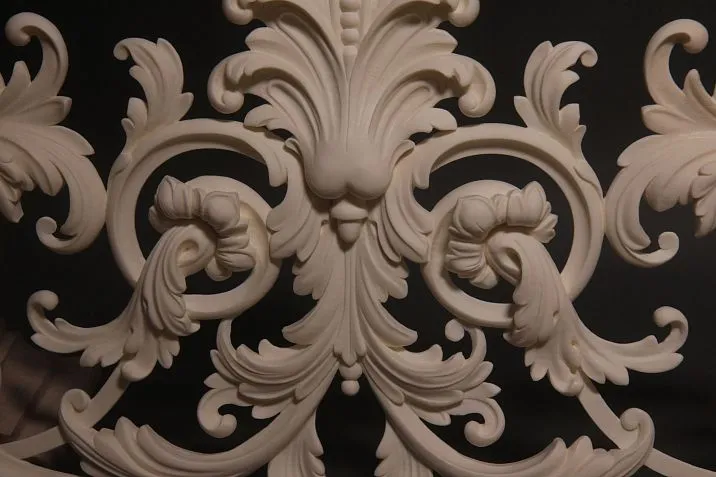
The majestic architecture of St. Petersburg has inspired artists for centuries to create unparalleled works of art. In this cultural capital of Russia, the art of three-dimensional sculpture holds a special place, where modern relief in St. Petersburg embodies the best traditions of the St. Petersburg artistic school. From classical plaster compositions to innovative polyurethane solutions — each piece carries the spirit of the city, where art and architecture are inseparably united.
St. Petersburg — a city where every building tells a story, and every decorative element is part of a grand architectural symphony. In this context, reliefs play a special role, serving as a link between the monumentality of architecture and the intimacy of human perception.





Historical heritage of relief art in St. Petersburg
Since its founding, the northern capital of Russia has witnessed the development of a unique tradition of relief art. Peter I, envisioning the creation of a city of European standard, attracted the best artists of his time, who laid the foundations of the St. Petersburg school of decorative arts.
The Baroque era gifted the city its first outstanding examples of relief sculpture. The Winter Palace, a creation of Rastrelli, demonstrated the opulence and theatricality of Baroque forms, where every decorative element was meticulously detailed. Atlantes, caryatids, and masks created a rich interplay of light and shadow on facades, giving buildings a distinctive expressiveness.
Neoclassicism brought to St. Petersburg architecture strictness of proportions and noble restraint. The Admiralty of Zakharov became a standard of classical beauty, where reliefs were organically integrated into the architectural composition. Allegorical figures, maritime attributes, and military symbolism created a unified artistic space, glorifying Russia’s naval power.
The eclecticism of the 19th century opened new opportunities for creative experimentation. The townhouses of that time impress with the diversity of decorative solutions — from neo-Gothic motifs to Eastern ornaments. Each owner strove to distinguish their building, creating unique relief compositions.
The Soviet period introduced an ideological component into relief art, but did not deprive it of artistic value. Metro stations of Leningrad became true palaces of art, where reliefs told stories of heroic pages of the country’s history.




Modern production of reliefs in St. Petersburg
Modern St. Petersburg continues the traditions of great masters of the past, using the most advanced technologies and materials. Contemporary workshops in the city offer a wide range of services — from restoration of historical monuments to creating original works for private interiors.
Polyurethane technology has brought a true revolution to the production of decorative elements. This high-tech material allows creating items indistinguishable from traditional plaster, yet surpassing it in all operational characteristics. Lightness, strength, and water resistance make polyurethane reliefs an ideal choice for the St. Petersburg climate.
The manufacturing process in modern St. Petersburg workshops combines manual craftsmanship with high-precision equipment. High-quality silicone molds allow reproducing the finest details of historical samples or original compositions. Vibration tables and vacuum chambers ensure perfect casting quality.
Quality control is performed at every stage of production. From material preparation to final finishing — each operation is controlled by experienced masters, guaranteeing a flawless result.
Modern reliefs in St. Petersburg are created taking into account the multi-century experience of St. Petersburg masters and the requirements of modern architecture.
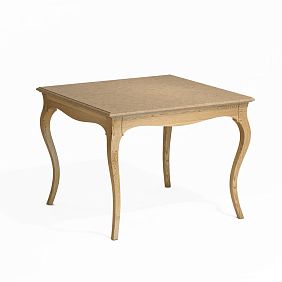
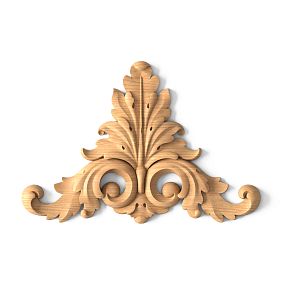
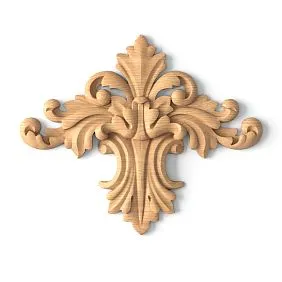
Our factory also produces:

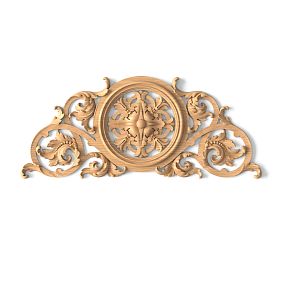


Stylistic diversity of St. Petersburg reliefs
The cultural heritage of St. Petersburg is so rich that modern artists have boundless opportunities for creative self-expression. Each historical style finds its reflection in contemporary works.
Petrovskoy Baroque is characterized by particular solemnity and monumentality. Reliefs in this style feature complex multi-figure compositions, rich detailing, and play of various planes. Maritime themes — anchors, tridents of Neptune, dolphins — reflect the city's maritime character.
Elizabethan Rococo brings elegance and refinement to decorative arts. Plant motifs, asymmetrical compositions, and delicate detailing create an atmosphere of aristocratic luxury. Reliefs featuring roses, laurel branches, and musical instruments are especially popular.
Empress Catherine's Classicism is distinguished by strict proportions and noble restraint. Antique motifs — meanders, palmettes, rosettes — evoke a sense of eternity and perfection. Portrait reliefs are executed in the traditions of Roman sculpture.
Alexander's Empire style introduces military symbolism and imperial grandeur into art. Eagles, laurel wreaths, and military trophies underscore the glory of Russian arms. Gilding enhances the solemnity of compositions.
Nikolaevskiy style combines Byzantine traditions with European influences. Religious symbolism and traditional Russian motifs create an atmosphere of national self-awareness.
Get Consultation
Technological innovations in St. Petersburg production
St. Petersburg workshops have always been at the forefront of technological innovations. Today, the city continues this tradition, implementing the most advanced methods for producing decorative elements.
3D modeling allows creating the most complex compositions with mathematical precision. Designers work in virtual space, experimenting with forms and proportions, creating ideal artworks even before physical production begins.
CNC milling ensures the production of master models with an error tolerance of no more than 0.01 mm. Such precision allows reproducing historical samples with museum-level accuracy or creating original artworks of unprecedented complexity.
Vacuum casting eliminates air inclusions, ensuring perfect material density throughout the entire volume of the product. This is critically important for artworks used in the harsh climatic conditions of St. Petersburg.
Automated control systems monitor production process parameters in real time. Temperature, humidity, pressure — all are controlled with maximum precision.
Material solutions for St. Petersburg climate
Severe climatic conditions of the Northern capital impose special requirements on materials used in decorative arts. Temperature fluctuations, high humidity, aggressive urban environment — all of this must be considered when selecting materials.
Cold-resistant polyurethane is specially developed for use in northern latitudes. The material retains elasticity at temperatures down to -40°C and does not crack during repeated freeze-thaw cycles.
Reinforcing additives in the form of glass fibers or carbon threads significantly increase the strength of products. This is especially important for large-scale reliefs subjected to wind loads.
Hydrophobic coatings create an invisible protective film that prevents moisture from penetrating the material structure. This is critically important for preventing damage caused by water freezing in pores.
UV stabilizers protect materials from destructive effects of solar radiation, particularly relevant in the conditions of St. Petersburg's white nights.
Quality St. Petersburg reliefs are manufactured taking into account all peculiarities of the local climate.
Application in modern architecture of St. Petersburg
Modern architects of St. Petersburg actively use reliefs as a means of harmonizing new buildings with the city's historical architecture. Properly selected decorative elements allow new constructions to seamlessly integrate into the unique architectural context of the Northern capital.
Residential architecture of the last decade increasingly turns to traditions of St. Petersburg architecture. Modern residential complexes are adorned with reliefs stylized after historical samples but executed in contemporary materials.
Public buildings — theaters, museums, shopping centers — use reliefs as a means of creating a unique architectural image. Each building acquires its own face, its own individuality.
Restoration work constitutes a significant part of the activities of St. Petersburg workshops. Restoring lost decorative elements requires the highest level of craftsmanship and deep knowledge of historical techniques.
Private interiors are becoming increasingly refined due to the use of quality reliefs. Owners of apartments and country houses strive to create a unique atmosphere worthy of a great city.
Artistic schools and directions
The St. Petersburg school of decorative arts developed under the influence of various artistic traditions, creating a unique synthesis without parallels in the world.
Academic school is based on classical principles of composition, proportion, and technique. Graduates of the Academy of Arts continue the traditions of great masters of the past, creating works of the highest artistic level.
Folk traditions of Northwestern Russia are reflected in reliefs depicting local flora and fauna. Birches, pines, northern flowers create an atmosphere of one’s native land.
Maritime themes remain consistently popular in the city on the Neva. Sailing ships, lighthouses, maritime landscapes emphasize the connection of St. Petersburg with the sea.
Modern trends experiment with form, content, and execution techniques. Abstract compositions, non-traditional materials, and innovative techniques create works that reflect the spirit of the times.
Economic Aspects of Production
The market for decorative reliefs in Saint Petersburg is characterized by high competition and a wide variety of offerings. From budget mass-produced items to exclusive artist-made works — each segment has its own consumers.
The mass segment features typical polyurethane items produced in large series. Their low cost makes quality reliefs accessible to a broad range of consumers.
The mid-range segment includes limited-edition items made according to artist sketches. The combination of artistic value with reasonable pricing makes these works especially attractive.
The premium segment features unique artist-made works, handcrafted from exclusive materials. Such pieces are true works of art.
The restoration segment requires special skills from craftsmen and specialized technologies. Works restoring historical monuments are especially highly valued.
Technical requirements for installation
Installing reliefs in St. Petersburg conditions requires consideration of numerous factors — from climatic peculiarities to architectural traditions of the city.
The foundation preparation must ensure long-term secure mounting. Analysis of wall load-bearing capacity, checking their condition, and surface preparation — all these stages are critically important.
Adhesive systems must ensure strong bonding under temperature fluctuations and high humidity. Modern polyurethane adhesives are specifically developed for the northern climate.
Sealing joints prevents moisture penetration and ensures the longevity of the installation. Special sealants retain elasticity at low temperatures.
Drainage systems ensure removal of moisture from decorative elements, preventing its accumulation and freezing.
Professional installation reliefs SPb guarantees the longevity and flawless appearance of decorative elements.
Restoration technologies
Saint Petersburg is a city-museum, where every building is an architectural monument. Restoring reliefs requires a special approach combining respect for historical heritage with the use of modern technologies.
Condition assessment includes a detailed analysis of element preservation, determining causes of damage, and developing a restoration methodology. Modern non-destructive testing methods allow evaluating the condition of structures without damaging them.
Conservation aims to stabilize existing elements and prevent further deterioration. Special impregnations strengthen the material structure and create a protective barrier against external influences.
Reconstruction of lost elements is carried out according to historical drawings, photographs, and analogs. Modern technologies allow recreating lost details with maximum historical accuracy.
Protective coatings ensure long-term preservation of restored elements. Special formulations create an invisible protective film that does not alter the appearance of historical surfaces.
Industry Development Prospects
The industry of decorative reliefs in Saint Petersburg is dynamically developing, adopting new technologies and materials, and expanding application areas.
Digitalization of processes covers all stages — from design to production. Automated design systems, robotic production lines, and digital quality control systems increase production efficiency and precision.
Ecological technologies are becoming increasingly important. Biodegradable materials, zero-waste production, and use of renewable energy sources — all this forms a new philosophy for the industry.
Product personalization reaches new levels thanks to digital technologies. Each customer can receive an absolutely unique piece, created specifically for their project.
Integration with smart technologies opens new possibilities. Reliefs with built-in lighting, climate control, and information displays become part of the smart city concept.
Cultural significance of reliefs in urban space
Reliefs of Saint Petersburg are not just decorative elements, but an important part of the city's cultural code. They tell history, shape residents' aesthetic preferences, and create a unique atmosphere of the northern capital.
The educational function of reliefs is manifested in acquainting residents and visitors with history, culture, and traditions. Each scene carries specific information, fostering cultural literacy.
Aesthetic education occurs through constant interaction with high art. The beauty surrounding a person in daily life shapes their taste and aesthetic preferences.
The social function is manifested in that reliefs create social attraction points, meeting places, and discussion objects. They form a city community united by shared values.
The tourist attractiveness of the city is largely due to the richness of its architectural decoration. Reliefs become objects of photography, study, and admiration.
Conclusion
Art relief in St. Petersburg It continues to develop, combining centuries-old traditions with modern technologies. In a city where every building is a work of art, reliefs play a special role, creating a unique atmosphere of the northern capital.
Modern workshops in St. Petersburg offer a full range of services — from creating original works to restoring historical monuments. The use of advanced materials and technologies guarantees the highest quality and longevity of the products.
Investing in quality reliefs is an investment in the beauty of the city, preserving its cultural heritage, and creating a comfortable environment for living. Each piece becomes part of the great architectural symphony of St. Petersburg.
The future of relief art in the northern capital is linked to further development of technologies, ecological production, and expansion of application areas. The city will continue the tradition of creating works worthy of its great history.
By choosing reliefs for their projects, clients invest not only in beauty but also in a part of St. Petersburg’s culture. Each item carries the spirit of the great city, its traditions, and its aspirations for the future.
STAVROS, a company specializing in creating exclusive decorative elements, offers a full range of services for producing reliefs for projects of any complexity. A team of highly qualified specialists, use of advanced technologies, and an individual approach to each order guarantee results surpassing the most daring expectations. From conceptual design to final installation — every stage is executed with maximum professionalism, worthy of the traditions of great St. Petersburg.


