












































































Article Contents:
- What is lace carving in wood?
- Features of lace carving:
- Types of lace carving: from simple forms to complex patterns
- Applications of lace carving: where and how to use it?
- Advantages of lace carving
- History of lace carving
- Modern technologies and lace carving
- Lace carving in interior design: delicacy of details
- How to use lace carving in interior design?
- Lace carving on facades: traditions that inspire
- Why is lace carving important for facade decoration?
- Lace carving as an element of national heritage
- Role of lace carving in Russian culture
- Modern directions and styles
- Why choose carved wooden items?
- Lace carving by STAVROS — craftsmanship tested by time
What is lace carving in wood?
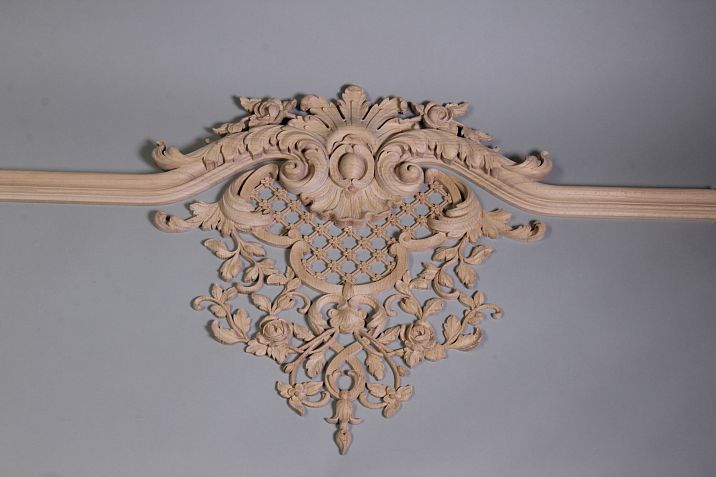
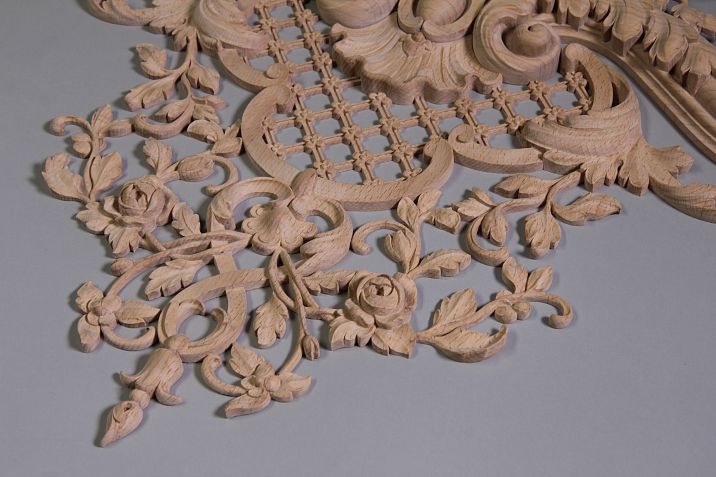
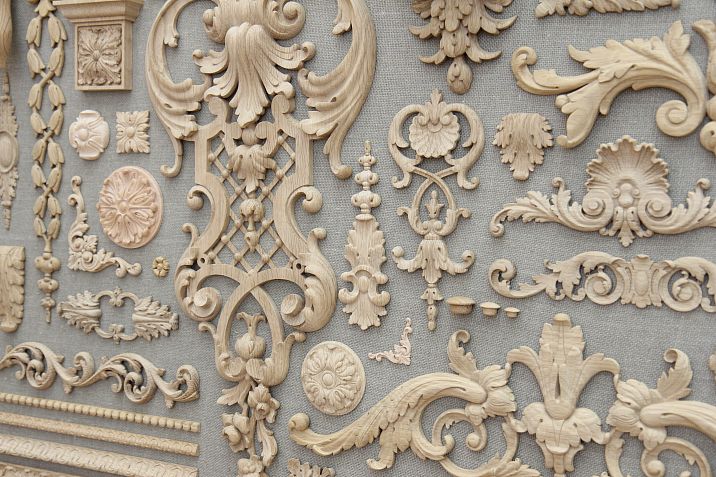
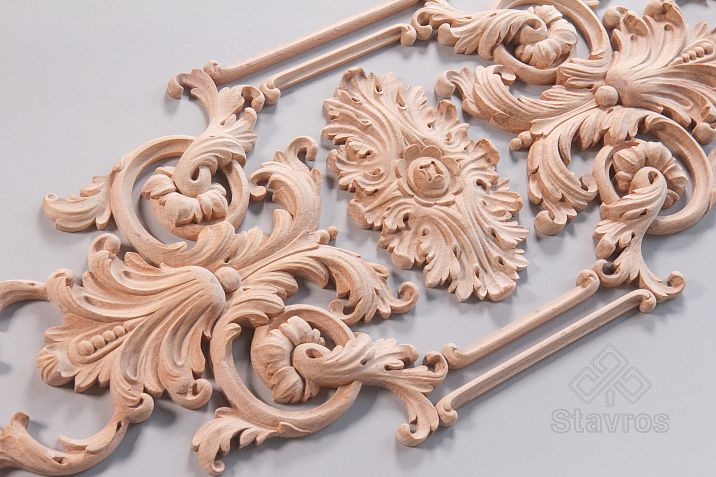
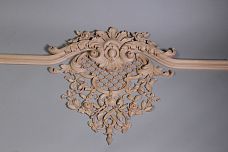
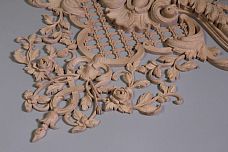
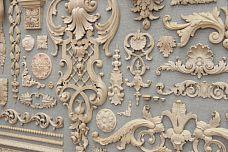
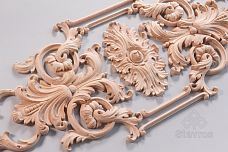
Lace carving in wood — is a woodworking technique that creates delicate, airy patterns that pass through the material. Each element crafted using this technique seems to float in space, giving the item elegance and lightness. This type of carving has gained popularity due to its versatility: it is suitable for creating decorative elements in interiors as well as for decorating facades.




Features of lace carving:
- Airiness of patterns. Thin lines and cutouts create an illusion of lightness and transparency.
- Decorativeness. Lace carving is used to decorate furniture, windows, doors, and decorative panels.
- Individuality. Each item is unique due to handcrafted work by artisans.
- Application in different styles. It suits both classic and modern interiors.
Lace perforated carving has become especially popular due to its aesthetic diversity and ability to realize complex ideas of artisans. If you want to create an atmosphere of elegance and harmony in your home, adding lace carving will be an ideal solution.
Learn more about this technique on the pageStavros, where examples and usage options are presented.
Our factory also produces:




Types of lace carving: from simple forms to complex patterns
Lace carving is divided into several types depending on the technique of execution and complexity of patterns. Each type has its own features and finds application in various fields — from decorating facades to creating decorative accessories.
- Geometric lace carving.
○ This technique is based on cutting clear, symmetrical patterns using straight and curved lines.
○ It is used for decorating furniture, window frames, and decorative panels. Geometric carving is ideal for minimalist interiors, where restrained and concise beauty is required.
- Plant motifs.
○ Patterns in the form of leaves, flowers, and branches give items a natural lightness.
○ Such elements are often used to decorate cornices, mirror frames, and furniture, adding elegance to the interior.
- Narrative perforated carving.
○ This is a complex technique that includes creating compositions from figures, scenes, or ornaments.
○ Such items become true works of art, decorating homes and offices.
- Combined carving.
○ Combination of lace perforated carving with relief or flat carving.
○ Allows creating unique items with rich texture.
Tip: choose the type of lace carving depending on the purpose of the item. Geometric patterns will emphasize a strict interior style, while plant motifs will add softness and coziness.
Learn more about the variety of types on the pageStavros.
Get Consultation
Applications of lace carving: where and how to use it?
Lace perforated carving has found application in various fields due to its versatility. It is used both for creating large elements that decorate building facades and for manufacturing small decorative accessories.
- Facade decoration.
○ Carved casings, cornices, and pediments executed in lace carving technique make the building facade expressive and refined.
○ House Carving with perforated elements highlights traditions of Russian wooden architecture, adding historical charm to the building.
- Decorative partitions.
○ Lace panels are ideal for zoning space, visually dividing a room while preserving its integrity.
○ They are often used in living rooms, offices, and cafes.
- Furniture.
○ Decorating furniture with lace elements makes it refined and elegant. For example, chairs with perforated backs or cabinets with carved doors become focal points in the interior.
- Accessories.
○ Boxes, mirror and picture frames executed in lace carving technique add coziness and individuality to the space.
- Window and door decoration.
○ Lace casings and inserts transform standard window and door openings into works of art.
Tip: use lace carving in combination with other materials, such as metal or glass, to achieve contrast and create a modern look. See usage options on the websiteStavros.
Advantages of lace carving
Why is lace carving still one of the most popular woodworking techniques? The advantages are obvious:
- Aesthetic appeal. Delicate patterns give items a unique charm.
- Variety of styles. Lace carving fits both classic and modern interiors.
- Ease of combination. It can be used with other materials to create complex and interesting compositions.
- Durability. Items made of quality wood retain their beauty for many years.
You can see examples of these advantages on the pageStavros.
Lace carving — is a technique that combines art, craftsmanship, and functionality. It decorates facades, interiors, and furniture, creating a sense of lightness and elegance. Want to transform your home or find an elegant accent for your interior? Visit the websiteStavros Choose items that will highlight your taste and style. Let delicate carving become the detail that makes your home unique!
Tradition and modernity: delicate carving as part of cultural heritage
History of delicate carving
Lace carving has a rich history dating back to ancient times. This type of carving emerged as a way to decorate wooden structures, emphasizing the beauty and practicality of natural materials. The traditions of delicate carving are especially strong in Russian architecture, where it was used to decorate window casings, cornices, and pediments.
How delicate carving evolved:
- Ancient times. Carved elements served not only as decoration but also as protective symbols, signifying protection and prosperity.
- Era of wooden architecture. Pierced carving was used to decorate facades, adding grandeur and uniqueness to buildings.
- Modern times. TodayLace carving in wood has gained new popularity, adapting to modern styles and requirements.
This technique remains relevant due to its ability to combine tradition and innovation, making it universally applicable for various purposes.
Modern technologies and delicate carving
With technological advancement, delicate carving has become even more accessible and diverse. Modern masters use both hand tools and laser equipment to create intricate patterns. This allows them to bring even the most elaborate ideas to life.
Advantages of modern technologies:
● High precision. Laser carving allows achieving incredible detail.
● Fast execution. Masters can produce large batches of items in a short time.
● Cost-effectiveness. Modern methods reduce expenses, making delicate carving accessible to a wide range of customers.
However, handcrafted work remains in demand, as it allows preserving the uniqueness and soul of each item. Learn how modern technologies influence delicate carving on the websiteStavros.
Delicate carving in interior design: subtlety of details
How to use delicate carving in interior design?
Lace perforated carving perfectly suits creating refined and stylish interiors. Its versatility allows using elements in both classic and modern spaces. Adding carved details can transform a room, making it more sophisticated and cozy.
Ideas for use:
- Partitions and screens.
○ Carved partitions zone space while maintaining a sense of lightness.
○ Delicate screens can be used as decorative elements in bedrooms or living rooms.
- Carved furniture
○ Decorate furniture with delicate inserts to make it the focal point of the room.
○ Example: cabinets with pierced doors or chairs with carved backs.
- Decorative panels.
○ Wall panels with delicate carving add texture and interest to any interior.
○ Use them for accent walls or ceilings.
- Window and mirror framing.
○ Delicate frames for mirrors or windows add elegance to the space.
Tip: combine delicate carving with a neutral color palette to highlight the elegance of patterns. More interior design ideas can be found on the websiteStavros.
Lace carving on facades: traditions that inspire
Why is lace carving important for facade decoration?
The facade is the first thing guests see when approaching the house.Lace carving in wood It makes the building not just beautiful, but unique. Especially popular are carved casings, cornices, and pediments that adorn wooden houses, giving them a traditional Russian style.
Facade decoration elements:
● Casings. Carved window frames add expressiveness to the facade.
● Cornices. Decorate roof lines, completing the overall house image.
● Pediments. Decorative elements above the entrance door or windows.
Tip: choose facade carving elements that harmonize with other architectural details to create a cohesive building image. Visit the page Stavrosto learn more about decorative solutions for facades.
Lace carving — it is an art that combines traditions, craftsmanship, and modern technologies. It decorates facades, interiors, and furniture, making them expressive and refined. Want to add elements that highlight your individuality and style? Browse the product range on the websiteStavros and choose what will become a true ornament of your space. Let lace carving inspire you and delight you with its beauty!
Lace carving as an element of national heritage
The role of lace carving in Russian culture
in RussiaLace carving on wood became a symbol of folk craftsmanship and elegance. This technique developed during the era of wooden architecture, when every building became an artistic object. Casings, cornices, pediments — all these elements were decorated with delicate openwork carving, which not only adorned houses but also protected them from evil spirits thanks to protective patterns.
Features of Russian lace carving tradition:
- Symbolism. Patterns often carried deep meaning, reflecting natural motifs, protective symbols, and family traditions.
- Simplicity of tools. Carving was done manually using simple chisels and knives.
- Aesthetic expressiveness. Even in modest homes, carving added refinement to buildings.
Tip: if you want to emphasize your connection to Russian traditions in your home, use lace openwork carving to decorate windows and doors.
Lace carving in world culture
Although the technique of openwork carving is most famous in Russian tradition, its analogues exist in other countries. For example:
● In China, carving was used to create delicate screens and furniture.
● In India, openwork carving decorated temples and palaces.
● In European countries, delicate elements were often used to decorate Gothic cathedrals.
These examples prove that lace carving is a universal art that can be adapted to any cultural tradition.
Lace carving in modern design
Modern directions and styles
Today, lace carving remains popular due to its ability to adapt to new styles and tasks. Modern designers use this technique to create both classic and ultra-modern interiors.
Carved elements from dark wood combine with metal and brickwork, adding a touch of warmth to industrial interiors.
- Loft.
Light wood with simple cut-out patterns emphasizes minimalism and naturalness.
- Scandinavian style.
Eclecticism.
- ○ Mixing various motifs and patterns creates unique interiors where traditions and modernity blend.
Mixing various motifs and patterns creates unique interiors where tradition and modernity blend.
Tip: Combine delicate carving with materials of contrasting textures — glass, metal, or fabric — to create a striking interior.
Delicate carving: eco-friendliness and longevity
Why choose carved wooden items?
In an era of mass production and synthetic materials, wooden items made from natural wood gain special value. Delicate wood carving is not only aesthetically pleasing but also eco-friendly.
Advantages of wooden carved items:
- Eco-friendliness. Wood is a natural material that is safe for health and the environment.
- Durability. Properly treated wood retains its properties for decades.
- Repairability. Carved elements can be restored to their original beauty.
- Tactile appeal. Wooden items create a sense of coziness and warmth.
Tip: Choose items made from hardwoods such as oak or beech to enjoy their beauty and longevity for many years.
Delicate carving as timeless art
Delicate carving is not just a woodworking technique — it is an art that connects the past and the present. Its refined patterns inspire, adorn, and make a space unique. Want to add a touch of elegance to your home? Explore the selection on the STAVROS website, where each element is the result of craftsmanship and love for wood. Let delicate carving become a decoration of your home and a reflection of your taste!
Delicate carving from STAVROS — craftsmanship tested by time
The STAVROS factory is a place where centuries-old woodworking traditions meet modern technologies. Specializing in creating unique wooden items, the factory’s masters transform simple materials into true works of art.Lace carving STAVROS — these are not just decorative elements, but embodiments of aesthetics, quality, and longevity.
Why choose STAVROS?
- Master craftsmen of the highest level.
○ Each STAVROS master is a professional with a deep understanding of traditional wood carving techniques. Their experience and attention to detail ensure that every item is unique.
○ They carefully preserve the heritage of Russian wooden architecture, adapting it to modern trends and requirements.
- Wide selection.
○ The catalog features items for interiors, facades, furniture, as well as decorative accessories.
○ Lace carving in wood Available in various styles and for the most diverse tasks, from classic to minimalist.
- Availability throughout Russia.
○ STAVROS products are available not only in Moscow and St. Petersburg, but also throughout the country. Thanks to a well-organized logistics system, delivery is possible even to the most remote corners of Russia.
○ The factory offers flexible terms for private clients, designers, and construction companies.
- Ecology and Durability.
○ The use of natural materials and safe processing technologies makes STAVROS items eco-friendly and suitable for long-term use.
○ The wood used for carving elements undergoes careful selection, ensuring its strength and aesthetic appeal.
STAVROS: traditions and modernity
The STAVROS factory is not just a production facility, but a true center for preserving and developing the art of wood carving. The uniqueness of the STAVROS approach lies in the combination of traditional handcraftsmanship and modern technologies. Each order is individual, and the products are distinguished by the highest quality.
STAVROS is:
● Guarantee of high quality and exclusivity.
● Products inspired by cultural heritage.
● Opportunity to bring to life individual projects that meet any design requirements.
Advantages for customers in Moscow, Saint Petersburg, and regions
STAVROS offers its clients not only a wide range of ready-made items, but also the opportunity to create unique projects. Clients from Moscow, Saint Petersburg, and other cities in Russia can take advantage of:
● Consultations with specialists. Assistance in choosing style, materials, and design.
● Custom orders. Creation of items based on client drawings or sketches.
● Prompt delivery. The factory organizes delivery to any point in Russia, ensuring the preservation of the items.
Stylish wood carving from STAVROS: symbol of refined taste
If you want to emphasize the elegance of your interior or facade,Lace carving from STAVROS will be the ideal choice. These are not just items, but accents that bring warmth, comfort, and harmony into your home. Every carving detail is the result of meticulous work by artisans who pour their soul into each piece.
Visit the websiteSTAVROS Choose items that will highlight your taste and style. Let delicate wood carving become a symbol of your refined approach to details and love for beauty. STAVROS is ready to bring your boldest ideas to life, preserving traditions and offering unparalleled quality!


