












































































Article Contents:
- Revival of a Legend: Why Art Deco is Relevant Again
- From Sterility to Character
- Geometry as Language
- Luxury as Honesty of Materials
- Geometric Furniture Handles: Jewel-like Precision
- Forms: From Zigzags to Stepped Pyramids
- Materials: The Sheen of Metal
- Placement: Symmetry and Rhythm
- Moldings: Architectural Luxury
- Ceiling Moldings: Graphic Profiles
- Wall Moldings: Frames and Panels
- Rosettes and Medallions: Central Accents
- Capitals and Pilasters: Vertical Architecture
- Pilasters: Vertical Rhythm
- Half-columns: Three-dimensional Drama
- Classic Furniture: Geometry of Form
- Commodes and Buffets: Monumentality
- Consoles and Tables: Lightness and Sheen
- Chairs and Sofas: Geometric Comfort
- Color Palette: From Black to Gold
- Black and White: Graphic Foundation
- Gold and Silver: Metallic Sheen
- Deep Tones of Precious Stones
- Frequently Asked Questions
- Conclusion: Luxury with Character

The golden twenties of the past have returned, but not as nostalgic retrospection, but as a bold statement of new luxury. Art Deco 2026 is not a museum reconstruction, but a living, breathing style adapted to modern realities, technologies, and lifestyle. Geometric furniture handles with brass inlays, luxurious moldings with graphic ornaments, capitals and pilasters as architectural accents, classic furniture with reinterpreted proportions — all this creates interiors where status is expressed not through excess, but through quality of details, bold geometry, confident lines.
Art Deco 2.0 is a style for those who are not afraid to stand out, who appreciate drama and theatricality in life, who understand that home is not just a place of residence, but a stage where personal stories unfold. These are interiors with character, mood, soul — but without sentimentality or provincialism.


Revival of a Legend: Why Art Deco is Relevant Again
Design styles cyclically return, but never in their original form. Each revival is a reinterpretation through the prism of modernity. Art Deco was born in the 1920s as a reaction to the austerity of wartime, as a celebration of life, luxury, and technological progress. Today, after a decade of minimalist dominance, people are once again drawn to expressiveness, visual richness, and emotional depth.




From Sterility to Character
Minimalism of recent years gave interiors purity, functionality, visual calm. But along with excessive decoration, it often removed the soul — spaces became faceless, similar to one another, like hotel rooms. Art Deco 2.0 returns individuality without chaos, luxury without vulgarity, decorative elements without overload.
Hardware handles here are not just functional elements — they are jewelry details creating visual rhythm. Geometric forms — octagons, stepped pyramids, zigzags, sun rays — transform a simple bracket into an art object. Materials are noble: polished or patinated brass, black metal, chrome, combined with dark wood or black lacquered MDF.
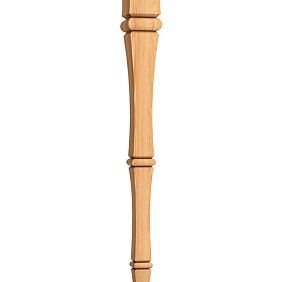
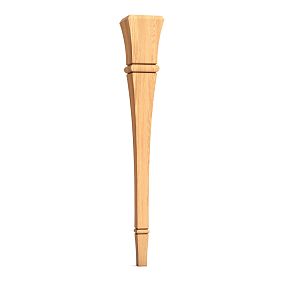
Our factory also produces:


Geometry as a Language
If classical Empire spoke the language of vegetal ornamentation and mythological motifs, Art Deco chose geometry — a universal, understandable, graphic language. Straight lines, sharp angles, symmetrical compositions, rhythmic repetitions create visual order, perceived as status, confidence, control.
Ornament in Art Deco — not lavish Baroque scrolls, but strict geometric patterns: meanders, chevrons, stepped forms, concentric circles. A column capital — not Corinthian with acanthus leaves, but simplified to geometric abstraction. A pilaster — not carved, but smooth with vertical grooves or completely undecorated, working purely through clean form.
Get Consultation
Luxury as Material Honesty
Art Deco 2.0 rejects imitations. If brass — it’s real, not a veneer. If wood — it’s solid noble species: walnut, mahogany, ebony, rosewood. If marble — it’s natural stone, not marble-effect ceramic tile. This is a philosophy of honesty, where material quality matters more than quantity.
Classic Art Deco furniture — large, minimalist forms made of expensive materials. A chest with black lacquered wood fronts and geometric brass handles. A buffet in walnut with mother-of-pearl or ivory inlay. A console on chrome legs with a black marble top. Each piece — a statement of taste, status, understanding of value.
Geometric Furniture Handles: Jewelery Precision
Furniture handles in Art Deco — not modest functional elements, but decorative accents creating rhythm, emphasizing furniture geometry, adding visual richness.
Forms: From Zigzags to Stepped Pyramids
Art Deco’s characteristic forms are instantly recognizable. Zigzag (chevron) — one of the main motifs, symbolizing energy, dynamism, upward movement. Chevron-shaped handles — angular, graphic, bold — transform a simple cabinet into a design piece.
Stepped pyramid — another classic motif, borrowed from the architecture of skyscrapers of the 1920s. Handles with stepped pyramid profile — volumetric, relief, creating play of light and shadow. Mounted vertically on tall doors or horizontally on wide drawers.
Octagon, circle, square — simple geometric forms perfected in proportion. A 40 mm diameter polished brass octagonal knob — minimalist yet luxurious detail. A round handle with concentric relief rings — visually dynamic, drawing the eye.
Sun rays — radial lines radiating from the center — symbol of optimism of the 1920s. Handles with sun ray motif — decorative, festive, theatrical — suitable for formal zones: living rooms, dining rooms, offices.
Materials: Metal Sheen
Brass — the main metal of Art Deco. Its golden sheen creates a sense of luxury, warmth, richness. Brass furniture handles can be polished to mirror finish (maximum glamour), satin-finished (subdued glow), patinated (antique effect), or blackened (dramatic contrast).
Chrome — the second most popular material, symbol of technological progress of the 1920s. Chrome handles — cold, shiny, futuristic for their time — create an industrial chic, especially when combined with black lacquer or glass.
Black metal (gunmetal, black brass, painted aluminum) — a modern addition to traditional Art Deco palette. Black geometric handles on light-colored fronts create maximum contrast, graphic impact, and modernity.
Combined Solutions: Brass with Black Wood, Chrome with Glass, Bronze with Mother-of-Pearl. Inlay, overlays, engraving — all jewelry techniques applied to furniture hardware, turning it into miniature works of art.
Placement: Symmetry and Rhythm
Art Deco demands absolute symmetry. If a chest has five drawers — handles are arranged in a strict vertical axis. If a cabinet has two doors — handles are placed mirror-symmetrically. Any asymmetry destroys the style, creating visual dissonance.
Rhythm is no less important than symmetry. If an interior has several pieces of furniture — all handles must be from the same collection, material, and finish. This creates visual unity, professional result, sense of thoughtful detail.
Contrast in size adds dynamism. Large vertical handles on tall cabinet doors (200–300 mm) contrast with small knobs on chest drawers (30–40 mm diameter). This is a play of scale, creating visual complexity.
Ornament: Architectural Luxury
Ornament in Art Deco — not ornate decoration for decoration’s sake, but architectural structure dividing space into zones, creating verticals and horizontals, forming the visual framework of the interior.
Ceiling Cornices: Graphic Profiles
A cornice at the wall-ceiling junction in Art Deco — not a classical multi-tiered profile with vegetal ornamentation, but a graphic composition of rectangular protrusions, vertical grooves, stepped forms. Cornice height is significant — 150–250 mm — emphasizing room scale, creating grandeur.
Material — plaster or polyurethane. Plaster ornament is heavier, more expensive, requires professional installation, but has noble matte finish and historic character. Polyurethane — lighter, more accessible, easier to install, visually indistinguishable from plaster after quality painting.
The cornice color is usually white or cream, but Art Deco 2.0 allows bold solutions: a black cornice on a white ceiling (maximum contrast), gilding on protrusions (classic luxury), silvering (cool glamour).
Wall moldings: frames and panels
Wall moldings create vertical and horizontal frames dividing the surface into sections. The classic scheme — tall narrow panels from floor to ceiling, creating a vertical rhythm. Inside the panels — geometric wallpaper, contrasting paint, mirrors, marble.
The molding profile is simple — a rectangle with beveled edges or a slight stepped relief. Width 40–80 mm — sufficient to be noticeable, but not overwhelming the wall. Moldings are installed strictly level, and joints in corners are mitered at 45° for perfect connection.
An alternative approach — horizontal division of the wall into three parts: lower third (panels or contrasting paint), middle (wallpaper or decorative plaster), upper (molding under the ceiling). This is a classic proportion, visually harmonious.
Rosettes and medallions: central accents
A ceiling rosette around a chandelier — a mandatory element in formal rooms. In Art Deco, the rosette is a geometric composition: concentric circles, radial rays, octagons, squares, nested within each other. Diameter 800–1500 mm depending on room and chandelier size.
Rosettes can be relief (three-dimensional plaster casting, casting shadows) or flat (graphic design painted on the ceiling). Relief is more luxurious, flat is more modern. Color — white, gold, silver, black — depending on overall concept.
Wall medallions are used less often — as decorative accents above fireplaces, doors, in niches. Their shape is also geometric, size small (diameter 300–600 mm), relief delicate.
Capitals and pilasters: vertical architecture
Capital — the top part of a column or pilaster. In classical orders (Doric, Ionic, Corinthian), capitals have complex forms with vegetal or volute elements. Art Deco simplifies the capital to geometric abstraction: rectangular protrusions, vertical fluting, stepped forms.
Pilasters: vertical rhythm
Pilaster — a flat vertical protrusion on the wall, imitating a column. In Art Deco, pilasters are used for vertical wall division, creating rhythm, framing doors, fireplaces, niches. Height — from floor to ceiling or to molding at 2.5–2.8 m.
Pilaster width 80–150 mm, protrusion from wall 20–50 mm. Surface can be smooth (monolithic monumentality), fluted (vertical grooves creating light play), with geometric relief (rhombuses, squares, zigzags).
Material — plaster, polyurethane, wood, MDF. Plaster pilasters — classic, heavy, substantial. Polyurethane — light, glued with liquid nails. Wooden — warm, tactile, suitable for interiors with lots of wood. MDF — painted, creates smooth surface.
Pilaster color can match the wall (monolithic, smooth) or contrast (white pilasters on dark wall, black on light). Gilding or silvering capitals of pilasters — classic touch, adding luxury.
Half-columns: volumetric drama
Half-column — a round or semi-circular column protruding from the wall. It is more voluminous than a pilaster, creating a strong architectural accent. Half-columns are used to frame fireplaces, niches, doorways, zoning large rooms.
Half-column diameter 150–300 mm, height to ceiling. Base (lower part) and capital are geometrically simplified. Shaft can be smooth, fluted, with horizontal relief bands. Material — plaster, polyurethane, artificial stone.
Half-columns are painted to match wall color or contrast. Gilding capitals and bases — luxurious option. Underlighting from below or above enhances drama, creating theatricality.
Classic furniture: geometry of form
Classic Art Deco furniture — not carved baroque commodes or elegant rocaille consoles, but large, minimalist forms made of noble materials with geometric accents.
Commodes and buffets: monumentality
Art Deco commode — rectangular volume, height 80–100 cm, width 120–180 cm, depth 45–55 cm. Fronts are smooth, often glossy (black or dark-brown lacquer). Geometric furniture handles in brass or chrome create vertical or horizontal rows — visual rhythm.
Body material — solid walnut, mahogany, ebony. Expensive variants have inlays: mother-of-pearl, ivory, exotic contrasting wood species. Inlay pattern is geometric: zigzags, rhombuses, sun rays.
Buffet is taller than commode (height 180–220 cm), often consists of two parts: lower cabinet with doors and drawers, upper — glass display case. Glass can be transparent, matte, engraved with geometric patterns. Door frames in wood or metal (brass, chrome).
Furniture legs are short (5–10 cm) or absent — furniture stands directly on floor, creating monumentality. If legs are present — they are geometric: square, conical, pyramidal, often with brass or chrome caps.
Consoles and tables: lightness and shine
Art Deco console — narrow table (depth 30–40 cm), placed against a wall. Top — marble (black, white, green), glass (clear or tinted), polished wood. Supports — metal (chrome tubes, brass profiles) or wooden with metal caps.
Console shape may be rectangular, semi-circular, D-shaped. Characteristic asymmetrical composition: one support offset, creating dynamism. Or symmetrical supports with complex geometric forms — interwoven tubes, zigzag profiles.
Coffee table — low (height 40–50 cm), with a geometric top (square, round, octagonal) made of glass, marble, or lacquered wood. Legs are metal, curved or straight, with chrome finish. Multi-tiered construction is possible — two or three tabletops at different levels.
Dining table — a heavy wooden or marble top supported by a central pedestal or four corner legs. The support can be wooden square, metal round, or combined. Edges of the tabletop are often inlaid — contrasting wood strips, metallic appliqués.
Chairs and sofas: geometric comfort
Art Deco chair — angular, with clear lines, high back, wide armrests. Frame made of wood (walnut, mahogany), often lacquered. Upholstery in velvet, velour, or leather — materials with noble sheen. Colors are deep: emerald, sapphire, burgundy, black.
Backrest shape may be rectangular, trapezoidal, or fan-shaped (radiating rays). Armrests are straight or slightly curved, often ending in wooden or metallic geometric appliqués.
Sofa — straight, long (220–280 cm), with low back or no back at all (chaise lounge). Upholstery is luxurious, often tufted (capitonné with deep diamonds or squares). Legs are short, wooden or metal, with gilding.
Asymmetry is characteristic: one armrest higher than the other, slanted back. This creates visual dynamism, making the furniture sculptural and art-object-like.
Color palette: from black to gold
Art Deco is a style of contrasts. Here there is no pastel softness, half-tones, blurred transitions. Only clear colors, bold combinations, dramatic pairings.
Black and white: graphic base
Black-and-white palette — classic Art Deco. Glossy black floor (marble, ceramic tile, lacquered wood) contrasts with white walls. White molding on black ceiling. Black furniture on white rug. This is maximum contrast, graphic quality, theatricality.
Variations: not pure white, but cream or ivory; not charcoal black, but anthracite or dark gray. This softens contrast, makes it nobler, less sharp.
Gold and silver: metallic sheen
Gold and silver — accent colors of Art Deco, used for metallic details: furniture handles, lamps, mirror frames, decorative appliqués. Gold is warm, luxurious, associated with wealth. Silver is cool, futuristic, technological.
Brass handles, gilded molding, chandeliers with gold leaf create warm glow. Chrome details, silver frames, mirrored surfaces — cool glamour. Can be combined (gold plus silver), but cautiously — risk of overloading.
Deep shades of precious stones
Emerald green, sapphire blue, amethyst purple, ruby red — colors named after precious stones, perfectly fit Art Deco. They are deep, saturated, luxurious, especially on velvet or velour upholstery.
Emerald velvet sofa against black wall with gilded molding — classic composition. Sapphire chairs with brass legs near white marble fireplace. Amethyst drapes with silver holders against cream walls.
These colors are used sparingly — one or two pieces of furniture, textiles, accent wall. Base remains neutral (black, white, gray, beige), colorful accents create drama.
Frequently asked questions
Is Art Deco suitable for small apartments?
Yes, but with caution. Art Deco loves scale, but can adapt to compact spaces through details: geometric furniture handles, a few moldings on walls, one luxurious upholstered chair, mirror in gilded frame. Main thing — avoid overloading small space with large elements.
Is it expensive to create an Art Deco interior?
True Art Deco requires quality materials: natural marble, solid noble woods, real brass. It is expensive. But compromises are possible: marble-effect ceramic tile, veneered furniture, polyurethane molding. More important than material cost is precision of proportions, symmetry, graphic quality.
Can Art Deco be combined with modern technologies?
Absolutely. Built-in appliances, hidden storage systems, smart home integrate perfectly into Art Deco. Television concealed behind a geometric-patterned sliding panel, air conditioners hidden behind decorative grilles, lighting embedded in cornices and niches.
How to avoid museum-like, theatrical feel?
Balance. Art Deco should be a backdrop for life, not a decoration. Use classic elements sparingly, mix with modern furniture, live plants, personal items. Avoid total stylization — a few key details suffice.
Where to buy Art Deco-style furniture handles?
Look for specialized hardware collections. Pay attention to material (real brass, not plating), shape (geometric, graphic), finish quality (polishing, patination). Custom orders are possible from metalworkers.
What mistakes are most commonly made when creating an Art Deco interior?
Over-decorating. Mixing with other styles without understanding. Using cheap imitations instead of quality materials. Breaking symmetry. Incorrect proportions (too small or large elements for room size).
Is art deco suitable for families with children?
With reservations. Glossy surfaces require maintenance, expensive upholstery fears stains. But if choosing practical materials (washable fabrics, tempered glass, quality lacquer), art deco can be functional. Geometric forms are safer than sharp carved elements.
Is a designer needed to create an art deco interior?
Desirable. Art deco requires precise sense of proportions, understanding of balance, knowledge of historical context. Mistakes in symmetry, scale, material combinations are immediately noticeable. A professional designer will help avoid errors and create a harmonious space.
How to care for art deco furniture and details?
Brass handles are polished with special agents or pastes, then coated with protective wax. Lacquered surfaces are wiped with soft cloth without abrasives. Marble requires periodic treatment with hydrophobic compounds. Velvet and velour are professionally cleaned.
Can art deco be created in a country house?
Yes, especially effectively in large spaces: high ceilings allow using large-scale moldings, wide rooms accommodate large furniture, large windows suit dramatic drapes. Art deco in a country house can be more relaxed and less formal than an urban apartment.
Conclusion: luxury with character
Art deco 2.0 in 2026 is not copying the past, but creatively reinterpreting it. Geometric brass handles, luxurious moldings with graphic ornaments, capitals and pilasters as architectural accents, classic furniture with noble proportions — all this creates interiors where luxury is not shown through quantity of decoration, but through quality of details, boldness of forms, confidence of lines.
This is a style for individualists, for those who are not afraid to stand out, who understand the value of beauty, for whom home is not just a place for sleep and food, but a space for self-expression. Art deco requires courage, taste, investment — but the result is worth it. These are interiors that are remembered, impressive, create mood, tell a story.
In an era of mass production and standard solutions, art deco reminds us: luxury is not price, but quality. Not square meterage, but precision of proportions. Not fashion trends, but timeless elegance of geometry, nobility of materials, drama of contrasts. Create spaces with character, where every detail — from furniture handles to ceiling outlets — contributes to the overall symphony of style, luxury, and individuality.


