

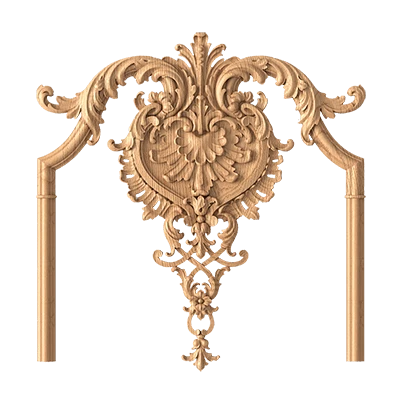
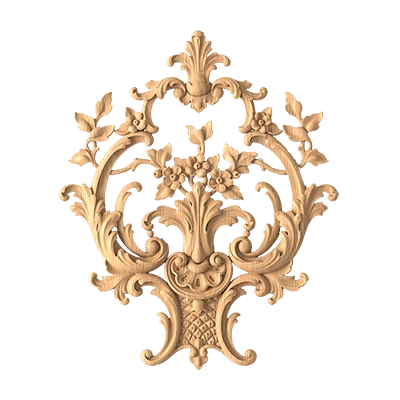
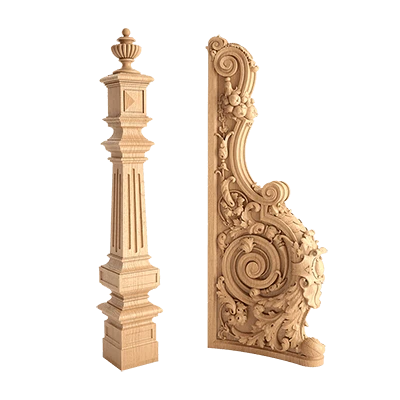
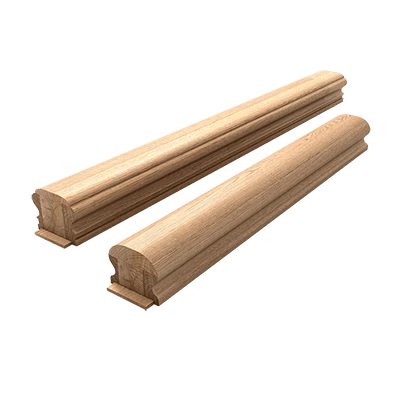
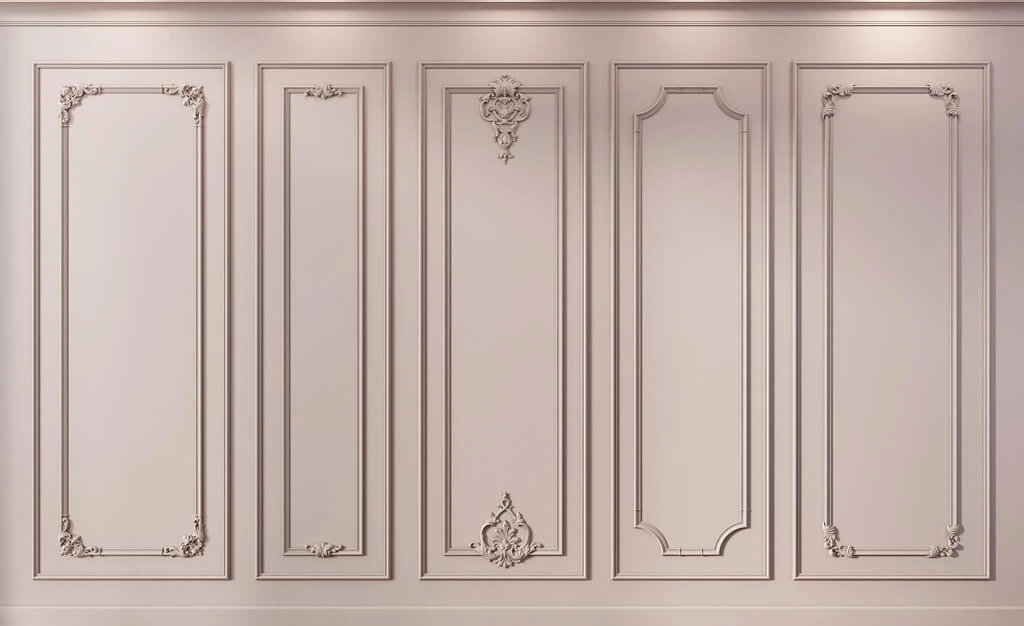
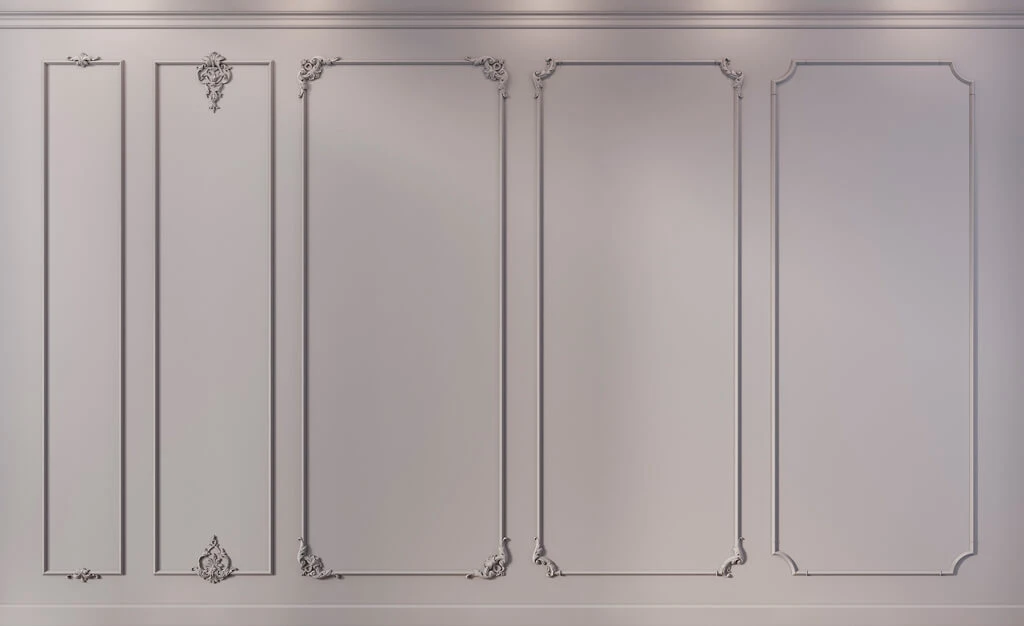
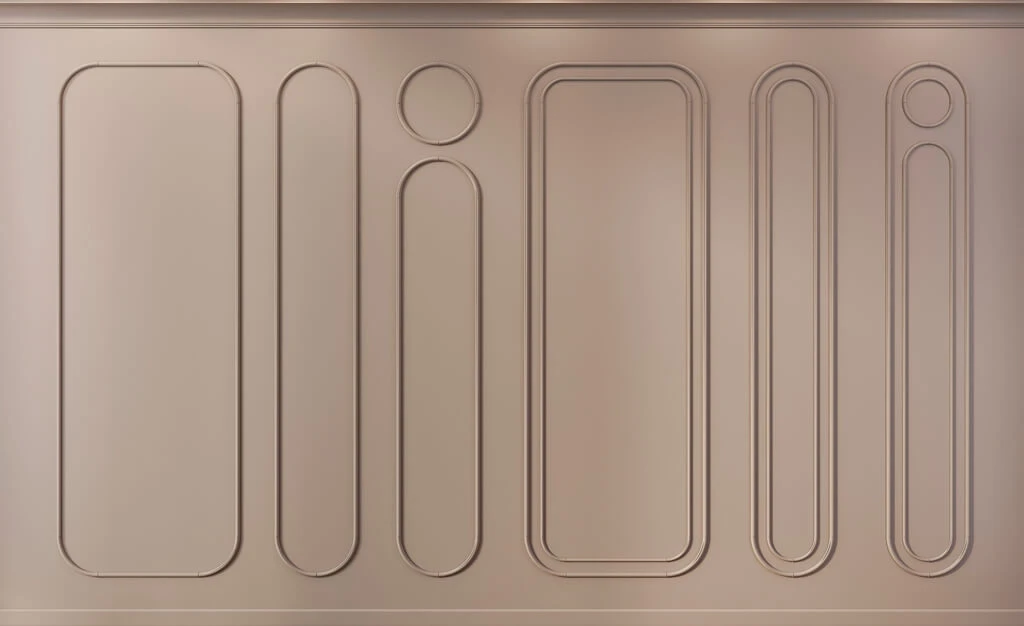
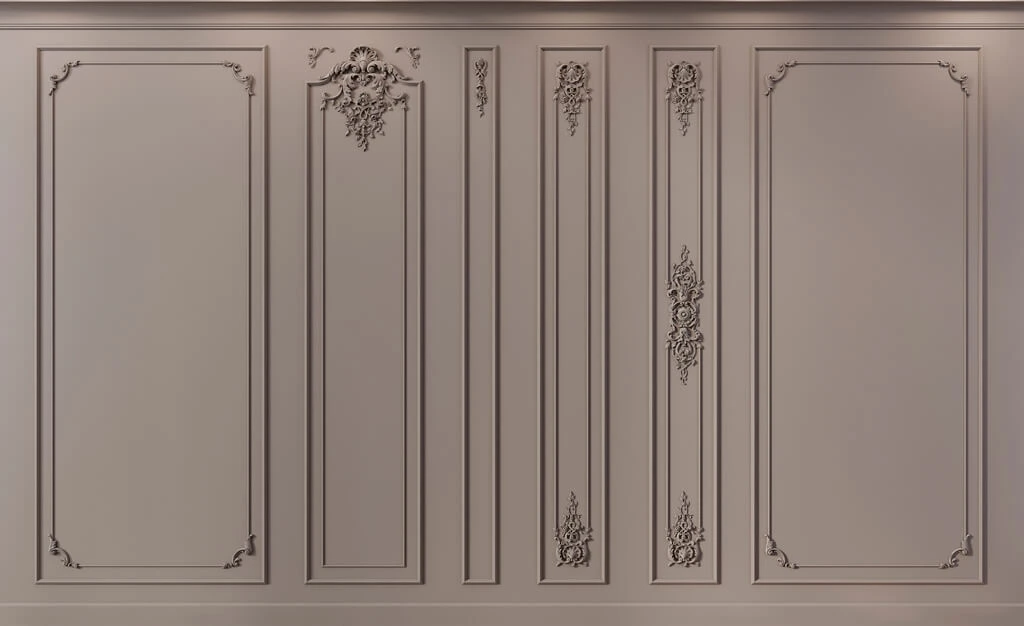
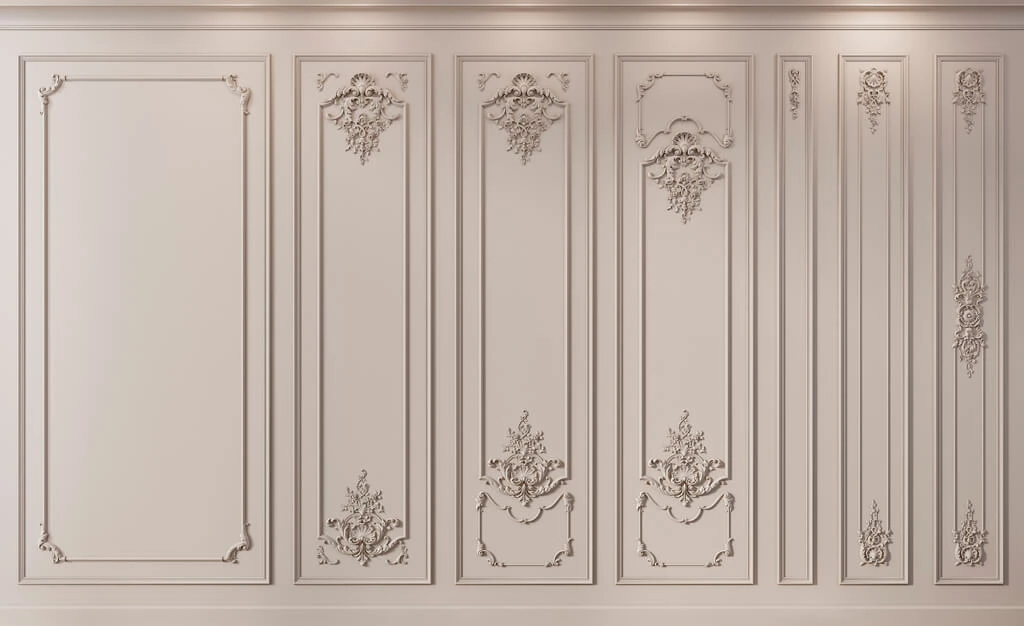
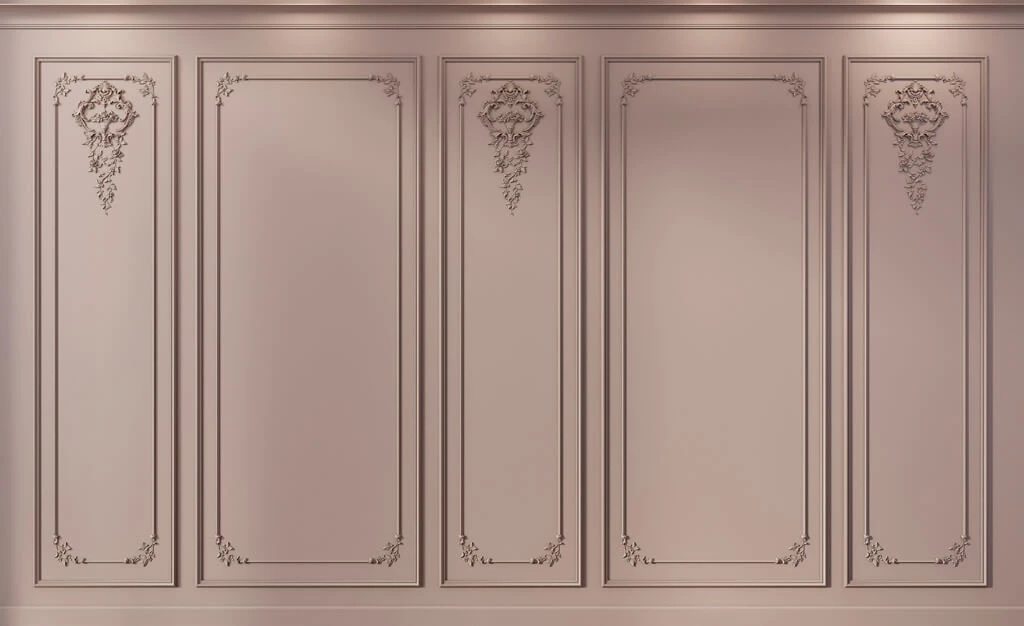
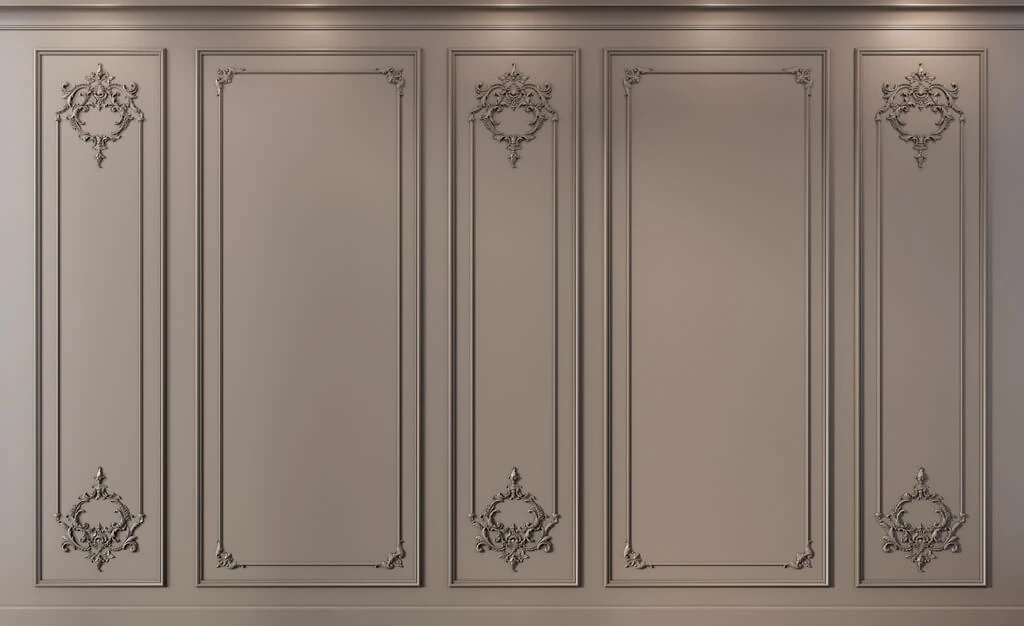
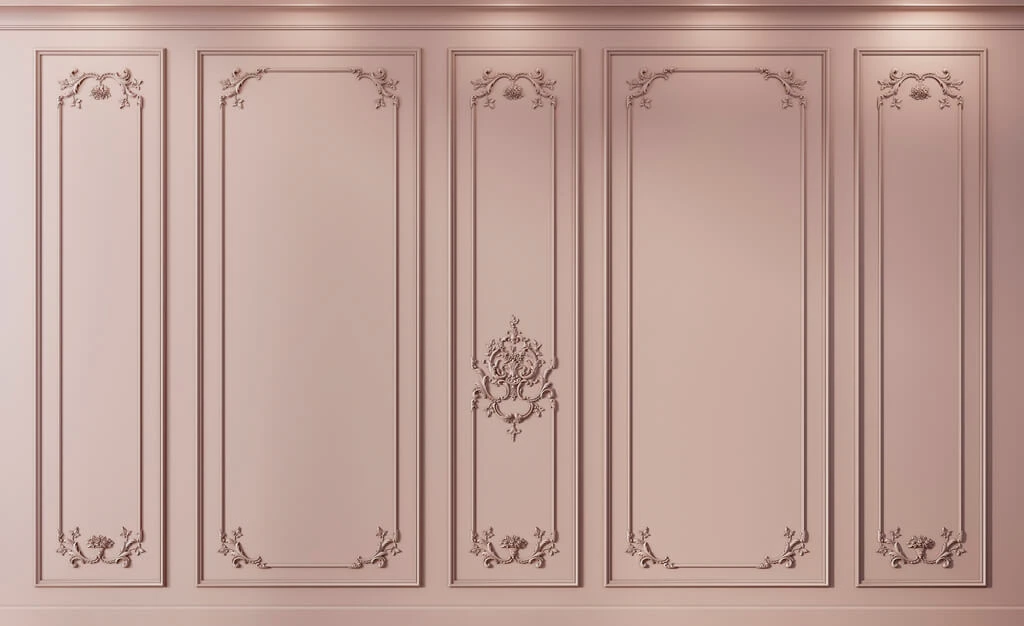
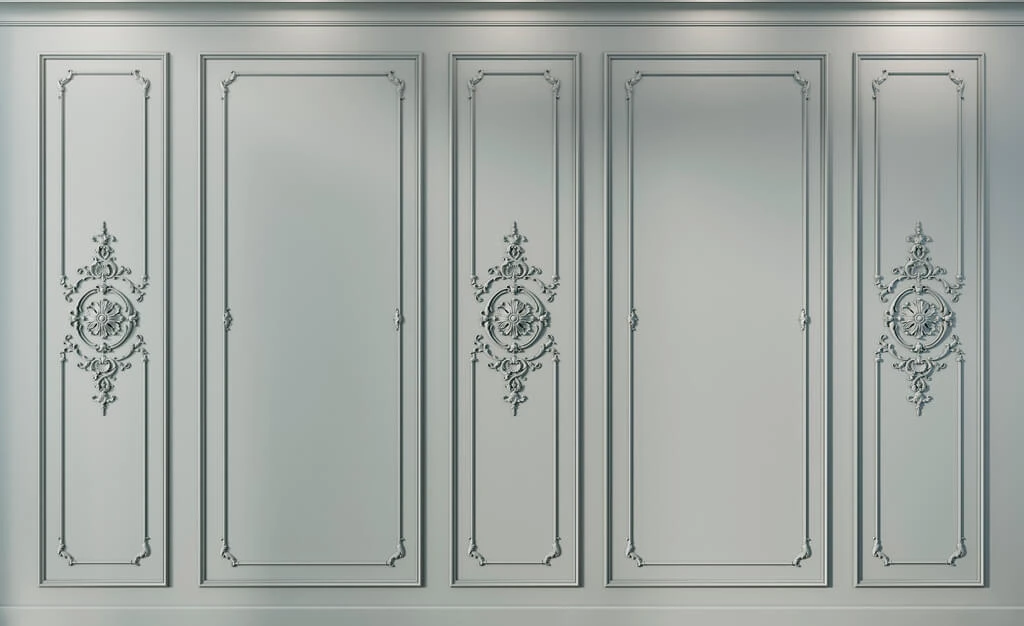
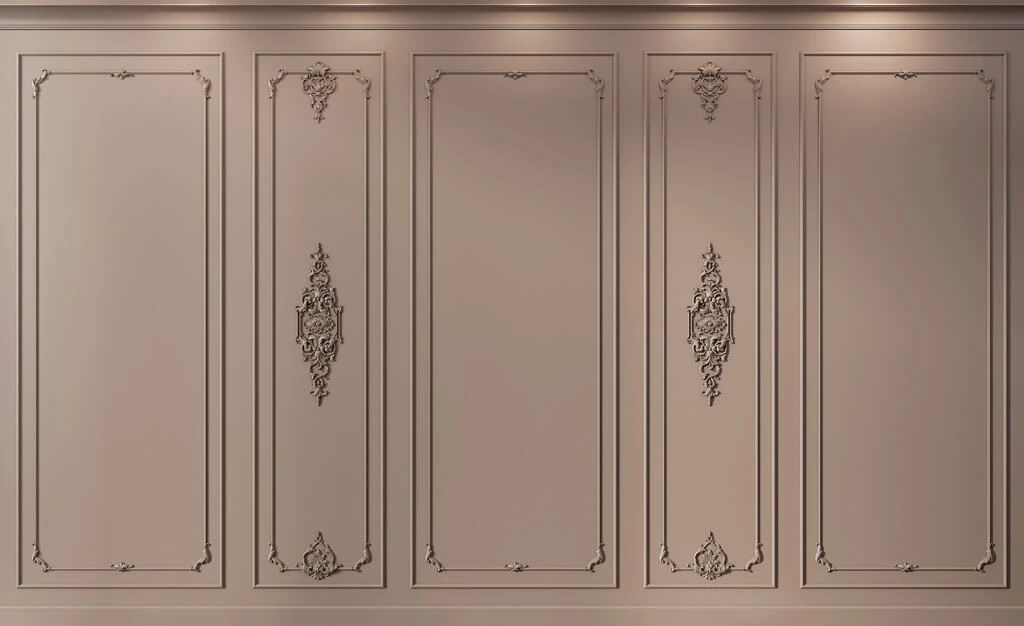
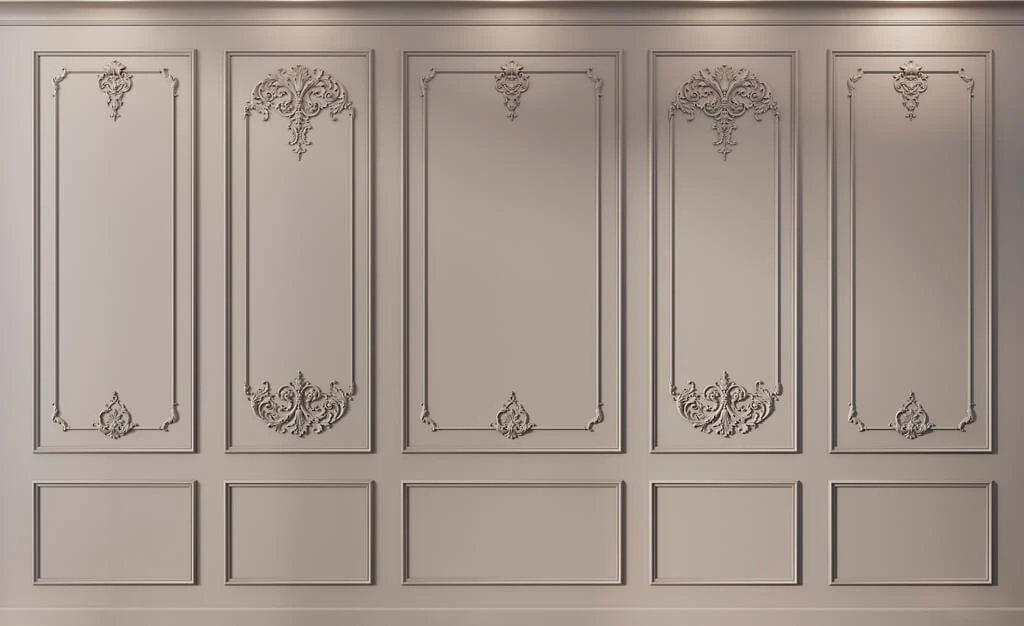
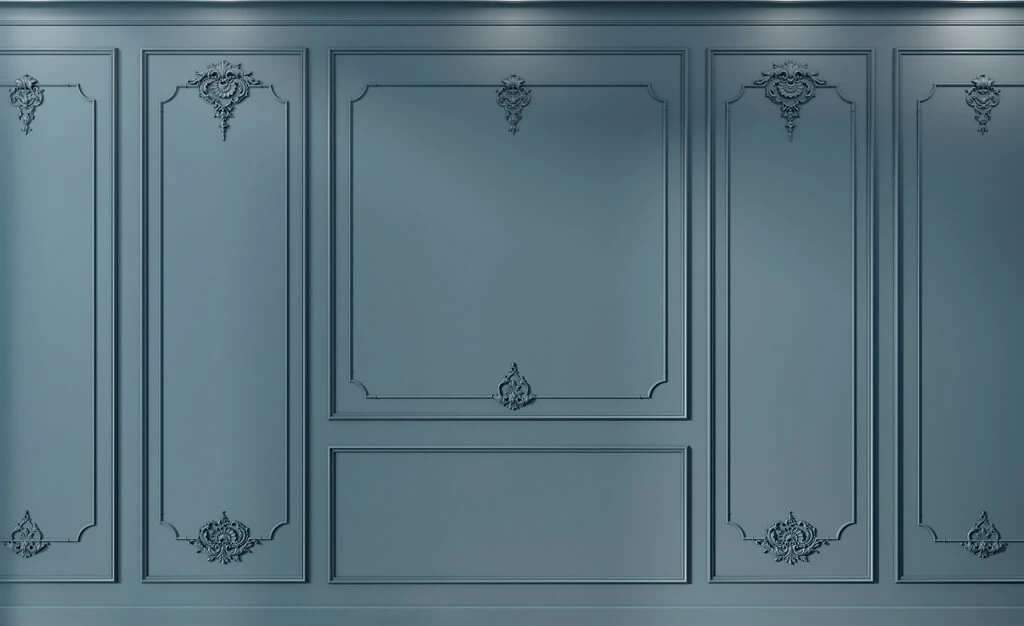
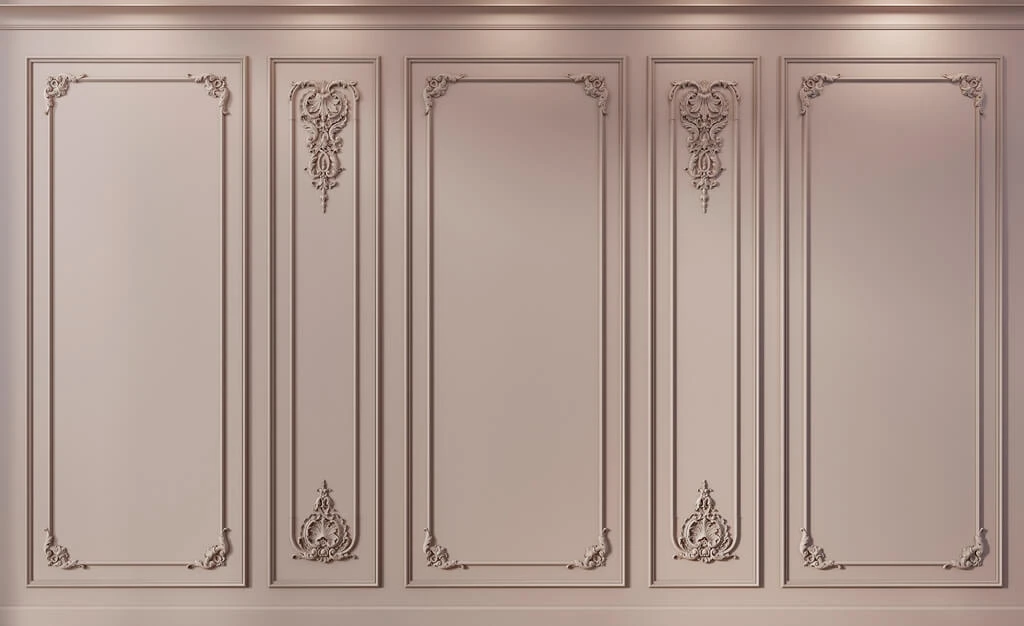
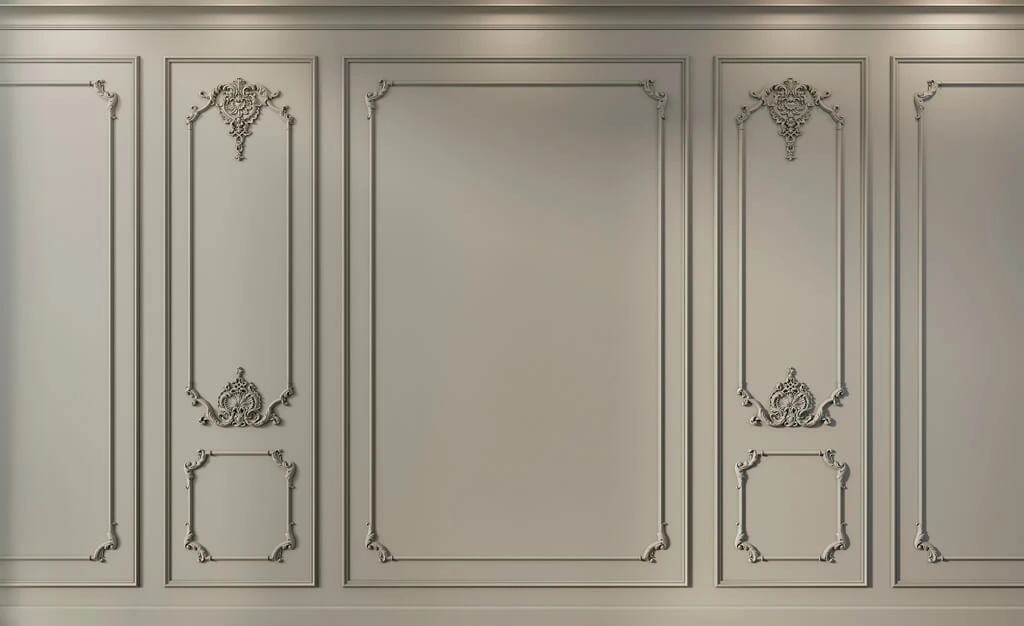
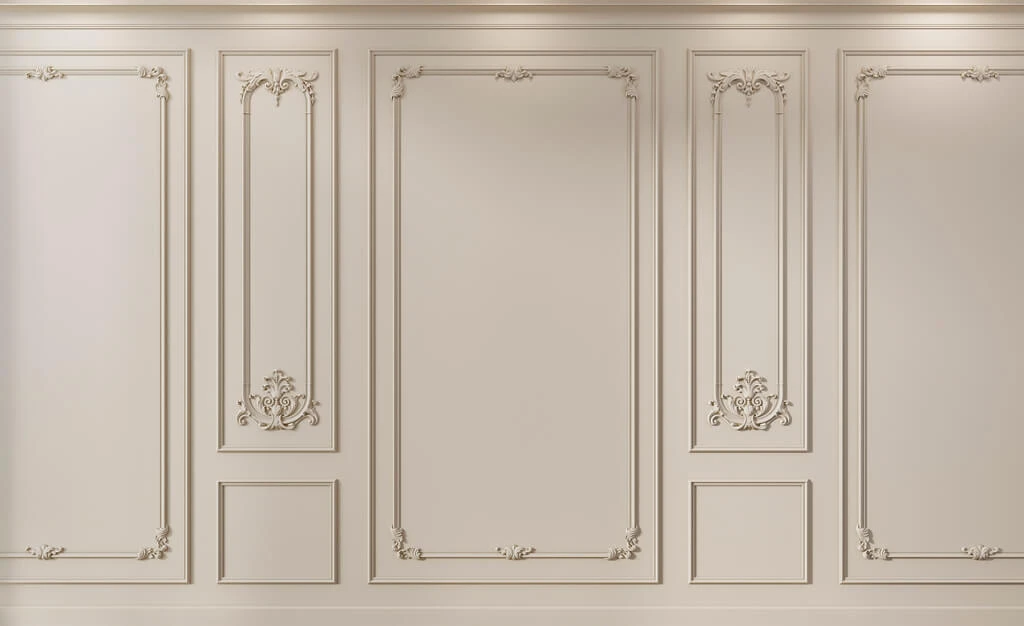
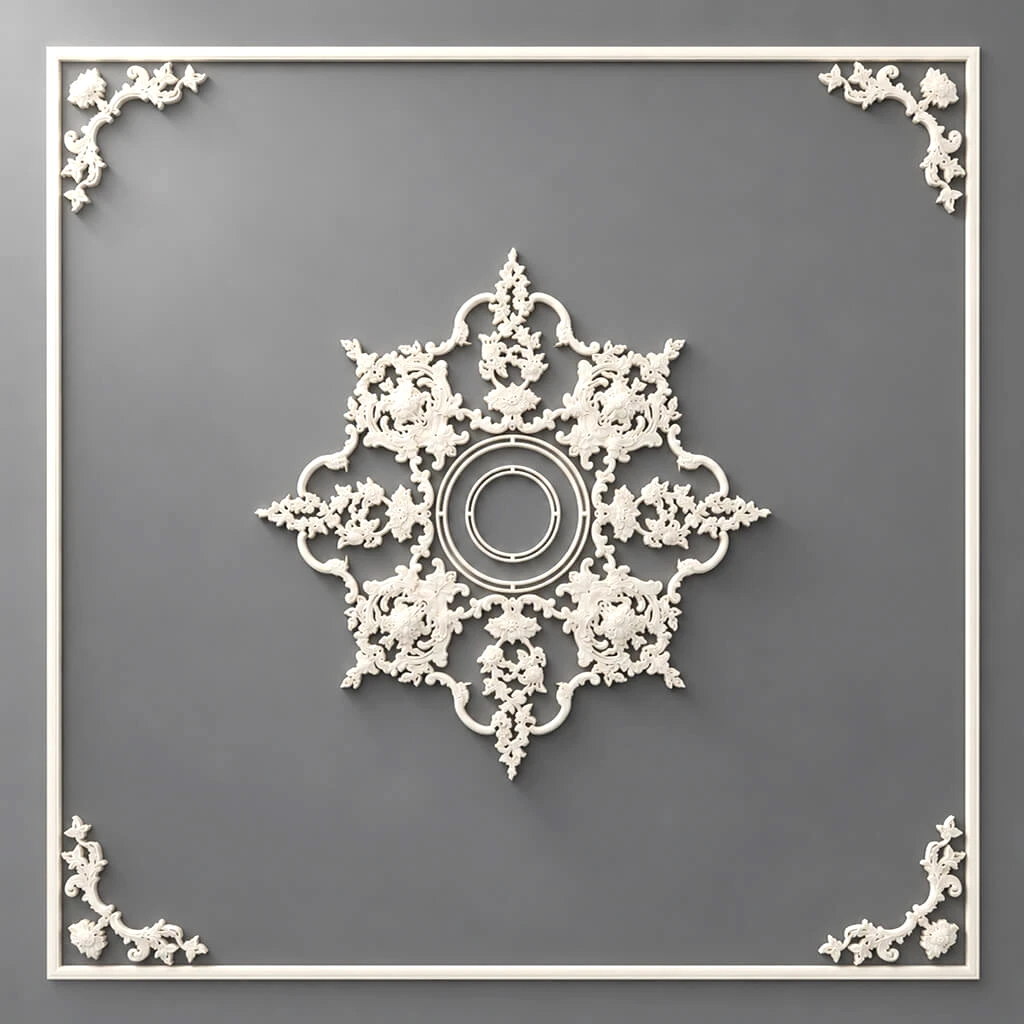
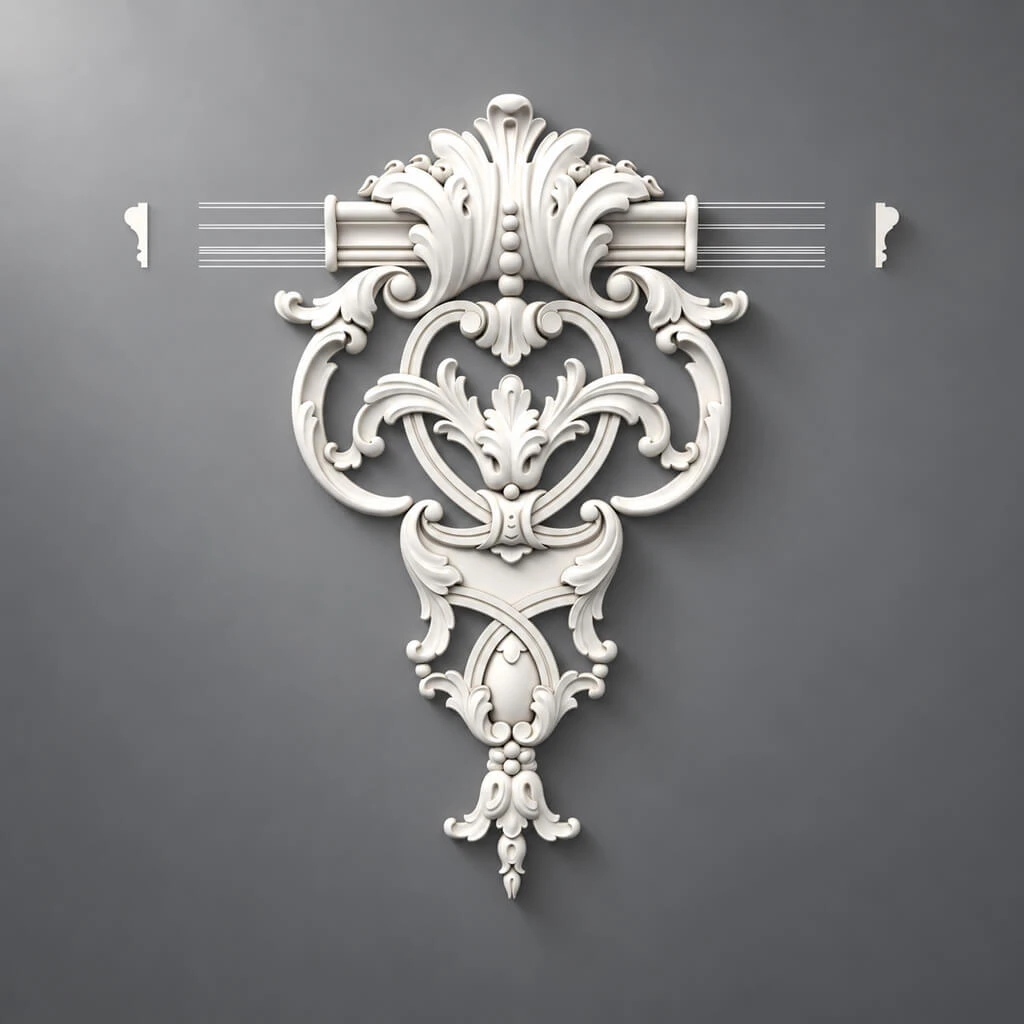
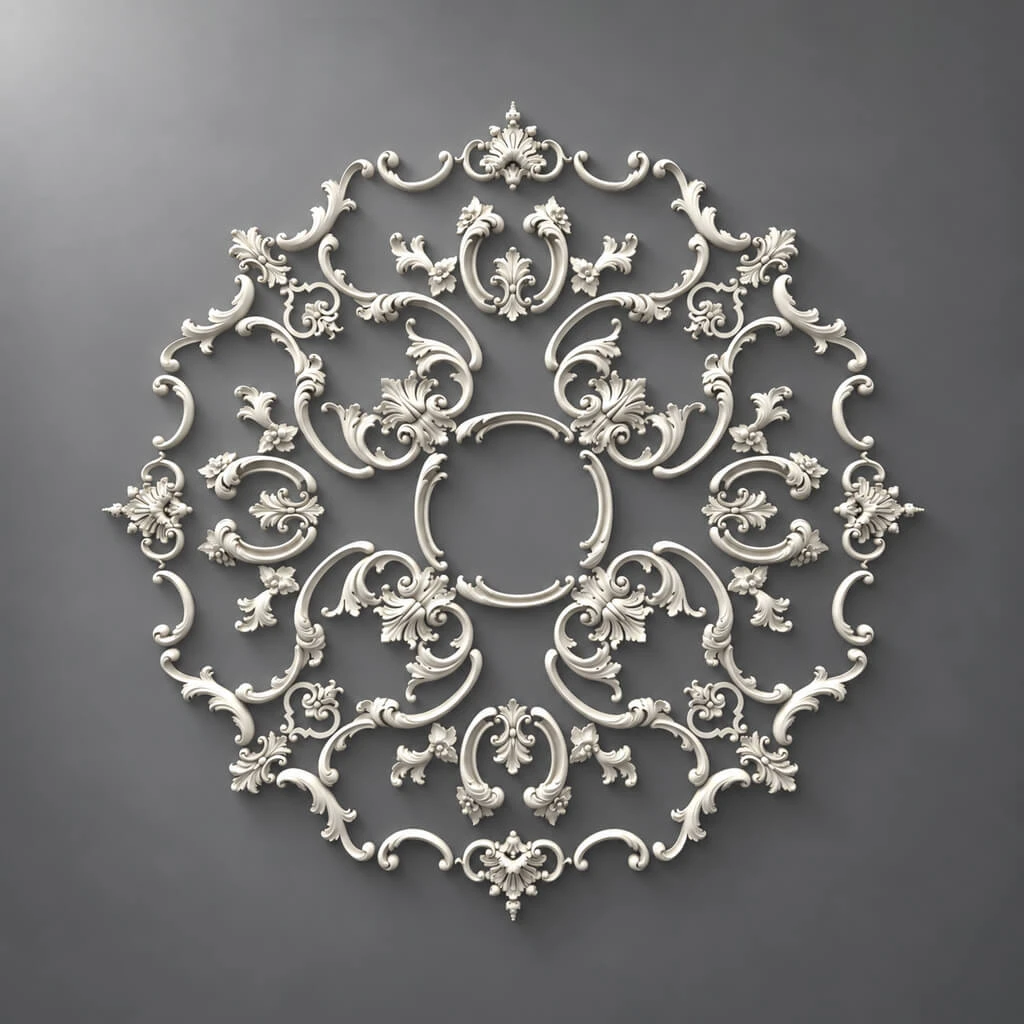
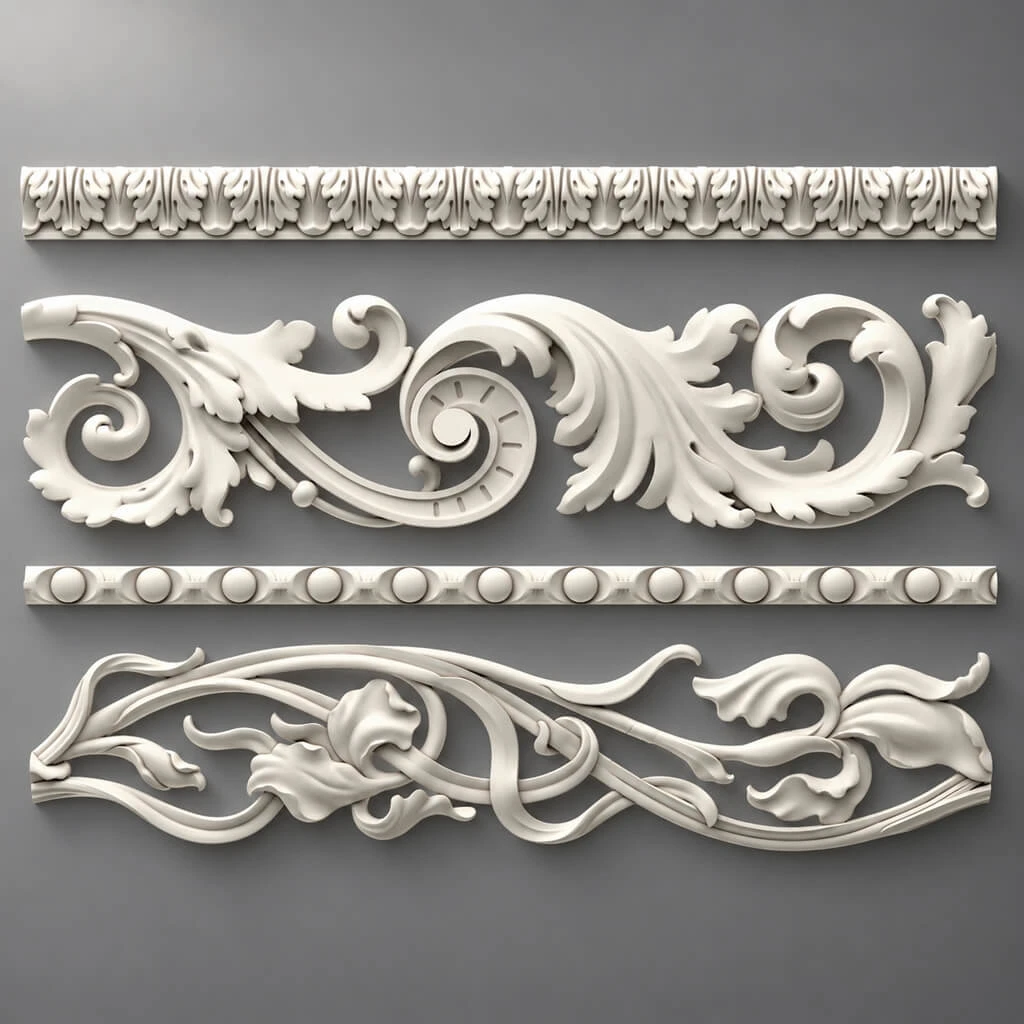
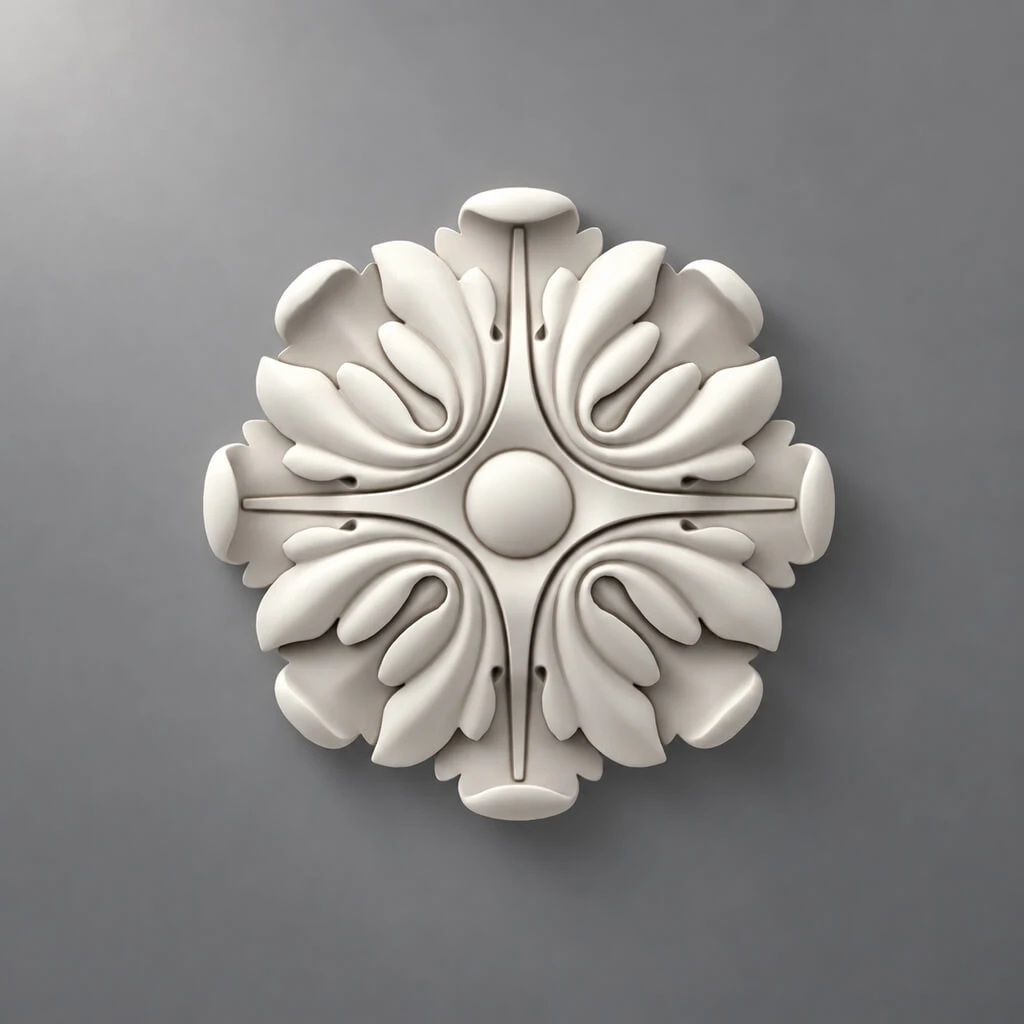






















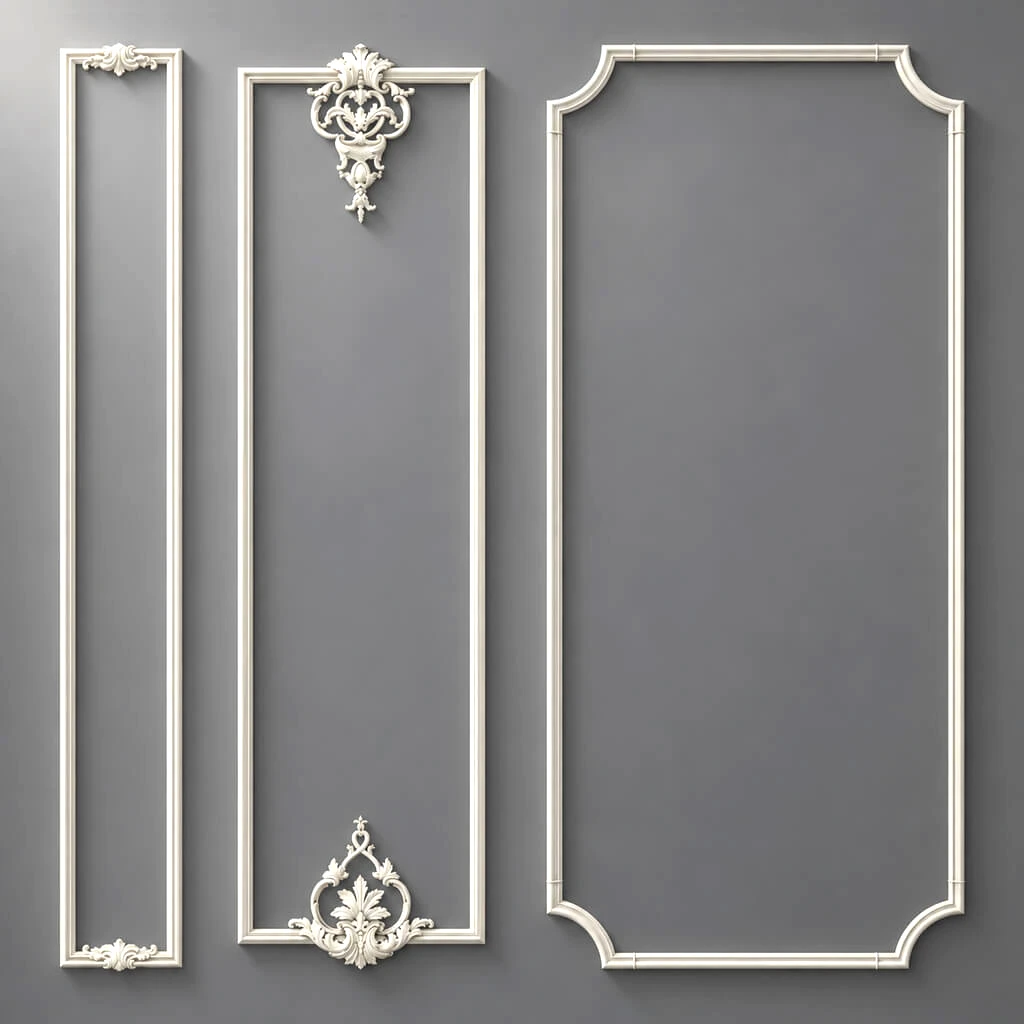
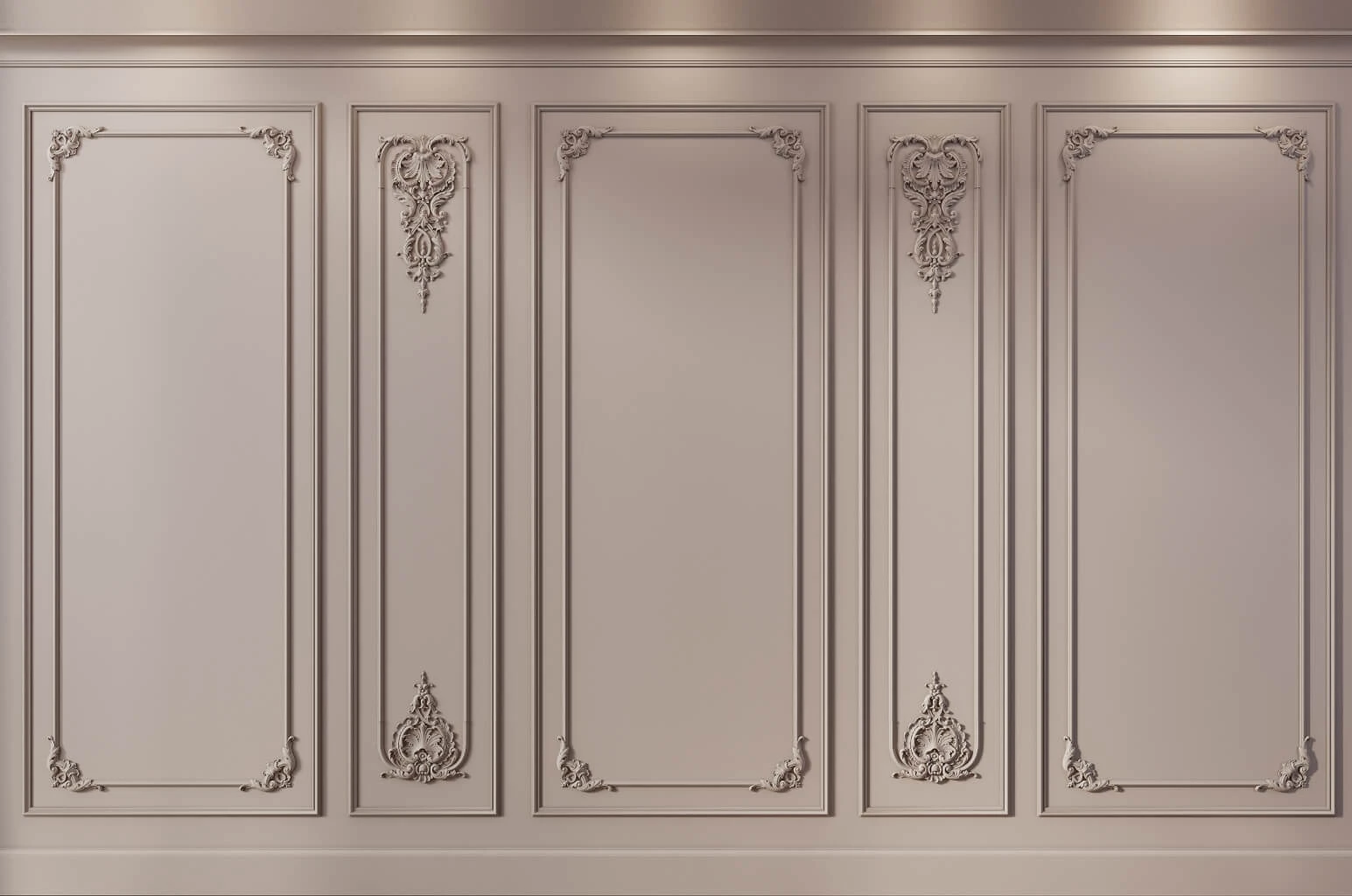
Decor idea for wall panels "Peterhof" INTPU-036
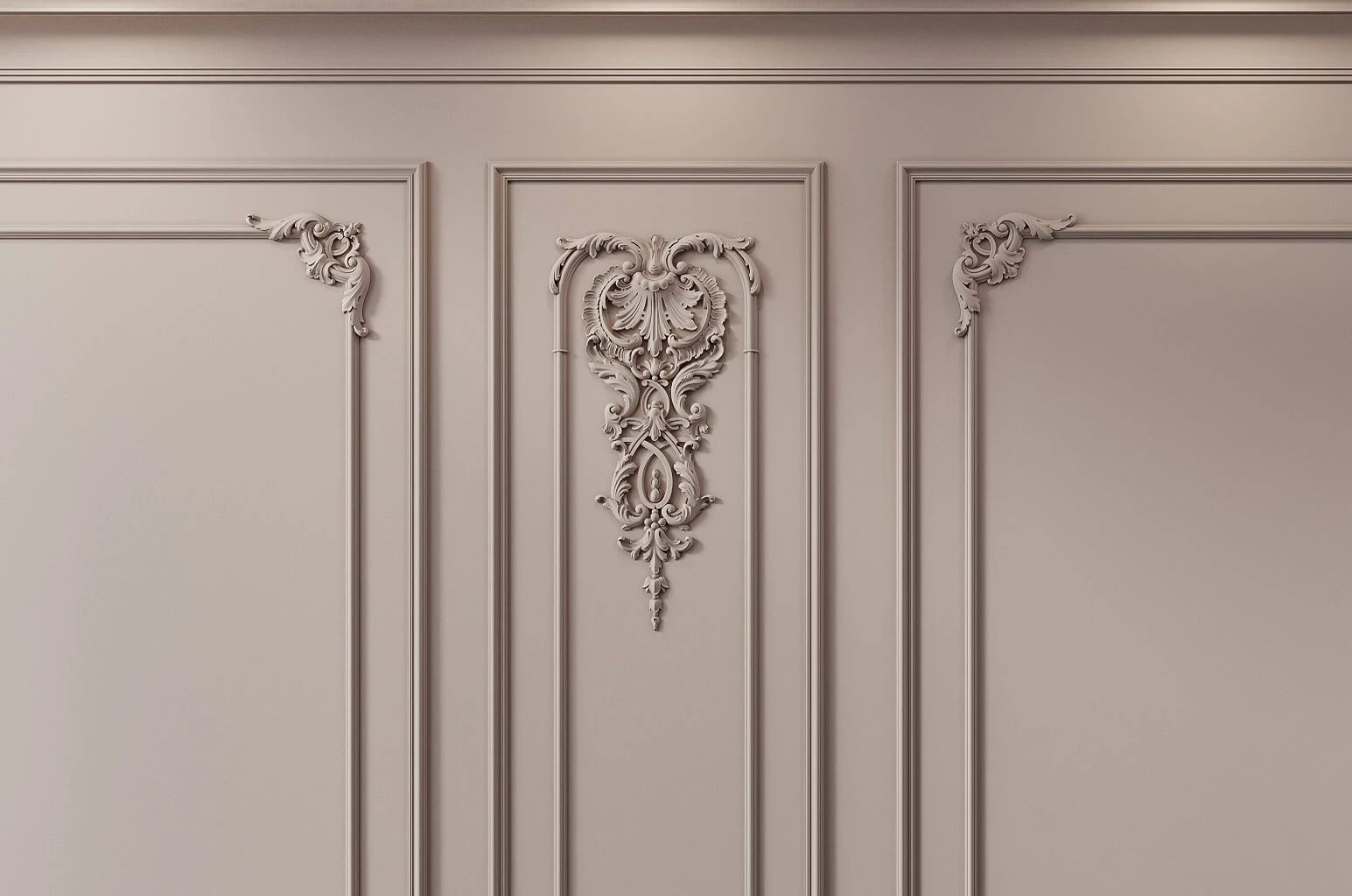
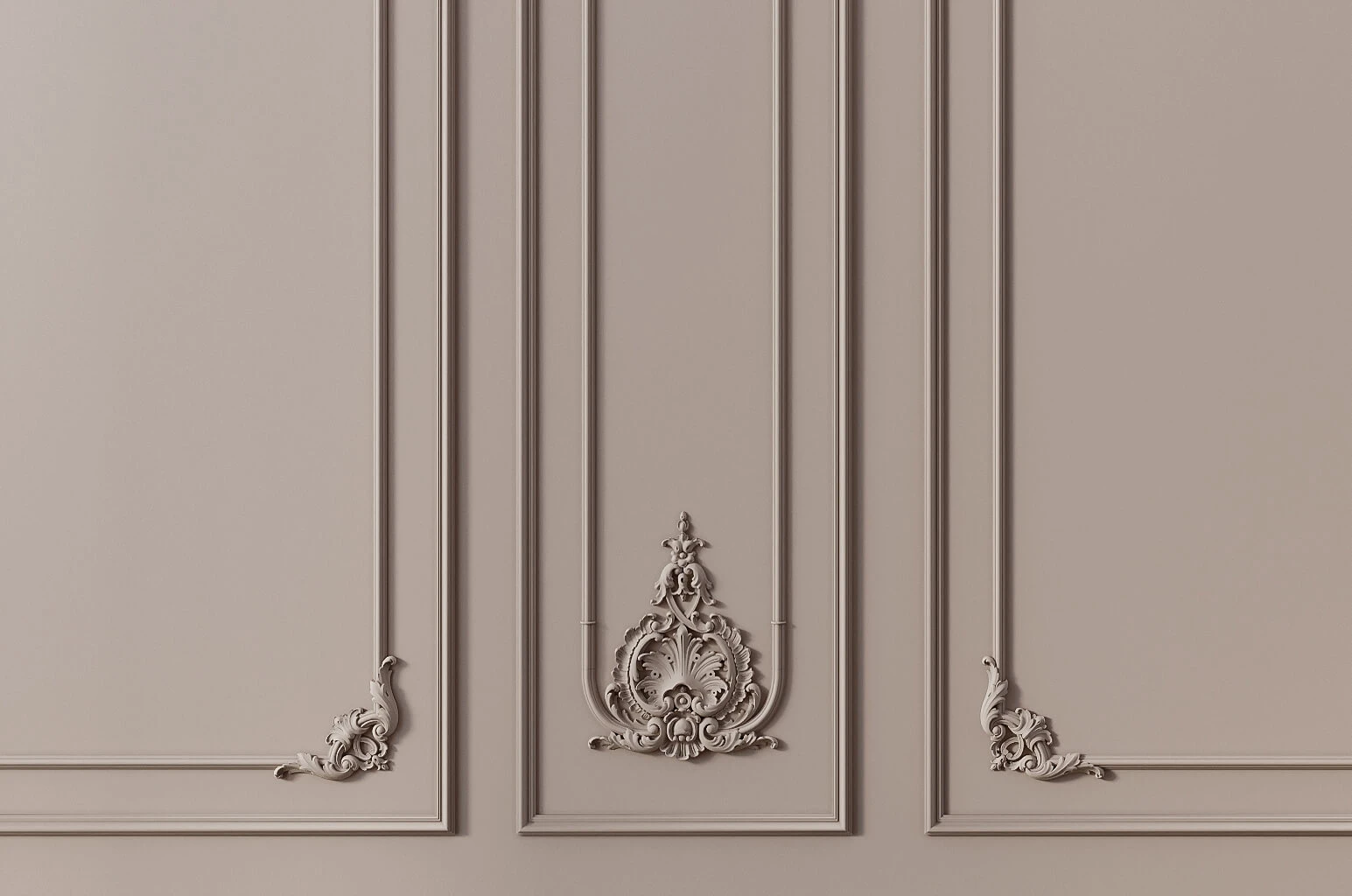
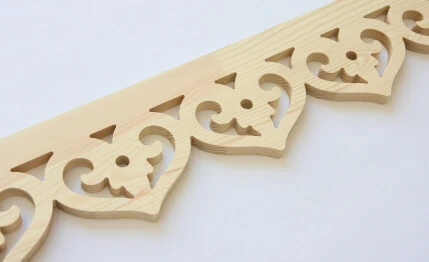
Used elements from the STAVROS array
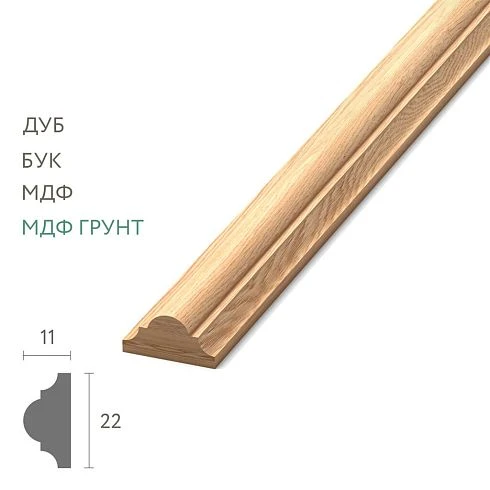
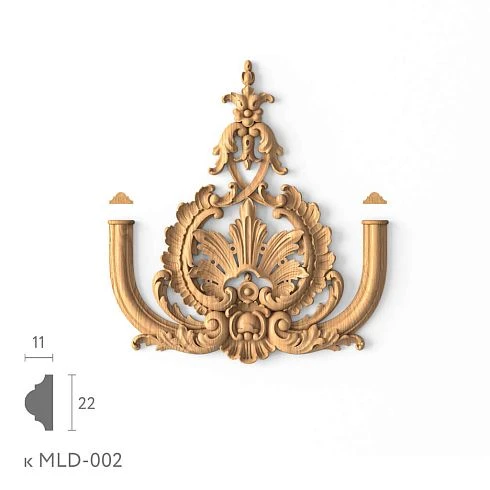
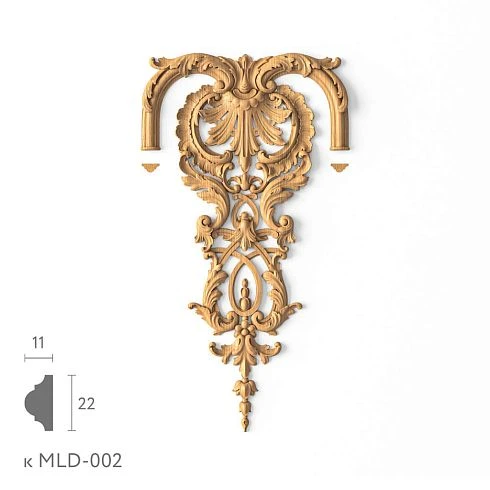
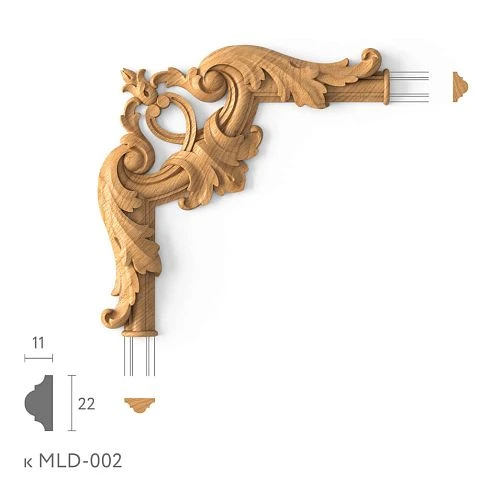
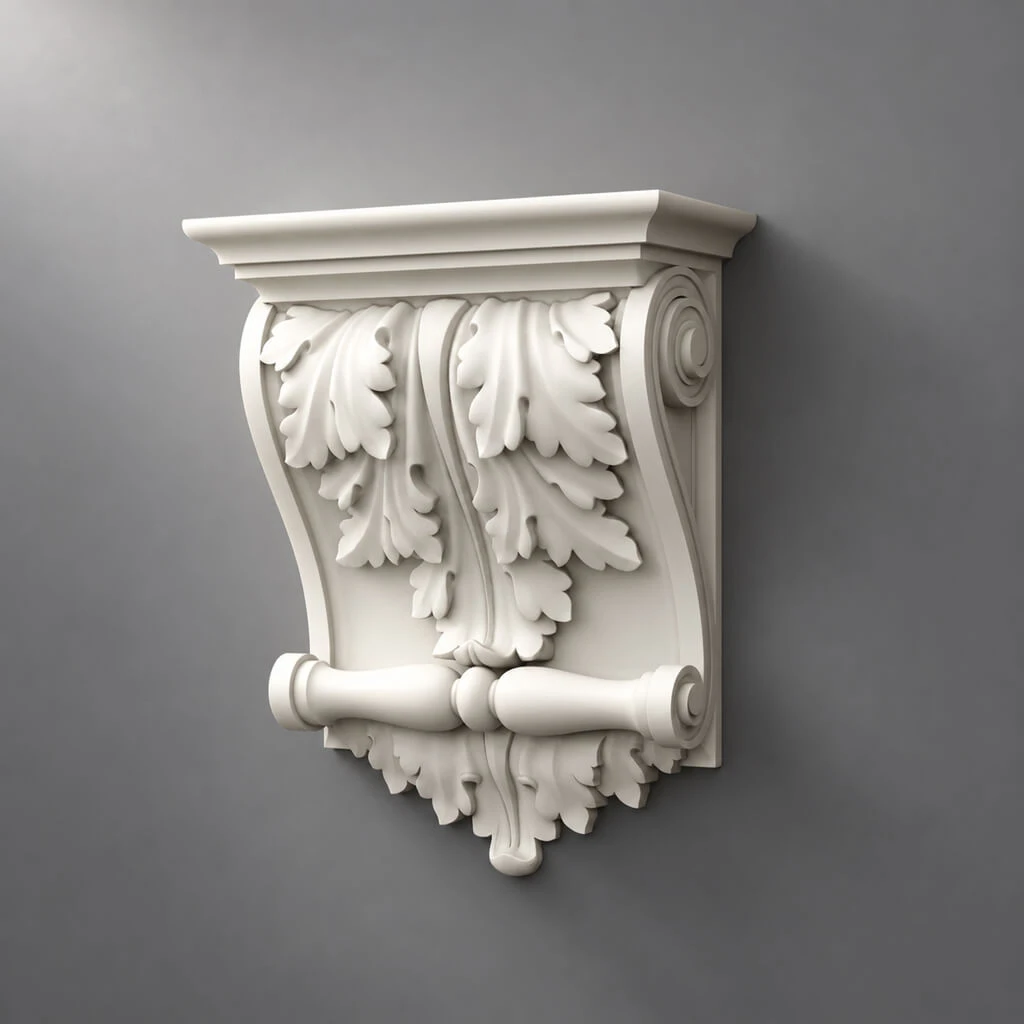
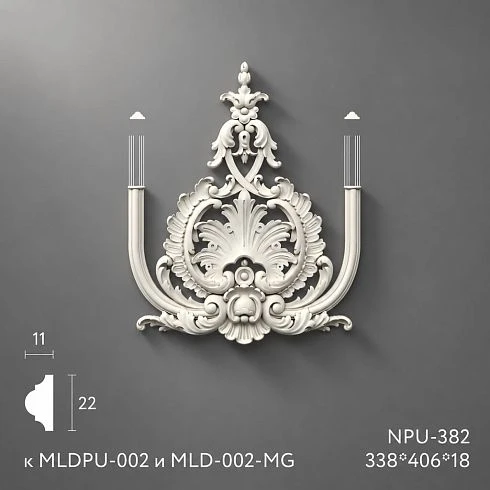
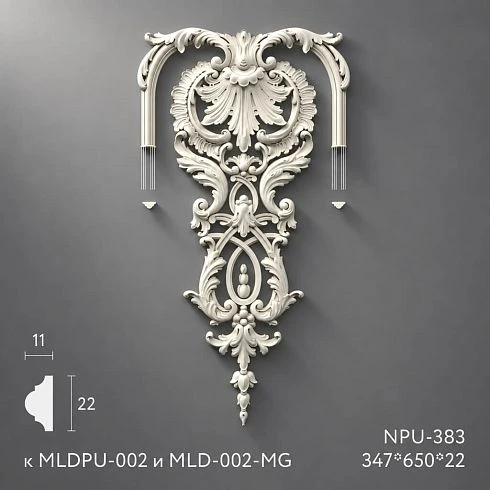
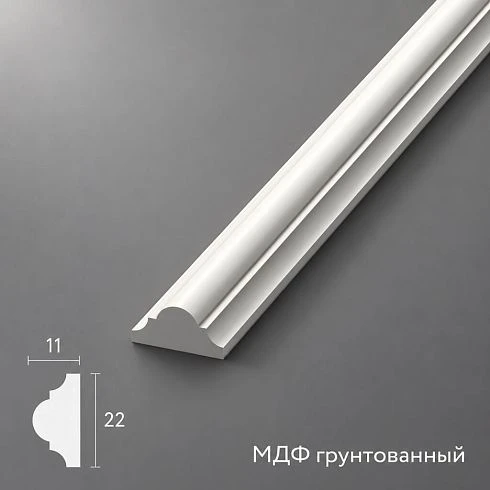
Polyurethane elements used: STAVROS
We will help you implement the project
Measurements
You send us furniture, interior, and preferences dimensions
Design
Our specialists will create a project (paid service, from 2000 rub.)
Kitting
After project approval, you receive a specification
Implementation
We will select partners in your city for painting and mounting decor
You may also be interested in
Frequently asked questions
Our showrooms are located in Saint Petersburg and Moscow. Production is located in Saint Petersburg.
Moscow contacts: /contacts_all/
Contacts of Saint Petersburg: /contacts_all/
Send us the product codes, quantities and delivery destination. Contact our team to confirm availability and order details.
Please contact us to confirm shipping availability, costs and delivery times for your destination.
Delivery cost depends on the size, weight of the item, and delivery address.
Please ask our team to confirm shipping costs and delivery arrangements for your destination before placing an order.
Prices and availability of items on the website are always current. Data is updated daily.
Note: items in stock are stored on the warehouse in unpolished form and shipped within 3 working days.
If the item is not in stock, average production time: 5–10 working days.
This is the quality of polishing of the items.
Standard — machine polishing, at a more attractive price.
Prestige — detailed hand polishing, items do not require further work.
More details: /information/kachestvo/
This is the type of veneer of the items.
Under enamel: produced by gluing wooden laminates without color and texture matching. Contrast tonal and textural differences are noticeable. This blank should be chosen if the item is intended for opaque coating.
Under tinting: produced by gluing wooden laminates with color and texture matching. Tonal and textural differences may occur. This blank should be chosen if the item is intended for semi-transparent finish.
More details: /information/kachestvo/
Beech — dense, non-porous wood, most often used for items covered with enamel.
Oak — dense, porous wood with clearly visible natural grain. Due to its strength and decorative properties, it is often used in items with semi-transparent coating, highlighting the wood pattern.
Custom-made, if non-standard items are required, we can produce products from other types of wood, including blanks provided by the customer, manufactured according to our technical specifications.
All our furniture legs can withstand a vertical load of at least 100 kg.
Average production time for custom-made items: 5–10 working days.
Most items are stored on the warehouse in unpolished form. We need time to polish and pack orders.
Yes, we manufacture non-standard items according to individual projects, but we only accept orders with a minimum quantity.
We can manufacture items of the desired size, but we only work with bulk orders. For details, please consult the sales department manager.
Yes, some of our products can be used outdoors. For example, polyurethane items, as well as carved door casings made of pine.
Other items are produced to order using PUR glue, if minimum quantity is available. No warranty is provided for such products, as outdoor conditions are considered aggressive.
Please contact our team to confirm available finishes, minimum quantities and a quotation for your order.
- Dust removal. After sanding, the surface must be dusted.
- Priming. Apply primer in an even layer.
- Matting. After the primer has fully dried, the surface should be matted (lightly sanded for better adhesion).
- Finish coating. Apply finish coating: lacquer or enamel, in 2 layers, with interlayer drying.
More details: /information/sovety/
Apply adhesive to the decor. Attach to the surface and press briefly. Then, remove the decor from the surface and leave it open for 3–5 minutes. Press the decor firmly onto the surface and hold for 5–10 seconds.
More details: /information/sovety/
Ideally, you should prepare a design project before placing an order.
You can do this yourself by downloading drawings of our products from our website, or you can order a project from us.
If the number of decorative elements and fittings is small, our company's manager can assist you with selection.
Unfortunately, this service is not provided.
The packaging method depends on the type of items, but in each case, we ensure sufficient protection for safe transportation.
We most often use corrugated cardboard and stretch film. Fragile items are additionally secured on a rigid base to prevent damage during transport.
Please confirm the minimum order quantity for your selected products and finishes with our team.
Please contact our team to discuss measurement and installation requirements for your project and destination before ordering.
Also see
Idea for decorating wall panels Peterhof INTPU-036 for a classic interior
There are names that need no introduction. Peterhof is one of them. Fountains, golden sculptures, strict symmetry of parterres, the power of ceremonial facades — this is not just a palace complex, it is a benchmark. A benchmark of what architecture looks like when it does not try to please, but simply is itself: perfect, solemn, flawless in every detail.
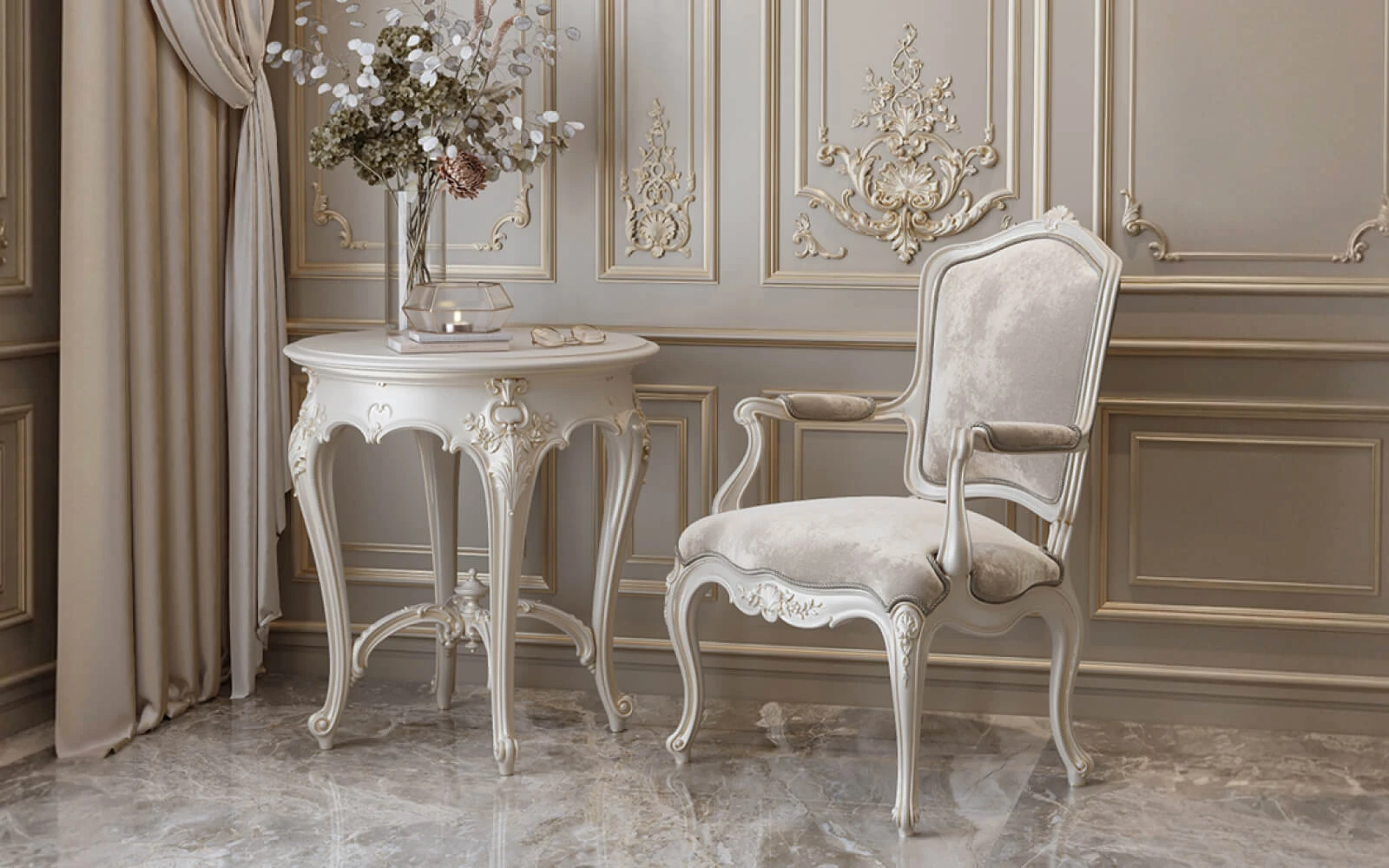
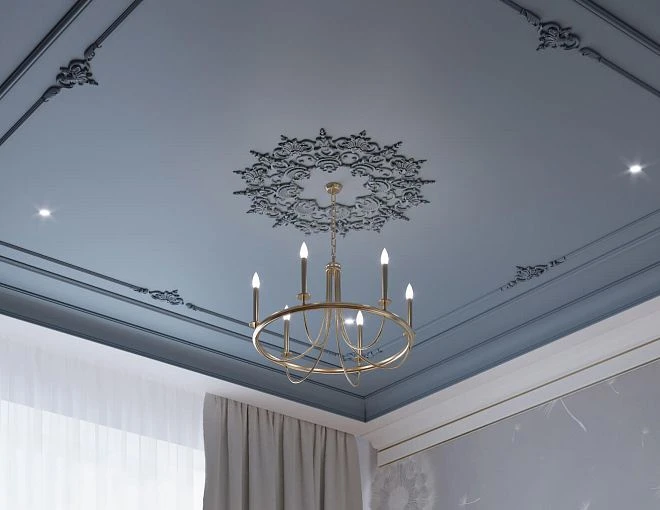
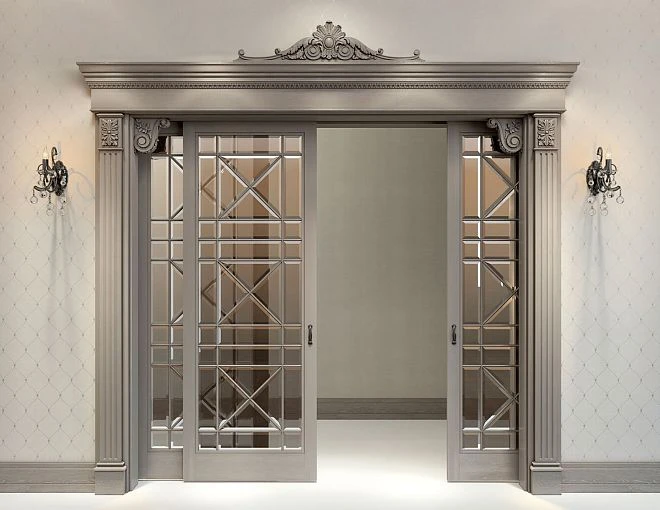
The idea for decorating wall panels "Peterhof" INTPU-036 is a ready-made solution for classic and neoclassical interiors, where the wall becomes an architectural statement. Moldings made of polyurethane, decorative frames, ornamental stucco overlays, corner elements and strict symmetrical layout create a ceremonial composition that is appropriate in a living room, hall, bedroom, study, restaurant or hotel — anywhere where the character of the space matters.
INTPU-036 is that very "Peterhof": solemn but not oppressive, ceremonial but not alien. Living classics for those who do not want a museum but want dignity.
What is the INTPU-036 idea
Symmetry as the main principle
The INTPU-036 system is based on the law that governs all classical architecture from antiquity to St. Petersburg Empire style: symmetry creates order, and order creates beauty. All elements of the system are not scattered randomly — they are arranged along strict axes that make the wall readable, predictable, and aesthetically complete.
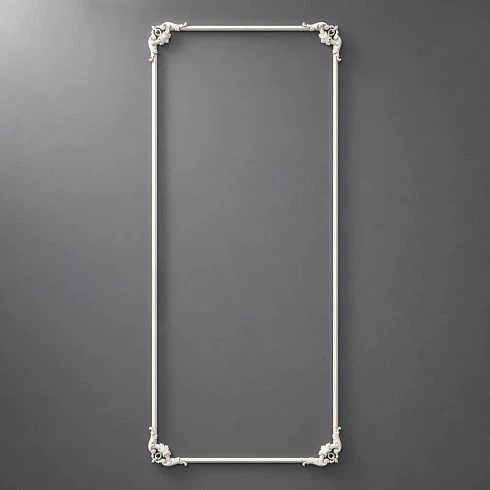
Molding frames divide the wall into vertical panels of equal or regularly alternating width. Stucco overlays are placed in identical positions in each panel. Corner elements fix the intersection points of the moldings. The cornice and baseboard complete the system along the horizontals.
This is not random beauty — it is a precise architectural geometry where every element stands exactly where it should.
Molding frames: wall geometry
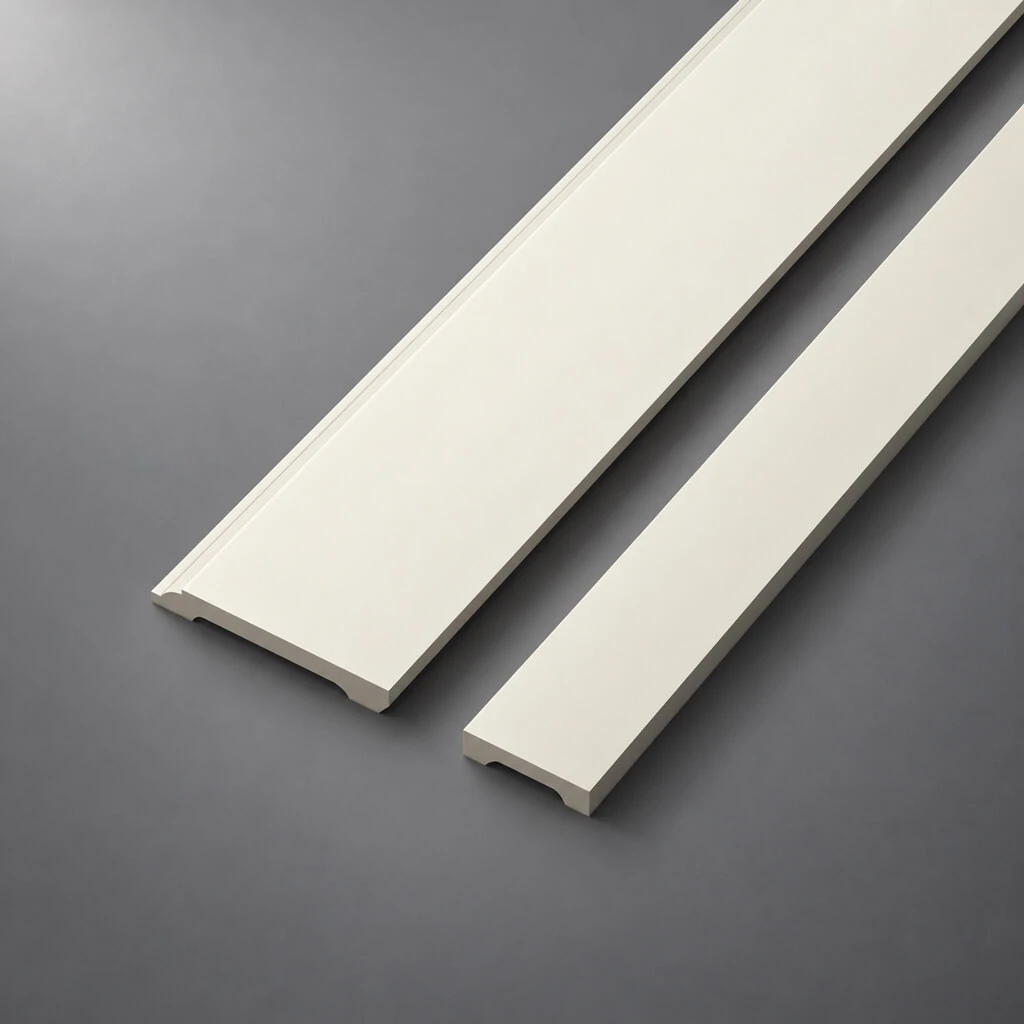
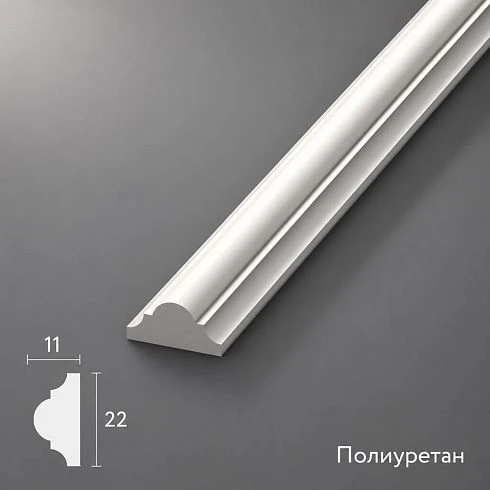
Moldings made of polyurethane in the INTPU-036 system — this is the architectural skeleton of the entire composition. Straight profile strips, installed according to precise markings, create vertical decorative frames that transform a flat wall surface into a three-dimensional, divided architectural plane.
For INTPU-036 in its formal interpretation, a profile of 45–60 mm is recommended — a wider, more substantial profile corresponding to the palatial character of the system. A narrower profile (35–40 mm) is suitable for a more restrained, neoclassical variant. The choice of profile directly affects the perception of the system's "weight" and "grandeur."
Stucco overlays: ornament as status
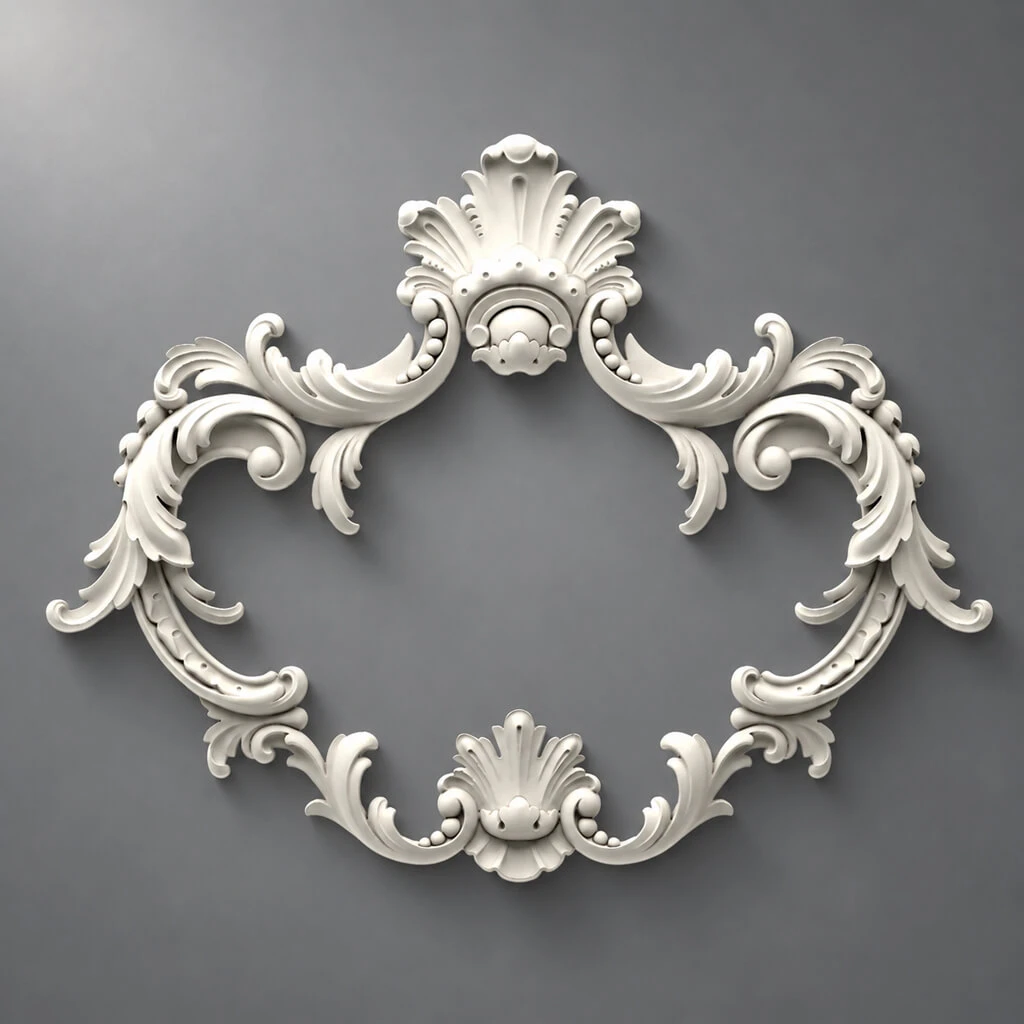
A distinctive feature of INTPU-036 is its richer, more expressive stucco decoration compared to the more restrained solutions of the "Petersburg" collection. Polyurethane decorative appliques in the "Peterhof" system, they are larger, the ornament is richer, and the presence of decor is more significant.
This is a deliberate choice: "Peterhof" is not about "slightly decorating a wall," but about "creating a grand wall." The difference is fundamental. And it is precisely the degree of saturation of stucco decoration that makes INTPU-036 a separate idea, rather than a variation of more restrained solutions.
Corner elements: points of classical expressiveness
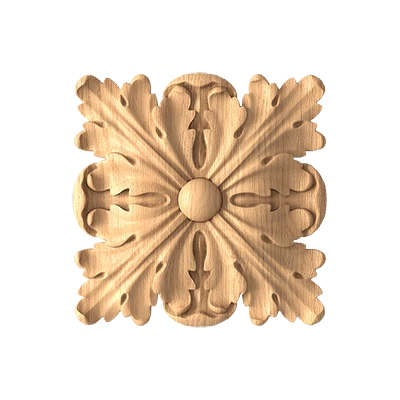
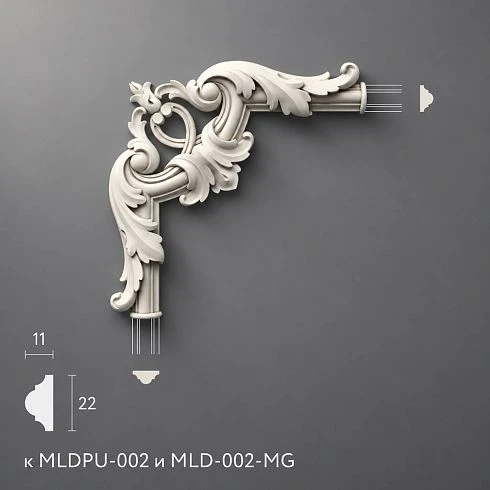
At the intersection points of vertical and horizontal frame moldings, corner decorative elements with ornamentation corresponding to the Peterhof character of the system are placed. These elements—square or rectangular overlays with classic floral or geometric patterns—create decorative "nodes" that give the system a finished look.
Without corner elements, a molding frame is just a rectangle. With them, it is a classic frame that has a beginning and an end, corners and a center.
Uniform coloring: two ways to read the system
INTPU-036 is implemented in two fundamentally different color logics:
Monochrome—moldings, overlays, and the wall in a single tone. The relief is read through light and shadow. The decor is present as an architectural detail without overloading the space with color. A modern, sophisticated result.
Tonal contrast—moldings and overlays are painted slightly lighter or darker than the background wall. This creates a more classic, "archival" reading of the system—closer to the historical original of St. Petersburg and Peterhof interiors. It requires more precise installation, as tonal contrast makes any unevenness noticeable.
White moldings on a colored wall—the most traditional option, working well in interiors with warm, rich shades: ochre, deep cream, terracotta, taupe.
Where are Peterhof INTPU-036 wall panels used?
Living room: a ceremonial wall for life
The living room is a space where "Peterhof" finds its ideal application. This is a room for others: here they receive guests, demonstrate taste, create the first and most lasting impression of the home and its owners. The ceremonial wall with INTPU-036 is a statement: "people with understanding and taste live here."
Three application scenarios in the living room:
Wall behind the sofa — primary. A sofa in front of a decorated wall with molding panels and stucco overlays is an image that defines the perception of the entire living room. The symmetry of the INTPU-036 system "embraces" the soft furniture group and creates an architecturally designed relaxation area.
TV zone — the wide central module accommodates the TV, side panels create context. With the right proportions, the TV ceases to be a "black spot on the wall" and becomes part of the decorative system.
Fireplace zone — classic in the literal sense. A fireplace as the main architectural element of the living room, framed by symmetrical molding panels with stucco overlays, is an image directly inheriting Peterhof interior solutions.
Hall: the first phrase of the house
The ceremonial hall with INTPU-036 is a space that welcomes and shapes expectations. The hall walls decorated with molding panels create an architectural corridor — an experience of passing through a designed space, which in classical palace interiors was a deliberate technique: the guest had to "prepare" for the ceremonial halls already in the vestibule.
For the hall with INTPU-036, the option with a high ceiling cornice and large upper stucco overlays works especially well: the verticality of the system visually "raises" the space, creating a feeling of height and spaciousness where they may physically not exist.
Bedroom: a ceremonial headboard
The wall behind the bed with INTPU-036 is a more ceremonial, more "Peterhof" version of bedroom classics. Unlike the more restrained solutions of the "Petersburg" collection, "Peterhof" creates a distinctly grand backdrop for the sleeping area — suitable for large master bedrooms, luxury hotel suite bedrooms, or homes with a consistently maintained classical interior.
Study: academic rigor
In the study, INTPU-036 operates in the register of "serious classics": strict molding frames, rich stucco overlays, and dark, saturated wall shades create a space that feels steeped in years of history and professional seriousness.
For a study with high ceilings and bookshelves — a wall with INTPU-036 in the areas between shelving units or opposite the desk creates that interior image commonly called an "English club library," only in a more austere, Petersburg version.
Restaurant, hotel, showroom
In commercial use, INTPU-036 creates what is known as the "establishment atmosphere." Grand classical panels on restaurant walls set expectations of quality even before the first course. In a hotel lobby, they create the image of a place that values tradition. In a showroom, they present the product within a value system that speaks of good taste and serious intentions.
Classic wall decor with moldings and stucco
Why decorate walls at all
This question may seem naive — but it is important to answer it. A simply painted wall or a wallpapered wall is a surface. It performs a function but does not create a space. It exists, but it does not have presence.
A decorated wall polyurethane moldings with stucco overlays, is an architectural element. It sets the scale, creates rhythm, and shapes the character of the space. It is not just a backdrop for furniture — it is part of the interior, equal in significance to any other element.
This is the fundamental difference between an "apartment with renovations" and an "interior."
Moldings as a system, not a set of elements
The key word for understanding INTPU-036 is "system." Polyurethane wall decor Here it is used not as a set of individual decorations, but as an architectural system with internal logic: horizontal and vertical molding profiles create a grid, at the intersections of which there are corner elements, and inside the cells — stucco overlays.
This systematic nature distinguishes "Peterhof" from amateur decor like "I'll hang something on the wall": here every element is justified, every detail is in its place.
Stucco as a replacement for random decor
One of the practical advantages of the INTPU-036 system: it makes the wall self-sufficient. There is no need for paintings, posters, decorative plates, panels, and random objects that are "slapped" onto the wall to fill the emptiness.
The ornamental overlays of "Peterhof" create enough visual information and decorative richness for the wall to read as rich, thoughtful, and complete — without a single additional element on it.
Practicality of polyurethane
People often ask: why polyurethane and not plaster? The answer is pragmatic and convincing. Polyurethane polyurethane products from STAVROS is not afraid of moisture, does not dry out, does not crack from temperature changes, has a low weight (which simplifies installation and reduces the load on the wall), is easy to paint with any paints — and at the same time creates a relief that is visually indistinguishable from plaster under normal lighting conditions.
Why "Peterhof" is suitable for formal classics
Name as a program
When "Peterhof" is called a "palace complex" — it's not an exaggeration or beautiful words. It's literal. Peterhof was built as a manifesto of imperial power, as a demonstration of the possibilities of architecture, sculpture, and landscape gardening. Every element there — from the grand cascade to the smallest cartouche on the ceiling — was created with the intention of making an indelible impression.
The "Peterhof" collection in the INTPU-036 system inherits this intention — on the scale of a residential or commercial interior. The stucco overlays are richer, the ornamentation is more saturated, and the overall character of the system is more solemn compared to other collections.
Palace aesthetics in a modern context
An important question that arises with the word "palatial": won't it look heavy, pompous, out of place in a modern home? The answer is no, provided three conditions are met.
Monochrome painting — moldings and stucco in the color of the wall remove the feeling of overload. Decoration is present through relief, not through color contrast, so the system is perceived as architectural, not as "embellishment."
Correct scale — proportional relationship between ceiling height, wall width, and the sizes of molding profiles and overlays. A large profile and large overlays in a small room will create pressure. In a large one — solemnity.
Modern combinations — "Peterhof" works well not only with traditional classic furniture but also with modern interpretations: soft sofas without wooden elements, metal lamps, glass surfaces — all this creates a "21st-century neoclassicism" in which wall decor is the most "historical" element.
Symmetry as a form of respect for space
In INTPU-036, symmetry is not a decorative technique but a philosophical principle. Symmetry says: "this space is thought out, every element here is not accidental, the owner respects both himself and his guests." This is exactly the message that a formal interior should convey — whether it's a private apartment, hotel, or restaurant.
Wall decor in the living room, hall, or bedroom
Three walls — three characters
The wall behind the sofa in the living room, the wall in the hall, and the wall behind the bed in the bedroom are three different functional contexts, in each of which INTPU-036 works in its own way.
In the living room, the wall with "Peterhof" is a public statement: everyone who comes to the house sees it. It creates the first impression of the owners' taste and status. Here, richer, more expressive options are appropriate — large overlays, rich ornamentation, possibly a tonal contrast between moldings and background.
In the hall, the wall with INTPU-036 is a greeting: it creates an atmosphere that prepares the guest for the rest of the house. Solemnity is important here, so "Peterhof" with its ceremonial character is especially appropriate. For a stair hall or entryway with high ceilings, this is almost a mandatory solution.
In the bedroom, the wall with "Peterhof" is a personal statement: here the decor is created not for others, but for oneself. Therefore, in the bedroom, a more restrained interpretation is possible — monochrome, with more delicate overlays — but still preserving the character and "weight" of "Peterhof".
Fireplace area as a classic center
A fireplace in a classic interior is the architectural axis of the entire space. A wall symmetrically decorated with INTPU-036 molding panels on both sides of the fireplace portal creates an image directly referencing historical precedents — the fireplace halls of European mansions, where walls from floor to ceiling were divided by pilasters, niches, and relief panels.
For the fireplace area, it is recommended: a cornice around the perimeter, three or five panels across the entire width of the wall (an odd number creates a pronounced central module), the most saturated stucco overlays in the central and flanking panels.
Stucco overlays as the main accent of the composition
Logic of decor arrangement
In the INTPU-036 "Peterhof" system, stucco overlays are arranged according to one of several principles depending on the intensity of the decor.
Minimal option — only top overlays in each panel. Creates frame "crowns," adding a decorative accent in the upper zone without overloading the lower part.
Balanced option — top and bottom overlays. A closed, vertically symmetrical system where each frame is a complete decorative unit.
Rich option — top, bottom, and center overlays. The most grand, ceremonial interpretation of "Peterhof." Requires high ceilings and proper scale of elements.
Center overlays as a replacement for paintings
A large central stucco overlay inside a panel is one of the most effective decorative techniques of INTPU-036. A central medallion, cartouche, or ornamental rosette on the free field inside the molding frame creates an accent that functions like a painting: draws the eye, creates a decorative center of gravity.
At the same time, unlike a painting, the central stucco overlay does not require replacement, is not afraid of moisture, does not fade, and is part of the wall architecture. Executed in the same monochrome color as the entire system, it is present through relief and volume — delicately but undeniably.
Decor for Molding as an additional layer
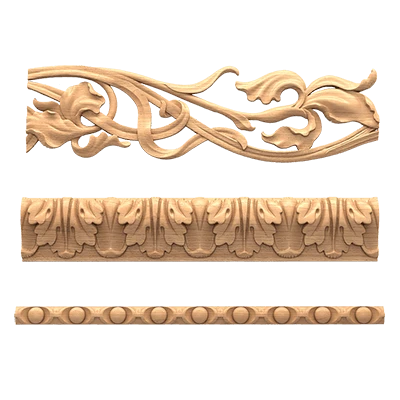
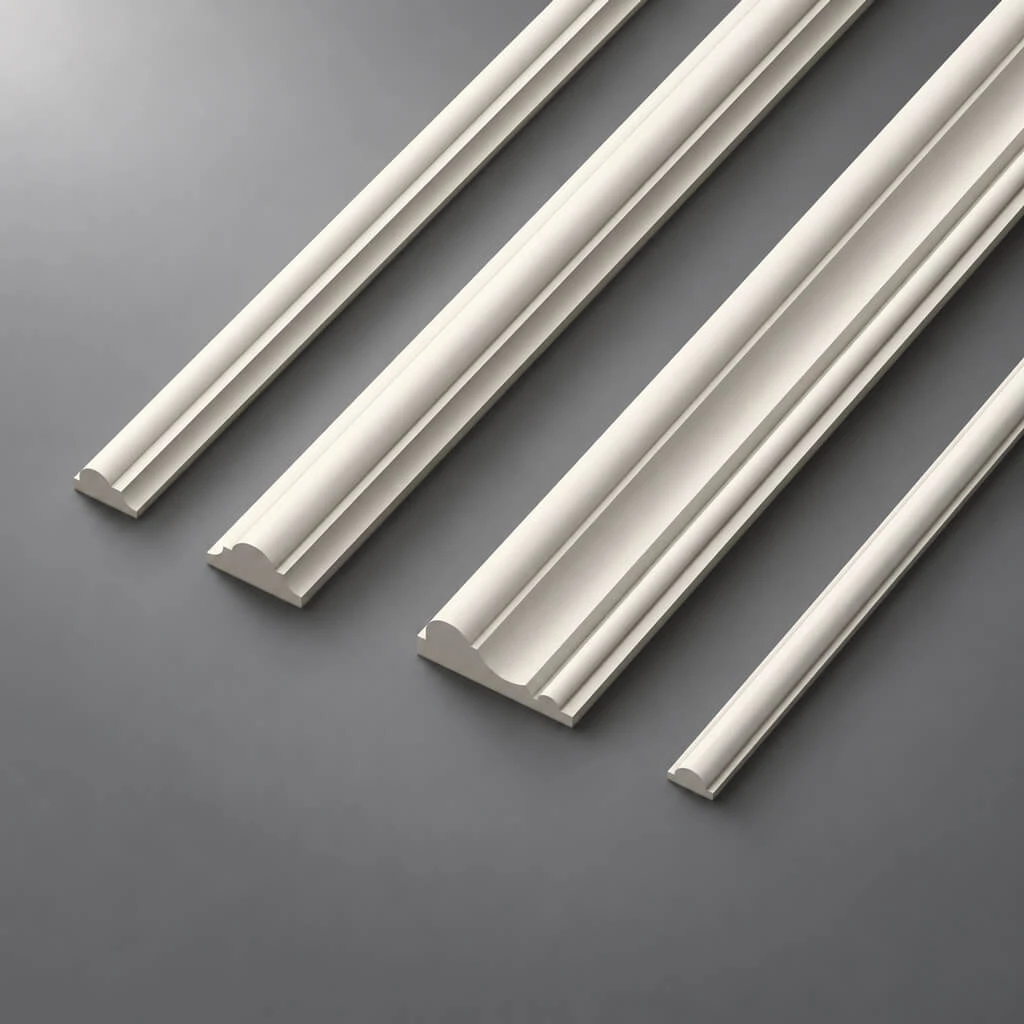
Linear ornamental elements on the horizontal profiles of frames, cornice, or baseboard add another level of detail to the system. From a distance, they are not visible. Upon close inspection, they create a sense of genuine craftsmanship. For "Peterhof" with its ceremonial character, this is an optional but organic addition: another touch that elevates the system from "beautiful" to "flawless."
What elements are included in the INTPU-036 system
Full composition for implementing the idea:
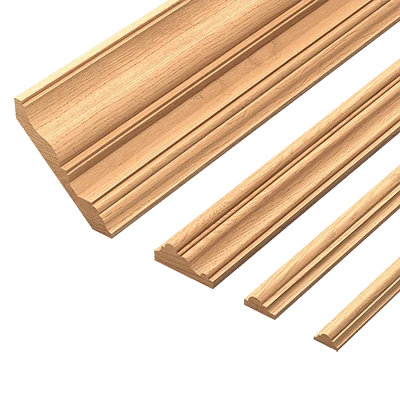
Moldings made of polyurethane — Direct profile strips for frames. Profile 45–60 mm for the formal version, 35–45 mm for a more restrained neoclassical interpretation.
Corner decorative elements — Polyurethane appliqués with ornament for molding intersection points. 4 pieces per frame.
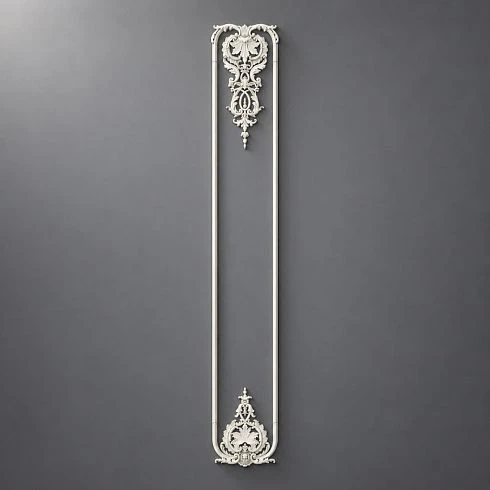
Upper stucco ornamental overlays — decorative elements for the top part of each panel. The most expressive element of the system.
Lower stucco ornamental overlays — decorative elements for the bottom part. Size: 80–90% of the upper ones.
Central decorative elements — medallions, cartouches, or rosettes for the central field of the panels. Optional, for the rich version of "Peterhof".
Decor for Molding — Linear elements for horizontal profiles and cornice. Optional.
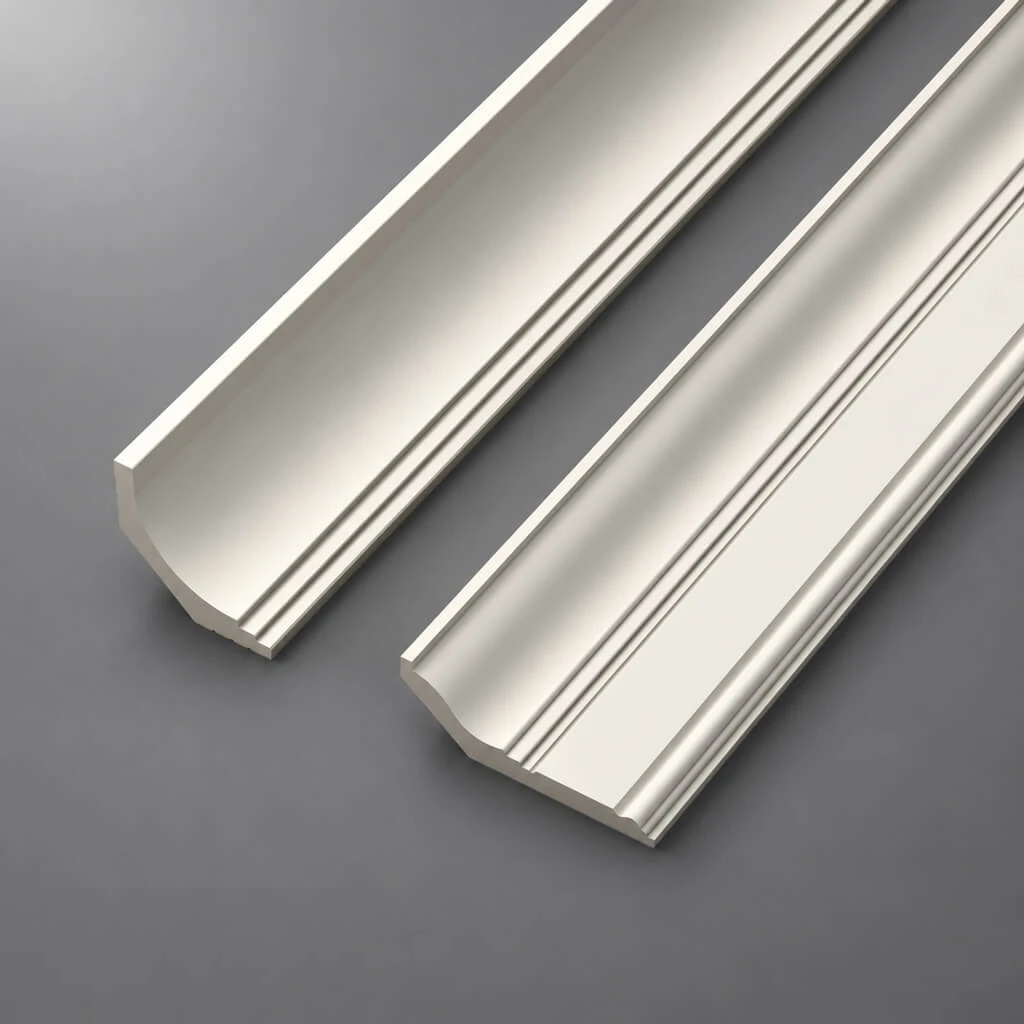
Ceiling cornice — the top finish of the system. For "Peterhof" — a more detailed, substantial profile matching the formal character of the system.
High baseboard — 16–22 centimeters. Creates a heavy base, completing the system from below. Painted to match the wall color or with a slight tonal contrast.
What to combine with Peterhof decor INTPU-036
Color basics for INTPU-036
The ceremonial classicism of "Peterhof" dictates a specific color logic. This is not a system that needs to be "fitted" into any color — it is a system that sets its own color boundaries.
Warm neutral tones — milky, cream, taupe, warm sand, ivory — are the base palette for a monochrome option. These shades create a soft, "palatial" background in which the INTPU-036 relief reads delicately and nobly.
Rich classic shades — deep green, dark blue, burgundy, ochre — for an option with white or light moldings. A contrasting interpretation of "Peterhof": a dark or rich wall + light decor. This is the most historically accurate interpretation, referencing the actual color schemes of St. Petersburg interiors.
A deep dark background — graphite gray, anthracite, dark green — for the most prestigious, "nocturnal" option. Requires good artificial lighting and light moldings. Creates a strong, memorable impression.
Floor Coverings
Parquet in warm tones is the first choice for "Peterhof". A classic herringbone or Versailles pattern in dark or natural oak pairs with the molding walls: wood and polyurethane decor are historically related materials.
Marble or stone flooring — for more formal options. Cold white or gray marble with warm molding walls — a contrast of materials that enhances the overall richness of the interior.
Furniture and textiles
Classic upholstered furniture with wooden elements (sofas and armchairs with carved wooden arms or legs) is a direct continuation of the "Peterhof" language.
Modern upholstered furniture (minimalist sofas without wooden details) — a contrast of old and new, which in contemporary neoclassicism works as a deliberate artistic device: strict molding walls + modern furniture = "classicism that is not afraid of the present."
Curtains: must be floor-length, heavy — velvet, damask, heavy linen. Color: matching the wall or with tonal contrast. Rod: brass, bronze, dark gold.
Chandelier: crystal or glass with metal fittings — matching the metal accents of the room.
Mirrors in wide classical frames are placed on walls perpendicular to the decorated one. They reflect the molding system and create a sense of depth, multiplying the decorative effect.
How to replicate the INTPU-036 idea
Step 1. Measurement and documentation. Precise dimensions of all walls in the room. Ceiling height. Location of doors, windows, niches, fireplace (if any), outlets, switches. Planned furniture arrangement.
Step 2. Selection of walls to decorate. INTPU-036 is a formal system that is appropriate to use not on all walls at once. Optimal: one or two walls in the room. The rest are a neutral background that supports the decorated ones. Decorating all four walls is only possible with high ceilings (from 3.5 meters) and a large room area.
Step 3. Developing the panel layout. Determine the number of panels: for a wall 3.5–4.5 meters — 3 or 5 panels (an odd number creates a pronounced center). For a wall 5–7 meters — 5 or 7 panels. The central panel is wider than the side ones (ratio 1.5:1 or 2:1).
Step 4. Determining the panel height. Standard scheme for a 3.0 meter ceiling: cornice 12–16 centimeters, offset 6–10 centimeters, panel height 210–225 centimeters, baseboard 16–22 centimeters.
Step 5. Choosing the stucco decor option. Minimal (only top overlays), balanced (top and bottom), or rich (top, bottom, and central). For "Peterhof", at least a balanced option is recommended.
Step 6. Choosing the color scheme. Monochrome warm neutral, contrasting "dark wall + light moldings", or tonal — moldings slightly lighter than the background. Testing a sample on the wall.
Step 7. Selecting STAVROS elements. In the catalog molding, appliqués и decoration for moldings select specific items from the "Peterhof" collection.
Step 8. Calculating the amount of material. Perimeter of all frames — linear footage of molding. Number of frames × 4 — corner elements. Overlays — according to the number of panels and the chosen richness option. Cornice and baseboard — along the perimeter of the room. Reserve: 12–15%.
Step 9. Surface preparation. Leveling, puttying, priming. Marking strictly according to the laser level: all horizontals are absolutely horizontal, all verticals are absolutely vertical. In "Peterhof" with its ceremonial symmetry, an error in marking will be more noticeable than in any other system.
Step 10. Installation. By installation guide for STAVROS polyurethane moldings: installation sequence, correct glue, joint treatment. Decorative overlays — by installation guide for polyurethane stucco: centering along panel axes, fixing until the glue fully sets.
Step 11. Priming and painting. Primer on polyurethane elements. Single color for the wall and elements in two coats with intermediate sanding. Matte finish. For the "white moldings on a colored wall" option — first paint the background, then carefully paint the moldings in white or a light tone.
Step 12. Lighting and styling. Installation of chandelier, sconces, hidden lighting. Furniture arrangement. Final assessment under evening lighting — it is at this moment that "Peterhof" reveals itself in full force.
Who the INTPU-036 idea suits
People who understand classics — not as "old-fashionedness," but as a system of values: order, beauty, craftsmanship, attention to detail. For them, "Peterhof" is not a style, but a language they speak through their home.
Interior designers working in the upper-middle segment. INTPU-036 is a tool for creating a ceremonial interior without involving rare stucco specialists and without a palace budget.
Architects when working with private residences, country houses, and premium residential complexes. The system is reproducible and adaptable.
Hotel and restaurant owners with a classic or neoclassical concept. Grand walls with INTPU-036 are what gets photographed and shared.
Everyone who has ever stood in Peterhof and thought: "This is how an interior should look" — and now knows how to recreate it in their own home.
Buy decor for Peterhof INTPU-036 wall panels
All components for implementing the INTPU-036 "Peterhof" idea are presented in the full catalog polyurethane products from STAVROS. Moldings made of polyurethane of the required profile for decorative frames. Polyurethane decorative appliques — corner elements, top and bottom ornamental overlays, central medallions, and cartouches. Decor for Molding for additional detailing. The entire Polyurethane wall decor — in a unified system of quality and style of the "Peterhof" collection.
The INTPU-036 system adapts to any wall width, ceiling height, and placement of a fireplace, sofa, bed, or console. It is not a rigid template — it is a principle of grand classicism that scales from a compact hallway to a grand hall.
FAQ — answers to popular questions
Is INTPU-036 suitable for a classic interior?
Yes, "Peterhof" is designed specifically for classical and neoclassical interiors. Moldings, decorative frames, and stucco overlays create a formal wall system that meets the strictest classical standards while being implemented with modern materials and technologies.
Where is the best place to use the "Peterhof" decor?
Best scenarios: living room (wall behind the sofa, fireplace area, TV wall), formal hall, master bedroom, study, dining room, hotel lobby or restaurant with a classical concept. Anywhere that requires an expressive, architecturally meaningful wall.
Can the moldings and stucco be painted the same color as the wall?
Yes, monochrome painting is one of the best options for "Peterhof." The relief is revealed through light and shadow, and the decor looks modern and not overloaded. A contrasting option is also possible — white moldings on a colored wall — which is closer to the historical interpretation.
How does "Peterhof" differ from more restrained collections?
With richer, more expressive stucco decor. "Peterhof" is for formal areas and spaces where maximum decorative richness is needed. For less ceremonial interiors in the same value register — the "Petersburg" and "Ekaterinhof" collections.
What elements are needed to implement the idea?
Frame moldings, corner decorative elements, upper stucco overlays, lower stucco overlays, central medallions if needed, ceiling cornice, high baseboard, and optionally linear Decor for Molding.
How long will the system last?
Polyurethane polyurethane products from STAVROS require no maintenance, are resistant to humidity, mechanical impacts, and temperature fluctuations. With proper installation according to the instructions from the molding installation guide The system lasts for decades. Refinishing only involves repainting, without removing the decor.