

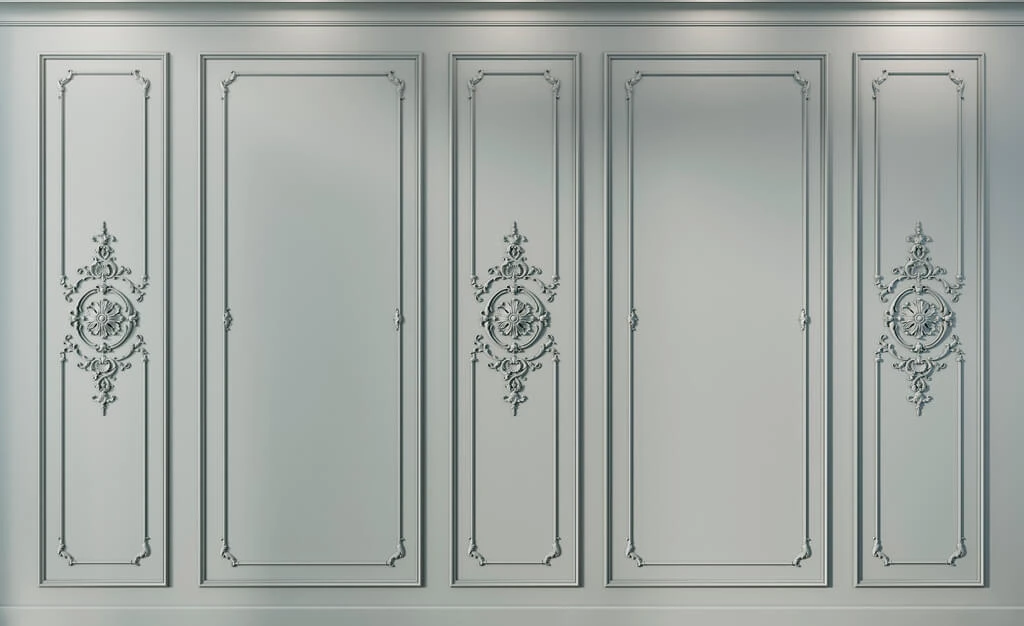
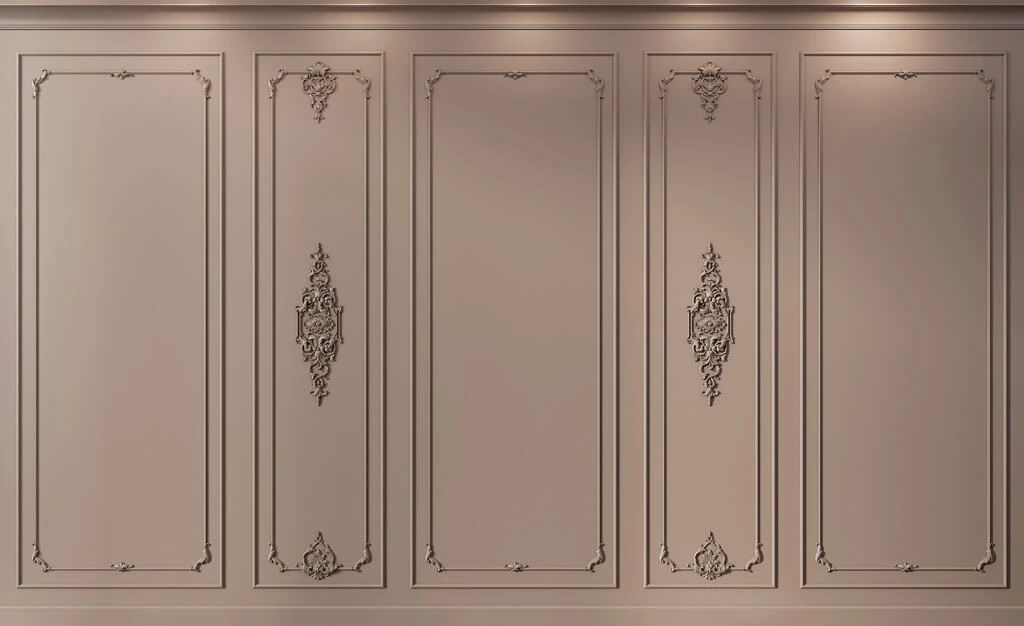
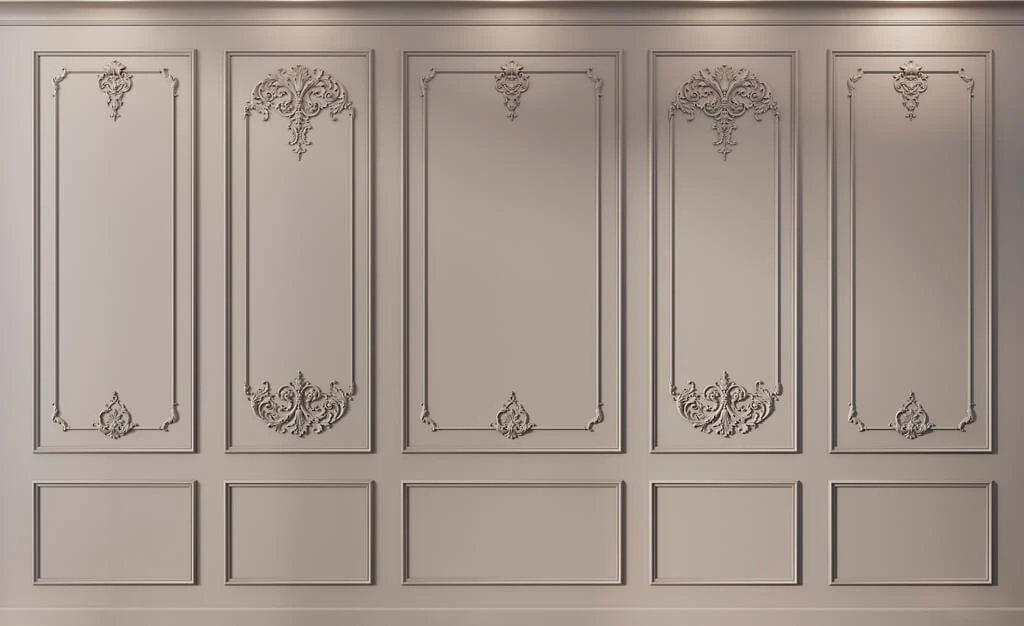






















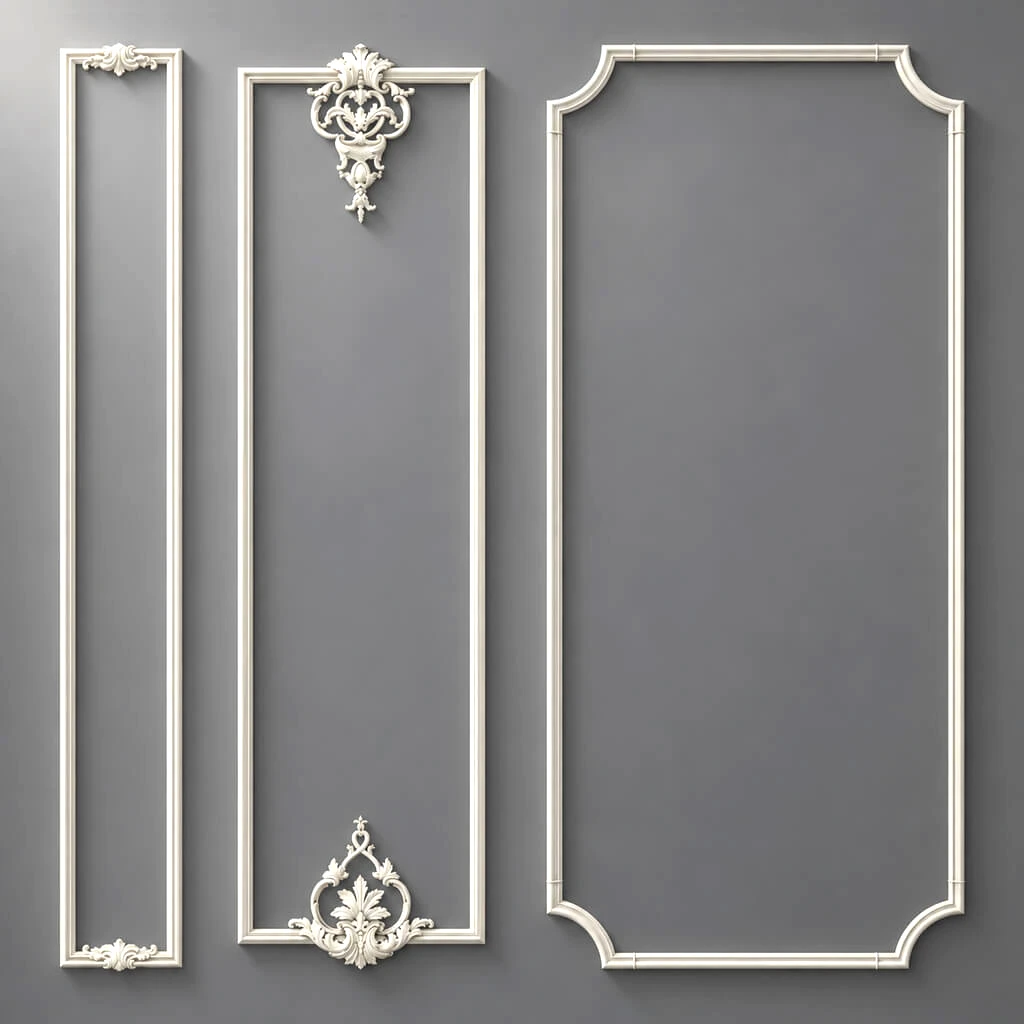
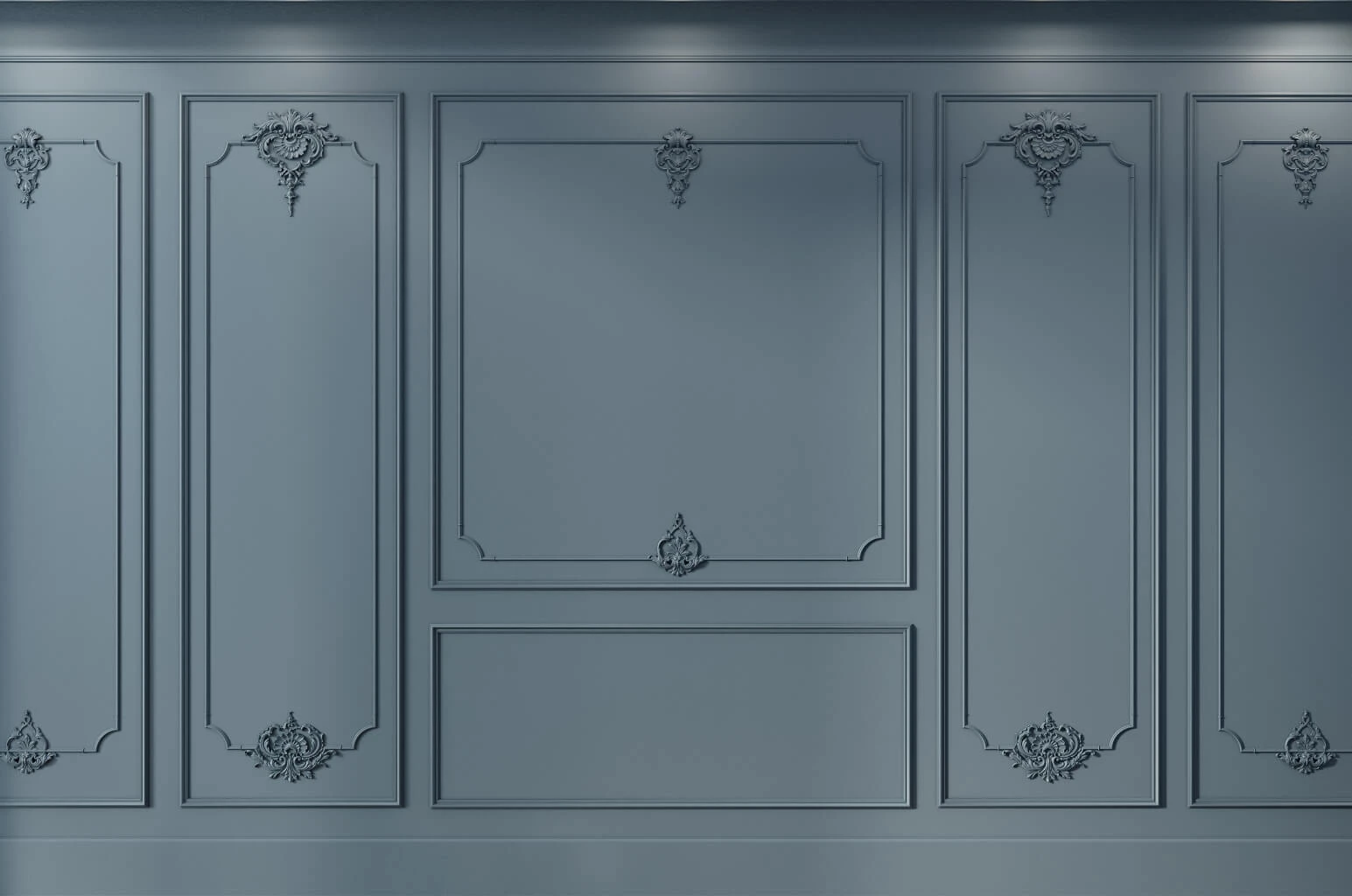
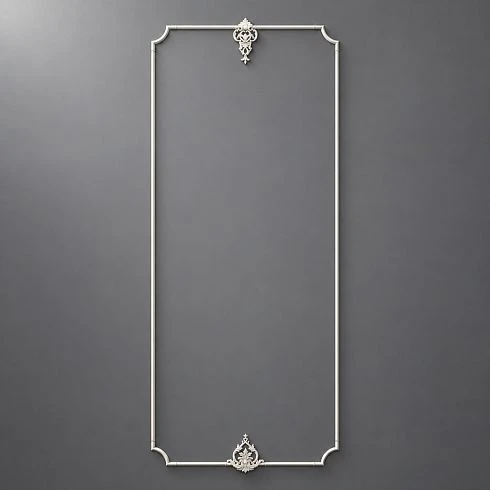
Decor idea for wall panels "Petersburg" INTPU-034
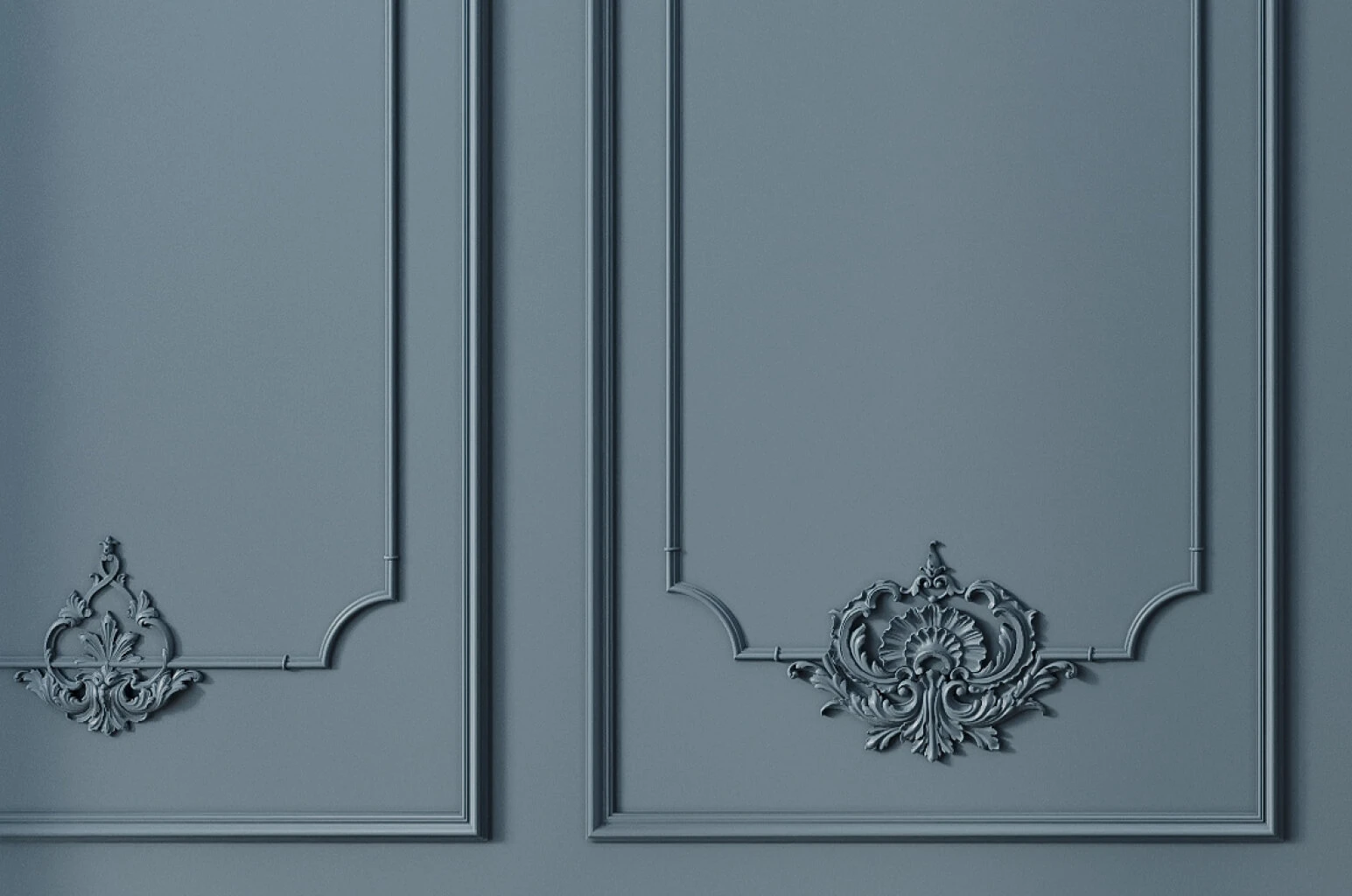
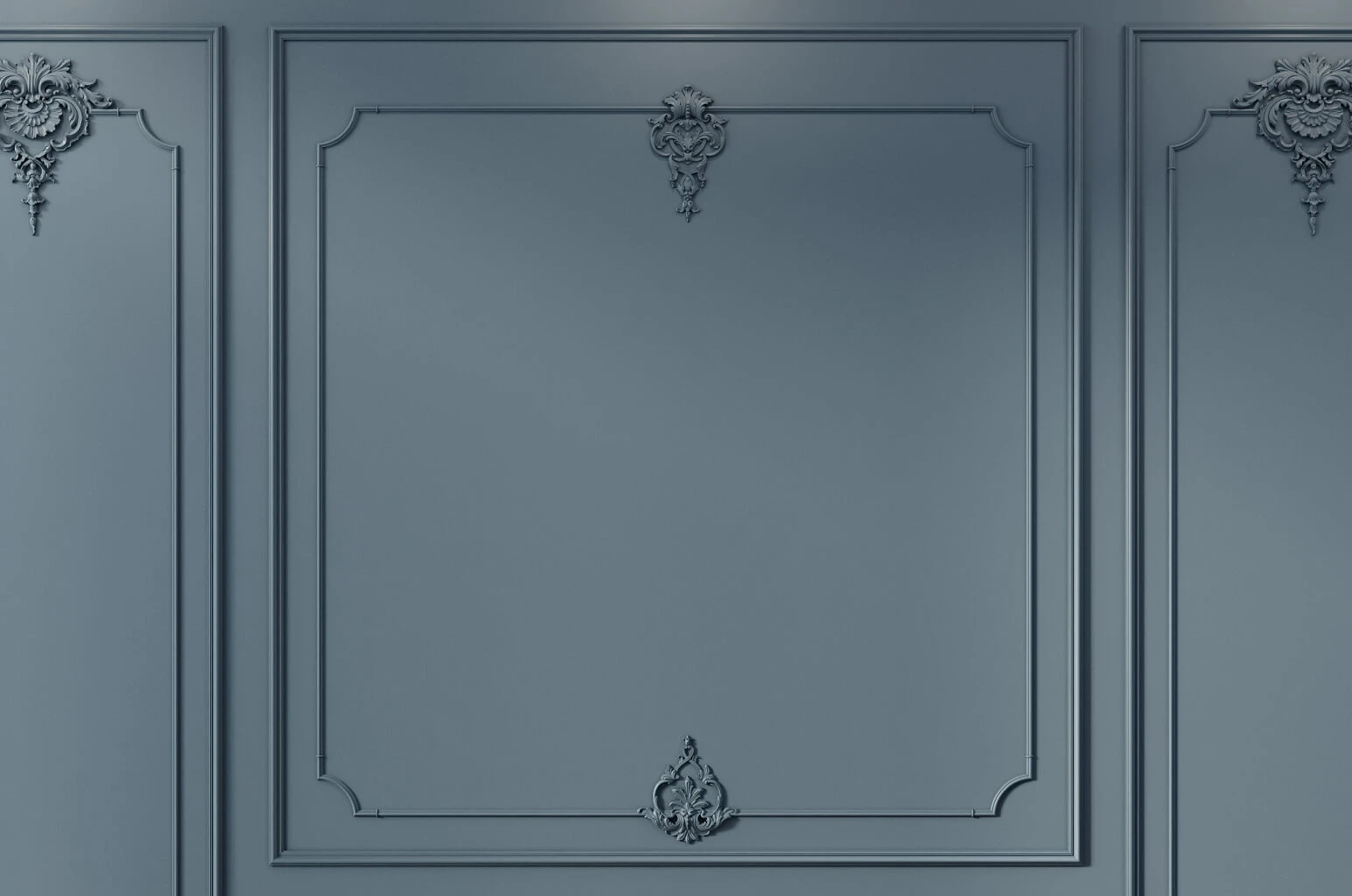
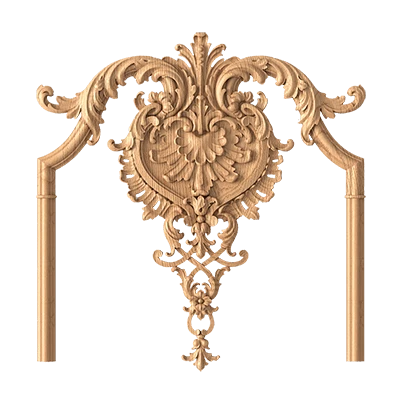
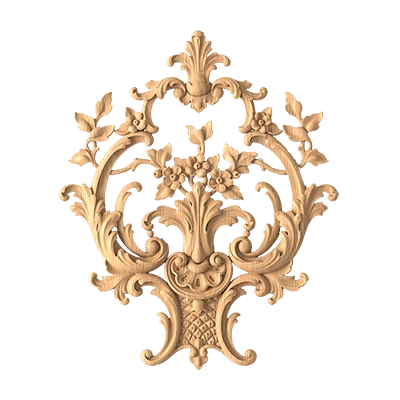
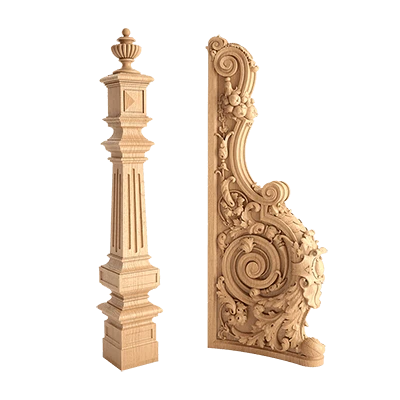
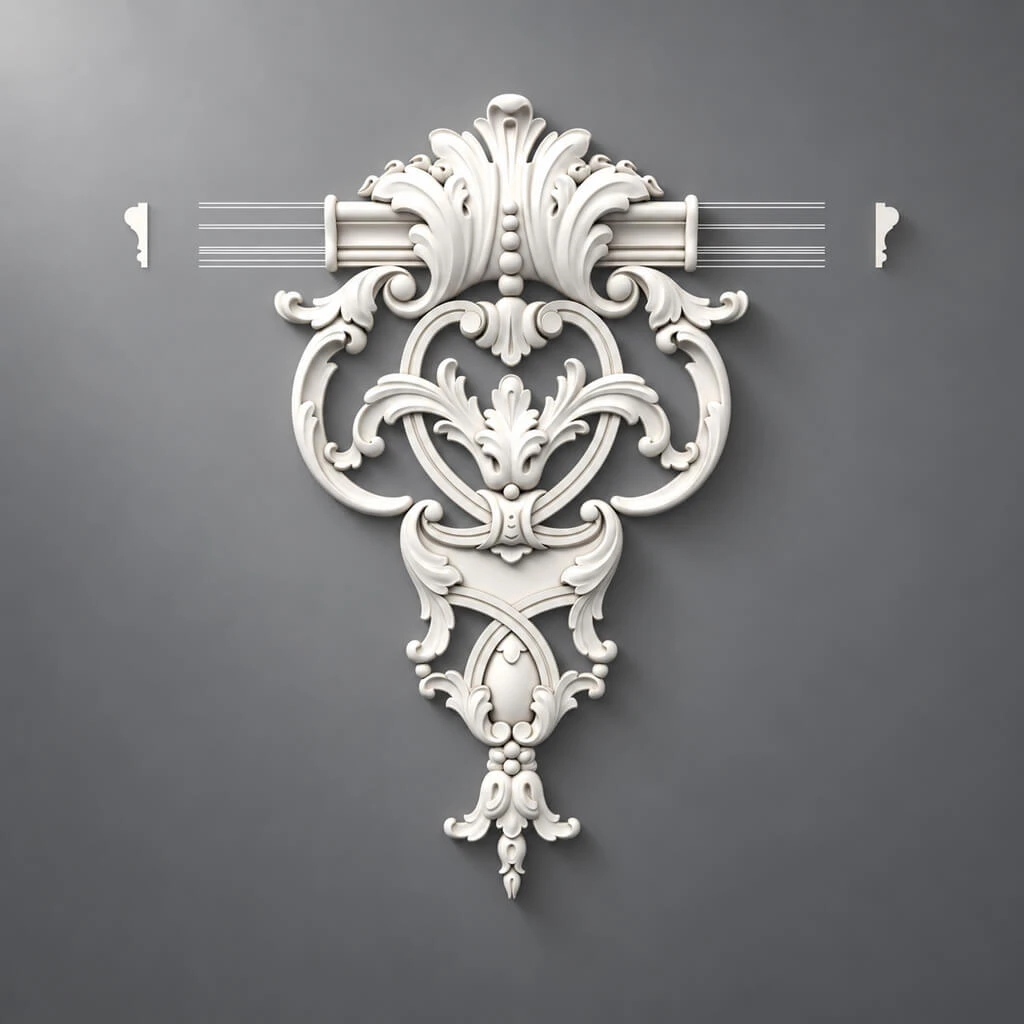
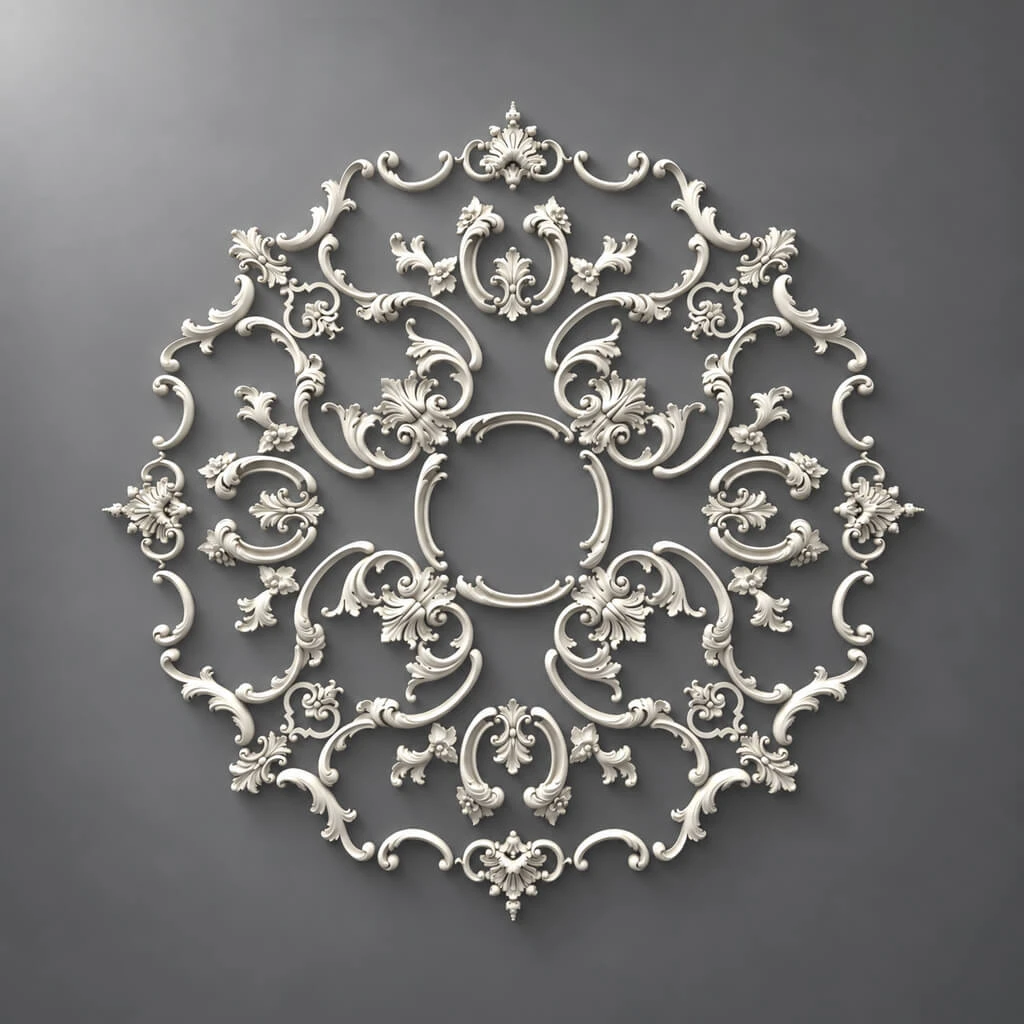
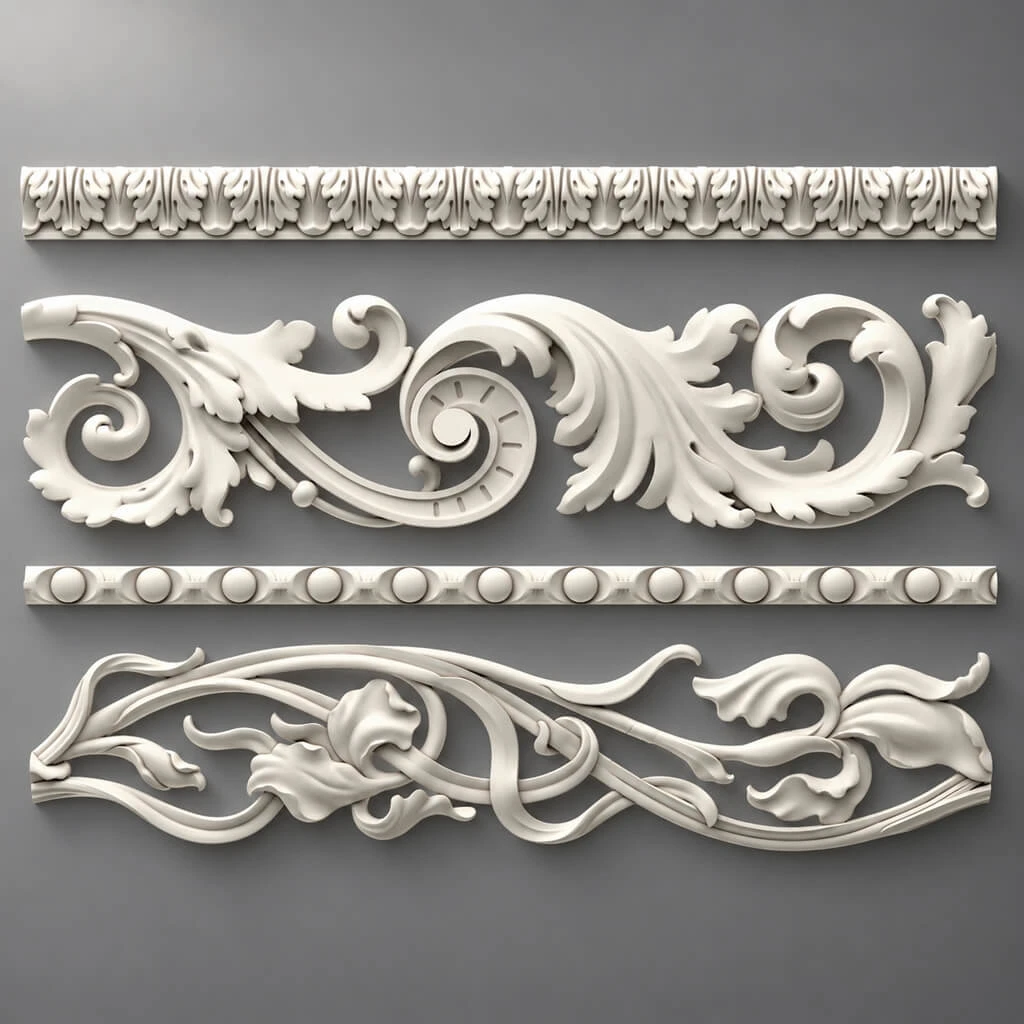
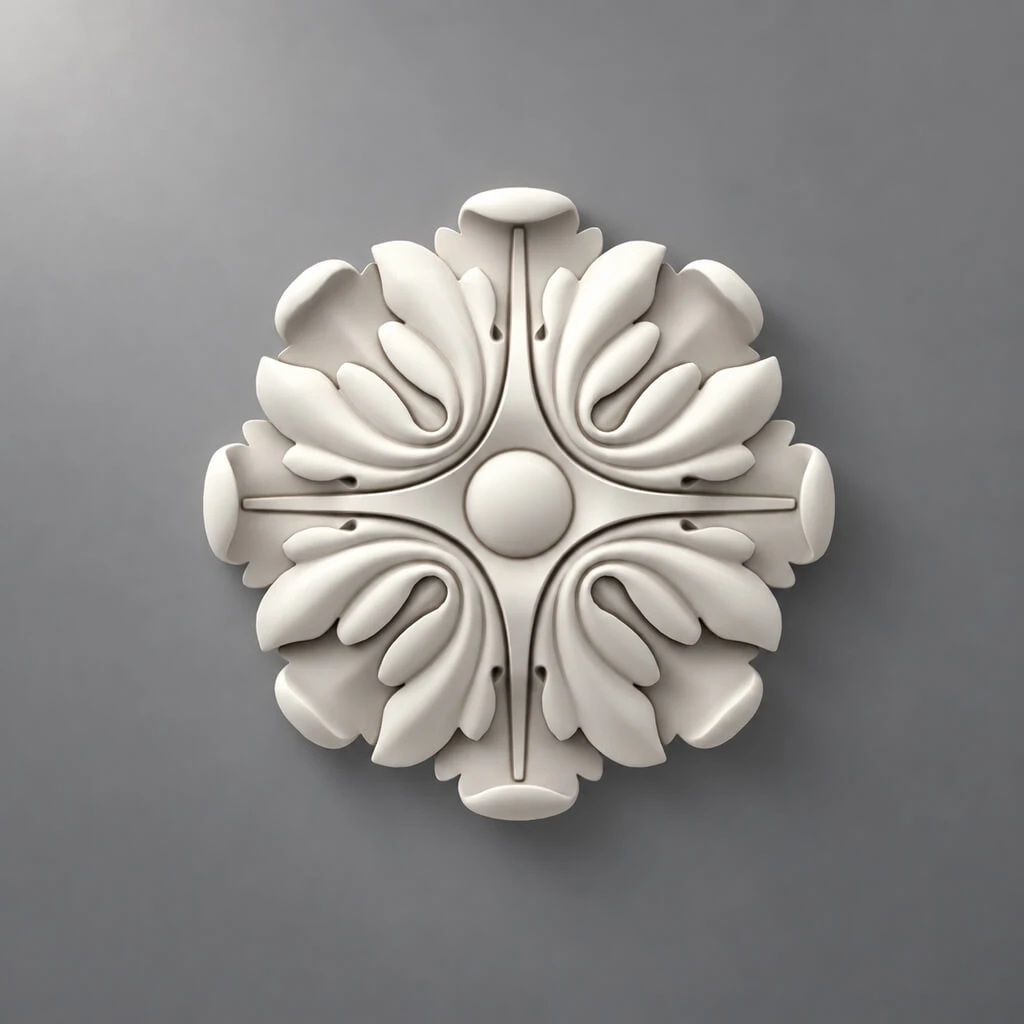
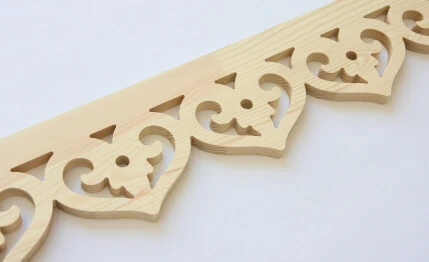
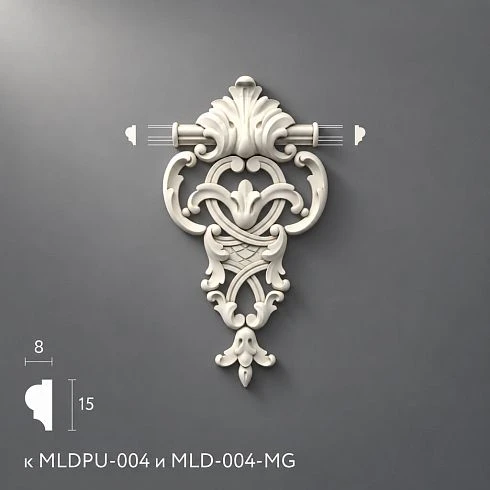
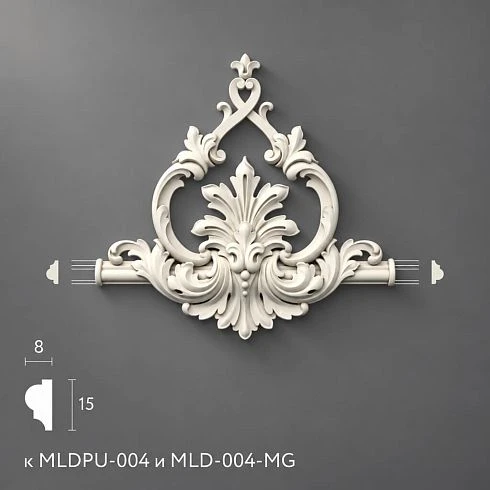
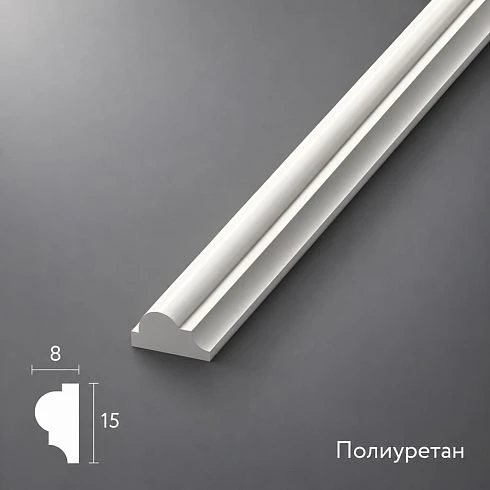
Used elements from the STAVROS array
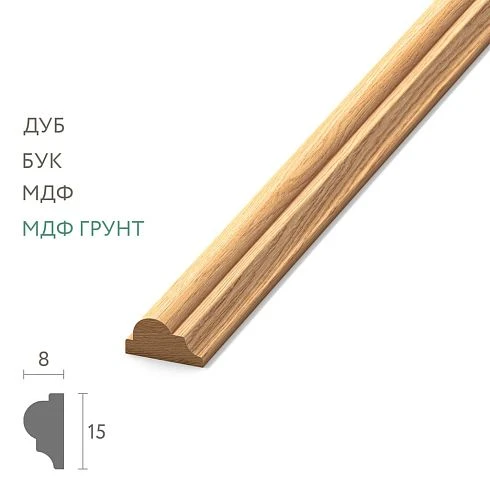
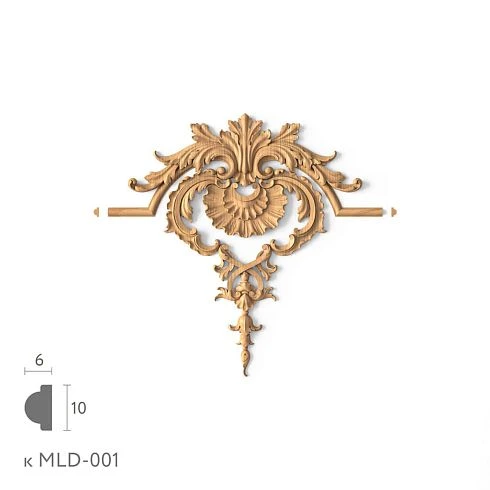
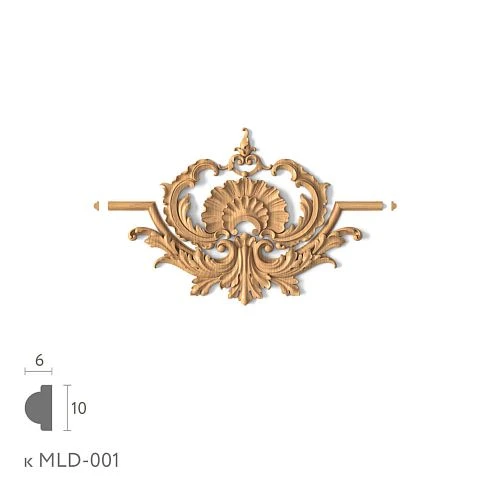
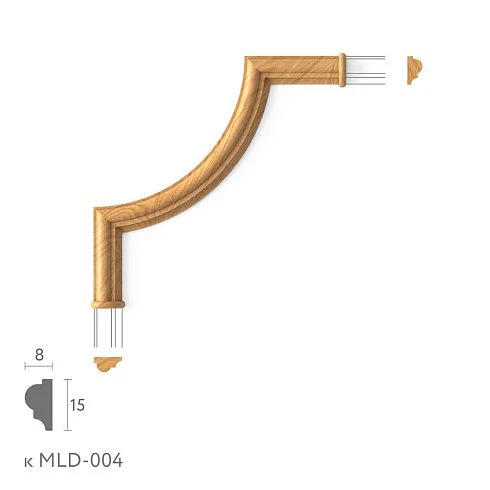
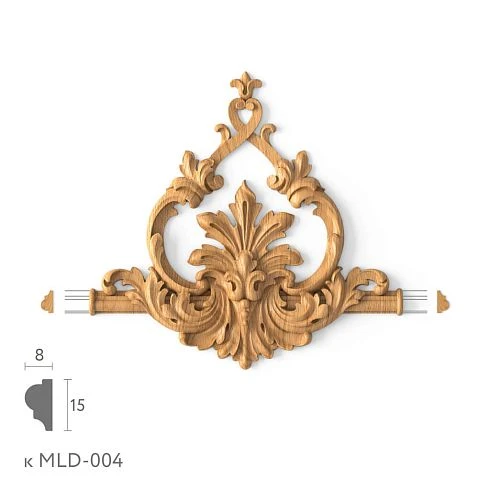
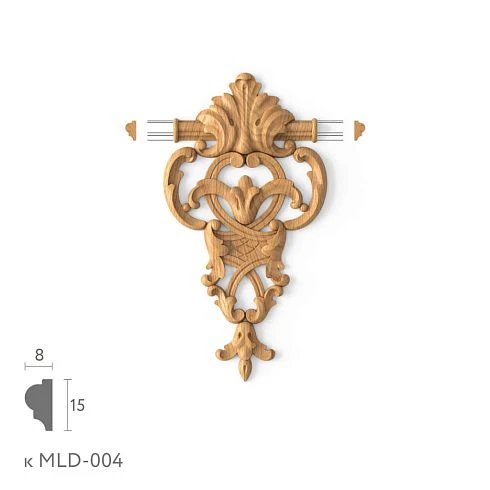
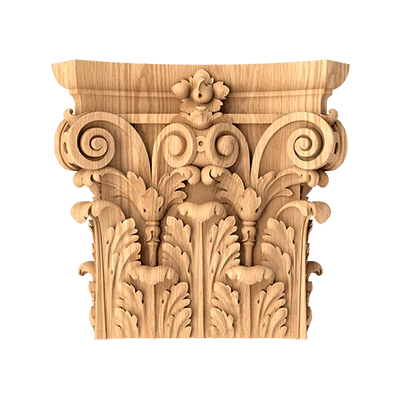
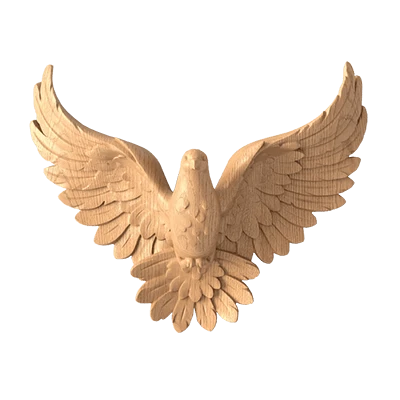
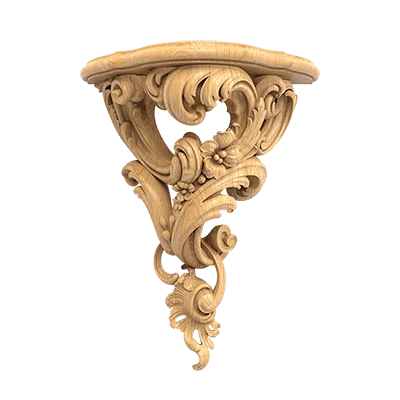
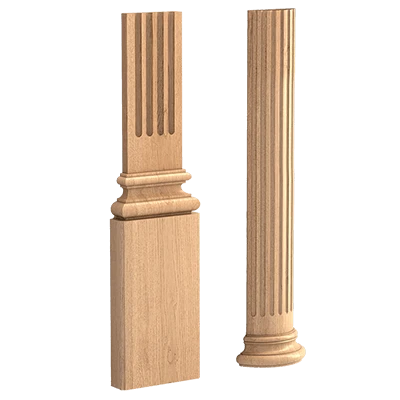
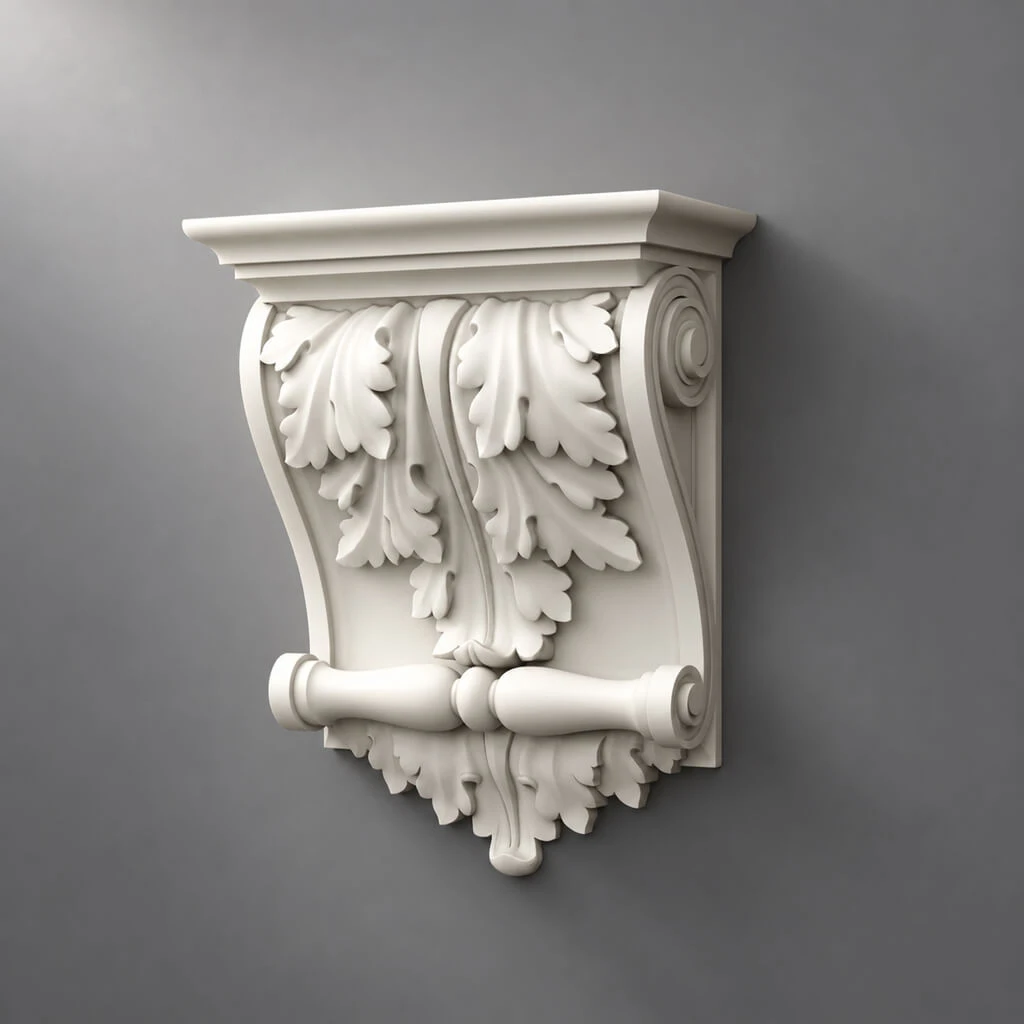
Polyurethane elements used: STAVROS
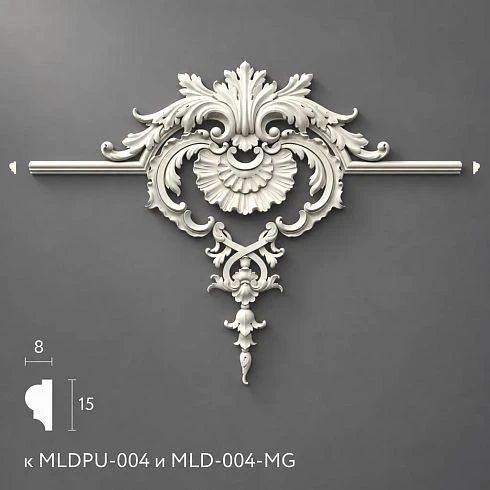
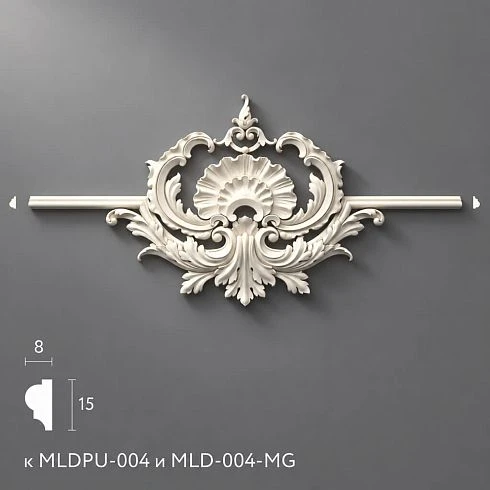
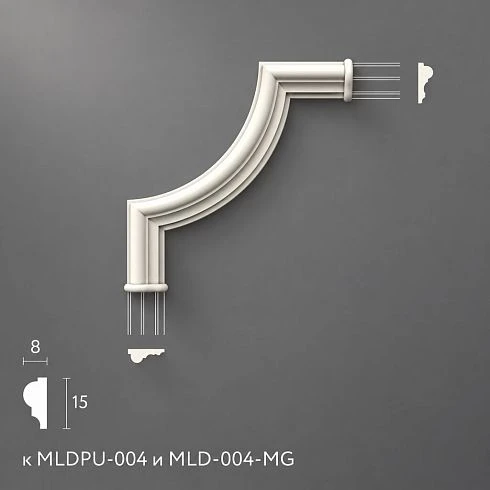
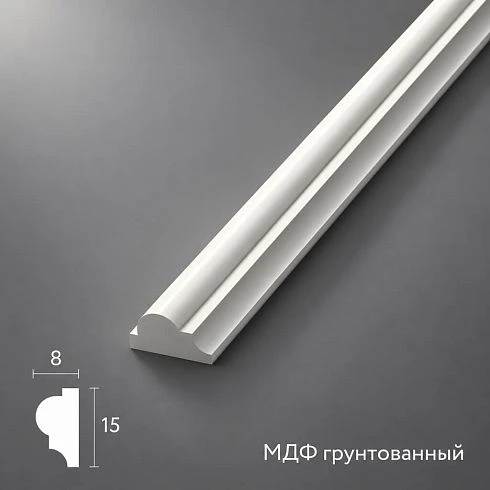
We will help you implement the project
Measurements
You send us furniture, interior, and preferences dimensions
Design
Our specialists will create a project (paid service, from 2000 rub.)
Kitting
After project approval, you receive a specification
Implementation
We will select partners in your city for painting and mounting decor
You may also be interested in
Frequently asked questions
Our showrooms are located in Saint Petersburg and Moscow. Production is located in Saint Petersburg.
Moscow contacts: /contacts_all/
Contacts of Saint Petersburg: /contacts_all/
Send us the product codes, quantities and delivery destination. Contact our team to confirm availability and order details.
Please contact us to confirm shipping availability, costs and delivery times for your destination.
Delivery cost depends on the size, weight of the item, and delivery address.
Please ask our team to confirm shipping costs and delivery arrangements for your destination before placing an order.
Prices and availability of items on the website are always current. Data is updated daily.
Note: items in stock are stored on the warehouse in unpolished form and shipped within 3 working days.
If the item is not in stock, average production time: 5–10 working days.
This is the quality of polishing of the items.
Standard — machine polishing, at a more attractive price.
Prestige — detailed hand polishing, items do not require further work.
More details: /information/kachestvo/
This is the type of veneer of the items.
Under enamel: produced by gluing wooden laminates without color and texture matching. Contrast tonal and textural differences are noticeable. This blank should be chosen if the item is intended for opaque coating.
Under tinting: produced by gluing wooden laminates with color and texture matching. Tonal and textural differences may occur. This blank should be chosen if the item is intended for semi-transparent finish.
More details: /information/kachestvo/
Beech — dense, non-porous wood, most often used for items covered with enamel.
Oak — dense, porous wood with clearly visible natural grain. Due to its strength and decorative properties, it is often used in items with semi-transparent coating, highlighting the wood pattern.
Custom-made, if non-standard items are required, we can produce products from other types of wood, including blanks provided by the customer, manufactured according to our technical specifications.
All our furniture legs can withstand a vertical load of at least 100 kg.
Average production time for custom-made items: 5–10 working days.
Most items are stored on the warehouse in unpolished form. We need time to polish and pack orders.
Yes, we manufacture non-standard items according to individual projects, but we only accept orders with a minimum quantity.
We can manufacture items of the desired size, but we only work with bulk orders. For details, please consult the sales department manager.
Yes, some of our products can be used outdoors. For example, polyurethane items, as well as carved door casings made of pine.
Other items are produced to order using PUR glue, if minimum quantity is available. No warranty is provided for such products, as outdoor conditions are considered aggressive.
Please contact our team to confirm available finishes, minimum quantities and a quotation for your order.
- Dust removal. After sanding, the surface must be dusted.
- Priming. Apply primer in an even layer.
- Matting. After the primer has fully dried, the surface should be matted (lightly sanded for better adhesion).
- Finish coating. Apply finish coating: lacquer or enamel, in 2 layers, with interlayer drying.
More details: /information/sovety/
Apply adhesive to the decor. Attach to the surface and press briefly. Then, remove the decor from the surface and leave it open for 3–5 minutes. Press the decor firmly onto the surface and hold for 5–10 seconds.
More details: /information/sovety/
Ideally, you should prepare a design project before placing an order.
You can do this yourself by downloading drawings of our products from our website, or you can order a project from us.
If the number of decorative elements and fittings is small, our company's manager can assist you with selection.
Unfortunately, this service is not provided.
The packaging method depends on the type of items, but in each case, we ensure sufficient protection for safe transportation.
We most often use corrugated cardboard and stretch film. Fragile items are additionally secured on a rigid base to prevent damage during transport.
Please confirm the minimum order quantity for your selected products and finishes with our team.
Please contact our team to discuss measurement and installation requirements for your project and destination before ordering.
Also see
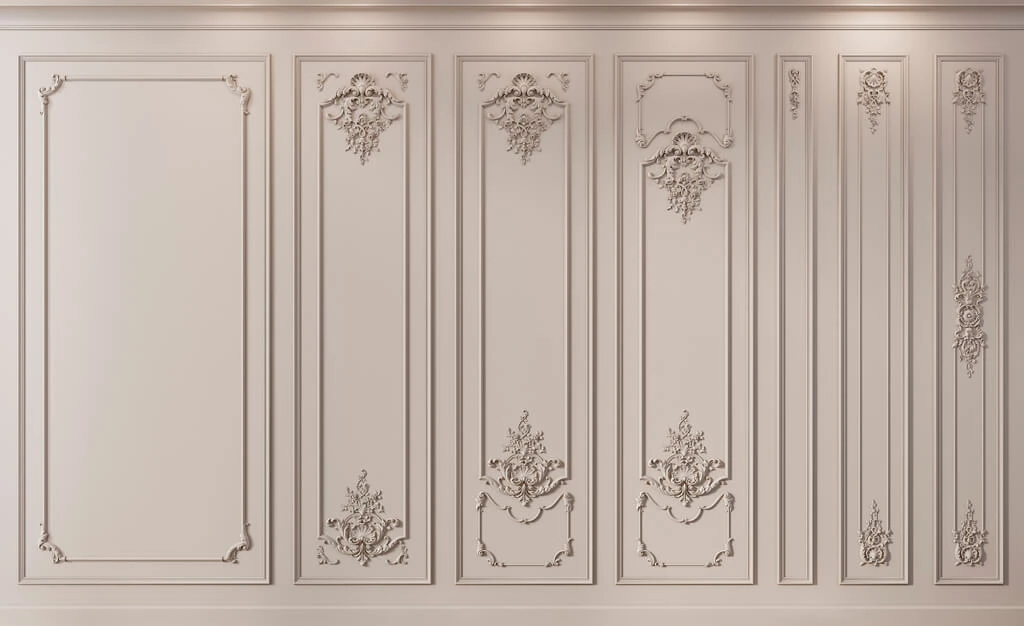
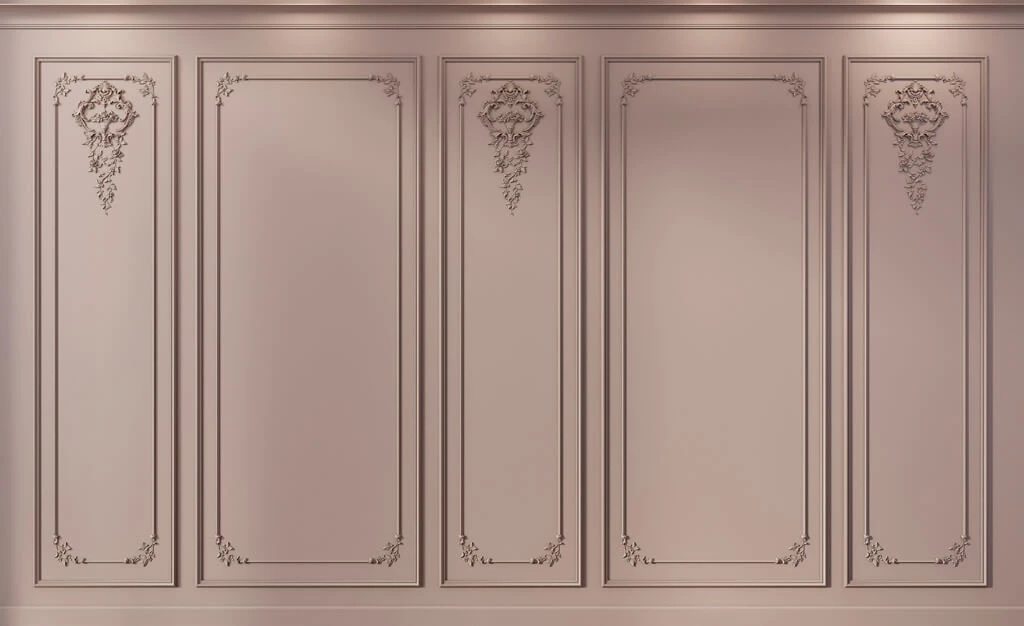
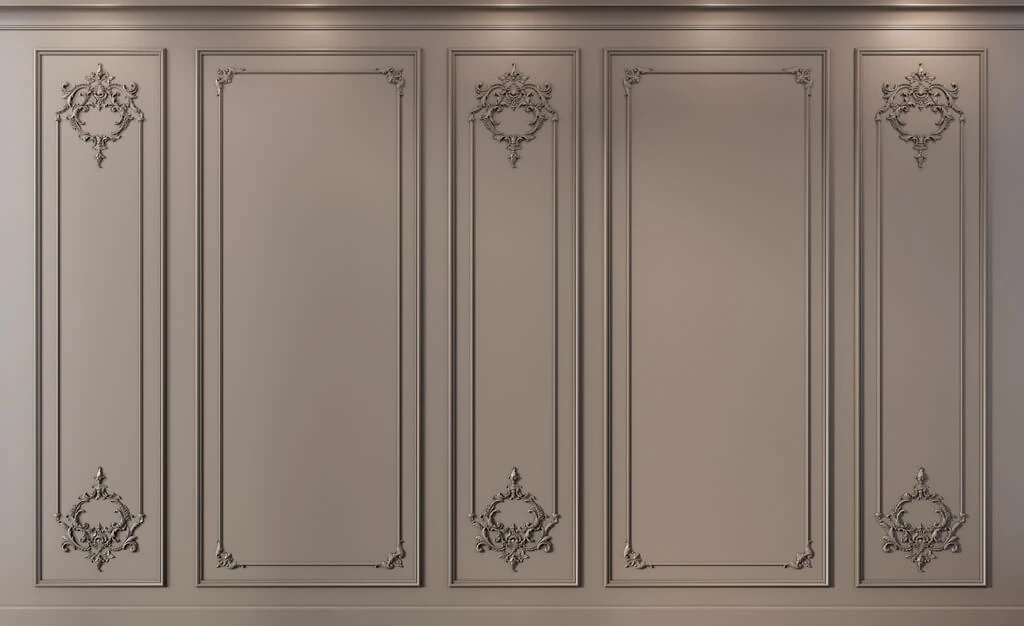
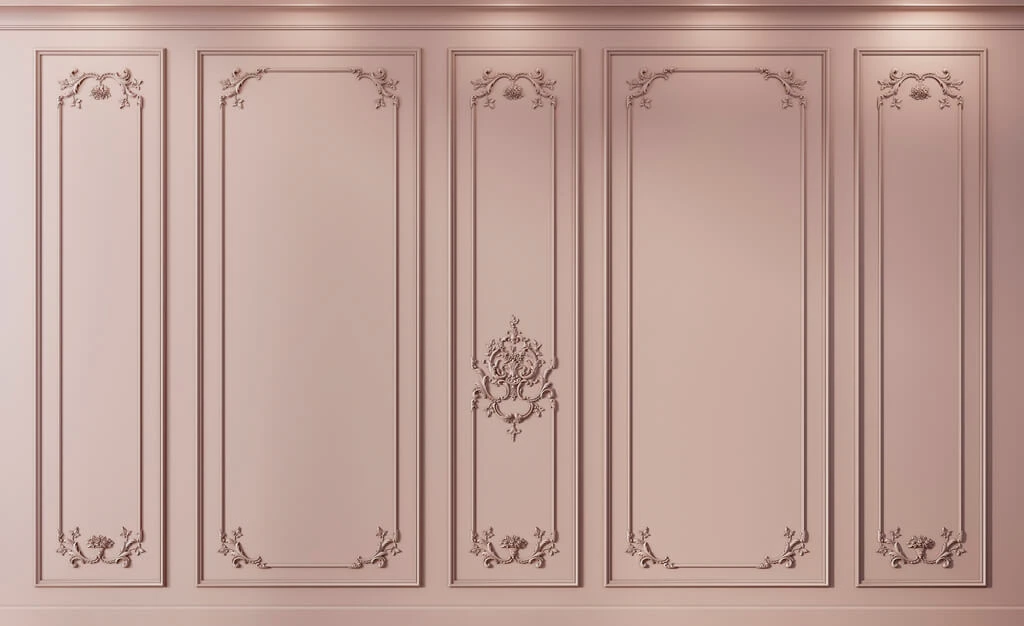
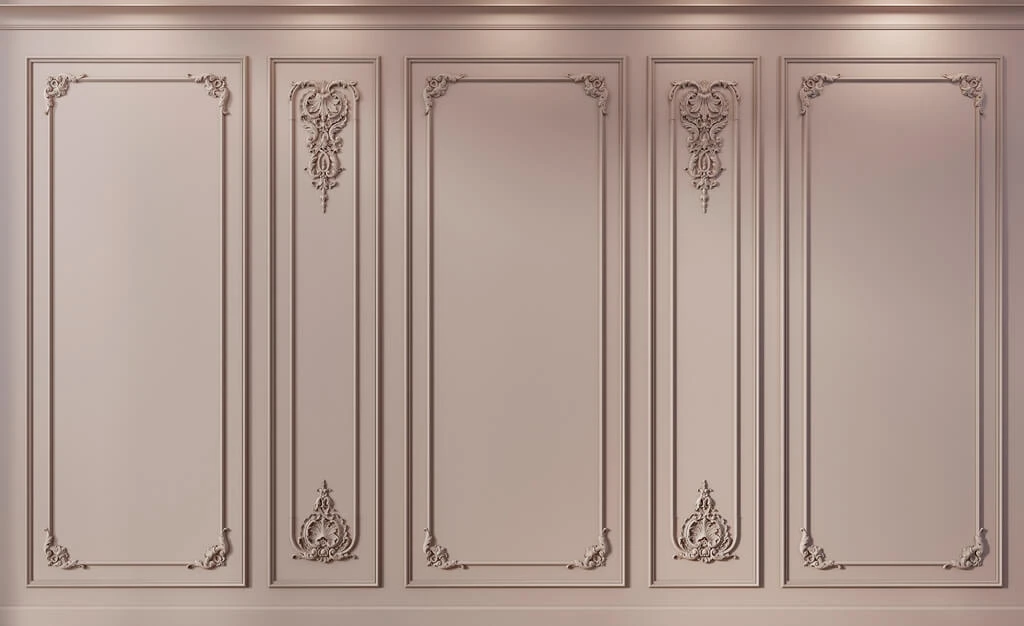
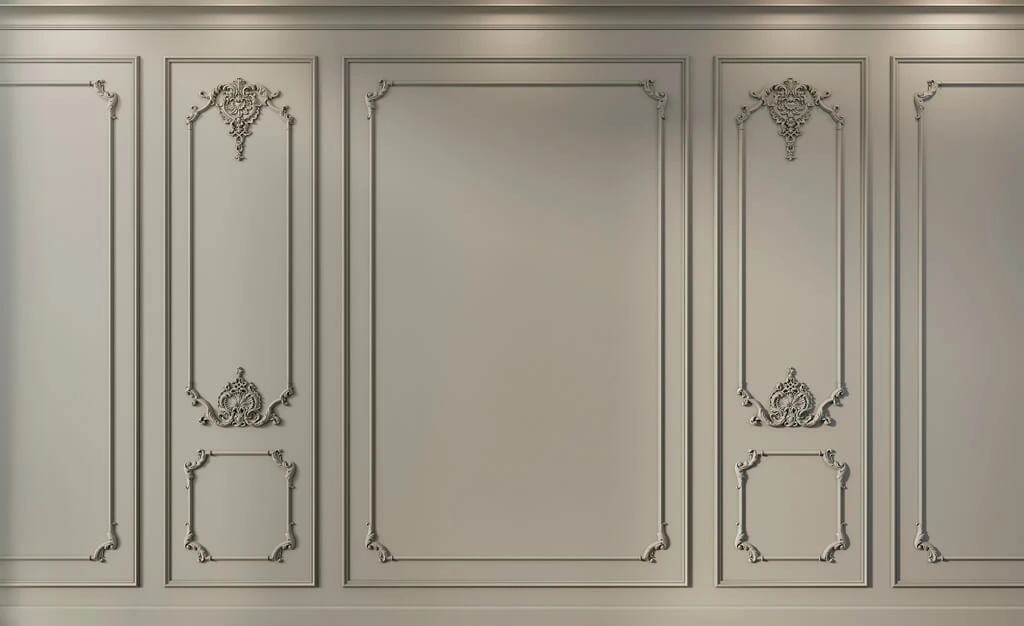
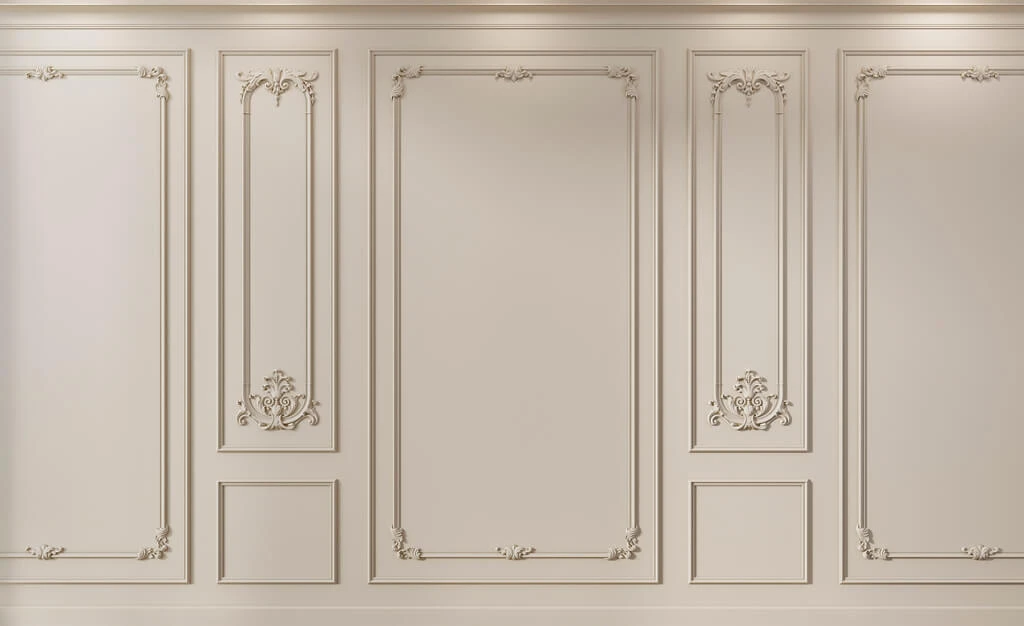
The idea of decorating wall panels Petersburg INTPU-034 for a neoclassical interior
There are cities that do not shout about their beauty — they simply exist in it. Petersburg is exactly like that: cold light over the Neva, strict horizontality of facades, gray-blue sky above the domes, endless straight lines of embankments. This city is a manifesto of restraint, which holds more meaning than any lavish decoration. This is the character embodied by INTPU-034: not an attempt to surprise, but an intention to be impeccable.
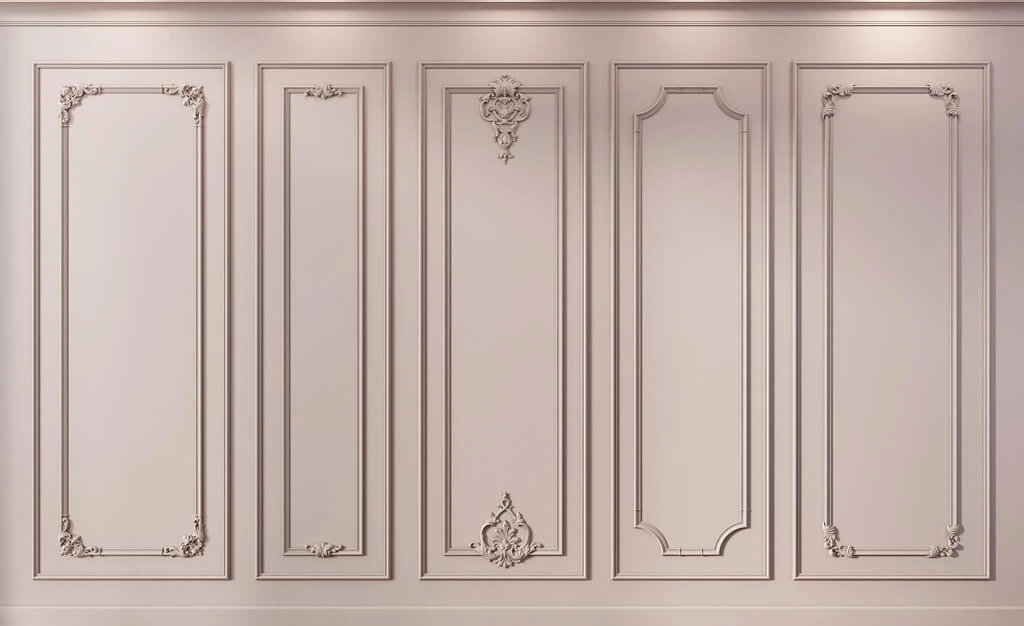
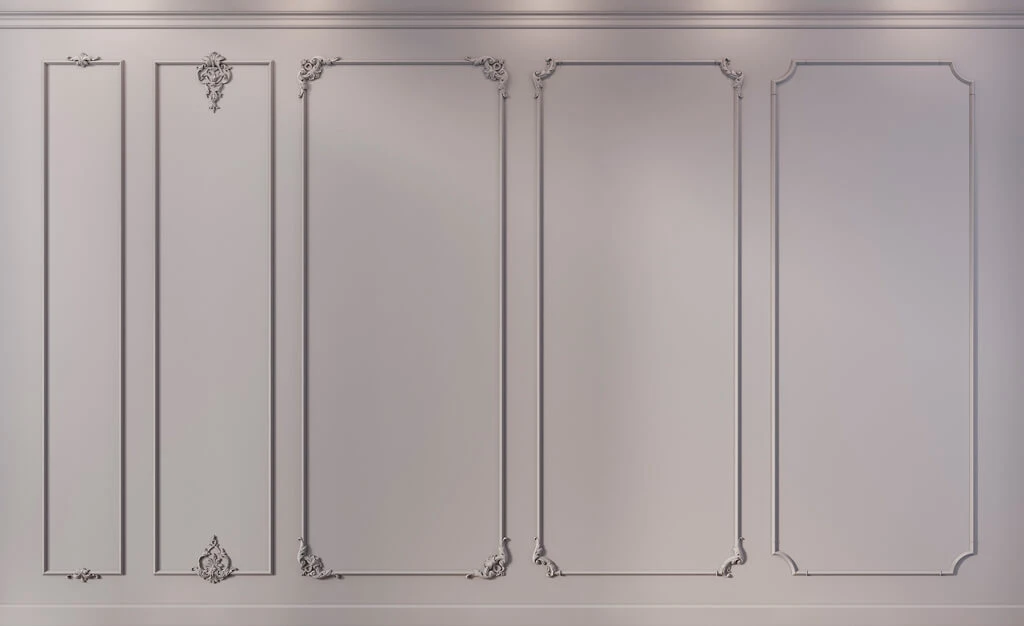
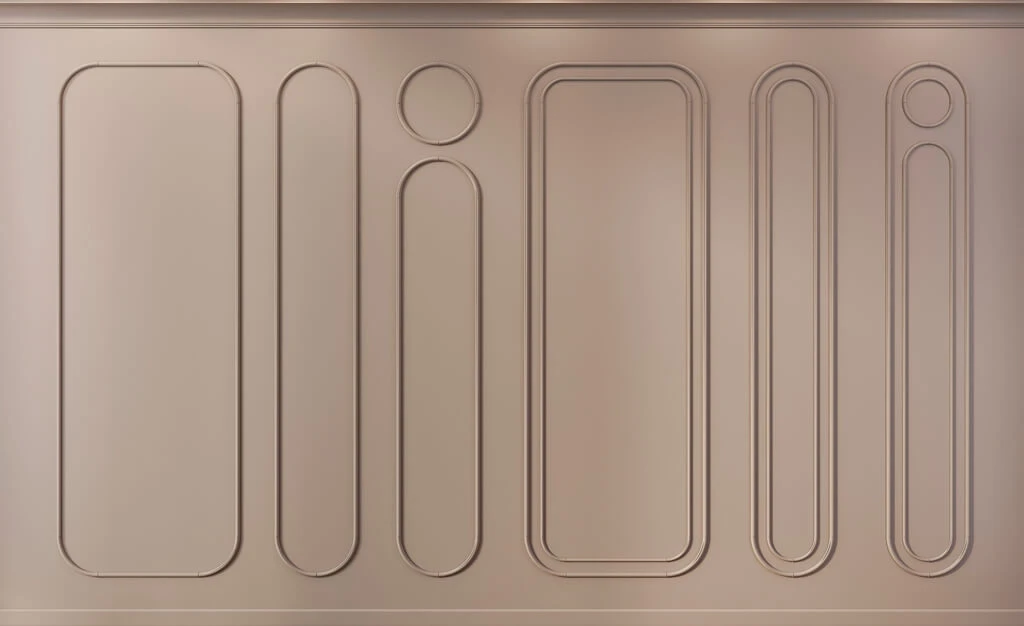
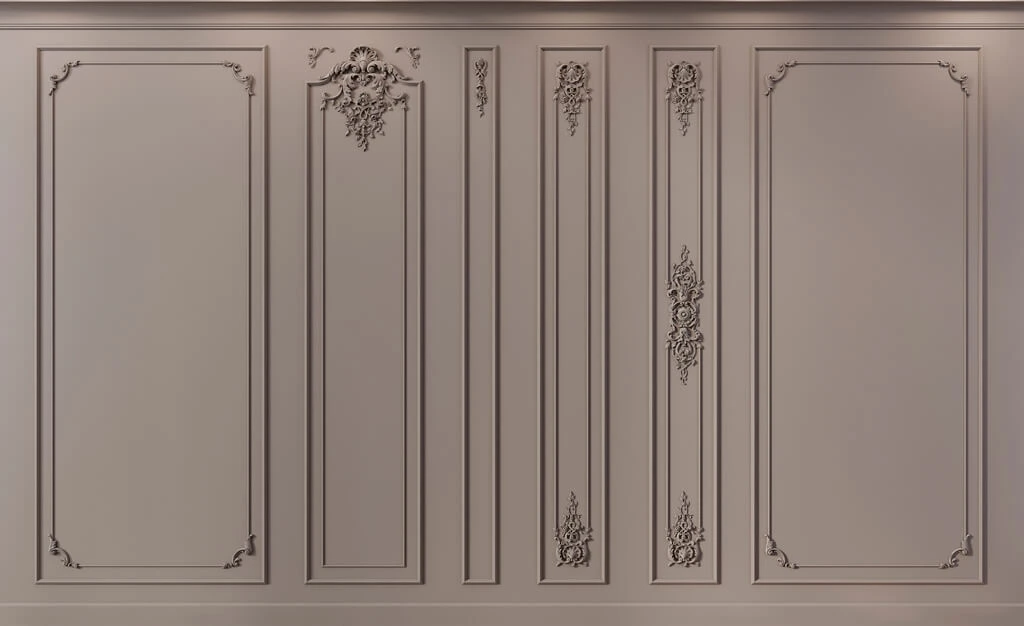
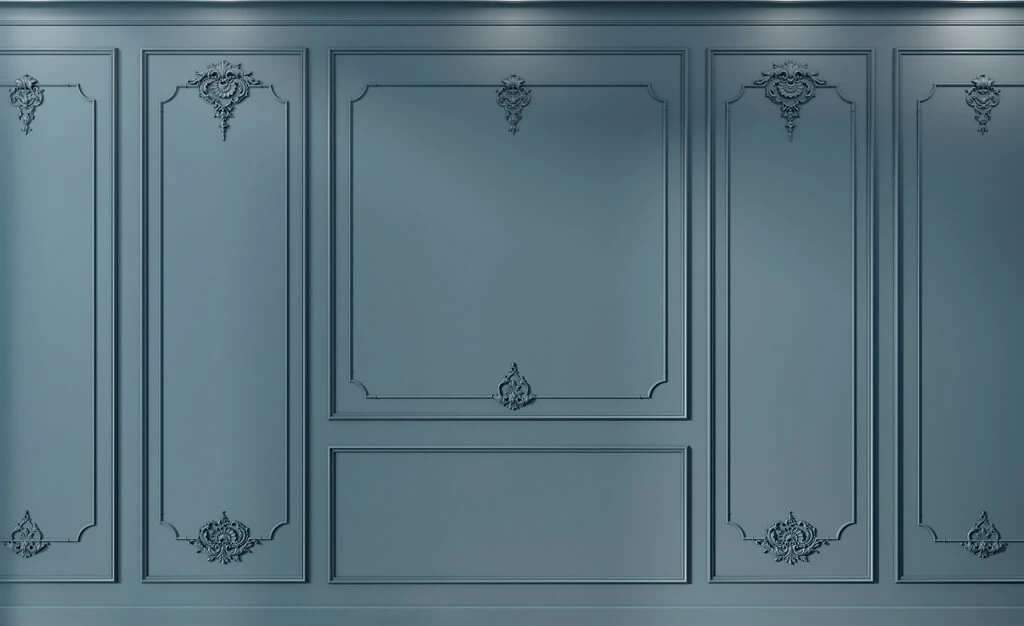
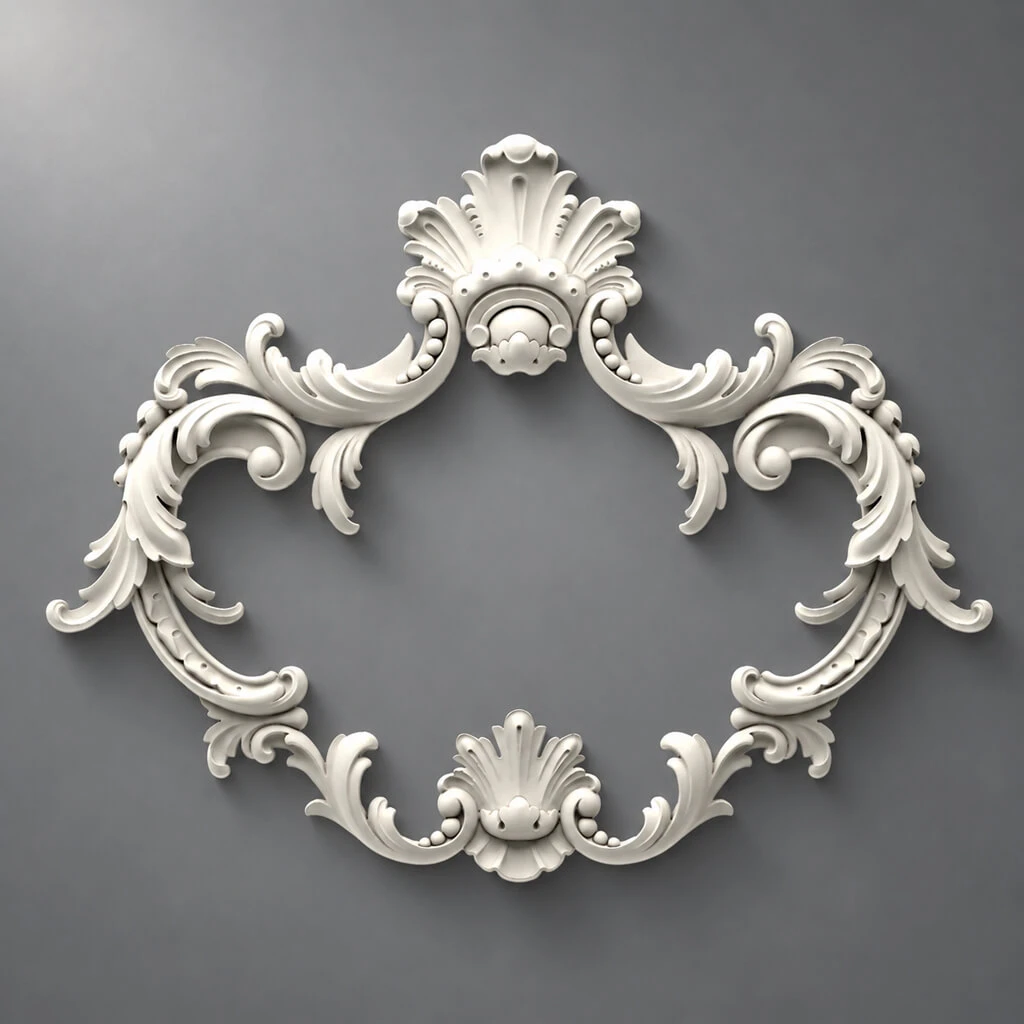
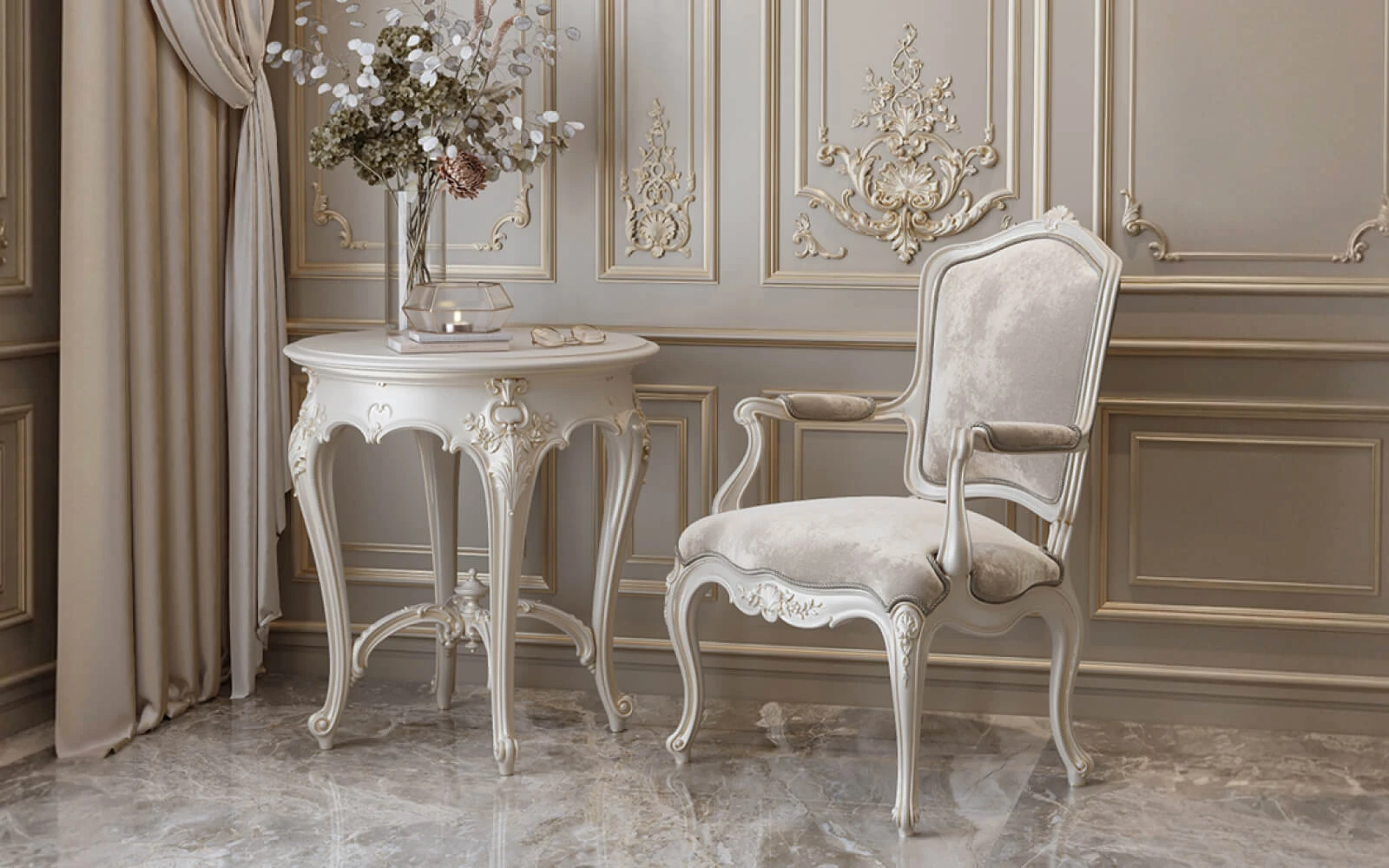
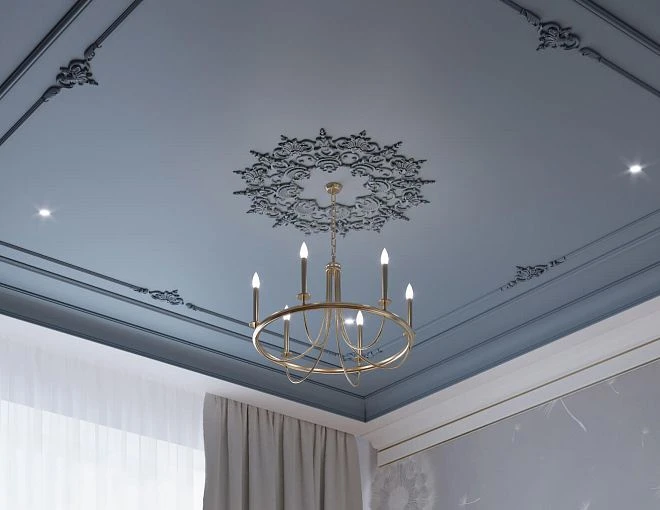
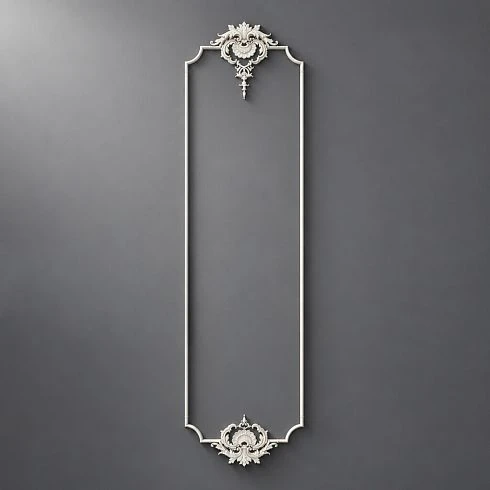
The idea of decorating wall panels «Petersburg» INTPU-034 is a ready-made solution for classical and neoclassical interiors, where the color and architecture of the wall speak the same language. Gray-blue monochrome palette, strict vertical panels made of of polyurethane moldings, shaped corner elements, point Polyurethane decorative appliques in the upper and lower parts of the frames — all this creates an interior where you want to think, work, talk, and be silent.
INTPU-034 is for those who know the difference between «decorated» and «over-decorated». There is nothing superfluous here. There is only what is needed.
What is the idea of INTPU-034
Before moving on to the details, it is important to understand the principle. INTPU-034 is not just «blue moldings». It is an architectural system built on three laws: color as structure, rhythm as order, decor as a point accent.
Architectural wall division
The basis of the system is vertical panels formed by molding frames. Unlike uniform systems, INTPU-034 uses the principle of variable width: a wide central module and narrower side panels. This technique is well known in classical architecture — it creates the feeling of a central axis that the entire space gravitates towards.
The wide central module is where the main piece of furniture or main decorative element is placed: a sofa, a console with a mirror, a TV, a bed, or a painting. The narrow side panels "frame" this center, creating its context.
Shaped corner elements
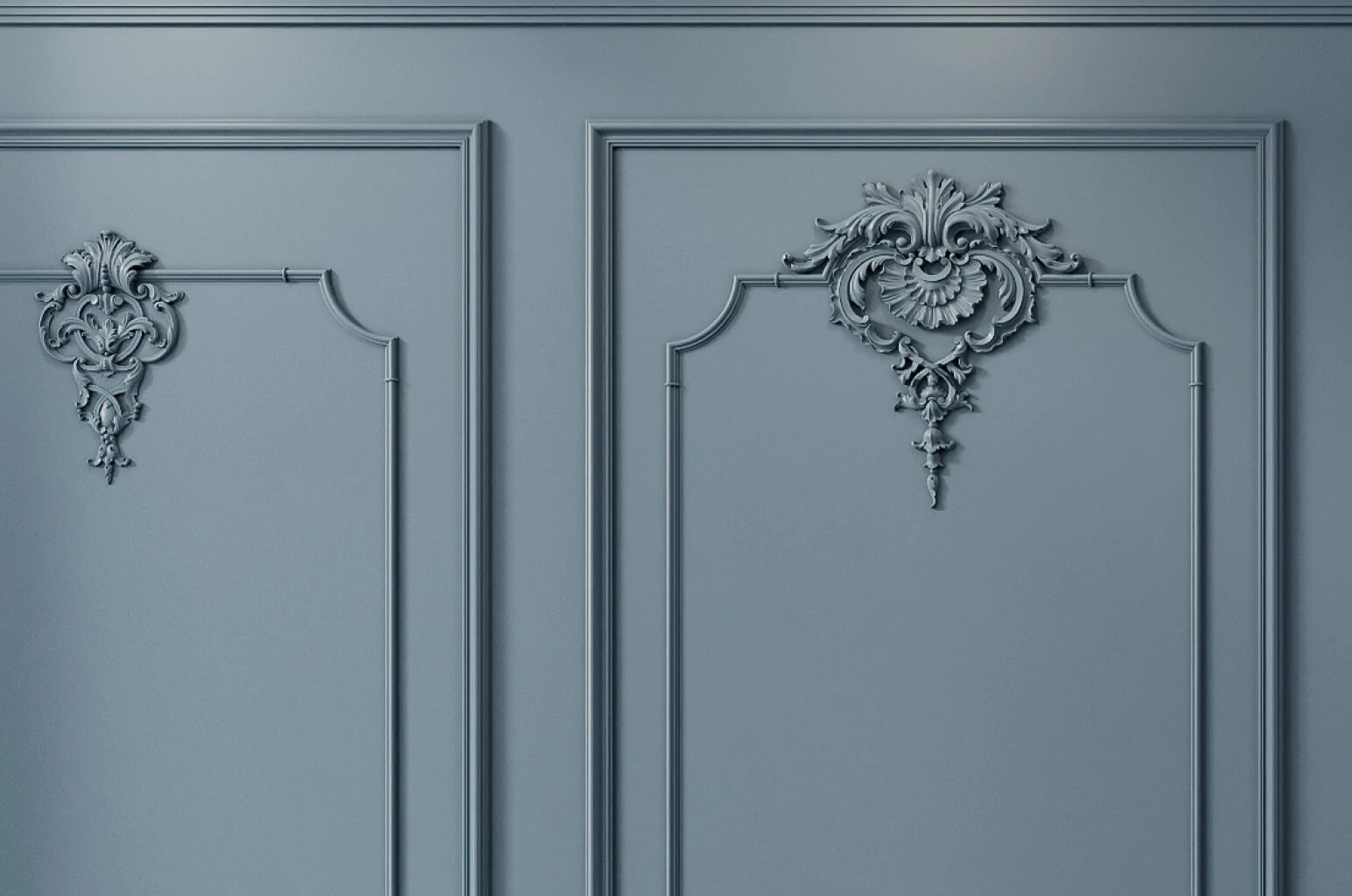
One of the key features of INTPU-034 is the shaped corner elements at the intersection points of the moldings. Unlike simple square overlays, the shaped elements introduce a soft classical note into the strict rectangular system: a small ornament in the corner of the frame softens the geometry, giving the system that elusive "lively" character that distinguishes true classics from imitation.
This is the detail that you don't notice immediately, but you always notice. A guest spending an evening in a study with INTPU-034 won't say "I liked the corner elements" — they will say "it felt very good there." It is precisely these invisible details that create that feeling.
Upper and lower stucco accents
Inside each panel — both the wide central module and the side ones — stucco ornamental overlays are placed at the top and bottom. They do not occupy the entire plane of the panel: the central field remains free. This is intentional emptiness — architectural breathing that gives the decor air and prevents the wall from becoming heavy.
Gray-blue monochrome coloring
All surfaces — the background wall, moldings, shaped corners, stucco overlays, cornice, baseboard — are painted in a single gray-blue tone. Monochrome is a solution that seems simple but is the most difficult to implement: it forgives neither poor installation, nor careless painting, nor incorrect lighting. But when everything is done right — the monochrome gray-blue system looks impeccable.
Upper soft backlight
A hidden LED strip under the cornice or directional lights creating soft falling illumination on the panel surface is a mandatory element for implementing INTPU-034. It is the backlight that 'activates' the relief: shadows from moldings, figured corners, and stucco overlays make the system voluminous and lively.
Where are Petersburg INTPU-034 wall panels used
The application range of INTPU-034 is determined by its character: it is an intelligent, composed, prestigious decor. It works where the space should speak of professionalism, taste, and seriousness.
Study and home library
This is perhaps the ideal scenario for INTPU-034. An office is a space of concentration, work, and decision-making. The gray-blue palette of 'Petersburg' creates exactly the atmosphere needed in the office: composure, depth, absence of distracting elements.
The wall behind the desk with INTPU-034 is a background that says more about the person at the desk than any diploma on the wall. The strict rhythm of molding panels, the cool gray-blue tone, the dotted stucco accents — this is the interior of a lawyer, architect, scientist, manager. A person who values both form and content.
For a home library, a wall with INTPU-034 can decorate areas between bookshelves or the wall opposite shelving units. The gray-blue palette perfectly combines with dark book spines and dark wood shelves.
Living room: wall behind the sofa and TV area
In the living room, INTPU-034 works as an accent wall with a strong but restrained character. The wide central module creates a 'frame' for the sofa — it visually fixes the upholstered furniture in the space, turning the relaxation area into an architecturally designed fragment of the interior.
For the TV zone, the wide central module accommodates the TV, while the side panels create an architectural context. With proper proportion selection, the TV 'integrates' into the panel system and ceases to look like a 'black rectangle on the wall' — it becomes part of the architectural composition.
Hall and Entrance
A grand hall or vestibule with INTPU-034 creates a first impression that shapes all subsequent ones. The gray-blue palette in the hall is the image of a St. Petersburg entrance of the best house on the Moika: strict, dignified, tasteful.
For a long corridor, the rhythmic repetition of molding panels creates an organized space where movement becomes conscious rather than mechanical.
Bedroom: a headboard with character
The wall behind the bed with INTPU-034 is a choice for those who don't want a "pink bedroom with flowers" but aren't ready to sacrifice aesthetics for minimalism. The gray-blue monochrome system behind the headboard is modern neoclassicism that works in the bedroom through the calmness of a cool tone: gray-blue, as is known, is one of the best colors for falling asleep from the perspective of color psychology.
Premium commercial spaces
A meeting room with INTPU-034 is a space that psychologically works for those making decisions in it. The gray-blue palette creates a sense of competence and reliability. For negotiations where it's important to make a professional impression, the right wall matters.
For a restaurant with an intellectual concept, a boutique hotel, or a premium showroom, INTPU-034 creates an atmosphere that clients remember and seek out again.
Gray-blue palette in a classic interior
Why gray-blue? Why not white, not beige, not a classic "desert" tone? The answer requires a brief dive into the history and psychology of color.
Historical context of the gray-blue palette
The gray-blue palette is not an invention of modern design. It was used in St. Petersburg interiors of the 18th–19th centuries: "Blue Drawing Room," "Blue Hall," "Gray-Blue Apartments" — these names appear in descriptions of mansions and palaces. The cool tone in the St. Petersburg climate created a paradoxical effect: in contrast to the gray sky outside the windows, it made the interior more defined, more "itself."
In modern neoclassicism, the gray-blue palette has experienced a renaissance: designers discovered that a cool tone in a classic system of moldings and stucco creates precisely that restrained luxury that affluent clients, tired of interiors overloaded with gold, are seeking.
Psychology of gray-blue
Gray-blue is a color that reduces anxiety, promotes concentration, and creates a sense of reliability. This is no coincidence: it is actively used in offices, meeting rooms, and professional studies. Combined with classic decor, it gives the interior exactly the character that is difficult to describe in words but easy to feel: "serious thinking happens here."
Range of gray-blue shades for INTPU-034
The "Petersburg" system works in a wide range of cool tones. Each shade creates its own character:
Smoky blue (light, almost lavender) — a light, airy interpretation. Suitable for bedrooms and living rooms with good lighting. Creates the feeling of a morning Petersburg sky over the Neva.
Classic gray-blue (medium saturation, with a noticeable gray component) — the basic version of INTPU-034. Universal for living rooms, studies, halls. This is the tone shown in the reference visualization.
Steel blue (cool, with a metallic tint) — the most strict option. Suitable for studies and meeting rooms. Pairs well with dark wood and metal accents in chrome or matte nickel.
Graphite blue (dark, saturated) — the most formal option. Requires high ceilings and good lighting. Creates an interior of high dramatic tension — appropriate in restaurants, hotel lobbies, and formal living rooms.
Cool gray with a bluish undertone — the most versatile option for those who are unsure. Reads as "gray" with a neutral look, but under warm lighting reveals a bluish tint. Works in most interiors.
Monochrome: technical subtleties
Monochrome painting of INTPU-034 requires several technical solutions:
First, polyurethane moldings and overlays require a special primer before painting: without it, the paint adheres poorly to the polyurethane surface. The technology is described in the installation guide for STAVROS polyurethane moldings.
Second, the final paint must be applied in the same color to the wall and all decorative elements in one session — or as close in time as possible. If the wall and moldings are painted at different times (and from different paint cans), the shade may differ slightly — and in a monochrome system, this will be noticeable.
Third, the paint type: matte. Semi-matte or satin will create a difference in gloss between the background surface and the moldings (especially under directional lighting), which will ruin the monochrome effect.
Wall decor with moldings and stucco overlays
Moldings as architectural writing
When an 18th-century architect designed an interior, he thought of walls the same way as facades: as surfaces divided by pilasters, niches, cornices, and horizontal bands. The molding frames in INTPU-034 are a modern, simplified, but conceptually accurate translation of this approach into the language of today's apartment.
Moldings in the system wall decor perform three functions simultaneously. The first is geometric: they divide the wall plane into panels, creating an architectural breakdown that would not exist without them. The second is scaling: molding frames set a human scale for the wall, making a large surface "inhabitable" and understandable. The third is decorative: the relief of the molding under side lighting creates a system of shadows that enlivens the plane.
For INTPU-034, a profile of 40–50 mm is recommended for ceilings of 3.0 meters. A narrower profile (30–35 mm) creates a lighter, more graphic system — suitable for smaller rooms or when aiming to minimize the decorative "weight." A wider profile (55–65 mm) is for grand halls and living rooms with high ceilings.
Stucco overlays: point expressiveness
The decor in INTPU-034 follows the principle of "less is more," taken to the right limit. Stucco ornamental overlays are placed only at two points on each panel — at the top and bottom. The central field remains free.
This solution raises the question: won't the central emptiness look unfinished? No — under one condition: if the emptiness is intentional and proportional. The central field of the panel in INTPU-034 is not "unfilled space" but "air." It is space that breathes and allows the stucco accents to exist as independent elements, rather than merging into an ornamental carpet.
Decor for Molding on horizontal frame elements adds an additional level of detail for those who want a richer, more elaborate version. This is an optional element that enhances the system without changing its fundamental character.
Shaped corners: the detail that makes the difference
Shaped corner elements in INTPU-034 are something rarely talked about but always subconsciously noticed. In a strict rectangular system of molding frames, each corner is a point of maximum "geometric tension." A simple square corner here merely fixes the intersection. A shaped element with a classic ornament turns the corner into a decorative accent that softens the geometry and adds a classical character to the system.
It is the shaped corners that make INTPU-034 "Petersburg," not just "gray-blue moldings." Without them — a correct, neat, but nameless system. With them — a system with a name and character.
Why "Petersburg" is suitable for a study, hall, and living room
Study: an interior of intellect
In the study, the wall with INTPU-034 works as an architectural manifesto: serious decisions are made here, here they think and create. The gray-blue monochrome system with stucco accents is a visual embodiment of intellectual discipline. Nothing superfluous, nothing accidental — only what works.
For the wall behind the desk, the optimal scheme is: a central wide module 100–140 centimeters wide, two narrow side modules (50–70 centimeters). Panel height from floor to cornice. Stucco overlays at the top of each panel — they may be absent at the bottom, creating a stricter, academic interpretation of the system.
Hall: the first phrase of the interior
In the hall, INTPU-034 creates what in rhetoric is called "attention capture": the first visual image a person receives upon entry determines all subsequent perception of the home or establishment. The gray-blue system with molding panels and stucco accents says: "A person with taste and understanding lives (works, receives guests) here."
Living room: accent wall without pretensions
In the living room, INTPU-034 works as an accent wall that does not try to "impress" — it simply presents itself with dignity. This is an important quality for a space where people spend a lot of time: decor that impresses in the first five minutes and starts to tire after an hour is bad decor. Decor that gets better with every viewing is good.
"Petersburg" INTPU-034 is exactly that: restrained at first glance, rich in details upon close inspection, calming and comfortable with prolonged presence.
Upper and lower stucco accents: anatomy of balance
Upper overlays: decorative crown
The upper stucco accent in the INTPU-034 panel is an element that "raises" the gaze. Located in the upper third or upper quarter of the panel, the overlay creates a decorative accent in the zone where the gaze naturally rises when examining a vertical surface.
For the upper overlays in INTPU-034 — ornaments with a vertical dominant or symmetrical horizontal unfolding. Size: width 50–65% of the panel width, height 35–45% of the upper third height.
When sconces are placed on the sides of a decorated wall, the warm light of the fixtures falls on the upper overlays at an angle, creating voluminous shadows. It is this effect — "living stucco" in evening lighting — that is one of the main aesthetic advantages of the system.
Lower overlays: the anchor of the composition
The lower stucco element serves as a visual "anchor." Without it, the upper overlay "floats" in the panel without a base. With the lower one, the system reads as closed, complete, having a clear top and a clear bottom.
In INTPU-034, the lower overlays are slightly smaller in size than the upper ones — this corresponds to the classical principle of decor diminishing from bottom to top, well known in architecture: heavy and massive at the bottom, light and refined at the top.
Central field: intentional emptiness
Between the upper and lower overlays is a free central field. It occupies 40–50% of the panel height. This "decor-free" space is a full-fledged design element: it creates a rhythmic pause that gives the eye a rest and allows each overlay to exist as an independent piece, rather than as part of a continuous ornamental carpet.
Which elements are included in the INTPU-034 system
Full composition of "Petersburg":
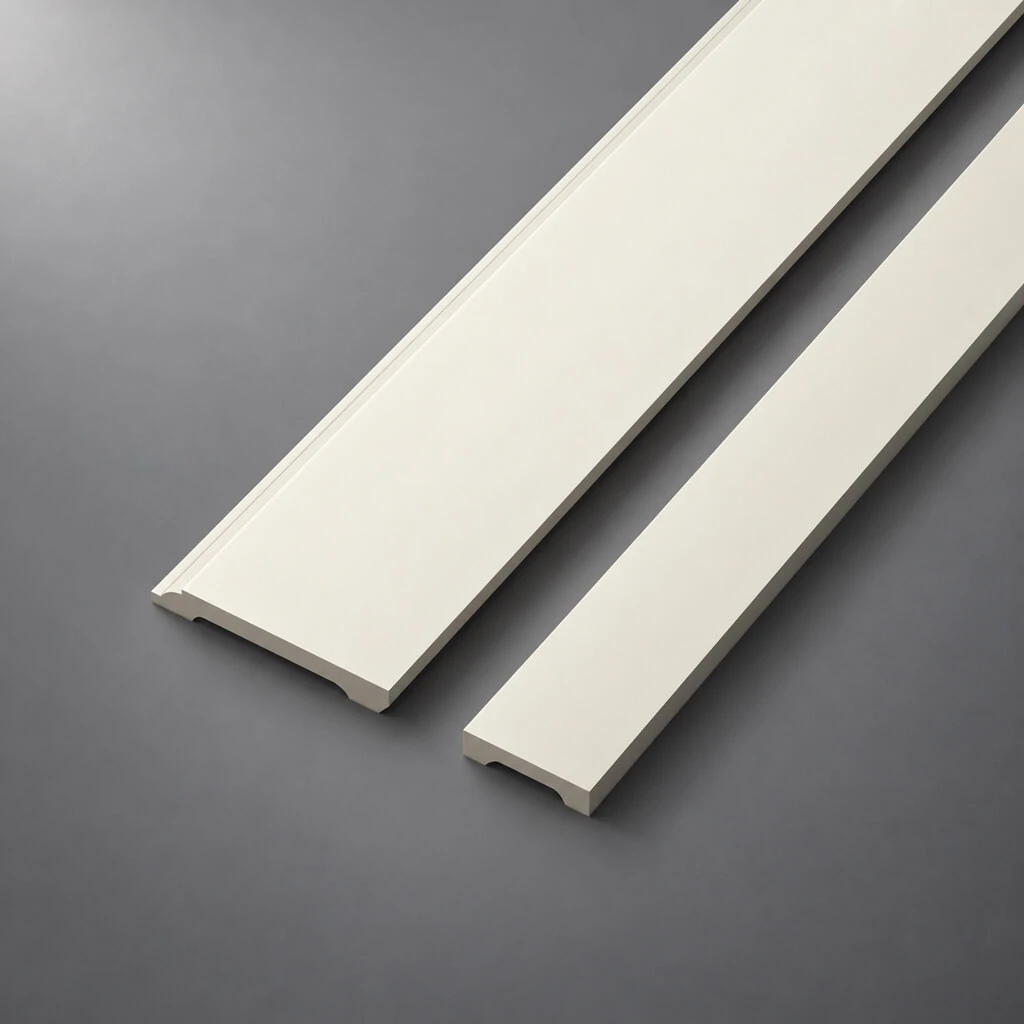
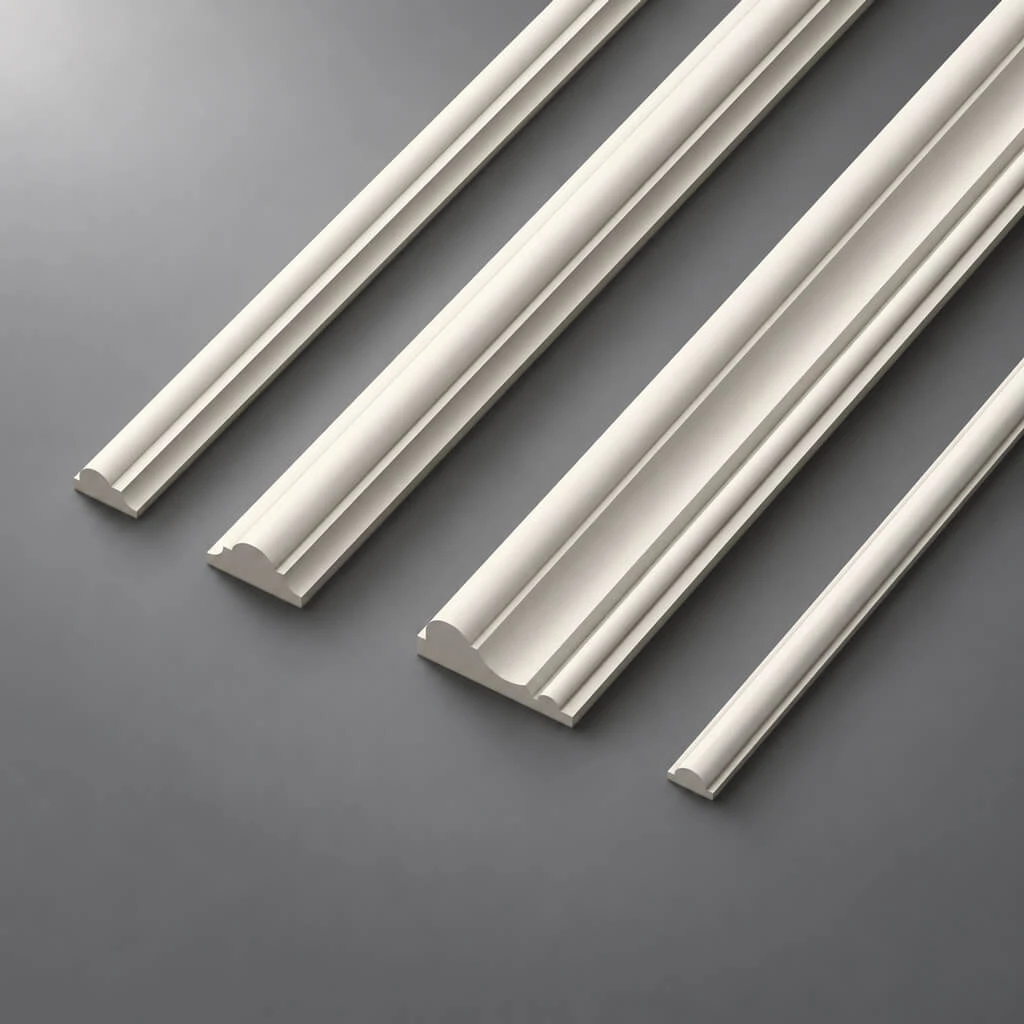
Moldings made of polyurethane — straight profile strips for frames of vertical panels. Profile 40–50 mm for standard rooms. Depending on ceiling height and desired scale — a profile of 35–65 mm is possible.
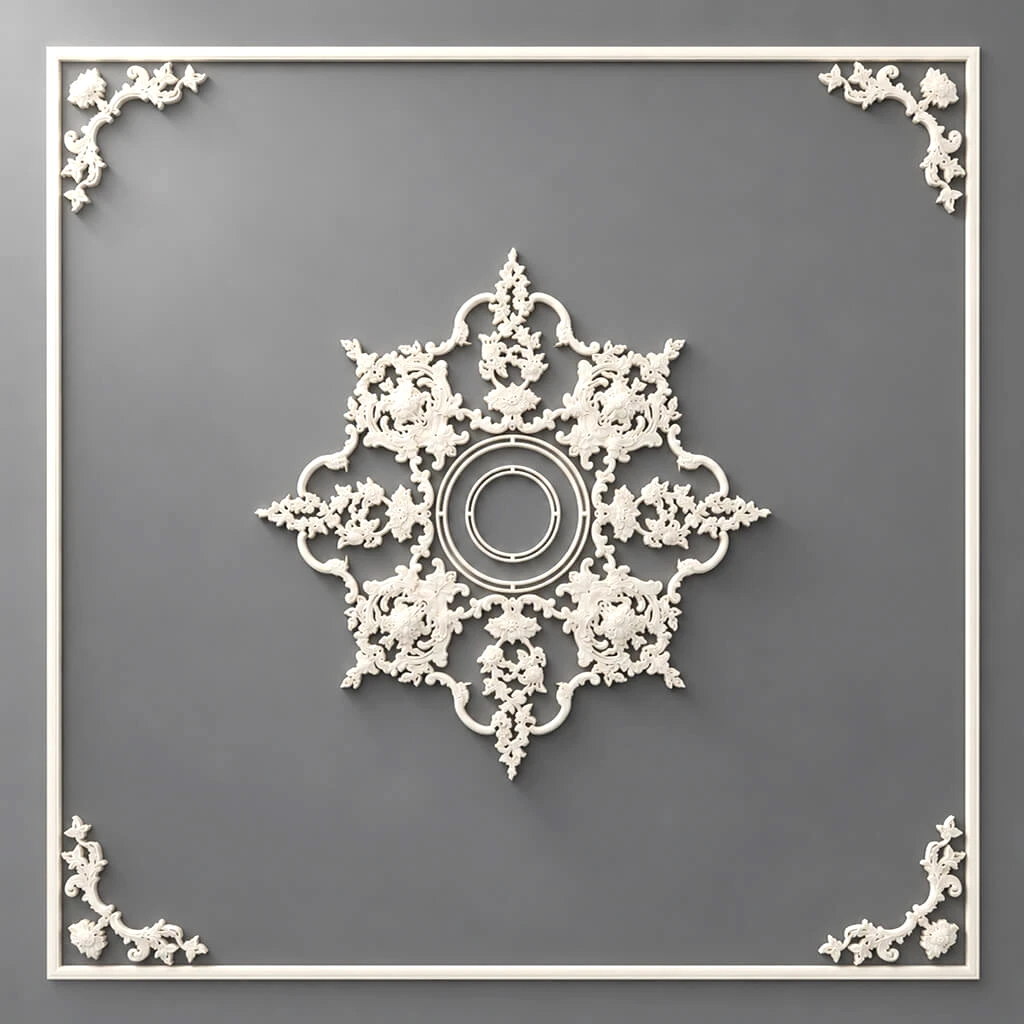
Curved corner elements — decorative Polyurethane appliqués with ornament for molding intersection points. This is a key element defining the classic character of the system. 4 pieces per frame.
Upper stucco ornamental overlays — decorative elements for the top of each panel. One overlay per panel.
Lower stucco ornamental overlays — decorative elements for the bottom of each panel. Smaller size compared to the upper ones. One overlay per panel.
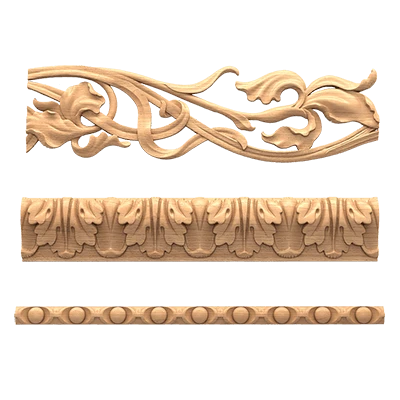
Decor for Molding — linear ornamental elements for additional detailing of horizontal frame profiles or cornice. Optional.
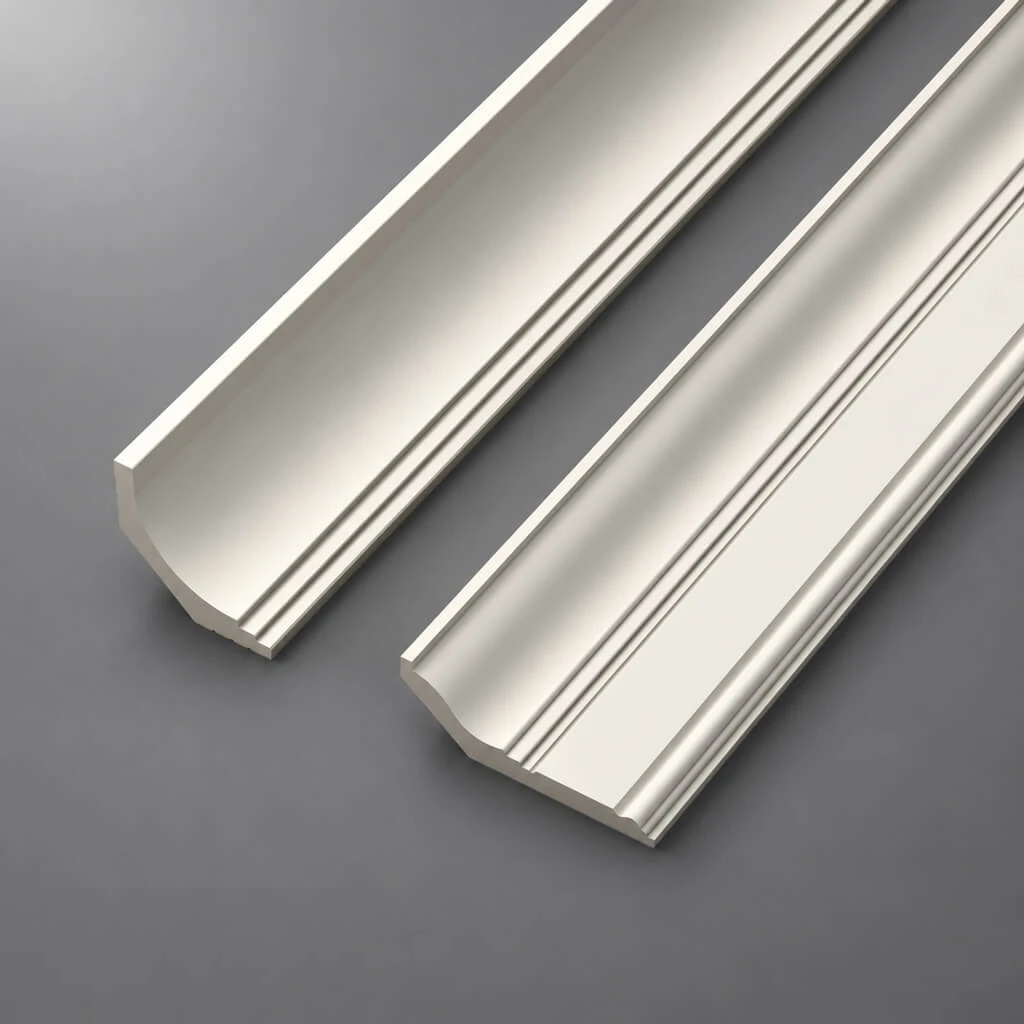
Ceiling cornice — completion of the system along the upper perimeter. For INTPU-034 — a cornice with a moderate but expressive profile. Not too light, not too monumental.
High baseboard — 14–20 centimeters. Completion of the system along the lower perimeter. Painted in a single tone with the wall.
Vertical dividing profiles — molding strips between adjacent frames, if the scheme implies a visual gap between panels.
Full range polyurethane products from STAVROS for selecting a complete set of the "Petersburg" system.
What to combine with the "Petersburg" decor INTPU-034
Wood: Dark vs. Light
For INTPU-034 in a gray-blue palette, dark wood is the optimal choice. Dark walnut, smoked oak, wenge, American cherry — these species create a warm counterpoint to the cold gray-blue. The warmth of wood and the coolness of the blue wall is one of the classic design contrasts that works flawlessly.
Light wood (light oak, ash, maple) with INTPU-034 is also possible — but requires a more careful approach. With light wood and a gray-blue wall, it is important to have dark accents — in metal, textiles, or furniture upholstery. Otherwise, the interior risks becoming too light and losing its character.
Metals
Brass and dark bronze are ideal metallic partners for INTPU-034. The warm metallic tone creates contrast with the cold gray-blue palette and emphasizes the architectural character of the decor.
Black matte metal is a more graphic, more modern option. It works well in interiors where a classic wall system is combined with contemporary furniture and accessories.
Matte nickel and chrome are cooler metals that support the cold gray-blue palette, creating a monotonal cool interior. This is a bold, sophisticated solution that requires precise execution.
Furniture Upholstery
Velvet in dark emerald, rich blue-green, or dark blue is the most harmonious choice for a sofa or armchairs in an interior with INTPU-034.
Leather — dark brown, bordeaux, or black — creates a study-like, academic character, especially suitable for libraries and studies.
Wool and tweed in gray, blue, and green tones — for a more homey, intimate option.
Light fabrics (cream, ivory, milky) — a contrasting accent that, with the right balance, creates a sophisticated "light and shadow" effect.
Lighting
A sconce with warm light (2700 K) is a must. The warmth of artificial light contrasts with the coolness of the gray-blue palette and creates a cozy atmosphere that softens the strictness of INTPU-034.
Chandelier above the center of the room: for a living room — with crystal or glass elements in a metal frame; for a study — more strict, with a lampshade or minimalist silhouette.
Hidden LED strip lighting along the cornice — essential for fully revealing the system's relief in the evening. Warm white (2700 K).
Textiles and accessories
Floor-length curtains — heavy linen, damask, taffeta, or velvet. Tones: milky, cream, warm gray, dark burgundy, emerald. Rod: dark bronze or brass.
Rug: with a classic geometric or floral pattern in neutral or dark tones. Or solid in dark blue, dark gray, beige.
Mirrors in thin frames — work well in the INTPU-034 system: they reflect the relief panels, doubling the architectural effect.
How to replicate the INTPU-034 idea
Step 1. Measurement and documentation. Precise dimensions of all walls to be decorated. Ceiling height. Location of doors, windows, niches, outlets, and switches. Location of planned furniture — especially important for determining the central axis of the system.
Step 2. Determining the central axis. In INTPU-034, the principle of "wide center + narrow sides" requires a clear definition of the central axis of the decorated area. The axis is determined by the main piece of furniture (sofa, bed, desk, fireplace) or an architectural element (window, doorway).
Step 3. Developing the panel layout. Width of the central module: equal to the width of the main furniture item ± 20–40 centimeters. Width of side panels: 50–75% of the central panel width. Distance between frames: 20–35 centimeters. Panel height: from the floor (or top edge of the baseboard) to the cornice.
Step 4. Choosing the shade. Testing the sample on the wall. Be sure to view it in both daylight and evening artificial light. For an office and formal spaces, choose a more saturated, darker tone. For living rooms and bedrooms, choose a lighter, smoky tone.
Step 5. Selecting elements from the STAVROS catalog. In the catalog molding — profile for frames. In the catalog appliqués — shaped corner elements and ornamental overlays. In the catalog decoration for moldings — linear elements for the cornice and horizontal profiles.
Step 6. Calculating the quantity. Linear footage of molding along the perimeter of all frames. Number of corner elements: 4 per frame. Number of top and bottom overlays: one per panel. Molding allowance: 12–15%.
Step 7. Surface preparation. Leveling, puttying, priming. Marking using a laser level: horizontal lines for cornice, baseboard, and horizontal frame moldings; vertical axes for all panels and dividers.
Step 8. Installation. Sequence strictly according to installation guide for STAVROS moldings: cornice, baseboard, horizontal frame moldings, vertical, corner elements. All joints — acrylic sealant, sanding. Ornamental overlays — after installing all frames, strictly according to stucco installation technologies. Centering along the panel axes.
Step 9. Priming and painting. Primer for polyurethane elements (specialized). First coat of paint over the entire surface including elements. Sanding after drying. Final coat. Matte finish. All surfaces and elements in a single color.
Step 10. Connecting lights and final styling. Installation of hidden LED strip under the cornice. Installation of sconces. Furniture arrangement. Textile selection. Evaluation of the final result under evening lighting — it is under this light that INTPU-034 reveals itself in full force.
Who the INTPU-034 idea suits
There are several portraits of people for whom INTPU-034 "Petersburg" was created.
A person with education and historical taste. Someone who has been to the Hermitage not on a tour, but of their own free will. Someone who knows the difference between neoclassicism and eclecticism. Someone who wants an interior with a cultural code, not flashy but recognizable.
A professional for whom the workspace is a tool. A lawyer, a doctor with a private practice, an architect, a top manager. For an office as a space that works for a professional image.
An interior designer looking for tools to create "cold luxury" — a direction that is consistently in demand in the premium segment.
Owner of a restaurant or hotel with a conceptual interior. A space that is remembered and appreciated by guests.
All who are tired of the warm, cozy, powder-terracotta aesthetic and want something different — more strict, more composed, more cold in the best sense of the word.
Buy decor for wall panels Petersburg INTPU-034
All necessary components for implementing the INTPU-034 "Petersburg" idea are presented in the full catalog polyurethane products from STAVROS. Moldings of the required profile — in the section of polyurethane moldings. Shaped corner elements, top and bottom ornamental overlays — in the section polyurethane decorative overlays. Additional linear elements for detailing the cornice and frame profiles — in the section decoration for moldings. The entire Polyurethane wall decor selected in a unified system of quality and style.
The INTPU-034 system adapts to any wall parameters, ceiling height, room purpose, and color scheme. This is not a ready-made template — it is a principle. The principle of St. Petersburg restraint, embodied in the architecture of the wall.
FAQ — answers to popular questions
Will INTPU-034 be suitable for an office?
Yes, and this is one of the most organic scenarios for applying "Petersburg". The gray-blue monochrome system with molding panels, figured corner elements, and stucco overlays creates exactly the character needed for work in the office: focus, status, absence of excess.
Can INTPU-034 be used in a small living room?
Yes. For small living rooms, it is optimal to decorate only the wall behind the sofa — using the "wide center + narrow sides" principle in a compact version: the central module equals the width of the sofa, the side ones are 40–60 centimeters each. This focused option creates a full sense of architectural decor without overloading a small space.
Why is it better to paint moldings and stucco in the color of the wall?
Monochrome painting creates integrity: the wall with decor is perceived as a single architectural work, not as a set of elements on a surface. The relief of moldings and overlays is read through light and shadow, not through color contrast — this is a more sophisticated and aesthetically more durable result. Additionally, monochrome forgives minor installation errors that would be noticeable with contrasting painting.
What shades are suitable for the "Petersburg" system?
The range is from smoky blue (light, almost lavender) through classic gray-blue to graphite blue (dark, saturated). For residential spaces — medium tones. For offices and commercial interiors — darker, more saturated tones. Be sure to test the chosen shade on the wall under the actual lighting of the room before making a final decision.
Does installing polyurethane moldings require special skills?
Installation is accessible to people with experience in finishing work. Key requirements: precise marking with a laser level, correct glue for polyurethane, careful treatment of joints with acrylic sealant. Full instructions are in the guide for molding installation и installing polyurethane molding.
How long does it take to implement INTPU-034?
For a 4-meter wall with experience: surface preparation — 1 day, installation of moldings and overlays — 1–2 days, priming and painting (2 coats with intercoat sanding) — 2 days. Total: 4–5 working days. The decor will last for decades without needing replacement.