
















































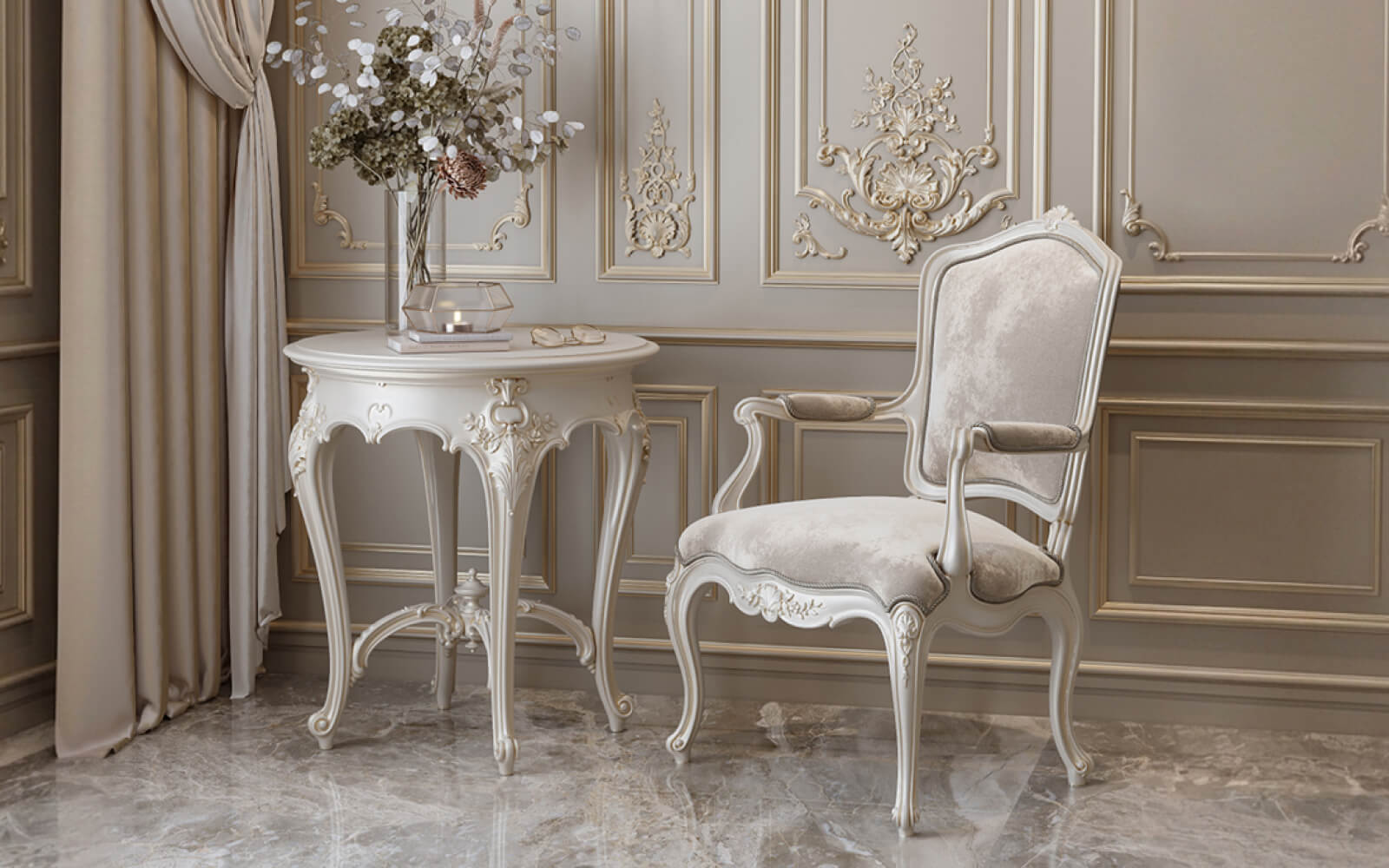
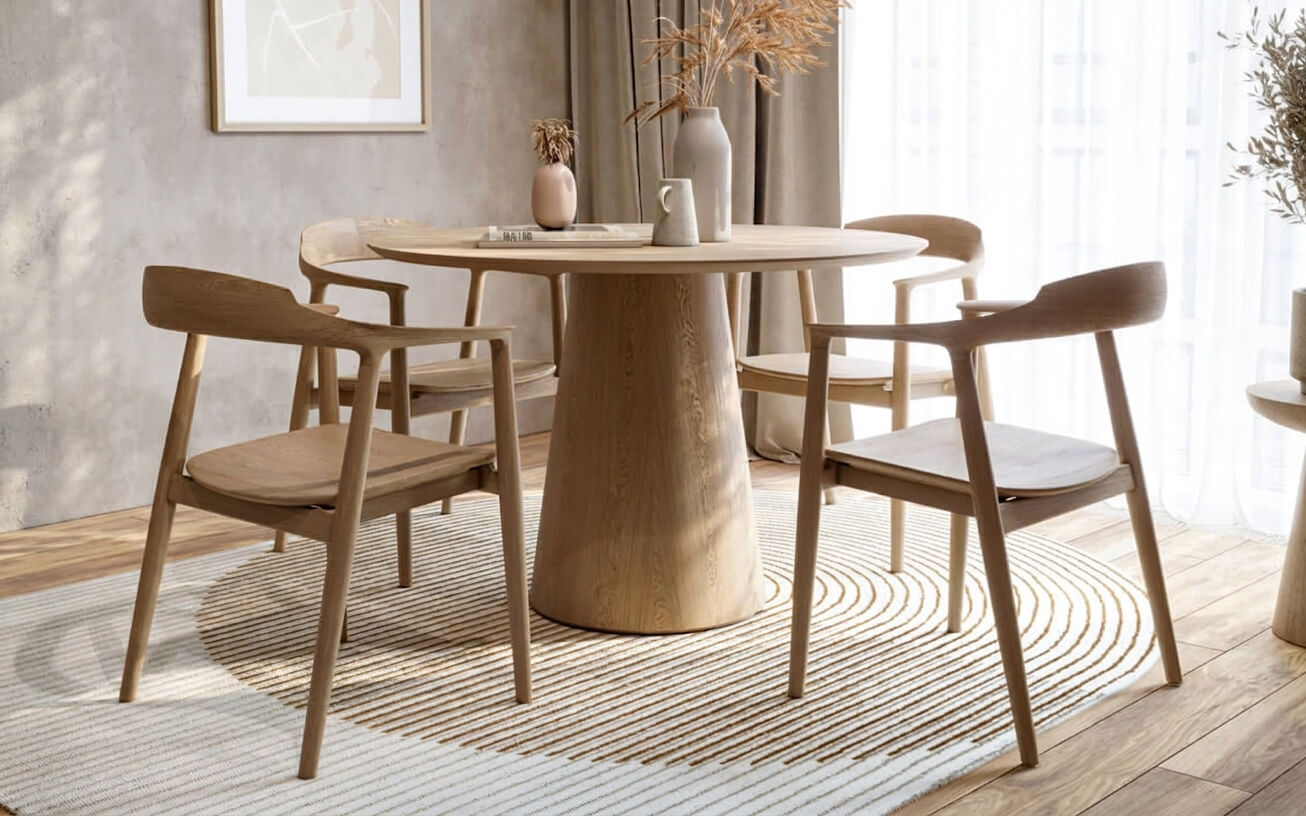


























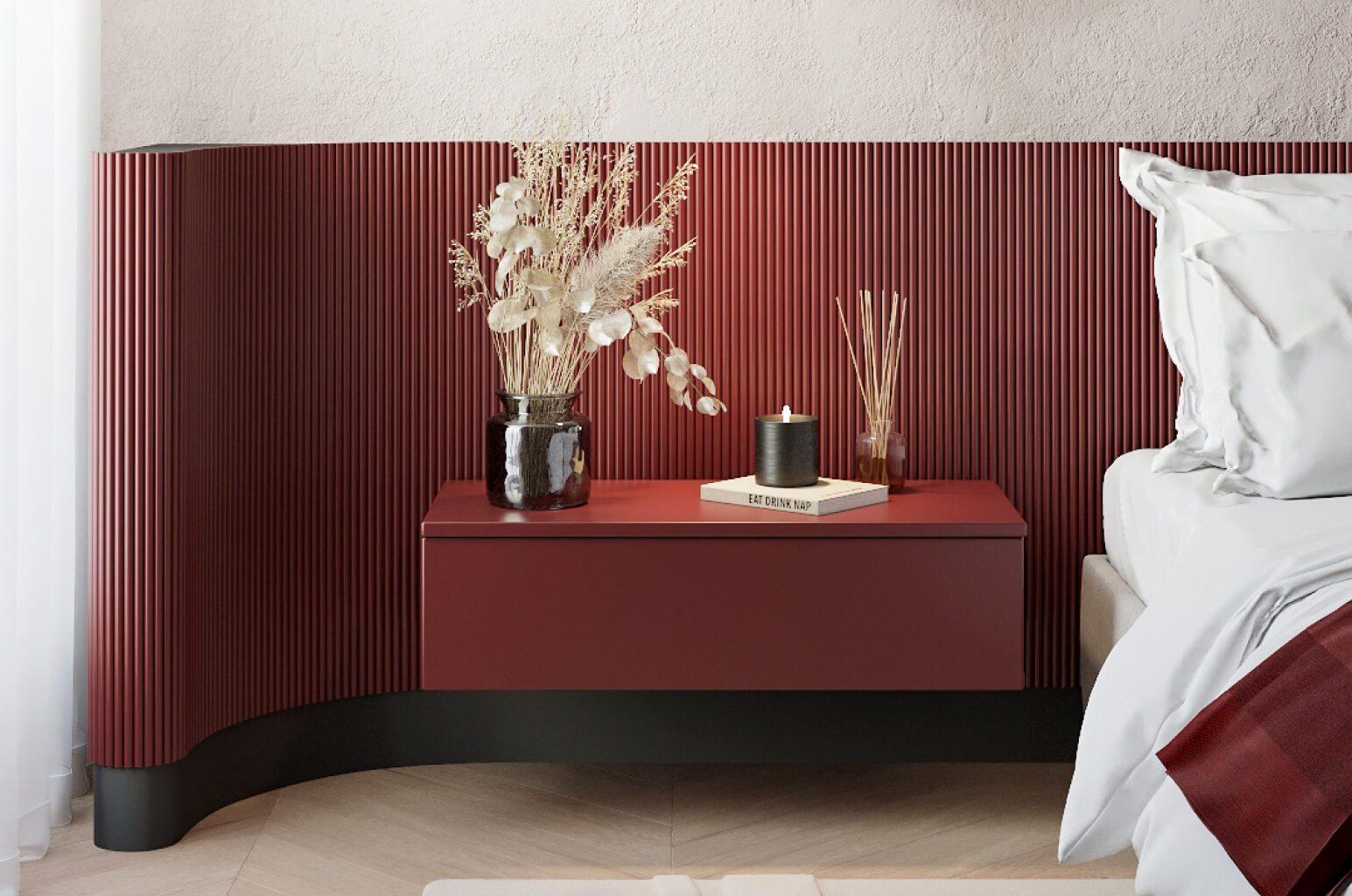
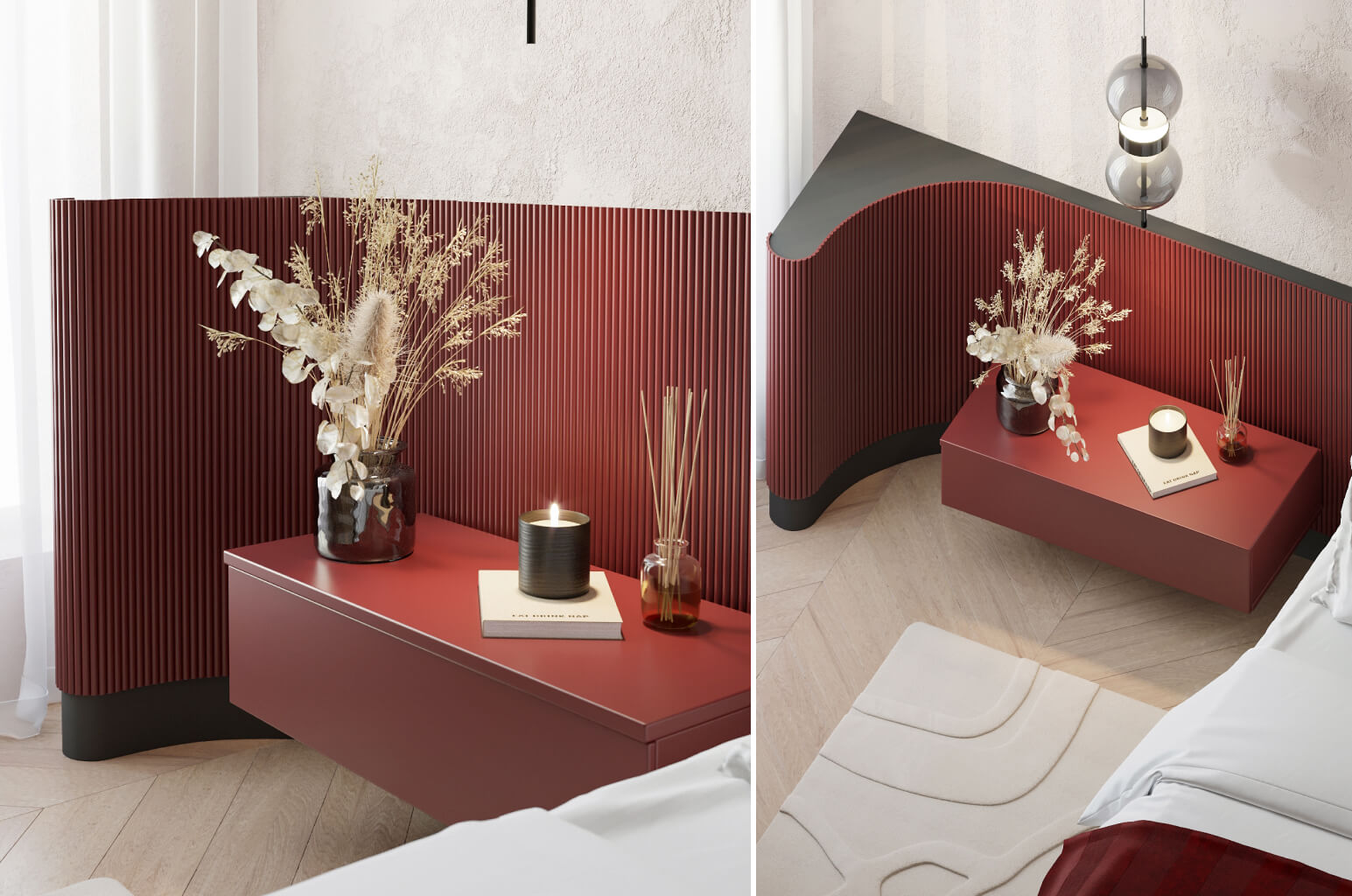
Decorating idea for INTPAN-002 wall panels
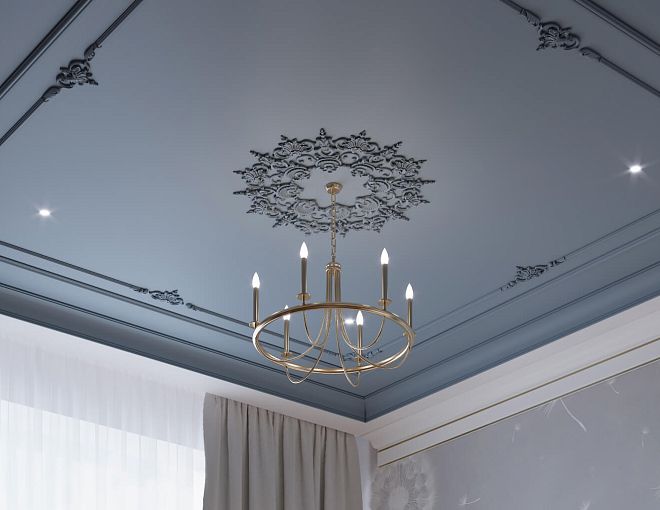
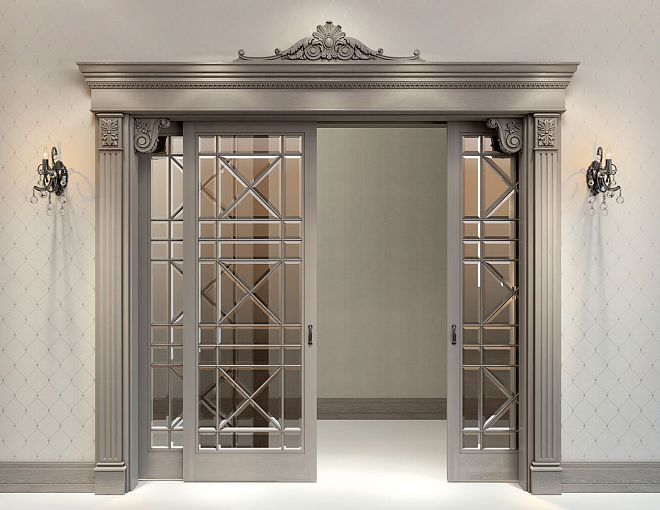
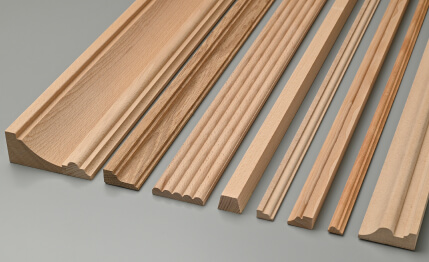
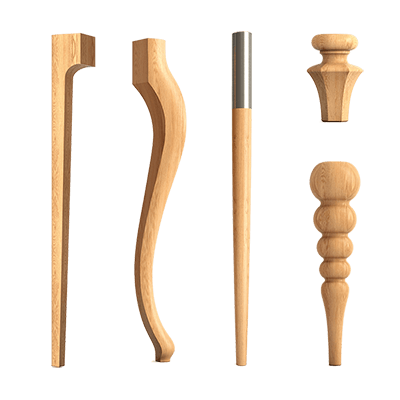
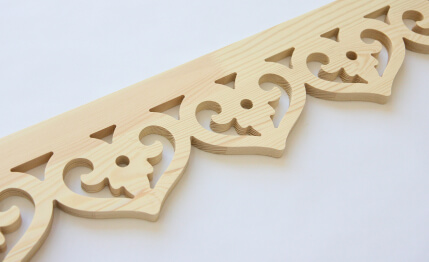
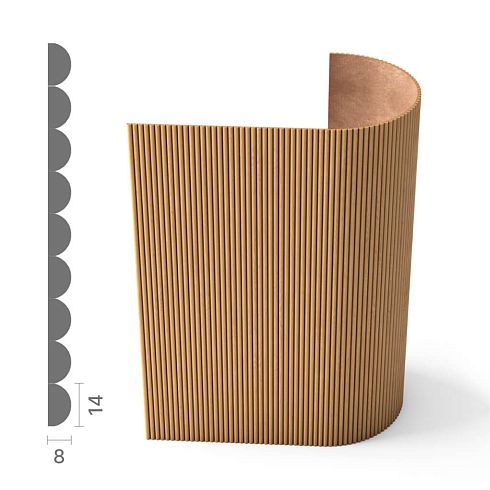
Used elements from the STAVROS array
We will help you implement the project
Measurements
You send us furniture, interior, and preferences dimensions
Design
Our specialists will create a project (paid service, from 2000 rub.)
Kitting
After project approval, you receive a specification
Implementation
We will select partners in your city for painting and mounting decor
You may also be interested in


Frequently asked questions
Our showrooms are located in Saint Petersburg and Moscow. Production is located in Saint Petersburg.
Moscow contacts: https://www.stavros.ru/contacts_all/?tab=msk
Contacts of Saint Petersburg: https://www.stavros.ru/contacts_all/?tab=spb
- Send request by email [email protected]
- Write to us at Telegram
- Write to us at WhatsApp
- Order by phone +7 (800) 555-46-75
- Visit our showroom in Saint Petersburg and Moscow
Yes, we ship orders throughout Russia and to CIS countries.
We cooperate with transportation companies such as СДЭК and DPD.
You can also arrange pickup of your order through any convenient transportation company for you.
Delivery cost depends on the size, weight of the item, and delivery address.
When placing an order, the delivery cost is calculated automatically and displayed as a separate line on our website.
Prices and availability of items on the website are always current. Data is updated daily.
Note: items in stock are stored on the warehouse in unpolished form and shipped within 3 working days.
If the item is not in stock, average production time: 5–10 working days.
This is the quality of polishing of the items.
Standard — machine polishing, at a more attractive price.
Prestige — detailed hand polishing, items do not require further work.
More details: https://www.stavros.ru/information/kachestvo/
This is the type of veneer of the items.
Under enamel: produced by gluing wooden laminates without color and texture matching. Contrast tonal and textural differences are noticeable. This blank should be chosen if the item is intended for opaque coating.
Under tinting: produced by gluing wooden laminates with color and texture matching. Tonal and textural differences may occur. This blank should be chosen if the item is intended for semi-transparent finish.
More details: https://www.stavros.ru/information/kachestvo/
Beech — dense, non-porous wood, most often used for items covered with enamel.
Oak — dense, porous wood with clearly visible natural grain. Due to its strength and decorative properties, it is often used in items with semi-transparent coating, highlighting the wood pattern.
Custom-made, if non-standard items are required, we can produce products from other types of wood, including blanks provided by the customer, manufactured according to our technical specifications.
All our furniture legs can withstand a vertical load of at least 100 kg.
Average production time for custom-made items: 5–10 working days.
Most items are stored on the warehouse in unpolished form. We need time to polish and pack orders.
Yes, we manufacture non-standard items according to individual projects, but we only accept orders with a minimum quantity.
We can manufacture items of the desired size, but we only work with bulk orders. For details, please consult the sales department manager.
Yes, some of our products can be used outdoors. For example, polyurethane items, as well as carved door casings made of pine.
Other items are produced to order using PUR glue, if minimum quantity is available. No warranty is provided for such products, as outdoor conditions are considered aggressive.
Yes, we paint items when ordering products for a total amount of 150,000 rubles or more.
- Dust removal. After sanding, the surface must be dusted.
- Priming. Apply primer in an even layer.
- Matting. After the primer has fully dried, the surface should be matted (lightly sanded for better adhesion).
- Finish coating. Apply finish coating: lacquer or enamel, in 2 layers, with interlayer drying.
More details: https://www.stavros.ru/information/sovety/
Apply adhesive to the decor. Attach to the surface and press briefly. Then, remove the decor from the surface and leave it open for 3–5 minutes. Press the decor firmly onto the surface and hold for 5–10 seconds.
More details: https://www.stavros.ru/information/sovety/
Ideally, you should prepare a design project before placing an order.
You can do this yourself by downloading drawings of our products from our website, or you can order a project from us.
If the number of decorative elements and fittings is small, our company's manager can assist you with selection.
Unfortunately, this service is not provided.
The packaging method depends on the type of items, but in each case, we ensure sufficient protection for safe transportation.
We most often use corrugated cardboard and stretch film. Fragile items are additionally secured on a rigid base to prevent damage during transport.
We ship all items starting from 1 piece.
Room measurements and item installation can be performed by our partners — carpentry companies represented in most regions of Russia.
Also see
Slat wall panel as an accent in modern interior
A wall is not a background. It is a full-fledged architectural element that sets the mood of the space, shapes its rhythm and depth. It is when a wall ceases to be just a plane and starts working as a conscious design solution that an interior transforms from a set of furniture into a cohesive environment.Slatted wall panelis one of the most convincing modern ways to achieve this effect: the vertical rhythm of wooden slats adds volume, tactility, and a lively texture to the surface.
The INTPAN-002 idea shows a specific example of howSlat panel PAN-001is applied in wall panel decoration. This is not an abstract concept — it is a ready-made interior scenario with a clear logic: a slat panel made of MDF, oak, or beech on a fabric base is taken, mounted on the wall surface, finished — and the result is an accent zone with a vertical rhythm that changes the perception of the entire room.
What is the INTPAN-002 idea and why is it needed
The easiest way to understand the essence of the idea is through a question: what happens to a wall when vertical slats appear on it? It ceases to be empty. It acquires structure — the rhythm of semi-circular slats that makes the surface voluminous, lively, and architectural. This is not a decorative overlay for the sake of beauty. It is working with space: the vertical orientation of the slats visually stretches the wall upward, the ceiling is perceived as higher, the room as more spacious.
Decorating a wall panel with slatsaccording to the INTPAN-002 principle is a modern interpretation of the classic boiserie idea. Boiserie — interior wall cladding with wooden panels — has been known in interior design for several centuries. But while traditional boiserie is built on carved profiles, moldings, and frame compositions, INTPAN-002 offers a different logic: not a frame, but a rhythm. Not framing, but texture. Not classic, but a modern architectural surface.
This is precisely the value of the card as an interior scenario: it shows not the product itself, but the specific result of its application.Wall panel with slats as an accent in the living room, as a backdrop for the TV area, as a headboard in the bedroom, as a decorative insert in the hallway — these are all different scenarios of the same idea INTPAN-002. Different spaces, but one design logic: a vertical slat rhythm as a tool for architectural accent.
Slat panel PAN-001: why this particular element
Not every slat panel is suitable for a wall composition. The choice of element here is fundamental because the result — coverage length, joint precision, ability to work on non-standard surfaces — directly depends on the construction of the source material.
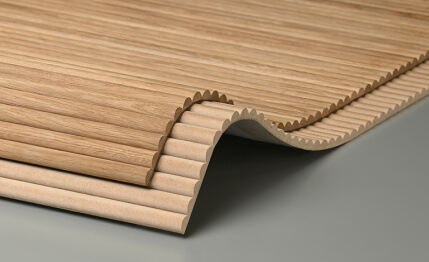
the slatted panel PAN-001 STAVROS is built on a fundamentally important design feature: semicircular battens are glued onto a flexible fabric base. This is not a panel on a rigid substrate — it is a flexible decorative covering that adapts to the shape of the surface. Straight walls, rounded corners, columns, arched slopes, radius niches — PAN-001 clads all these surfaces without adjustment, without complex cutting, without expensive adaptation work. It is the fabric base that makes wooden slat panel for wall a universal tool for interior projects of varying complexity.
The second fundamental point is the precise spacing of the battens. The panels are joined together so that the joints are not visible on the finished surface. Slat panel on fabric base forms a single covering, regardless of how many modules are used. For a large accent wall, this is fundamental: a continuous vertical rhythm without visible breaks — that is exactly what creates the architectural impression.
The third factor is the choice of material.Decorative panel PAN-001 is available in three versions: deep-milled MDF, solid oak, and solid beech. These are three different design stories — each addressing its own interior need.
MDF: freedom of color
Deep-milled MDF is the choice for those who work with color as the main tool. The homogeneous structure of MDF, free from knots and natural defects, accepts any enamel: acrylic, alkyd, two-component polyurethane. Matte, satin, and semi-gloss coatings lay equally evenly on the carefully sanded surface.Slatted MDF panel for enamel — this is freedom: the panel can be painted in any catalog color, the color of the wall, the color of the furniture, or a contrasting accent shade. The options are limitless. For a wall panel in a modern interior, MDF is especially appropriate precisely because the color concept in modern design is often more important than showcasing the natural material.
Before painting,MDF Plank Panels it is recommended to prime with two coats of polyurethane insulating primer with intermediate sanding of the raised grain. It is better to prime before installation: this makes it easier to ensure even coverage of all edges of the slats. After installation, apply two coats of finishing enamel with intermediate drying — and the surface is ready. For interior use, water-based acrylic or latex paints are optimal: they are eco-friendly, odorless, and dry quickly.
Oak: living texture
oak slat panel — for connoisseurs of natural aesthetics. Oak is one of the densest and most stable domestic species with a pronounced layered fiber pattern. Each slat carries a unique natural pattern that reveals itself under staining and clear varnishes: stains and tinting oils offer a wide palette — Scandinavian cool gray, deep wenge, tobacco cognac, soft light ash. Rubio Monocoat oil or similar compounds reliably protect the surface and vividly highlight the texture. A wooden wall panel made of oak is the living warmth of natural material that cannot be replicated by film or veneer.
Beech: purity under enamel
Slatted panel made of beech — a material with a more neutral structure. Beech is dense, non-porous, with a fine, uniform pattern that, when painted with opaque enamels, barely shows through the coating. For wall panels intended to be fully enameled, beech provides a predictable, even result. It is a good choice for minimalist interiors where the surface should read as a solid painted plane with a slatted relief, rather than as wood under paint.
Where to use slatted wall panels: zones and scenarios
When answering the question 'where?', it's important to understand one thing:wooden planks on the wall — this is not the only possible scenario for an 'accent wall in the living room'. It is a flexible tool that works in different functional zones and different types of rooms.
TV area
Slatted panel for the TV zone — one of the most popular application scenarios in modern apartments. The wall behind the TV is the surface you see every day and that defines the character of the living room. Vertical slats work on several levels simultaneously: they create a textured backdrop for equipment and furniture, visually highlight the TV zone as an independent interior object, and add depth to the surface, which a smooth painted or wallpapered plane lacks.
Typical scenario: the slatted panel is mounted across the entire width of the wall or within the TV module. On the sides — cabinets or shelves, below — a dark baseboard in the same tone. With proper accent lighting from spotlights or an LED strip profile behind the lower edge of the panel, the result looks like a professional design project.
Wall behind the sofa
Wall panel behind the sofa with a slatted texture is a classic of modern living room interiors. It creates a visual 'backrest' for the seating area, marking the relaxation zone as an independent architectural volume. A sofa against a slatted wall is perceived differently than the same sofa against an empty painted surface: a sense of thoughtfulness, completeness, and quality design emerges.
Bed headboard
Wooden planks behind the bed— a technique that works especially well in the bedroom. The slatted panel replaces or complements a soft headboard: it creates a warm, textured backdrop for the bed, sets a vertical rhythm that is calming without being overwhelming. In Japandi or Scandinavian interiors, it's nearly an ideal solution. In modern classic style, it's a worthy alternative to fabric headboards.
Hallway and corridor
Decorative wall panel for the hallwaysolves several problems at once. First, it hides wall imperfections — hallways in standard homes rarely have perfectly smooth surfaces. Second, it adds depth: a corridor with a slatted wall looks visually wider and more interesting than one with a bare painted surface. Third, it sets the tone for the entire interior: the hallway is the first thing a guest sees upon entering. A slatted wall here is the first design impression.
Office and work area
Slatted panel for the studyadds composure and seriousness to the workspace. An accent wall behind the desk or behind bookshelves is not a distracting element but a structuring backdrop. The vertical rhythm of the slats harmonizes with the vertical lines of book spines and window frames. The space gains graphic quality without feeling heavy.
Decorative partition and niche
A slatted insert in a partition between doorways or inside an architectural niche is a very precise technique for small spaces. A small area of slatted panel with proper lighting works as a full-fledged architectural accent without requiring a large footprint.
Boiserie with slatted insert
Boiserie with slatted panel— a modern interpretation of classic wall cladding. Molding framing around the panel perimeter, slatted PAN-001 inside the frame — and you get a wall composition that combines the classic architectural logic of boiserie with modern slatted texture. This solution is suitable for living rooms and bedrooms where you want the presence of wood without classic carving.
Interior styles: where the slatted panel fully reveals itself
Modern interior and minimalism
Slat panels in a modern interior — is a combination that works without reservations. Minimalism is built on material quality, clean lines, and deliberate accents. A slatted wall is precisely such an accent: expressive, yet not overloaded. One element that changes the perception of the entire space.
Japandi
Wooden slats in the Japandi style — a perfect fit. Japanese minimalism values natural materials, rhythm, and pause. The Scandinavian component adds warmth and tactility. A slatted panel made of oak with a neutral or warm tinted finish is literally a visual manifesto of Japandi in the interior. The vertical rhythm of the battens creates that very 'pause' valued by Japanese aesthetics.
Scandinavian style and eco-interior
Wall panel in minimalist style in a light Scandinavian palette — white or light gray slats against whitewashed walls — is softness and light. For an eco-style, oiled oak in a natural or slightly tinted shade is more appropriate: natural texture, living surface, a sense of untouchedness.
Contemporary
Slatted wall in a contemporary interior — is neutral elegance. Contemporary does not require strict stylistic adherence: it accepts both natural wood and painted MDF, dark accents and light neutrals. Here, the slatted panel works as a tool of quality — it speaks not of style, but of taste.
Soft loft
A slatted panel in the context of a loft interior is a warm counterpoint to raw materials: concrete, metal, unfinished brick. The warm texture of oak on a slatted wall panel next to a concrete ceiling or steel pipes is one of the most expressive material dialogues in a modern interior.
Finishing options: from natural wood to dark enamel
Choosing the finish for a slatted wall panel made of MDF or solid wood is both a technical and design question. Let's consider the main scenarios.
MDF under white or milky enamel is the calmest, most versatile option. A white slatted wall in a light interior represents purity and volume. The relief of the glazing beads is read through a light play of shadows, the surface looks more complex than a smooth painted wall, but remains neutral.Decorative panels under enamel in white or milky color are an ideal solution for Scandinavian interiors, Japandi, or modern classics.
MDF under dark enamel is a graphic, architectural result. Anthracite, graphite, wet asphalt, deep black — a dark slatted wall creates a strong accent. It is especially effective in the TV area: the dark slatted surface visually 'absorbs' the TV frame, and the screen seems to dissolve into the wall.MDF slats under enamel in dark shades are a choice for bold projects with good lighting.
MDF in the wall color is an 'invisible' accent wall. The panel is painted in the same shade as the surrounding walls, resulting in a surface that is recognized by its relief rather than its color. This is a very mature architectural solution, valued in professional interior design.Slat panel for painting to match the wall color — a subtle technique that works in any style.
Oak under clear varnish — natural texture in maximum purity. Varnish preserves the natural color of oak and protects the surface.Wooden wall panels under varnish — this is the warmth of living wood without additional interpretation. Suitable for interiors where wood is the main material.
Oak under tinting — expanding the color palette while preserving texture. Stains, tinting oils, colored varnishes provide a wide range: from ash gray to deep wenge.Slat panel for tinting allows you to fit natural wood into any color concept without losing the natural character of the material.
Oak under oil — the most "natural" finish. Oil coating vividly reveals the fiber texture, gives a rich tone, and reliably protects the surface from moisture and wear.Wooden slats under varnish or oilin the style of japandi and eco-interior — an unequivocal choice for connoisseurs of natural materials.
How to use INTPAN-002 in a project: five practical scenarios
Scenario 1. Full accent wall
The entire wall plane from floor to ceiling or from baseboard to cornice is covered with a slatted panel. This is the most powerful technique:covering the wall with slatsover the entire area creates the feeling of an architectural solution rather than a decorative element. Suitable for living rooms, bedrooms, and studies with sufficient square footage and proper lighting.
Scenario 2. Fragmentary slatted insert
The slats cover only part of the wall — the area behind the sofa, behind the bed, or along the corridor. The rest of the surface remains smooth.wooden rakes for zoningin this scenario, they work as a visual marker of a functional zone: they designate it without physical partitions.
Scenario 3. Slatted insert as part of boiserie
Molding framing around the perimeter + slatted PAN-001 inside the frame. This technique combines a classic structureFor boiserie wall panels with a modern slatted texture. MOLDINGS from the STAVROS collection are suitable for creating such framing:Wooden Molding MLD-027 pairs well with a slatted panel in the same material.
Scenario 4. Slatted panel next to the door
Vertical slats extend the door leaf decor onto the wall next to the opening, creating a unified slatted composition.Slat panel for door and wall in a single color and material — this is a technique that makes the transition between the door and the wall an architectural event, not just a joint of two surfaces.
Scenario 5. Slatted background behind furniture
A slatted panel is installed behind a shelving unit, behind a bookcase, behind a console — as a visible background through glass, in gaps between shelves, above and below furniture.Wall panels in the interior as a furniture background add depth to the storage area and make it more expressive.
Technical features of mounting PAN-001 on a wall panel
Installationslatted panel PAN-001Mounting on a wall surface is a task that can be solved without special equipment. The base must be clean, dry, degreased, and free of crumbling fragments. On puttied and primed drywall, plastered wall, or MDF substrate, the panel is installed without additional operations.
Fixation is done with contact adhesive and additional mechanical fastening with micro-pins on the fabric base. Fastening pitch is 150–200 mm. Fixation points are puttied and sanded before final painting. Panel cutting is done on the fabric base with a mounting knife or hacksaw — it is fast and clean.
Thanks to the flexible fabric base, PAN-001 adapts to minor surface irregularities and allows cladding of radius elements:slat panel for walls with curved surfacesis one of the competitive advantages of this particular product over panels on a rigid substrate.
Joining of adjacent modules is done butt-to-butt: the precise pitch of the beads ensures perfect pattern alignment at the joint, and the surface is perceived as a single seamless covering regardless of area.
Detailed recommendations on surface preparation, priming, and finishing can be found in the sectionAdvice on finishing and installationon the STAVROS website. There are also step-by-step instructions for painting, oil application, and working with glue. To understand the differences between MDF, oak, and beech, as well as between "enamel" and "tinting" options — see the sectionMaterials and quality of STAVROS products.
Who is the INTPAN-002 idea suitable for
Interior designers —Slat panels for designersprovide a tool for creating accent wall solutions in residential and commercial projects. Three material options and a wide selection of finishes allow the slatted panel to fit into any concept — from strict Japanese minimalism to soft Scandinavian warmth.
For furniture manufacturers and joinery workshops —Decorative panels for interior projectsallow offering clients ready-made wall solutions as part of furniture sets. A slatted wall in the same material and finish as a cabinet or bed is an interior system that sells much more easily than a standalone cabinet.
For door manufacturers — the slatted panel PAN-001 is used not only for walls but also for decorating door leaves. Equipping doors with slatted decor expands the product range without complicating the production process.
For private clients —Buy wall panels with slatsfor DIY installation — a realistic scenario. Simple installation, basic tools, predictable results. A slatted accent wall is a weekend project that radically transforms the look of a room.
Catalog and project configuration
This idea uses theslatted panel made of MDF, oak, and beech PAN-001 STAVROS. It is suitable for projects requiring a vertical slatted texture with a choice of finish: from painted MDF to natural oiled oak. The panel is supplied in rolls, making it convenient for transport and storage.
Full STAVROS slatted panel catalogalso includes a primedslat panel PAN-002for projects where a surface already fully prepared for final painting is needed.
Allwall panel design optionsin the interior are collected in the «Ideas for Use → Wall Panels» section of the STAVROS website. The sectioninterior solutionsalso covers the decor of doors, furniture facades, kitchens, cabinets, portals — a complete system of decorative solutions for different areas of the space.
FAQ: Answers to popular questions
Can PAN-001 be used for wall panel decor?
Yes. PAN-001 is specifically designed for decorating interior surfaces. The flexible fabric base allows the panel to be mounted on straight and curved walls, and the modular design ensures seamless connection of panels when assembling a large covering.
How is the INTPAN-002 idea different from ordinary wall finishing?
INTPAN-002 shows not a smooth classic boiserie panel, but a wall composition with a vertical slat rhythm. This texture makes the wall voluminous, architectural, and modern — without overloading with carving and without the heaviness of classic frame moldings.
What to choose for a wall panel — MDF, oak or beech?
MDF — for projects with an emphasis on color: under enamel of any shade, from white to black. Oak — for natural texture under tinting, varnish or oil. Beech — for a smooth neutral surface under opaque coatings. The choice depends on whether you need the texture of wood in the final result or a clean painted surface.
Where is it best to use a slatted wall panel?
Most effectively — in the TV area, behind the sofa, behind the headboard of the bed, in the hallway and study. The slatted texture works best where the wall is well lit and visible from a sufficient distance so that the vertical rhythm of the battens is perceived.
Can a slatted panel be used for zoning?
Yes, and this is one of the most valuable application scenarios. Vertical slats visually highlight a functional area without physical partitions: TV area, work area, relaxation area — each of them can be designated with a slatted covering on an accent wall.
How complex is the installation?
Installation does not require special equipment or professional skills. Contact adhesive, micro pins, a level and a tape measure are the standard minimum set. The flexible fabric base simplifies work on non-standard surfaces. Detailed installation instructions are available in the sectioninstallation tipson the STAVROS website.
Where to buy the PAN-001 slatted panel for wall finishing?
PAN-001 STAVROS buy can be found in the catalog on the website. Delivery throughout Russia and CIS countries. In-stock items are shipped within three working days, custom-made items within 5–10 working days. Minimum order — from one piece.
Can the slatted panel be used not only on the wall?
Yes. PAN-001 is used for decorating furniture facades, door leaves, decorative partitions, portals and other interior surfaces. The flexibility of the base expands the scope of application beyond just flat vertical walls.