












































































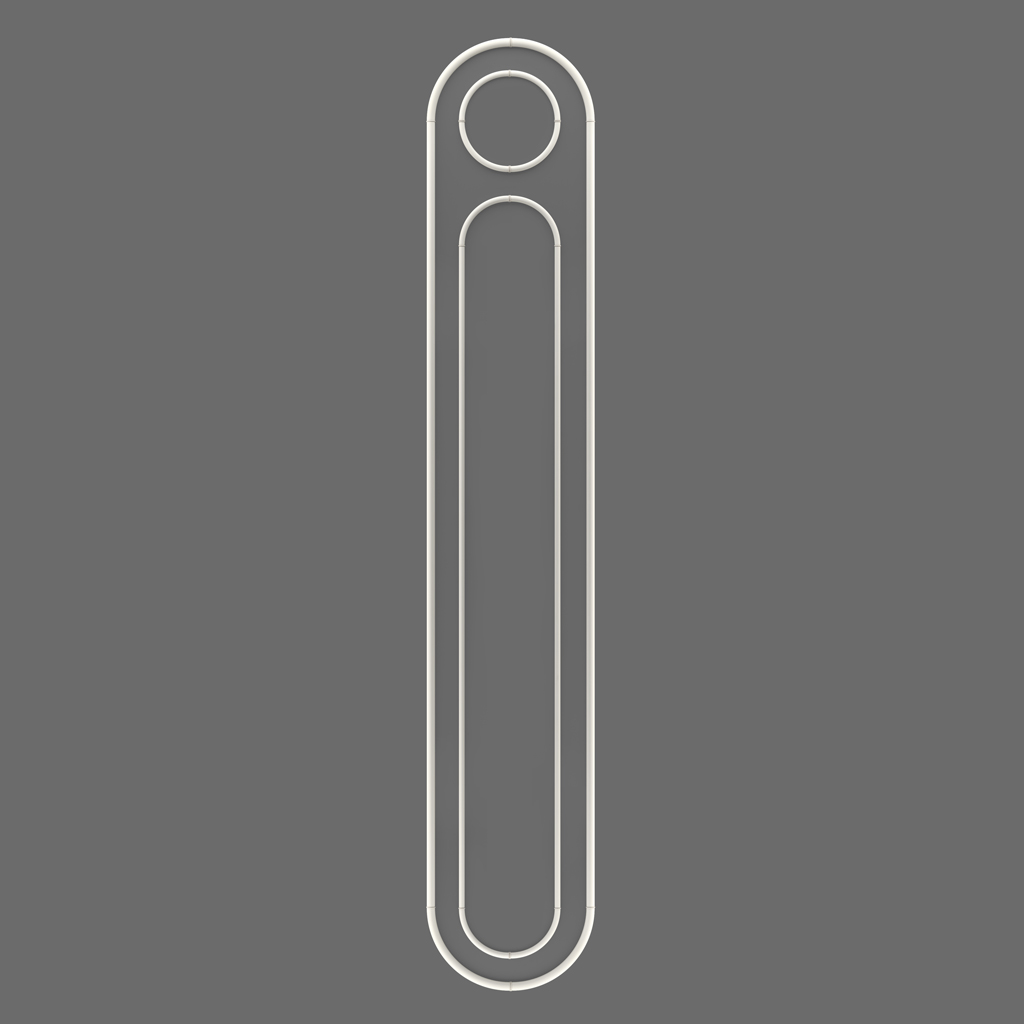
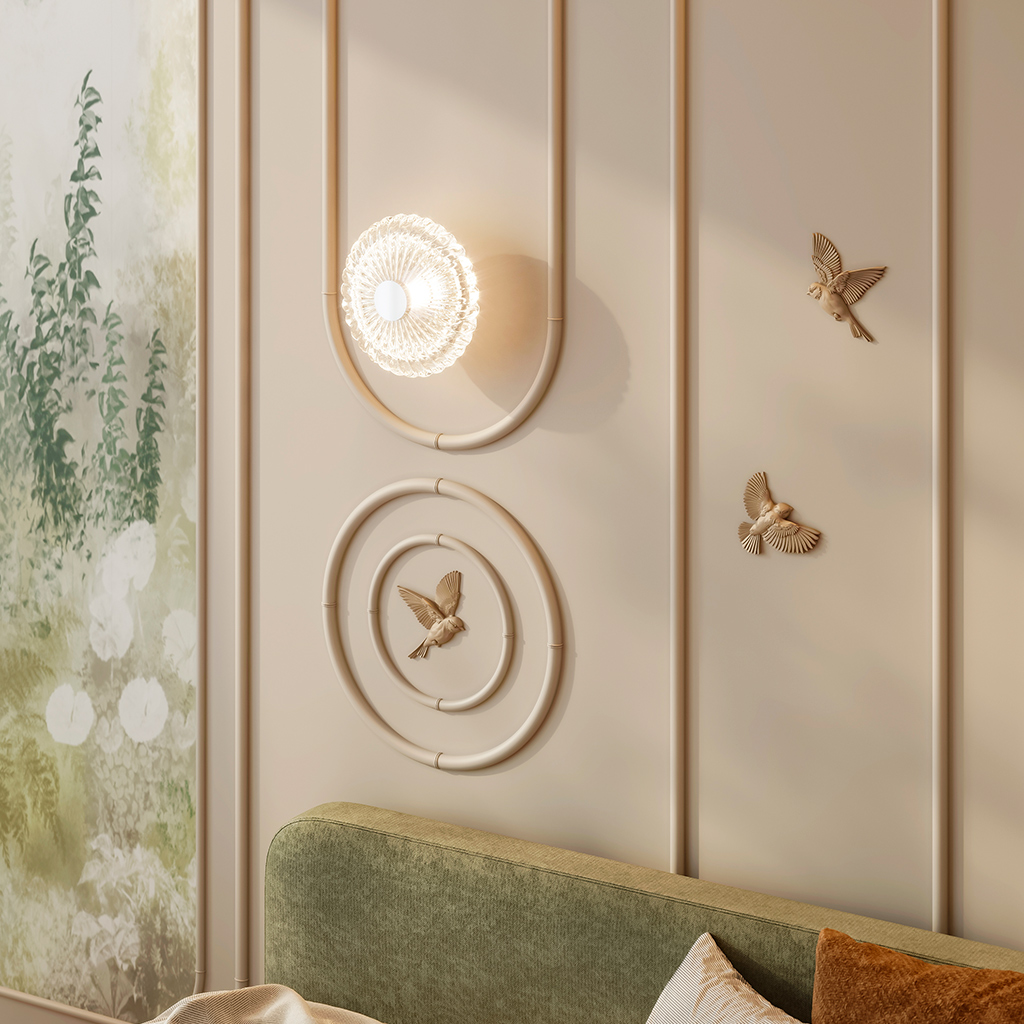

CPU-3-6 Molding Decor Kit
Set Composition


Have questions?

Yulia Kh.
March 24, 2026
I was satisfied with the quality of the products; we purchased furniture legs. I would especially like to highlight the professionalism of manager Oksana—very client-oriented, competent, and precise specialist. She even arranged additional trimming of some elements as an extra service for us. Huge thanks!
Incognito 7.
March 24, 2026
One of the few firms that is pleasant to interact with on renovation matters. Adequate, responsive managers. Adherence to deadlines. Execution of even complex projects. Bravo! May there be more such firms!!
Marina D.
February 15, 2026
The company ordered the pens for us when we ordered furniture. But I decided to write a review personally because they are amazing! Stylish, expensive, high-quality!
More than 20 years on the market
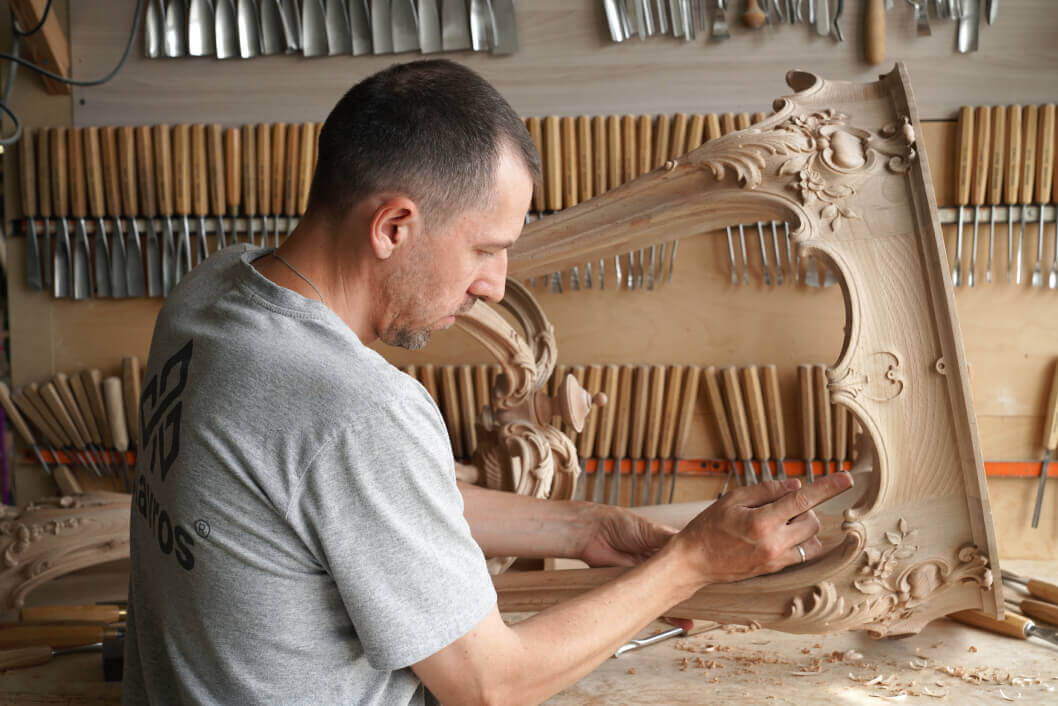
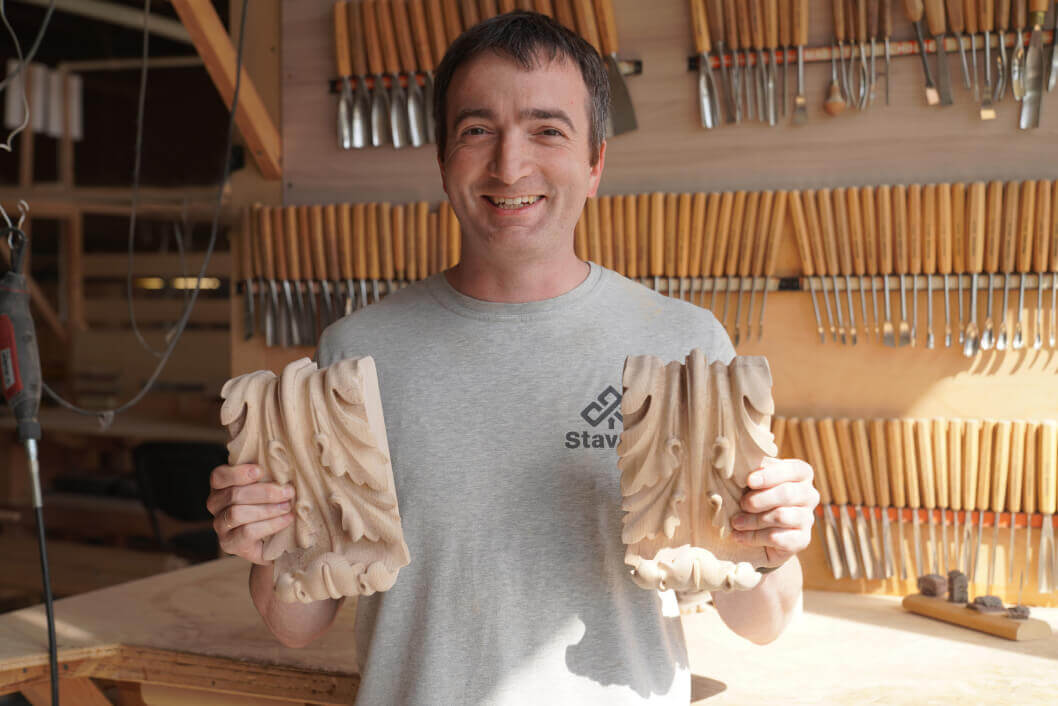
The company's success began in 2002, when two artists — Andrey Ragozin and Evgeny Tsapko — created a small creative workshop for producing wooden carved items. The masters' work was quickly noticed, and within a year they were invited to participate in the reconstruction of the Konstantinovskiy Palace in Strelna.
After the success of this project, the company focused on recreating palace interiors, furniture, church furnishings, and carved decorations in various artistic styles. They worked with cultural heritage sites: The Hermitage, the Alexandrovsky Palace, the Troitsko-Izmaylovsky Cathedral, the Sheremetyevsky Mansion, and many others.
The masters' task — and still is — to create wooden items with the highest level of detail and understanding of every element, based on impeccable knowledge of artistic laws and interior styles.
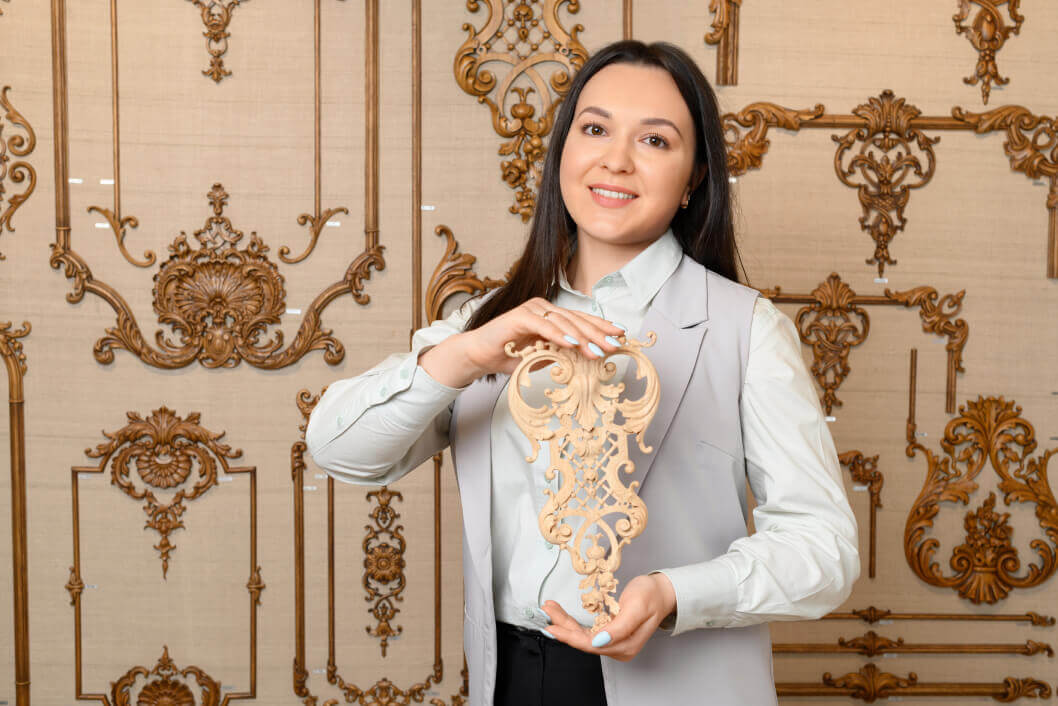
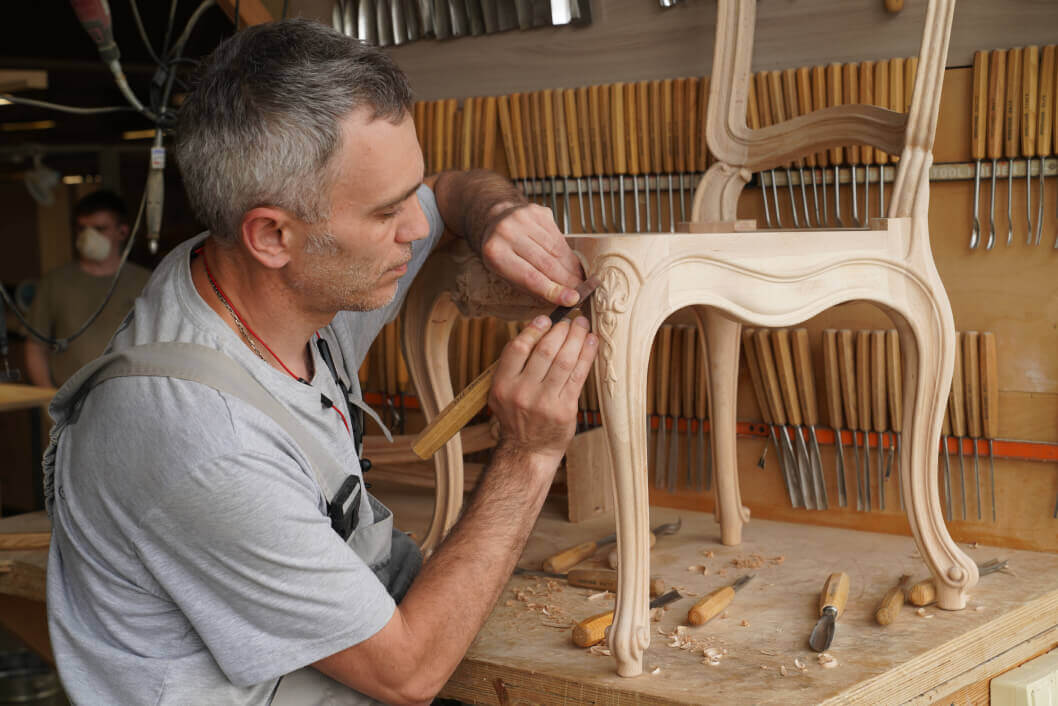
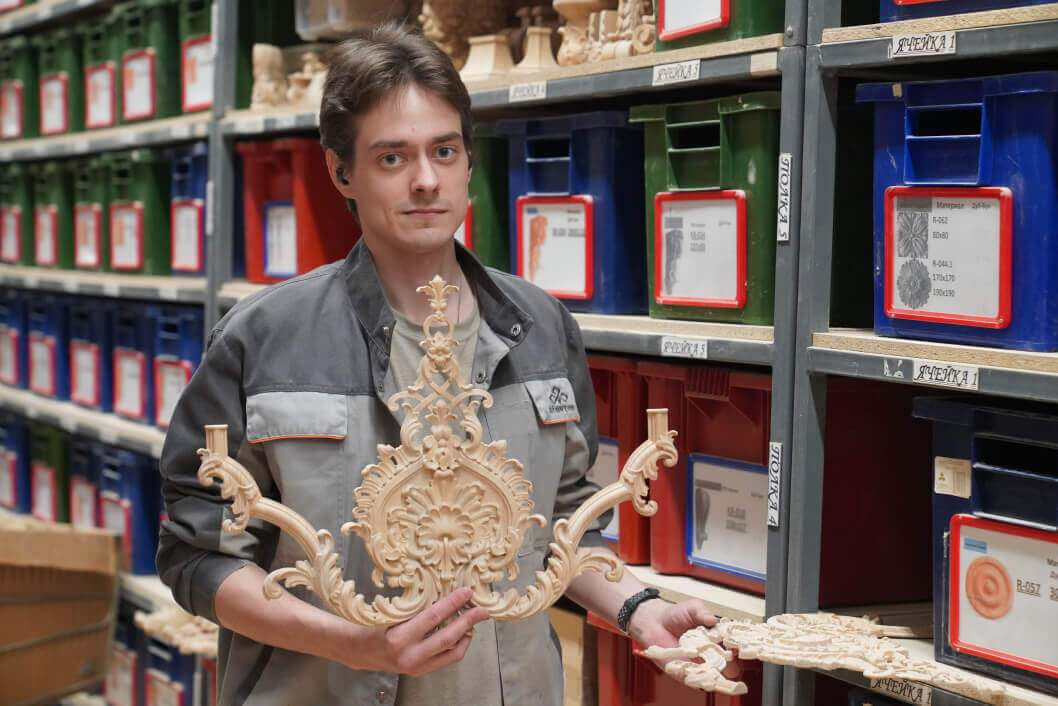
STAVROS Guarantees
Quality of products without complaints
We save your time, peace of mind, and budget
Large warehouse program
We solve your tasks with maximum speed
Adherence to production deadlines
Streamlined process reduces all risks
Delivery from 1 piece throughout Russia
Quality service regardless of order volume
Your positive business reputation
Reliable partner — the foundation of your business
More products from the "Japanandi" collection
Frequently asked questions
Our showrooms are located in Saint Petersburg and Moscow. Production is located in Saint Petersburg.
Moscow contacts: https://www.stavros.ru/contacts_all/?tab=msk
Contacts of Saint Petersburg: https://www.stavros.ru/contacts_all/?tab=spb
- Send request by email [email protected]
- Write to us at Telegram
- Write to us at WhatsApp
- Order by phone +7 (800) 555-46-75
- Visit our showroom in Saint Petersburg and Moscow
Yes, we ship orders throughout Russia and to CIS countries.
We cooperate with transportation companies such as СДЭК and DPD.
You can also arrange pickup of your order through any convenient transportation company for you.
Delivery cost depends on the size, weight of the item, and delivery address.
When placing an order, the delivery cost is calculated automatically and displayed as a separate line on our website.
Prices and availability of items on the website are always current. Data is updated daily.
Note: items in stock are stored on the warehouse in unpolished form and shipped within 3 working days.
If the item is not in stock, average production time: 5–10 working days.
This is the quality of polishing of the items.
Standard — machine polishing, at a more attractive price.
Prestige — detailed hand polishing, items do not require further work.
More details: https://www.stavros.ru/information/kachestvo/
This is the type of veneer of the items.
Under enamel: produced by gluing wooden laminates without color and texture matching. Contrast tonal and textural differences are noticeable. This blank should be chosen if the item is intended for opaque coating.
Under tinting: produced by gluing wooden laminates with color and texture matching. Tonal and textural differences may occur. This blank should be chosen if the item is intended for semi-transparent finish.
More details: https://www.stavros.ru/information/kachestvo/
Beech — dense, non-porous wood, most often used for items covered with enamel.
Oak — dense, porous wood with clearly visible natural grain. Due to its strength and decorative properties, it is often used in items with semi-transparent coating, highlighting the wood pattern.
Custom-made, if non-standard items are required, we can produce products from other types of wood, including blanks provided by the customer, manufactured according to our technical specifications.
All our furniture legs can withstand a vertical load of at least 100 kg.
Average production time for custom-made items: 5–10 working days.
Most items are stored on the warehouse in unpolished form. We need time to polish and pack orders.
Yes, we manufacture non-standard items according to individual projects, but we only accept orders with a minimum quantity.
We can manufacture items of the desired size, but we only work with bulk orders. For details, please consult the sales department manager.
Yes, some of our products can be used outdoors. For example, polyurethane items, as well as carved door casings made of pine.
Other items are produced to order using PUR glue, if minimum quantity is available. No warranty is provided for such products, as outdoor conditions are considered aggressive.
Yes, we paint items when ordering products for a total amount of 150,000 rubles or more.
- Dust removal. After sanding, the surface must be dusted.
- Priming. Apply primer in an even layer.
- Matting. After the primer has fully dried, the surface should be matted (lightly sanded for better adhesion).
- Finish coating. Apply finish coating: lacquer or enamel, in 2 layers, with interlayer drying.
More details: https://www.stavros.ru/information/sovety/
Apply adhesive to the decor. Place it on the surface and press briefly. Then, lift the decor from the surface and leave it open for 3–5 minutes. Press the decor firmly onto the surface and hold for 5–10 seconds.
More details: https://www.stavros.ru/information/sovety/
Ideally, you should prepare a design project before placing an order.
You can do this yourself by downloading drawings of our products from our website, or you can order a project from us.
If the number of decorative elements and fittings is small, our company's manager can assist you with selection.
Unfortunately, this service is not provided.
The packaging method depends on the type of items, but in each case, we ensure sufficient protection for safe transportation.
We most often use corrugated cardboard and stretch film. Fragile items are additionally secured on a rigid base to prevent damage during transport.
We ship all items starting from 1 piece.
Room measurements and item installation can be performed by our partners — carpentry companies represented in most regions of Russia.
Often searched in category Wall Decor
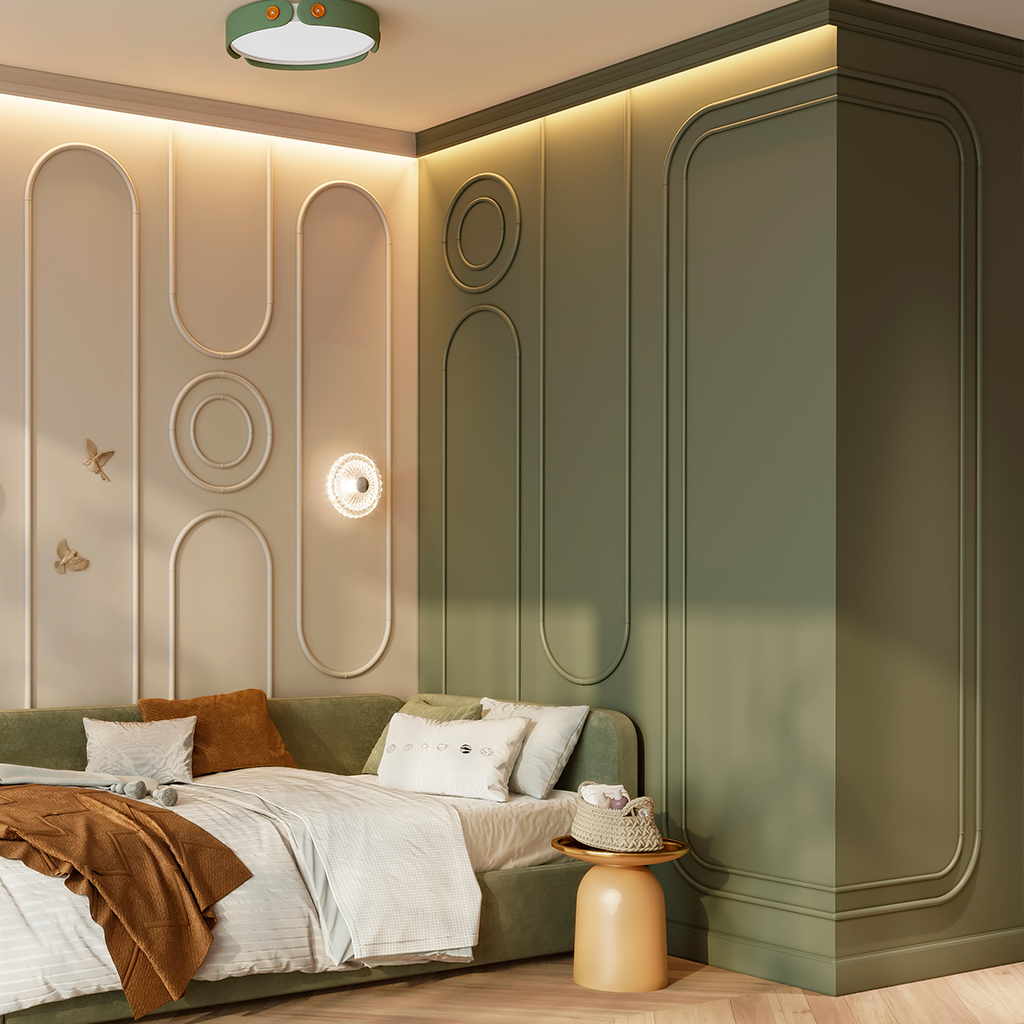
CPU-3-6 Molding Decor Kit — a universal solution for creating a luxurious interior in the Japanandi style
Japanandi Collection — the harmony of Eastern philosophy and Scandinavian functionality
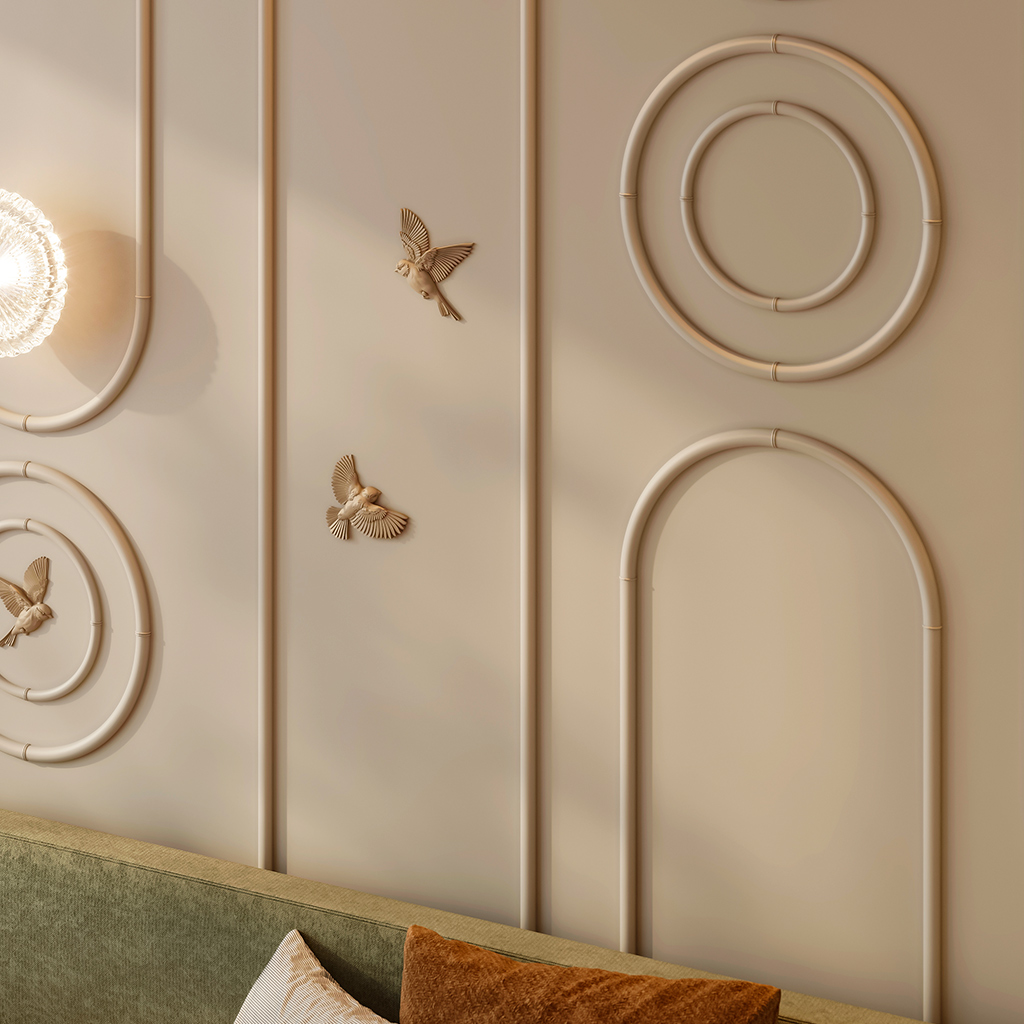
The Japanandi collection by STAVROS embodies a unique synthesis of Japanese aesthetic philosophy and Scandinavian pragmatic design, creating interior solutions for mindful, comfortable living in harmony with the surrounding space. This revolutionary style emerged at the intersection of two great design traditions, organically combining the Japanese pursuit of meditative simplicity and contemplation with Scandinavian functionality, practicality, and the concept of hygge. Each element of the collection is developed with a deep philosophical understanding that true beauty manifests in the purity of lines, restraint of forms, and respect for space. The Japanese tradition of wabi-sabi brings to the collection the fundamental concept of imperfect natural beauty, where simplicity and understatement become the highest expression of artistic elegance. The Scandinavian hygge approach complements this Eastern philosophy with Western practicality and functionality, turning every detail into a meaningful architectural element serving a specific purpose. wall molding in this collection serves as an effective tool for creating visual order, structuring space, and forming a calm, measured rhythm without disrupting the natural lightness and airiness of the room. The design of the elements is carefully built on the principle of perfect balance between visual expressiveness and delicate perception. Moldings of various profiles form a clear geometric structure on the walls, professionally organizing the space without visually suppressing its freedom and openness. Decorative corner details in two sizes become compositional accents of varying intensity, strategically drawing the eye and creating visual nodes in the overall wall decor system. The entire concept is designed so that the decor organically complements the architecture of the room, rather than dominating it or entering into visual conflict with the functional elements of the interior.Detailed specifications of the CPU-3-6 kit
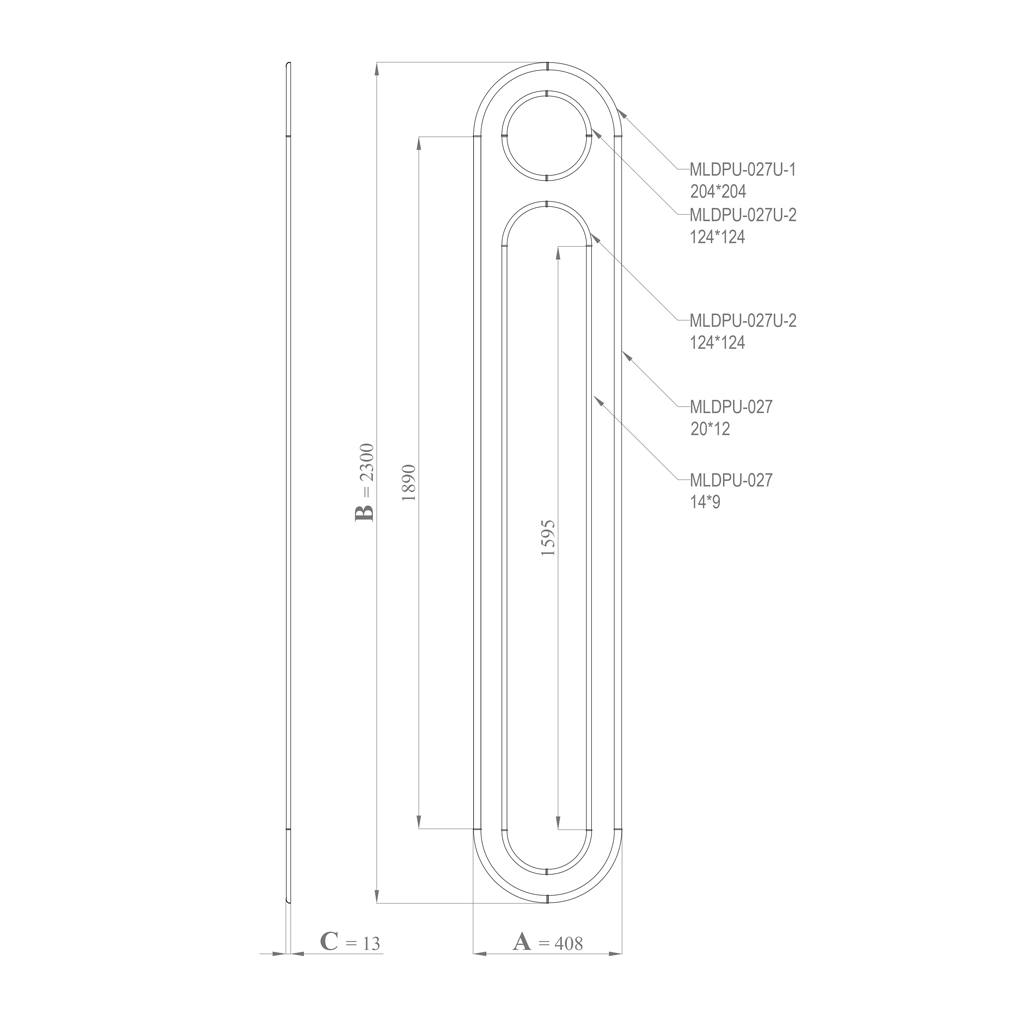
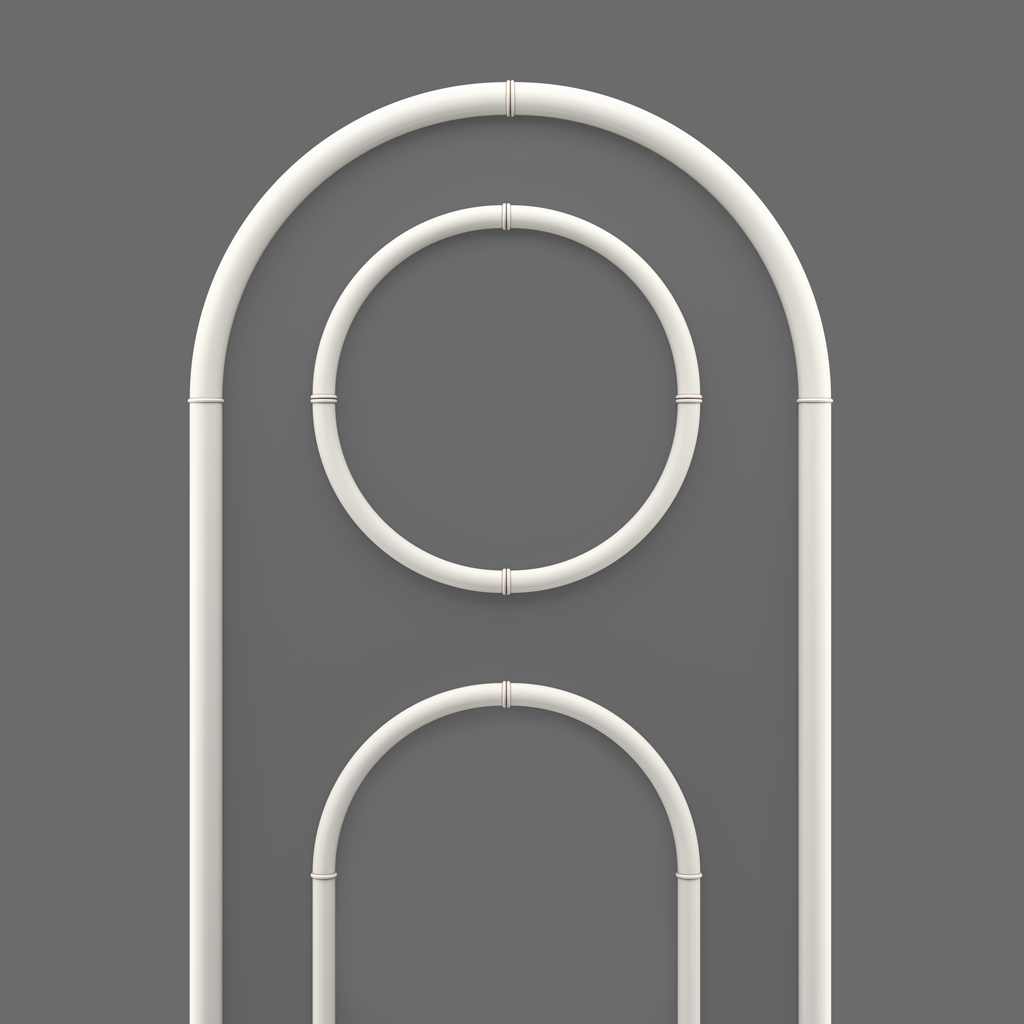
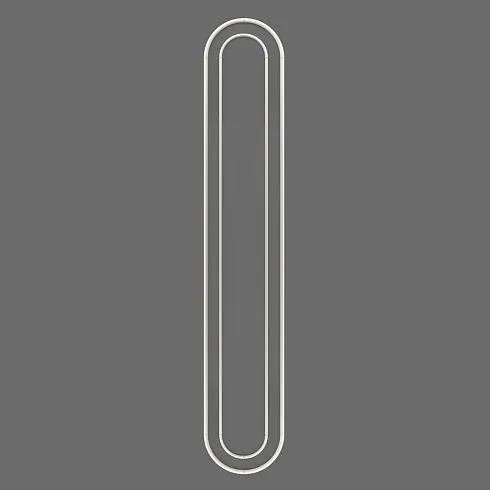
The kit is a carefully balanced system of complementary elements, forming a comprehensive solution for creating complex wall compositions of any level of detail. The foundation of large compositional accents consists of decorative elements MLDPU-027U-1 of an expressive square shape with impressive dimensions of two hundred four millimeters on each side. These large parts have a profile thickness of thirteen millimeters and a relief depth of twenty-three millimeters with an overall length of two hundred eighty-seven millimeters, providing the necessary visual weight and dominant position in the overall composition hierarchy. Additional compositional variability and the possibility of creating multi-level solutions are provided by compact corner elements MLDPU-027U-2 with reduced dimensions of one hundred twenty-four by one hundred twenty-four millimeters. With a profile thickness of ten millimeters and a relief depth of seventeen millimeters, these elements, one hundred seventy-four millimeters long, allow for creating secondary compositional accents, complicating the geometry of wall panels, adding visual depth, multi-layering, and rhythmic variety to the composition. The combination of elements in two sizes opens up the broadest possibilities for creating hierarchical compositions. For forming thin, elegant contour lines and delicate internal divisions, the kit includes MLDPU-027 moldings of an elegant profile measuring fourteen by nine millimeters. Each profile has a standard length of two thousand six hundred millimeters, perfectly matching the typical ceiling height in modern apartments and private houses. The kit includes nine such elegant profiles for creating thin frame structures, internal divisions of decorative panels, and adding visual lightness and graphic clarity to the composition. Completing the system are more massive, expressive MLDPU-027 moldings moldings of an increased profile measuring twenty by twelve millimeters. Sixteen substantial elements, two thousand six hundred millimeters long, are designed for forming the main structural frames of the composition, creating expressive horizontal or vertical wall divisions, framing functional zones, and forming the perimeter of large decorative panels. This thoughtful combination of elements of various sizes and proportions provides virtually unlimited possibilities for implementing design concepts of any complexity and scale.Unique operational properties of polyurethane
Polyurethane as a material for producing interior moldings possesses a unique set of physical and mechanical characteristics, making it an absolutely optimal choice for modern interiors of any style. A key fundamental advantage is the perfect combination of high mechanical strength with minimal specific weight of the products. The material can withstand significant mechanical loads, impacts, and deformations without damage or structural failure, while the exceptional lightness of the elements significantly simplifies the entire process of transportation, moving to floors, and installation, without creating a critical load on wall structures even in old buildings. The absolute water impermeability of polyurethane fundamentally expands the scope of application of decorative products to rooms with extremely high humidity levels and direct contact with water. In a fundamental difference from traditional plaster molding, which irreversibly deteriorates and deforms under the influence of water vapor, condensation, and direct water contact, polyurethane elements maintain absolute stability of geometric dimensions and original shape in bathrooms, showers, kitchens, enclosed loggias, terraces, and even in pool rooms. The material categorically does not absorb water at the molecular level, does not swell or dry out during cyclic changes in the room's humidity regime. The biological inertness of polyurethane at the chemical level completely eliminates the possibility of mold development, fungal infections, and bacterial colonies on the surface of the decor even under unfavorable sanitary conditions. The material does not create a nutritious organic environment for microorganisms of any kind, which is critically important for maintaining a healthy, safe microclimate in living spaces, especially in children's rooms. The pronounced antistatic properties of the smooth surface actively prevent the accumulation of household dust, significantly facilitating regular care for moldings and noticeably improving the overall air quality in the room. The outstanding heat resistance of polyurethane molding allows for absolutely safe placement of decorative elements in close proximity to heating radiators, convectors, built-in spotlights, fireplaces, and other intensive heat sources without the slightest risk of deformation, change in geometry, or emission of harmful substances. The material begins to change its physical properties only at extremely high temperatures above one hundred fifty degrees Celsius, absolutely unattainable in standard domestic operating conditions. The chemical stability of the structure ensures excellent compatibility with any types of modern paints, adhesive compounds, and finishing decorative coatings used in professional interior finishing.Areas of application for the CPU-3-6 kit in residential interiors
The versatility and exceptional functional flexibility of the extended kit allow it to be used for professional decoration of rooms of the most varied functional purposes and stylistic directions. In living rooms and formal reception areas, complex multi-level decorative panels made of moldings and corner elements create a genuinely representative, respectable atmosphere, visually enriching the interior without excessive pomp, extravagance, or palatial luxury. Geometric compositions of varying complexity effectively structure extensive wall planes, making the space more organized, thoughtful, visually comfortable, and psychologically balanced. Bedrooms acquire a special, unique atmosphere of intimacy, tranquility, and relaxation thanks to delicate, exquisite wall decor in the philosophy of the Japanandi style. Moldings does not overload the space intended for deep rest and recovery, but creates a soft, calming, meditative visual rhythm. Moldings of various profiles can form an elegant multi-level panel behind the bed headboard, creating an expressive architectural accent without the use of massive structures, heavy materials, or complex engineering solutions. Symmetrical or asymmetrical compositions on side walls add visual balance, philosophical harmony, and psychological equilibrium to the room. Home offices and studies acquire a professional, respectable appearance thanks to the strict geometric lines of multi-level wall decor. A clear, structured composition actively contributes to concentration, increased intellectual productivity, and creates a serious business atmosphere conducive to effective work. In dining and kitchen areas Moldings can effectively frame the dining area, visually separating it from the culinary workspace, or highlight niches, built-in cabinets, sideboards, and display cases, organically integrating functional elements into the overall decorative concept of the room. Hallways and corridors, traditionally neglected in interior design, are transformed into elegant, formal transit spaces that set the stylistic tone for the entire apartment or house. Vertical compositions of moldings of varying thickness visually significantly increase ceiling height, effectively compensating for the psychological feeling of tightness in narrow rooms. Horizontal division of walls with moldings creates visual width and spatial expanse, making corridors significantly more comfortable for perception and movement. Even auxiliary technical rooms — dressing rooms, laundry rooms, storage rooms — can achieve stylistic unity with the main living areas through the use of elements from the Japanandi collection.Compositional options for using the CPU-3-6 kit
A traditional and most common classic technique for using moldings is creating wall panels of rectangular or square shape in various sizes, proportions, and levels of complexity. Massive profiles of increased cross-section form the external dominant perimeter of the panels, creating a clear visual frame and compositional boundary; elegant, thin moldings create internal delicate divisions; and decorative corner details in two sizes are placed at strategic points — corners, central zones, or intersection points — forming visual accents of varying intensity and compositional nodes of different scales. Such a multi-level solution gives the walls pronounced architectural depth and spatial volume, creating a complex, expressive interplay of natural and artificial light and shadow. Vertical orientation of moldings of various profiles demonstrates particular effectiveness in rooms with low ceilings that require visual correction of unfavorable proportions. Upward-striving parallel or radially diverging lines visually significantly increase the height of the room, making it more spacious, formal, airy, and psychologically comfortable. One can create a series of narrow vertical panels of varying widths, reminiscent of classic traditional paneled wall division, or wide decorative pilasters convincingly imitating the architectural load-bearing elements of classic palace interiors. Large corner elements with this solution are placed in the upper and lower parts of the composition, creating visual anchor points and compositional closure. The horizontal arrangement of profiles of varying thickness visually expands the walls and creates a pronounced, stable sense of stability, reliability, and solidity in the interior. This proven technique is ideal for narrow, elongated rooms that require correction of disproportionate, unfavorable geometry. The wall can be divided into two, three, or four horizontal tiers of varying heights, using different colors, shades, textures, or types of finishing materials in each functional zone to enhance the decorative effect and visual diversity. The lower part is traditionally made darker, more saturated, and practical, the upper part — light, airy, and visually lightened, and Moldings create an elegant visual boundary between functional zones. Complex multi-level compositions using all elements of the kit open up practically limitless creative possibilities for professional designers and passionate enthusiasts. Compositions with several levels of depth can be created, where large panels are framed by massive moldings, medium panels with thin profiles are placed inside them, and small corner elements create additional accents at intersection points. Asymmetrical dynamic compositions, where decorative elements of various sizes are deliberately offset from the central axis and create visual tension, add modernity, individuality, and a memorable character to the interior. Radial and diagonal compositions, requiring artistic flair and design experience, create particularly expressive and unconventional solutions.Professional installation technology for stucco decor
Successful installation of the extended kit begins with a thorough, detailed preparatory stage, including mandatory acclimatization of the material to the specific conditions of the room. All elements without exception must be in the room at a stable room temperature of eighteen to twenty-five degrees Celsius for at least forty-eight hours before the start of installation work. This allows the polyurethane to fully adapt to the temperature and humidity regime of the specific room and guaranteed eliminates subsequent thermal deformation after installation. The relative humidity of the air should be in the optimal range of forty to seventy percent to ensure the best performance of adhesive compounds and achieve maximum bond strength. Preparation of wall surfaces requires special professional attention and exceptional thoroughness, as the quality of the substrate directly determines the durability, reliability, and aesthetic quality of the decor. Walls must be carefully leveled with plaster or drywall systems, completely cleaned of dust, construction contaminants, grease stains, and peeling old coatings. Loose, poor-quality plasters must be reinforced with special deep-penetration primers; old wallpaper and unstable decorative coatings must be completely removed mechanically down to a solid, stable substrate. Surfaces must be absolutely dry — installation on damp or moistened substrates is strictly unacceptable, as this inevitably leads to rapid delamination of polyurethane elements. Detailed marking of the complex composition is performed using a high-precision laser or traditional bubble level to ensure perfect horizontality and verticality of all lines on all walls of the room. It is highly recommended to first create a detailed scaled sketch of the composition on graph paper or in a professional graphic editor, carefully calculating all dimensions, proportions, and the exact placement of elements of various types. Thin pencil lines are applied to the walls, clearly indicating the installation locations of moldings of various cross-sections and corner details of different sizes. Special critical attention must be paid to the symmetry of the composition relative to the central vertical axis of the wall or key functional elements of the room — windows, doorways, fireplaces, built-in furniture. Installation of elements is carried out using specialized professional adhesive for polyurethane stucco, ensuring maximum adhesion to various types of substrates and fast, reliable initial setting. The adhesive is applied to the back of the element in an even dotted line, serpentine, or a solid thin layer using a notched trowel of appropriate size. The part is carefully pressed against the wall strictly according to the markings and held in the correct position for several minutes until the initial setting of the adhesive composition is achieved. For particularly heavy, large elements, additional temporary fixation with wide painter's tape or special mounting dowels is highly recommended, which are carefully removed after the adhesive has completely and finally dried.Color solutions and finishing techniques
Polyurethane stucco is supplied in a universal neutral white color, serving as an ideal basis for implementing any color solutions and the boldest design concepts. Snow-white decor creates a classic, elegant contrast with colored painted walls, visually clearly structuring the space and adding graphic clarity and architectural expressiveness to it. This traditional option is particularly in line with the Scandinavian component of the Japandi style, where pure white symbolizes purity of intention, spatial expanse, abundance of natural light, and visual freedom. Unpainted white Moldings looks fresh, modern, and timeless, requiring no additional financial costs for decorative finishing. A monochrome, single-color solution, where moldings and corner elements are painted in the identical color of the walls, creates a refined, complex effect of volumetric relief, manifested exclusively through the subtle play of natural daylight and artificial evening light and shadow. This intellectual approach significantly enhances the tactility of the interior and creates a complex, multi-layered visual perception of space, where the decor either completely dissolves into the wall plane or distinctly emerges as the angle of lighting changes throughout the day. The philosophy of the Japandi style is characterized by natural muted shades of natural materials — warm gray-beige, golden sandy, noble soft gray, calming olive, earthy terracotta — creating a warm, calming, meditative atmosphere. Contrasting two-color painting allows for maximum clarity in highlighting the complex architecture of a multi-level composition and creating an expressive, graphic solution for a modern interior. Dark, saturated moldings on light, neutral walls form an active geometric grid, attracting attention and becoming the dominant central decorative element of the room. The reverse, inverse solution — light or white profiles on a saturated, dark, dramatic background — creates a softer, more delicate effect, preserving spatial structuring with less visual aggression. Exquisite semi-tone gradient transitions can be used, where Moldings are painted two or three tones lighter or darker than the main wall color. Complex multi-color painting opens up additional broad possibilities for creating unique authorial solutions. Large corner elements can be painted in one accent color, massive moldings in another base color, thin profiles in a third complementary color, creating a complex color score. Decorative artistic painting techniques open up additional possibilities for interior individualization. Patination creates an exquisite effect of noble historical antiquity, where a darker, contrasting pigment intentionally accumulates in the recesses of the relief, expressively emphasizing the volume of the elements. The dry brush technique allows for a light, semi-transparent coating of a contrasting color on the protruding parts of the profile. Metallic coatings — golden, silver, bronze, copper, steel — can be used very sparingly to create delicate accents.Combination with various finishing materials
Polyurethane decor demonstrates exceptional universal compatibility with the widest range of modern and traditional finishing materials. Combination with decorative paints of various types, compositions, and textures allows for practically limitless diversity of visual effects. Matte paints perfectly emphasize the philosophical restraint of the Japandi style, creating a pleasant, velvety tactile surface without reflective highlights. Semi-matte coatings with a medium degree of gloss add a light, noble silky sheen, significantly enriching visual perception and adding refinement to the interior. Within the framing molding various close shades of one color can be used, creating smooth tonal gradient transitions from more saturated in the lower part of the wall to lighter and airier in the upper part. Wallpaper in all its stylistic and technological diversity becomes a wonderful harmonious partner for stucco from the Japandi collection. Moldings can elegantly frame areas with patterned, textured, or photographic wallpaper, creating effective picture panels against a background of monochrome neutral painted walls. Particularly interesting are premium textile wallpapers with natural plant motifs — delicate botanical prints, abstract organic patterns, imitations of natural materials — bamboo, rice paper, linen fabric, coarse burlap. Frame constructions made of moldings turn these fragments into independent decorative artistic objects, effectively structuring the space and creating visual accents. Decorative plasters of various textures, compositions, and application techniques create an interesting, expressive material contrast with the perfectly smooth lines of polyurethane profiles. Venetian plaster with its deep, polished marble sheen, framed by strict geometric moldings, forms luxurious, exquisite panels, harmoniously combining classical elegance with minimalist modern form. Textured relief plasters with a pronounced tactile surface, imitating natural untreated stone, industrial concrete, or coarse textured fabric, enclosed in clear geometric frames, create tactilely rich, multi-level compositions that correspond to the Japandi concept of the importance of natural materials. Wooden panels, clapboard, and laminate on walls can be organically complemented by polyurethane elements, forming transition zones and decorative framings. Moldings create a visual separation between the wooden lower paneled part of the wall and the painted or wallpapered upper part, forming an elegant classic panel solution. Wooden inserts can be effectively framed with moldings of various cross-sections, creating a visual effect of built-in deep panels or decorative screens. The combination of the natural organic warmth of natural wood with the geometric rational clarity of polyurethane profiles perfectly corresponds to the fundamental philosophy of Japandi with its reverence for natural materials and geometric ordering of space.Practical functions of multi-level decor
In addition to the obvious decorative aesthetic role, moldings and corner elements perform a whole range of important practical functions in organizing the interior. Concealing defects and imperfections of wall surfaces becomes one of the primary practical tasks, especially relevant in old housing stock. Irregularities in the plane, cracks of varying depths, joints of various finishing materials, traces of old utilities are effectively hidden under decorative elements, allowing for a visually flawless result without costly and labor-intensive capital leveling of walls with plaster systems. This is especially relevant in historical buildings and Stalin-era constructions, where ideal wall condition requires colossal financial investment. Concealed routing of modern utility lines represents another important practical function of moldings in a technologically advanced modern interior. Electrical power and low-current cables, internet wires, television antenna cables, smart home and home theater system wires can be neatly routed along walls under decorative elements or inside special hollow cable channels. This allows for complete avoidance of destructive, dusty wall chasing and preserves convenient accessibility of utilities for technical maintenance, repair, or subsequent system upgrades. Visual correction of unfavorable geometric proportions of a room is achieved through the strategic use of vertical and horizontal lines of varying thickness and intensity. Vertical moldings visually and radically increase the perceived height of ceilings, making the room more spacious, airy, and psychologically comfortable for prolonged stays. Horizontal profiles visually expand narrow walls and create a stable sense of greater area and spatial expanse. Diagonal elements, used with caution and professional artistic flair, can correct the perception of disproportionate rooms of irregular shape. Zoning of open space without constructing massive physical partitions becomes possible thanks to thoughtful multi-level decorative compositions on the walls of various functional zones. In modern studio apartments and open-plan spaces, different decorative solutions on the walls clearly denote functional zones — living room, dining room, study, library, relaxation area. This creates the necessary psychological comfort and visual organization of the space while preserving its physical openness, visual connectivity, and free air circulation.Care and durability of polyurethane elements
Polyurethane stucco is exceptionally low-maintenance in everyday use and retains its initial aesthetic and functional characteristics for many decades of intensive use. Regular basic care consists of simple dry cleaning with a soft, lint-free cloth made of high-quality microfiber or a household vacuum cleaner with a soft brush attachment. The smooth, non-porous surface of the material categorically does not accumulate household dust and dirt due to pronounced anti-static properties, which significantly reduces the frequency of necessary regular maintenance procedures. It is sufficient to wipe the elements once a week during standard general room cleaning. Wet cleaning is permitted and actively recommended when more thorough deep cleaning of the surface from stubborn dirt is necessary. Soft, neutral cleaning agents without hard abrasive particles and aggressive chemical components are used. Polyurethane demonstrates outstanding resistance to the vast majority of household cleaning agents; however, it is strongly recommended to categorically avoid organic solvents and aggressive agents based on acetone, which can irreversibly damage the painted decorative surface. Painted elements can be periodically refreshed with a fresh coat of modern paint to revitalize the visual appearance of the interior or radically change the color concept of the room in accordance with changing trends. The surface of polyurethane has excellent natural adhesion to water-based, acrylic, and latex paints from various manufacturers. Before applying a new coat of paint, light surface sanding with fine-grit sandpaper is recommended to improve the mechanical adhesion of the coating. In case of accidental mechanical damage to individual elements during operation or furniture rearrangement, quick local restoration is possible without the need to dismantle and replace the entire complex decorative structure. Small chips and dents are carefully filled with high-quality acrylic putty, after which the surface is thoroughly sanded with fine sandpaper and painted exactly to match the tone of the main coating. With strict adherence to professional installation technology and proper, careful operation, the decor from the Japandi collection serves practically indefinitely, becoming a permanent element of the interior for decades.Ecological safety and health
Modern strict environmental requirements for interior materials include not only aesthetic and functional characteristics but also absolute safety for human health and the environment. European-produced polyurethane, used in the manufacture of STAVROS stucco, is a completely inert, chemically stable, safe material that categorically does not emit volatile organic compounds, formaldehyde, or other toxic substances into the atmosphere of a living space even when heated. All products have undergone strict multi-stage certification testing and fully comply with the most stringent international sanitary and hygienic standards for residential materials. The complete absence of toxic components in the chemical composition makes polyurethane stucco absolutely safe for use in children's rooms, newborn bedrooms, rooms for people with heightened chemical sensitivity, and allergy sufferers of various types. The material categorically does not cause allergic reactions, skin irritations, and does not negatively affect indoor air quality. This is especially critically important in the context of modern airtight, energy-efficient structures with limited natural air exchange and recuperative ventilation systems. The biological inertness of polyurethane at the molecular level completely excludes the possibility of mold, fungi, and pathogenic bacteria developing on the surface of the decor even under unfavorable sanitary operating conditions. The material does not create a nutritious organic environment for microorganisms of any kind even under conditions of consistently high humidity. The pronounced anti-static properties of the smooth surface actively prevent the accumulation of household dust, which significantly improves the hygienic characteristics of the room and radically reduces the allergen load on people with bronchial asthma and respiratory allergies. The exceptional durability of the material fully corresponds to modern principles of sustainable, responsible consumption and eco-friendly lifestyle. Once professionally installed, the stucco serves for many decades without the need for replacement, which radically reduces the consumption of natural resources and minimizes the generation of construction waste. The possibility of multiple repainting allows for a radical update of the visual appearance of the interior without dismantling and disposal of elements. At the end of its long service life, polyurethane can be effectively recycled within circular economy programs.Advantages of the extended kit solution
The extended CPU-3-6 kit represents a maximally complete professional solution for creating complex multi-level compositions in the relevant Japandi style. The harmonious combination of elements of various sizes and proportions allows for the implementation of design concepts of any complexity. The presence of corner elements in two sizes and moldings in two cross-sections opens up practically limitless compositional possibilities. Time savings on design and element selection become an obvious advantage for professional designers and private clients.The versatility of the kit's application allows it to be used in rooms of any size and purpose — from compact city apartments to spacious country residences. The modular structure of the set allows for easy scaling of the solution, adding additional elements when necessary for decorating several rooms. The stylistic unity of all elements in the collection ensures visual harmony of the interior. Long-term economic efficiency is determined by decades of impeccable service without operational costs.
The CPU-3-6 stucco decor kit is a universal professional solution for creating an exquisite modern interior in the relevant Japandi style, harmoniously combining aesthetic expressiveness with outstanding practicality and exceptional durability of premium European-quality polyurethane materials manufactured by STAVROS.
Your request has been sent!
Our manager will contact you within 5 minutes