












































































Article Contents:
- Wood as a living material: understanding fundamentals for proper selection
- Biology of wood in the context of creativity
- Anatomical features of different species
- Influence of Growing Conditions on Wood Quality
- Species classification: choosing the ideal partner for creativity
- Coniferous species: accessibility and universality
- Softwood species: comfort in working
- Hardwood species: challenge to craftsmanship
- Technological aspects: from raw material to finished material
- Modern logging methods
- Innovative drying technologies
- Wood stabilization and modification
- Blank formats: from simple boards to complex profiles
- Basic size lumber
- Sheet Materials Based on Wood
- Profiled blanks
- Choosing blanks for specific projects: practical guide
- Analysis of Functional Requirements
- Aesthetic considerations
- Technological limitations
- Material processing and preparation
- Acclimatization: adapting to workshop conditions
- Moisture control: foundation of stability
- Defect removal and preparation for work
- Tools and processing technologies
- Hand tools: traditions and modernity
- Power tools: performance and precision
- Machine tools: professional level
- Economic aspects of creative work with wood
- Project Budget Planning
- Material usage optimization
- Investment in Tools
- Industry Development Prospects
- Technological Innovations
- Ecological trends
- STAVROS: leader in the world of creative wood materials
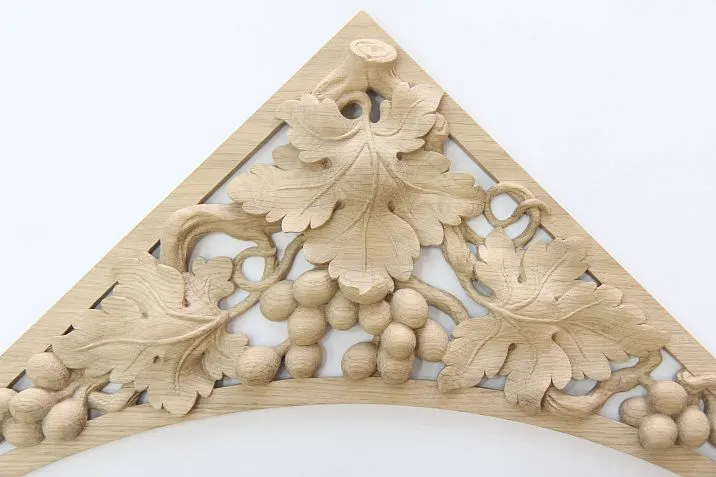
Creativity is the language of the soul, speaking without words, conveying emotions through touch, creating beauty from simple materials. In a world where digital technologies are capturing more and more spheres of life, working with natural materials by hand becomes a unique island of authenticity, a place where time slows down, and thoughts become clear. Wood blanks for creativity It is not just raw material for crafts, but a bridge between concept and its material embodiment, between dream and reality.
Why is wood still a favorite among creative materials? The answer lies in its unique combination of properties, which nature has perfected over millions of years. Warm to the touch, pleasant aroma, living texture — all of this creates a special atmosphere for creativity. Each growth ring tells its own story, and every branch imparts a unique character to the future product.
But choosing the right blank is an art requiring knowledge and experience. The species of wood affects not only the aesthetic qualities of the finished product but also its processing difficulty, durability, and ability to realize a specific design. An error in material selection may result in hours of lost time, ruined mood, and unsatisfactory results.


Wood as a living material: understanding the basics for the right choice




Biology of wood in the context of creativity
To effectively use wood in creative projects, it is necessary to understand its biological nature. Wood is a living system that continues to 'work' even after felling. The cellular structure of wood determines its mechanical properties, behavior during processing, tendency to crack and warp.
Early wood forms in spring when the tree is actively growing. Cells are large, thin-walled, and contain much moisture. This part of the annual ring is softer, easier to process, but less strong.
Late wood forms in summer and autumn when growth slows. Cells are small, thick-walled, and densely packed. This part provides the main strength of the wood, but is harder to process.
The ratio of early to late wood determines many material properties. In fast-growing trees, early wood predominates — the material is light, soft, but less strong. Slow growth yields dense, hard wood with high mechanical characteristics.
Our factory also produces:


Anatomical features of different species
Coniferous species have a relatively simple structure. Tracheids — long cells performing conducting and mechanical functions — form the basis. This ensures good workability of the material in any direction.
Resin canals are a characteristic feature of conifers. They contain resin that protects wood from moisture and biological damage, but may cause problems during finishing. The resin prevents adhesion of varnishes and paints, leaving stains on light finishes.
Broadleaf species have a more complex anatomy. Vessels for water transport, fibers for mechanical strength, parenchyma cells for nutrient storage — each cell type affects the properties of the wood.
Ring-porous species (oak, beech, elm) have large vessels in early wood, creating a characteristic contrasting texture. Diffuse-porous species (birch, beech, maple) have a more uniform structure with evenly distributed small vessels.
Get Consultation
Influence of growing conditions on wood quality
Climate conditions during wood formation significantly affect its properties. Northern forests produce dense, fine-grained wood with high strength characteristics. Southern regions produce more porous, coarse-grained wood with pronounced texture.
Soil conditions affect the mineral composition of wood, which is reflected in its color and density. Trees grown on rich soils have more vibrant coloring and pronounced texture.
Stress factors — drought, frost, disease — leave marks in the wood structure. Moderate stress can improve mechanical properties, excessive stress — lead to defects.
Species classification: choosing the ideal partner for creativity
Coniferous species: accessibility and versatility
Common spruce — a classic choice for both beginner craftsmen and experienced professionals. Soft, easily processed by any tools, has a pleasant resinous aroma. The contrasting texture with clear separation of early and late wood creates an expressive pattern.
The density of spruce ranges from 400-600 kg/m³ depending on growing conditions. Northern spruce is denser and stronger than southern spruce, but harder to process. Resin provides natural protection against moisture and biological damage.
The drawbacks of spruce are linked to its advantages. Resin may exude when heated, causing problems during finishing. The softness of the material limits the ability to create fine details and sharp edges.
European larch has a lighter color and more uniform structure. Lower resin content makes larch preferable for food-contact items. Excellent resonant properties explain its popularity in musical instrument making.
Larch structure is more uniform than spruce, ensuring even processing. Knots are usually small and healthy, not causing problems during work. Wood color ranges from white to light yellow with a pinkish tint.
Siberian larch — a unique coniferous species with broadleaf density. High resin content and special chemical composition make larch practically immune to rot. Attractive reddish hue and expressive texture are highly valued in decorative items.
Larch requires special handling due to its high density and resin content. Tools must be very sharp, and processing speeds — moderate. Yet the result exceeds expectations — items last decades without losing appearance.
Soft broadleaf species: comfort in work
Linden — a traditional material for Russian woodcarvers. Exceptionally soft, cuts cleanly in all directions without splintering, holds the finest details. Practically odorless and tasteless, which is important for kitchenware and children’s toys.
Uniform fine-pored structure of linden ensures a smooth surface after any processing. Color ranges from white to cream, may slightly darken to golden over time. Density 350-450 kg/m³ makes linden one of the lightest species.
Drawbacks of linden — low strength and resistance to external influences. Items require mandatory protective finishing when used under harsh conditions.
Poplar is similar to linden in properties but has less pronounced texture. Used for making carving bases, furniture frames, and packaging materials. Low cost makes poplar attractive for educational projects.
Black alder has a beautiful color — from light pink to reddish-brown. It is soft, easy to work with, stains and polishes well. Traditionally used to imitate valuable wood species.
Hardwood species: a challenge to craftsmanship
Oak (Quercus robur) — the king among construction and furniture woods. High density (600–800 kg/m³), exceptional strength, noble texture with large medullary rays. High tannin content provides natural wood preservation.
Solid Wood Items Oaks serve for centuries without losing their functional and aesthetic qualities. Color varies from light yellow to dark brown depending on growing conditions and processing.
Processing oak requires quality tools and specific skills. High hardness quickly dulls cutting edges; tannins can stain metal and cause corrosion when in contact with iron.
European beech attracts with uniform structure and ability to achieve ideal surface finish. Small pores are evenly distributed across the entire cross-section, eliminating differences in workability between different areas.
Beech stains easily in any color and accepts various finishes excellently. After steaming, it bends well, used in bent furniture production. Density 650–750 kg/m³ ensures high mechanical properties.
Ash combines the strength of oak with elasticity. High impact toughness makes ash indispensable for sports equipment and tool handles. Contrasting texture is striking in large items.
Ash color ranges from white to light brown with a grayish tint. Clearly defined annual rings create an attractive pattern, especially noticeable on radial cuts.
Technological aspects: from raw material to finished material
Modern logging methods
Wood quality is established even in the forest. Time and method of felling critically affect the properties of the finished material. Winter felling is preferable, as the tree is in dormancy, with minimal moisture and nutrient content in the trunk.
Lunar phase also affects wood quality. Felling during the waning moon yields material with superior characteristics — less prone to cracking and biological damage. Modern science explains this effect as a change in internal pressure within the trunk.
The method of felling determines the distribution of internal stresses in the trunk. Directional felling using wedges minimizes damage and ensures even stress distribution.
Innovative drying technologies
Traditional atmospheric drying takes months or years but preserves the natural qualities of wood best. Modern accelerated methods yield finished material in weeks but require precise adherence to regimes.
Kiln drying under controlled conditions allows obtaining material with specified moisture content and minimal deformations. Computer control maintains optimal parameters of temperature, humidity, and air circulation.
Vacuum drying occurs under reduced pressure, allowing lower process temperatures and eliminating thermal damage to wood. Particularly effective for valuable and delicate species.
Radio frequency drying uses energy from a high-frequency electromagnetic field to uniformly heat the entire volume of wood. Moisture is removed from the inside out, preventing surface cracks and internal stresses.
Wood stabilization and modification
Modern technologies allow improving the natural properties of wood or imparting new qualities.
Thermal modification at 160–220°C alters the chemical structure of wood. Hemicellulose partially decomposes, reducing the material’s hygroscopicity. Simultaneously, color changes — from light brown to dark chocolate.
Thermowood has dimensional stability 5–10 times greater than ordinary wood, absorbs little moisture, and is resistant to biological damage. The drawback is some reduction in strength, especially impact toughness.
Impregnation with polymer compounds transforms wood into a material with unique properties. Monomer penetrates the wood structure and polymerizes under catalysts or radiation. The result is a composite combining the beauty of wood with the strength of plastic.
Stabilized wood does not change dimensions with humidity fluctuations, has increased hardness and density, is easy to process and polish to a mirror finish.
Lumber formats: from simple boards to complex profiles
Basic size lumber
Planks are a universal material for most creative projects. Standard thicknesses of 16, 19, 22, 25, 32, 40, 50 mm cover needs ranging from thin decorative panels to massive structures. Moldings, cornices, baseboards are often made specifically from boards of the appropriate thickness.
Board widths vary from 75 to 200 mm and more. Narrow boards are more stable but require more joints. Wide boards look more dramatic but tend to warp with humidity changes.
Board lengths are limited by the dimensions of the raw material and transportation capabilities. Standard lengths from 1.0 to 6.0 m with increments of 0.1–0.5 m.
Square or rectangular-sectioned blocks are used for frames, turning, and carving. Dimensional range from 20×20 to 100×200 mm and larger. Dimensional accuracy is critically important for tight element connections.
Small-sectioned strips (10×10 — 40×60 mm) are used in decorative lattices, paneling, and mosaic compositions. Require particularly careful drying due to their small cross-sectional dimensions.
Wood-based sheet materials
Plywood is a multi-layer material made of veneer, glued with cross-oriented fibers. Combines the beauty of natural wood with the stability of engineered material. Thicknesses from 3 to 40 mm allow solving various structural tasks.
Birch plywood FC has high-quality face layers and eco-safe glue. Water-resistant plywood FSP uses stronger but less eco-friendly glue based on formaldehyde resins.
Solid wood furniture panels are laminated along the face and edges. Preserve all advantages of solid wood while offering significantly greater dimensional stability. Thicknesses of 18–40 mm are optimal for furniture projects.
Cabinet panels have a core of coniferous lumber strips and a veneer of valuable species. Combine economic efficiency with an attractive appearance.
Profiled blanks
Modern technologies allow manufacturing blanks with complex profiles, ready for assembly or requiring minimal finishing.
Turned blanks — cylinders, cones, spheres of various sizes — save time on rough machining. High dimensional accuracy is ensured by modern CNC turning machines.
Milled profiles include all kinds of moldings, cornices, baseboards, inlays, veneers. Profile complexity is limited only by the capabilities of milling equipment.
Bent-and-glued elements allow creating curved details without weakening the structure through end joints. The technology requires special equipment but offers unique design possibilities.
Choosing blanks for a specific project: practical guide
Analysis of functional requirements
Every creative project imposes specific material requirements. Garden sculptures must withstand temperature fluctuations and atmospheric precipitation. Kitchenware must not absorb odors or stain food. Children’s toys must be absolutely safe for health.
Mechanical loads determine material strength requirements. Load-bearing elements require high compressive and bending strength. Components subjected to tension must have a straight-grained structure without knots or other defects.
Climate-related influences include temperature and humidity fluctuations, ultraviolet radiation, and atmospheric precipitation. For outdoor use, species with high extractive content or specially treated materials are preferred.
Biological threats — fungi, bacteria, insects — are especially dangerous in humid conditions. Natural biostability varies among species by dozens of times.
Aesthetic considerations
Material appearance often determines the success of a creative project. Color, texture, and wood grain pattern must match the artistic concept and harmonize with the surroundings.
Wood color ranges from white (linden, spruce) to black (wenge oak, ebony). Most species have warm tones — yellow, brown, reddish. Exotic species may have unusual colors — purple (amaranth), green (zebrano).
Wood texture is determined by the size and arrangement of anatomical elements. Fine-grained species (oak, maple) yield smooth, uniform surfaces. Coarse-grained (oak, ash) create expressive relief.
Grain pattern depends on the direction of cutting. Radial cuts yield striped patterns from growth rings. Tangential cuts produce parabolic or oval figures. The butt end may have a swirling texture with unique patterns.
Technological limitations
The capabilities of available tools and equipment determine material selection. There is no point in purchasing hard exotic species if only basic hand tools are available.
Workability varies among species by several times. Soft species are easy to cut but prone to tear-out and chipping. Hard species yield clean surfaces but require significant effort and quickly dull tools.
Adhesiveness depends on density, porosity, and extractive content. Resinous coniferous species require pre-treatment to remove oils. Dense tropical species require special adhesives.
Finishing properties influence the choice of final coatings. Open-pored species require priming or pore filling. Oily species (teak, rosewood) hinder coating adhesion.
Material Processing and Preparation
Acclimatization: Adaptation to Workshop Conditions
Wood delivered from production or storage requires adaptation to workshop conditions. Changes in temperature and humidity cause deformations that may manifest at the most inconvenient moment.
The acclimatization period depends on material thickness and condition differences. Thin blanks stabilize within 2-3 days, while thick ones may require a week. — are not just raw materials for production, but the foundation for realizing the most daring creative ideas, the basis for creating works that will delight generations. Must be stored under conditions close to those of the future product's operation.
Proper material placement during acclimatization prevents deformations. Boards are laid on spacers with a spacing no greater than 600 mm, and the stack is loaded from the top to prevent warping.
Humidity Control: Foundation of Stability
Wood moisture is a critical parameter determining material behavior during processing and use. For indoor applications, optimal moisture is 8-12%, for outdoor — 12-15%.
Moisture measurement is performed using electronic moisture meters employing various physical principles. Pin-type meters measure wood’s electrical resistance, non-contact meters measure dielectric properties.
Drying over-moistened wood in workshop conditions is possible but requires caution. Forced drying leads to cracking and warping. Optimal rate — no more than 1% moisture per day.
Defect Removal and Preparation for Work
Even high-quality material may have local defects that must be removed before starting work.
Surface contaminants are removed by light abrasive sanding with P120-P150 grit. Deep stains may require chemical bleaching or removal of the affected layer.
Small knots are often left as decorative elements. Loose knots are removed, and holes are filled with plugs made from the same wood species.
Cracks and delaminations are filled with specialized putties or wood flour-based adhesive compounds. Large defects may require insertions made from solid wood.
Tools and Processing Technologies
Hand Tools: Tradition and Modernity
Working with hand tools provides full control over the process and unique expressiveness of the result. Modern hand tools combine traditional forms with advanced materials.
Saw blades for cutting blanks must have appropriate tooth sharpening. For longitudinal sawing, teeth are sharpened at 60-70°, for cross-cutting — 45-50°. Japanese saws cut toward themselves, providing greater control and precision.
Hand planes create surfaces with characteristic hand-planed texture. Modern planes with carbide blades retain their sharpness longer but require more precise adjustment.
Chisels for carving are the main tool of the woodworker. Quality steel, proper sharpening, and comfortable handles are essential for successful work. A set should include chisels of various widths and profiles.
Power Tools: Productivity and Precision
Modern power tools significantly increase labor productivity and provide precision unattainable with manual methods.
Circular saws provide fast and accurate cutting of sheet materials. The quality of the blade critically affects cut cleanliness. Carbide-tipped blades last 10-50 times longer than standard blades.
Jigsaws are indispensable for curved cuts. The choice of blade depends on the material and required cut quality. Fine-tooth blades are used for clean cuts, coarse-tooth for faster cuts.
Router bits open up limitless possibilities for profiling edges, cutting slots, and creating joints. The precision of modern routers allows manufacturing furniture-grade parts.
Machine tools: professional level
Woodworking machines ensure the highest quality of processing, workplace safety, and the possibility of serial production.
Jointer machines create perfectly flat surfaces and edges. The jointer cut width determines the dimensions of the processed parts. Knife adjustment accuracy affects surface quality.
Thickness planers ensure precise thickness of blanks along their entire length. Modern thickness planers with spiral cutter heads provide surfaces requiring no sanding.
Turning lathes are used for manufacturing rotary bodies. Power determines the ability to process large blanks, rigidity — the precision of finished parts.
Economic aspects of working with wood
Material cost can range from 30% to 70% of total project expenses depending on complexity. Proper planning helps avoid overspending.
The cost of materials can range from 20% to 80% of total project expenses, depending on its complexity and the types of wood used. Proper planning helps optimize costs without compromising quality.
Wood prices vary by dozens of times. Local coniferous species are the most affordable, exotic tropical woods are the most expensive. Domestic hardwoods occupy an intermediate position.
Price fluctuations due to seasonality can reach 20-30% for some species. Minimum prices typically occur at the end of winter — beginning of spring, while maximum prices coincide with the summer construction season.
Bulk discounts can significantly reduce material costs. Group purchases through creative associations allow obtaining wholesale prices even when buying relatively small quantities.
Material usage optimization
Proper cutting layout planning allows minimizing waste and reducing project costs.
Cutting layout plans are created taking into account the dimensions of the original blanks and required parts. Computer optimization programs automatically find the best placement options for parts.
Using offcuts for small elements increases material efficiency. Scraps can be used for overlays, patches, mosaic work.
Interchangeability of species in non-critical elements allows using more affordable materials. Hidden parts can be made from less expensive species.
Investment in tools
Quality tools are not expenses, but an investment that pays off through increased productivity, improved work quality, and material savings.
High-quality cutting tools last many times longer than cheap ones, deliver better results, require less time for setup and maintenance.
Measuring tools must match the required precision of the work. Good tools pay off by reducing scrap and rework.
Jigs and fixtures increase safety, accuracy, and work efficiency. Homemade jigs often surpass commercial ones in suitability for specific tasks.
Industry development prospects
Technological Innovations
Technological advancements open new possibilities for working with wood.
Digital design enables creating complex 3D models, checking joints, calculating material consumption before physical work begins.
CNC equipment makes previously high-skill technologies accessible. Complex profiles, precise joints, repeatable parts — all become routine operations.
New wood-based materials combine traditional aesthetics with improved performance characteristics.
Ecological Trends
Growing environmental awareness influences industry development.
Sustainable forestry is no longer just a trend — it is a necessity. FSC and PEFC certification guarantees responsible use of forest resources.
Local materials reduce transportation carbon footprint, support local manufacturers, and preserve traditional crafts.
Waste recycling transforms by-products of wood processing into valuable raw materials for new applications.
STAVROS: leader in the world of creative wood-based materials
In the dynamically evolving world of creative materials, STAVROS occupies a special place — it is not just a supplier, but a partner to artisans in realizing their creative visions. When it comes to finding quality Wood blanks for creativityThe name STAVROS is spoken with respect and trust among professional artisans and hobbyist enthusiasts.
STAVROS philosophy is built on understanding that every creative project is unique, and each requires an individual approach to material selection. Here, it’s not just about selling wood — it’s about helping find the ideal solution for a specific task, taking into account all project nuances, from technical requirements to aesthetic preferences.
STAVROS assortment impresses with its breadth and depth of development. Traditional Russian species are presented in all varieties of grades and sizes. Exotic materials are carefully selected from trusted suppliers around the world. Innovative materials appear in the catalog immediately after passing comprehensive testing.
Quality is not just a word in STAVROS's marketing materials, but the philosophy of the entire company's activity. A multi-level control system begins with the selection of raw material suppliers and ends with the final inspection of each batch of finished products. Modern laboratory equipment allows monitoring of parameters critical for creative material application.
The STAVROS team consists of experts with extensive experience working with wood. They do not merely advise on material technical specifications, but also share practical tips on processing and application. Each client receives personalized support at every stage of project implementation.
STAVROS's logistics capabilities allow for prompt delivery of materials to any point in the country. Specialized warehouses are equipped with climate control systems ensuring optimal storage conditions for wood. Own transportation guarantees careful delivery even of the most delicate materials.
Choosing STAVROS means choosing not just a supplier of materials, but a reliable partner in your creativity. This is a guarantee of quality that won't let you down at a critical moment, confidence that your creative ideas will receive a worthy material embodiment, an investment in the success of every project and enjoyment of the implementation process.


