












































































Article Contents:
- What is plank and why is it so popular
- Wood species
- Wood Grade
- Interior finishing: where and how to use plank
- Creative design ideas
- Surface Preparation
- Plank installation
- Recommendations for self-installation
- Natural style and minimalism
- Eco-design and sustainability
- Combining with modern materials
- Innovative Processing Technologies
- Market analysis
- Supplier selection criteria
- Cost calculation
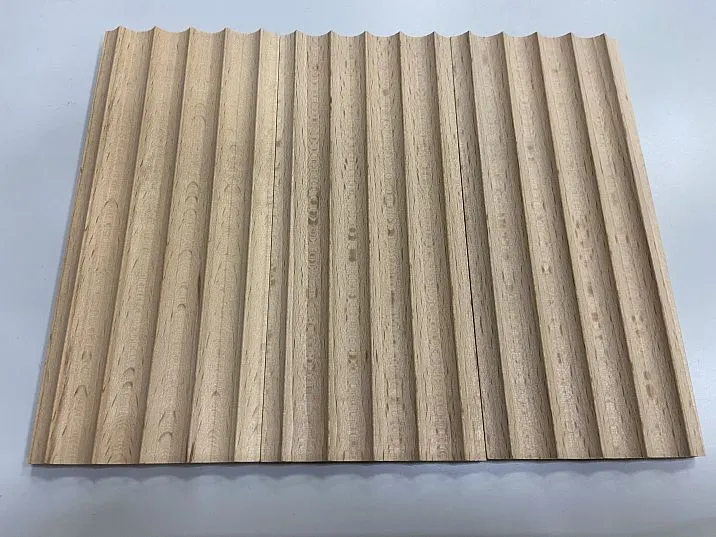
In modern interior design, natural materials are valued for their eco-friendliness, durability, and aesthetic appeal. One such material iswooden plank for interior spaces, capable of transforming the space by adding warmth, coziness, and unique charm. In this article, we will thoroughly examine the features and advantages of using plank for interior work, selection criteria, installation stages, material care, and design solutions that allow creating a unique interior.


What is plank and why is it so popular
Plank consists of thin boards made from solid wood, connected by a tongue-and-groove system. Thanks to this technology, plank not only looks attractive but also ensures secure fastening, even load distribution, and high thermal and sound insulation properties.
Main advantages of plank for interior spaces:
- Ecological and natural properties. Natural wood does not emit harmful substances, which is especially important for living spaces where people spend most of their time.
- Aesthetics and coziness. Natural shades, texture, and wood grain create an atmosphere of warmth and comfort, helping to make the interior "alive" and filled with natural beauty.
- Durability. When properly installed and maintained, wooden plank can retain its properties for decades, remaining attractive and functional.
- Versatility. The material easily fits into any style: from classic to modern minimalism, from Provence to loft.
- Ease of installation. Thanks to the presence of tongue-and-groove, installation does not require complex equipment and can be performed by professionals or experienced DIY enthusiasts.
If you are wondering where to buy qualitywooden plank for interior, it is important to pay attention to the supplier's reputation, presence of certificates, and detailed technical specifications of the material. Choosing a quality product is the guarantee of longevity and aesthetics of your interior.
Types of wood and plank grades




Wood Species
The quality of plank directly depends on the type of wood from which it is made. Among the most popular for interior work are:
● Spruce.
Spruce plank has a light color, pleasant aroma, and affordable price. It is an optimal choice for budget projects, although spruce requires additional treatment to protect against moisture and mechanical damage.
● Pine.
Pine plank is characterized by soft structure and expressive texture. It is suitable for finishing living spaces such as living rooms, bedrooms, or hallways, thanks to its eco-friendliness and thermal insulation properties.
● Larch.
A more expensive option, larch is distinguished by high strength, moisture resistance, and aesthetic appearance. It is often used in finishing saunas, baths, as well as in luxury interiors where it is necessary to emphasize solidity and style.
● Oak.
Oak plank is premium class in the world of natural materials. It has rich texture, expressive shades, and exceptional durability, making it ideal for creating luxurious interiors.
● Cedar.
Cedar plank is valued for its distinctive aroma, resistance to rot and insects, as well as its striking appearance, capable of transforming any interior.
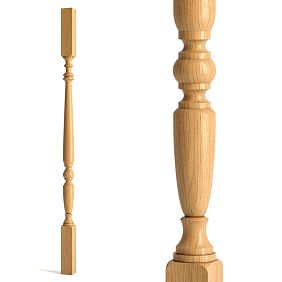
Our factory also produces:



In addition to species, siding is classified by grade, which reflects the number of natural defects (knots, cracks, resin pockets):
● Extra (Premium).
Material is practically free of knots and defects. This is the most expensive option, chosen for elite interiors where flawless appearance is essential.
● Grade A.
A small number of small knots and minor defects are allowed, which do not affect strength or overall appearance.
● Grade B.
Here, more noticeable knots and small cracks may be present. Such material is quite acceptable for finishing if the design is properly chosen or minor defects are concealed with decorative elements.
● Grade C.
Budget option allowing numerous knots and other flaws. Used in utility rooms or where aesthetics are not a priority.
It is important to consider the requirements of the specific room and the balance between cost and quality.
When choosingwooden plank for interior Design and use of siding in interior
Internal finishing: where and how to use siding
Get Consultation
Siding is ideal for finishing various internal surfaces. Let's consider the main areas of application:
Walls.
- Cladding walls with siding creates a unique texture, adding coziness and warmth to the interior. It looks especially effective in living rooms, bedrooms, and hallways. In eco, Scandinavian, and country-style interiors, siding becomes the main decorative element, emphasizing natural harmony.
Ceilings.
- Ceiling cladding with siding helps visually 'lower' the room's height, creating the effect of a cozy wooden attic. This approach may be interesting in loft or rustic-style interiors.
Decorative panels and niche structures.
- Siding is used to create accent walls, decorative panels, niches, columns, and other architectural elements. This allows playing with textures and shades, creating a multi-layered and dynamic interior.
Interior solutions for commercial spaces.
- Siding is successfully used for decorating cafes, restaurants, hotels, and offices, where the atmosphere of coziness and warmth is important. Natural wood helps create a favorable mood for customers and employees.
Creative design ideas
allows implementing the most daring design concepts. Here are several ideas:
wooden plank for interior ● Accent walls.
Highlight one wall in the room with siding, leaving other walls neutral. This creates a focal space that attracts attention and adds dynamism to the interior.
● Geometric patterns.
Using different grades and shades of wood, you can create original patterns or mosaic compositions. This approach will achieve an effect of individuality and exclusivity.
● Contrast with other materials.
Combining siding with stone, metal, or glass creates interesting contrasts. For example, wooden panels against a concrete wall or metallic decorative elements can emphasize the industrial loft style.
...
Orientation experiments.
Vertical board placement visually increases room height, while horizontal placement expands the space. Playing with the direction of installation can significantly alter the perception of the interior.
Veneer installation technology
Correct installationwooden plank for interior is the guarantee of durability and aesthetic finish. Let's consider the main stages of installation:
Surface preparation
Before installation, the surface must be carefully prepared:
● Cleaning and leveling.
Ensure that walls or ceilings are clean and even. If there are old finishes, they should be removed, and unevenness should be spackled.
● Waterproofing and antiseptic.
Especially important for rooms with high humidity. Apply primer or antiseptic to protect wood from mold and fungi.
● Installing a subframe.
For attaching veneer, use a wooden or metal subframe. The distance between boards should be 40–60 cm, ensuring even load distribution and preventing material sagging.
Veneer installation
- Laying the first board.
Start from a corner or central area of the room. The first board sets the foundation for the entire project — its alignment determines the smoothness and direction of subsequent installation.
- Fastening.
Depending on the subframe type, use clips, self-tapping screws, or nails. It is important to follow the installation technology to avoid damaging the tongue-and-groove joint that ensures tight board connection.
- Jointing and adjustment.
Each subsequent board is carefully inserted into the groove of the previous one. Pay attention to gaps, which should remain minimal (1–2 mm) to compensate for temperature fluctuations.
- Finishing work.
After installation, decorative elements such as baseboards, moldings, and corners are installed. Minor defects can be spackled, sanded, and protected with a layer of varnish, oil, or wax.
Recommendations for self-installation
● Measure and calculate the area.
Accurate measuring equipment will help avoid material shortages or excesses.
● Use a construction level.
Constant checking of the subframe and installed boards' levelness will ensure a neat finish.
● Follow technical standards.
Follow the manufacturer's recommendations to ensure durability and aesthetic appearance.
Veneer care and maintenance
To ensure that the product meets your expectations (whether budget or premium segment), compare available species, profiles, mounting methods, consider the room’s humidity conditions, load level, and desired style. Choose a reputable supplier who will provide you with accurate material parameters and reliable logistics.wooden plank for interior If it has pleased you with its appearance for many years, regular care is required:
- Daily cleaning.
Wipe surfaces with a soft cloth or vacuum to remove dust and minor dirt. Avoid aggressive cleaning agents that may damage the natural finish.
- Periodic treatment with protective compounds.
Finish with varnish, oil, or wax not only adds extra shine but also protects wood from moisture, UV radiation, and mechanical damage. Depending on usage conditions, it is recommended to renew the protective coating every 3–5 years.
- Microclimate control.
Wood is sensitive to sudden changes in humidity and temperature. Ensure a stable indoor microclimate using heating and ventilation systems.
- Repairing minor damage.
If the siding develops scratches or chips, they can be sanded, filled, and re-treated. For larger defects, it is better to entrust element replacement to professionals.
Design trends and modern solutions
Natural style and minimalism
In the last decade, interiors have seen a trend returning to naturalness. Natural wood, with its unique textures and tones, fits perfectly into the concept of minimalism, where every detail matters.wooden plank for interior In such an interior, it becomes a central element, emphasizing the connection with nature.
Eco-design and sustainability
An ecological approach to interior design implies using renewable and environmentally friendly materials. Wooden siding meets these requirements, contributing to a healthy atmosphere in the home. Combined with energy-saving technologies and natural textile materials, siding becomes an essential part of eco-design.
Combining with modern materials
Modern designers often use siding in combination with concrete, glass, metal, and even plastic. Such combinations achieve an interesting contrast between the warmth of wood and cold, industrial materials. This is especially relevant for loft and industrial minimalism interiors.
Innovative processing technologies
Wood processing technologies are constantly improving. New varnishes, oils, and wax-based compounds provide additional protection, increase resistance to external influences, and allow maintaining the natural appearance of the material. The use of nanotechnology and modern processing methods guarantees thatwooden plank for interior will delight you not only with aesthetics but also with functionality.
Economic aspects and supplier selection
Market analysis
Before purchasing, it is important to study offers on the market for finishing materials. Compare prices, delivery conditions, and customer reviews. Pay attention to seasonal promotions and discounts, which often allow significant savings.
Criteria for selecting a supplier
When choosing a reliable supplier, pay attention to the following:
● Company reputation.
Reliable companies provide quality certificates and have positive customer reviews. Check the company's history and warranty terms.
● Product range.
A good supplier offers a wide selection of wood species, grades, and siding profiles, allowing you to choose the optimal option for a specific project.
● Delivery and storage conditions.
Proper packaging and storage conditions ensure the material is not damaged during transportation.
● Specialist consultations.
The option to receive professional consultation on selecting and installing siding is an important advantage that will help avoid mistakes and optimize your budget.
Cost Calculation
When planning the project, consider not only the cost of the siding itself, but also the installation costs, additional materials (fasteners, substructure, protective coatings), and possible future surface updates. Careful calculation will help avoid unexpected expenses and make the project as economical as possible.
Practical Recommendations and Tips
- Planning and Preparation.
Before starting work, create a detailed plan, take measurements of the rooms, and calculate the required amount of material. This will help avoid errors in purchasing and installation.
- Use of Professional Tools.
For quality installation, use a level, tape measure, drill, jigsaw, and other tools. Strict adherence to installation technology ensures a smooth and long-lasting finish.
- Step-by-Step Execution of Work.
Follow the sequence: prepare the base, install the substructure, install the siding, finish the surface, and install decorative elements. This will help structure the process and ensure the best possible result.
- Periodic Maintenance.
Regular cleaning and updating the protective coating will extend the lifespan of the siding and preserve its original appearance.
- Design Solutions.
Experiment with board orientation, combine different shades and textures, use decorative elements. This will allow you to create a unique interior that reflects your taste and individuality.
Conclusion
wooden plank for interior Rooms — this is not just a finishing material, but a true tool for creating coziness, warmth, and a unique style in your home. Natural wood, thanks to its eco-friendliness, durability, and aesthetic qualities, remains the number one choice for those who value comfort and natural beauty.
When choosing siding, it is important to consider the type of wood, grade, profile type, and installation specifics. Proper surface preparation, quality substructure, and adherence to installation technology will help achieve a flawless result that will delight you for many years.
Design ideas using siding allow you to experiment with shape, texture, and color, creating original accent walls, combining the material with modern finishing solutions, and implementing eco-design concepts. Thanks to innovative processing technologies and proper care, siding retains its properties and becomes a focal point in any interior.
Regardless of whether you decide to renovate a living room, bedroom, hallway, or office space,wooden plank for interior will be an excellent choice that combines practicality, eco-friendliness, and elegant appearance. Carefully study market offers, choose a reliable supplier, and remember regular maintenance — and your interior will look stylish and modern for many years.
Let natural wood become a symbol of your pursuit of quality, comfort, and harmony. Creating space using siding not only invests in the durability and functionality of the finish, but also gives your home a unique atmosphere of warmth and coziness that cannot be achieved with artificial materials.
In conclusion, we would like to emphasize that choosing quality materials for interior work is the foundation for creating an interior in which you want to live and work.wooden plank for interior Rooms — this is a time-tested option combining traditional craftsmanship with modern technological solutions. Invest in natural wood, trust professionals, and enjoy the beauty, strength, and warmth this remarkable material offers.
This article is intended to be a detailed guide for those who wish to create a unique interior using natural materials. From selecting wood species to the nuances of installation and maintenance — every aspect matters. Careful attention to details, proper planning, and a professional approach will help you achieve an ideal result that will delight the eye and serve for many years.
Choosewooden plank for interior materials, create coziness and style in your home, and allow nature to enter your interior, offering warmth, harmony, and inspiration every day.


