Article Contents:
- Warm Mahogany: The Nobility of Red Wood in Modern Interpretation
- Terracotta Tones: Solar Energy of Natural Pigments
- Gradient Transitions: Painting with Color in Three-Dimensional Space
- Combining Mahogany and Terracotta: Harmony of Contrasts
- Wooden Decor Elements: The Soul of Interior Design 2026
- Textures and Finishes: The Tactile Dimension of Color
- Lighting: How to Reveal the Beauty of Warm Tones
- Interior Styles Where Mahogany and Terracotta Reign
- Personalization: Creating a Unique Space
- Practical Aspects: How to Integrate the Trend into Your Home
- Color Psychology: How Mahogany and Terracotta Affect Us
- Ecological sustainability and development
- Budget-Friendly Solutions: Luxury Accessible to Everyone
- Mistakes to avoid
- How to Combine 2026 Trends with Other Styles and Colors
- Seasonality: How Colors Change with the Seasons
- Regional Characteristics: How Climate Influences Color Perception
- Professional Perspective: What Designers Say
- The Future of the Trend: What’s Next
- FAQ: Answers to Popular Questions
- Conclusion: STAVROS — Your Guide to Quality Decor

The upcoming year 2026 announces a radical shift in priorities in the world of interior design. The era of cold minimalism and sterile whiteness has finally given way to emotional, vibrant spaces where every detail is imbued with warmth, history, and deep meaning. Designers around the world unanimously declare: the future belongs to rich natural tones, complex textures, and materials that tell stories. At the heart of this revolution lies the noble color of red wood — Warm Mahogany, a warm reddish-brown tone that, in alliance with terracotta, ochre, and clay shades, creates interiors from which one cannot look away.
Why exactly these colors? Because modern people are tired of artificiality, of faceless spaces that resemble each other like twins. People crave authenticity, a connection with nature, the feeling of home as a sanctuary, where walls breathe warmth and every object carries the energy of natural material. Mahogany and ochre — these are not just trendy shades, they are a philosophy of returning to roots, to those times when furniture was crafted by hand from solid noble woods, andDecorations for homewere true works of art, not mass-produced plastic items.



Warm Mahogany: The Nobility of Red Wood in Modern Interpretation
Warm Mahogany is not just brown. It is a complex, multi-layered tone that absorbs the red of ripe cherries, the depth of hazelnuts, the warmth of chestnut, and a subtle wine note. This color lives its own life, changing depending on lighting: in the morning it sparkles with golden highlights, at noon it reveals its rich reddish-brown nature, and in the evening, under soft lamp light, it unveils chocolate and burgundy undertones. Imagine an old English manor library, where century-old mahogany shelves hold thousands of books — this is the atmosphere of luxury, reliability, and intellectual depth that is the soul of mahogany.
In 2026, this tone permeates all spheres of interior design. Designers use it for accent walls, painting one surface in a rich mahogany tone to create a dramatic focal point in the space. Such a wall becomes an ideal backdrop for a collection of artworks or antique furniture. Mahogany-colored furniture is experiencing a true renaissance — chests, buffets, dining tables made from solid wood and tinted in this noble shade become central elements of the interior.
Warm Mahogany looks especially striking in rooms with high ceilings and large windows, where natural light highlights all its nuances. Living rooms, offices, dining rooms — these are ideal spaces for this color. In the bedroom, mahogany creates an atmosphere of intimacy and security, especially if used for the headboard or built-in wardrobes. Kitchens in mahogany tones look luxurious and stylish, especially when combined with brass hardware and marble countertops.
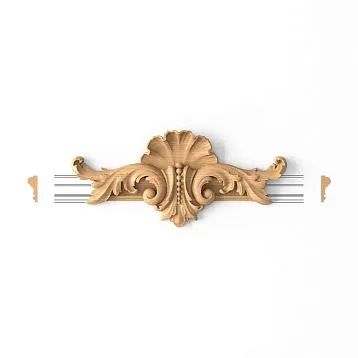
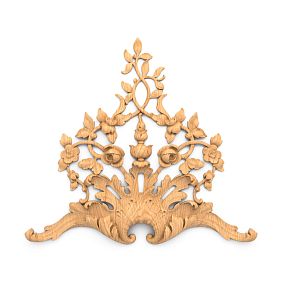
But the main magic of mahogany unfolds in wooden decorative elements.Trends in Interior DesignRecent years show: people are willing to invest in high-quality decorative wooden elements that serve for decades and become family heirlooms. Carved panels, moldings, cornices, pilasters, rosettes — all these elements in the mahogany color transform an ordinary room into a work of designer art.




Terracotta Tones: Solar Energy of Natural Pigments
Ochre is one of the oldest pigments known to humanity. Even primitive artists used natural ochre to create cave paintings that have retained their vibrancy for millennia. In 2026, an ochre palette returns to interiors as a symbol of connection to the earth, nature, and timeless values. The range of ochre tones is astonishingly diverse: from a delicate cream-yellow reminiscent of fresh butter, to a deep terracotta resembling clay baked under Mediterranean sun.
What makes ochre shades so appealing to modern designers? First, their versatility. Ochre pairs beautifully with almost any color — from neutral beiges and grays to rich blues and greens. Second, the psychological effect: these warm tones create the feeling of a sunny day even in the gloomiest room, filling the space with joy and optimism. Third, ochre tones perfectly fit the concept of eco-design, where priority is given to natural materials and earthy colors.
In 2026 interiors, ochre is used for wall painting, textiles, furniture, and decorative elements. Walls painted in a soft ochre tone become an ideal backdrop for mahogany-colored wooden furniture — this combination creates a harmonious, balanced interior where one can comfortably spend hours. Ochre textiles — linen curtains, cotton sofa covers, wool rugs — add tactile warmth and coziness to the space.
Ochre tones are especially effective in kitchens and dining rooms. Terracotta floor tiles, ochre kitchen cabinet facades, earthenware dishes on open shelves — such a kitchen looks as if it has been transported from an old Tuscan villa. Yet it is completely modern and functional. This is the magic.modern interior design trends— the ability to harmoniously blend the past and present.
Ochre tones are especially suitable for rooms facing north, where natural sunlight is scarce. They compensate for this lack, visually warming the space. For children’s rooms, lighter, cheerful ochre shades are chosen, stimulating creativity and activity. For bedrooms, muted, dusty ochre tones are preferred, as they calm and prepare for rest.
Our factory also produces:



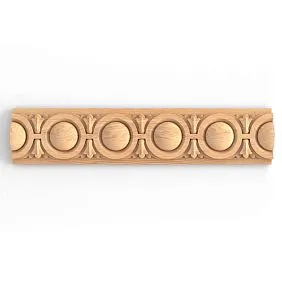


Gradient transitions: painting color in three-dimensional space
One of the most captivating techniques actively used by designers in 2026 is gradient color transitions. Ombre, degrade, color stretching — whatever you call this technique, the essence remains unchanged: a smooth transition from one shade to another creates visual depth, dynamism, and artistic quality, transforming a wall or piece of furniture into a true work of art.
Gradients work differently depending on the direction of transition. A vertical gradient, where color changes from floor to ceiling, visually increases the height of the room. For example, a wall may start at the bottom with a deep mahogany tone, gradually lighten through mid-brown shades, and end at the ceiling with a soft cream-pink tone. This technique creates an effect of infinity, as if the wall dissolves into the air. It looks especially striking in living rooms with high ceilings and hallways.
A horizontal gradient works differently — it expands the space, creating a sense of openness. Imagine a long, narrow room where one end wall is painted in a gradient from rich terracotta at the edges to light ochre in the center. Such a wall visually pushes the boundaries of the room, making it more proportionate. Horizontal gradients are often used in corridors and entryways, turning transitional spaces into interesting visual objects.
Gradient transitions are especially interesting in wooden decorative elements.Decorative materialsWooden elements from natural solid stock allow creating incredible effects thanks to special toning techniques. A carved wooden panel, where color smoothly transitions from dark mahogany in deep carved areas to light ochre on protruding elements, appears voluminous, sculptural, and alive. Such panels become accent elements in interior design, drawing attention and inviting one to touch and feel the wood’s relief.
Gradient transitions are also used in furniture. A chest of drawers with a gradient from light to dark creates an intriguing visual effect. Wooden countertops with a smooth color transition from ochre to mahogany become true art objects. Even small items — mirror frames, shelves, decorative panels — gain special expressiveness due to gradient coloring.
Get Consultation
Combining mahogany and ochre: harmony of contrasts
If mahogany is depth and luxury, and ochre is sun and joy, then their combination is perfect harmony, where each color enhances the beauty of the other. Designers of 2026 masterfully play with this pair, creating interiors that are simultaneously refined and cozy, luxurious and homey, modern and classic.
There are several classic schemes for combining these shades. The first — the '60-30-10' rule, the golden rule of interior design. Here, 60% of the space is occupied by a neutral background (e.g., light ochre walls), 30% by the main color accent (mahogany furniture), and 10% by additional accents (decorative elements, textiles, accessories that can be mahogany, terracotta, or earthenware). This scheme creates a balanced, harmonious interior where all elements work together.
The second scheme — contrasting, where mahogany and ochre are used in equal proportions, creating a dramatic effect. Imagine a living room where one wall is painted in deep mahogany, the opposite wall in bright terracotta, and the other two remain neutrally beige. Such an interior is full of energy, it stirs emotions and stimulates creativity. This scheme suits bold, creative people who are not afraid of experiments.
The third scheme — monochromatic with accents. Here, the entire space is maintained in an ochre-terracotta palette of varying saturation, while mahogany is used sparingly — as a few pieces of furniture ordecorative wall elementsThese dark accents create visual anchors that hold attention and prevent the interior from becoming too uniform.
The combination of mahogany and ochre works especially well with natural materials. Mahogany-colored wooden beams against ochre walls, terracotta tiles paired with redwood furniture, beige linen textiles against dark wooden panels — these combinations create interiors that look expensive, thoughtfully designed, and very stylish.
Wooden decorative elements: the soul of the 2026 interior
In the era of artificial materials and mass productionNew trends in interior design 2026— designers focus on authenticity and craftsmanship. Wooden decorative elements are experiencing a true revival, becoming not just decoration, but the conceptual center of the interior, its soul and character.
What are wooden decorative elements? These are carved panels, moldings, cornices, pilasters, rosettes, consoles, brackets, casings — all those details that transform an ordinary room into a space with history and character. In the Baroque and Classicism eras, these elements were an essential part of any respectable interior. Then came the era of Modernism with its principle 'form follows function,' and ornamentation was declared superfluous. But the pendulum swung back — people realized that functionality without beauty makes life dull and unfulfilling.
Wooden decorative elements in 2026 differ from their historical predecessors. Modern designers reinterpret classic forms, simplifying them, making them more graphic and minimalist, while preserving the essence — the feeling of handcrafted work and the natural beauty of the material. A carved panel may feature not a traditional floral ornament, but an abstract geometric pattern. Pilasters may lack capitals and bases, appearing as simple relief verticals dividing wall space.
Color plays a key role in the perception of wooden decor. Elements toned in mahogany shades appear noble and luxurious, fitting perfectly into classical and neoclassical interiors. Ochre wood creates a more relaxed, Mediterranean atmosphere — it looks great in eclectic and boho interiors. Gradient coloring of wooden elements adds artistic quality and modernity.
Where to use wooden decorative elements? Everywhere where you want to add visual interest and tactile warmth. An accent wall with wooden panels becomes the focal point in a living room. Wooden moldings on walls and ceilings add architectural expressiveness to a room, making even a simple room in a standard apartment resemble an apartment in a historic building. Pilasters and columns zone space, create rhythm, and guide the gaze. Rosettes on the ceiling highlight the position of a chandelier, turning it into a compositional center.
Especially important is the role ofFurniture decor— overlays that transform ordinary furniture into designer pieces. An ordinary IKEA chest, adorned with carved wooden overlays in mahogany color, becomes a unique item resembling an antique find. Kitchen cabinet facades, enhanced with routed details and moldings, acquire a respectable appearance. Doors decorated with wooden panels transform from utilitarian openings into architectural elements.
Textures and finishes: the tactile dimension of color
Color in interior design in 2026 does not exist in isolation — it is inseparably linked to the texture and finish of materials. Mahogany on smooth, polished wood appears completely different from a brushed surface with pronounced wood grain relief. Ochre on matte plaster creates one effect, while on glossy ceramic tiles — a completely different one.
One of the main trends of the year — layering and tactility. Designers strive to create surfaces that invite touch, allowing one to feel the relief and texture with fingertips. This is a reaction to the total digitization of life — smartphone and computer screens are completely smooth, lacking tactile feedback. In interiors, people seek this lost connection with the physical world.
Wood is an ideal material for creating tactile surfaces. Carving, brushing, artificial aging, patination — all these techniques add depth and character to the surface. A carved wooden panel in mahogany color, where recesses are darker and protruding parts are lighter, creates a play of light and shadow that changes throughout the day. Brushed wood with pronounced annual rings tells the story of the tree, its age, and growing conditions.
Ochre-toned plasters can also vary. Smooth Venetian plaster creates a polished marble effect, reflecting light and adding luminosity to the space. Textured plaster with relief resembles the walls of Mediterranean houses, it is matte, warm, and cozy. Microcement coatings in ochre tones combine modern technology with the naturalness of color.
Fabrics in mahogany and ochre shades play a special role in creating coziness. Velvet in mahogany tone on sofa cushions — luxury and indulgence. Linen curtains in ochre color allow sunlight to pass through, bathing the room in warm tones. Woolen carpets in terracotta shades add literal warmth to the space — it’s pleasant to walk barefoot on them.
Lighting: how to reveal the beauty of warm tones
Mahogany and ochre colors are sensitive to lighting — they can appear completely different depending on the type, intensity, and direction of light. Proper lighting can reveal the full depth and beauty of these tones, while improper lighting can ruin them, making them dull and unexpressive.
trends of interior design in 2026 are especially important — large windows without heavy drapes, allowing light to freely penetrate inside.Artificial lighting requires special attention. Cold white light is detrimental to warm tones — it turns mahogany gray-brown, stripping it of its noble redness, and turns ochre into dirty yellow. Warm white light (2700-3000K) — the ideal choice for interiors in this color palette. It preserves the natural warmth of tones, making them rich and deep.
Multi-level lighting — must-have for interiors in 2026. General overhead lighting creates basic illumination. Wall sconces highlight decorative elements, creating play of light and shadow on carved surfaces. Floor lamps and table lamps create cozy light spots, reading and relaxation zones. LED backlighting hidden behind cornices or in niches adds depth and drama to the space.
Accent lighting of wooden decorative elements is especially effective. Directed light on carved panels reveals all the nuances of relief, creating deep shadows in recesses and bright highlights on protruding parts. Bottom-lit pilasters appear taller and more monumental. Hidden backlighting of wooden beams on the ceiling creates an effect of floating structures.
Interior styles where mahogany and ochre reign
Warm mahogany and ochre tones are universal — they work in various styles, from classic to contemporary. But there are design directions where these colors are especially fully and naturally expressed.
Neoclassicism — perhaps the most natural style for mahogany. In classical interiors of the 18th-19th centuries, red wood was used to make the most expensive furniture. Modern neoclassicism retains love for this noble material, but interprets it more freely. Furniture may not be made of solid mahogany, but stained to this color.
— moldings, cornices, rosettes — create architectural expressiveness characteristic of classicism, but executed in more minimalist, graphic forms.Decorative interior elementsMediterranean style — the kingdom of ochre and terracotta. Walls painted in warm ochre tones, terracotta tiles on the floor, wooden beams on the ceiling, simple yet sturdy wooden furniture — this style embodies the relaxed luxury of southern villas. Ochre here is not just a color, but part of a life philosophy, where simple pleasures, natural materials, and connection with nature are valued.
Eclecticism — the most free style, where mahogany and ochre can coexist with the most unexpected elements. An antique cherrywood chest next to a modern minimalist sofa, ochre walls as a backdrop for a collection of contemporary art, carved wooden panels combined with industrial metal lamps — eclecticism allows mixing of eras and styles, creating unique, personalized interiors.
Boho — a style for free spirits. Here, ochre reveals itself in all its diversity — from pale yellow to rich terracotta. Abundance of textiles, handmade elements, vintage furniture, plants — all this creates an atmosphere of artistic chaos and creative freedom. In boho interiors, mahogany is used to create 'anchors' — a few large, serious pieces of furniture that prevent the space from turning into chaos.
Warm minimalism — a new direction that combines the simplicity of minimalist forms with the warmth of natural materials and tones. Simple geometric shapes, absence of decoration for decoration’s sake, functionality of every element — this is minimalism. But mahogany and ochre colors, natural wood, textured surfaces add humanity and coziness to this style, which was previously lacking in cold Scandinavian minimalism.
Minimalism with warmth — a new direction that combines the simplicity of minimalist forms with the warmth of natural materials and tones. Simple geometric shapes, absence of decoration for decoration's sake, functionality of every element — this is minimalism. But mahogany and ochre colors, natural wood, textured surfaces add humanity and coziness to this style, which the cold Scandinavian minimalism lacked.
Personalization: creating a unique space
emphasize personalization — creating spaces that reflect the personality, interests, and history of a specific individual or family. Mass-produced, catalog interiors that look like twins are fading into the past. The future lies in unique spaces where every element has meaning and history.Mahogany and ochre colors are ideal for personalization. They create a warm, emotional backdrop on which personal items, collections, and family heirlooms appear especially expressive. A mahogany-colored wall becomes a beautiful showcase for a collection of family photographs in vintage frames. An ochre background highlights the beauty of handmade ceramics collected during travels.
Decorative wooden elements — especially those custom-made — become a way to express individuality. A carved panel with the homeowners’ initials, moldings reproducing patterns from favorite fabrics, consoles shaped like meaningful symbols — all this transforms decoration from mere ornamentation into a story, a visual biography.
Wooden decorative elements — especially those custom-made — become a way to express individuality. A carved panel with the homeowners' initials, moldings reproducing patterns from a favorite fabric, consoles shaped like meaningful symbols — all of this transforms decoration from mere ornamentation into a story, a visual biography.
Customization of ready-made furniture with decorative inserts — another path to personalization. Mass-produced furniture acquires uniqueness and character. This is both economically advantageous and environmentally friendly — instead of discarding old furniture and buying new, one can transform existing pieces, giving them a second life.
Practical aspects: how to implement the trend in your home
Theory is great, but how to practically incorporate mahogany and ochre colors into your interior? Where to start? How to avoid overdoing it? How to combine with existing furniture and finishes?
Start small. You don't need to repaint all walls or buy new furniture immediately. Begin with accessories and textiles: mahogany-colored cushions on the sofa, ochre-colored throw, terracotta vase. See how these colors behave in your space, under your lighting, alongside your existing furniture. If you like it, you can move forward.
Accent wall — a proven way to introduce a new color without drastic changes. Choose one wall and paint it mahogany or a rich ochre tone. Leave the other walls neutral. This creates a focal point in the space and lets you assess whether you're ready for more color.
Wooden elements — a way to add color while simultaneously enhancing architectural expressiveness.Moldings and cornicesMahogany colors on neutral walls create a graphic, structured interior. You can start by framing doors and windows, and then, if you like it, add moldings to the walls, creating a panel-like structure.
Furniture — a more significant investment, but also more durable. One large mahogany-colored piece of furniture — a dining table, buffet, bookcase — can become the anchor of the entire interior. Around it, you build a color palette; it sets the tone for the whole space.
Combining with existing interiors. Mahogany and ochre are remarkably friendly — they pair with most colors. With white and beige, they create classic, elegant interiors. With gray — modern and stylish. With blue and green — fresh and unexpected. Even if your furniture is made of light wood, adding ochre walls and a few mahogany-colored items will create an interesting contrast.
Psychology of color: how mahogany and ochre affect us
Color affects our mood, well-being, even cognitive abilities — this is proven by numerous studies. Understanding color psychology helps create interiors that are not only beautiful but also functional, supporting the desired state in different rooms.
Mahogany — the color of stability, reliability, dignity. It is the color of earth, roots, foundation. Psychologically, it creates a sense of safety and grounding. In interiors, mahogany helps focus and supports serious intellectual work. It’s no wonder this color is traditionally chosen for offices, libraries, and meeting rooms. At the same time, mahogany is the color of luxury and success; it boosts self-esteem and confidence. A bedroom in mahogany tones creates a sense of intimacy and safety, promoting deep relaxation.
Ochre — the color of the sun, warmth, joy. In color psychology, yellow and orange tones are associated with optimism, energy, creativity. Ochre tones are less active than bright yellow or orange — they don’t excite, but gently stimulate, creating a sense of comfort and joy in life. In the kitchen and dining room, ochre stimulates appetite and encourages pleasant conversation. In the living room, it creates a warm, welcoming atmosphere. In a child’s room, light ochre tones stimulate creativity and play without overstimulating the nervous system.
Combining mahogany and ochre creates a psychological balance between stability and joy, seriousness and lightness, depth and light. This combination suits spaces where both work and rest are needed — home offices, living rooms, dining rooms. It is universally comfortable for most people, causing neither rejection nor discomfort.
Ecological Sustainability
Latest trends in interior designIt is impossible to imagine without the concept of sustainable development. Ecological awareness is not just a trendy word — it is a conscious necessity, understanding that our choice of materials and production methods affects the planet and future generations.
Mahogany and ochre colors fit perfectly into the concept of ecological design. First, they are natural colors found in the natural environment. Second, they are traditionally associated with natural materials — wood, clay, earth. Third, these shades do not require bright synthetic dyes — they can be obtained from natural pigments.
Decorative wooden elements made from solid wood embody ecological sustainability if the wood comes from responsible sources. Wood is a renewable resource; it absorbs carbon rather than releasing it, unlike plastic. Wooden elements last for decades, can be restored, repainted, and reused. This is the opposite of disposable plastic decor, which ends up in landfills after a few years.
Paints and finishes can also be eco-friendly. Modern manufacturers offer water-based paints with low volatile organic compound content, which are harmless to health and the environment. Natural oils and waxes for wood — traditional, time-tested methods for protecting and decorating wood.
Choosing quality, durable materials and elements is also ecological. It’s better to invest once in genuine wooden moldings that will last half a century than to replace plastic decor every five years. Furniture adornedwith quality wooden inlays, can be passed down through generations, becoming family heirlooms — this is true sustainability.
Budget-friendly solutions: luxury is accessible to everyone
Can you create an interior in 2026 trends with a limited budget? Absolutely. The luxury of mahogany and the warmth of ochre do not necessarily require extravagant spending. The key is a thoughtful approach and understanding where to save and where to avoid cutting corners.
Paint — the most budget-friendly way to transform your interior. Repainting walls in an ochre tone can be done yourself, requiring no special skills. Quality paint isn’t expensive, and the effect will be impressive. An accent wall in terracotta or ochre color completely changes the perception of the space.
Textiles — another accessible tool. A set of cushions, a throw, a rug — these elements will cost a reasonable amount but will create the desired atmosphere. Linen curtains in ochre can be sewn by hand or ordered from a tailor’s workshop — this will be cheaper than ready-made brand curtains, and the quality may even be better.
DIY and upcycling — ways not only to save money but also to create unique items. Old furniture can be repainted in mahogany color, addingWooden Inlays, and it will look like designer furniture. This requires time and effort, but the result is worth it.
Prioritization — the key to budget design. Determine what is most important to you in the interior, and invest in that. If you spend a lot of time at the dining table, invest in a quality solid wood dining table in mahogany. If you love reading — a comfortable chair and a floor lamp. Secondary elements can be budget-friendly.
Gradual updating — a wise approach. You don’t need to do everything at once. Start small, with the most important or noticeable element. Then, as you accumulate funds, add new elements. This will help preserve your budget and avoid making wrong choices — you’ll have time to adjust to changes and understand what else you’d like to add.
Mistakes to avoid
Even when working with such noble and versatile colors as mahogany and ochre, mistakes can be made that spoil the result. Here are the most common ones:
Too much dark color. Mahogany is a deep, rich tone. In large quantities, it can make a room dark and gloomy, especially if the room is small or poorly lit. Use mahogany sparingly — as an accent, not as a main color.
Incorrect lighting. Cold light kills warm tones. Always use lamps with warm white light (2700-3000K); otherwise, all efforts to create a cozy, warm interior will be wasted.
Ignoring room scale. In a small space, dark furniture and saturated colors can create a box-like effect. For small rooms, choose lighter ochre tones for walls and use mahogany in small items only.
Lack of contrast. If everything in the room is in similar shades of brown and ochre, the interior may become dull and monotonous. Always add contrasting elements — white, cream, deep green, or blue.
Cheap imitations. Plastic painted to look like mahogany color appears cheap and tacky. Better to have less, but authentic. One quality wooden element is better than many plastic fakes.
Blindly following trends. Trends are a source of inspiration, not dogma. If you don’t like mahogany or ochre, don’t force yourself. Your home should reflect your personality, not a designer magazine page.
How to combine 2026 trends with other styles and colors
One sign of a truly effective trend is its ability to blend with other styles and colors. Mahogany and ochre are incredibly versatile in this regard.
With white and cream — a classic combination, proven over centuries. White highlights the depth of mahogany, making it even richer. Cream softens the contrast, creating a more relaxed, soothing atmosphere.
With gray — a modern, stylish combination. Cool gray and warm mahogany or ochre create an interesting temperature contrast. This solution is for those who love modern interiors but don’t want coldness.
With blue — an unexpected but very effective combination. Deep blue, almost indigo, with mahogany — this is luxury and drama. Light blue with ochre — this is the Mediterranean, sea, and sun.
With green — a natural, harmonious combination. Greenery looks perfect against ochre walls. Deep green velvet with mahogany-colored furniture — this is British classic, eternal elegance.
With gold and brass — for those who aren’t afraid of luxury. Gold accessories, brass lamps and hardware beautifully complement the warmth of mahogany and ochre, creating interiors worthy of palaces.
Seasonality: how colors change with the seasons
An interesting feature of warm mahogany and ochre tones — they are perceived differently in different seasons, creating their own atmosphere for each season.
Winter. In cold seasons, mahogany and ochre become especially valuable. When outside is gray and frost, these warm colors create a feeling of coziness and safety. Imagine a winter evening: snow outside, you in the living room with ochre walls, by the fireplace, in a mahogany-colored armchair, covered with a terracotta-toned wool blanket. The perfect picture of winter comfort.
Spring. In spring, when nature awakens, ochre tones of the interior echo with the first yellow blooms — narcissus, primroses. Mahogany creates contrast with delicate spring greenery of houseplants, which are especially active during this time.
Summer. In summer, with lots of sun, ochre walls begin to glow from within, reflecting sunlight. Mahogany becomes more red, almost garnet. On hot days, you can add coolness with textiles — light linen curtains, cotton covers for furniture.
Autumn. This is the time when mahogany and ochre fully reveal themselves. Autumn colors outside — yellow, orange, brown leaves — perfectly match the interior palette. It creates a wonderful sense of unity with nature, dissolving the boundaries between home and the surrounding world.
Regional characteristics: how climate affects color perception
It’s interesting that the same colors are perceived differently in different climatic zones. This is important to consider when creating an interior.
Northern regions with insufficient sunlight — ideal for ochre tones. They compensate for the lack of sun, making rooms visually warmer. Mahogany should be used cautiously here, in small quantities, to avoid darkening an already poorly lit space.
Southern regions with abundant sunlight can afford more dark mahogany tones — they won’t make the room gloomy, as sunlight compensates for darkness. Ochre also works excellently here, creating an authentic Mediterranean atmosphere.
Continental climate with its contrasts — cold winter and hot summer — requires balance. Warm colors are good in winter, but in summer they may create a feeling of stuffiness. The solution — seasonal textiles: in winter, warm, dense fabrics in ochre and mahogany tones; in summer — light, airy linen fabrics.
Professional perspective: what designers say
Leading interior designers worldwide agree: 2026 is the year of returning to authenticity, to real materials and complex, emotionally rich colors. Mahogany and ochre perfectly embody this trend.
Designers note that clients are tired of impersonal interiors, of spaces that look beautiful in photos but are uncomfortable for living. People want their homes to tell their stories, reflect their values. And colors play a key role here — they set the mood, create atmosphere, influence emotions.
Professionals emphasize the importance of material quality. Real wood painted in mahogany tones, versus cheap laminate MDF 'wood' — this is heaven and earth. The same goes for ochre paints — quality paint with proper pigments creates a deep, rich color that doesn’t fade or dull. Cheap paint turns into a dirty yellow stain within a year.
Designers advise not to fear saturated colors, but to use them wisely. Mahogany — like fine wine: in the right amount, it reveals all its shades and creates a wonderful effect. Overdoing it, however, ruins the impression.
Future of the trend: what’s next
Trends are cyclical — they return, transform, and are reinterpreted. Mahogany and ochre are not just seasonal fashion whims; they are part of a larger movement toward naturality, authenticity, and emotional depth in design. This movement will only continue to grow.
In the coming years, we will see bolder use of color, more natural materials, and greater personalization. Technologies will enable creating uniquedecorative elementsdesigns based on individual sketches quickly and affordably. 3D printing from natural materials, digital wood carving — these technologies will make unique design accessible not only to the elite.
Ecology will not be just a trend, but a standard. Material certification, production transparency, circular economy — all of this will become industry standard.decorative elements for homeThey will be not only beautiful, but also ecological, produced with respect for nature and people.
Colors will also evolve. After mahogany and ochre, other natural shades will come — perhaps deep greens, sky blues, mineral grays. But the principle will remain the same: naturality, complexity, emotionality.
FAQ: Answers to popular questions
Will mahogany suit a small apartment?
Yes, but it should be used sparingly. One piece of mahogany-colored furniture or small decorative elements will create an accent without overwhelming the space. For walls in small rooms, it’s better to choose light ochre tones.
Can mahogany be combined with modern furniture?
Absolutely. Mahogany works beautifully in eclectic interiors, where classic elements coexist with modern ones. The key is to maintain balance and avoid mixing too many different styles.
How often should you update your interior following trends?
You don’t need to blindly follow every new trend. Create a base using high-quality, timeless elements in neutral tones, and introduce trendy colors through easily replaceable items — textiles, accessories, decor. This way, your interior will always look current without major renovations.
Is mahogany expensive?
Natural red wood — yes, it’s an expensive material. But you don’t have to use solid mahogany. You can choose more affordable wood species and stain them to the desired color. The effect will be similar, but the price will be much more accessible.
Will ochre walls look outdated?
Ochre is an eternal color, used in interiors for millennia. By definition, it cannot be outdated. It’s important to choose the right shade and combine it with other interior elements.
How to care for wooden decorative elements?
Wooden elements are low-maintenance. Wipe them with a dry or slightly damp cloth. Once a year, you can renew the protective coating — with oil or wax. With careful handling, they will last for decades.
Can these colors be used in the bathroom and kitchen?
Yes, but with consideration for the specific characteristics of the rooms. For humid zones, choose moisture-resistant paints and coatings. Wooden elements must be treated with protective compounds. In the kitchen, ochre tiles and terracotta accents look especially natural.
Will these colors suit a child’s room?
For a child’s room, it’s better to choose lighter, more cheerful ochre shades. Mahogany may be too serious for a child’s space. However, a few dark accents can help zone the room and create a quiet corner for activities.
Conclusion: STAVROS — your guide to quality decor
Creating the dream interior is a journey where ideas and inspiration matter, but so do quality materials, reliable partners, and professional execution. STAVROS has helped designers and homeowners realize the boldest interior projects for many years, offering a wide range ofdecorative elements made from natural wood and modern materials.
In the STAVROS catalog, you’ll find everything needed to create an interior in the 2026 trends: carved panels and moldings, pilasters and columns, cornices and rosettes, furniture and door overlays. All items can be stained in any shades, including trendy mahogany and ochre tones. The company offers both ready-made solutions andcustom decor production based on individual sketcheswhich is especially valuable for those striving for uniqueness.
STAVROS works not only with private clients, but also with professionals.Creating Cinema DecorationsTheatrical, television — a separate direction of the company.Theatrical Decorations, Decorations for the stage, Decoration manufacturing for theaterAll of this is realized at the highest professional level, taking into account the specific requirements of stage and filming spaces.
The quality of STAVROS products is confirmed by numerous completed projects — from private residences tofacade decorationlarge buildings. The company uses only premium wood, modern equipment, and works with experienced craftsmen for whom wood carving is not just a job, but a calling.
On the company's website, you will find not onlyProduct catalog, but alsoinspiring articleson design trends,Decoration Ideasinterior design, practical tips for selecting and installing decorative elements.Furniture and interior items, church decor, Polyurethane Items— STAVROS offers solutions for any task and style.
When creating an interior in trendy mahogany and ochre shades, do not forget about the quality of decorative elements — it is precisely they that transform a simply beautiful space into a work of art. And STAVROS is ready to be your reliable partner on this path, offering not just products, but expertise, individual approach, and quality guarantee, proven over time.