Article Contents:
- Biophilic Revolution: nature returns home
- Color Therapy: when shades heal the soul
- Tactile Luxury: when touch matters more than sight
- Biomorphism: furniture as living sculpture
- Modularity and Transformation: adult’s home constructor
- Ecological Awareness: beauty with a clean conscience
- Retro-Futurism: when past meets future
- Technology of the Invisible: smart home as art
- Personalization: home as self-portrait
- Psychology of Space: home as medicine
- Social Space: home for communication
- Art in Everyday Life: when every detail is a masterpiece
- Frequently Asked Questions about Trends 2025-2026
- Will these trends become outdated in a year or two?
- How to combine several trends in one interior?
- Can these trends be implemented with a limited budget?
- How to determine which trend suits me?
- How to combine modern technologies with natural materials?
- Is it worth ordering custom-made items?
- How to care for natural materials?
- Can different wood species be mixed in one interior?
- Are modern manufacturing technologies eco-friendly?
- Where to start transforming your interior?
- Create interior-art with STAVROS

Imagine a home where every detail speaks to you in the language of emotions. Where walls breathe, furniture is like living sculpture, and space changes with your mood. This is not a science fiction novel — it’s reality.interior design 2026year, where living space stops being merely a set of functional zones and transforms into a full-fledged work of art, reflecting the soul of its creator.
We stand at the threshold of radical changes in how we understand what a home should be. Decades of dominance of cold minimalism, gray office interiors, and faceless standard furniture are coming to an end. Humanity is tired of sterility, of spaces devoid of character and individuality.Furniture Trends 2025They shout loudly and clearly: it's time to return the soul to homes, fill them with living materials, tactile textures, bold forms. Interior is no longer a backdrop for life — it becomes the main character, telling the story of those who live in it.


Biophilic Revolution: Nature Returns Home
Deep within every person lives a longing for nature. Millions of years of evolution surrounded by trees, stones, water have left an indelible mark on our DNA. The concrete jungles of modern cities cause stress on a biological level — the organism doesn't know where it is and remains in constant tension.Current interior design styles2025-2026 respond to this challenge with biophilic design — a philosophy of erasing the boundaries between home and the natural world.
This is no longer just potted ficus plants placed in corners. Biophilic design is a comprehensive system where every element contributes to creating a living ecosystem. Vertical gardens turn walls into breathing air filters, automatic irrigation systems sustain plant life without human intervention, and special LED lighting mimics the spectrum of sunlight, allowing greenery to thrive even in the darkest corners of an apartment.
Natural materials are experiencing a renaissance, but in a new quality.Wooden decor elementsThey no longer hide under layers of paint — their natural texture becomes the main artistic accent. Each annual ring, each branch, each irregularity in the fibers tells the story of the tree, its growth, its struggle for existence. Touching natural wood activates tactile receptors, calms the nervous system, and creates a sense of safety and comfort on a subconscious level.
Stone returns not as a cold industrial material, but as a living substance with character and energy. Marble with its unique veins, granite with mineral inclusions, travertine with natural pores — each piece is unique, like a fingerprint. Modern nanotechnologies allow treating stone with special compounds that make it self-cleaning and more practical, while preserving the beauty of the natural material.




Color Therapy: When Shades Heal the Soul
Color is not just a decorative element. It is a powerful tool for influencing the psyche, capable of changing mood, affecting productivity, improving sleep, or, conversely, energizing. The science of color's effect on humans has long ceased to be esoteric — neurobiologists confirm that different shades activate different brain regions, trigger hormone production, and alter perceptions of space and time.
The earth-tone palette becomes the main discovery of 2025-2026 — a range of shades humanity has observed for millennia: terracotta from fired clay, ochre from autumn leaves, sandstone from deserts, umber from fertile soil. These colors possess a remarkable property — they are simultaneously active and calm, expressive yet unobtrusive, creating a sense of stability in a rapidly changing world. Interiors in earth tones become sanctuaries where one can retreat from informational noise and digital chaos.
Soft mocha mousse — the Color of the Year according to Pantone — embodies the philosophy of slow living, mindful, deliberate life. This deep, velvety shade evokes the feeling of enveloping warmth, like a cup of hot drink on a cold day. It pairs beautifully with natural wood, brass accents, linen textiles, creating an atmosphere of refined comfort without ostentatious luxury.
But the boldest trend is abandoning monochromatic schemes in favor of complex color compositions. Gradual transitions from light to dark shades of a single color create depth and volume, making the space feel alive and breathing. A wall painted using the ombre technique, where terracotta smoothly blends into cream, becomes a standalone art object, a meditative canvas to gaze upon for hours.
Contrasting color accents transform the interior into an emotional symphony. An emerald-green chair against sandy walls, burgundydecorative pilasterin a cream-colored living room, coral cushions on a gray sofa — these color explosions create visual anchors, focal points for the gaze, around which the entire spatial composition is built.
Our factory also produces:


Tactile Luxury: When Touch Matters More Than Sight
Digitalization has deprived us of physical contact with the world. We spend entire days tapping smooth screens with our fingers, while our tactile receptors starve for diverse stimuli. The body protests, demanding the return of sensory richness. And designers hear this call —Furniture Trends 2025they make tactility a key parameter in selecting materials and objects.
Bouclé returns triumphantly. This textured fabric with distinctive loops creates an incredible tactile pleasure — one wants to constantly run fingers over it, sink fingers into its soft texture. Sofas and chairs in bouclé become not just furniture, but tactile toys for adults, sources of calm and comfort. The material is practical — the looped structure hides minor stains and scratches, maintaining an attractive appearance for years.
Velvet, shenille, plush — these fabrics with velvety texture activate the same brain regions as touching soft animal fur. It’s no coincidence that velvet sofas are so popular in 2025-2026 interiors — subconsciously, they are perceived as safe, cozy, and homey. The play of light on the velvety surface creates a constantly changing image — the fabric shifts through different shades depending on the direction of the nap and the angle of illumination.
Wood with pronounced relief texture becomes sculptural material. Brushing — a technique where soft wood fibers are mechanically removed, leaving hard annual rings — creates a tangible relief that invites touch.Wooden InlaysWith brushed surfaces, ordinary furniture transforms into tactile poetry, where every touch delivers new sensations. Patination adds depth — light patina highlights the relief, dark patina creates contrast between raised and recessed areas.
Metal ceases to be cold and detached. Brass and copper with their warm golden hues, aged bronze with noble patina, matte steel with velvety texture — these metals become jewelry details in interior design.Carved ElementsWith metallic inserts, they create contrasts — warm wood and cool metal, organic wood and industrial steel, hand-carved details and precision metal hardware.
Get Consultation
Biomorphism: Furniture as Living Sculpture
Straight angles and strict geometry — inventions of human intellect, alien to nature. In the natural world, smooth lines, organic forms, asymmetrical silhouettes prevail. Biomorphic aesthetics return nature to interiors, creating furniture that appears to have grown, rather than been constructed.
Tables take the shape of giant leaves or tree stumps with preserved irregular edges. Chairs become cocoons enveloping the body. Shelving units imitate branching coral or intertwined tree roots. These forms affect the subconscious, activating ancient archetypes of safety — our ancestors found shelter in caves, under tree canopies, in natural landscape indentations, and organic furniture awakens this genetic memory of comfort.
Asymmetry becomes a new canon of beauty. Two chairs in a pair may be mirror-opposite but not identical. A sofa with armrests of different heights looks more interesting and alive than a symmetrical one. Such furniture appears more human, less mechanical, creating a sense of individuality and character.
wooden columnsColumns in biomorphic style repeat the shape of tree trunks — with natural curves, bulges, and bark texture. Such elements transform the apartment into a stylized forest, where architectural details become an extension of the natural landscape. This effect is especially striking when combined with vertical greening — live plants and wooden elements merge into a single ecosystem.
Modularity and transformation: a house-constructor for adults
Modern life is incredibly dynamic. Remote work, hobbies, sports, creativity, hosting guests — all of this requires different spatial configurations. A static layout with rigid zoning does not meet these needs. Modular furniture offers a revolutionary solution — space that changes alongside you.
Sofas made of individual modules can be assembled in dozens of configurations. Today, this is a P-shaped arrangement for family movie nights. Tomorrow — several separate chairs for friendly chats. The day after — a long sofa along the wall for parties. Magnetic or mechanical connections allow transforming furniture in minutes, without tools or special effort.
Transformable tables change size and function. A compact coffee table unfolds into a full-sized dining table for eight. A work desk rises, transforming into a standing workstation, which is important for spinal health. A wall console extends, becoming a cocktail bar for parties.
Mobile partitions create flexible zoning. SlidingWooden panelson tracks allow separating the bedroom from the living room for privacy or, conversely, combining the space for a sense of openness. Partitions can be lacy, allowing light to pass through, or solid, creating complete isolation. They can be decoratedcarved elements, turning a functional item into an artistic accent.
Ecological awareness: beauty with a clean conscience
The times when we could mindlessly consume planetary resources are over. Climate crisis, ocean pollution, deforestation — all this forces us to reconsider our decisions, including in interior design. Sustainable development no longer remains a marketing term but becomes a moral imperative.
Recycled materials acquire the status of symbols of conscious choice. Furniture made from plastic retrieved from the ocean tells the story of the fight for planetary cleanliness. Countertops made from composite material, created from recycled plastic bottles and wood waste, look no worse than natural stone. Fabrics made from recycled polyester or cotton create beautiful and practical upholstery. Importantly, modern recycling technologies allow obtaining materials of the highest quality — second life does not mean second-rate.
Solid wood productsfrom responsible manufacturers — those who care about the future of forests. FSC and PEFC certifications guarantee that the wood comes from sustainably managed forests, where for every tree cut down, new ones are planted, and logging does not harm the ecosystem. By purchasing such products, you vote with your ruble for the preservation of the planet's forests.
Durability has become a new luxury. In an era of fast fashion and disposable consumption, owning things that serve for decades or even centuries — is a true privilege.Carved wooden balustersorMoldingswill serve not just one generation, they can be restored, repainted, adapted to new styles. This is an investment that pays off multiple times — financially, ecologically, and emotionally.
Retro-futurism: when the past meets the future
One of the most exciting trends of 2025–2026 — the blending of retro aesthetics with futuristic elements. This is not just nostalgia, but a dialogue between eras, where vintage silhouettes gain new life thanks to modern materials and technologies.
Furniture from the 1960s and 1970s returns in a refreshed form. Iconic chairs from that era, with their streamlined shapes and slender legs, are reproduced using innovative materials — carbon fiber, bioplastics, new-generation metal alloys. The silhouette remains recognizable, but the execution — ultra-modern. Such furniture creates a temporal paradox, making the interior multi-layered and intriguing.
Art Deco is experiencing a renaissance, but in a modern interpretation. Characteristic geometric forms, stepped silhouettes, luxurious materials combine with minimalist foundations.Carved decorative elementsin the Art Deco style — with fan patterns, zigzags, stylized botanical motifs — become jewelry accents against restrained interiors. Brass hardware, mirrored surfaces, black wood — all this creates an atmosphere of elegant luxury without being overwhelming.
Neoclassicism adapts to modern realities. Symmetry and proportions of classical architecture are preserved, but decoration becomes more minimalist.pilastersandColumnsare simplified, preserving the nobility of forms but eliminating excessive ornamentation. Moldings become thinner and more elegant. This is neoclassicism for minimalists — respectable, but not pretentious.
Technologies of the invisible: smart home as art
Technologies radically change our homes, but the most important trend — their invisibility. The interior of the future does not showcase technology, but hides it, integrating it into traditional forms. The result — a space that is simultaneously high-tech and deeply human.
Wireless charging is embedded into countertops, bedside tables,wooden armrestsinmoldingsand cornices, creating soft, diffused lighting without visible light sources. Light seems to flow from the walls and ceiling, making the space magical.
Smart climate control systems are integrated into furniture. Sofas with built-in heating and cooling automatically maintain a comfortable temperature. Chairs with massage and aromatherapy functions turn rest into a spa experience. Beds monitor sleep quality, automatically adjusting mattress firmness and bed temperature. All this is controlled by voice or via an app, but the technology remains invisible — externally, this is simply beautiful furniture made of natural materials.
Circadian lighting supports natural biological rhythms. In the morning, light is cool and bright, stimulating wakefulness. During the day — neutral for productive work. In the evening — warm and dim, promoting relaxation. The system automatically adjusts to the time of day, season, even weather outside, creating the optimal lighting environment.
Personalization: Home as a Self-Portrait
The most important trend for 2025-2026 — moving away from standardized solutions toward deep personalization. The home stops being a magazine backdrop and becomes the homeowner’s self-portrait, where every detail tells their story, reflects their values, and creates their unique atmosphere.
Handcrafted, unique — even if the artisan repeats a pattern, each line will differ, creating the item’s uniqueness.carved appliquésHandcrafted, unique — even if the artisan repeats a pattern, each line will differ, creating the item’s uniqueness.
Collaborations between designers and artisans produce remarkable pieces. A modern form, developed by a designer, is realized through traditional techniques — carving, inlay, marquetry. Or vice versa — a traditional pattern is reinterpreted through a modern aesthetic. Such items become bridges between past and future, connecting heritage and innovation.
Customization reaches a new level thanks to digital technologies. Online configurators allow every client to become a designer — choose the wood species, type of carving, dimensions, finish. 3D visualization shows the result in real time. You see how it will lookdecorative pilasterin your interior, even before ordering. This democratizes design — unique items become accessible not only to millionaires.
Psychology of Space: Home as Medicine
Recent scientific research irrefutably proves: interior directly affects mental and physical health. Colors, shapes, materials, textures — all of this influences hormone production, activity of various brain regions, sleep quality, stress resistance.Current interior design styles2025-2026 are created with these insights, transforming the home into a therapeutic environment.
Zoning by mood creates specialized spaces for different emotional states. A meditation zone is styled in calming tones — gray-blue, pale green, beige. Soft, diffused lighting, comfortable chairs, natural materials create an atmosphere of safety and tranquility. A work zone, conversely, uses stimulating colors — yellow, orange, bright green. Bright, directional lighting, ergonomic furniture, minimal distracting elements promote concentration.
Sound design is integrated into home architecture. Sound-absorbing materials — soft upholstery, textile panels, special acoustic coverings — create a comfortable acoustic environment. No unpleasant echoes, no sharp noises. Built-in audio systems can play sounds of nature — waves crashing, birds singing, leaves rustling — creating an illusion of being outdoors, which reduces stress and improves mood.
Aromatherapy is integrated into ventilation systems. Diffusers dispersing natural essential oils create various atmospheres. In the morning — invigorating citrus scents. During the day — refreshing mint or eucalyptus for concentration. In the evening — relaxing lavender or chamomile to prepare for sleep. Scents act on the limbic system of the brain, directly influencing emotions and memory.
Social Space: Home for Interaction
The pandemic changed our relationship with home. It stopped being merely a place for sleeping and resting, becoming a full-fledged center of life — an office, gym, cinema, restaurant. But most importantly — home has returned to its function as a place for social interaction. People realized the value of live communication, and interiors for 2025-2026 are designed with social function in mind.
Living rooms transform into complex multifunctional spaces. Several independent zones allow simultaneous engagement in different activities. A corner with chairs for quiet conversation. A large table for board games. A soft group in front of the screen for watching movies. Each zone has its own lighting, creating independent micro-spaces within a single room.
Kitchens open up, becoming part of the common space. An island or bar counter creates a boundary, preserving functional separation, yet not isolating the cook from guests. Cooking transforms into a social ritual, where the host and guests interact, not separated by a wall.Wooden elementsBar counters made of solid wood, open shelves, carved facades — turn the kitchen into more than a utilitarian space, making it a full-fledged part of the living space.
Inclusive design considers the needs of all family members and guests. Furniture of varying heights is convenient for children, adults, and seniors. Absence of thresholds and wide passages make the space accessible for people with disabilities. Universal planning — this is not a limitation, but an opportunity to create a home comfortable for everyone without exception.
Art in Everyday Life: When Every Detail is a Masterpiece
The main leitmotif of trends for 2025-2026 — transforming interior into art. But this is not museum aesthetics, where beauty is detached from life. This is functional art, where every item is simultaneously useful and beautiful, where beauty is embedded in everyday life.
Furniture becomes sculpture. A coffee table — it’s no longer just a flat surface on legs, but a volumetric composition, playing with forms and materials. A chair — not only a place to sit, but a three-dimensional art object, pleasant to view from different angles. A shelf — an architectural composition, where shelves are arranged at different levels, creating a dynamic rhythm of verticals and horizontals.
wooden decorative elementsCarved panels turn walls into galleries. Carved panels become an alternative to paintings — three-dimensional, tactile, playing with light and shadow.Moldings and cornicesThey create architectural division of the plane, transforming an ordinary wall into a complex multi-level composition. This is especially effective in high spaces, where vertical division visually structures the space.
Hardware becomes jewelry.wooden handles from solid woodWith carving — these are miniature sculptures pleasant to hold in hand. Hinges, locks, decorative overlays are chosen not by default, but as important accents capable of transforming even the simplest furniture. Brass hardware with patina, copper handles with embossing, wooden buttons with inlays — these details create a sense of handcrafted uniqueness.
Frequently Asked Questions about Trends for 2025-2026
Will these trends become outdated in a year or two?
It’s important to distinguish between superficial trends and deep tendencies. What is described in this article — not fleeting fads, but fundamental shifts in understanding the function and meaning of living space. Returning to natural materials, personalization, ecological responsibility, attention to psychological comfort — these are not trends that will pass, but a new paradigm that will develop and deepen. Investing in qualitySolid wood productswill create an interior that remains relevant for decades.
How to combine multiple trends in one interior?
The key is color palette unity and materials. You can combine biophilic design with retro-futurism, modular furniture with artistic accents, technology with natural materials — as long as everything is unified by a common color scheme and material selection logic. Wood works as a universal unifying element — it integrates organically into almost any style.
Can these trends be implemented with a limited budget?
Absolutely. You don’t need to overhaul the entire interior. Start small — replace a few details, addWooden Inlaysto existing furniture, introduce one or two artistic accents, work with color. Even minor changes can radically transform the space. The key is thoughtfulness and consistency, not the scale of investment.
How to understand which trend suits me?
Trust your instincts. Which materials feel pleasant to the touch? Which colors evoke positive emotions? In which spaces do you feel comfortable? Create a mood board — a collage of photos, material samples, and colors that appeal to you. Gradually, you’ll see patterns and understand your direction. Personalization is above all else — self-discovery.
How to combine modern technologies with natural materials?
This is one of the key ideas of the 2025-2026 trends — technology does not contradict naturalness, but complements it. Wireless charging is embedded into wooden countertops. LED lighting is hidden within carved moldings. Smart systems are controlled via wooden touch panels, indistinguishable from ordinary ones. The key is to make technologies invisible, integrating them so that only natural materials are visible from the outside.
Is it worth ordering custom-made items?
If you want a truly unique interior — absolutely. Yes, it’s more expensive and time-consuming than buying ready-made items. But the result — items that no one else has, perfectly suited to your space, fully reflecting your taste.Carved Elementsaccording to a custom sketch,Columnsnon-standard sizes, unique hardware — this is an investment in individuality.
How to care for natural materials?
Easier than it seems. Wood requires regular dusting with a soft dry cloth, periodic renewal of protective coating (every 1-2 years), protection from excessive moisture and direct sunlight. Natural fabrics require regular vacuuming and periodic professional dry cleaning. Stone can be cleaned with mild cleaning agents. With proper care, natural materials last for decades, becoming even more beautiful with age.
Can different wood species be mixed in one interior?
Yes, but cautiously. The main rule — maintain color temperature. Warm tones (oak, walnut, cherry) combine with warm, cool (ash, white oak) — with cool. Avoid combining more than three different species in one room — this creates visual chaos. Better to choose one main species and one or two additional ones for accents.
Are modern manufacturing technologies eco-friendly?
Modern technologies such as CNC machining or laser cutting are actually more eco-friendly than traditional methods. They allow material usage with minimal waste, precisely calculating each cut. Digital design eliminates errors and rework, saving resources. The key — choose manufacturers who use renewable energy sources and responsibly handle waste disposal.
Where to start transforming the interior?
Start with a space audit. What doesn’t satisfy you? What would you like to change? Then define priorities — where to focus your efforts and budget. Usually, it’s recommended to start with key zones — the living room or bedroom, where you spend the most time. Add a fewdecorative elements, work with color, improve lighting. Even minor changes will yield noticeable results and inspire further transformations.
Create interior art with STAVROS
The 2025-2026 trends are not fleeting fads, but a deep rethinking of the role of home in a person’s life. Interior design stops being mere decoration and becomes an active participant in life — supporting health, inspiring creativity, facilitating communication, reflecting individuality. Natural materials, tactile textures, biomorphic forms, artistic accents, invisible technologies — all this creates a new type of space, where beauty and functionality are inseparable.
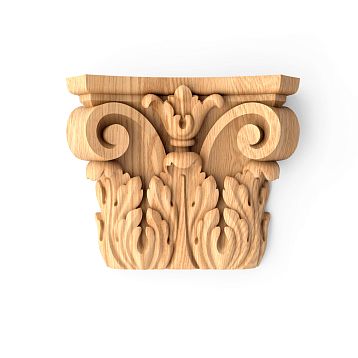
In implementing these trends, the key role is played byWooden decor elements. They carry the warmth of nature, uniqueness of each item, connection to craftsmanship traditions.carved appliqués, architectural columnsandpilasters, decorative moldings, balusters for staircases— these elements transform an indifferent space into a work of art, filled with meaning and character.
Company STAVROS has specialized for more than two decades in creating items from natural wood, embodying the bestFurniture Trends 2025andinterior design 2026. We combine deep respect for Russian traditional carving craftsmanship with the use of modern manufacturing technologies, creating items that meet the highest standards of quality and aesthetics.
STAVROS catalog features more than 5900 modelsfrom miniature fittings to large-scale architectural elements. We work with noble wood species — oak, beech, ash, walnut — carefully selecting the material and processing it to achieve maximum stability and longevity. Our production is equipped with modern equipment from leading European manufacturers, but the final finishing is always done by experienced masters by hand, giving each item individuality and soul.STAVROS offers not just ready-made items, but also the service of custom manufacturing. If you have a unique idea, sketch, or concept — we will bring it to life in material. Our designers will help refine the project, optimize it technically, and create 3D visualization. You will see the result even before production begins and can make adjustments. This guarantees that the final item fully meets your expectations and perfectly fits your interior concept.
Over the years, STAVROS has participated in the implementation of hundreds of projects — from private homes and apartments to large-scale restorations of historical interiors. We worked on the restoration of the Constantine Palace, the Hermitage, the Alexander Palace, and the Trinity-Isaevsky Cathedral. These projects required deep knowledge of historical styles, the highest craftsmanship, and absolute precision. And we succeeded, proving that we can work at any level of complexity.
Over the years, STAVROS has participated in the implementation of hundreds of projects — from private homes and apartments to large-scale restorations of historical interiors. We worked on the restoration of the Constantine Palace, the Hermitage, the Alexander Palace, and the Trinity-Isaevsky Cathedral. These projects required deep knowledge of historical styles, the highest level of craftsmanship, and absolute precision. And we succeeded, proving that we can work at any level of complexity.
But for us, each private client who wants to realizeCurrent interior design styleswhether it’s a small apartment or a spacious mansion, we approach every project with the same attention and professionalism. Your home is your life, and it deserves the best materials, the best craftsmanship, and the best service.
We believe in the beauty of natural materials. We believe in the value of handcrafted work. We believe that a home should not be just a functional space, but a work of art that inspires and supports. We believe that the trends of 2025–2026 are not temporary fashion, but the beginning of a new era in interior design, where beauty, functionality, eco-friendliness, and individuality become inseparable.
Choosing STAVROS means choosing quality proven by time and hundreds of completed projects. Uniqueness that cannot be mass-produced. Eco-friendliness that does not harm the planet. Craftsmanship passed down from generation to generation. We don’t just sell items — we help create homes that become works of art, reflections of your personality, spaces where every detail matters.
Start your journey toward artful interiors with STAVROS. Explore ourCatalogContact our consultants, share your ideas and dreams. We will help bring them to life, creating a space that will be absolutely yours — unique, like a fingerprint, and beautiful, like a work of art. Because the interior of 2025–2026 is not just a place to live. It’s art being yourself.