Article Contents:
- Touch as Art: A New Philosophy of Interior Design
- Solid Wood vs. Fakes: Why the Material Matters
- Geometry of Touch: Shapes That Change Perception
- The Foundation: How Legs Change the Character of Furniture
- Color Alchemy: From Transparent to Black
- Tactile Map of the Home: Where to Use Wooden Hardware
- Scandinavian Minimalism Meets Japanese Philosophy
- Industrial Style: Unexpected Use of Wood
- Art Deco Returns: The Geometry of Luxury
- How to Properly Combine Handles and Legs: Laws of Composition
- The Practical Side: Installation, Care, Durability
- Individuality Through Standard: How to Create a Unique Interior
- The Future is Here: Technology and Tradition
- Frequently Asked Questions About Wooden Furniture Hardware
- Instead of a Conclusion: Touching the Future

Forget everything you knew about furniture hardware. The upcoming year 2026 will bring something more to interior design than just another shift in color palettes or geometric forms. It's about returning to the basics — to tactile sensations, to the living touch, to materials that breathe with us. And at the center of this quiet revolution are two elements we've grown accustomed to thinking of as purely utilitarian details:wooden furniture handlesandfurniture legsmade from solid natural wood.
Why now? Why, after decades of dominance by chrome-plated metal, plastic, and glass, are we suddenly turning to wood — a material used even by our great-great-grandmothers? The answer lies not in nostalgia, but in the deep-seated need of modern people for authenticity. In a world where most objects are machine-made and devoid of individuality, wood offers something priceless — the uniqueness of each element, the warmth of touch, a connection with nature.




Touch as Art: A New Philosophy of Interior Design
Have you ever thought about how many times a day you touch furniture handles? Opening a wardrobe in the morning, taking dishes from a kitchen set, pulling out a desk drawer, closing a chest of drawers door before bed. Dozens, if not hundreds, of touches daily. And each one is a micro-experience shaping your relationship with the space you live in.
Cold metal awakens but does not warm. Plastic is functional but faceless. And wood? Wood is alive. It retains the warmth of a human hand, it changes its temperature along with you, it possesses that very tactile memory that turns the simple act of opening a drawer into a moment of mindfulness. That is whyFurniture Handlesmade from solid wood become not just an interior detail, but a philosophical statement about how we want to live.
The trend of 2026 is a trend towards sensuality, towards returning sensory experience to everyday life. Designers are increasingly talking about the concept of mindful living — a conscious life where every detail matters. And in this paradigm, wooden hardware ceases to be just a functional element. It becomes a point of contact between a person and their home, between the hustle of the day and a moment of peace.




Solid Wood vs. Fakes: Why the Material Matters
Not all wood is the same. The market is flooded with imitations — MDF with wood-grain film, plastic with wood texture, composite materials that look plausible in photos but disappoint at the first touch. Genuinewooden furniture handlesare made exclusively from solid wood — a solid piece of timber that retains all the natural properties of the material.
Beech and oak are two species that have earned the recognition of furniture makers for good reason. Beech is distinguished by exceptional structural density, uniform texture, and a minimal number of knots. Its surface is perfectly smooth after sanding, pleasant to the touch, and durable under intensive use. Oak, on the other hand, is about nobility, pronounced texture, and the ability to become stronger over the years. Oak handles acquire a special patina over time, becoming more and more beautiful.
The difference between solid wood and imitation is felt not only tactilely. Natural wood breathes, regulates humidity, and possesses natural antibacterial properties. It does not accumulate static electricity, does not attract dust, and does not cause allergies. It is a living material that creates a healthy microclimate in a room.
Our factory also produces:


Geometry of Touch: Forms That Transform Perception
The 2026 collection radically reimagines traditional furniture hardware forms. Forget standard U-shaped brackets and inconspicuous knobs. The new generationwooden furniture handles— are sculptural objects, each a miniature work of art.
Large-diameter round handles resemble Japanese netsuke — miniature sculptures that are pleasant to hold. Their spherical shape fits perfectly in the palm, creating a sense of gesture completion. Asymmetrical triangular handles play with light and shadow, creating dynamic compositions on the cabinet front. Shell-shaped handles with smooth rounded edges evoke associations with the organic forms of nature — seashells, river pebbles, water-polished stones.
Long oval and rectangular handles emphasize horizontals, create rhythm, and visually expand space. Classic brackets are reimagined from an ergonomic perspective — their grip is designed down to the millimeter, the tilt angle calculated for hand comfort. Neat knob handles for compact furniture prove that functionality can be elegant.
Each model features an ergonomic grip and can be installed in various positions — horizontally, vertically, or at an angle. This opens incredible possibilities for composition: the same handle, installed differently, creates a completely different visual effect. Designers use this technique to create dynamic fronts where each element participates in a symphony of forms.
Get Consultation
The Foundation of Foundations: How Legs Change the Character of Furniture
If handles are the points of contact with furniture, thenfurniture legsdefine its character, posture, and relationship with space. Imagine a classic chest of drawers: massive, solid, as if rooted to the floor. Now place it on tall, turned legs — and it suddenly becomes light, airy, almost floating. Magic? No, skillful use ofof furniture supports.
The 2026 trend is a rethinking of the role of legs in interior composition. They cease to be a hidden utilitarian element and come to the forefront as a full-fledged decorative accent. Moreover, well-chosen legs can radically change the perception of furniture, turning a mass-produced item into a unique interior piece.
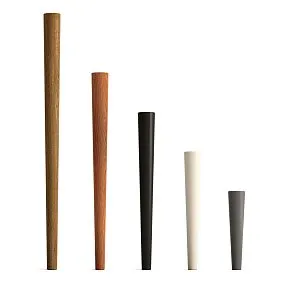
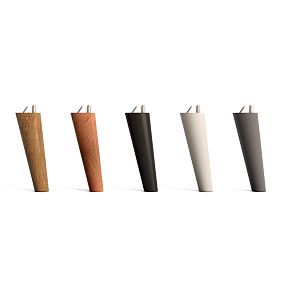
The collection includes over 130 models — from minimalist conical supports to luxurious Baroque-style carved legs, from strict geometric forms to organic curved lines. Height varies from compact 45 millimeters to an impressive 2100 millimeters, allowing for supports to be selected for any type of furniture — from a low coffee table to a high bar counter.
Turned legs are a classic, tested by centuries. Their profile is created on a lathe, forming smooth transitions in diameter, elegant waists, decorative swellings. Each profile has its own name and history, tracing back to a specific era of furniture art. Carved legs are adorned with ornaments created by master carvers. This can be floral decor, geometric patterns, stylized architectural elements. Geometric legs are distinguished by strict lines, clear edges, and a modern minimalist aesthetic.
Color Alchemy: From Transparent to Black
One of the key advantages of wood is the possibility of diverse finishing.Solid Wood Itemscan be presented either unfinished or with a professional coating in four basic colors that have become the new classics of 2026.
A transparent oil or varnish finish emphasizes the natural beauty of the wood, reveals its texture, and makes the grain of the annual rings more expressive. This is the choice for those who value authenticity and want to preserve the natural appearance of wood. Such handles and legs fit perfectly into Scandinavian style, eco-design, and Japanese minimalism.
White is a symbol of purity, light, and air. White wooden handles create contrast on dark fronts, emphasize the graphic quality of the composition, and visually lighten massive furniture. At the same time, the wood grain shows through the white coating, maintaining a connection with the natural material. This is not an opaque enamel, but a semi-transparent coating that plays with light.
Black is the color of drama, graphics, and modern urban style. Black wooden elements look expensive and refined, create clear accents, and emphasize the architecture of the furniture. On light fronts, they work as expressive graphic signs; on dark ones, they create a tone-on-tone effect with a play of textures.
Brown is represented by a rich palette of shades — from light walnut to deep wenge. Brown handles and legs are versatile; they easily fit into any interior, create a sense of warmth and coziness, and emphasize the respectability of the setting. This is a classic that never goes out of style.
Tactile Map of the Home: Where to Use Wooden Hardware
The kitchen is a space where tactile contact with furniture is most intense. Here we open and close cabinets dozens of times a day, work with drawers, and touch fronts.wooden furniture handlesin the kitchen is not only about beauty but also practicality. Wood does not heat up like metal, does not accumulate cold, and is always pleasant to the touch. With proper treatment, it is resistant to moisture, not afraid of temperature fluctuations, and easy to clean.
Modern kitchens require a large number of handles — for upper and lower cabinets, for drawers, for tall pantry units. Creating a unified composition where all elements work towards a common idea becomes a creative task. You can use handles of one model for all fronts, creating a rhythmic pattern. Or you can combine different forms — long horizontal brackets for wide drawers, round knobs for upper cabinets, vertical handles for tall pantry units.
The bedroom is an intimate space where every detail matters. Herewooden furniture handleshelps create an atmosphere of coziness and tranquility. Dressers, nightstands, and wardrobes with wooden hardware look cohesive and harmonious. Wood in the bedroom is a natural choice, as this material creates a healthy microclimate, does not emit harmful substances, and has a beneficial effect on sleep quality.
Dressers on talllegs for furniturelook especially expressive. They are visually lighter than squat versions, easier to clean under, and create a sense of air and space. In small bedrooms, this effect is especially valuable — furniture on legs does not feel oppressive, does not clutter, and allows the room to breathe.
The living room is the formal space of the home, where furniture should make an impression. Here, wooden hardware works as a status element, demonstrating the owners' taste and attention to detail. Sideboards and buffets on elegant turned legs, consoles with graceful supports, dressers with exclusive handles — all this creates an atmosphere of a thoughtful, stylish interior.
The dining group — table and chairs — gains special expressiveness thanks tofurniture legsmade of solid wood. A dining table on powerful carved legs becomes the center of the composition, around which the entire setting is arranged. Chairs with turned or geometric legs support the style, creating a cohesive ensemble.
The study and library require furniture that is respectable, substantial, but not heavy.decor for furnitureSolid wood is especially appropriate here. A writing desk on classic legs, bookcases with wooden handles, an armchair with turned supports — such an environment sets the mood for focused work and creates an atmosphere of solidity and stability.
The children's room is a space where the safety and eco-friendliness of materials come first. Wood is ideal for children's furniture. It is warm, safe, and contains no toxic substances. Wooden handles on children's dressers and cabinets help toddlers develop fine motor skills and learn to handle things carefully. And furniture on legs creates additional play space and makes cleaning easier.
Scandinavian minimalism meets Japanese philosophy
The two main interior trends of 2026 — Scandinavian minimalism and the Japanese wabi-sabi aesthetic — are united by a deep respect for natural materials and simple forms. And in both cases,Furniture Handlesandfurniture legswooden elements become key components of the composition.
The Scandinavian approach features light wood, clean lines, and functionality without excess. Here, handles of simple geometric shapes are used — round, rectangular, oval. Legs are conical or cylindrical, without decoration but with impeccable proportions. The color palette is natural wood, white, light gray. The entire composition is built on the combination of textures, the play of light and shadow, and subtle nuances of shades.
Japanese philosophy offers a different approach — the value of imperfection, the beauty of simplicity, respect for the traces of time.wooden furniture handlesHere, handles can be deliberately simple, even somewhat rough, preserving the marks of the craftsman's tools. Legs are asymmetrical, with a slight irregularity of form that emphasizes the handcrafted nature of the piece. The surface is not polished to a mirror shine but left matte, preserving the tactile expressiveness of the wood.
Both trends reject ostentatious luxury, value functionality and material honesty. And both find in wooden hardware the perfect expression of their philosophy.
Industrial style: the unexpected use of wood
It would seem that the industrial style, with its cult of metal, concrete, and brick, is the last place one would expect to see wooden hardware. However, it is precisely here thatwooden furniture handlesandfurniture legsthey create an unexpected and expressive contrast.
Imagine a loft with brick walls, exposed utilities, metal light fixtures. And amidst this brutal setting — a kitchen set with dark walnut wooden handles, a dining table on sturdy oak legs, a bar counter with supports made of aged wood. This contrast of warm and cold, handcrafted and industrial, creates a dynamic, lively composition.
In an industrial context, wood works as an element that softens the harshness of metal and concrete, introducing a human scale into the space. Yet it does not look out of place — on the contrary, wooden hardware recalls old factory interiors where wood and metal naturally coexisted.
Dark wooden elements are especially effective in industrial interiors — black or deep brown. They harmonize with black metal, create graphic accents, and emphasize the brutal aesthetic of the style.
Art Deco returns: the geometry of luxury
The Art Deco style is experiencing a new wave of popularity. And here,decor for furnituresolid wood elements play a key role. Art Deco is the luxury of geometric forms, strict symmetry, noble materials, and exquisite detailing.
Furniture handles in the Art Deco style are distinguished by a complex profile, multi-tiered structure, and clear edges. Round handles can have a stepped form, reminiscent of the architectural details of 1920s skyscrapers. Rectangular handles are adorned with beveled edges, creating a play of light and shadow.
Legs in the Art Deco style are sculptural objects where every line is considered, every curve mathematically precise. Conical legs with reverse taper — widening towards the bottom, creating a sense of stability and monumentality — are especially popular. Also characteristic are legs with geometric cross-sections — hexagonal, octagonal, with edges emphasized by contrasting coloring.
The Art Deco color palette is black and white, deep brown and golden, contrasting combinations. Wooden hardware here is often combined with metal inserts, creating luxurious compositions.
How to correctly combine handles and legs: the laws of composition
Creating a harmonious interior requires an understanding of basic compositional principles.Furniture Handlesandfurniture legsHandles and legs should work in unison, creating a holistic visual statement.
The principle of stylistic unity is the most obvious. If you have chosen classic turned legs, it is logical to use traditional bail handles or knobs. For modern geometric furniture, minimalist handles of strict forms are suitable. However, interesting effects can also be achieved with a moderate mix of styles — for example, combining carved legs with laconic handles or vice versa.
The principle of scale requires that the size of the hardware correspond to the dimensions of the furniture. Large furniture requires large handles and powerful legs. Delicate items require miniature hardware. Violating scale creates disharmony: huge handles on a small chest of drawers look absurd, and tiny knobs on a massive wardrobe get lost.
The principle of rhythm works when decorating large surfaces. If you have a kitchen set with many cabinet fronts, it is important to create a rhythmic structure for the placement of handles. They can be installed strictly in a line, creating a horizontal. Or in a checkerboard pattern, creating dynamism. Or with an alternation of horizontal and vertical handles, creating a complex pattern.
The principle of contrast allows for the creation of expressive compositions through opposition. Light handles on dark fronts or vice versa, somewhat rough wooden elements on smooth modern surfaces, massive legs under a delicate tabletop — all these are examples of working with contrast.
The practical side: installation, care, durability
Beauty should be practical.wooden furniture handlesandfurniture legsSolid wood pieces are not only aesthetically pleasing but also functional, easy to install and maintain.
Installing handles requires no special skills. All necessary mounting hardware is included. For most models, it is sufficient to drill a hole of the required diameter and secure the handle with a screw from the back of the facade. Some models have two mounting holes for greater reliability. It is important to accurately mark the position of the handles so they are installed straight and at the same height.
Leg installation depends on their design. Threaded legs are simply screwed into prepared sockets. Legs with mounting plates are attached with screws to the furniture bottom. Some models have a tenon for installation into a prepared hole using glue. All mounting options are reliable and ensure furniture stability.
Caring for wooden hardware is simple. Regular wiping with a damp, soft cloth removes dust and light dirt. For more serious cleaning, you can use special wood care products. It is important to avoid aggressive chemicals, abrasive materials, and excessive moisture.
Professional coating applied toSolid Wood Itemsprovides reliable protection from moisture, dirt, and staining, without interfering with the wood's natural breathing process. This treatment significantly extends the hardware's service life, preserving its original appearance.
The durability of high-quality wooden hardware is measured in decades. Solid wood does not lose strength over time, does not become loose, and does not warp. Moreover, wood acquires a noble patina over the years, becoming even more beautiful. This is the kind of furniture that can be passed down through generations.
Individuality through Standardization: How to Create a Unique Interior
The paradox of modern design: using standard elements, you can create an absolutely unique interior. The secret lies in combining, in unexpected pairings, in a creative approach to familiar things.
Take a mass-market dresser and replace the standard handles with exclusivewooden furniture handles— and the piece of furniture will transform, gaining individuality. Place an old table on new designerfurniture legs— and you'll get a unique item that no one else has.
This furniture upgrade technique is gaining popularity. Instead of buying new expensive items, people update what they already have by replacing hardware, changing finishes, and rethinking function. This is not only economical but also eco-friendly and creatively engaging.
Combining different handle models on a single piece of furniture is another way to create uniqueness. For example, on a kitchen set, you can use long horizontal handles for lower drawers and round knobs for upper cabinets. Or alternate handles of two colors, creating a rhythmic pattern.
The Future is Already Here: Technology and Tradition
The production of modern wooden hardware is a synthesis of traditional craftsmanship and advanced technology.Solid Wood Itemsare manufactured on high-precision CNC machines, ensuring perfect form repeatability and impeccable processing quality.
3D milling allows for creating the most complex reliefs and shapes that would be impossible to make by hand. At the same time, each product retains the individuality of the natural material—the unique wood texture, the inimitable grain pattern.
Chamber drying ensures optimal wood moisture content, preventing warping and cracking during use. The controlled microclimate of production facilities—temperature 20-24 degrees Celsius, humidity at least 40 percent—guarantees material stability.
Modern water-based coatings are eco-friendly, safe, odorless, yet provide reliable wood protection. They highlight the natural beauty of the wood without hiding its texture, creating a pleasant-to-the-touch surface.
Frequently Asked Questions about Wooden Furniture Hardware
Why are wooden handles more expensive than plastic or metal ones?
The price reflects the quality of the material and the complexity of production. Solid wood is a natural, noble material requiring special preparation, drying, and processing. Each handle goes through several production stages, including precise machining, multi-stage sanding, and final coating. This is an investment in durability, eco-friendliness, and aesthetics.
Can wooden handles be used in the kitchen where humidity is high?
Yes, provided they are properly treated. Professional coating protects the wood from moisture, preventing it from being absorbed into the material's structure. Wood treated with high-quality compounds is not afraid of short-term contact with water, does not swell, and does not warp. The main thing is to avoid prolonged soaking and to wipe the surface promptly.
How to choose the size of handles for furniture?
The size should correspond to the furniture dimensions and your height. For standard kitchen facades 40-60 centimeters wide, handles 96-128 millimeters long are suitable. For wide drawers, it's better to choose handles 160-200 millimeters long. For small doors and narrow facades, knobs with a diameter of 25-40 millimeters are sufficient. It's also important to consider ergonomics—the handle should be comfortable to grip.
What leg height should I choose for a sofa or armchair?
For upholstered furniture, the optimal leg height is 100-150 millimeters. This height ensures stability, makes cleaning under the furniture easier, and creates a visual lightness. To create a floating furniture effect, you can choose legs 150-200 millimeters high. For low, squat forms in the Japanese style, legs 50-80 millimeters high are suitable.
Can wooden handles be repainted a different color?
Yes, especially if you purchased unfinished handles. They can be stained in any shade, painted with acrylic or alkyd paint, or treated with oil or wax. Even painted handles can be repainted by first removing the old finish through sanding. This opens up possibilities for updating your interior without buying new hardware.
Will modern geometric handles suit classic furniture?
It's a matter of taste and boldness. The contrasting combination of classic furniture forms and modern hardware can create an interesting eclectic look. Designers often use this technique to refresh a traditional interior and add relevance. The key is a sense of proportion and understanding of the overall concept.
How to care for wooden furniture legs?
Regular dry or slightly damp wiping with a soft cloth is the basic care. Every few months, you can use wood polish, which renews the protective coating and adds shine. Avoid aggressive cleaning agents and prevent moisture accumulation at the joints where the legs meet the furniture body.
Will wooden legs withstand the weight of heavy furniture?
Solid wood is an exceptionally durable material. Properly selected legs can withstand significant loads without deformation. For heavy furniture, choose legs with a large cross-section—from 80x80 mm for square ones or a diameter from 80 mm for round ones. Proper distribution of support points is also important—use additional legs for long furniture.
Can handles and legs be ordered in custom sizes?
Many manufacturers offer the service of making hardware to custom specifications. This is relevant for non-standard projects, restoration of antique furniture, and creating exclusive interiors. The production time and cost depend on the complexity of the shape and the order volume.
Which wood is better—beech or oak?
Both materials are of excellent quality; the choice depends on your priorities. Beech has a more uniform structure, even color, excellent workability, and a slightly more affordable price. Oak has a pronounced grain, noble status, exceptional durability, and the ability to darken and acquire a patina over the years. Beech is often chosen for modern interiors, oak for classic ones.
In conclusion: Touching the future
Trends come and go, but some things remain timeless.wooden furniture handlesandfurniture legsNatural solid wood hardware is not just a fashionable trend of 2026. It's a return to basic values: naturalness, quality, tactile comfort, and connection with nature.
In a world where most items are mass-produced and soulless, wooden hardware offers an alternative—individuality, warmth, and a living touch. Each handle is unique thanks to the inimitable wood grain. Each leg carries the story of the tree from which it was made.
ChoosingSolid Wood ItemsChoosing wooden hardware for your home means choosing durability, eco-friendliness, and beauty. You create an interior that will remain relevant not for just one season, but for decades. You invest in the comfort of daily contact with the things that surround you.
2026 will be the year of the tactile revolution in interior design. And at the center of this revolution are simple yet perfect wooden products that return to us the joy of touching something natural, living, and real.
For over twenty years, STAVROS has been engaged in the production ofsolid wood productswooden furniture hardware, offering the widest range of premium-quality furniture hardware. Over 4000 models and 20000 modifications, presented in 39 product groups, allow for the realization of any design ideas. Own production in Russia, quality control at every stage, the use of selected beech and oak wood, and modern processing technologies—all this makes STAVROS products a benchmark of quality in the wooden decor market. The company works with both private clients and designers, architects, and furniture manufacturers, offering flexible cooperation terms, prompt delivery across Russia, and professional consulting support. Choosing STAVROS means choosing reliability, quality, and beauty, proven by time and thousands of completed projects.