Article Contents:
- Chairs as sculpture: form and carving
- Backrest: carving and proportions
- Legs: turning and shape
- Upholstery: textiles and color
- Repeating motifs: from chair to wall
- Analysis of chair carvings
- Choosing wall appliqués
- Color and patina
- Moldings: framing the table area
- Panel behind the table
- Vertical Zoning
- Ceiling solutions
- Defining the dining area in an open living room
- Color-Based Zoning
- Light-Based Zoning
- Furniture as a boundary
- Table: the center of the composition
- Shape and Size
- Tabletop material
- Table base
- Frequently Asked Questions
- How many chairs are needed around the table?
- Should all chairs be identical?
- How to match chair height to the table?
- Can classic chairs be used in the kitchen?
- How to care for carved chairs?
- Are armrests needed on dining chairs?
- Conclusion

Why does one dining room look like a random assortment of furniture, while another appears as a thoughtful composition where you want to linger, where every meal becomes an event? The secret lies in the details.Classic chairsset the tone for the entire dining area—their carving, backrest shape, and upholstery define the style, and repeating these motifs in wall appliqués, moldings, and cornices creates compositional unity. When the carving on a chair back echoes the decor on the walls, when the table is surrounded by moldings forming an architectural panel, when the dining area is defined as a separate zone even in an open living room—the interior gains character, depth, and a sense of completeness.
interior decorationoperates not in isolation but as a system where each element enhances the others. Chairs are not just seating but sculptural objects visible from all sides, whose carving creates a visual rhythm around the table. Wall appliqués pick up this rhythm, extending it to vertical planes. Moldings frame the area, separating the dining room from the rest of the space without creating physical barriers but forming visual boundaries. This is the art of space arrangement, where food is only part of the experience, and the surroundings create an atmosphere, turning an ordinary dinner into a ceremony.


Chairs as sculpture: form and carving
In a classic interior, a chair is not just a seat with legs but an object to be viewed from all sides. The chair back faces the room when no one is sitting and becomes a decorative element that should be as detailed as furniture facades. Carving on the back, turned legs, curved armrests—all of this creates sculptural quality, transforming a functional item into a piece of applied art.




Backrest: carving and proportions
Backrestof the classic chair— its signature feature, the focal point where decoration is concentrated. The shape of the back is defined by the style—straight vertical for strict classicism, curved with volutes for Baroque, oval with soft upholstery for Rococo. The back height varies from 85 to 120 cm from the floor, creating the chair's different presence in the interior—a low back is less dominant, a high one makes the chair monumental, noticeable even in large rooms.
Carving on the back—floral ornaments, geometric patterns, cartouches, wreaths—must be expressive to be legible from a distance. The depth of the carving is critical—shallow carving gets lost, especially on painted chairs, deep carving creates dramatic shadows, making the ornament noticeable.Versailles chairdemonstrates complex multi-level carving with acanthus leaves, scrolls, which create a lush, Baroque character, making each chair an independent decorative object.
The proportions of the back must correspond to the size of the chair and the table. A back that is too narrow on a wide seat looks stunted, one that is too wide on a narrow seat overloads it. The optimal back width is 40-50 cm, which ensures visual balance and comfortable back support.
Our factory also produces:




Legs: Turning and Shape
The legs of classic chairs—turned, carved, curved—create a rhythm that repeats around the table. Four chairs—sixteen legs, each with identical ornamentation, creating visual density, texture. The shape of the legs varies—straight tapered for strict styles, cabriole—curved, flaring at the bottom—for Rococo and Baroque, balusters for Empire.
Turning on the legs—grooves, protrusions, collars—creates a play of light and shadow, making the leg not just a support, but a decorative element. The depth of turning, the width of the grooves, the number of collars must be proportionate to the thickness of the leg—excessive turning on a thin leg weakens the structure, insufficient turning on a thick leg makes it bulky, primitive.
The lower ends of the legs—smooth, with carving, with metal tips—complete the form. Carving in the form of a lion's paw, scroll, leaf—traditional motifs that add nobility, connect the chair with historical prototypes. Metal tips—brass, copper—are not only decorative but also protect the wood from wear when the chair is moved across the floor.
Get Consultation
Upholstery: Textile and Color
Upholstery of the seat and chair back adds comfort, color, texture. The choice of fabric defines the character—velvet creates luxury, linen—naturalness, jacquard—classic elegance. The color of the upholstery can be neutral—beige, gray, cream—not distracting from the carving of the frame, or accent—emerald, burgundy, blue—turning the chairs into a color accent in the dining room.
Tufting—a diamond pattern with buttons—is a classic upholstery technique that adds volume, texture, makes the back more expressive. The depth of the tufting, the size of the diamonds, the color of the buttons—details that influence the final impression. Small diamonds create refinement, large ones—monumentality.
The fabric's durability is critical for chairs, especially in the dining room where the risk of soiling is high. Modern fabrics with stain-repellent treatment, increased weave density, abrasion resistance make the upholstery practical, preserving its appearance for years. Removable covers are an alternative that allows washing the upholstery, changing the color according to mood, protecting the main fabric.
Repetition of Motifs: From Chair to Wall
Compositional unity in the dining room is achieved through the repetition of ornaments present on the chairs, in wall appliqués, on cornices, moldings. This is not literal copying, but creating visual echoes where the elements are related, recognizable, but not identical, which creates rhythm, not monotony.
Analysis of Carving on Chairs
The first step is to understand what ornament is present on the chair backs. Floral motifs—acanthus, grapevines, floral garlands—are typical for Baroque and Neoclassicism. Geometric patterns—meander, diamonds, braiding—for Empire, strict classicism. Abstract volutes, scrolls, cartouches—for Rococo, where fluidity, the absence of straight lines is important.
Identify the key element of the ornament—leaf, scroll, flower—which is the most expressive, recognizable. This element will become the basis for repetition on walls, cornices, other furniture. There's no need to repeat the entire ornament completely, it's enough to use a characteristic fragment that will create a visual connection.
Selection of Wall Appliqués
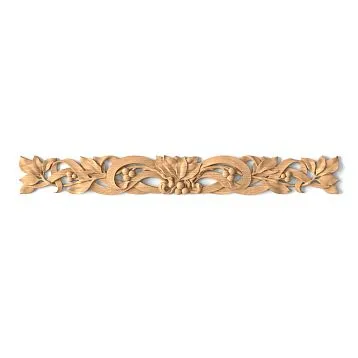
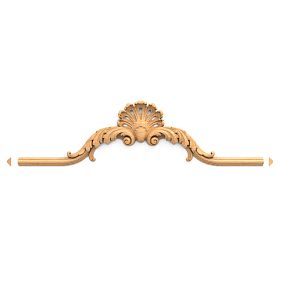
Wooden Furniture Decorincludes a wide selection of carved appliqués—rosettes, corner elements, linear panels—which can be placed on walls, creating a vertical analogue to the carving on the chairs. If the chair backs have acanthus leaves, choose wall appliqués with similar leaves—not necessarily identical, but related in carving style, proportions, ornament density.
The size of the appliqués must be proportionate to the scale of the room. In a small dining room, large appliqués overwhelm; it's better to use medium or small ones, creating delicate decor. In a spacious dining room with high ceilings, small appliqués get lost; larger, noticeable ones from a distance are needed.
The placement of appliqués is thought out in composition with the furniture. Symmetrical appliqués on either side of the sideboard
or buffet create a classic pair, framing the furniture. Appliqués above the table—a central rosette or several rosettes in a line—create a focal point that draws the eye. It's important not to overload—3-5 appliqués in the dining room are enough; more creates visual noise.
Color and Patina
The color of the wall appliqués must correspond to the color of the chairs, creating material unity. If the chairs are made of natural wood—oak, walnut—the appliqués are also natural, in the same tone. If the chairs are painted—white, cream, gray—the appliqués are also painted identically. Contrast is possible, but it must be considered—white chairs and dark appliqués, or vice versa, creating graphics, but this is risky, requiring a subtle sense of proportion.
Patination of appliqués enhances the connection with the chair carving. If the chairs are patinated with gold, the appliqués should also have gold patina in the recesses, creating unity of finish. Silver, graphite, brownish patina work similarly, linking elements through the repetition of the treatment technique.
Moldings: Framing the Table Area
Moldings on the dining room walls create an architectural frame that highlights the dining area, frames the table and chairs, turns the functional space into a ritual one, where dining becomes a ceremony. Rectangular panels made of moldings behind the table, vertical pilaster moldings in the corners, a horizontal frieze under the ceiling—all this structures the walls, creates a sense of order, classical harmony.
Panel Behind the Table
A rectangular panel made of moldings on the wall behind the table is a classic technique that focuses attention on the dining area. The size of the panel is determined by the size of the table—the width of the panel is slightly greater than the length of the table, the height is 120-180 cm from the floor, which creates a visual frame inside which the table and chairs are located.
The profile of the moldings for the panel must be proportionate to the size of the room. Thin moldings 3-5 cm wide are suitable for small dining rooms, creating delicate relief. Wide moldings 8-12 cm—for spacious rooms with high ceilings, where thin ones get lost. The complexity of the profile—smooth, with milling, with carved elements—must correspond to the decor of the chairs, creating stylistic unity.
Inside the panel, the wall can be painted the same color as the other walls, creating only relief. Or in a different one—one or two tones darker or lighter—highlighting the area, creating a focal point. Wallpaper with a delicate pattern, textile upholstery, wooden panels are more complex options that add texture and luxury but require caution to avoid overwhelming the space.
Vertical zoning
Vertical moldings—pilasters, half-columns—along the edges of the dining area create visual boundaries, separating the dining space from the rest of the living room without physical partitions. This is especially important in open layouts where the dining area does not have a separate room but should be perceived as a distinct zone.
Pilasters are installed from floor to ceiling, creating a powerful vertical that organizes the space. The capital of the pilaster—the upper finish—can be Ionic, Corinthian, or Composite, depending on the style. The shaft of the pilaster—smooth, fluted, with carved overlays—creates texture and relief.
The distance between pilasters determines the width of the dining area. If the table is 180-200 cm, pilasters should be 250-300 cm apart, leaving space for chairs and passage around the table. Too narrow a distance creates crampedness; too wide—the zone loses definition and dissolves into the general space.
Ceiling Solutions
The ceiling above the dining area can be highlighted with coffers, stucco, or a multi-level structure that continues the vertical zoning. A rectangular coffer—a recess with moldings around the perimeter—above the table creates a visual dome under which the meal takes place. Inside the coffer, there can be painting, a stucco rosette, from which a chandelier descends.
A stucco cornice along the perimeter of the ceiling—wide, with carved elements—creates a transition from walls to ceiling, visually increases height, and adds classical monumentality. The cornice ornament should echo the carving on chairs and wall overlays, creating compositional unity across all levels—from floor to ceiling.
Highlighting the dining area in an open living room
When the dining area does not have a separate room but is part of the living room or kitchen-living room, highlighting it as a distinct zone is critical for creating a sense of privacy and intimacy, which is important for comfortable dining. This is achieved not with walls but with visual tools—color, light, architectural details, furniture.
Color zoning
An accent wall behind the table—painted a color different from the other walls of the living room—highlights the dining area, creating a focal point. The color can be several tones darker or lighter than the main one, creating a delicate contrast, or contrasting—dark blue against light gray, emerald against beige—creating a dramatic effect that makes the dining area a separate space.
A panel of moldings on the accent wall enhances the effect, creating an architectural frame for the color spot. Inside the panel, the color is more saturated; outside—neutral, creating a visual transition, a gradient that connects the dining area with the rest of the living room without isolating it.
The floor under the table can be highlighted with a rug, which creates a textural and color boundary. The rug size should be 60-80 cm larger than the table on each side, so chairs, even when pulled back, remain on the rug. The rug pattern—classical floral, geometric, solid—should support the interior style; colors can echo chair upholstery or wall overlays.
Light zoning
Lighting is a powerful tool for highlighting the dining area. A chandelier above the table is a central element that not only provides light but also creates a visual center of attraction. The chandelier size should be proportional to the table—the chandelier diameter should be 50-70% of the table width, creating visual balance. Hanging height 70-80 cm above the tabletop ensures sufficient lighting without obstructing the view across the table.
The chandelier style should match the chairs and overall dining area decor. A classic chandelier with crystal pendants, carved arms, and a brass frame supports the opulence of Baroque chairs. A more restrained chandelier with simple shades and minimal decor suits Neoclassicism, where elegance without excess is important.
Local dining area lighting—sconces on walls, floor lamps in corners—creates multi-level lighting that can be adjusted. During meals, the main light is from the chandelier; local sources are dimmed. Before and after—the chandelier is off; sconces create soft background lighting that makes the dining area cozy but not accentuated.
Furniture as a boundary
A sideboard, buffet, or console behind or beside the table works as a visual boundary for the dining area while providing functional storage for dishes, textiles, and serving utensils.Classic Furniture—carved, massive, painted, or made of natural wood—creates architectural volume that structures the space.
A sideboard with glass doors and open shelves displays dish collections, creating a decorative composition that complements the dining area. Internal display lighting makes the contents visible in the evening, adds atmosphere, and turns the sideboard into a glowing object. Carving on the facades, a cornice on top, and baluster legs should echo the chairs, creating a unified ensemble.
A buffet with closed lower cabinets and open upper shelves works similarly but is more massive, suitable for spacious dining areas. A console—a narrow table on high legs—is a lighter alternative that does not clutter, suitable for compact spaces. On the console tabletop—vases, candles, decanters, creating a decorative group.
Table: the center of the composition
The dining table is the functional center of the dining area, around which the entire composition is built. The shape, size, and material of the table determine how many people can be accommodated, how chairs will be arranged around it, and how much space the zone will occupy. A classic table should match the style of the chairs, creating a harmonious ensemble.
Shape and size
A rectangular table is a classic choice for formal dining areas, accommodates more people, and is convenient for serving long dishes. Size is determined by the number of people—60 cm width per person, 40 cm depth—minimum comfort. A table for six people—180×90 cm, for eight—220×90 cm, for ten—260×100 cm.
A round table creates an intimate atmosphere where everyone can see each other, there is no head of the table, which is democratic and conducive to equal communication. The diameter of a round table for four people is 100-110 cm, for six—130-140 cm, for eight—150-160 cm. A round table requires more space around it than a rectangular one, which should be considered during planning.
An oval table is a compromise, combining the capacity of a rectangular table with the softness of a round one. The absence of sharp corners makes it safer, especially if there are children in the house, and visually lighter and smoother. The dimensions of an oval table are similar to a rectangular one in length but slightly wider—100-110 cm—which compensates for the lack of corners.
Tabletop material
Wood—natural solid oak, walnut, ash—is a classic choice that creates warmth, texture, and nobility. A wooden tabletop can be smooth—emphasizing the grain pattern—or carved—with edge milling, inlay, creating decorativeness. The wood color from light to dark determines the temperature of the interior—light wood creates airiness, dark wood creates monumentality.
Marble—luxurious, cold, durable—creates a palatial feel, suitable for opulent classic interiors. The veining pattern of marble is unique, making each tabletop one-of-a-kind. The marble color—white with gray veins, beige, black—should match the overall palette of the dining area and not clash with the color of chairs or walls.
Glass — tempered, thick — is a modern choice that works in a classic interior if the table base is carved, solid, creating the main decorative accent. Transparent glass makes the table visually lighter, doesn't clutter the space, which is important in compact dining rooms. Frosted or tinted glass adds texture and softness.
Table base
The base — legs, apron — defines the table's style and should match the chairs. Four legs at the corners is a classic construction, where each leg is carved, turned, a baluster or cabriole, echoing the chair legs. A central support — a massive column on a wide base — creates monumentality and frees up space under the table for legs, which is convenient.
An apron with milling, carved overlays, connecting the legs is a classic element that adds structure, visually linking the legs into a single construction. The ornament on the apron should echo the carving on the chair backs, creating compositional unity for the ensemble.
Frequently asked questions
How many chairs are needed around the table?
Depends on the table size and frequency of hosting guests. For daily use by a family of four, four chairs are enough. If you often host guests, you need six to eight. Chairs can be stored separately, not all constantly standing at the table, which saves space and doesn't clutter the dining room.
Should all chairs be identical?
The classic approach is all chairs identical, creating symmetry and order. A modern interpretation allows two armchairs at the table ends for the hosts, the remaining chairs without arms. Or one accent chair at the head of the table, the rest identical. The main thing is stylistic kinship, unity of carving, material, finish.
How to match chair height to the table?
The optimal difference between seat height and tabletop is 28-30 cm. Standard dining table height is 75-76 cm, accordingly chair seat height is 45-48 cm. If the table is non-standard — higher or lower — chairs should be selected accordingly to ensure comfortable seating.
Can classic chairs be used in the kitchen?
Yes, if the kitchen is spacious, has a dining area, and the kitchen's style allows. It's important to choose chairs with practical upholstery — stain-resistant, easy to clean — or removable covers. The carving shouldn't be too intricate, to clean easily from dust and grease. The wooden parts of the chairs should have a protective coating resistant to moisture.
How to care for carved chairs?
Regular dry cleaning with a soft brush or microfiber cloth removes dust from the recesses of the carving. Wet cleaning with a soft cloth, mild soap solution — as needed, then wipe dry. Avoid aggressive detergents, abrasives that damage the finish. Once a year, renew the protective coating — oil or polish — preserves the wood, prevents drying out.
Are armrests needed on dining chairs?
Armrests add comfort but take up more space, which is critical in compact dining rooms. A chair with armrests requires 60-65 cm width, without armrests — 45-50 cm. If the table is small, chairs with armrests may not fit, not tuck under the table. A compromise — armchairs at the table ends, chairs without armrests on the sides.
Conclusion
Classic chairs— are not just seating places, but sculptural objects that set the tone for the entire dining area. Their carving, back shapes, turned legs, elegant upholstery create a visual rhythm that spreads to the other elements of the dining room — wall overlays, moldings, cornices. Repeating the back ornaments ininterior decorationcreates compositional unity, turns the dining room into a thoughtful space where every detail is connected to another, where nothing is accidental.
Moldings frame the table area, create an architectural panel that highlights the dining room, makes it the focal point of the living room even in an open plan. Vertical pilasters, ceiling coffers, friezes continue the zoning, structure the space without physical partitions, using only visual tools. Lighting — a chandelier over the table, sconces on the walls — completes the highlighting, creates multi-level light that can be adjusted to the task.
The table as the center of the composition should match the chairs in style, material, proportions. Wooden, marble, glass — the choice depends on the character of the interior, but it's important that the table base echoes the chair legs, creating an ensemble. Furniture — sideboard, buffet, console — not only provides storage but works as a visual boundary of the zone, complements the composition, links the chairs to the walls through repetition of carving, color, shape.
The company STAVROS creates Classic chairsmade of solid oak and beech, which turn the dining room into a space where every meal becomes an event. Hand-carved backs, turned legs, professional upholstery create chairs that are simultaneously comfortable and beautiful, functional and decorative.Versailles chair— the embodiment of French Baroque with exquisite floral ornament carving, a concave anatomically comfortable back, refined proportions — demonstrates high craftsmanship, attention to detail, which distinguishes STAVROS products. The ability to choose wood species — oak or beech — finishing options from transparent varnished coatings with patination to enamels with artistic effects, a wide choice of upholstery fabrics from leading manufacturers' catalogs allow creating chairs that fully correspond to your vision.Wooden Furniture DecorSTAVROS — overlays, moldings, cornices, rosettes — is manufactured in the same styles as the chairs, providing the possibility to repeat ornaments, create compositional unity in the dining room. Each overlay is cut on high-precision 3D milling equipment, hand-sanded, can be painted and patinated similarly to the chairs, guaranteeing a perfect combination of all elements. Professional designers help design the dining room, select chairs, table, wall decor, lighting, create a 3D visualization that allows seeing the result before production begins. The stock program ensures quick shipment of popular models, custom manufacturing — the possibility of creating unique chairs to individual sizes, with exclusive carving, non-standard upholstery. Choosing STAVROS, you choose craftsmanship passed down through generations, the quality of natural wood, the beauty of hand carving, the comfort of thoughtful ergonomics. Let your dining room become a place where the family gathers, where every dinner is an event, where the space is set as carefully as the table, where classic chairs create an atmosphere that makes the ordinary — festive, the everyday — solemn.