












































































Article Contents:
- 1. History of Wooden Chairs
- 1.1 Early Stages and Origins of Traditions
- 1.2 Medieval Period and the Renaissance
- 1.3 Modern Era: Synthesis of Traditions and Innovations
- 2.1 Ecological and Natural Properties
- 2.2 Durability and Longevity
- 2.3 Unique Aesthetics and Individuality
- 2.4 Hypoallergenic Properties and Comfort
- 2.5 Thermal Insulation and Acoustics
- 3.1 Selection of Raw Materials and Wood Preparation
- 3.2 Handcrafted Work and Modern Technologies
- 3.3 Assembly and Quality Control
- 4.1 Classic Style
- 4.2 Modern Minimalism
- 4.3 Eco Style and Scandinavian Design
- 4.4 Custom and Industrial Style
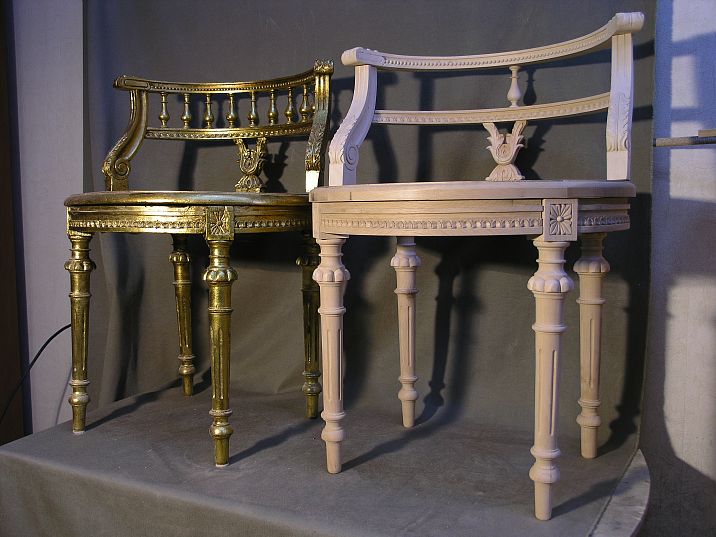
Natural wood has been used for creating furniture capable of bringing warmth, comfort, and natural beauty to any interior since ancient times.Wooden Chairs are not just seating furniture, but true masterpieces of craftsmanship, reflecting centuries-old traditions of wood processing and modern design trends. In this article, we will examine the history of wooden chair creation, their unique advantages, manufacturing technology, styles, and modern solutions, as well as provide recommendations for care and use of such items in interior design.


1. History of Wooden Chairs




1.1 Early Stages and Origins of Traditions
The use of wood in furniture manufacturing has ancient roots. Already in ancient times, craftsmen created wooden items, paying great attention to decorative carving, ornaments, and symbolic patterns. Chairs, like other furniture items, were originally an inseparable part of the life of the nobility, used in palaces and temple complexes, demonstrating the skill of artisans.
Our factory also produces:


1.2 Middle Ages and the Renaissance
In the Middle Ages, wooden chairs underwent new development. Masters perfected wood processing technologies, introducing traditional carving and inlay techniques. The Renaissance era was marked by the flourishing of artistic expression in furniture: chairs made of natural wood were adorned with complex decorative elements, highlighting the owner's status and the aesthetic perfection of the piece.
Get Consultation
1.3 Modern Era: Synthesis of Traditions and Innovations
Today, chairs made of natural wood combine timeless traditions with modern technologies. Manufacturers use time-tested handcraft methods, complemented by modern equipment for cutting, sanding, and polishing wood. This approach allows creating items that not only boast high functionality but also become a central element of interior design, emphasizing the uniqueness of the space. If you wish to explore modern solutions in this field, we recommend paying attention toWooden Chairs from trusted manufacturers.
2. Advantages of Wooden Chairs
2.1 Ecological Safety and Naturalness
One of the main advantages of wooden furniture is its ecological safety. Natural wood contains no harmful chemicals, which is especially important for creating a healthy microclimate in the home. Using a renewable resource helps maintain balance with nature and makes the product durable and safe for the entire family.
2.2 Strength and Durability
Chairs made of natural wood possess high strength and resistance to mechanical impacts. With proper care, items can serve for decades, preserving their structure and appearance. This makes wooden chairs a worthwhile investment that does not require frequent replacement and remains relevant for many years.
2.3 Unique Aesthetics and Individuality
Each piece of wood has its unique texture, tone, and grain pattern. Thanks to this, every chair becomes a unique work of art. Regardless of the chosen style—whether classic, modern, or minimalism—natural wood can add warmth, elegance, and distinctive charm to any interior.
2.4 Hypoallergenic Properties and Comfort
Wood possesses natural hypoallergenic properties, making wooden chairs an ideal choice for families with young children and individuals prone to allergies. Additionally, natural wood 'breathes,' helping maintain a favorable microclimate and comfort during prolonged use.
2.5 Thermal Insulation and Acoustics
Chairs made of natural wood have excellent thermal insulation properties. Wood retains heat, creating a cozy atmosphere in the room, and also helps reduce noise levels due to its acoustic qualities. This is especially important for living rooms, dining rooms, or home offices, where comfort and tranquility play a significant role.
3. Technology of Wooden Chair Manufacturing
3.1 Selection of Raw Materials and Wood Preparation
The quality of the finished product directly depends on the raw material. For chair manufacturing, the best wood species are used, such as oak, beech, ash, and walnut. Each type of wood has its unique properties: oak is known for its strength, beech for its elegant texture, and walnut for its rich color and expressive grain pattern. Before production, wood undergoes drying, disinfection, and sorting stages, ensuring the absence of defects and the longevity of the product.
3.2 Handcrafted Work and Modern Technologies
The process of manufacturing wooden chairs represents a harmonious blend of traditional craftsmanship methods and modern technologies:
● Hand-carved and finished details: Experienced masters create unique decorative elements, manually processing each part, giving the item individuality.
● Mechanized processing: Modern machines, such as laser cutters and CNC routers, ensure precise dimensions and perfectly smooth surfaces.
● Final finishing: Lacquering, oiling, and waxing not only highlight the natural beauty of the wood but also create a protective layer that extends the product’s lifespan.
3.3 Assembly and Quality Control
After processing individual components, the chair assembly stage follows, where special attention is paid to the strength of connections and structural stability. Reliable fasteners and meticulous control at every production stage ensure that the finished product meets high standards of quality and safety.
4. Design and Styles of Wooden Chairs
4.1 Classic Style
Classic wooden chairs are distinguished by refined carving, rich decorative elements, and elegant lines. Such items fit perfectly into interiors with traditional finishes, antiques, and luxurious details, creating an atmosphere of nobility and historical depth.
4.2 Modern Minimalism
Modern interiors often strive for simplicity and functionality. In minimalist solutions, wooden chairs feature sleek forms and lack unnecessary embellishments. Here, emphasis is placed on the natural wood texture, clean lines, and harmonious combination with other materials such as glass and metal.
4.3 Eco-style and Scandinavian design
In interiors designed in eco-style and Scandinavian design, natural wood is used to create a warm, cozy, and functional atmosphere. Light tones, natural textures, and minimalist forms contribute to creating a space filled with freshness, naturalness, and harmony with the surrounding environment.
4.4 Authorial and industrial style
For bold design solutions, a combined approach is often used: wooden chairs are integrated into interiors with industrial elements such as concrete, metal, and glass. This allows creating unique compositions where the classic warmth of wood combines with a modern urban style.
5. Practical tips for caring for wooden chairs
To ensure wooden chairs retain their original beauty and serve for many years, it is important to follow several simple care rules:
● Regular cleaning: Wipe the surface with a soft, dry or slightly damp cloth, using special wood care products. Avoid aggressive chemical agents that may damage the protective coating.
● Protection from sunlight: Place chairs in areas where they are not exposed to direct sunlight to avoid fading and drying out of the wood.
● Temperature and humidity control: Maintain stable climatic conditions in the room to prevent deformation and cracking.
● Periodic treatment: Regularly treat chairs with natural oils or waxes to maintain shine and protect the wood surface.
6. Ecological and social aspect
ChoosingWooden ChairsBy choosing eco-friendly materials, you support the principles of sustainable development. Using renewable resources, minimizing waste, and applying energy-efficient technologies help reduce negative environmental impact. Additionally, by purchasing items crafted with care for traditional craftsmanship, you support the skills and cultural heritage of local producers.
Conclusion
Wooden chairs are a universal solution capable of transforming any interior. They combine rich artisanal history, modern technologies, and the timeless aesthetics of natural material. Regardless of the chosen style — whether classic, minimalism, Scandinavian design, or custom solutions — wooden chairs always bring warmth, comfort, and natural beauty into your home.
If you are looking for an opportunity to purchase quality furniture that will not only serve as a functional element but also as a decoration for your interior, pay attention toWooden Chairs from trusted manufacturers. Properly selected and well-made chairs will serve you for many years, becoming a focal point and source of inspiration for creating a cozy and stylish space.
Let natural wood inspire you with new design solutions, and each chair become a manifestation of harmony, eco-friendliness, and craftsmanship that conveys the warmth and soul of your home.
This article is intended for those who value high quality, uniqueness, and ecological purity in interior design. We hope the provided materials will help you make an informed choice and create a space filled with the natural beauty of wood.


