












































































Article Contents:
- 1. Principles of stylish interior design
- 1.1. Unified concept
- 1.2. Color and light — main design tools
- 1.3. Functionality and comfort
- 2.1. Moldings and cornices
- 2.2. Decorative plates and outlets
- 3.1. Wall decoration
- 3.2. Ceiling decoration
- 3.3. Furniture decoration
- Conclusion
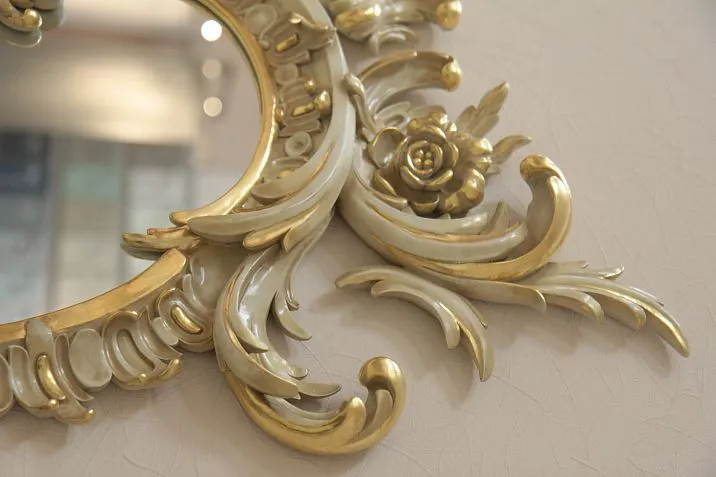
Stylish interior design is not just a combination of furniture, colors, and finishing materials. It is the art of creating a harmonious space that reflects the tastes, lifestyle, and individuality of the owner. Modern interior design trends emphasize not only aesthetics but also functionality, comfort, and durability of the solutions used.
How to create a stylish and comfortable interior that will please the eye and remain relevant for many years? What materials, colors, decorative elements, and design techniques will help achieve this? We will examine the main principles of stylish interior design, as well as ideas and recommendations for its creation.
1. Principles of stylish interior design
A stylish interior is not just a set of expensive items. More important is harmony, balance, and overall design coherence. Here are the main principles that will help create a modern and thoughtfully designed space.




1.1. Unified concept
Each room should be decorated in one style or in a harmonious combination of several stylistic directions.
How to achieve design coherence?
● Define the main interior concept: classic, minimalism, loft, art deco, etc.
● Choose unified color solutions for all rooms.
● Use identical decorative elements, such asMoldings, applique, Outlets.
Question: In which style do you want to decorate the interior?
Our factory also produces:
1.2. Color and light — main design tools
The correct choice of color palette and lighting plays a key role in creating a stylish space.
How to work with colors?
● Light shades visually expand the space.
● Dark tones add depth and create a cozy atmosphere.
● Contrasting combinations make the interior dynamic.
How to choose lighting?
● General lighting — chandeliers, recessed lights.
Zonal lighting – wall sconces, floor lamps, pendant lamps.
Decorative lighting – LED backlighting, backlighting %smolding and cornices.
Get Consultation
1.3. Functionality and convenience
A stylish interior should not only be beautiful, but also convenient for living.
How to create a comfortable space?
● Use functional furniture with thoughtful ergonomics.
● Add zoning using %sdecorative partitions.
● Consider the convenience of placing furniture and lighting.
2. Decorative elements: the key to a stylish interior
Decor plays a decisive role in interior design. It gives space completeness and individuality.
2.1. Moldings and cornices
polyurethane moldings andMoldings — an ideal way to add elegance and architectural expressiveness.
How to use moldings?
● Ceiling and wall decoration.
● Decorating door and window openings.
● Creating panels and geometric patterns on walls.
2.2. Decorative appliqués and outlets
Decorative Inserts and outlets allow creating elegant accents on furniture, walls, and ceilings.
Where to use decorative appliqués?
● Furniture and door decoration.
● Decorating columns and arches.
● Adding elegant details to a classic interior.
3. Practical tips for styling a stylish interior
3.1. Wall decoration
How to make walls stylish?
● Use moldings to create relief panels.
● Use combined materials – paint, wallpaper, decorative plaster.
● Add mirrors or textile panels for coziness.
3.2. Ceiling finishing
Use polyurethane cornices and rosettes.
Use polyurethane cornices and rosettes.
Add hidden lighting.
Apply contrasting colors or decorative elements.
Furniture styling
How to refresh furniture?
Use decorative appliqués.
● Add carved elements.
● Combine different textures and materials.
Conclusion
Stylish interior design is the art of creating a space where aesthetics, comfort, and functionality harmonize. It’s not merely choosing furniture and color schemes, but a thoughtfully designed system where every detail plays its part, forming a harmonious and inspiring atmosphere.
Modern interiors require attention to detail. Wall finishes, lighting selection, furniture arrangement — all of this creates a cohesive image reflecting the owner’s personality and taste. Ornamental moldings, decorative appliqués, and outlets play an important role in interior design. These elements allow you to emphasize style, create focal points, and make the interior unique.
However, a stylish interior is not only about beauty but also about comfort. The space must be functional and thoughtfully planned. It is important to consider zoning, lighting, furniture ergonomics, and material quality. An interior designed with all these nuances in mind does not merely please the eye, but creates a cozy atmosphere where it is comfortable to live, work, and relax.
A stylish interior is timeless. It may include modern trends, yet remains relevant and attractive for many years. Classic elements such as polyurethane cornices, decorative columns, or ornamental appliqués allow you to create a space that will delight not only today, but also in the future.
When creating an interior, do not be afraid to experiment, combine materials, use interesting textures, and incorporate thoughtful accents. Because true style is not merely following trends, but a way to express yourself, creating a comfortable and aesthetically harmonious environment where it is pleasant to be every day.


