Стили плинтусов формировались веками, отражая культурные традиции, технологические возможности и эстетические предпочтения различных эпох. Modern style дизайн интерьера предлагает широчайший спектр стилистических решений - from торжественной классики до радикального минимализма, каждый из которых имеет свою философию, характерные особенности и области применения. Варианты деревянных плинтусов демонстрируют удивительное разнообразие форм, пропорций и декоративных решений, способных удовyearsворить самые взыскательные требования современного интерьерного дизайна.
Выбор стиля плинтуса определяет не только внешний вид помещения, но и его эмоциональное восприятие, функциональность и соответствие общей архитектурной концепции. Каждый стиль имеет свои технические особенности, требования к материалам и способам обработки, что делает понимание стилистических различий критически важным для создания гармоничного интерьера.
Эволюция стилистических концепций плинтусов
Исторические корни современного разнообразия
Развитие стилей плинтусов неразрывно связано с эволюцией архитектурных направлений и технологических возможностей обработки материалов. От простейших деревянных планок до сложнейших резных композиций - каждая эпоха привносила свои эстетические идеалы и функциональные требования. Деревянные плинтуса в интерьере сегодня объединяют в себе лучшие традиции прошлого с инновационными решениями современности.
Classics ордерные системы древности заложили основы пропорциональности, которые до сих пор определяют эстетику традиционных стилей. Готическая архитектура привнесла вертикальность и стремление ввысь, барокко - пышность и театральность, а промышленная революция открыла эру массового производства и стандартизации форм.
Современное многообразие стилей плинтусов отражает демократизацию дизайна и возможность выбора между традицией и новаторством. Технологии производства позволяют воплотить любую дизайнерскую идею, from точного воспроизведения исторических образцов до создания принципиально новых форм.
Влияние культурных традиций на формообразование
Различные культуры внесли свой вклад в развитие стилистики плинтусов. Европейская традиция акцентировала внимание на декоративности и символизме, азиатская - на гармонии с природой и функциональности, американская - на практичности и адаптивности к местным условиям.
Отделка деревянным плинтусом в различных культурах отражала социальный статус, религиозные убеждения, климатические особенности и доступность материалов. Эти влияния сформировали богатую палитру стилистических решений, которая доступна современным дизайнерам.
Торжественная классика: наследие веков в современном интерьере
Фундаментальные принципы классической эстетики
Классический стиль плинтусов основывается на принципах симметрии, пропорциональности и декоративного богатства, унаследованных from великих архитектурных традиций прошлого. Skirting board деревянный сапожок представляет собой характерный пример классического профиля с его изящными изгибами и продуманными пропорциями, создающими ощущение блаcityства и изысканности.
Classics плинтуса отличаются значительной высотой - обычно from 100 до 200 мм, что позволяет создать впечатляющий архитектурный элемент. Профили характеризуются сложной многоуровневой структурой с чередованием выпуклых и вогнутых элементов - каннелюр, валиков, четок, полочек и других декоративных деталей.
Materialом для классических плинтусов традиционно служат блаcityные породы древесины - дуб, орех, красное дерево, которые подчеркивают престижность и долговечность изделия. Поверхность может быть естественной, подчеркивающей красоту текстуры дерева, или окрашенной в блаcityные оттенки - белый, кремовый, золотистый.
Разновидности классических направлений
Классический стиль включает множество исторических направлений, каждое из которых имеет свои характерные особенности. Барокко тяготеет к пышности и театральности, используя сложные многоуровневые профили с богатой резьбой и позолотой. Рококо предпочитает более изящные и утонченные формы с растительными мотивами и асимметричными элементами.
Английская классика отличается сдержанностью и респектабельностью, предпочитая четкие геометрические профили без избыточной декоративности. Французская классика тяготеет к элегантности и изысканности, используя тонкую моделировку и изящные пропорции.
Empire характеризуется торжественностью и монументальностью, используя символику военных побед и государственной власти. Профили отличаются строгостью и четкостью линий, часто дополняются золочением и декоративными элементами в виде лавровых ветвей, орлов, фасций.
Современная интерпретация классических форм
Деревянные плинтуса москва современного производства адаптируют классические формы к требованиям современного строительства и дизайна. Сохраняя основные пропорции и декоративные элементы, современные классические плинтуса учитывают особенности современных материалов, технологий монтажа и эксплуатационных требований.
Неоклассика предлагает упрощенные варианты традиционных профилей, сохраняющие основные стилистические характеристики, но адаптированные к современным интерьерам. Высота может быть уменьшена до 80-120 мм, декоративные элементы стилизованы, цветовая гамма расширена.
Modern технологии позволяют создавать точные копии исторических образцов или их творческие интерпретации. Фрезерные станки с ЧПУ обеспечивают высокую точность воспроизведения сложных профилей, а современные лакокрасочные материалы - долговечность и красоту покрытий.
Минимализм: философия простоты и функциональности
Эстетические принципы минималистского дизайна
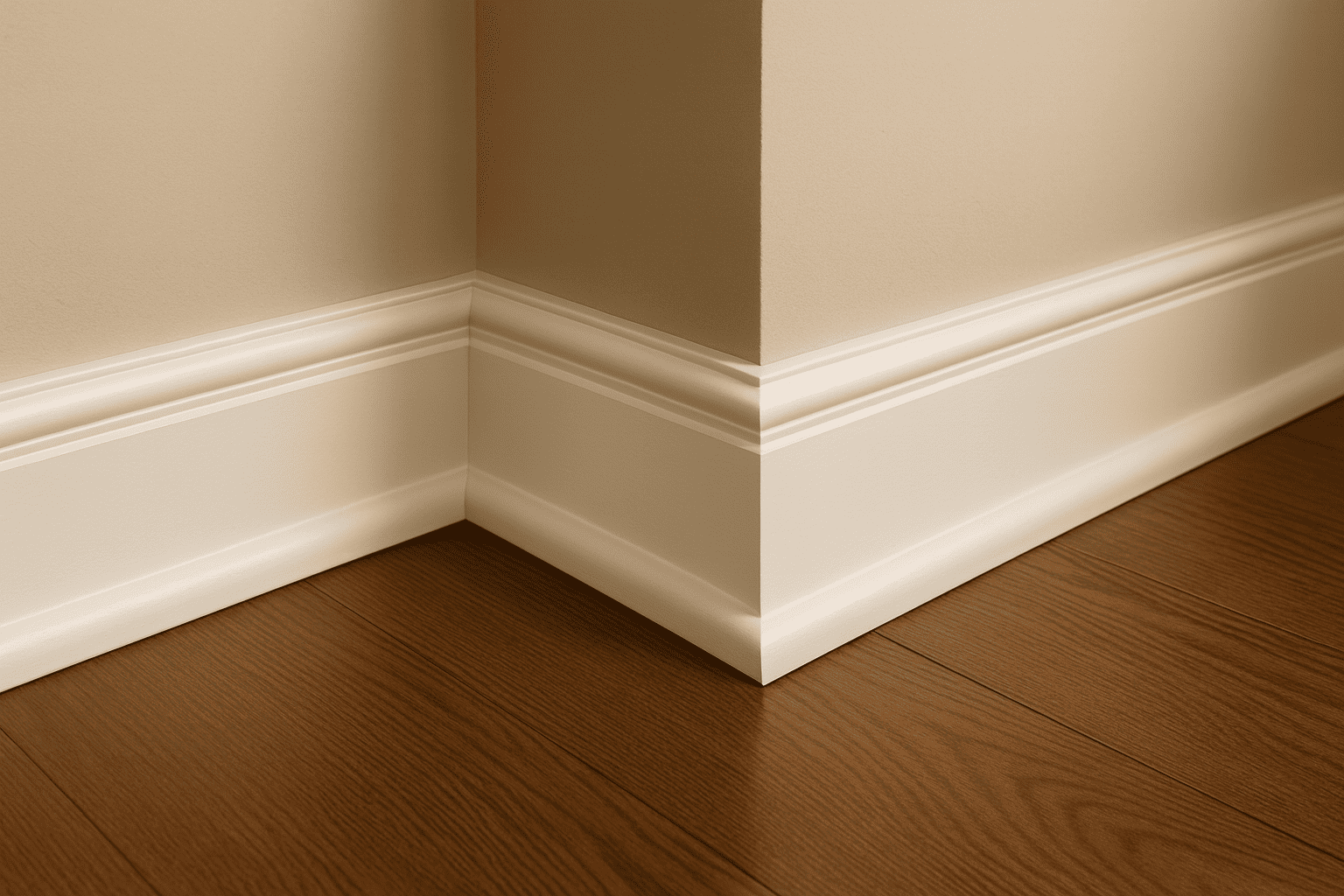
Минималистский стиль плинтусов воплощает философию "меньше значит больше", стремясь к максимальной функциональности при минимуме декоративных элементов. Skirting board плоский деревянный представляет собой идеальный пример минималистского подхода - чистые линии, простая геометрия, отсутствие декоративных излишеств.
Основными характеристиками минималистских плинтусов являются небольшая высота (40-80 мм), простые прямоугольные или слегка профилированные сечения, нейтральные цвета. Поверхность может быть матовой или слабоглянцевой, подчеркивающей текстуру материала без излишней декоративности.
Цветовая гамма ограничивается белым, серым, черным и натуральными оттенками древесины. Контраст или, наоборот, полное слияние с цветом стен создает различные визуальные эффекты - from четкой графической линии до практически незаметного перехода между поверхностями.
Технические особенности минималистских решений
Простота форм не означает простоту исполнения. Минималистские плинтуса требуют особого внимания к качеству материалов и точности изготовления, поскольку любые дефекты становятся заметными при отсутствии декоративных элементов, способных их замаскировать.
Узкие деревянные плинтуса минималистского стиля должны обладать идеально ровной поверхностью, точными геометрическими параметрами и качественной финишной обработкой. Стыки должны быть выполнены с ювелирной точностью, поскольку в минималистском интерьере они становятся акцентными точками.
Монтаж минималистских плинтусов требует особой аккуратности и профессионализма, поскольку любые неточности сразу бросаются в глаза. Используются скрытые способы крепления, исключающие видимые метизы и нарушение чистоты линий.
Функциональные аспекты минималистского дизайна
Минимализм в плинтусах не исключает функциональности. Деревянный плинтус с кабель каналом демонстрирует возможность объединения эстетики и практичности, скрывая коммуникации при сохранении чистоты дизайна.
Modern минималистские плинтуса могут включать скрытые светильники для подсветки пола, каналы для прокладки слаботочных кабелей, системы вентиляции. Эти функции интегрируются в дизайн незаметно, не нарушая общей концепции простоты и лаконичности.
Уход behind минималистскими плинтусами упрощен благодаря отсутствию сложных профилей и декоративных элементов, где может скапливаться пыль. Гладкие поверхности легко очищаются, а качественные покрытия обеспечивают долговечность внешнего вида.
Modern и современные интерпретации: новые формы в традиционном материале
Философия модерна в дизайне плинтусов
Стиль модерн в плинтусах характеризуется отказом from прямых линий в пользу плавных, природных форм, вдохновленных растительным и животным миром. Этfrom стиль стремится к органичности, асимметрии и индивидуальности каждого элемента. Skirting board фигурный деревянный воплощает основные принципы модерна - плавность линий, природные мотивы, художественную выразительность.
Характерными особенностями модернистских плинтусов являются волнообразные профили, растительные орнаменты, асимметричные композиции. Высота может варьироваться from 80 до 150 мм, при этом сам профиль может иметь переменную высоту, создавая динамичную композицию.
Цветовая гамма модерна тяготеет к натуральным оттенкам - различным тонам дерева, зеленым, коричневым, бронзовым цветам. Часто используются патинированные поверхности, создающие эффект блаcityной старины и подчеркивающие рельеф декоративных элементов.
Modern течения модернистского дизайна
Modern интерпретации модерна адаптируют его принципы к требованиям XXI века, создавая новые формы и решения. Био-дизайн использует формы, вдохновленные структурами живой природы - кyearsочными мембранами, древесными волокнами, кристаллическими решетками.
Параметрический дизайн применяет математические алгоритмы для создания сложных органических форм, которые были бы невозможны при традиционном подходе. Modern технологии ЧПУ позволяют воплотить самые смелые дизайнерские идеи с высокой точностью и повторяемостью.
Эко-модерн объединяет природные формы с экологическими требованиями, используя устойчивые материалы и технологии. Этfrom подход особенно актуален для деревянных плинтусов в квартире, где важны как эстетические, так и экологические качества материалов.
Технологические возможности современного модерна
Modern производственные технологии открывают новые возможности для воплощения модернистских идей. Многоосевые фрезерные станки позволяют создавать сложные трехмерные поверхности, лазерная резка - тонкие ажурные элементы, 3D-печать - принципиально новые формы.
Как сделать деревянный плинтус в современном модернистском стиле требует сочетания традиционных навыков работы с деревом и современных технологий. Компьютерное моделирование позволяет визуализировать сложные формы еще до начала производства, а точные станки - воплотить их в материале.
Индустриальные направления: урбанистическая эстетика в жилом пространстве
Лофт как философия промышленной эстетики
Стиль лофт в плинтусах отражает индустриальную эстетику, характерную для переоборудованных промышленных зданий. Этfrom стиль ценит честность материалов, функциональность и минимальную обработку поверхностей. Skirting boardы в стиле лофт часто имитируют промышленные элементы - металлические профили, бетонные блоки, грубо обработанные деревянные балки.
Характерными особенностями лофтовых плинтусов являются контрастные сочетания материалов и фактур, нарочитая грубость обработки, индустриальная цветовая гамма. Серый деревянный плинтус идеально вписывается в лофтовую эстетику, имитируя цвет бетона или состаренного металла.
Высота лофтовых плинтусов может варьироваться from минималистичных 60 мм до внушительных 120-150 мм, создающих ощущение промышленной мощи. Профили обычно простые - прямоугольные или с минимальными фасками, подчеркивающими функциональность и отсутствие декоративных излишеств.
Урбанистические течения в дизайне плинтусов
Урбанистический стиль объединяет различные cityские эстетики - from гранжа до хай-тека. Skirting board деревянный черный воплощает урбанистическую эстетику, ассоциируясь с cityскими материалами - асфальтом, металлом, стеклом.
Индустриальные плинтусы могут имитировать различные промышленные материалы при сохранении экологичности и комфорта натурального дерева. Браширование, патинирование, специальные техники окрашивания позволяют создать убедительную имитацию металла, бетона, камня.
Функциональные элементы становятся частью дизайна - видимые крепления, технические вырезы, каналы для коммуникаций не скрываются, а подчеркиваются как элементы стиля. Это создает честную, открытую эстетику, характерную для индустриального дизайна.
Адаптация индустриального стиля для жилых интерьеров
Применение индустриального стиля в жилых интерьерах требует деликатного баланса между брутальностью и комфортом. Skirting board для деревянного дома в индустриальном стиле должен сочетать урбанистическую эстетику с уютом и функциональностью жилого пространства.
Смягченные варианты индустриального стиля используют более теплые оттенки, меньшую контрастность, больше внимания к эргономике и комфорту. Деревянные плинтусы могут имитировать индустриальные материалы, сохраняя при этом тепло и экологичность натурального дерева.
Скандинавская эстетика: гармония простоты и функциональности
Философия скандинавского дизайна в плинтусах
Скандинавский стиль плинтусов воплощает принципы северной эстетики - функциональность, простоту, связь с природой, светлую цветовую гамму. Этfrom стиль стремится к созданию уютной, комфортной атмосферы при максимальной практичности и минимуме декоративных элементов.
Характерными особенностями скандинавских плинтусов являются светлые оттенки древесины, простые профили, натуральные текстуры. Высота обычно умеренная - 60-100 мм, что создает пропорциональность с невысокими потолками северных домов и не перегружает пространство.
Skirting board деревянный белый идеально воплощает скандинавскую эстетику, создавая ощущение света, чистоты и простора. Белый цвет отражает свет, что особенно важно в северных широтах с коротким световым днем.
Materialы и технологии скандинавского стиля
Скандинавский стиль предпочитает местные породы древесины - сосну, ель, березу, ясень. Эти породы обладают светлой окраской, выраженной текстурой и хорошими эксплуатационными характеристиками. Skirting board деревянный сосна демонстрирует характерные качества скандинавских материалов - естественность, теплоту, экологичность.
Обработка поверхности минимальна - натуральные масла и воски подчеркивают текстуру дерева, не скрывая ее под толстым слоем лака или краски. Такой подход сохраняет способность древесины "дышать", что важно для поддержания здорового микроклимата в помещении.
Modern скандинавские плинтусы могут быть окрашены в белый или светло-серые тона, но всегда с сохранением видимой текстуры дерева. Это создает баланс между декоративностью и естественностью, характерный для северной эстетики.
Функциональные решения в скандинавском стиле
Практичность - основа скандинавского подхода к дизайну. Skirting boardа должны быть не только красивыми, но и функциональными, легкими в уходе, долговечными. Как установить деревянный плинтус на пол в скандинавском стиле предполагает использование экологически чистых материалов и технологий монтажа.
Скрытые каналы для прокладки кабелей, съемные секции для доступа к коммуникациям, специальные профили для различных типов полов - все эти решения органично интегрируются в простой дизайн скандинавских плинтусов, не нарушая их эстетической целостности.
Авангардные и экспериментальные направления
Деконструктивизм в дизайне плинтусов
Авангардные стили плинтусов отражают современные художественные течения и экспериментальные подходы к дизайну. Деконструктивизм разрушает традиционные представления о форме и функции, создавая неожиданные, провокационные решения.
Деконструктивистские плинтуса могут иметь неправильные формы, разорванные линии, неожиданные изгибы и выступы. Высота может быть переменной, создавая динамичную композицию, которая привлекает внимание и становится самостоятельным элементом интерьера.
Skirting board деревянный треугольный представляет пример экспериментального подхода к форме, отходящего from традиционных прямоугольных сечений в пользу геометрических экспериментов.
Футуристические тенденции
Футуристические плинтуса используют формы, вдохновленные научной фантастикой, космическими технологиями, цифровой эстетикой. Обтекаемые формы, металлические оттенки, интегрированная подсветка создают ощущение высокотехнологичного будущего.
Деревянный плинтус с подсветкой воплощает футуристические идеи, объединяя традиционный материал с современными технологиями освещения. Светодиодные ленты, интегрированные в профиль, создают эффект парящего в воздухе пола.
Экологический авангард
Modern экологические течения в дизайне создают новые подходы к форме и функции плинтусов. Биоморфные формы, имитирующие структуры живой природы, использование переработанных материалов, интеграция живых растений - все это расширяет границы традиционного понимания плинтуса.
Региональные стилистические особенности
Влияние климата и культуры на стилистику плинтусов
Различные регионы мира выработали собственные подходы к дизайну плинтусов, отражающие климатические условия, культурные традиции, доступные материалы. Средиземноморский стиль тяготеет к светлым оттенкам и простым формам, азиатский - к минимализму и гармонии, американский - к практичности и функциональности.
Деревянные плинтуса в квартире российских регионов отражают особенности местного климата и строительных традиций. Суровые зимы требуют особого внимания к теплоизоляционным свойствам, а традиции деревянного зодчества формируют эстетические предпочтения.
Адаптация глобальных стилей к местным условиям
Глобализация дизайна не исключает необходимости адаптации стилей к местным условиям. Какой плинтус в деревянном доме выбрать, зависит from конструктивных особенностей здания, климатических условий, традиций региона.
Скандинавский стиль в российских условиях может потребовать использования более плотных пород древесины, классический - адаптации к современным стандартам теплозащиты, минимализм - учета особенностей отечественных технологий строительства.
Гармония стиля плинтуса с архитектурой помещения
Принципы стилистического соответствия
Выбор стиля плинтуса должен основываться на общей архитектурной концепции помещения, его пропорциях, функциональном назначении. Skirting board деревянный высокий уместен в помещениях с высокими потолками и классической архитектурой, тогда как в современных интерьерах с невысокими потолками предпочтительны более компактные решения.
Стилистическое единство не означает однообразия. Грамотное сочетание различных стилей может создать интересные и гармоничные интерьеры. Главное - соблюдать принципы пропорциональности, цветовой гармонии и функциональной целесообразности.
Роль плинтуса в формировании интерьерной композиции
Skirting board может выполнять различные роли в интерьерной композиции - from незаметного функционального элемента до яркого акцента, определяющего характер всего пространства. Красивые деревянные плинтуса способны преобразить самый обычный интерьер, придав ему индивидуальность и завершенность.
Понимание стилистических особенностей различных направлений дизайна плинтусов позволяет сделать осознанный выбор, создать гармоничный интерьер, отражающий личные предпочтения и соответствующий функциональным требованиям.
Часто задаваемые вопросы
Какой плинтус выбрать для классического интерьера?
Для классического интерьера идеально подходят плинтуса высотой 100-150 мм со сложным многоуровневым профилем, включающим традиционные элементы - каннелюры, валики, четки. Лучшие материалы - блаcityные породы древесины (дуб, орех, ясень) в естественном цвете или окрашенные в белый, кремовый, золотистый тона. Профиль должен соответствовать историческому стилю интерьера - для барокко подойдут более пышные формы, для английской классики - сдержанные и строгие. Важно учитывать высоту потолков: в помещениях выше 3 метров можно использовать плинтуса высотой до 200 мм, в стандартных квартирах лучше ограничиться 120-150 мм. Classics плинтуса часто дополняются угловыми элементами и декоративными вставками, создающими законченную композицию.
Подходит ли минималистичный плинтус для большой квартиры?
Минималистичный плинтус отлично подходит для больших квартир, особенно в современных стилях интерьера. В просторных помещениях тонкий плинтус высотой 40-80 мм не теряется, а создает изящную графическую линию, подчеркивающую чистоту архитектуры. Минимализм в больших пространствах помогает избежать визуального перегруbehind и создает ощущение свободы. Важно выбирать качественные материалы и обеспечить идеальное исполнение монтажа, поскольку в минимализме любые дефекты становятся заметными. Цвет можно выбрать в тон стен для создания цельного пространства или контрастный для графического эффекта. В больших помещениях минималистичный плинтус может дополняться встроенной подсветкой или скрытыми каналами для коммуникаций.
Какие стили плинтусов считаются универсальными?
Наиболее универсальными считаются неоклассический и скандинавский стили плинтусов. Неоклассика сочетает элегантность классических форм с современной сдержанностью, подходя как для традиционных, так и для современных интерьеров. Высота 80-120 мм, простые, но выразительные профили, нейтральная цветовая гамма делают такие плинтуса совместимыми с различными стилями мебели и отделки. Скандинавский стиль с его светлыми оттенками, натуральными материалами и функциональностью адаптируется к большинству современных интерьеров. Также универсальным считается минималистский стиль в средней интерпретации - плинтуса высотой 60-80 мм простой формы в белом или натуральном цвете дерева. Эти стили легко сочетаются с различными напольными покрытиями, цветовыми решениями и архитектурными особенностями помещений.
Виды деревянных плинтусов современного производства позволяют реализовать любую стилистическую концепцию, создавая интерьеры, которые отражают индивидуальность владельца и соответствуют самым высоким эстетическим требованиям.