












































































Article Contents:
- 1. Main Features of the Baroque Style
- 2. Wall and Ceiling Decoration in the Baroque Style
- Walls
- Ceilings
- 3. Furniture in the Baroque Style
- Main Colors:
- 5. Decor and Accessories
- Conclusion
- Why Baroque is the Choice for Those Who Appreciate Refined Aesthetics?
- How to Convey the Grandeur of Baroque in a Modern Interior?
- Baroque – A Style Unbound by Time
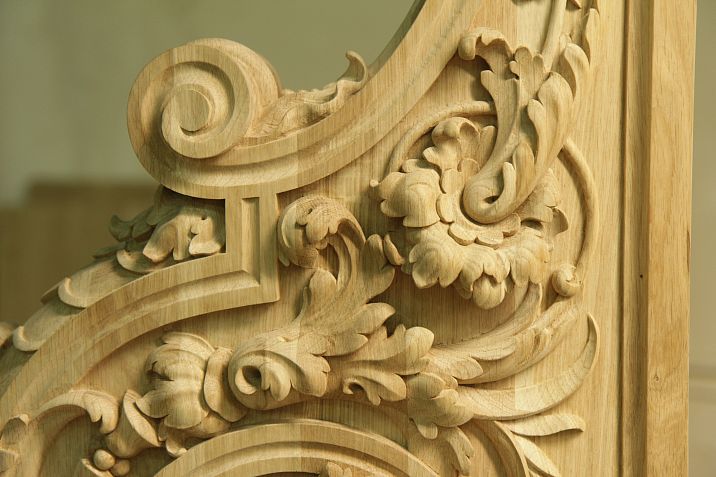
Baroque is a style that captivates with its grandeur, luxury, and dramatic expressiveness. It originated in Europe in the 17th century, when artists, architects, and designers sought to create majestic, monumental interiors filled with refined details, curved lines, gilding, and expensive materials.
How to create a Baroque-style interior in a modern home? What decorative elements will help emphasize the spirit of the era? We will examine the key features of this style, its main characteristics, and the best solutions for decorating the living room, bedroom, kitchen, and office.
1. Main Features of the Baroque Style
Baroque is a style in which every detail plays a role in creating an impressive interior. Its main features:
● Monumentality and grandeur – large-scale spaces, high ceilings, columns, massive doors.
● Richness and luxury – use of gilding, stucco, mirrors, marble, silk fabrics.
● Complex forms – curved lines, dynamic silhouettes, three-dimensional patterns.
● Decorative richness – walls, ceilings, and furniture adorned with relief elements, ornaments, and frescoes.
● Harmony and symmetry – despite the abundance of decoration, compositions are arranged in a strict symmetrical order.
● Play of light and shadow – mirrors, glossy surfaces, and gilded details enhance the depth of space.
high-quality decorative elements such as stucco, moldings, cornices, capitals, and appliqués. In modern interiors, all of this can be easily implemented usingpolyurethane productswhich look as elegant as plaster stucco, but are more durable and easier to install.




2. Wall and Ceiling Decoration in the Baroque Style
Walls and ceilings in a Baroque interior are true works of art. They are adorned with rich decoration, relief details, gilding, and frescoes.
Our factory also produces:
Walls
● Decorative moldings and pilasters are used to divide walls into sections.
● Mirrors in massive frames and paintings in gilded frames may be placed on the walls.
● Finishing is done using luxurious textile wallpapers, marble, or plaster.
● Polyurethane appliqués help create the effect of carved decoration, characteristic of palace interiors.
Get Consultation
Ceilings
● High ceilings are decorated with stucco, three-dimensional rosettes, and capitals.
● Central element – an ornate chandelier suspended against a largepolyurethane socket.
● Gilding and frescoes – create a museum-like atmosphere.
● Polyurethane cornices make the transition from walls to ceiling smooth and expressive.
3. Baroque-style Furniture
Baroque-style furniture features massive forms, intricate patterns, luxurious materials, and curved legs. It should appear monumental, majestic, and refined.
● Sofas and chairs – upholstered in velvet, silk, or damask, adorned with decorative tassels and carved backs.
● Tables and chests – massive, with inlays, carved details, and gilded legs.
● Beds – large, with high headboards, upholstered in fabric, with canopies.
● Buffets and vitrines – with elegant appliqués and carved ornaments.
4. Color Palette for Baroque-style Interiors
Baroque uses deep, rich colors that emphasize the luxury of the space.
Main shades:
● Gold and bronze – essential accents used in finishing.
● Burgundy and wine – create an effect of wealth and nobility.
● Dark blue and sapphire – add palace-like elegance.
● Emerald and deep green – associated with royal luxury.
● Cream, beige, milk – soften the interior, creating a lightness.
Tip: To avoid an overloaded look, combine rich colors with neutral tones and use decorative accents in gold and bronze.
5. Decor and Accessories
Accessories – an essential part of Baroque-style interior design. They complete and enhance the luxurious feel of the space.
● Large crystal chandeliers – central elements that create light play.
● Mirrors in heavy gilded frames – help visually enlarge the space.
● Paintings in gilded frames – traditionally depict historical scenes, mythological subjects, and portraits of nobility.
● Heavy drapes with tassels and fringe – velvet, brocade, or silk.
● Ornate fireplaces – with molded decoration and columns.
For decorating decorative elements, polyurethanecaps, molding, and appliquésadd volume and monumentality to the interior.
Conclusion
Baroque-style interiors are not just design, but an expression of luxury, refinement, and majestic aesthetics, where every detail is thoughtfully considered. This style, born in the era of royal palaces, impresses with its grandeur and attention to detail, transforming any space into a work of art. It symbolizes status, nobility, and love for refined forms, combining rich history with modern technologies in interior design.
Why Baroque is the choice for those who appreciate refined aesthetics?
If you are drawn to the classic style with elements of monumentality and theatricality, Baroque will be the ideal solution. There is no place for simplicity and minimalism here—every interior element carries deep meaning, symbolism, and historical value. Massive chandeliers, exquisite furniture, intricate ornaments, and fine moldings create an atmosphere of royal luxury that transcends time.
Decorating an interior in the Baroque style requires a special approach: it is important to correctly choose the color palette, decorative elements, furniture, and accessories to create a harmonious space that adheres to the canons of the era. It is important to understand that Baroque is not merely an abundance of decoration, but an art of its proper combination.
How to convey the grandeur of Baroque in a modern interior?
Create an atmosphere of luxury in a modern home using quality decorative elements. Bring to life the refined aesthetics of the era withpolyurethane moldings, cornices, appliqués, and capitalsThese elements allow you to add expressiveness, volume, and elegance to the interior without weighing down the space. They are ideal for both lavish classical interiors and modern interpretations of Baroque, adapted to contemporary comfort requirements.
● Moldings and cornices they will help create aristocratic linearity and refined wall relief.
● Outlets they will give the central part of the ceiling a majestic accent.
Capitals and appliqués will add palace refinement to columns and arches.
● Trim they will help visually zone the space and emphasize the geometry of the room.
All these elements, made from high-quality polyurethane, possess lightness, strength, and ease of installation, making them an ideal alternative to plaster moldings.
Baroque – a style timeless in its essence
Baroque has always been associated with wealth and refined taste, but today this style can be adapted to modern interiors while preserving its key features. It combines beautifully with modern technologies and materials, creating a balance between historical aesthetics and comfort.
This style will be an ideal choice for those who appreciate elegance, tradition, and wish to create a unique atmosphere in their home. It allows you to express individuality, highlight status, and demonstrate commitment to high-quality standards.
Which elements of the Baroque style do you like the most? Are you planning to decorate your interior in a palace style or add refined Baroque accents to a modern design?
and create a truly luxurious space, where every detail tells a story of grandeur, beauty, and impeccable taste!polyurethane decor OnSTAVROS and create a truly luxurious space where every detail tells a story of grandeur, beauty, and impeccable taste!


