Article Contents:
- What Are Molding Elements: Architectural Anatomy
- Molding: The Crown of Door Frame
- Molding in Architecture: Form Follows Function
- Molding Elements: What the Composition Consists Of
- Door Molding: Practical Application
- Door Frame Trim: Systematic Approach
- Door Frame Trim Without a Door
- Decorative Door Frame Trim: Stylistic Solutions
- Window and Door Frames: Unity of Style
- Door Frame Trim with Decorative Molding
- Molding in Furniture: Structure and Decoration
- Furniture Molding: Classical Solutions
- Molding for Cabinets and Chests
- Molding in Modern Furniture
- Wall Panels and Molding: Architectural Wall Division
- Creating Wall Panels with Molding
- Vertical Molding: Rhythm and Dynamics
- Horizontal Molding: Division by Height
- Molding Materials: Selection and Comparison
- Wooden Molding: Tradition and Elegance
- Polyurethane Molding: Practicality and Accessibility
- MDF and Composite Materials
- Installing Molding: Step-by-Step Guide
- Surface Preparation
- Marking and Planning Composition
- Mounting and final finishing
- Stylistic Solutions: Molding in Different Interiors
- Classic and neoclassic
- Minimalism and modernity
- Eclecticism and Mixing Styles
- Frequently Asked Questions About Molding
- How Does Molding Differ from Molding?
- Can you install moldings yourself?
- What is the optimal width of moldings?
- Are moldings needed in modern interiors?
- Which material is better — wood or polyurethane?
- How to care for moldings?
- Conclusion: architectural logic in every detail

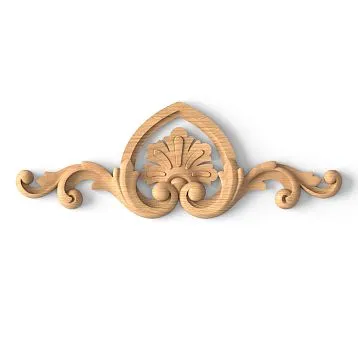
there is a growing need for those who aim to create an elegant and structured space.buy medallionsbecomes an actual task for those who strive to create an elegant and structured space.


What are moldings: architectural anatomy
Moldings are vertical or horizontal elements that divide a structure into parts, creating a rhythmic structure. In doors, moldings divide the panel into panels; in furniture — cabinet and chest facades; on walls — panels and mirrors.Mold Intermediate ElementThey perform both constructive and decorative functions, giving the item completeness and architectural expressiveness.
In classical architecture, moldings were an indispensable part of door and window structures. Massive wooden doors of palaces and estates always had a system of moldings, creating a panelled structure.Medium in FurnitureThis was not only beautiful but also practical — a panelled structure is stronger and less prone to deformation.
In 2026, moldings become a full-fledged decorative tool, allowing to create complex compositions on smooth surfaces.— everything must correspond to the chosen era.As moldings, they turn an ordinary wall into an architectural panel, and a simple door — into a piece of carpentry art.




Moldings: the crown of door framing
If moldings divide a vertical or horizontal plane, then cornices crown it from above. A cornice is a horizontal molding above a door or window, completing the architectural composition. In classical architecture, cornices were an obligatory element of facade decoration, protecting openings from precipitation and emphasizing their importance.
Our factory also produces:





Cornice in architecture: form follows function
Cornice in architectureInitially, it performed a practical function — diverting rainwater from the door or window opening, protecting wooden structures from moisture. Over time, this function receded into the background, giving way to decorative purposes. However, in classical interiors of 2026, there is a renewed interest in historically accurate solutions, where every element has justification.
Sandrok corniceIt can be simple — in the form of a straight-profiled beam, or complex — with brackets, consoles, carved decoration. In neoclassical interiors, preference is given to moderately decorated cornices with clear geometry and minimalist ornament.Buy polyurethane wall moldingsFor creating cornices — a practical solution combining aesthetics with accessibility.
Get Consultation
Elements of cornice: what the composition consists of
A full cornice is not just a molding, but a complex system of elements.Cornice elementsThey include the cornice (upper projecting part), frieze (middle plane, often decorated), brackets or consoles (side supporting elements). In classical interiors, these parts are carefully worked out and coordinated in style.
Sandrok moldingsThey form a unified door framing system. Vertical casings frame the opening on the sides, while the horizontal cornice crowns the composition from above. Together, they create an architectural frame that integrates the door into the overall interior style.door frame trimWith a cornice — a sign of thoughtful, classical design approach.
Cornice for doors: practical application
Sash Rail for DoorIn modern interiors, it performs primarily a decorative function, creating visual completeness of the door opening. In rooms with high ceilings, a cornice visually reduces the scale of the door, making proportions more harmonious.Sundial above the dooremphasizes the importance of entry, creating solemnity and respectability.
In 2026, minimalist cornices — straight moldings with minimal or no decoration — are popular in neoclassical interiors. For classical interiors, richer options with brackets, rosettes, and carved elements are appropriate.Buy a Door Sondrikcan be purchased as a set or assembled from individual partsof polyurethane moldings.
Doorway framing: a systematic approach
fullDoor Frame Installationis not just side casings, but a comprehensive system including vertical elements, a horizontal cornice, sometimes a base at the bottom, and decorative inserts. This approach transforms a simple opening into an architectural portal that sets the tone for the entire interior.
Doorway framing without a door
In modern layouts, doorways without doors are often used — between the living room and kitchen, or between the hallway and corridor.Framing a Doorway Without a Doorrequires special attention, since the opening is always visible and must be impeccably finished.
Here, middle pieces are used to create vertical and horizontal rhythm. A wide opening can be visually divided into two or three sections using vertical middle pieces, making its proportions more harmonious. A horizontal cornice adds completeness.decorative door openingof the opening can be made fromwooden crown moldingsorof polyurethane elements.
Decorative doorway framing: stylistic solutions
Decorative door frame trimin classical style implies using profiled casings, rosettes in the corners, and cornices with brackets. In neoclassicism, decoration is simplified — smooth or slightly profiled strips, minimal ornamentation, clear lines.
in modern interiors, wide flat casings painted in contrasting colors are popular. Blackdoor frame trimon light walls — one of the 2026 trends, adding graphic clarity and definition to the interior.buy door framescan be purchased as sets or assembled into a custom composition.
Window and door framing: stylistic unity
Window and Door Framingmust be coordinated in style, profile, and color. This creates visual unity in the interior, where all elements contribute to a cohesive concept. In classical interiors, windows and doors are framed with identical casings and cornices, creating a rhythmic structure.
framing the doorway with a casing— is the basic level of decoration. FullFraming Doorway Openingsincludes additional elements — middle pieces, cornices, pilasters on the sides. This approach is characteristic of grand interiors — halls, living rooms, offices.
Doorway framing with decorative molding
Decorative molding for door openings— is a universal technique allowing to create an eye-catching composition with minimal cost.Moldings and door opening framingcan be made of wood or polyurethane, painted in any color, with any profile — from simple rectangular to intricate carved designs.
A popular 2026 technique — wide flat moldings, creating geometrically clear framing.Buy door opening framingcan be purchased as a set including vertical and horizontal elements, corner inserts, and decorative rosettes.
Middle pieces in furniture: structure and decoration
Medium in Furnitureperforms several functions. Structurally, it reinforces the facade, preventing deformation. Visually — it divides a large surface into sections, creating rhythm and structure. Decoratively — it adds classical expressiveness to the item.
Furniture middle pieces: classical solutions
Middle pieces have always been used in classical furniture — they divided cabinet doors into panels, creating a traditional panelled construction. In 2026, interest in such furniture is being revived, especially in neoclassical and traditional interiors.buy classic style furniturecan be purchased with ready-made middle pieces, or custom-made for restoring old furniture.
Wooden middle panels can be smooth, profiled, or carved. Smooth ones suit neoclassicism and minimalism, profiled ones — classic style, carved ones — baroque and rococo.furniture legsand middle panels are often executed in a unified style, creating a harmonious composition.
Middle panels for cabinets and chests of drawers
Tall cabinets and wide chests of drawers especially need middle panels — without them, large facades look bulky and flat. Vertical middle panels divide the door into two or three sections, horizontal ones create additional divisions.Buy decorative elementsfor furniture, they can be mounted separately and attached to ready-made facades, creating the effect of expensive classic furniture.
Furniture Legs and Supports, middle panels,Furniture Handles— all these are parts of a single furniture decoration system. In classic furniture, they are coordinated in style, profile, and finish.Buy legs for furnitureand middle panels from the same collection — the guarantee of a harmonious result.
Middle panels in modern furniture
In modern furniture, middle panels are used less frequently, but there is still room for experimentation. Metal middle panels in an industrial style, contrasting inserts in minimalist facades, hidden middle panels creating barely noticeable divisions — all these are current techniques for 2026.Buy Baroque furniturewith richly decorated middle panels — a choice for luxurious interiors.
Wall panels and middle panels: architectural division of walls
One of the main trends of 2026 — the return of wall panels. Smooth painted or wallpapered walls are losing popularity, giving way to structured surfaces with clear architectural divisions.polyurethane wall moldingsallow creating such panels with minimal expenses.
Creating wall panels with middle panels
The simplest way to create panels — divide the wall with moldings into rectangles or squares. Horizontal and vertical middle panels form a grid, within which the wall is painted the same color or a contrasting shade.Wall moldingin the form of moldings, creates a classic interior look without extensive renovation.
The height of panels varies. Traditionally, panels occupy the lower third of the wall (boiserie), but in 2026, panels covering 2/3 of the height or even the entire wall are popular.decorative polyurethane elementsallow creating panels of any configuration — from strict rectangles to complex compositions with arches and rosettes.
Vertical middle panels: rhythm and dynamics
Vertical middle panels create a sense of height, visually elongating the room. Frequent vertical rhythm — narrow panels 30–50 cm wide — adds dynamism, rare — wide panels 80–120 cm — creates solemnity and monumentality.Buy polyurethane wall moldingscan be of different widths and profiles, allowing to choose the optimal solution.
Horizontal middle panels: division by height
Horizontal middle panels divide the wall into tiers, creating structure. The classic variant — plinth at the bottom, main panel in the middle, frieze at the top under the ceiling.Wooden baseboardforms the lower boundary,Ceiling cornice— the upper boundary, horizontal middle panels divide the space between them.
Materials for middle panels: selection and comparison
Wooden middle panels: tradition and nobility
Wood — a traditional material for middle panels.wooden cornice, wooden planks on the wall, Wooden wall decor— all this creates an atmosphere of warmth and coziness characteristic of natural materials. Wood can be painted, stained, varnished, or waxed, allowing to realize any designer concept.
wooden skirting board purchase, with a classic profile creates a sense of solidity, reliability., wooden baseboards for floorThese elements combine perfectly with wooden middle pieces, creating a unified decorative system.Wooden skirting board purchasecan be used together with door frame middle pieces.
Polyurethane middle pieces: practicality and accessibility
polyurethane moldingsThis is a modern alternative to wood. It is lighter, cheaper, resistant to moisture, does not crack or deform.You can buy ready-made stucco matching the Baroque style. Calculate the quantity: linear meters of cornices and moldings, number of rosettes, pilasters, consoles, corner elements. Add a ten to fifteen percent allowance for trimming.for creating middle pieces — a practical solution, especially for rooms with high humidity or unstable microclimate.
Polyurethane— everything must correspond to the chosen era.are easy to install — just special adhesive. They can be painted with water-based paint in any color, imitating wood, stone, or metal.Online store for polyurethane ornamentationSTAVROS offers a wide range of profiles for any task.
MDF and composite materials
MDF panels with routed middle pieces — a budget solution for creating wall panels and furniture facades. They are cheaper than wood but inferior to it in naturalness and tactile feel. Composite materials combine different components, imitating wood but possessing improved characteristics — moisture resistance, strength, dimensional stability.
Middle piece installation: step-by-step guide
Surface preparation
The surface must be flat, clean, dry, and primed. Any irregularities will show through the middle pieces, especially if they are thin. For mountingof polyurethane moldingsspecial adhesive or liquid nails is used.installing polyurethane moldingrequires precise marking and care.
Marking and composition planning
Before installation, carefully mark the position of the middle pieces. Use a level, tape measure, and pencil. Symmetry is important — distances between middle pieces must be equal, angles must be straight. Even the slightest deviation will be noticeable and spoil the impression.Molding on the Wallrequires a professional approach to marking.
Mounting and final finishing
Middle pieces are glued to the surface, pressed, and held until the adhesive sets. Joints are filled with acrylic sealant and sanded after drying. Then the middle pieces are painted either together with the wall or in a contrasting color.Buy moldingscan be pre-painted or left for painting — the choice depends on the task.
Stylistic solutions: middle pieces in different interiors
Classicism and neoclassicism
In classic interiors, middle pieces are a mandatory element. Paneled doors, wall panels, furniture with faceted facades — all of this creates an atmosphere of traditional elegance.White classic furniturewith middle pieces — the quintessence of elegance.
In neoclassicism, decoration is simplified, but the principle of division is preserved. Middle pieces here are minimalist, without excessive ornamentation, but clear and expressive.Furniture for bedrooms in classic stylewith simple middle pieces looks modern and elegant.
Minimalism and modernity
In minimalist interiors, middle pieces are used as structural elements creating geometric clarity. Flat, wide strips, painted in wall tone or contrasting colors, divide space into zones.Wooden boards in interiorcreate a rhythmic structure similar to the function of middle pieces.
Eclecticism and mixing styles
In eclectic interiors, middle pieces can combine different materials and styles. Wooden middle pieces on walls combine with polyurethane ones on doors, classic profiles — with modern geometric shapes.Classic furniture pricesvary, but using middle pieces always adds value to the item.
Frequently Asked Questions about Mouldings
How does a moulding differ from a trim?
A moulding is a functional element that divides a structure into parts. A trim is a broader concept, encompassing any decorative strip. A moulding can be a trim, but not every trim is a moulding.Mold Intermediate Element— is a specialized element with a specific function.
Can mouldings be installed by oneself?
Yes, especially when referring to polyurethane items.buy medallionsand can be installed without professional skills, using adhesive and standard tools. Wooden mouldings require more complex mounting — on nails or screws with subsequent filling of holes.
What is the optimal width of a moulding?
It depends on the scale of the structure. For doors — 3–7 centimeters, for furniture — 2–5 centimeters, for wall panels — 4–10 centimeters.Buy polyurethane wall moldingscan be of various widths, selected according to the specific task.
Are mouldings necessary in a modern interior?
Not necessarily, but desirable if you aim for structure and classical expressiveness. Even in minimalist interiors, mouldings can serve as geometric dividers.Ceiling molding elementsand wall mouldings create architectural logic of space.
Which material is better — wood or polyurethane?
Wood is more noble, eco-friendly, and has tactile warmth. Polyurethane is more practical, cheaper, and resistant to moisture. The choice depends on budget, interior style, and usage conditions.Polyurethane molding photodemonstrates that high-quality polyurethane is visually indistinguishable from wood.
How to care for mouldings?
Polyurethane — wipe with a damp cloth, wooden — with dry or slightly damp cloth, avoiding excess water. Painted mouldings can be repainted as needed.Decorative stuccolasts for decades with minimal care.
Conclusion: Architectural logic in every detail
Mouldings and sashings — are elements that create architectural logic in interiors, transforming simple surfaces into structured compositions.buy medallions, Mold Intermediate Elementuse in doors,Medium in Furnitureapply to facades,Sash Rail for Doorinstall above openings — all of this creates a classic, thoughtfully designed interior where every detail is in its place.
Modern materials —polyurethane moldings, Wooden cornicescomposite profiles — make classic decor accessible and practical.You can buy ready-made stucco matching the Baroque style. Calculate the quantity: linear meters of cornices and moldings, number of rosettes, pilasters, consoles, corner elements. Add a ten to fifteen percent allowance for trimming.orbuy wooden skirting boardcan be used for any budget and style.
STAVROS company offers a full range of elements for creating classic interiors —Moldings, Casings, Crown Molding, decorative elements, staircase components, balusters, Furniture legsand much more. Experienced consultants will help select elements for any project, and delivery to Moscow, Saint Petersburg, and throughout Russia will make the purchase convenient. Create interiors with flawless architectural logic — choose STAVROS!