












































































Article Contents:
- History and Traditions of Wooden Tableware
- Ancient Traditions of Using Wood in Daily Life
- Development of Wood Processing Technologies
- Natural Beauty and Unique Design
- Strength and durability
- Ecological safety
- Warmth and Aesthetic Harmony
- Minimalism: Simplicity and Functionality
- Eclecticism: Combination of Traditions and Modernity
- Innovative Technologies and New Forms
- Aesthetics and Functionality in the Kitchen
- Restaurant Design and Hospitality Industry
- Exclusive Interiors and Individual Solutions
- Decorative elements and accessories
- Choosing Quality Wooden Tableware
- Installation and integration
- Care for wooden tableware
- Durability as an Economic Factor
- Ecological Safety and Sustainable Development
- Supporting Craft Traditions
- Home Kitchens and Dining Areas
- Restaurants and Cafes
- Office Dining Areas and Public Zones
- Exclusive Designer Projects
- Conclusion
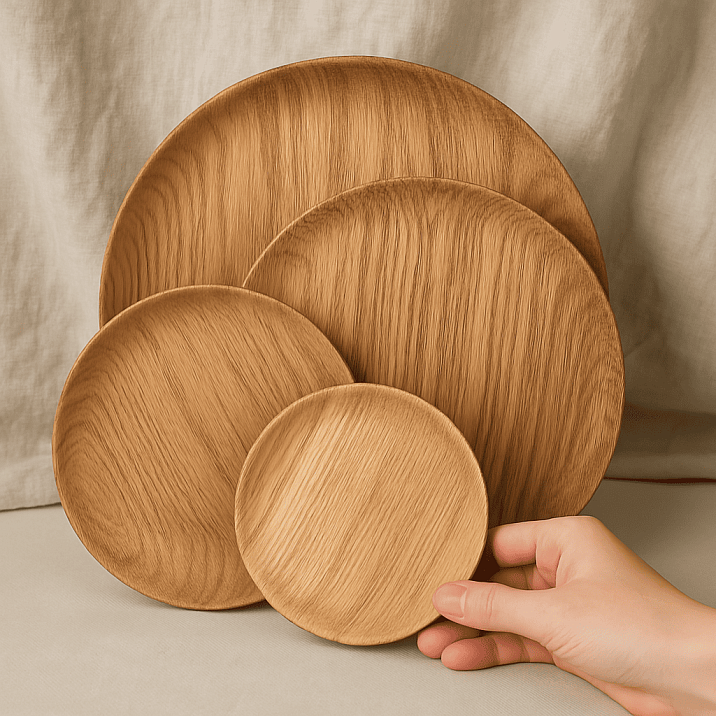
Natural wood has always attracted attention for its unique texture, warmth, and timeless beauty. In recent decades, more and more people have turned to eco-friendly and stylish items for home interiors, and modern wooden tableware has become a prominent representative of this trend. This is not merely a utilitarian item—it is art capable of transforming everyday experience, adding coziness and naturalness to the dining area, and highlighting the owner’s individuality. Learn more by visiting the section modern wooden tableware.
In this article, we will thoroughly examine the history of wooden tableware, its advantages, modern trends, and provide practical recommendations on selecting, using, and caring for such items. We will also discuss how modern wood processing technologies combine with centuries-old craft traditions to create tableware that is not only functional but also possesses aesthetic and ecological value.


History and Traditions of Wooden Tableware




Ancient Traditions of Using Wood in Daily Life
The history of using wood in daily life spans millennia. In ancient cultures, natural wood played a crucial role in crafting tableware and other household items. Early humans used wood to make bowls, spoons, plates, and vessels, as it was readily available, easy to work with, and possessed the necessary strength for storing and serving food.
In traditional crafts, each handcrafted piece of tableware possessed its own individuality: ornaments, carvings, and decorative finishes reflected the culture and customs of the people. Wooden items were passed down from generation to generation, becoming not only practical but also valuable works of art.
Our factory also produces:


Development of Wood Processing Technologies
Over time, traditional methods of making wooden tableware evolved: from simple handcrafting to using specialized tools that allowed for highly detailed and precise items. During the industrial era, the introduction of machinery and automated lines significantly accelerated production, yet the true craftsmanship of traditional arts has not lost its value. Today, modern technologies such as laser cutting and computer modeling allow us to achieve unprecedented levels of precision and repeatability while preserving the unique characteristics of each item.
Todaymodern wooden tableware This is a synthesis of centuries-old traditions and innovative approaches, enabling the creation of tableware that not only pleases the eye but also fully meets the demands of modern lifestyle.
Advantages of Modern Wooden Tableware
Get Consultation
Natural Beauty and Unique Design
Natural wood possesses an unparalleled texture and rich palette of tones, giving each piece of tableware its own individuality. Unlike artificial materials, wood changes over time, acquiring deeper, richer hues, making each item unique. Modern wooden tableware brings warmth and coziness to the dining atmosphere, creating a sense of connection with nature.
Moreover, wooden tableware can be crafted in various styles: from minimalist, sleek forms to intricately carved pieces with decorative elements. This diverse design allows for satisfying any taste preferences, adapting the product to a unique interior style.
Strength and durability
One of the key advantages of natural wood is its high strength. With proper processing and care, wooden tableware can serve for many years, retaining its functional and aesthetic properties. Modern drying, planing, and polishing technologies significantly increase material stability, while protective coatings—natural oils, waxes, or lacquers—help protect the item from moisture, ultraviolet rays, and mechanical damage.
These characteristics make wooden tableware a worthwhile investment, as quality items do not require frequent replacement and maintain their appeal even with intensive use.
Ecological Safety
In the context of modern environmental awareness, choosing natural materials becomes increasingly relevant. Wooden tableware is an eco-friendly product made from renewable raw materials and free of harmful chemical compounds. Using natural wood contributes to creating a healthy atmosphere in the home, as it does not emit harmful substances and positively affects the microclimate.
The ecological safety of wooden tableware is especially important for families aiming to minimize the impact of synthetic materials on health, as well as for those concerned with sustainable development and conservation of natural resources.
Warmth and aesthetic harmony
Natural wood is always associated with warmth and comfort. Modern wooden tableware can create an atmosphere of calm and harmony in the home, which is essential for maintaining emotional balance and well-being. Its natural texture and warm tones help make the space more lively and welcoming, creating a unique mood during every meal.
The aesthetics of natural wood easily harmonize with various interior styles, whether classic, minimalist, or eclectic, allowing wooden tableware to be used in diverse design solutions.
Modern trends in wooden tableware design
Minimalism: simplicity and functionality
One of the most popular trends in modern design is minimalism. In minimalist interiors, every detail matters, and wooden tableware in this context embodies natural beauty and refined simplicity. Clean lines, smooth surfaces, and minimalist forms allow wooden tableware to seamlessly integrate into modern interiors, where less is more.
Minimalist wooden tableware models are distinguished by their practicality and visual lightness, making them ideal for use in modern kitchens and dining rooms. They emphasize the naturalness of the material, avoiding unnecessary decorative elements, and allow for creating a clean, modern look where every detail has meaning.
Eclecticism: blending tradition and modernity
An eclectic approach in modern interiors implies harmonious mixing of various styles, where every detail matters. In this concept, wooden tableware can serve as an accent that combines the rich history of artisan craftsmanship with contemporary design trends.
In eclectic interiors, natural wood is often combined with elements of metal, ceramic, glass, and other materials. This mixture of textures and finishes allows creating unique compositions, where wooden tableware becomes not just a functional item, but a true decorative element telling its story. Thanks to individual approaches and original design solutions, each wooden tableware model acquires a unique character reflecting the tastes and preferences of its owner.
Innovative technologies and new forms
Modern wood processing technologies have opened new horizons in creating wooden tableware. Laser cutting, computer modeling, and automated planing allow creating items with incredible precision, complex decorative elements, and original shapes. These innovative solutions enable designers to realize bold ideas while preserving the natural warmth and uniqueness of wood.
New technologies also contribute to improving the functionality of items. For example, the development of special protective coatings allows increasing the longevity of tableware, preserving its appearance even with frequent use. Experiments with shapes and textures allow creating tableware that not only pleases the eye but also offers additional practical advantages, such as improved non-stick properties and increased resistance to moisture.
Application of modern wooden tableware in interior design
Aesthetics and functionality in the kitchen
The kitchen is the heart of the home, the place where the whole family gathers, and where a harmonious combination of functionality and aesthetics is especially important.modern wooden tableware Can become a striking accent in the kitchen, imparting it natural warmth and elegance. Natural wooden plates, spoons, bowls, and trays not only look attractive but also retain their properties for many years.
Wooden tableware is ideal for serving dishes—its natural texture and warm tones help highlight the beauty of prepared food, creating a harmonious blend with other kitchen elements. Using natural wood makes the space more cozy and inviting for conversation, turning every dish into a true work of art.
Restaurant design and hospitality industry
In restaurants, cafes, and hotels, wooden tableware is used to create a unique atmosphere of hospitality and high-quality service. Natural wood gives the establishment’s interior a sense of warmth and comfort, which helps attract customers and build a positive image of the venue.
Wooden tableware used for serving dishes is an essential part of the overall design solution, creating a unique stylistic composition. Decorative elements made of natural wood, such as stands, glasses, and cutlery, help form an atmosphere where traditional recipes and modern trends are united into a cohesive whole.
Exclusive interiors and individual solutions
For those aiming to create a unique interior, modern wooden tableware can become a true work of art, custom-designed to order. Masters skilled in centuries-old artisan traditions can create exclusive models that perfectly fit the concept of your home or establishment.
Individual design allows selecting the shape, texture, and decorative elements of the item so that it fully matches your vision of beauty and functionality. Each piece of such tableware becomes not just a household item, but a stylish accessory reflecting the character and taste of the owner, transforming everyday dishes into a true aesthetic pleasure.
Decorative elements and accessories
Modern wooden tableware can go beyond utilitarian function. Thanks to its aesthetic appeal, natural wood becomes the basis for creating various decorative elements that can enhance the interior and give it a finished look. Decorative trays, serving plates, and accessories made of natural wood can be used as central decorative elements, highlighting the uniqueness of your space.
Such items, crafted with high levels of detail and artistic expression, become an indispensable part of the interior, combining functionality and art, and creating an atmosphere capable of inspiring new achievements.
Practical recommendations for choosing and caring for wooden tableware
Choosing quality wooden tableware
When choosing modern wooden tableware, it is important to pay attention to the following factors:
● Wood species. The choice of wood species affects the appearance, durability, and ecological safety of the item. Popular species include oak, beech, and walnut, each with its own unique characteristics.
● Processing methods. Quality wood processing, including planing, sanding, and protective coating, ensures the longevity of the item and preserves its aesthetic appeal. Pay attention to surface smoothness, precision of details, and absence of defects.
● Design and functionality. Design solutions for modern wooden tableware should meet practical requirements while maintaining style and individuality. Choose items that harmoniously fit your interior and become focal points in the decor.
● Ecological standards. Ensure the tableware is made using eco-friendly technologies and does not contain harmful chemicals, which is especially important for health.
Installation and Integration
Although wooden tableware is primarily considered household items, thoughtful integration of decorative elements can create a unified stylish ensemble in the interior:
● Decorating dining areas. Use wooden tableware not only for serving food but also as a decorative element. Emphasis on natural wood textures and tones will enhance the overall interior style.
● Combining with other materials. Wooden tableware pairs beautifully with glass, metal, and ceramic elements, allowing you to create original compositions that highlight the harmony of modern trends.
● Personalizing the interior. Custom-made items help emphasize the uniqueness of your style and make the interior more personal, reflecting your vision and taste.
Care for wooden tableware
To ensure wooden tableware delights you with its beauty and serves you for a long time, it is necessary to follow several simple care rules:
● Regular cleaning. Wipe items with a soft cloth using special care products for natural wood. Avoid aggressive cleaning agents that can damage the surface.
● Periodic treatment with protective compositions. Natural wood requires protection from moisture, sunlight, and mechanical damage, so regularly renew the coating with natural oils, waxes, or varnishes.
● Observing optimal storage conditions. Store wooden tableware in dry, well-ventilated areas, avoiding sharp temperature fluctuations and high humidity levels.
● Preventive inspection. Regularly check the condition of items, especially in areas prone to mechanical damage, and perform repair work as needed to prevent more serious defects.
Economic and ecological efficiency of modern wooden tableware
Durability as an economic factor
Quality modern wooden tableware is not just interior decoration, but a profitable investment for the long term. Natural wood, properly processed, retains its properties for decades, allowing you to avoid regular expenses for replacing or repairing items. The economic efficiency of such items is obvious, especially when the tableware is used daily and must withstand intensive use.
Ecological safety and sustainable development
Modern wooden tableware meets the highest ecological standards, as it is made from natural, renewable raw materials. This is especially important for those who strive to create a healthy and ecologically clean environment in their homes. Using natural wood contributes to improving the microclimate, reducing levels of harmful substances in the air, and supporting principles of sustainable development and careful use of natural resources.
Supporting traditional craftsmanship
By purchasing items made of natural wood, you not only obtain a high-quality product but also support traditional crafts that preserve cultural heritage. Artisans working with wood use time-honored techniques passed down from generation to generation, guaranteeing the uniqueness and high quality of each item. Choosingmodern wooden tableware, you become part of this great tradition, contributing to the development of local production and sustainable development.
Examples of implementing modern wooden tableware
Home kitchens and dining areas
In modern kitchens and dining areas, natural wooden tableware occupies a special place. Using wooden plates, spoons, cups, and trays adds warmth and natural aesthetics to the interior, creating an atmosphere of home comfort and well-being. Natural wood tones highlight the freshness of prepared dishes, making each meal special and aesthetically pleasing.
Exclusive models made to order allow you to create a unique space where every detail is thought out to the smallest detail. Natural wood used for tableware harmoniously combines with other natural materials such as stone, ceramic, and glass, giving the kitchen a modern yet cozy appearance.
Restaurants and cafes
In public catering establishments, natural wooden tableware helps create an atmosphere of warmth and hospitality, which is an important factor in attracting customers. A restaurant decorated with wooden tableware elements offers visitors not only quality service but also aesthetic pleasure. Wooden plates, bowls, and utensils combined with appropriately selected furniture create a cohesive image of the establishment, reflecting high standards of quality and ecological responsibility.
Such solutions are especially relevant in concepts where connection with nature and eco-friendliness are important. Natural wood used in tableware not only emphasizes the taste and quality of the dishes offered but also helps create a unique atmosphere capable of inspiring visitors and making their stay in the establishment unforgettable.
Office dining areas and public zones
In office spaces, using natural wooden tableware becomes a practical solution for creating functional and cozy public dining areas. Modern wooden items contribute to improving the microclimate, creating an atmosphere of well-being, and stimulating productive work. Wooden tableware used in dining areas not only ensures comfortable meals but also becomes an element of corporate style, reflecting concern for employee health.
Exclusive Designer Projects
For those who strive to create a truly unique interior, modern wooden items offer boundless possibilities. Custom orders allow you to realize the boldest ideas, where each piece of tableware made from natural wood becomes a true work of art. Such items can be adorned with intricate patterns, carved ornaments, and even original engravings, making them exclusive and unique.
Customization allows creating not just tableware, but complete collections that reflect the style and character of the owner. This is especially relevant for elite restaurants, cafes, and home collections, where every interior detail matters and becomes an expression of personal taste.
Conclusion
Modern wooden tableware is a embodiment of the synthesis of traditional craftsmanship and innovative technological solutions. Natural wood used in manufacturing imparts the items with unique texture, natural beauty, and exceptional durability. Such items not only add aesthetic charm to interiors but also contribute to creating a healthy, eco-friendly, and comfortable living environment.
When choosing modern wooden tableware, it is important to consider the quality of the material, processing methods, and ecological safety. Modern technologies allow creating tableware that is not only functional but also a true work of art, capable of pleasing the eye and inspiring new ideas. Proper processing, correct care, and thoughtful integration into the interior enable preserving the original beauty of the items for many years.
If you aim to create a unique, stylish, and eco-friendly interior, pay attention to the wide range ofmodern wooden tablewareoffered on the official manufacturer's website. These items will help turn every meal into a true aesthetic event, adding warmth and natural beauty of wood to your kitchen or dining room.
May your dining room be filled with coziness and harmony, and each piece of wooden tableware become a symbol of high quality, ecology, and respect for traditional craftsmanship. Modern wooden tableware is the choice of those who value natural beauty, durability, and functionality, combining the best achievements of the past and present to create a future where traditions and innovations go hand in hand.
Natural wood is an eternal source of inspiration for those who strive for quality, aesthetics, and ecological safety. Modern wooden tableware, created using advanced technologies and time-honored craftsmanship, is capable of transforming your home, making every gathering special and filled with natural harmony. May your choice be thoughtful, and your interior reflect the true beauty and sustainability of natural materials.


