












































































Article Contents:
- Technical specifications and functional features
- Structural parameters of wooden trim
- Wood species and their operational properties
- Application areas and technological solutions
- Window and door structures
- Decorative interior finishing
- Furniture manufacturing and carpentry work
- Processing technologies and final finishing
- Preparation operations
- Staining and protective methods
- Special decorative techniques
- Selection criteria and technical requirements
- Determining optimal dimensions
- Wood quality control
- Economic aspects and market conditions
- Pricing and cost factors
- Comparative Analysis with Alternative Materials
- Modern application trends
- Integration into smart construction technologies
- Ecological standards and certification
- Technological innovations in production
- Production process automation
- New wood processing methods
- Installation and operational features
- Professional installation technology
- Maintenance and repair
- International standards and regulations
- European quality standards
- Russian GOSTs and technical specifications
- Market development prospects
- Demand and supply forecasts
- Technological Trends
- Conclusion
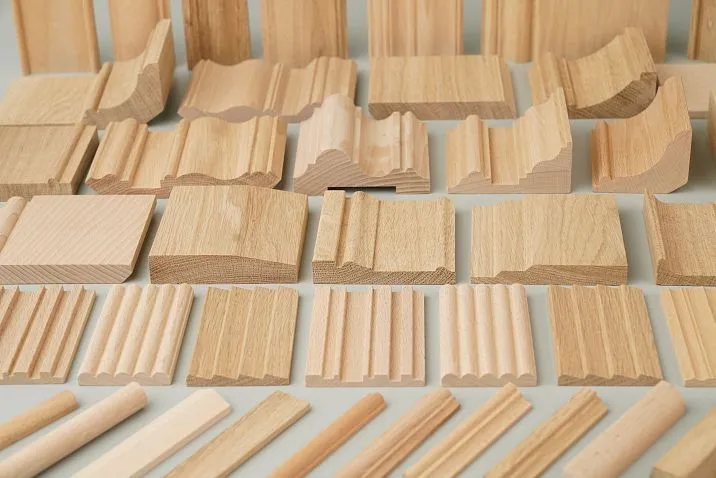
The construction industry and interior design are constantly evolving, but some elements remain unchanged in their functionality and demand. Unfinished wooden trim is exactly such a universal component that finds application in the most diverse areas — from window and door structures to decorative interior finishing.
This seemingly simple wooden trim element possesses unique characteristics that make it indispensable in the toolkit of professional builders, carpenters, and designers. Unfinished wooden trim opens up boundless creative possibilities for implementing projects of any complexity, allowing the craftsman to independently determine the final finish according to technical requirements and aesthetic preferences.





Technical specifications and functional features




Structural parameters of wooden stops
Unfinished wooden stops are manufactured from selected wood, adhering to strict technological standards. Standard geometric dimensions vary from compact profiles of 10×10 mm to more substantial sections of 19×19 mm and larger, ensuring the ability to select the optimal variant for specific technical tasks.
Stop profiles can vary: square, rectangular, semi-circular, or special shapes such as "button" for use with paneling and other cladding materials. Each configuration is optimized for specific functional tasks and ensures maximum efficiency of use.
The profile configuration of the mullions can vary: square, rectangular, semi-circular, as well as special shapes such as "button" for use with plywood and other types of cladding materials. Each configuration is optimized for specific functional tasks and ensures maximum efficiency of use.
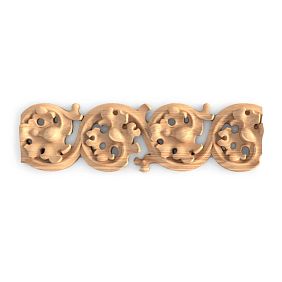
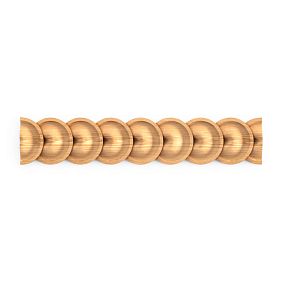
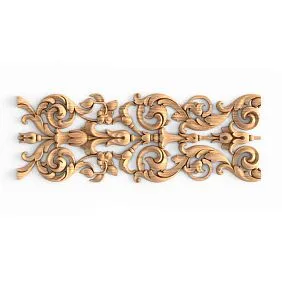
Our factory also produces:




Wood species and their operational properties
For producing unfinished stops, various wood species are used, each with specific characteristics. Spruce remains the most common material due to its optimal combination of mechanical properties, availability, and economic feasibility.
Fir exhibits similar characteristics to spruce but has a more uniform structure and fewer resinous inclusions, facilitating subsequent finishing. This species is especially valued for manufacturing stops intended for painting or varnishing.
Hardwood species — linden, aspen, birch — are used for manufacturing stops for special purposes. Linden is characterized by exceptional softness and ease of processing, making it ideal for creating carved elements and complex profiles. Aspen has increased moisture resistance and is recommended for use in high-humidity conditions.
Get Consultation
Application areas and technological solutions
Window and door structures
The primary purpose of wooden stops is to fix glazing in window frames and glass elements in door panels. Unfinished stops ensure secure glass fixation to the frame, creating a sealed connection and preventing moisture and drafts from entering.
Installation technology requires precise matching of stop dimensions to the geometry of the window frame's miter. The correctly selected profile must ensure tight contact with the glass without creating excessive pressure that could lead to glazing cracking.
Working with multi-chambered glass units requires special attention to calculating the stop's seating depth. Unfinished wood allows the craftsman to adapt the profile to the specific thickness of the glass unit through additional mechanical processing.
Decorative interior finishing
Modern style wooden trim includes stops as an important element of decorative finishing. Unfinished trim is used to create latticed surfaces, frame panels, and highlight architectural elements.
Modern design solutions actively use wooden stops to create geometric compositions on walls and ceilings. The unfinished surface allows implementing any color concept through appropriate lacquer and paint materials.
Restoration of historical interiors requires precise reproduction of original stop profiles and dimensions. Unfinished wood allows applying authentic finishing techniques — patination, gilding, multi-layer painting with intermediate sanding.
Furniture production and carpentry work
In the furniture industry, stops are used as decorative and functional elements of cabinet furniture. Unfinished trim is used to frame door panels, create decorative overlays, mask technological gaps and joints.
Carpentry workshops use wooden stops when manufacturing built-in furniture, bookcases, and shelving systems. The ability to individually tint allows achieving perfect color matching with the main structure.
Restoration of antique furniture often requires manufacturing stops according to historical samples. Unfinished wood provides complete freedom in choosing finishing coatings, including complex multi-component formulations of old recipes.
Processing technologies and final finishing
Preparation operations
Quality final finishing of unfinished stops begins with careful surface preparation. Primary mechanical processing includes sanding with abrasive materials, gradually reducing grit size from P120 to P320.
Surface degreasing is performed using special compounds or solvents to remove natural resins and waxes that may hinder adhesion of finishing coatings. This is especially relevant when working with coniferous wood species.
Priming is a mandatory preparation stage that ensures uniform absorbency of the surface and reliable adhesion to subsequent coating layers. The type of primer selected depends on the wood species and the planned finishing material.
Painting and protection methods
Acrylic materials provide rapid drying, odorless application, and a wide color palette. Modern acrylic enamels demonstrate high opacity and durability, making them the optimal choice for stops used under intensive conditions.
Alkyd compositions are distinguished by increased strength and depth of color. They are especially recommended for outdoor use due to resistance to atmospheric influences. The full drying time is longer than for acrylic materials, but the final coating characteristics compensate for this drawback.
Oil-based coatings highlight the natural wood texture, creating a semi-transparent protective layer. This type of finish is especially popular in natural-style interior design, where preserving the natural beauty of the material is important.
Special Decoration Techniques
Patination is a technique of artificial aging that creates the effect of long-term use. Special compositions are applied over the base coating and partially removed, simulating natural darkening in the profile recesses.
Traditional materials require multi-stage surface preparation. Modern technologies offer alternative solutions in the form of metallic paints and bronze powder-based compositions, which provide a similar effect with significantly reduced labor input.
The multi-layer coating technique allows creating complex color effects with smooth transitions and gradients. Each layer is applied after the previous one has fully dried, with intermediate processing using abrasive materials.
Criteria for selection and technical requirements
Determination of optimal dimensions
The selection of mullion geometric parameters is determined by specific project technical requirements. For standard window constructions with single glazing, a 10×10 mm profile is sufficient, whereas modern insulated glass units may require mullions with larger cross-sections.
The mullion thickness must correspond to the quarter depth, taking into account the thickness of sealing materials. Insufficient thickness will not ensure reliable fixation, while excessive thickness may cause glass damage due to thermal deformation.
The thickness of the stopper should correspond to the depth of the mortise, taking into account the thickness of the sealing materials. Insufficient thickness will not ensure secure fixation, while excessive thickness may cause damage to the glass due to thermal deformation.
Wood quality control
Material moisture is checked with special instruments and must not exceed 12%. Exceeding this value indicates potential operational issues — warping, cracking, and profile geometry distortion.
Wood grade determines the number of allowable natural defects. First-grade mullions have the minimum number of healthy, joined knots; second-grade mullions allow a greater number of defects that do not affect strength characteristics.
Profile geometric accuracy is critical for proper installation. Dimensional deviations must not exceed ±0.5 mm, and straightness is visually checked when laid on a flat surface.
Economic aspects and market conditions
Pricing and cost factors
The cost of uncoated wooden mullions is determined by several key factors. Wood species is the primary pricing element — coniferous species are most affordable, broadleaf species are significantly more expensive, and exotic woods form the premium market segment.
Geometric parameters directly affect the product's cost. Complex profiled mullions require special equipment and increased processing time, which is reflected in the final price. Standard square and rectangular profiles are the most economical to produce.
Wood grade significantly affects cost. Extra-class material costs 40-60% more than second-grade material but provides a flawless appearance without additional defect treatment.
Comparative analysis with alternative materials
Plastic mullions demonstrate lower initial cost but are limited in finishing options. They are not suitable for painting with most traditional materials and have a limited color palette.
Metal profiles provide maximum durability but require special tools for processing and installation. Their use is justified in commercial projects with high wear resistance requirements.
Composite materials combine the advantages of wood and polymers but significantly exceed the cost of natural wood. Their use is justified under extreme operational loads.
Modern application trends
Integration into smart construction technologies
Modern construction technologies impose new requirements on traditional materials. Modern design moldings, cornices, and baseboards are increasingly integrated with lighting, ventilation, and climate control systems.
Mullions with built-in cable channels allow creating hidden perimeter lighting systems. LED strips integrated into wooden profiles create a floating glass effect and provide additional room illumination.
Smart home systems require integration of window and door status sensors. Modified mullions with cavities for housing electronic components enable discreet sensor installation without compromising the structure's aesthetics.
Ecological standards and certification
Growing requirements for the ecological safety of construction materials influence the production technologies of wooden mullions. FSC certification guarantees that the wood originates from sustainably managed forests.
The use of ecologically safe adhesives and binders in producing joined mullions eliminates formaldehyde and other harmful emissions. Such materials are especially in demand in residential construction and educational facilities.
The possibility of full disposal of wooden mullions at the end of their life cycle makes them preferable from the perspective of circular economy. Unlike synthetic analogs, wood is fully biodegradable and can be used as biomass fuel.
Technological innovations in production
Automation of production processes
Modern production of wooden mullions actively implements automation technologies to improve quality and reduce cost. CNC machines ensure high geometric parameter accuracy and consistent product characteristics.
Automated wood sorting systems by quality parameters exclude defective material from production. Optical scanners detect knots, cracks, color changes, and other defects, ensuring consistently high product quality.
Robotic packaging and storage lines minimize the risk of damage to finished products during logistics operations. Automatic marking systems ensure full traceability of products from raw materials to the end consumer.
New wood processing methods
Thermal modification of wood allows improving the performance characteristics of wooden strips without using chemical substances. Processing at 180-230°C alters the structure of wood fibers, increasing dimensional stability and biostability.
Impregnation of wood with special compositions increases fire resistance and biological durability of wooden strips. Modern technologies allow pressure impregnation, ensuring deep penetration of protective compositions.
Wood pressing technology increases material density and improves mechanical properties. Pressed strips demonstrate increased hardness and wear resistance while retaining the ability to undergo mechanical processing.
Installation and operational features
Professional installation technology
Quality installation of wooden strips requires adherence to established technological procedures. Pre-acclimatization of material at the site for 48-72 hours prevents deformation after installation.
Strips are cut using end-cutting saws with fine-toothed discs to achieve a clean cut without chipping. Joint angles require special precision — deviation from 45° must not exceed ±0.5°.
Strips are fastened using special nails or self-tapping screws with pre-drilled holes to prevent wood cracking. Fastener heads are countersunk and filled to create a smooth surface for final finishing.
Maintenance and repair
Properly installed and processed wooden strips require minimal maintenance during operation. Periodic inspection allows identifying initial signs of damage — cracking, coating delamination, loosening of fasteners.
Local repair includes sanding damaged areas, applying repair compound, and restoring the finish coating. Unpainted base allows easy selection of repair material tones for seamless restoration.
Complete replacement of strips may be required in case of serious structural damage or interior design changes. Disassembly is performed carefully to avoid damaging the frame and glazing.
International standards and regulations
European quality standards
Production of wooden strips in Europe is regulated by EN standards, which define requirements for dimensional accuracy, wood moisture content, and material grade. Compliance with European standards opens export opportunities for products.
EN 942 standard defines requirements for wood used in manufacturing window and door elements. Moisture content must not exceed 12±2%, and geometric deviations are limited by strict tolerances.
Ecological standards REACH regulate the content of hazardous substances in building materials. Wooden strips must undergo tests for formaldehyde and other volatile organic compound emissions.
Russian GOSTs and technical specifications
GOST 475-2016 establishes requirements for timber materials and wooden products, including strips. The standard defines material grade, allowable defects, marking methods, and transportation requirements.
Technical specifications for specific types of strips may establish additional requirements for profile geometry, surface processing quality, packaging, and storage. TUs are developed by manufacturers based on basic GOSTs.
Certification of compliance confirms adherence to all regulatory requirements and grants permission to use the product in construction and finishing works. Certificate of quality is a mandatory document for deliveries to construction sites.
Market Development Prospects
Demand and supply forecasts
The market for wooden strips demonstrates steady growth, driven by the development of individual housing construction and housing stock renovation. Demand for unfinished products grows faster than the overall market due to the trend toward interior customization.
Import substitution stimulates the development of domestic wooden trim production. Russian manufacturers actively modernize equipment and introduce new technologies to enhance product competitiveness.
The export potential of Russian manufacturers is limited by international standards and logistical challenges. However, individual companies successfully supply products to nearby countries.
Technological Trends
Digitalization of production includes implementing product lifecycle management systems, automating warehouse accounting, and integrating with customer CRM systems. These technologies increase efficiency and reduce order fulfillment times.
The development of additive technologies opens opportunities for producing complex-shaped battens unattainable by traditional methods. 3D printing with wooden composites allows creating items with integrated functional elements.
Biotechnology in woodworking is developing toward creating wood with specified properties. Genetically modified wood may have increased density, fire resistance, and biological durability without chemical treatments.
Conclusion
Unpainted wooden batten remains one of the most in-demand elements in modern construction and decorative finishing. Its versatility, ecological safety, and possibility of individual finishing make this material indispensable for professional builders and designers.
Technological progress in woodworking continuously expands the application possibilities of battens, opening new areas of use and enhancing the quality characteristics of products. Automation of production, adoption of digital technologies, and development of environmentally safe processing methods—all these factors contribute to the growing popularity of wooden battens.
The economic efficiency of unpainted battens is especially evident in large-scale projects, where the possibility of individual coloring allows achieving perfect alignment with the designer's concept at optimal costs. Professional craftsmen value the opportunity for full control over the finishing process.
The prospects for the development of the wooden batten market are linked to growing requirements for the quality of construction materials, ecological safety, and individualization of interior solutions. Russian manufacturers actively modernize their production facilities and introduce innovative technologies to enhance product competitiveness.
Integrating traditional woodworking technologies with modern digital solutions opens new opportunities for creating high-tech products that meet the strictest international standards for quality and ecological safety.
STAVROS holds leading positions in the Russian market for solid wood products, offering a wide range of high-quality battens and moldings for professional use. Decades of experience, modern equipment, and strict quality control at every production stage ensure consistently high product performance. STAVROS continuously invests in technology development and production capacity expansion, supporting its reputation as a reliable partner for construction and design companies throughout Russia and beyond.


