






























Article Contents:
- From basic to premium: what a handle changes
- Form and function: choosing the type of handle
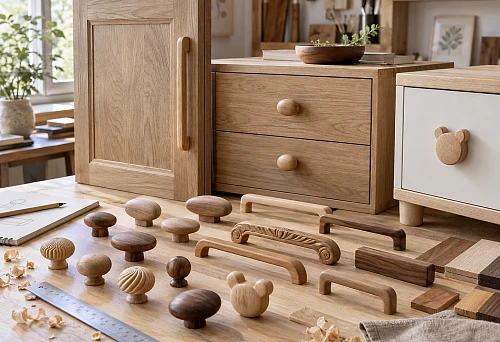
- Knob handles: compactness and classic style
- Pull handles: linearity and grip
- Recessed handles: minimalism and clean lines
- Wood color: warmth and texture
- Oak: nobility and expressiveness
- Beech: softness and warmth
- Ash: graphic quality and dynamism
- Metal and wood: a play of contrasts
- Brass: warmth and luxury
- Black steel: graphic quality and modernity
- Copper: warmth with character
- Carving and ornament: from restraint to decorativeness
- Smooth handles: purity of form
- Textured handles: texture without carving
- Carved handles: ornament and character
- Overlays and cornices: repeating motifs
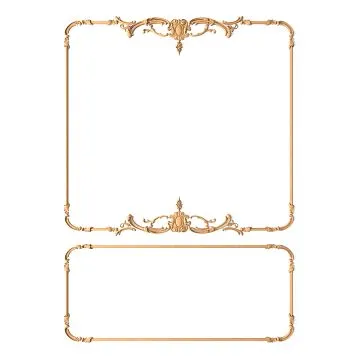
- Overlays: accents on facades
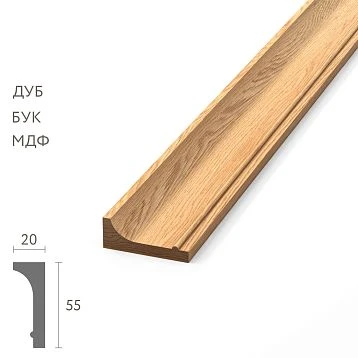
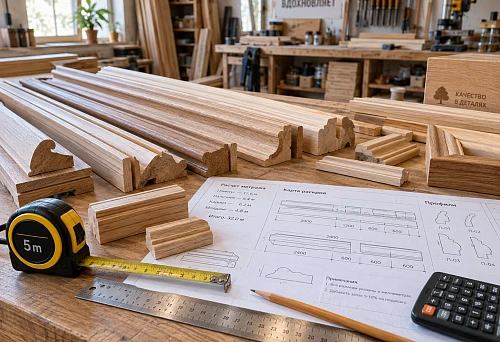
- Crown moldings: completion of composition
- How to fix furniture: updating through details
- Assessing potential
- Selecting new handles
- Adding overlays
- Crown Installation
- Frequently Asked Questions
- Can wooden handles be installed in the kitchen if they come into contact with moisture?
- How to choose the handle size for the facade?
- Do all handles in the house need to be the same?
- How to clean wooden handles?
- Can wooden handles be painted a different color?
- How to repeat the handle ornament in other elements?
- Conclusion
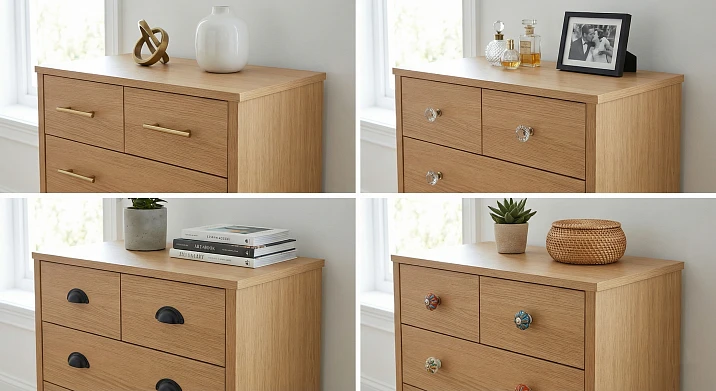
Why does one chest of drawers look like a mass purchase from a furniture hypermarket, while another looks like a handmade piece worthy of a designer interior? The difference often isn't in the construction, not in the material of the body, not in the price of the basic furniture. The difference is in the details.Furniture Handlestransform standard furniture into custom pieces, add character, emphasize style, create a tactile experience that makes every touch pleasant. Together with overlays, cornices, and otherfurniture decorhandles work as a system that elevates furniture from basic to premium — without replacing the entire set, without major expenses, simply through conscious selection of hardware.
Solid wood handles made of oak or beech differ from plastic or stamped metal ones not only visually. They have weight, texture, the warmth of natural material. They age gracefully — wood develops a patina, gains depth, rather than peeling like the coating on cheap hardware. The color of metal inserts — brass, copper, black steel — determines the temperature of the interior, connects the furniture with other elements. Repeating carving motifs on handles, overlays, and cornices creates compositional unity, a feeling that the furniture was created for a specific space, not just randomly placed there.
From Basic to Premium: What a Handle Changes
Standard furniture from mass-market retailers — IKEA, Hoff, any regional manufacturer — is functional but impersonal. The carcass is sturdy, the fronts are smooth, the interior layout is well thought out. The problem is in the details. Handles — plastic chrome-plated brackets or minimalist recessed profiles — are cheap, mass-produced, and lack character. It is precisely these that reveal the furniture's origin, making it recognizably mass-market.
Replacing handles is the most accessible and effective transformation. A solid oak wooden handle instead of a plastic bracket instantly changes perception. A chest of drawers ceases to be faceless, gaining warmth, texture, individuality. A kitchen from a standard set looks more expensive because handles are what you touch daily, what you see up close, what forms the first impression.
It's not just the act of replacement that matters, but the conscious choice. The shape of the handle, its size, wood color, presence of carving or a smooth surface — all of this should match the furniture's style and the overall interior. Round knob handles suit classic chests of drawers, linear brackets suit modern minimalist kitchens, curved brackets with carved elements suit neoclassical styles. A mismatch in form to style ruins the impression just as quickly as the right choice creates it.
Tactility is an aspect that is underestimated until experienced. Touching cold plastic or smooth metal versus warm wood is a different experience. Wood is more pleasant, it doesn't slip in the hand, doesn't heat up or cool down as sharply as metal. Daily opening of drawers becomes more comfortable, which affects the overall feeling of the furniture.
The durability of wooden handles is higher than that of cheap alternatives. Plastic cracks, chrome plating peels, revealing an unsightly base. Wood with a quality protective coating — oil or varnish — lasts for decades, acquiring a patina over time that adds nobility. This is an investment in long-term aesthetics, not a temporary solution.
Form and Function: Choosing the Handle Type
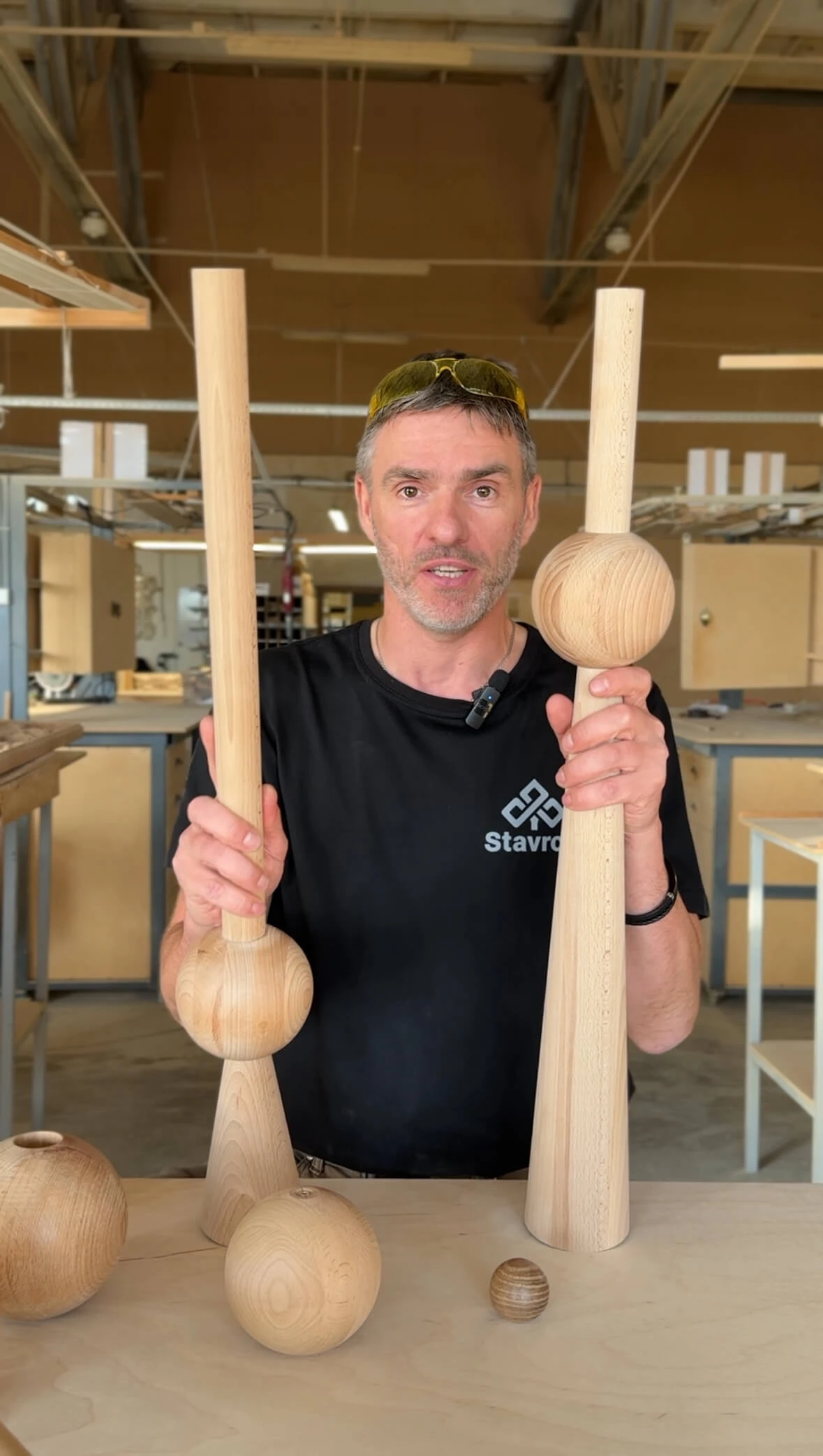
The shape of a handle is determined not only by aesthetics but also by functionality. Different types of furniture require different solutions. What is convenient for kitchen drawers may be inappropriate for living room cabinet doors. Understanding the function helps make the right choice.
Our factory also produces:
Knob Handles: Compactness and Classic Style
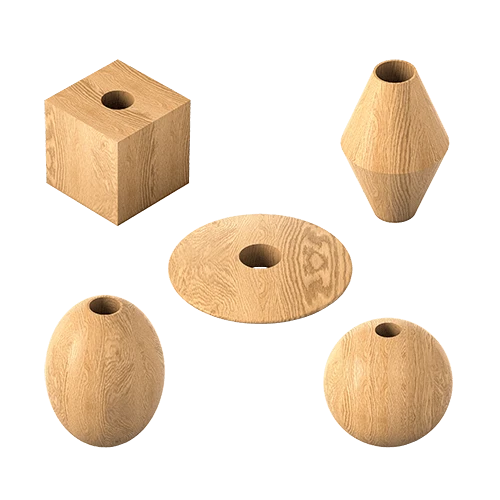
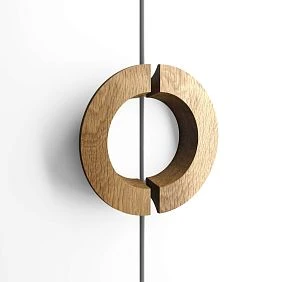
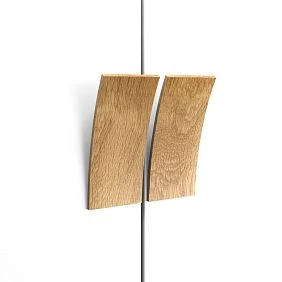
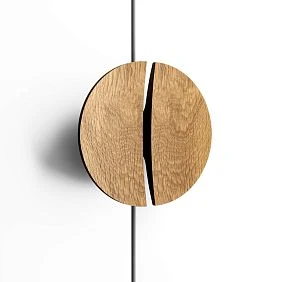
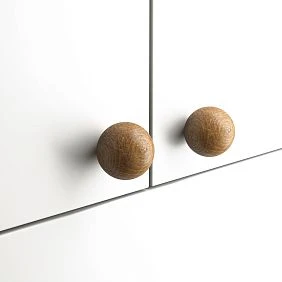
Round or oval knobs — a classic solution for chests of drawers, cabinets, small cupboards. They are compact, do not protrude significantly, do not catch on clothes or bags. Diameter is usually 30-50 mm, projection height from the front is 20-30 mm — enough to grip with fingers, but not so much as to be in the way.
Knobs can be smooth — simply a refined shape, the beauty of natural wood without additional ornamentation. This is a solution for minimalism, Scandinavian style, modern classic, where restraint is important. Carved knobs with floral ornaments, geometric patterns, textured surfaces suit more decorative interiors — Baroque, neoclassical, country.
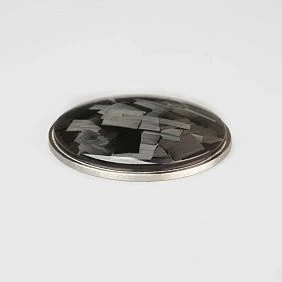
A metal insert in the center of the knob — a brass circle, copper rosette, black steel detail — adds an accent, creates a contrast of wood and metal. The metal color should match other hardware in the room — door hinges, light fixtures, furniture legs — creating a visual connection between elements.
Get Consultation
Brackets: Linearity and Grip
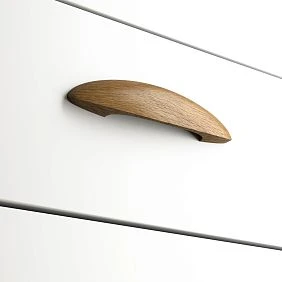
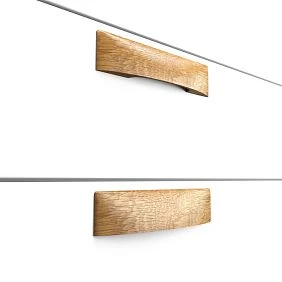
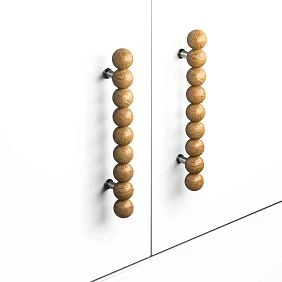
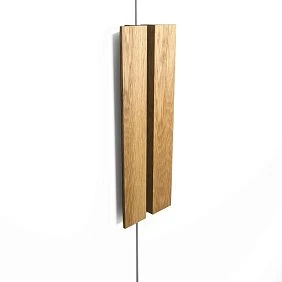
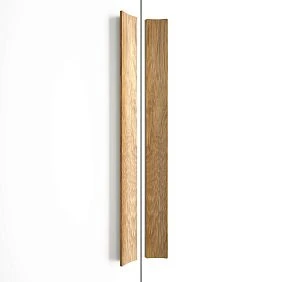
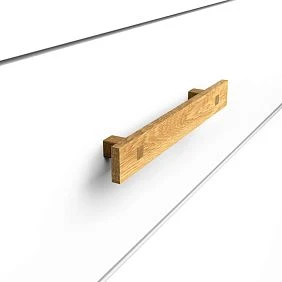
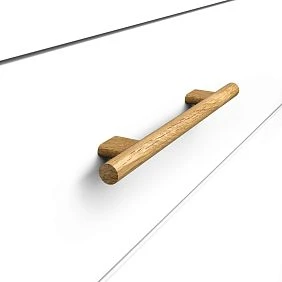
Brackets — horizontal handles with two mounting points — are a universal solution for kitchens, cabinets, where a comfortable full-palm grip is important. Bracket length varies from 96 mm (center-to-center mounting distance) for small drawers to 300-500 mm for wide doors. The larger the front, the longer the handle should be, otherwise it gets lost visually and is inconvenient functionally.
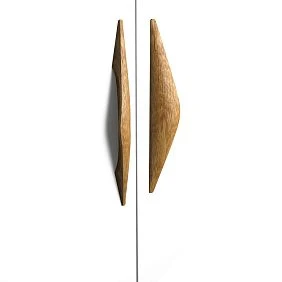
Straight brackets — strict, minimalist, suitable for modern interiors where clean lines and absence of excessive decor are important. Curved brackets — softer, more elegant, appropriate in neoclassical, classic styles where smooth forms and elegance are valued. Brackets with carved ends, with scrolls, with floral motifs on the ends turn a functional element into a decorative one.
Combined brackets — wood with metal — create visual interest. A wooden bracket base with metal ends or a metal base with wooden overlays. Such handles work as a bridge between different interior materials, connecting wooden furniture with metal light fixtures, stone countertops, glass elements.
Recessed Handles: Minimalism and Clean Lines
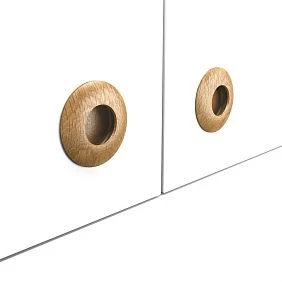
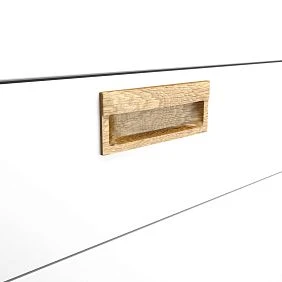
Recessed handles — profiles built into the top or side edge of the front, without protruding elements — a solution for minimalism where visual purity is important. The front looks monolithic, the handle becomes part of its architecture, not a separate object. This is popular in modern kitchens where smooth surfaces and absence of visual noise are desired.
Wooden recessed handles are less common but possible — a wooden profile integrated into the front creates a tactile and visual contrast with the smooth surface. More often, recessed handles are metal — aluminum, steel — but choosing wooden ones adds warmth to a minimalist solution.
Functionally, recessed handles are convenient for drawers where the movement is vertical — pull up or down. For hinged doors they are less convenient, requiring a different grip. It's important to consider this when choosing the handle type for a specific piece of furniture.
Wood Color: Warmth and Texture
The wood species determines not only the handle's strength but also its visual character. Oak, beech, ash, walnut — each species has its own color, texture, grain pattern. The choice of wood affects how the handles will combine with the furniture, floor, and other wooden elements in the interior.
Oak: Nobility and Expressiveness
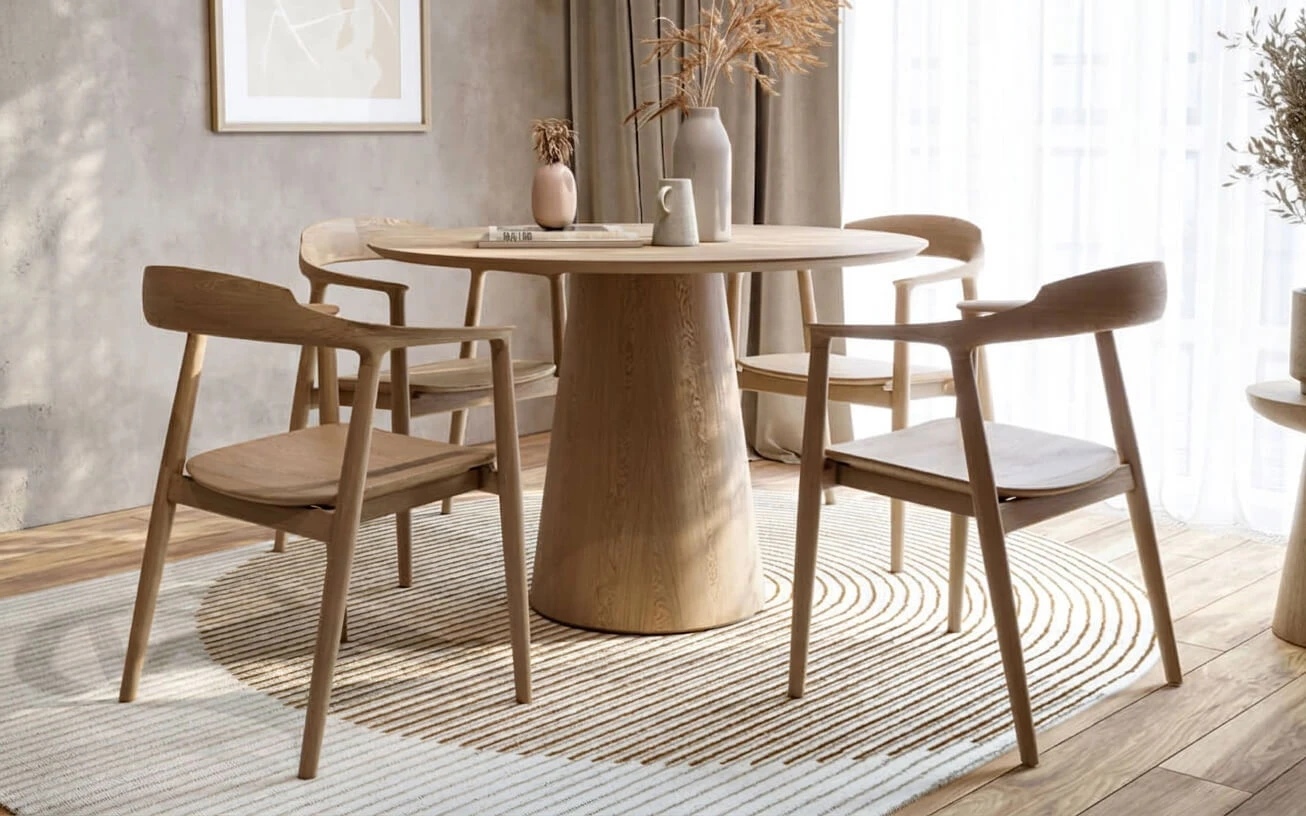
Oak — a classic of furniture production, strong, durable, with a pronounced texture. Oak color varies from light golden to dark brown depending on treatment. Natural oak without staining has a warm honey hue, emphasizing the grain of the annual rings. Stained oak can be dark — chocolate, graphite — creating a more dramatic effect.
Oak handles are visually substantial, even if small in size. The pronounced texture makes them noticeable, emphasizes materiality. They are suitable forclassic furniture, where the nobility of natural materials is valued, for country style where naturalness is important, for modern eco-interiors where wood works as an accent among neutral surfaces.
Combining oak handles with other oak elements — countertops, shelves, frames — creates material unity. But variation in shade is important — if all oak elements are identical in color, the interior becomes monotonous. It's better to play with shades — light oak on the floor, medium tone on handles, dark on the countertop — creating depth.
Beech: Softness and Warmth
Beech is lighter than oak, its grain is less pronounced, more uniform. The color of beech wood ranges from creamy pink to light brown, warm, soft, creating coziness. Beech handles appear lighter than oak ones, suitable for interiors where bulkiness is not needed, where airiness and tenderness are important.
Beech takes stains well, accepts various colors — from white to black, while maintaining surface smoothness. Stained beech handles in pastel tones are suitable for Provence, Scandinavian style, children's rooms, where a light, cheerful character is important. Dark stained beech creates contrast with light fronts, works as a graphic accent.
Functionally, beech is strong, not inferior to oak, but softer to the touch, more pleasant tactilely. For handles that are taken in hand dozens of times a day, this is important. Beech handles do not feel as cold in winter as metal, do not heat up in summer, remain comfortable always.
Ash: Graphic Quality and Dynamism
Ash has a pronounced, contrasting grain — alternating light and dark stripes, creating a dynamic pattern. The color of ash is light, grayish-beige, cooler than oak and beech. Ash handles are graphic, suitable for modern interiors where material expressiveness is valued, for minimalism where the grain itself works as decoration.
Ash is strong, elastic, resistant to stress, making it an excellent material for pull handles that undergo daily tension. Stained ash can imitate exotic woods — wenge, zebrano — creating a premium look at a lower cost.
Metal and Wood: A Play of Contrasts
The combination of wood and metal in handles creates visual interest, connects different interior materials, adds accents. The metal color — warm brass, cool steel, noble copper with patina, graphite black — defines the character, the temperature of the interior.
Brass: Warmth and Luxury
Brass — an alloy of copper and zinc — has a warm golden color that dulls over time, acquires a patina, becomes more noble. Brass inserts on wooden handles create a sense of premium quality, luxury, appropriate in classical and neoclassical interiors where the nobility of materials is valued.
Polished brass shines, reflects light, creates accents. Matte brass is more restrained, elegant, doesn't shout, but emphasizes quality. Brass with artificial patina — greenish or brownish — works in vintage, industrial interiors where history, a sense of time is important.
Wooden handles with brass ends, with brass rings, with brass plates connect furniture with brass light fixtures, kitchen faucets, door handles, creating material unity. It's important that the brass finish is uniform — all polished or all matte, mixing creates chaos.
Black Steel: Graphic Quality and Modernity
Black steel — matte or with a slight sheen — is a modern choice, creating a graphic contrast with natural wood. Black metal elements on wooden handles emphasize lines, make the handle more noticeable, work as an accent on light fronts.
Black metal is stylistically universal — suitable for minimalism, industrial style, Scandinavian, modern classic. It is neither warm nor cold, neutral, which allows it to be combined with different colors and materials. Wooden handles with black steel inserts connect furniture with black window frames, black light fixtures, black appliances.
Black steel does not require polishing, does not lose its appearance over time, scratches on the matte surface are unnoticeable. This is practical for kitchens where handles undergo intensive use, contact with wet hands, grease, and require frequent cleaning.
Copper: Warmth with Character
Copper is warmer than brass, more reddish, expressive. Over time, copper oxidizes, develops a patina — greenish, brownish — which adds character, history. Copper elements on wooden handles create a vintage feel, appropriate in interiors with a touch of antiquity, in country style, in eclecticism where different eras are mixed.
Copper requires care if you want to maintain its shine. Without polishing, it dulls, develops a patina. But it is precisely this patination that is valued in some styles, making the handles unique, unlike new factory ones. This is a choice for those who value a living material that changes over time, rather than remaining frozen in its initial state.
Carving and Ornament: From Restraint to Decorativeness
The degree of decorativeness of handles is determined not only by shape but also by the presence of carving, ornament, textured surface treatment. A smooth handle and a handle with carved floral ornament speak different visual languages, suit different styles, create different moods.
Smooth Handles: Purity of Form
Smooth surface, refined shape, absence of decoration — the philosophy of minimalism, where beauty lies in simplicity, in perfection of proportions, in the tactility of the material. Smooth wooden handles allow you to feel the wood grain, see the fiber pattern, appreciate the color without distraction from ornament.
Such handles are suitable for modern interiors, Scandinavian style, Japanese minimalism, where restraint, absence of visual noise is important. They work on contrast — natural wood on smooth painted fronts, warm on cold, organic on geometric.
Functionally, smooth handles are convenient — nothing catches, pricks, or interferes with grip. They are easy to clean — just wipe with a damp cloth, no need to clean carving from dust. This is practical for kitchens, children's rooms where hygiene is important, where handles undergo frequent contact.
Textured Handles: Texture Without Carving
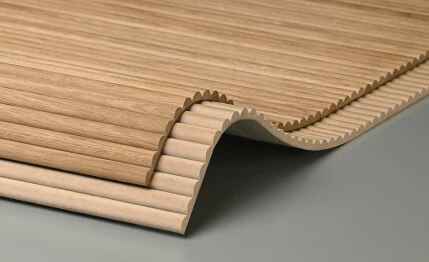
Textured treatment — ribbing, notching, sanding creating slight roughness — adds tactility without transitioning into carving. This is a compromise between a smooth surface and ornament, a solution for those who want interest, but not decorativeness.
Ribbed handles are functionally convenient — they do not slip in the hand, provide a reliable grip even with wet fingers. This is important in the kitchen where hands are often wet after washing dishes, vegetables. Visually, ribbing creates a play of light and shadow, makes the handle more voluminous, noticeable.
Textured handles are suitable for industrial style, where roughness is valued, for Scandinavian, where functionality is important, for modern interiors where texture works as decoration. They easily combine with other materials — concrete, metal, glass — do not compete, but complement.
Carved Handles: Ornament and Character
Carving — botanical motifs, geometric patterns, abstract forms — transforms a handle into a decorative object that attracts attention and creates an accent. CarvedFurniture Handleshandles are appropriate in classic interiors, Baroque, Neoclassical, and Country styles, where craftsmanship, detailing, and connection to tradition are valued.
Botanical carving — acanthus leaves, grapevines, floral motifs — is a classic choice that echoes the carving on other furniture elements like cornices, overlays, and legs. This creates compositional unity and a sense that the furniture was created as an ensemble, not assembled from disparate parts.
Geometric carving — meanders, diamonds, braids — is more restrained and suitable for Neoclassical and Art Deco styles, where structure, order, and repeatability are important. Such carving does not overwhelm; it works as texture, creating visual interest without excessive ornamentation.
Abstract carving — organic forms, waves, smooth lines — is a modern interpretation suitable for eclectic interiors where styles, eras, and materials are mixed. Such handles are unique, making furniture look bespoke and unlike mass-produced items.
Overlays and Cornices: Repeating Motifs
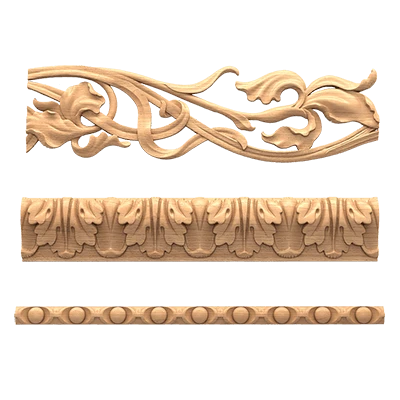
Solid Wood Itemswork systematically — handles do not exist in isolation; they are part of a decorative program that includes overlays on facades, cornices above cabinets, moldings, and rosettes. Repeating ornaments, shapes, and colors creates compositional unity, turning a set of furniture into an interior ensemble.
Overlays: Accents on Facades
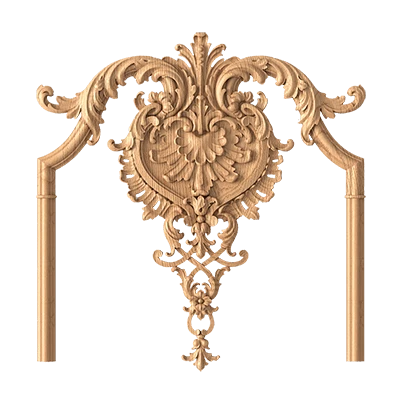
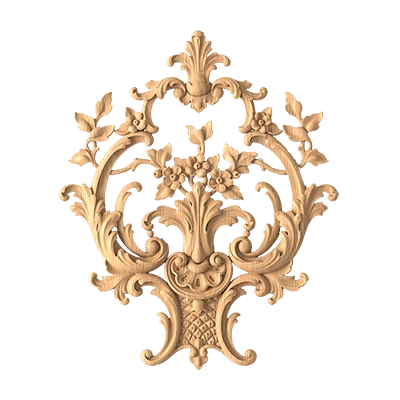
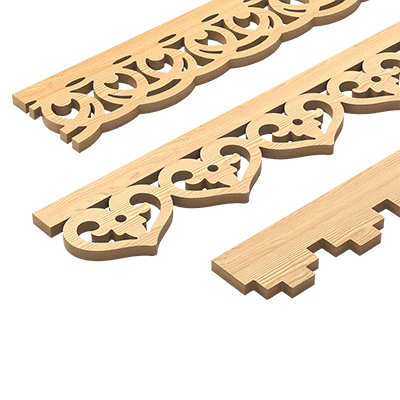
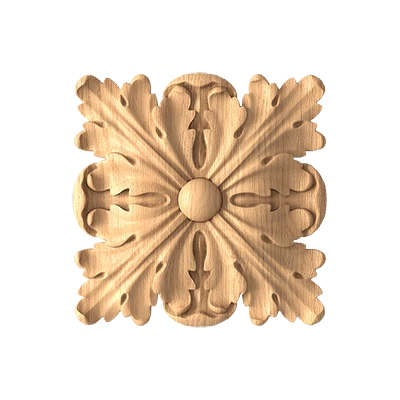
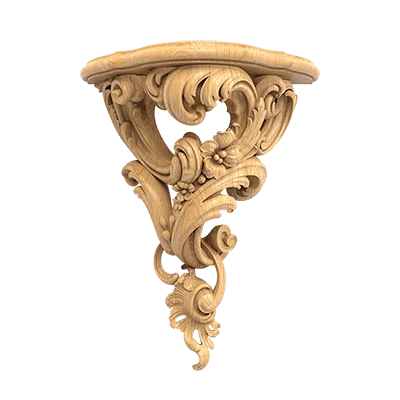
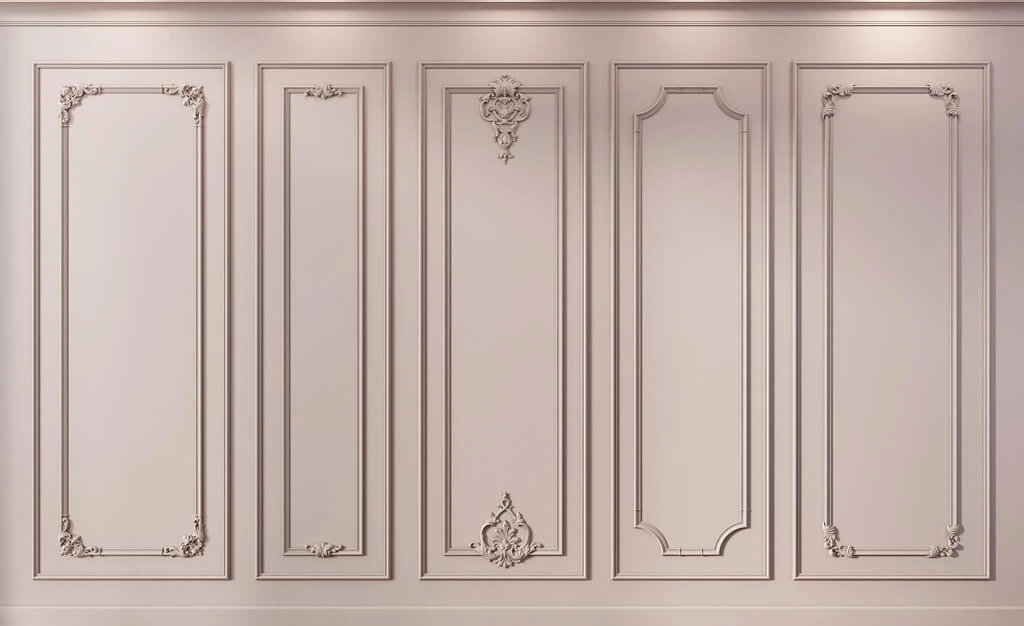
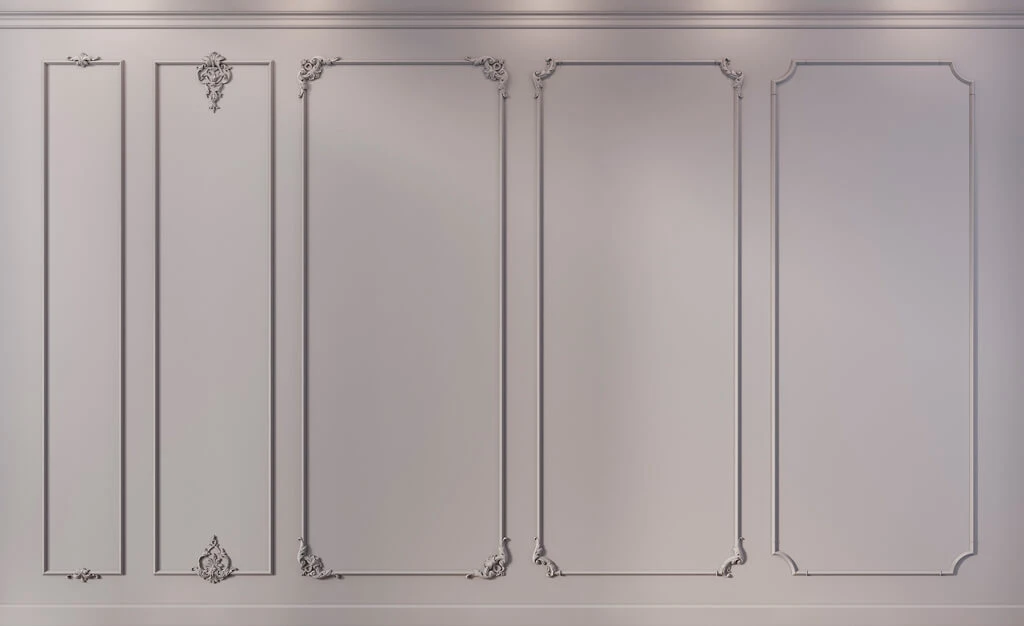
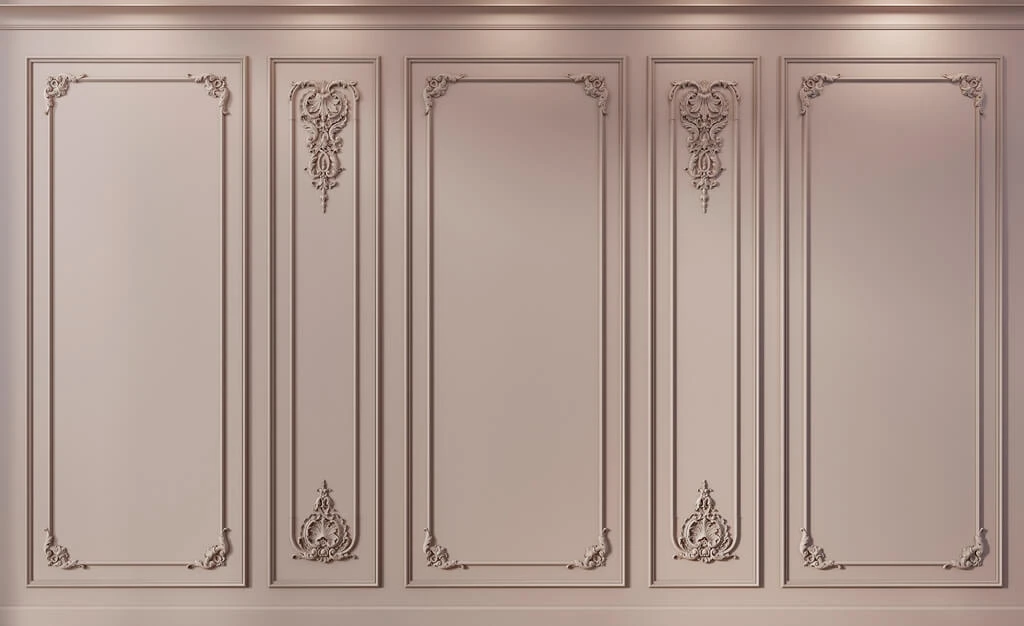
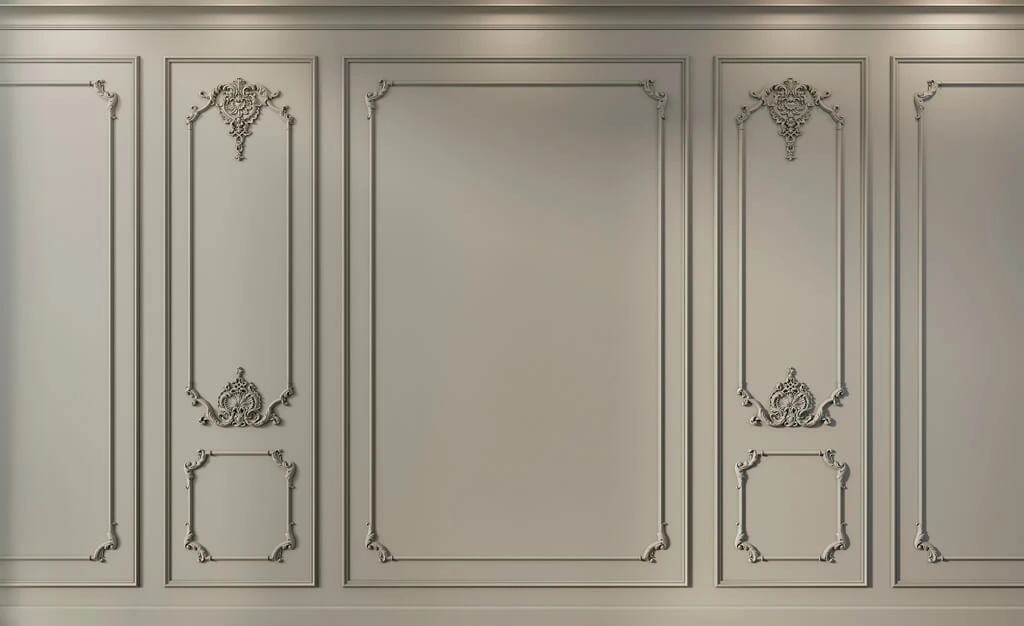
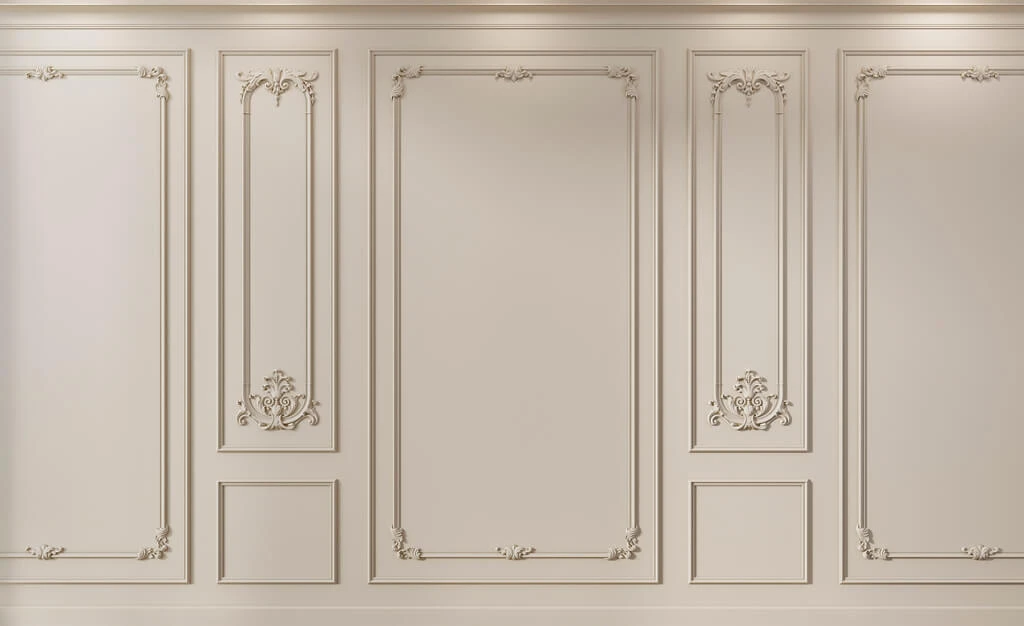
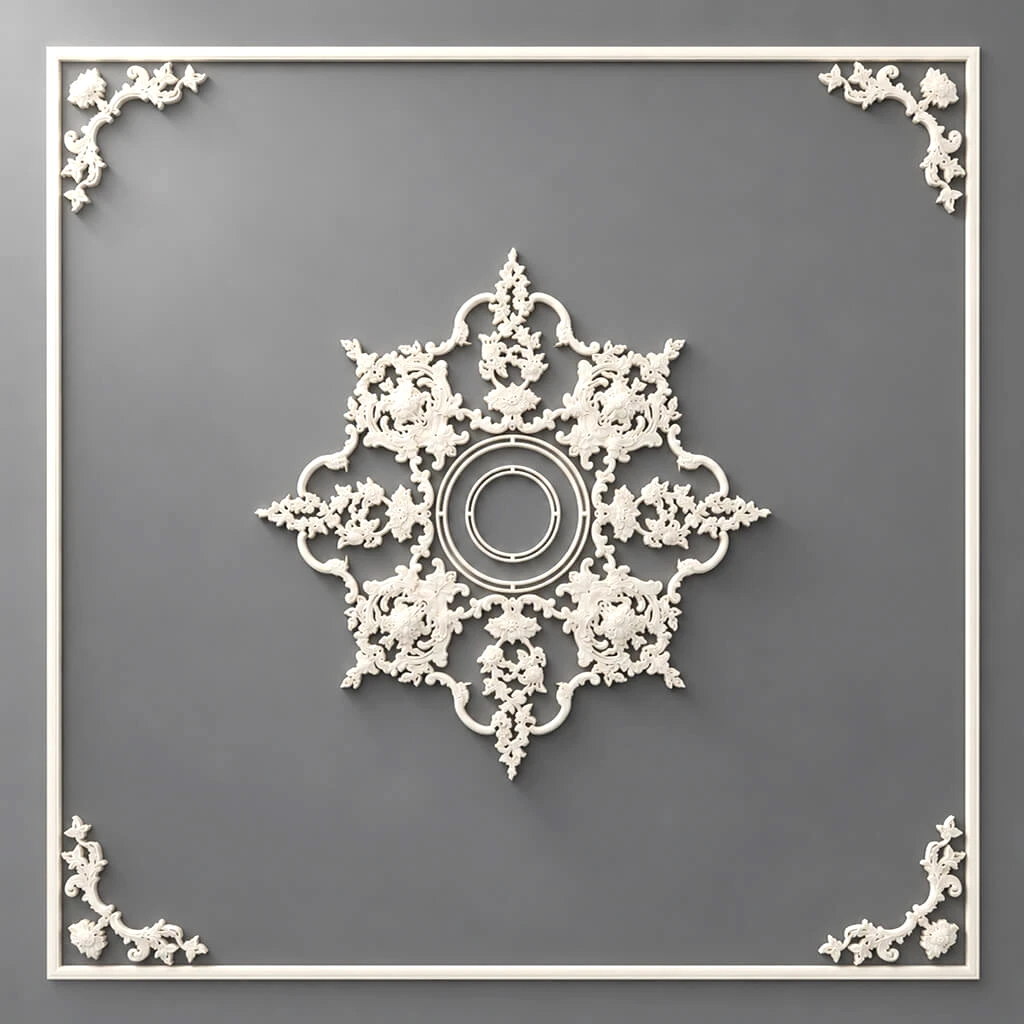
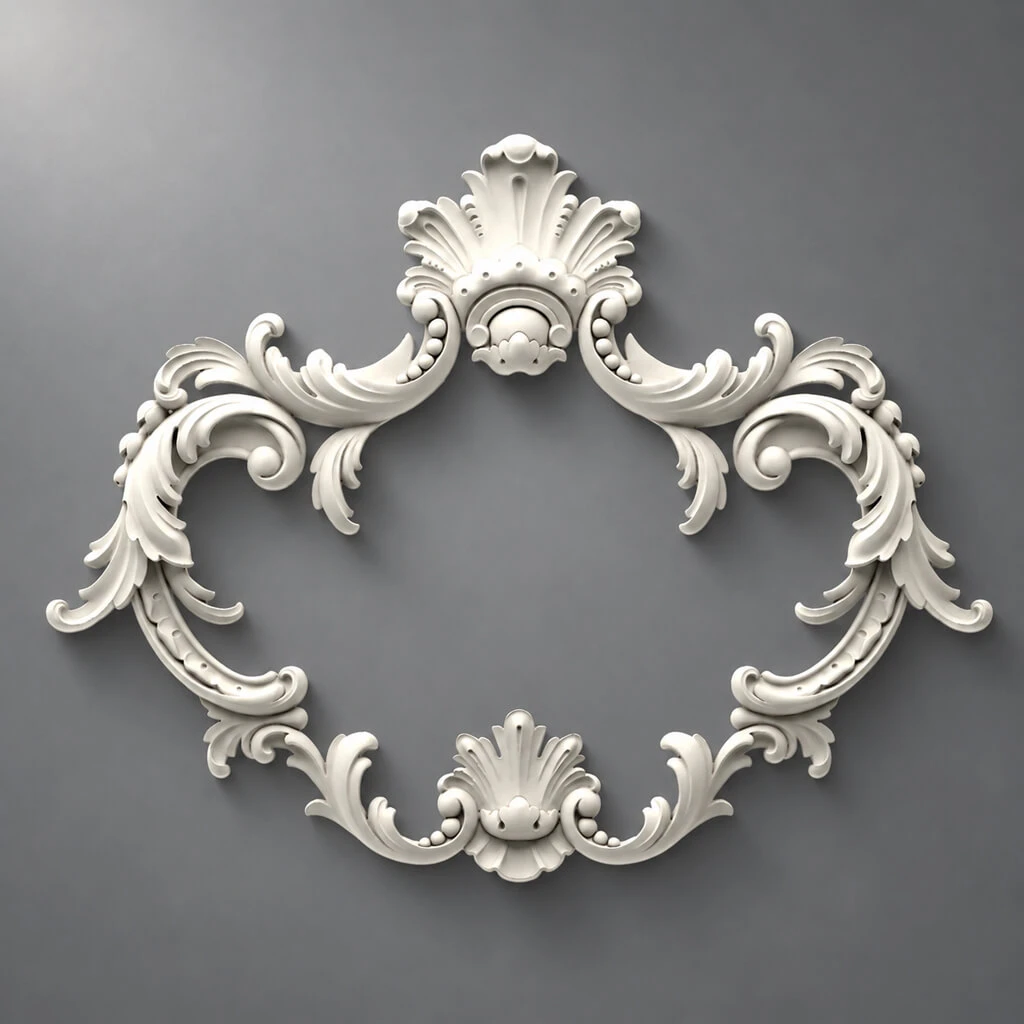
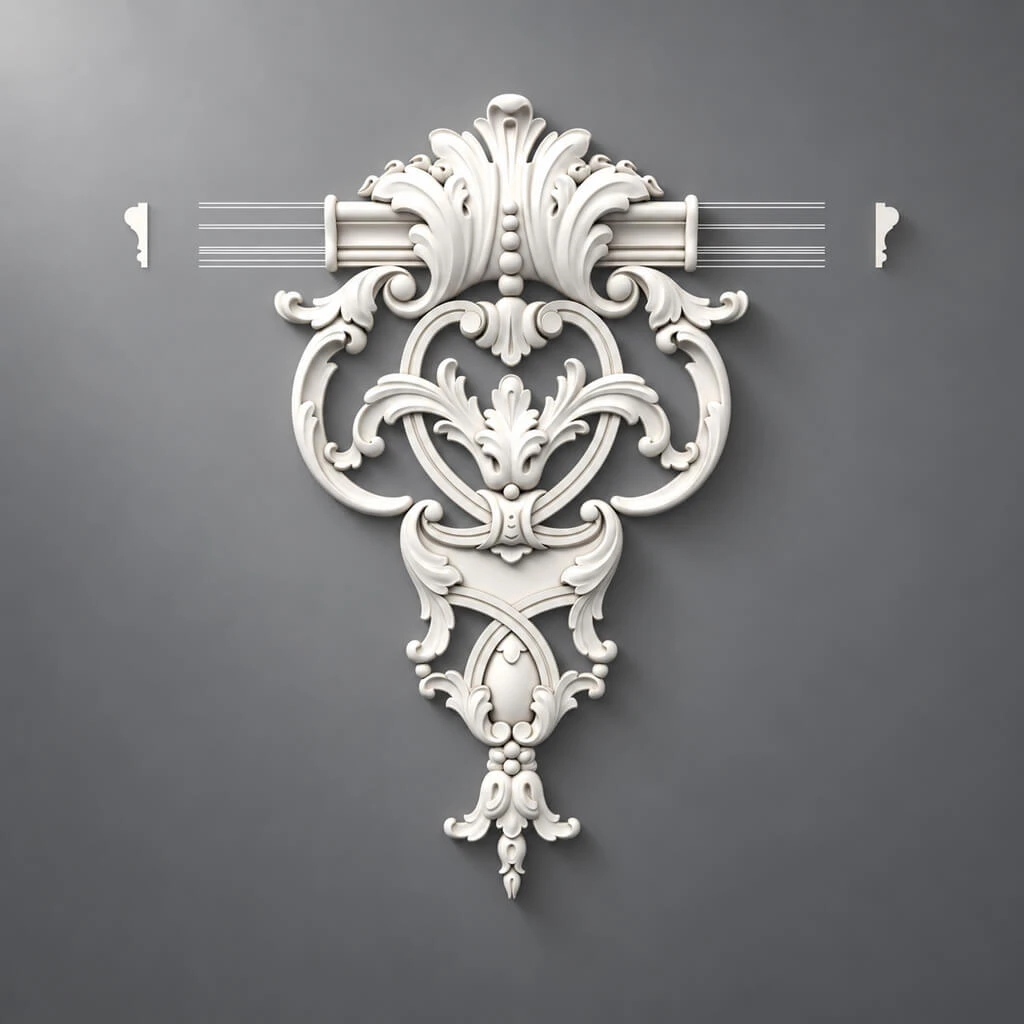
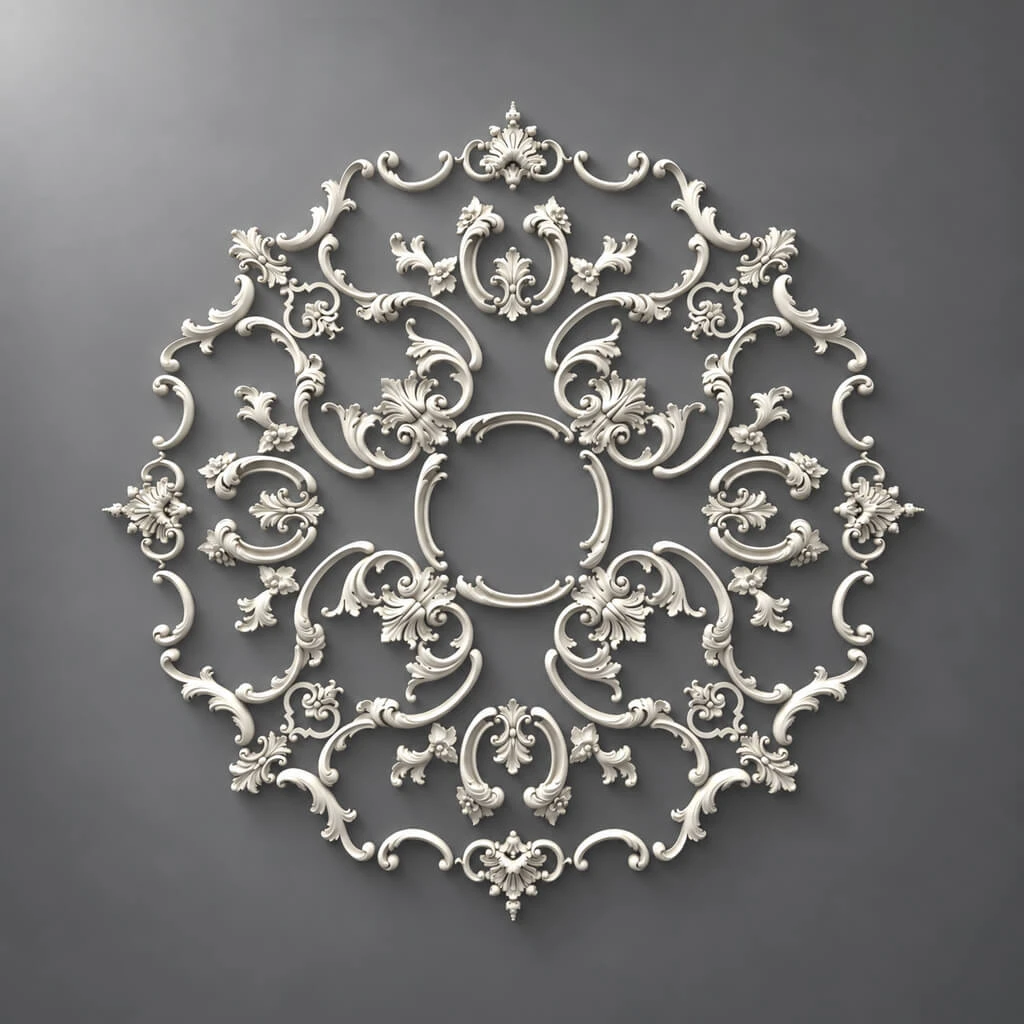
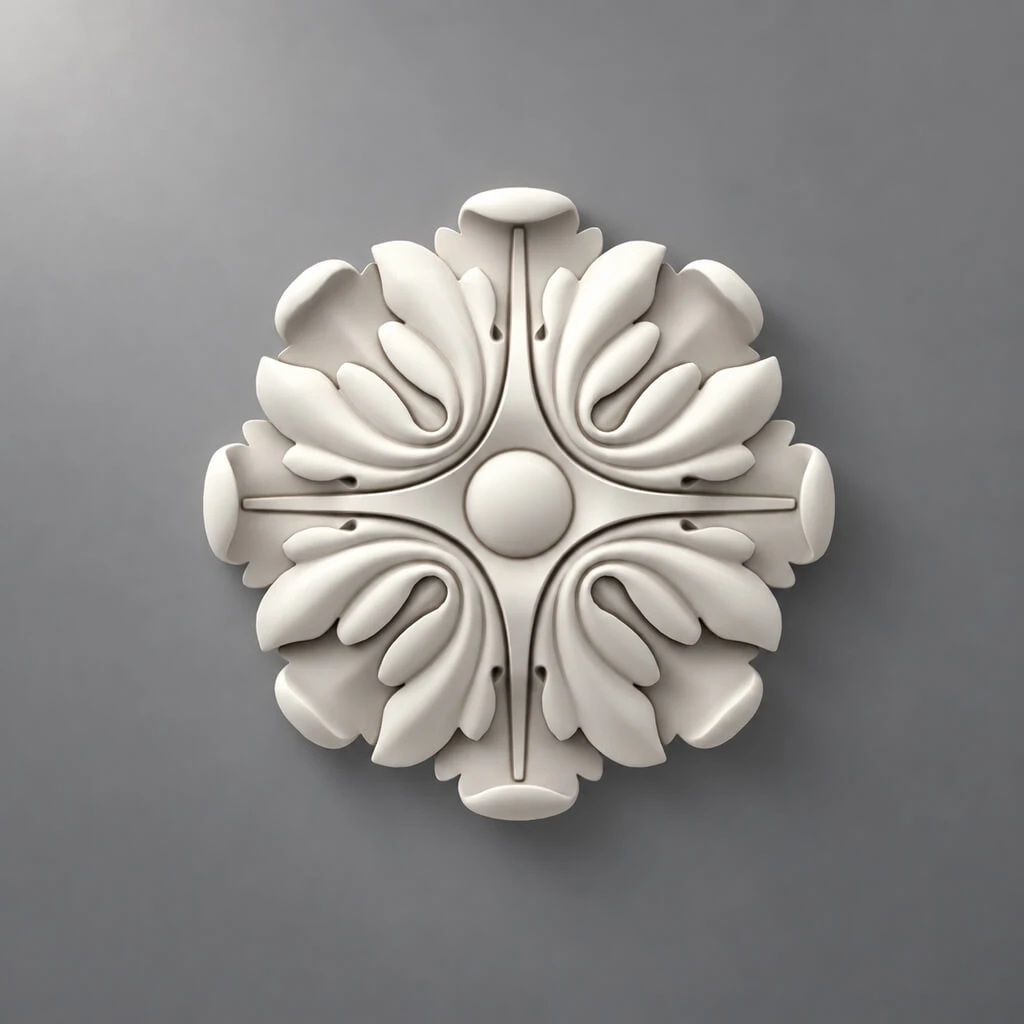
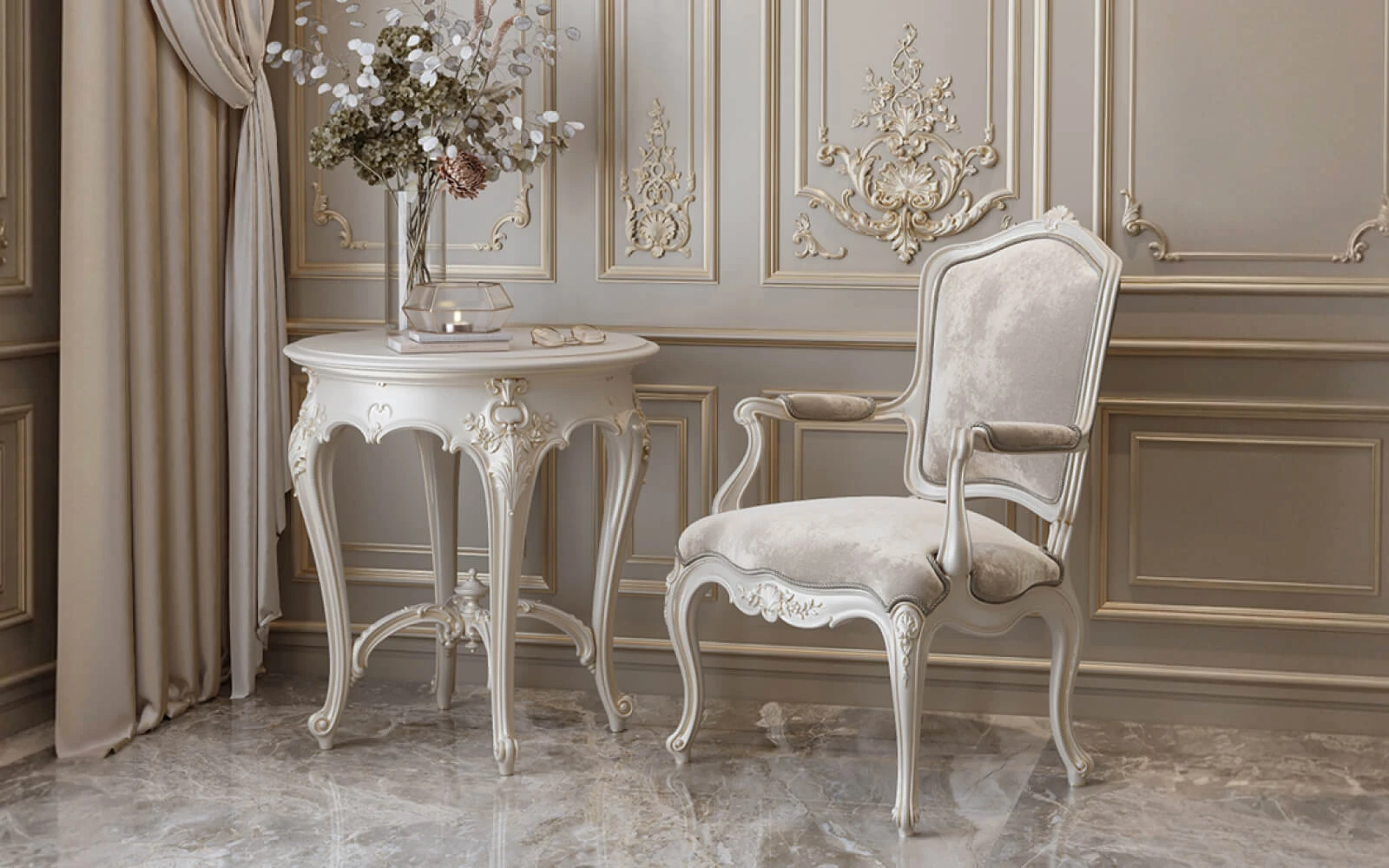
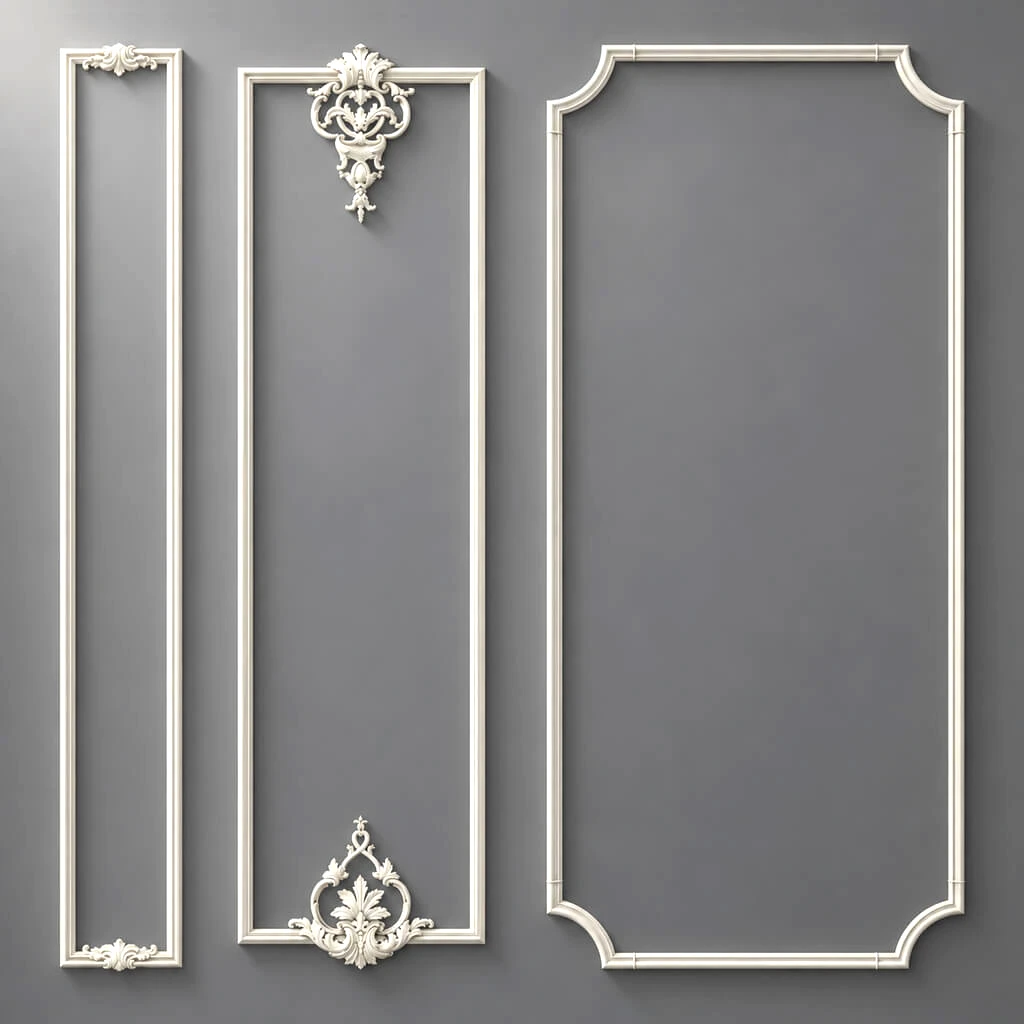
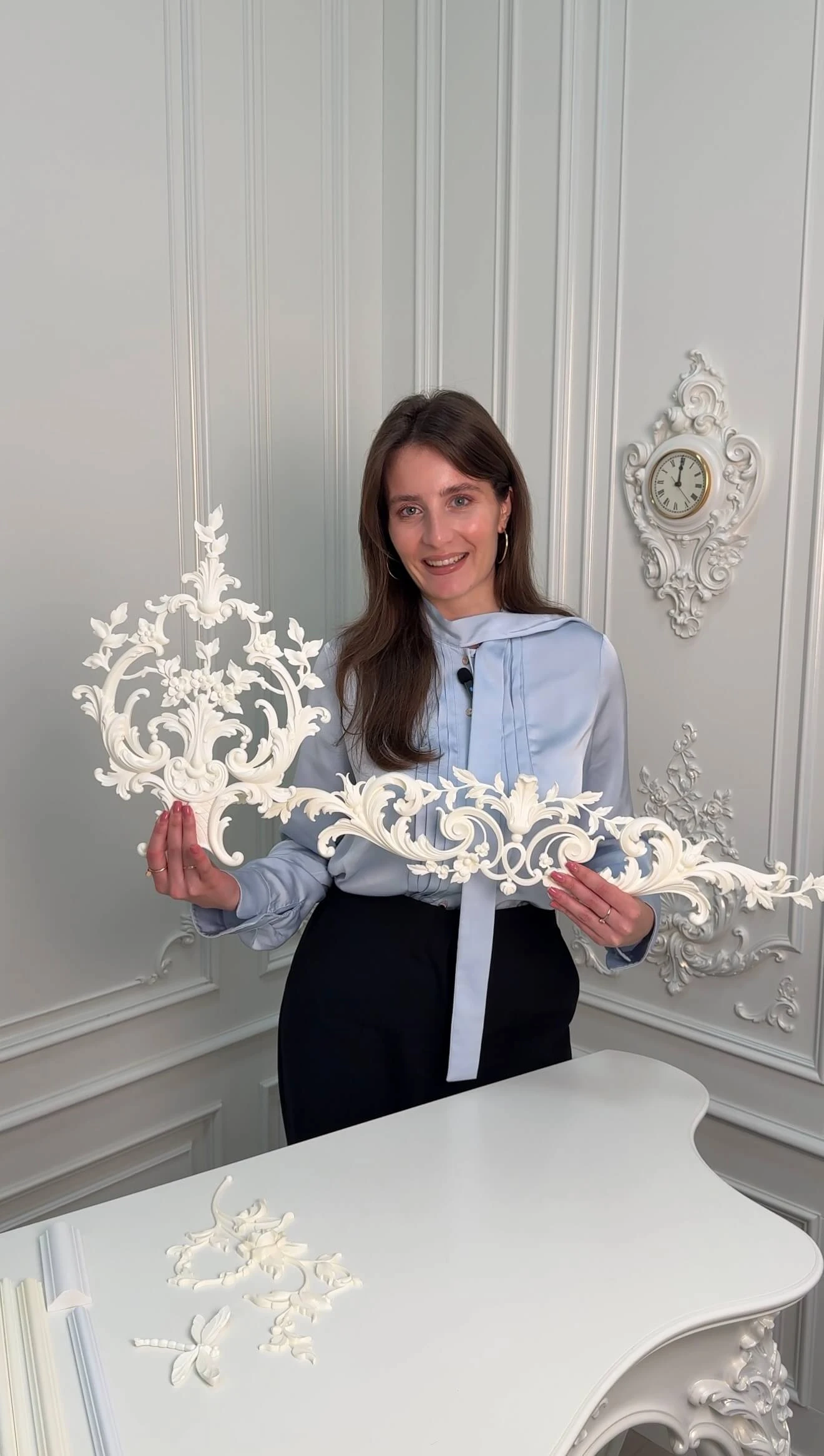
Decorative overlays — carved elements attached to door and drawer fronts, or walls — work as focal points that create visual interest. A central overlay on a cabinet door, corner overlays around the perimeter, or linear overlays along borders all structure the plane, giving it an architectural quality.
If handles have a botanical ornament, overlays should use similar motifs — the same leaves, the same scrolls, the same carving style. This does not mean identical — a handle can be small with a fragment of the ornament, while an overlay can be large with a full composition. What matters is kinship and recognizability of the visual language.
The color of overlays is coordinated with the color of handles. Both elements made of natural oak in the same tone create material unity. Dark-toned handles with light overlays create contrast but within a wooden palette. Wooden handles with gilded overlays create luxury appropriate for classic interiors.
The placement of overlays is considered in composition with handles. If a handle is centered on a facade, an overlay is placed above or below, creating a vertical axis. If handles are on the edges, a central overlay works as a focal point. It's important to avoid overload — do not place both a handle and a large overlay on a small door, as this creates visual chaos.
Cornices: finishing the composition
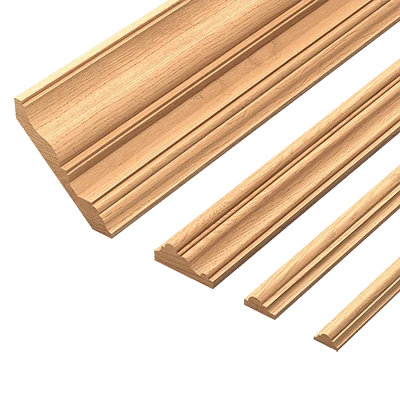
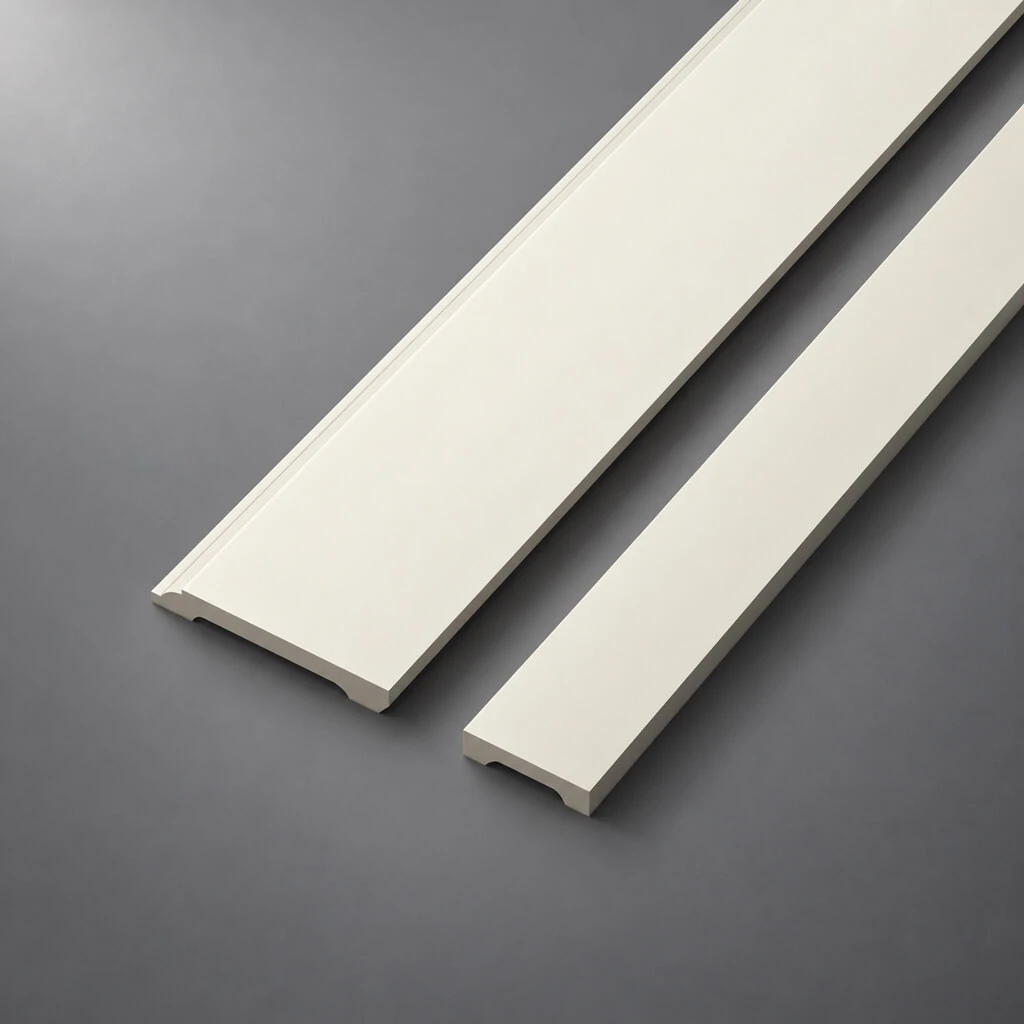
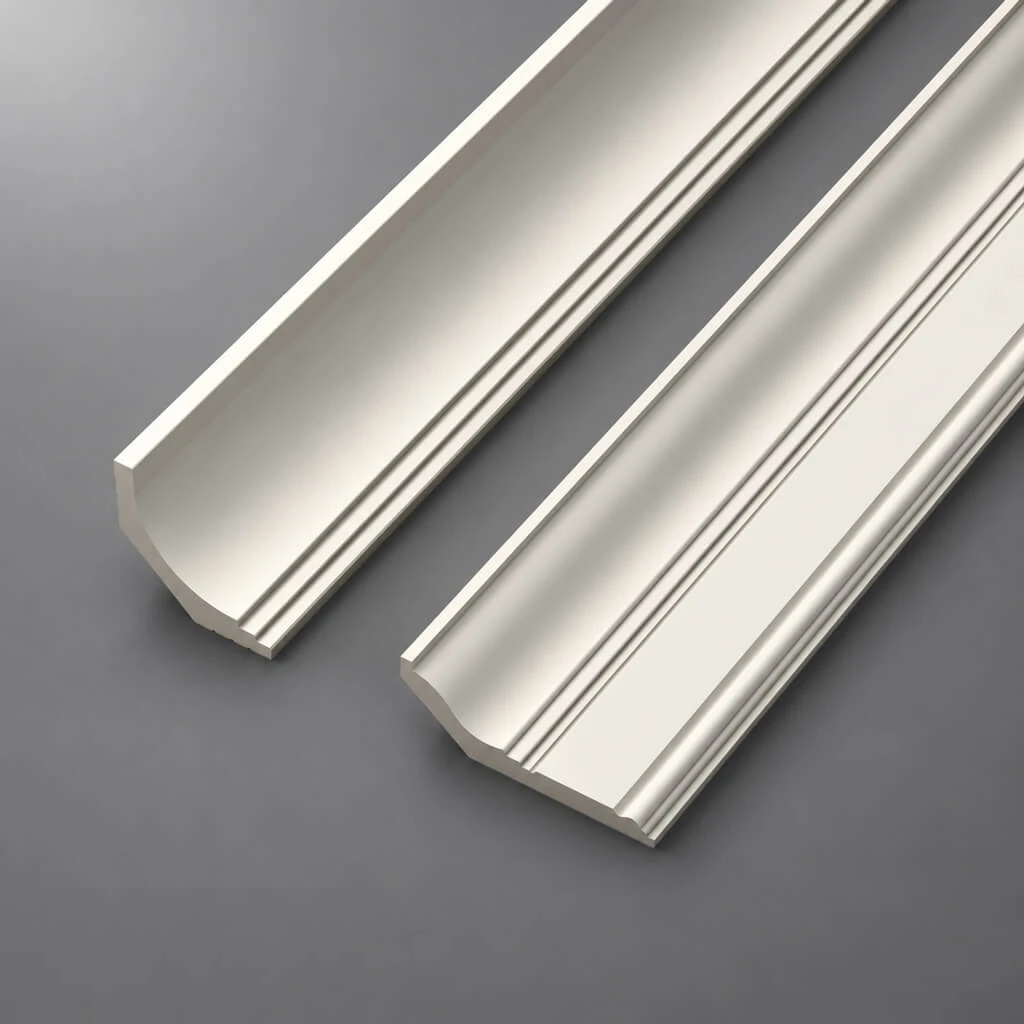
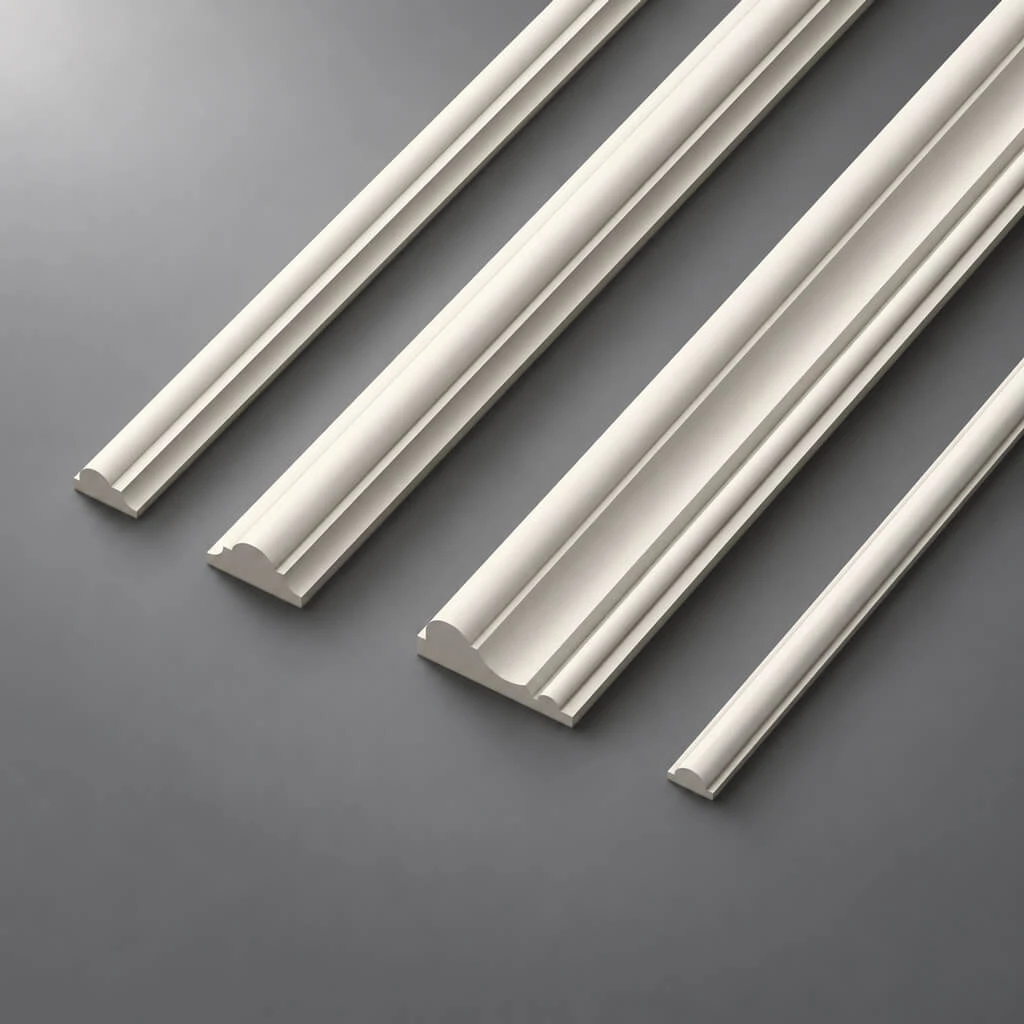
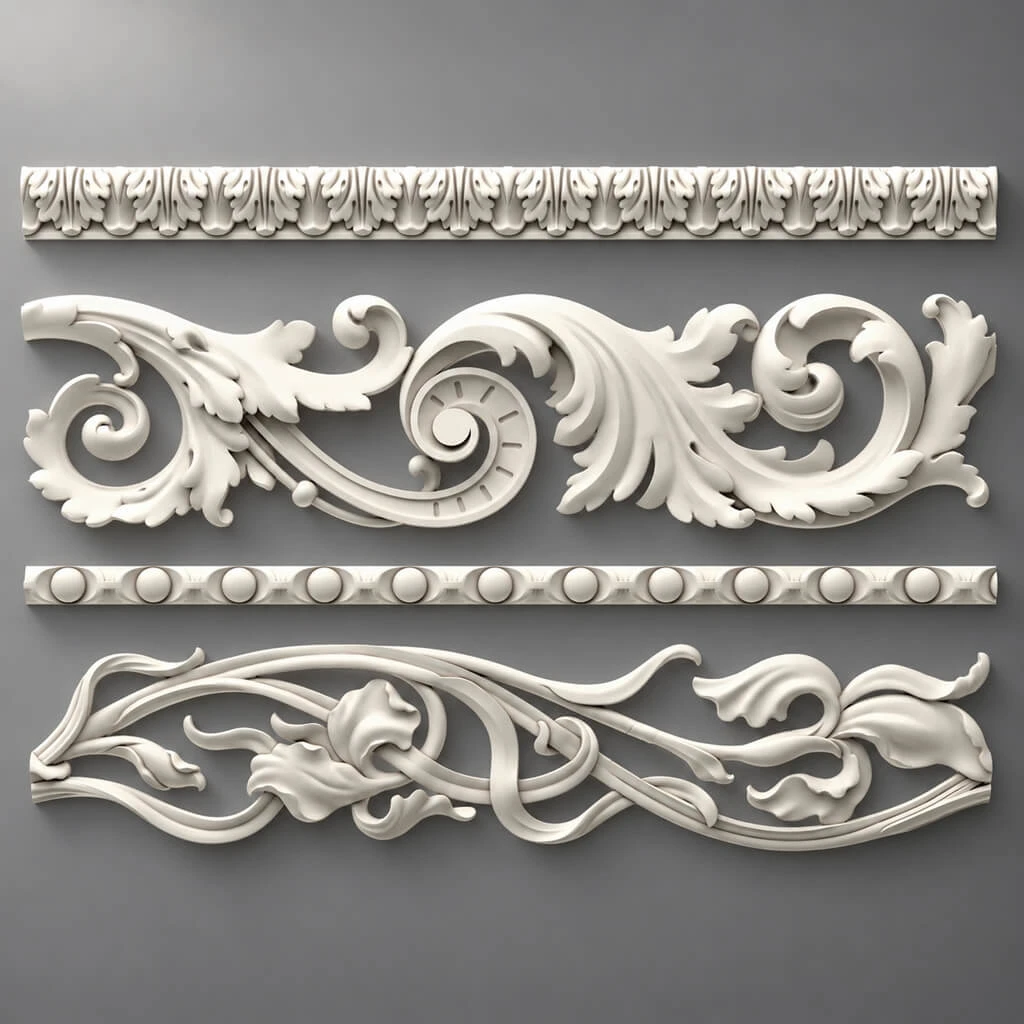
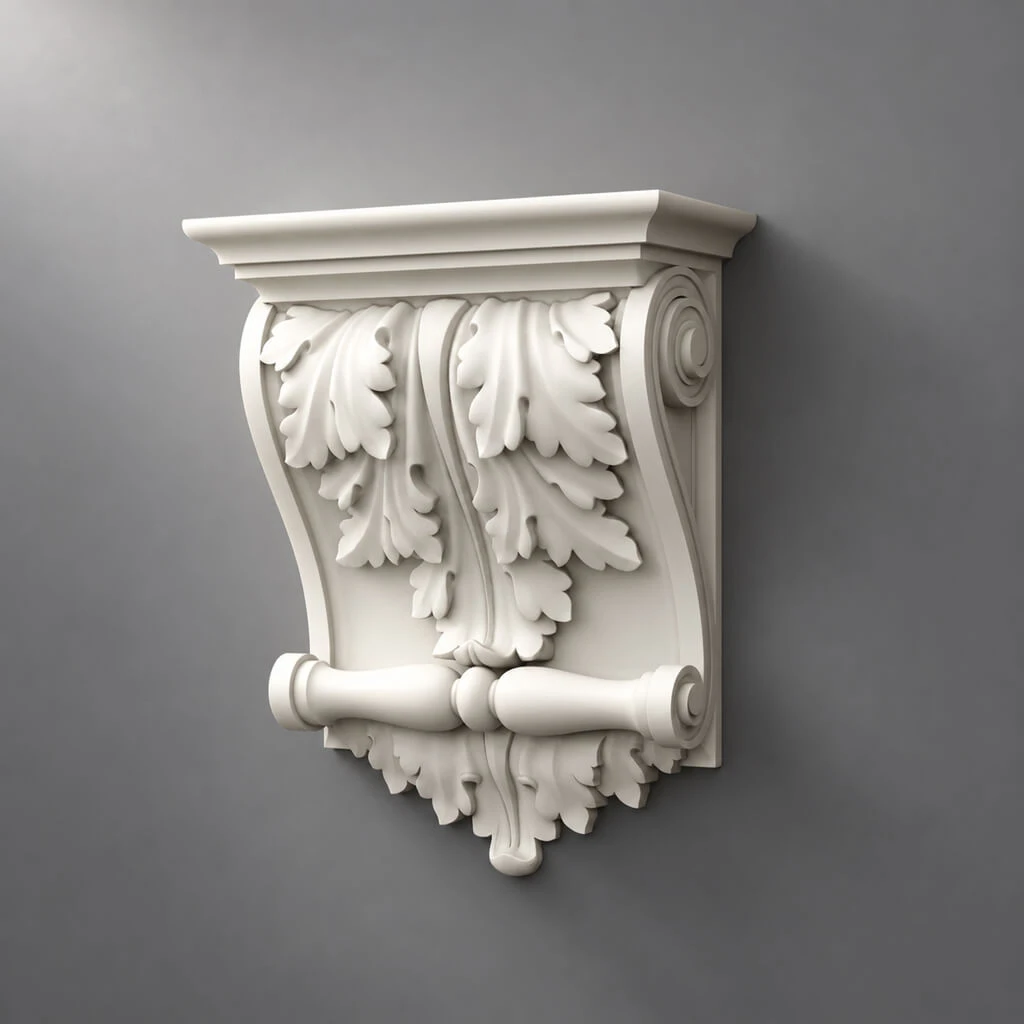
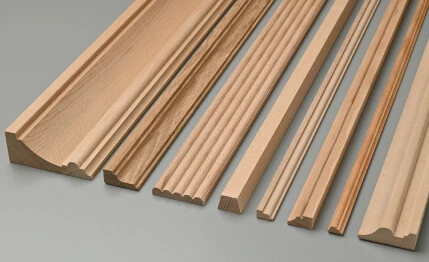
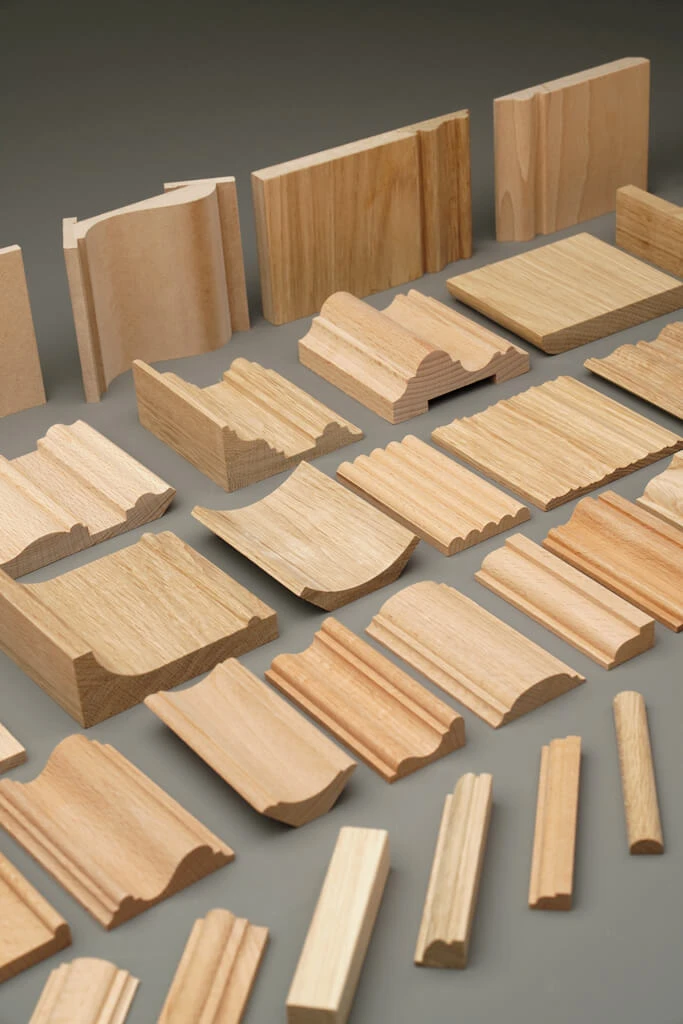
A cornice above a cabinet or dresser is an architectural element that completes the vertical composition, creating a transition to the ceiling or wall. The cornice profile can be simple — a rectangular strip with a bevel — or complex — multi-level milling with protrusions, recesses, and carving.
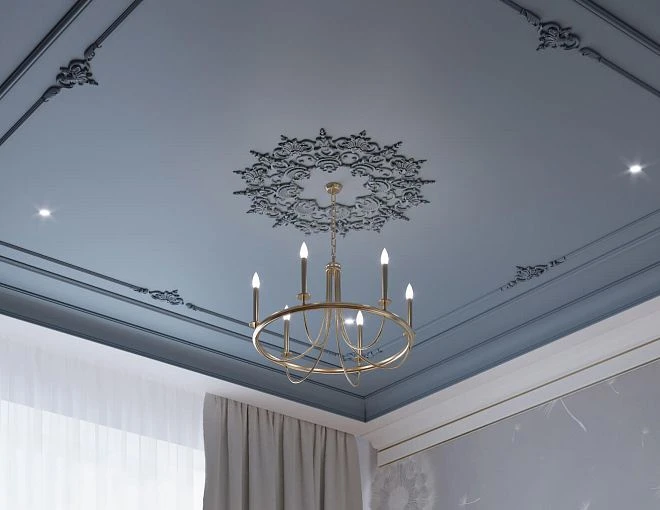
If handles and overlays have carving, the cornice should also contain decorative elements — carved rosettes at the corners, linear ornamentation along the length, modular overlays that repeat the motifs of the handles. This creates a visual connection between the top and the facade of the furniture, making the piece cohesive rather than assembled from random elements.
The color of the cornice typically matches the color of the furniture body — if the cabinet is white, the cornice is also white. But contrast is possible — a natural wood cornice on a painted body that echoes wooden handles, creating a material frame — wood at the bottom in handles, wood at the top in the cornice.
A cornice is not functionally necessary but is visually critical. Without it, a cabinet looks unfinished, truncated, especially if there is a gap between it and the ceiling. A cornice hides this gap, creates an architectural finish, and turns furniture into an interior element rather than just a utilitarian storage item.
How to Fix Furniture: Updating Through Details
Old but sturdy furniture does not always need replacement. Sometimes it's enough to update details — replace handles, add overlays, install a cornice — to breathe new life into it, change its character, and adapt it to a new interior.how to fix furniture— a question solved not by major renovation but by thoughtful decor.
Assessing Potential
Not all furniture is worth updating. If the body is damaged, facades are warped, or internal fittings don't function — it's easier to buy new. But if the structure is solid, the wood is of good quality, and only the appearance is outdated — updating through details is economically and aesthetically justified.
Assess the furniture's style. A Soviet-era cabinet with carving cannot be turned into Scandinavian minimalism, but it can be refined by emphasizing the carving with new handles in the same style, adding overlays, and updating the finish. A characterless IKEA dresser can be individualized with wooden handles and overlays, turning a mass-produced item into a unique one.
Determine the budget. A set of new handles costs from a few thousand rubles; overlays and a cornice cost about the same. This is significantly cheaper than buying new furniture of comparable quality. If the budget allows, you can also update the finish — repaint, re-varnish, or re-oil — which will enhance the transformation effect.
Selecting New Handles
New handles should match the intended style of the furniture after the update, not its current state. If you plan to repaint a dresser a light color, select handles for a light palette — natural light wood, white-toned beech, light brass. If you keep dark wood, handles can be dark oak, with black metal inserts.
The size of handles should correspond to the size of the facades. Small knobs on large doors get lost and look skimpy. Overly long pulls on narrow drawers overwhelm and leave no room for overlays or other decorative elements. Measure the facades and choose proportional handles.
The center-to-center mounting distance is critical for pulls. If old handles had a 96 mm distance, new ones must have the same, otherwise you'll need to drill new holes and fill old ones. Alternatively, choose handles with wide bases that cover old holes, hiding them. This simplifies installation and avoids extra work.
Adding Overlays
Overlays turn smooth facades into decorative ones, adding volume, structure, and character. On old cabinet doors where veneer is worn, an overlay hides defects while enhancing the appearance. On new but bland facades, an overlay creates focal points, making the furniture individual.
Installation of overlays is simple — wood glue or furniture screws with decorative caps. The surface must be clean and degreased before installation. Press the overlay firmly, remove excess glue. After drying, the overlay can be painted to match the cabinet front or left natural to create contrast.
Placement of overlays is carefully considered. Symmetry — two identical overlays on two cabinet doors — creates order, a classic composition. Asymmetry — overlays of different sizes or shapes — creates dynamism, a modern interpretation. A central overlay on each door is a traditional solution; corner overlays around the perimeter are more complex, structuring the plane.
Installing the cornice
The cornice completes the update, transforming a cabinet or dresser into an architectural object. If the furniture reaches the ceiling, the cornice closes the gap, integrating the piece into the space. If the furniture is lower than the ceiling, the cornice visually increases the height, making the piece more significant.
Cornice mounting — with glue, screws, nails — depends on the body material and the weight of the cornice. A lightweight wooden cornice can be glued; a massive carved one requires additional fasteners. It is important that the cornice is installed level — unevenness is immediately noticeable and ruins the impression of quality.
The color of the cornice is determined by the update concept. A cornice matching the body color creates a unified vertical line. A cornice made of natural wood, echoing the new handles and overlays, creates a material frame, connecting the elements. A contrasting cornice — white on dark, dark on light — creates graphics, emphasizing the top line.
Frequently asked questions
Can wooden handles be installed in a kitchen if they come into contact with moisture?
Yes, if the handles have a protective coating — oil, varnish, wax — that prevents moisture absorption. Modern wood oils create a water-repellent layer; the wood does not swell or crack. Regular care is important — wiping with a dry cloth, periodic renewal of the oil coating every year or two.
How to choose the right handle size for a front?
For knobs: diameter 30-40 mm for small dresser drawers, 40-50 mm for large doors. For pulls: length should be 30-50% less than the width of the front. A drawer 40 cm wide — a pull 12-15 cm. A door 60 cm wide — a pull 20-25 cm. A handle that is too small gets lost; one that is too large is overwhelming.
Do all handles in the house need to be identical?
Not necessarily identical, but related. In the kitchen — one style of handles; in the bedroom — another, but the material is unified — all wood or wood with one metal color. This creates a visual connection between rooms without making the interior monotonous. Unity of metal finish is important — all matte brass or all polished.
How to clean wooden handles?
Regularly wipe with a dry or slightly damp soft cloth. Do not use aggressive cleaning agents or abrasives — they damage the coating. If the handles are oiled, renew the oil once a year — apply a thin layer, leave for 10-15 minutes, remove excess. If varnished, wiping is sufficient; the varnish does not need restoration for several years.
Can wooden handles be painted a different color?
Yes, wooden handles can be repainted. Remove the old coating by sanding, apply primer, then paint or stain of the desired color, and a finish — varnish or oil. This allows adapting the handles to a changed interior, updating them without buying new ones. It is better to entrust repainting to professionals if the carving is complex — it's important not to clog the details with paint.
How to repeat the handle ornament in other elements?
Look at the carving motif on the handles — floral, geometric, abstract. Select overlays with a similar motif — not necessarily identical, but related. If the handles have acanthus leaves, overlays also with leaves. The cornice can contain a simplified version of the same ornament — a linear repetition of the element. This creates compositional unity.
Conclusion
Furniture Handles— are not just functional hardware, but a tool of transformation that turns basic furniture into individual, mass-produced into premium, faceless into characterful. The choice of shape, material, wood color, metal type, degree of decorativeness determines how the handles will interact with the furniture and interior. Solid oak or beech wooden handles differ from plastic and stamped metal ones in tactility, durability, and the ability to age gracefully. They create a pleasant daily use experience, making every touch comfortable.
The combination of wood and metal — brass, black steel, copper — connects the handles with other interior elements, creates visual accents, defines the temperature of the space. Carving and ornamentation add decorativeness, turning the handle into a miniature work of art, suitable for classical and neoclassical interiors. Smooth and textured handles work in minimalism, Scandinavian style, modern directions where restraint is important.
Repeating motifs in handles, overlays, and cornices creates compositional unity, turning a set of furniture into an interior ensemble where each element responds to another.Furniture decor— works systematically — not as isolated details, but as a connected program that structures space, creates visual connections, defines character. Updating furniture by replacing handles, adding overlays, installing cornices is an affordable way of transformation without major costs, which solves the issuehow to fix furniture, without changing it completely.
The company STAVROS specializes in the production of woodenfurniture handles— made of solid oak and beech, which transform standard furniture into individual pieces. A wide range includes classic carved knobs, modern linear pulls, minimalist cylindrical forms, combined solutions with metal inserts — brass, black steel, copper. All products are manufactured using 3D milling, ensuring shape precision, smooth lines, and surface quality. Protective coating — oil or varnish — makes the handles resistant to moisture, dirt, mechanical impact, preserving the beauty of the wood for decades.Solid Wood Items— STAVROS — handles, overlays, cornices, moldings, rosettes — work as a system where each element can be used independently or in composition with others, creating endless combinations for individual projects. The ability to order handles unfinished allows you to tint them yourself to the desired color, adapt them to specific furniture, and create unique solutions. STAVROS collections include both classic models for traditional interiors and modern laconic forms for minimalism, Scandinavian style, and eco-directions. Professional designers help select handles for a specific project, considering furniture style, color palette, front dimensions, and functional features. The stock program ensures fast shipping — goods are dispatched on the day of order or the next day, delivery across Russia and CIS via reliable transport companies. Choosing STAVROS means choosing the quality of natural wood, proven over time, design that meets current trends, and service that makes furniture updating a simple and pleasant process. Let every touch of your furniture be comfortable, let the details turn basic into premium, let your interior speak of your taste through the little things that change everything.